









Quick Answer
A pendant light, chandelier, or linear fixture usually works best over a dining table because it provides focused lighting while creating a visual centrepiece. The right choice depends on your table shape, size, ceiling height, and dining style.
Pendant Lights
Pendant lights are a versatile choice because they provide focused light without overwhelming the dining space.
Pendant lighting works especially well in homes where the dining table is used for more than meals, such as homework, working from home, casual conversations, or entertaining guests.
A single pendant can create a simple focal point over a smaller table, while multiple pendants can spread light more evenly across a longer surface.
|
Dining Table Type |
Pendant Light Style |
|
Small round table |
Single pendant light |
|
48–60 inch rectangular table |
Two or three smaller pendants |
|
Kitchen dining area |
Adjustable pendant lighting |
Pendant lights are also easier to customize compared with large chandeliers. If you move your dining table in the future or change your décor style, a simple pendant design is more likely to work with different layouts.
For everyday dining spaces, pendant lighting is often the safest choice because it balances function and style without dominating the room.

Chandeliers
A chandelier works best when your dining area has enough space for the fixture to become a feature.
Chandeliers are a classic choice for formal dining rooms, open-concept homes, and larger tables. They add more visual weight than a simple pendant and help define the dining area, especially in rooms with high ceilings.
However, chandelier size matters. A fixture that is too small can make a large dining table feel disconnected, while an oversized chandelier can make the room feel crowded.
A useful guideline is:
The chandelier width should usually be about half to two-thirds the width of your dining table.
For example:
- A 60-inch dining table → a fixture around 30–40 inches wide often works well.
- A 72-inch dining table → a larger chandelier or linear fixture may create better balance.
Chandeliers are particularly suitable for farmhouse, traditional, and transitional dining spaces where the lighting itself becomes part of the room's character.

Linear Pendant Lights
Long dining tables usually look better with lighting that follows the same shape.
A common mistake is placing a small round pendant or chandelier above a long rectangular table. While it may provide enough light, the proportions often feel uneven.
Linear pendant lights are designed to visually stretch across the table and distribute light more naturally.
They work especially well with:
- 63-inch dining tables;
- 72-inch dining tables;
- farmhouse dining tables;
- large family dining areas.
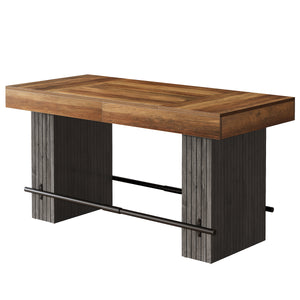
For example, a long wooden farmhouse table with a narrow rectangular pendant creates a more balanced look because both pieces share similar proportions.
If your dining table is where your family gathers regularly, a linear fixture can also provide more consistent lighting across the entire surface instead of creating one bright spot in the centre.
Choose the Right Light Size Based on Your Dining Table
The size of your dining table should determine the scale of your lighting fixture.
A dining light should feel connected to the table, not floating above it. Before choosing a fixture, measure the table width first.
|
Dining Table Size |
Recommended Light Fixture Width |
|
48-inch table |
Around 24–30 inches |
|
60-inch table |
Around 30–40 inches |
|
72-inch table |
Around 36–48 inches |
For rectangular tables, the length of the fixture also matters. A long table often benefits from a fixture that extends across more of the tabletop rather than a small central light.
Keep in mind that these are design guidelines, not strict rules. A smaller fixture can work in a minimalist space, while a larger statement light may suit a room with higher ceilings and more open space.
Hang Your Dining Light at the Right Height
The right height allows the light to create atmosphere without blocking conversation or views across the table.
For most dining rooms, the bottom of the light fixture should hang around 30–36 inches above the tabletop. This height provides enough illumination for meals while keeping the fixture visually connected to the dining area.
The exact height may need adjustment depending on your ceiling height and fixture size:
- Standard 8-foot ceilings: around 30 inches above the table usually works well.
- Higher ceilings: the light can often hang slightly lower to maintain balance.
- Large statement fixtures: may need more space above the table so they do not feel overwhelming.
A common mistake is hanging dining lights too high because homeowners worry they will block the view. In reality, a fixture that sits too close to the ceiling can lose its purpose and make the dining area feel less defined.
The goal is to create a comfortable visual connection between the light and the table while keeping the space open and easy to use.
Match Your Lighting Style With Your Dining Table
The best dining room lighting complements your table’s shape, material and overall style.
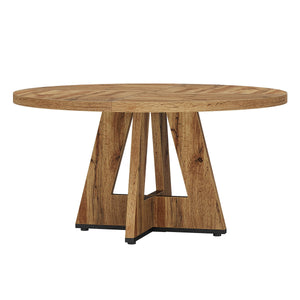
Your dining table is usually the largest piece of furniture in the room, so the lighting should work with it rather than compete with it.
A few common combinations:
|
Dining Table Style |
Lighting That Works Well |
|
Farmhouse wood table |
Black metal chandeliers, rustic pendants, warm finishes |
|
Modern dining table |
Minimal linear pendants, simple geometric fixtures |
|
Industrial-style table |
Metal fixtures, exposed bulbs, darker finishes |
|
Traditional table |
Classic chandeliers, glass or brass details |
|
Round chandelier or centred pendant |
For example, a warm wood dining table often pairs well with black metal or aged brass lighting because the contrast adds structure without making the space feel too formal.
On the other hand, a sleek modern table usually looks better with a simpler fixture. A heavily detailed chandelier above a minimalist table can make the room feel visually unbalanced.
The goal is not to match every finish exactly. A small contrast often creates a more intentional design.

Choose Warm Lighting for a More Comfortable Dining Atmosphere
Warm light usually works best in dining spaces because it creates a relaxed and inviting environment.
Dining rooms are not just functional areas. They are where people gather, talk and spend time together, so the quality of light matters as much as the fixture itself.
For most homes, a bulb around 2700K–3000K provides a warm white tone that works well with:
- wooden dining tables;
- natural materials;
- neutral interiors;
- evening meals.
Cooler white lighting can feel more suitable for work areas such as kitchens or home offices, but it often makes dining spaces feel less comfortable.
If your dining table is used for multiple purposes — such as homework, remote work or crafts — consider a fixture with adjustable brightness. This allows the room to shift from practical lighting during the day to a softer atmosphere in the evening.
Conclusion
The best lighting over a dining table is the one that fits the table, the room and the way you use the space every day. A well-sized fixture, the right hanging height and warm lighting can make even a simple dining area feel more complete.
Before choosing a light, measure your table first, check the available ceiling height, and consider whether you need focused lighting for meals, flexible lighting for everyday activities, or a statement piece that defines the room.
The right fixture should not compete with your dining table — it should help the entire space work better.
Frequently Asked Questions
What type of light is best over a rectangular dining table?
Linear pendant lights and elongated chandeliers usually work best over rectangular dining tables because their shape follows the length of the table and distributes light more evenly.
How wide should a dining light be compared to the table?
A dining light is usually best when it is around half to two-thirds the width of the dining table. For example, a 60-inch table often pairs well with a 30–40 inch fixture.
How far should a pendant light hang above a dining table?
Most dining lights should hang around 30–36 inches above the tabletop. This provides comfortable lighting while keeping the fixture visually connected to the dining area.
Can you put a round chandelier over a rectangular dining table?
Yes, but the size and style need to work with the table. A round chandelier can suit a rectangular table in a larger dining room, although linear fixtures often create a more balanced look.
What color temperature is best for dining room lighting?
Warm white lighting around 2700K–3000K is generally the most comfortable choice for dining spaces because it creates a softer atmosphere and works well with natural materials such as wood.