









Adding Too Many Decorations at Once
A welcoming entrance needs a focal point, not a collection of competing decorations.
One of the most common mistakes is treating the front porch like a display shelf. A wreath, welcome sign, multiple planters, seasonal flags and outdoor furniture may each look attractive individually, but together they can make the entrance feel busy and disconnected.
The goal is not to fill every empty space. It is to create a clear visual path toward the door.
A simple combination often works better:
- one statement piece on the door, such as a wreath;
- one or two planters to frame the entrance;
- a quality doormat that anchors the space.
For seasonal decorating, choose a few elements that work together rather than layering every holiday trend at once. Designers often recommend avoiding excessive exterior accessories because too many competing details can reduce the overall sophistication of the home.
Read more: How to Bring Fall Into Your Home With Simple Seasonal Decor Ideas
Choosing Front Door Decor That Is Too Small
The biggest decorating mistake is often choosing pieces that disappear instead of pieces that fit the scale of your home.
A small wreath on a large front door or tiny planters beside a wide entryway can make the entire area feel unfinished.
Scale matters because the front entrance is viewed from a distance. Decorative pieces need enough visual weight to balance the size of the door, porch and surrounding architecture.
A few useful guidelines:
|
Item |
General Guideline |
|
Wreath |
Around 20–30 inches works well for many standard front doors |
|
Doormat |
Around 18 × 30 inches is common; larger mats often look better on wider porches |
|
Planters |
Choose sizes that visually frame the door without blocking the walkway |
For double doors, wide porches or homes with larger architectural features, oversized décor usually creates a more balanced look than several small pieces.
The goal is not to make the door look crowded. It is to make the entrance feel properly proportioned.

Mixing Too Many Colors and Styles
A cohesive color palette makes your front entry look more intentional.
Many front door decorating mistakes happen when each item is chosen separately:
- a bright seasonal wreath;
- a patterned doormat;
- colorful planters;
- decorative signs with different styles.
Each piece may look appealing on its own, but together they can make the entrance feel busy and disconnected.
A better approach is to choose two or three colors that work with your home's exterior and repeat those tones throughout the space.
|
Home Style |
Colors That Work Well |
|
Farmhouse |
Warm wood tones, cream, black, soft greens |
|
Modern Farmhouse |
White, charcoal, natural wood, muted earth tones |
|
Traditional |
Deep navy, classic green, warm brass accents |
|
Contemporary |
Neutral tones, black, gray, and natural textures |
Seasonal decorating works best when it complements your existing style rather than completely changing it. For example, fall décor can introduce warm oranges, rust tones, and natural textures without overwhelming the home's original color palette.
Ignoring Your Home’s Architectural Style
Front door décor should complement your home, not compete with it.
A common mistake is choosing decorations based only on trends without considering the character of the house.
A farmhouse home may work well with:
- wooden accents;
- woven textures;
- greenery;
- simple metal details.
A modern home may look better with:
- clean lines;
- minimal planters;
- simple geometric shapes.
The front entrance should feel like an extension of the home. When the door, hardware, lighting and décor all follow the same design direction, the result feels more polished. Designers frequently point out that mismatched styles or finishes can make an entrance feel disconnected.
Using Decorations That Look Cheap or Worn Out
Quality matters more than quantity, especially at the front entrance.
Because the front door is exposed to weather and viewed up close, low-quality decorations show their age quickly.
Common problems include:
- faded artificial plants;
- worn-out wreath materials;
- cracked signs;
- faded outdoor textiles.
This does not mean every piece needs to be expensive. It means choosing items that can handle outdoor conditions and keeping the display simple.
Natural materials often create a more lasting look:
- wood;
- metal;
- stone;
- woven textures;
- seasonal greenery.
A smaller arrangement with better materials usually looks more refined than a porch filled with inexpensive decorations.
Forgetting About Lighting
Good lighting can make your front entrance feel complete after sunset. Many homeowners focus on how their entryway looks during the day but overlook the evening experience. The wrong lighting can make a beautiful front door feel flat — especially when fixtures are too small, bulbs are overly bright, or key areas are left in shadow.
Warm lighting usually creates a more welcoming atmosphere while highlighting important details such as the front door, house numbers, planters, and porch furniture. The goal is not to make lighting the focus, but to use it to support the overall design and make the entrance feel comfortable at any time of day.

Blocking the Entryway With Too Much Furniture
A beautiful entrance still needs to function as a pathway.
A front porch is not just a decorating area — it is the route people use every day.
Oversized furniture, too many planters or misplaced décor can make the entrance feel narrow and inconvenient.
Before adding furniture, consider:
- Can the door open fully?
- Can two people comfortably pass through?
- Is there enough space for deliveries or guests?
For smaller porches, one well-chosen bench or compact console-style piece is often more useful than filling the area with multiple furniture items.
A clear entrance will always feel more welcoming than a crowded one.
Leaving Seasonal Decorations Up Too Long
Seasonal décor works best when it feels timely, not forgotten. Holiday decorations are meant to highlight a season, but leaving them up too long can make your entrance feel outdated rather than welcoming. Faded fall wreaths, leftover Halloween decorations, or Christmas décor that stays well into the new year can quickly lose their charm.
A better approach is to choose seasonal pieces that transition naturally, such as neutral planters, natural greenery, wooden accents, and timeless outdoor textiles. These elements can refresh your entryway throughout the year without requiring a complete redesign every season.
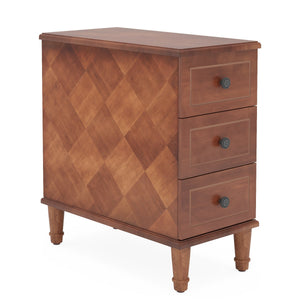
Choosing Entryway Furniture That Complements Your Front Door
The right entryway furniture adds function without making the entrance feel crowded.
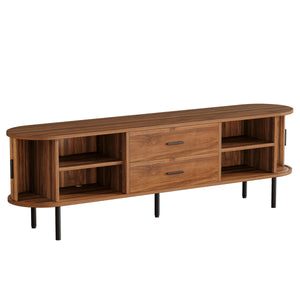
A front entrance should not only look welcoming — it should also work for everyday life. The right piece of furniture can create a place to drop keys, store shoes, display décor or provide a comfortable spot to sit without overwhelming the space.
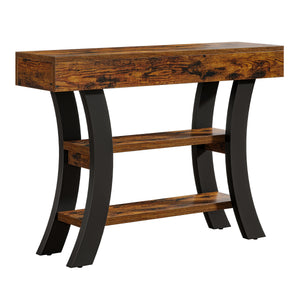
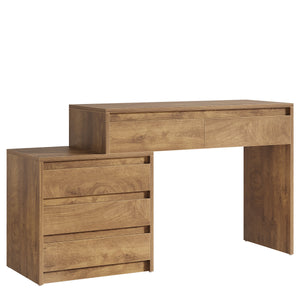
Console Tables
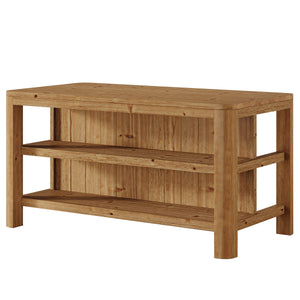
A console table is one of the easiest ways to make an entryway feel finished.
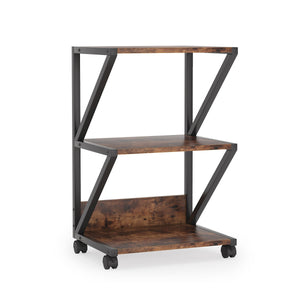
Instead of filling the space with multiple decorations, one slim console table can provide:
-
a surface for lamps, flowers and seasonal décor;
-
a place for keys and everyday items;
-
storage space with shelves or drawers.
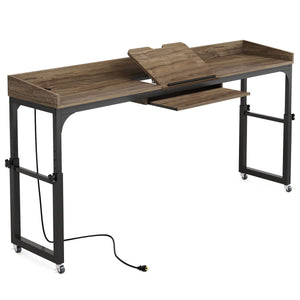
For narrow hallways or smaller entrances, look for a console table around 10–14 inches deep. This provides function while keeping enough walking space.
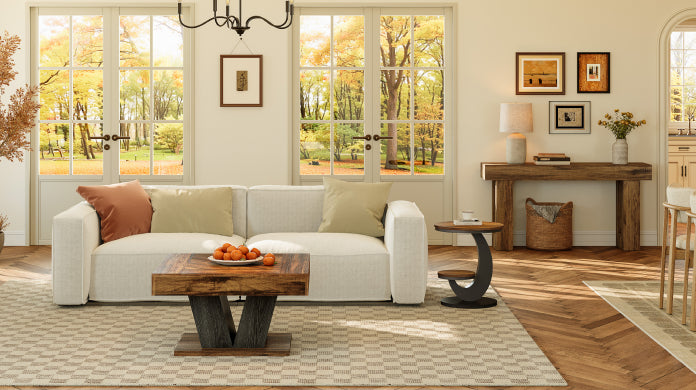
A long console table also works well behind a sofa in open-concept homes, creating a visual connection between the living room and entry area.
Entryway Benches
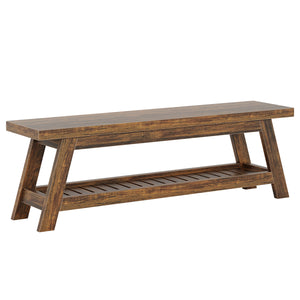
A bench can be a practical choice for wider entrances.
It provides:
- a place to put on shoes;
- extra seating when guests arrive;
- storage opportunities with baskets underneath.
The key mistake is choosing a bench that is too large for the walkway. A good entryway piece should support daily routines without blocking movement.
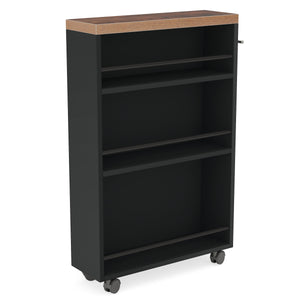
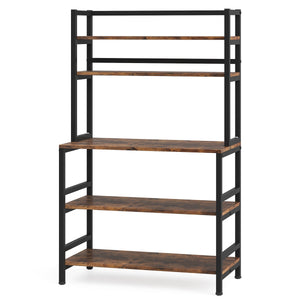
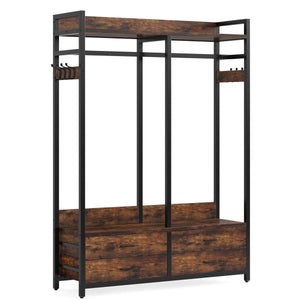
Storage Pieces
If shoes, bags and outdoor essentials tend to collect near the door, decorative pieces alone will not solve the problem.
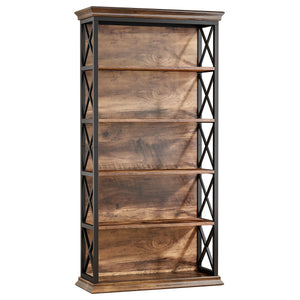
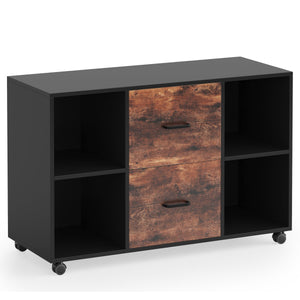
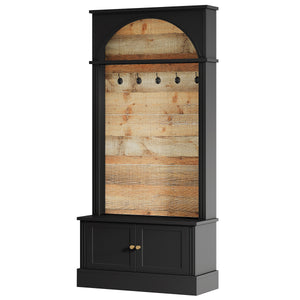
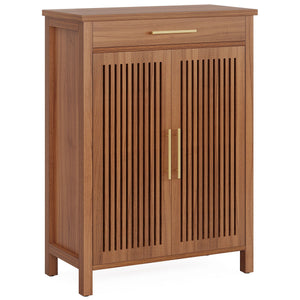
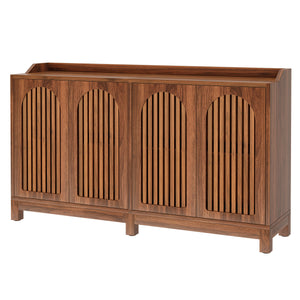
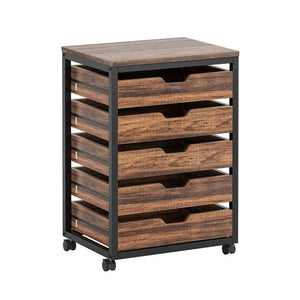
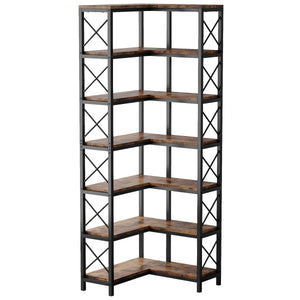
A hall tree or shoe cabinet can help keep the entrance organised, especially for busy households.
The goal is not to hide everything behind furniture — it is to give everyday items a dedicated place.

How to Create a Balanced Front Door Look
The best-looking entrances usually follow a simple three-layer approach.
Instead of adding random decorations, think about the entrance in three layers:
|
Layer |
Purpose |
Examples |
|
Foundation |
Create a base |
Doormat, outdoor rug |
|
Door focal point |
Draw attention |
Wreath, door hardware |
|
Side elements |
Add balance |
Planters, lighting, small furniture |
This approach works because each piece has a role. The entrance feels decorated, but not overloaded.
Before buying anything new, measure your space first:
- door width;
- porch depth;
- available walking area;
- existing colours and materials.
The right décor should make your home feel more welcoming — not make your front door feel like another project to maintain.
Conclusion
A well-decorated front door is not about adding more—it is about choosing pieces that feel balanced, intentional, and connected to your home. The right wreath, lighting, planters, or entryway furniture can make your entrance more welcoming without making it feel crowded.
Before adding another decoration, consider whether it improves the space or simply fills it. A few carefully chosen pieces will always create a stronger first impression than a porch filled with items competing for attention.