



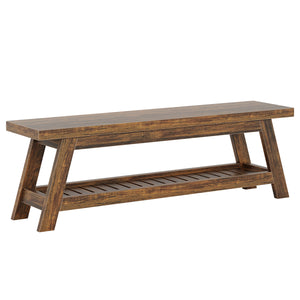






Small spaces can feel lacking in seating, storage, or square footage, so people have to choose a few objects to meet their daily demands. But what if you thought of one piece that covered most of your demands? The bench, one item of furniture that often goes forgotten. Unlike a chair that seats only one person or a table that only holds things, a bench pulls double or even triple duty in almost every room. The appeal is clear—one footprint, many jobs.
Quick Answer
A bench boosts home functionality in five ways: (1) adds seating and storage in the entryway, (2) saves floor space in the dining area, (3) creates a versatile zone at the foot of the bed, (4) doubles as extra living room seating or a coffee table, and (5) defines zones in open-plan spaces without blocking light. The most functional benches offer a weight capacity of at least 250 lbs, easy-clean surfaces, and optional hidden storage.
Adds Seating and Storage in the Entryway
Despite being the most crowded area of the house, the foyer sets the tone for arrivals and departures. Bags are dropped on the floor, shoes are piled up by the door, and there is nowhere cozy to stop while tying shoelaces.
An entryway bench does all of that, plus more. There’s a place to sit, a place to put a bag, and if paired with lower shelves or a flip-up compartment, a designated spot for shoes, scarves, and outdoor gear. Cushioned seats and built-in cubbies on models turn a chaotic area into an ordered drop zone.
Size tip: A width of 36–48 inches and depth of 14–16 inches fits most entryways. The standard height is 18 inches. Leaving at least 24 inches of clearance in front keeps the walkway comfortable.
Pro tip: Wall hooks mounted directly above the bench create a complete entry system—coat, bag, keys, and seat all within arm's reach.
Saves Space in the Dining Room
Dining chairs are a big item. They still take up room on the floor even when tucked away, and there just never seem to be enough when visitors come over. An eating bench changes the equation. A bench seats more people per square foot than chairs, with no arms and no individual seat backs. It fits nicely under the table after a meal, freeing up space on the walkways. Families with young children particularly like the absence of sharp corners and the steadiness of a large flat seat.
Size tip: A bench 4–6 inches shorter than the table on each side tucks in fully. Seat height should sit about 12 inches below the tabletop for comfortable legroom.
Pro tip: Mixing seating works well—chairs on the two short ends of the table and a bench on one long side offer both flexibility and space savings.

Creates a Versatile Zone at the Foot of the Bed
The foot of the bed is often underused space—too narrow for a dresser, too awkward for another chair, yet perfectly sized for a bench.
A bedroom bench serves as a temporary seat for getting dressed, a surface for laying out the next day's outfit, and a convenient luggage rest when packing. Models with flip-up storage add a discreet place for extra blankets, off-season clothes, or bed linens.
Size tip: A bench roughly 60–70% of the bed's width looks most balanced. For a queen bed, that means 36–42 inches wide. A height of 18–20 inches aligns comfortably with most mattresses.
Pro tip: In smaller bedrooms, a backless bench keeps the visual weight low while offering the same function as a bulkier armed version.

Doubles as Extra Seating (and Even a Coffee Table)
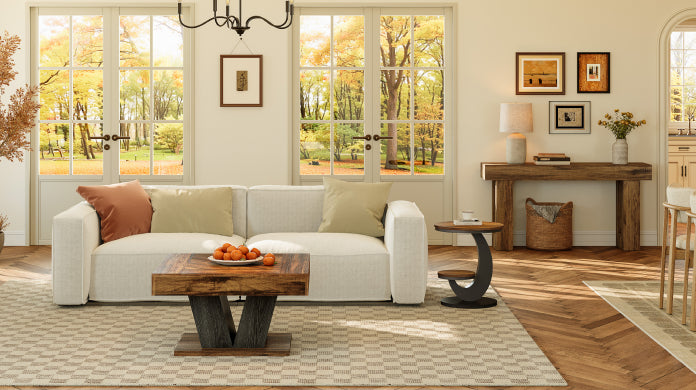
Living rooms are where square footage runs out fastest. A sofa fits three people, but when friends gather, additional seating is needed. Floor cushions feel casual for long conversations, and folding chairs disrupt the room's aesthetic. A low-profile bench—especially an upholstered ottoman-style piece—is a practical solution. Kept against a wall or tucked under a console table when not in use, it pulls out easily for extra seating. A tray on top transforms it into a coffee table; the tray removed, it's seating again. One piece, two jobs, one footprint.
Size tip: A height of 16–18 inches aligns with most sofas. When used as a coffee table, the surface should sit level with or slightly below the sofa seat cushion.
Pro tip: A firm, flat top is essential—overstuffed cushions don't provide a stable surface even with a tray.

Improves Flow and Defines Zones in Open-Plan Spaces
Open-concept spaces feel light and friendly, but without barriers, the distinction between living and dining can become blurred. A well-placed bench serves as a soft separator, defining zones without impeding light or sightlines. A bench located behind a floating sofa marks the living area's edge. It transforms a kitchen island into an informal breakfast area. Two benches facing each other in a corner provide a peaceful reading nook. Because seats sit low and remain open underneath, they maintain the openness of an open plan while providing room structure.
Size tip: A zone is clearly defined by a minimum length of 48 inches. Open-frame designs (without solid sides) prevent the room from seeming cramped.
Pro tip: Two matching benches on either side of a rug provide an instant conversation area—no sofa required.

What to Look For in a Functional Bench
Three criteria matter most when choosing a bench:
|
Feature
|
Why It Matters
|
|
Weight capacity ≥250 lbs
|
A bench that wobbles under adults isn't functional.
|
|
Easy-clean surface
|
Entryway and dining benches get daily use; wipeable materials last longer.
|
|
Storage option
|
Flip-up lids or lower shelves double the bench's usefulness.
|
Quick material comparison:
|
Material
|
Best For
|
Durability
|
|
Solid wood
|
Dining, entryway
|
High
|
|
Upholstered fabric
|
Bedroom, living room
|
Medium
|
|
Metal + wood mix
|
Open-plan, industrial
|
High
|
Final Thought
A bench earns its place in multiple rooms. It adds seating where needed, hides clutter, saves space in tight corners, and gives open-plan areas a sense of structure—all within a single modest footprint. Browse the full collection of functional benches to filter by room, material, and storage type.
FAQ
Where should a bench be placed in a small home?
The most strategic spots are the entryway (for shoe storage and seating), at the foot of the bed (for luggage and outfit layout), and tucked under a dining table (to save floor space). Backless benches slide completely out of the way when not in use.
Can a bench be used as a coffee table?
Yes, as long as the top is firm and flat. An upholstered ottoman bench with a structured top works perfectly with a decorative tray for drinks and remotes. Height should be level with or slightly below the sofa seat cushion.
What is the best height for a bench?
The standard bench height is 18 inches, suitable for most dining tables and entryways. Bedroom benches work well at 18–20 inches. Living room benches that double as coffee tables should stay between 16 and 18 inches.