









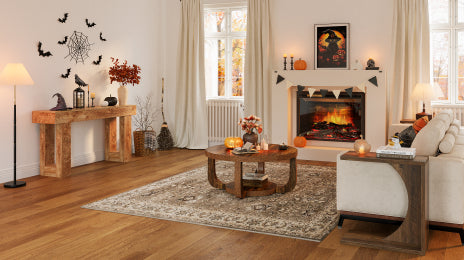
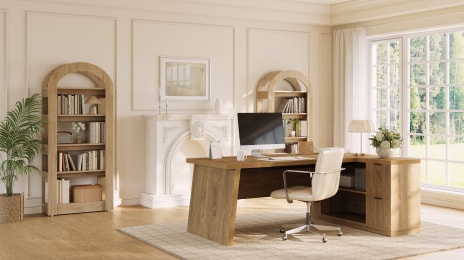














Good lighting can transform how a room looks, feels, and functions. Whether you're searching for living room lighting ideas, trying to brighten a dark bedroom, or planning a more comfortable workspace, the right lighting makes everyday activities easier.
The best way to light a room is to combine three layers: ambient lighting for overall brightness, task lighting for activities, and accent lighting for depth and atmosphere. Choose the right color temperature, position lamps where you need them, and use dimmers to adjust the mood.
You don't need an expensive renovation. A few thoughtful lighting changes can make a noticeable difference.
Table of Contents
How to Light a Room: 5 Essential Tips
1. Start With Layered Lighting
Instead of relying on a single ceiling light, use layered lighting to create a balanced room.
|
Lighting Type |
Purpose |
Examples |
|
Ambient lighting |
Provides overall brightness |
Ceiling lights, chandeliers, uplight floor lamps |
|
Task lighting |
Illuminates specific activities |
Desk lamps, reading lamps, under-cabinet lights |
|
Accent lighting |
Highlights decorative features |
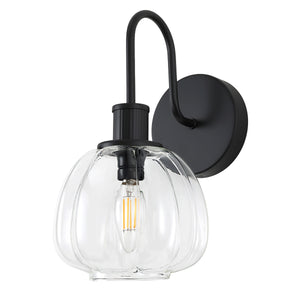
Wall sconces, picture lights, LED strips |
For example, a living room can combine a ceiling light, a floor lamp beside the sofa, and a small accent light near a bookshelf.
2. Match Lighting to the Room's Purpose
Different activities require different lighting.
A living room benefits from soft, adjustable light for relaxing and entertaining. A home office needs focused desk lighting, while a kitchen requires brighter task lighting around countertops and cooking areas.
Before buying fixtures, consider how you use the room and which areas need extra light.
3. Choose the Right Brightness
Light brightness is measured in lumens, not watts. The appropriate amount depends on room size, wall colors, ceiling height, and daily activities.
For a detailed room-by-room calculation, see our How Many Lumens Is Good Lighting? Room-by-Room Guide.
4. Position Lights to Reduce Shadows and Glare
Effective floor lamp placement can improve the appearance and usability of a room.
Place floor lamps beside sofas, near reading chairs, or in darker corners. Position desk lamps to illuminate work surfaces without reflecting into computer screens.
Avoid putting bright, exposed bulbs directly in your line of sight.
5. Add Dimmers and Flexible Lighting
Dimmable bulbs let you adjust brightness for reading, entertaining, watching TV, or relaxing before bed.
For greater flexibility, use separate controls for ceiling lights and decorative lamps. This lets you change the atmosphere without switching every fixture on or off.
Room-by-Room Lighting Ideas
Living Room Lighting Ideas
A comfortable living room should support conversation, reading, watching TV, and relaxation.
Recommended layout: Combine a dimmable ceiling light with a floor lamp beside the sofa and a table lamp or accent light near a bookshelf.
For a small living room, a slim floor lamp can provide useful light without occupying much floor space. In larger rooms, separate lamps help define seating and reading areas.
Avoid placing bright lamps where they create reflections on the television.
Bedroom Lighting Ideas
Bedrooms benefit from soft, relaxing illumination rather than one harsh overhead fixture.
Recommended layout: Use a warm ceiling light for general illumination, bedside lamps for reading, and dimmable lighting for nighttime comfort.
Wall-mounted or plug-in sconces are useful when bedside tables are small. If two people share the bedroom, separate reading lights allow more independent control.
Dining Room Lighting
Dining room lighting should make the table the visual focus while keeping surrounding areas comfortable.
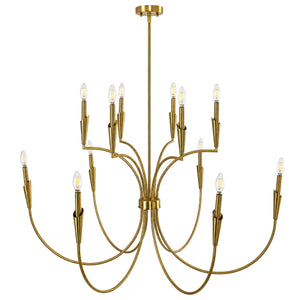
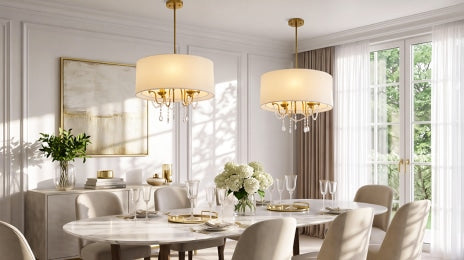
Recommended layout: Center a pendant light or chandelier over the dining table rather than automatically centering it in the room.
Choose a dimmable fixture for different activities, from family dinners to entertaining guests. If the room includes a console table, a small table lamp can add a softer decorative glow.
 Home Office Lighting
Good home office lighting should illuminate documents and work surfaces without causing distracting screen reflections.
Recommended layout: Combine comfortable ambient lighting with an adjustable desk lamp.
Position the desk lamp to reduce hand shadows while writing, and avoid placing exposed bright lights directly behind your monitor.
Kitchen Lighting
Kitchens need both general lighting and focused illumination for food preparation.
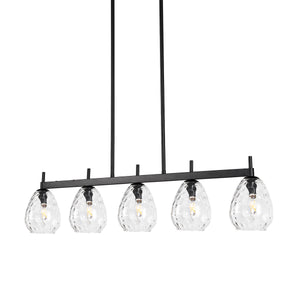
Recommended layout: Use ceiling lights for overall brightness, under-cabinet lighting for countertops, and pendant lights where suitable above a kitchen island.
Under-cabinet fixtures are especially helpful because they illuminate work surfaces that overhead lighting may leave in shadow.
Entryway and Bathroom Lighting
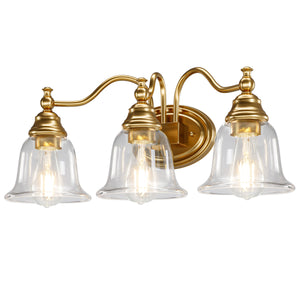
An entryway feels more welcoming with soft ambient lighting and a lamp or wall sconce near a console table or mirror.
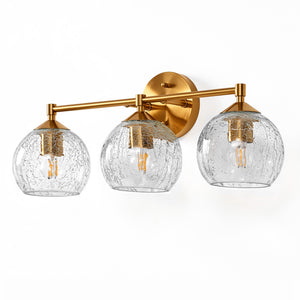
Bathrooms need clear illumination around the vanity. Lights on both sides of a mirror can help reduce facial shadows.
For showers and other wet locations, use fixtures with appropriate wet-location ratings and follow local electrical requirements.
Choosing the Right Bulbs and Light Fixtures
What Color Temperature Is Best?
Color temperature is measured in Kelvin (K). Lower numbers produce warmer light, while higher numbers produce cooler-looking light.
|
Color Temperature |
Appearance |
Common Uses |
|
2200K–2700K |
Very warm |
Cozy bedrooms, decorative lighting |
|
2700K–3000K |
Warm white |
Living rooms, bedrooms, dining rooms |
|
3500K–4000K |
Neutral white |
Kitchens, bathrooms, home offices |
|
5000K–6500K |
Cool daylight |
Workshops and certain detail-focused tasks |
For warm lighting in living spaces, 2700K–3000K is a practical starting point. Choose brighter, task-focused illumination where precision and visibility matter.
How to Choose Light Fixtures
Select fixtures based on the room's size, ceiling height, furniture arrangement, and lighting purpose.
-
Floor lamps: Useful beside sofas, reading chairs, and in dark corners.
-
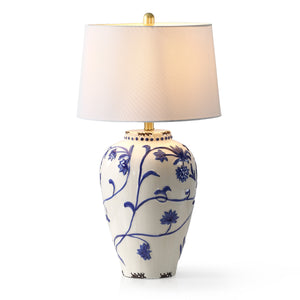
Table lamps: Ideal for nightstands, side tables, and console tables.
-
Pendant lights: Suitable above dining tables and kitchen islands.
-
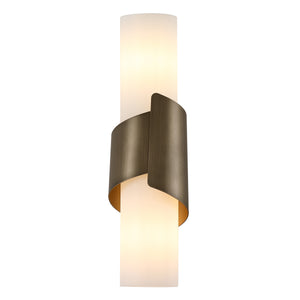
Wall sconces: Helpful for accent lighting and areas with limited surface space.
-
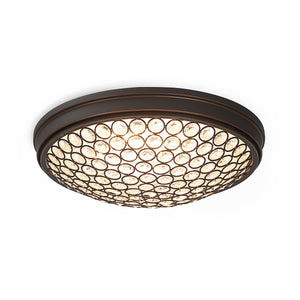
Recessed or flush-mount lights: Provide general illumination while keeping ceilings visually uncluttered.
A fixture should fit the scale of the room without obstructing movement or creating uncomfortable glare.
Common Lighting Mistakes to Avoid
Even a well-decorated room can feel uncomfortable when its lighting is poorly arranged.|
Common Mistake |
Better Solution |
|
Using only one overhead light |
Add task and accent lighting |
|
Leaving dark corners |
Position floor lamps or indirect lights strategically |
|
Choosing bulbs that are too cool for relaxation |
Try warm white lighting around 2700K–3000K |
|
Placing lamps where they create glare |
Adjust fixture positions and use shades |
|
Using the same brightness all day |
Install dimmable lights or separate lighting zones |
|
Buying oversized fixtures for small rooms |
Match fixture proportions to the space |
The goal isn't to add as many lamps as possible. It's to make sure every light has a useful purpose.
Frequently Asked Questions About Room Lighting
1. How Can I Brighten a Dark Room Without Natural Light?
To brighten a dark room, combine an uplight floor lamp with table lamps or wall sconces. Light-colored walls and mirrors can help reflect available light. Position lamps in darker areas rather than concentrating all the brightness in the center of the room.
2. How Do I Light a Room Without Overhead Lighting?
Use floor lamps for general illumination, table lamps for seating areas, and plug-in wall sconces for additional lighting. An uplight floor lamp can bounce light off the ceiling, helping a room feel brighter without installing a ceiling fixture.
3. Where Should I Place Floor Lamps in a Living Room?
Place floor lamps beside sofas, next to reading chairs, or near dark corners. A reading lamp should direct light toward the activity without shining directly into your eyes. Keep lamp bases and cords away from walking paths.
4. What Is the Best Lighting for a Small Living Room?
A small living room benefits from compact floor lamps, wall-mounted fixtures, and soft ambient lighting. Choose space-saving designs and position light sources at different heights to create depth without overcrowding the room.
5. How Can I Make a Living Room Look Cozy With Lighting?
Use warm white bulbs around 2700K–3000K, dimmable lamps, and multiple low-glare light sources. Combine a floor lamp near the sofa with table lamps and subtle accent lighting to create inviting areas of illumination.
6. How Many Lamps Do I Need in a Living Room?
There is no fixed number. Start with one general light source and add lamps where activities or dark areas require them. A small living room may work well with two or three complementary light sources, while a larger room may need more.
7. What Lighting Is Best for Reading Without Eye Strain?
Use an adjustable reading lamp that illuminates your book or work surface without shining directly into your eyes. Reduce harsh glare and keep enough background light to avoid an uncomfortable contrast between the reading area and the rest of the room.
8. How Can I Reduce Glare While Watching TV?
Avoid placing exposed bright lamps directly opposite the screen. Use dimmable ambient lighting, indirect light, or suitable bias lighting behind the television. The goal is comfortable background illumination without distracting reflections.
9. Should I Use Warm or Cool Lighting in a Bedroom?
Warm white lighting around 2700K–3000K is generally suitable for bedrooms because it creates a relaxed atmosphere. Cooler or brighter task lighting can be useful near a wardrobe or dressing area when better visibility is needed.
10. How Can I Improve My Room Lighting Without Rewiring?
Try plug-in floor lamps, table lamps, plug-in wall sconces, and compatible smart bulbs. These options can improve lighting distribution without changing your home's electrical wiring, making them especially practical for renters.
Final Thoughts
Learning how to light a room properly is less about buying expensive fixtures and more about choosing the right combination of brightness, placement, and atmosphere.
Start with layered lighting, match each light to its purpose, and choose fixtures that complement your furniture and room layout. Whether you're exploring room lighting ideas for a living room, bedroom, or home office, small adjustments can create a more comfortable and inviting home.