













Choosing the right lighting for your home involves more than selecting a fixture that matches your décor. A beautiful ceiling light can improve the style of a room, but the wrong brightness can make a space feel uncomfortable, too dark, or overly harsh. One of the most common questions homeowners ask is: “How many lumens do I need for my room?”
Lumens measure the total amount of light produced by a fixture or bulb. Unlike watts, which measure energy consumption, lumens tell you how bright the light actually is.
Understanding lumens per square foot helps you select the right LED ceiling lights, flush mount ceiling lights, pendant lights, and chandeliers based on each room’s purpose.
A bedroom needs soft and relaxing illumination, while kitchens and home offices require brighter lighting for detailed tasks. This room-by-room guide explains how many lumens you need and where to install different types of lighting for the best results.
Table of Contents
- How to Calculate the Lumens You Need
- Living Room Lighting: How Many Lumens Do You Need?
- Bedroom Lighting: How Many Lumens Are Needed?
- Home Office Lighting: How Many Lumens Do You Need?
- Kitchen Lighting: How Many Lumens Are Needed?
- Dining Room Lighting: How Many Lumens Are Needed?
- Entryway Lighting: How Many Lumens Are Needed?
- Bathroom Lighting: How Many Lumens Are Needed?
- Final Thoughts: How Many Lumens Is Good Lighting?
- Frequently Asked Questions About Lumens and Home Lighting
What Are Lumens and How Many Do You Need?
Before choosing ceiling lights, it is important to understand how lighting brightness works.
|
Measurement |
Meaning |
|
Lumens |
Measures the brightness output of a light fixture |
|
Watts |
Measures electricity usage |
|
Lumens per Square Foot |
Helps calculate the lighting level needed for a room |
|
Color Temperature |
Determines whether the light feels warm or cool |
The amount of light needed depends on:
|
Factor |
Impact on Lighting |
|
Room Size |
Larger rooms need more total lumens |
|
Room Function |
Work areas require brighter lighting |
|
Ceiling Height |
Higher ceilings may require stronger fixtures |
|
Natural Light |
Rooms with large windows may need fewer lumens |
|
Wall Color |
Dark surfaces absorb more light |
How to Calculate the Lumens You Need
Use this simple formula:
Room Size (sq. ft.) × Recommended Lumens per Square Foot = Total Lumens Needed
Example:
A 12 ft × 15 ft living room: 12 × 15 = 180 sq. ft.
Living room recommendation: 10–20 lumens per sq. ft. 180 × 10–20 = 1,800–3,600 lumens
This means the room needs approximately 1,800–3,600 total lumens from all lighting sources.
The brightness does not need to come from one fixture. A balanced lighting design usually combines ceiling lights, task lighting, and accent lighting.
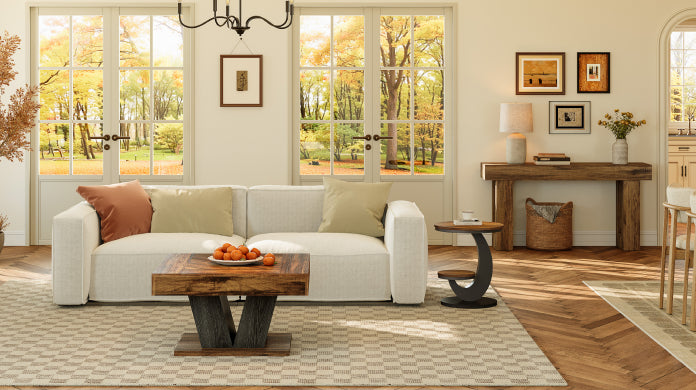
Living Room Lighting: How Many Lumens Do You Need?
Recommended Brightness: 10–20 lumens per square foot
Example: A 200 sq. ft. living room needs approximately 2,000–4,000 total lumens
The living room is usually a multifunctional space used for relaxing, watching TV, reading, and entertaining guests. The goal is comfortable ambient lighting rather than intense brightness.
For homeowners searching for the best ceiling lights for living room, layered lighting works best.
|
Lighting Type |
Recommended Installation Location |
Purpose |
|
Flush Mount Ceiling Lights |
Center of the ceiling |
Provides overall room illumination |
|
Semi Flush Mount Lights |
Centered above seating area |
Adds decorative style with ambient light |
|
Recessed Lighting |
Around the room perimeter or above seating areas |
Creates even brightness |
|
Floor Lamps |
Next to sofas or reading chairs |
Provides focused task lighting |
|
Wall Sconces |
Beside artwork or fireplace |
Adds accent lighting |
Installation Tip:
Place the main ceiling fixture in the center of the room. For larger living rooms, combine recessed lights around the edges with floor lamps near seating areas to avoid dark corners.
Bedroom Lighting: How Many Lumens Are Needed?
Recommended Brightness: 10–20 lumens per square foot
Example: A 150 sq. ft. bedroom needs: 1,500–3,000 total lumens
Bedrooms should create a calm and relaxing atmosphere. Overly bright lighting can make the room feel less comfortable, especially in the evening.
For popular bedroom lighting ideas, homeowners often combine warm LED lighting with adjustable fixtures.
|
Lighting Type |
Recommended Installation Location |
Purpose |
|
Flush Mount Ceiling Lights |
Center of bedroom ceiling |
Provides soft general lighting |
|
Semi Flush Mount Lights |
Center of smaller bedrooms |
Adds style without hanging too low |
|
Bedside Lamps |
On nightstands beside the bed |
Provides reading light |
|
Wall Sconces |
Mounted beside or above the bed |
Saves nightstand space |
|
Dimmable LED Lights |
Main ceiling fixture |
Adjusts brightness before sleep |
Installation Tip:
Install the main ceiling light near the center of the room and place bedside lighting on both sides of the bed for balanced illumination.
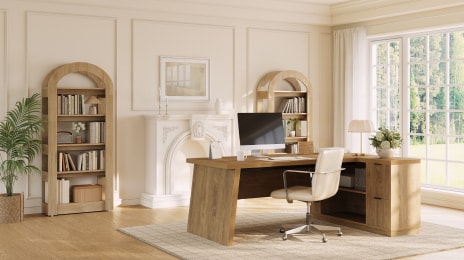
Home Office Lighting: How Many Lumens Do You Need?
Recommended Brightness: 50–70 lumens per square foot
Example: A 120 sq. ft. home office needs: 6,000–8,400 total lumens
A home office requires brighter lighting because it supports computer work, reading, writing, and video meetings.
For effective home office lighting, reducing glare is just as important as increasing brightness.
|
Lighting Type |
Recommended Installation Location |
Purpose |
|
LED Ceiling Lights |
Center of ceiling |
Provides overall workspace brightness |
|
Recessed Lighting |
Above desk area or workspace zone |
Creates focused illumination |
|
Desk Lamp |
On the working side of the desk |
Provides task lighting |
|
Monitor Light |
Above computer screen |
Reduces eye strain |
Installation Tip:
Avoid placing ceiling lights directly behind your monitor because reflections can create glare. Position task lighting beside or slightly behind your working hand.
Kitchen Lighting: How Many Lumens Are Needed?
Recommended Brightness:
General lighting: 30–40 lumens per square foot
Task areas: 70–80 lumens per square foot
Example: A 150 sq. ft. kitchen needs: 4,500–8,000 total lumens
Kitchen lighting requires a combination of bright overall illumination and focused task lighting.
For modern kitchen lighting ideas, different areas require different fixtures.
|
Lighting Type |
Recommended Installation Location |
Purpose |
|
LED Ceiling Lights |
Center of kitchen ceiling |
Provides overall brightness |
|
Pendant Lights |
Above kitchen island or breakfast bar |
Adds focused task lighting |
|
Under Cabinet Lighting |
Under upper cabinets |
Illuminates countertops |
|
Recessed Lighting |
Above cooking and preparation zones |
Removes shadows |
Installation Tip:
Pendant lights should be centered above kitchen islands, while under-cabinet lighting should illuminate countertop surfaces directly rather than the wall behind them.
 Dining Room Lighting: How Many Lumens Are Needed?
Recommended Brightness: 30–40 lumens per square foot
Example: A 100 sq. ft. dining room needs: 3,000–4,000 total lumens
Dining rooms need enough brightness for meals while maintaining a warm atmosphere.
For dining room lighting ideas, the main fixture should become the visual focus.
|
Lighting Type |
Recommended Installation Location |
Purpose |
|
LED Ceiling Lights |
Center of kitchen ceiling |
Provides overall brightness |
|
Pendant Lights |
Above kitchen island or breakfast bar |
Adds focused task lighting |
|
Under Cabinet Lighting |
Under upper cabinets |
Illuminates countertops |
|
Recessed Lighting |
Above cooking and preparation zones |
Removes shadows |
Installation Tip:
The fixture should be centered over the dining table, not the entire room. This creates better visual balance and ensures light reaches the dining area.
Entryway Lighting: How Many Lumens Are Needed?
Recommended Brightness: 5–20 lumens per square foot
Example: A small 80 sq. ft. entryway needs: 400–1,600 total lumens
The entryway creates the first impression of your home. Lighting should feel welcoming while providing enough visibility.
For popular entryway lighting ideas, choose fixtures based on ceiling height and available space.
|
Lighting Type |
Recommended Installation Location |
Purpose |
|
Flush Mount Ceiling Lights |
Center of entryway ceiling |
Ideal for standard ceilings |
|
Pendant Lights |
Hanging from high ceilings |
Adds visual impact |
|
Wall Sconces |
Along entryway walls |
Creates layered lighting |
|
Console Table Lamps |
On entryway furniture |
Adds decorative warmth |
Installation Tip:
For small entryways, a flush-mount ceiling light keeps the space open. For two-story foyers, a pendant or chandelier creates a stronger design statement.
Bathroom Lighting: How Many Lumens Are Needed?
Recommended Brightness: 70–80 lumens per square foot
Example: A 50 sq. ft. bathroom needs: 3,500–4,000 total lumens
Bathrooms require bright and accurate lighting for grooming tasks such as shaving, skincare, and makeup.
For effective bathroom lighting ideas, combine ceiling lighting with mirror lighting.
|
Lighting Type |
Recommended Installation Location |
Purpose |
|
LED Ceiling Lights |
Center of bathroom ceiling |
Provides general brightness |
|
Vanity Lights |
Above or beside mirror |
Reduces facial shadows |
|
Wall Sconces |
Both sides of mirror |
Creates balanced illumination |
|
Shower Lighting |
Above shower area |
Improves visibility |
Installation Tip:
Avoid using only one overhead light above the mirror because it can create shadows. Side-mounted vanity lights provide more even facial lighting.
Final Thoughts: How Many Lumens Is Good Lighting?
Choosing the right lumens for every room: There is no single answer because every room serves a different purpose.
|
Room |
Recommended Brightness |
|
Living Room |
10–20 lumens/sq. ft. |
|
Bedroom |
10–20 lumens/sq. ft. |
|
Home Office |
50–70 lumens/sq. ft. |
|
Kitchen |
30–80 lumens/sq. ft. |
|
Dining Room |
30–40 lumens/sq. ft. |
|
Entryway |
5–20 lumens/sq. ft. |
|
Bathroom |
70–80 lumens/sq. ft. |
The best lighting design combines the correct lumen level with the right fixture placement. Whether you choose LED ceiling lights, flush mount ceiling lights, pendant lights, or chandeliers, thoughtful placement can make your home brighter, more comfortable, and more functional.
Frequently Asked Questions About Lumens and Home Lighting
How many lumens do I need for a living room?
A living room typically needs 10–20 lumens per square foot, depending on the room size, natural light, and desired atmosphere. For example, a 200 sq. ft. living room usually requires around 2,000–4,000 total lumens. The best ceiling lights for a living room, including LED ceiling lights, flush-mount ceiling lights, and dimmable fixtures, should provide comfortable ambient lighting while allowing brightness adjustment.
How many lumens should a bedroom ceiling light have?
A bedroom usually needs 10–20 lumens per square foot for comfortable and relaxing illumination. A standard bedroom may require approximately 1,500–3,000 lumens depending on size and layout. Popular bedroom lighting ideas include using warm LED ceiling lights, flush-mount ceiling lights, and bedside lamps to create layered lighting that supports relaxation, reading, and nighttime routines.
How many lumens do I need for a kitchen?
A kitchen typically needs 30–40 lumens per square foot for general lighting and 70–80 lumens per square foot for task areas. Good kitchen lighting ideas combine LED ceiling lights, pendant lights over kitchen islands, and under-cabinet lighting to provide both overall brightness and focused illumination for cooking and food preparation.
How many lumens are needed for a home office?
A home office usually requires 50–70 lumens per square foot because computer work, reading, and writing need brighter illumination. A 120 sq. ft. office may require around 6,000–8,400 lumens. Effective home office lighting combines LED ceiling lights, desk lamps, and adjustable task lighting to reduce shadows, screen glare, and eye strain during long working hours.
What are the best ceiling lights for a dining room?
The best dining room lighting depends on the table size, ceiling height, and desired mood. A dining room typically needs 30–40 lumens per square foot. Popular dining room lighting ideas include chandeliers, pendant lights, and dimmable LED ceiling lights installed directly above the dining table to provide balanced illumination while creating a comfortable atmosphere for meals and gatherings.
How many lumens do I need for an entryway?
An entryway usually needs 5–20 lumens per square foot, depending on size and ceiling height. A small entryway often requires around 500–1,500 total lumens. Effective entryway lighting ideas include flush-mount ceiling lights for standard ceilings, pendant lights for taller spaces, and wall sconces to create welcoming layered lighting near doors and console tables.
How many lumens does a bathroom ceiling light need?
A bathroom typically requires 70–80 lumens per square foot because grooming tasks need clear and accurate lighting. A small bathroom may need around 3,000–4,000 total lumens. The best bathroom lighting ideas combine LED ceiling lights, vanity lights, and mirror lighting with high CRI to reduce shadows and provide better visibility for daily routines.
Should I choose brighter ceiling lights or use multiple light fixtures?
Using multiple light fixtures is usually better than choosing one extremely bright ceiling light. A balanced lighting plan combines ambient lighting, task lighting, and accent lighting. For example, LED ceiling lights provide general brightness, pendant lights add focused illumination, and dimmable ceiling lights allow flexibility. Matching lumens per square foot with room function creates more comfortable home lighting.
What Should You Do Next?
Knowing the right lumen level is only the first step. To create a comfortable, well-lit room, you also need the right lighting layout and fixture type.
Start with How to Light a Room the Right Way to learn how to layer and position lighting throughout a room.
Then explore Ceiling Light Types Explained to find the right ceiling fixture for your room size, ceiling height, and lighting needs.