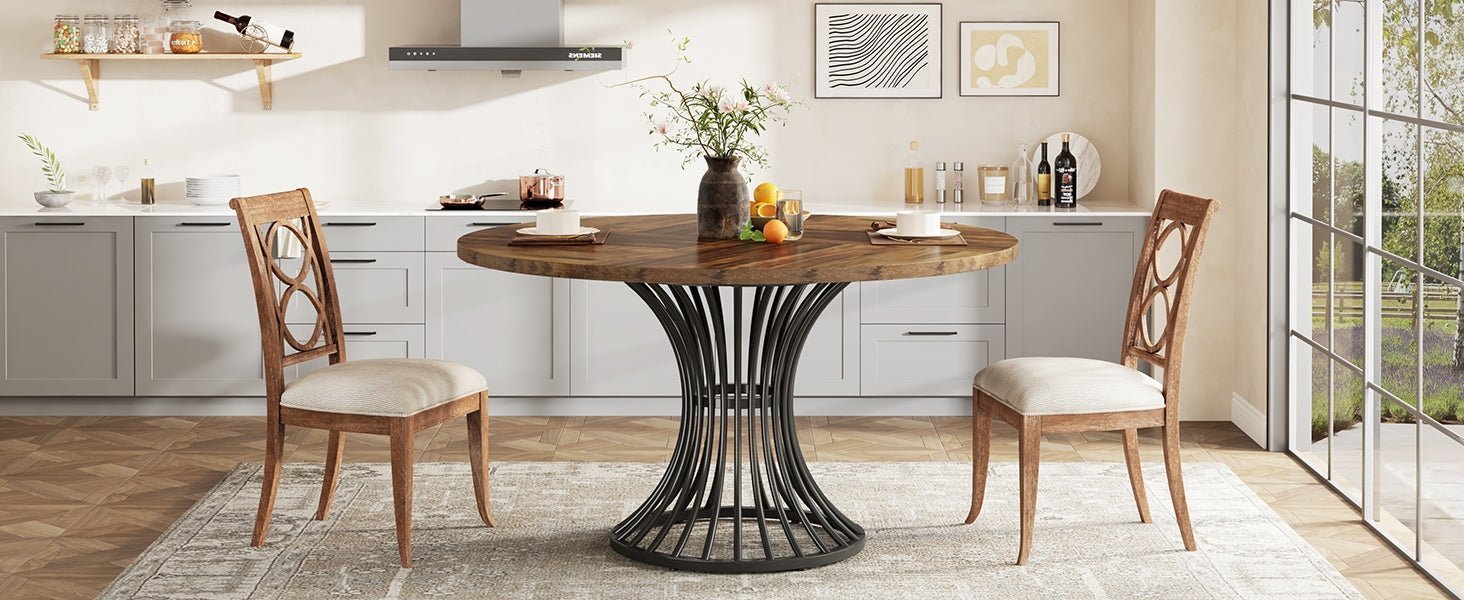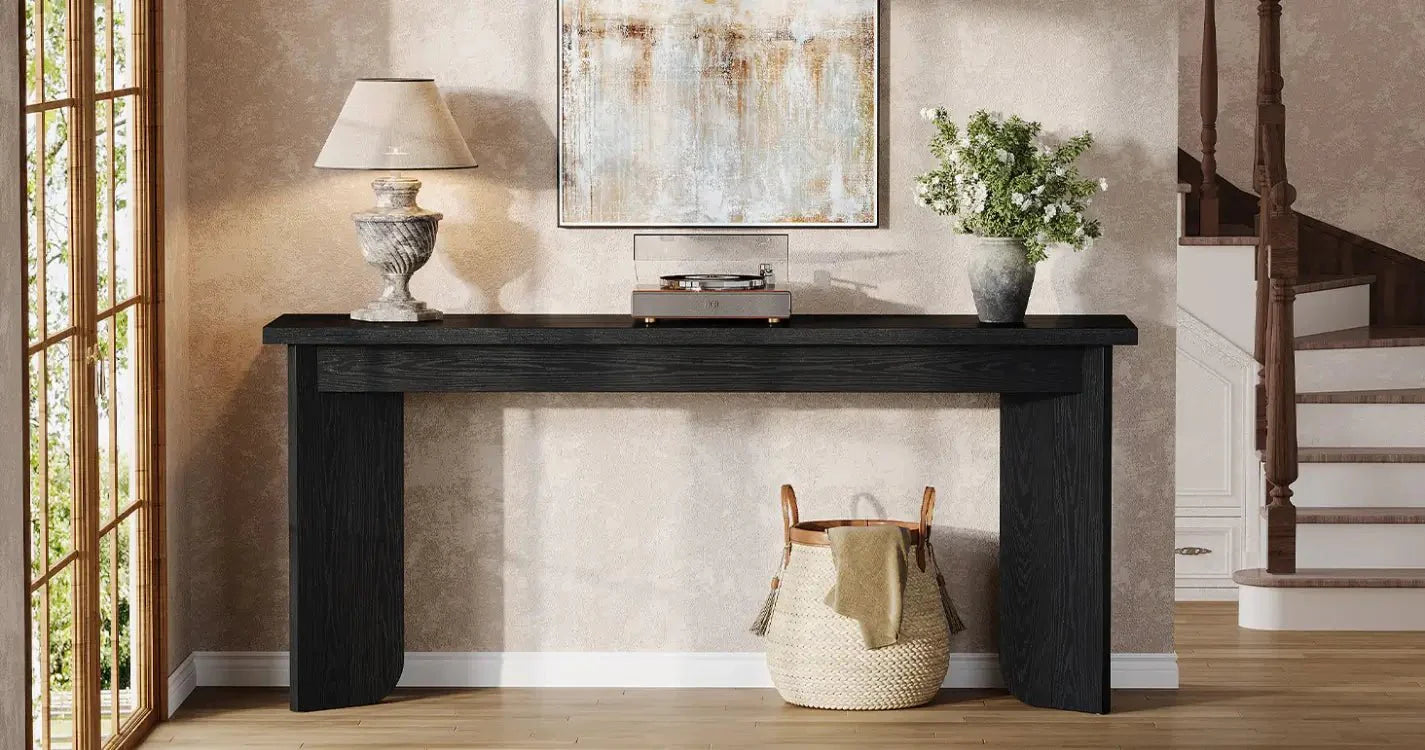


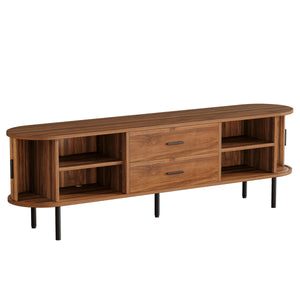

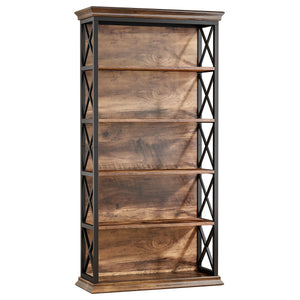
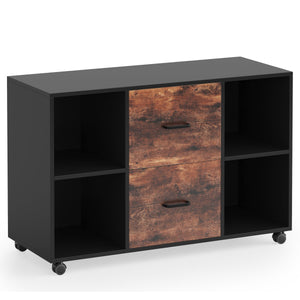
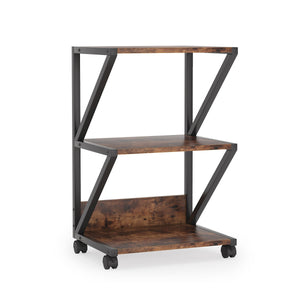

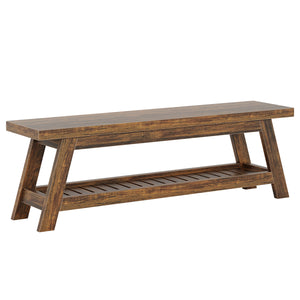
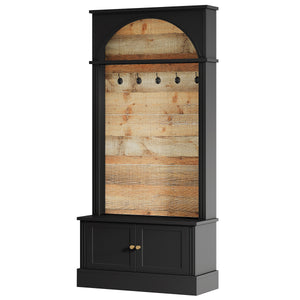


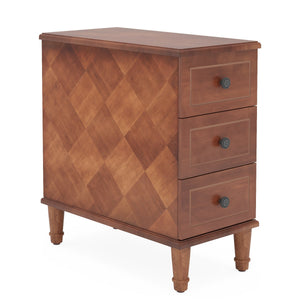
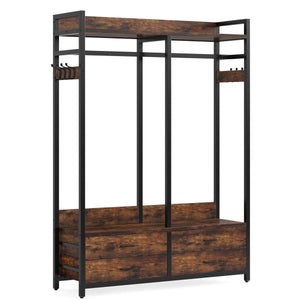
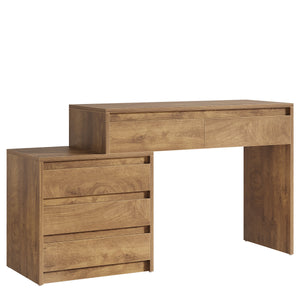
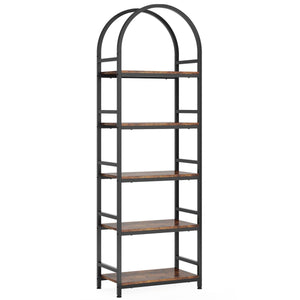
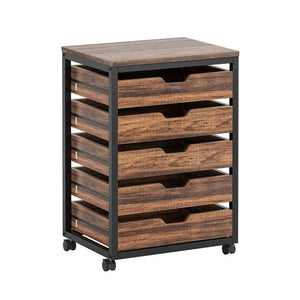




Where you place your shoe rack in the entryway is key, not just for practicality, but also for how your home feels. Since the entryway is the first thing guests see, keeping it neat and visually appealing sets the tone for the whole house. If your shoes are scattered around, it might be time to rethink how and where you store them.
Shoes carry the energy of everywhere they’ve been, along with dirt and dust, and that can impact the overall vibe of your home. A well-positioned shoe rack can help keep those outside energies from creeping in, while a poorly placed one can mess with the flow of positive energy. Here’s how to make sure your shoe rack is doing its job right.
Table of Contents
4 Do’s: Tips for Smart Shoe Rack Placement
-
Place It Out of the Main Traffic Flow
The first thing to keep in mind when placing your shoe rack is to avoid putting it in high-traffic areas. Don't position it directly in front of your door or in the middle of a busy pathway. Instead, try storing it along the wall near your entryway or at the end of a hallway. This way, your entryway stays organized and clutter-free, while still keeping your shoes within easy reach.
For instance, designer Emily Henderson recommends keeping entryways “well-organized, but not overstuffed with furniture.” A slim, sleek shoe rack or a stylish console table near the door can help maintain a sense of openness. In small spaces, using wall-mounted racks is a great trick to save
-
Utilize Vertical Space
When floor space is limited, think vertical. Wall-mounted shoe racks or shelving units can be great solutions for small entryways. Installing a shelf above your entry table or mounting a compact rack on the wall will free up valuable space on the ground and keep your shoes neatly stored. Additionally, these vertical designs can often be more aesthetically pleasing and help keep the area uncluttered.
-
Go for a Closed Storage Option
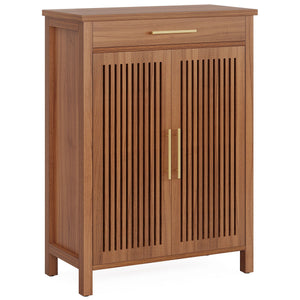
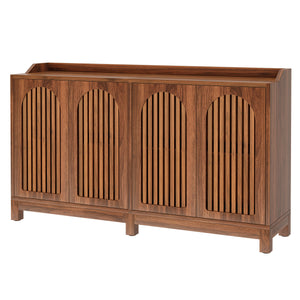
If you're concerned about keeping your entryway looking tidy, opt for a closed storage shoe rack. Open racks can make your space look messy, especially if shoes are left haphazardly. Instead, choose a closed cabinet or a storage bench with doors to neatly conceal your shoes and accessories. This not only keeps the area neat but also prevents dust and dirt from accumulating on the shoes.
A closed shoe storage option can also double as a decorative bench for putting on or taking off shoes.
Read more: Open Shoe Rack vs Closed Shoe Rack

-
Create Zones for Different Types of Shoes
Not all shoes are created equal, and some should be stored differently. Keep everyday footwear in a convenient spot near the door for quick access, and save your seasonal or special-occasion shoes for deeper storage, like a closet or a mudroom.
Consider a practical setup like a shoe rack with multiple compartments or cubbyholes, so you can easily organize shoes by use. For example, winter boots could go in a lower compartment, while sandals or everyday shoes could be placed on higher shelves.
4 Don’ts: Mistakes to Avoid When Placing Your Shoe Rack
1. Don’t Block the Entryway with a Large Shoe Rack
A large shoe rack can overwhelm a small entryway and create a cramped, cluttered look. In tight spaces, it's especially important not to let furniture block the natural flow of traffic. A bulky shoe rack can make the area feel closed off, defeating the purpose of creating a welcoming first impression.
Instead, look for compact, low-profile options that fit into narrow spaces, like a slim console table with hidden compartments for shoes or a low-profile shoe cabinet. This allows you to maximize the space without overcrowding the room. Design experts agree that an overly large, visible shoe rack can disrupt the flow of small spaces and make them feel even more cramped.
2. Don’t Leave Shoes on the Floor or Scatter Them Around
While it may seem convenient to just drop your shoes by the door, leaving them on the floor or scattered across the entryway is one of the quickest ways to create visual chaos. A messy entryway with shoes everywhere can instantly make your home look unkempt and uninviting.
If you’re prone to tossing shoes aside when you get home, consider a shoe storage solution that encourages tidiness. For instance, a shoe rack with compartments for each pair of shoes will help keep everything in its place, making it easier for you to maintain a clean, organized space.
3. Avoid Placing the Shoe Rack Too Close to the Door
Placing a shoe rack right next to the door can make it difficult to maneuver in and out, especially if you have a busy household. It can also create a less-than-ideal first impression for visitors, as they’re likely to be greeted by piles of shoes.
Instead, place your shoe rack a few feet away from the door, or opt for an entry bench with storage. This ensures that your shoes are still easily accessible without being the first thing that people notice when they walk in.
4. Don’t Forget to Think About Functionality
When choosing a shoe rack, don’t just focus on looks—consider its functionality. A beautiful, but impractical, shoe rack won’t help you maintain an organized entryway. Think about how many shoes you need to store and how often you access them. A shoe rack with multiple shelves or a bench with built-in storage might be perfect for larger households. Conversely, a smaller, more minimalist rack might be better for individuals or couples who don’t need as much storage.

FAQs
Where To Put Shoe Racks In House Feng Shui?
Place shoes in closed storage near the entry, but not blocking the door. Keep them hidden to avoid visible clutter that can block positive energy flow. Feng Shui sources recommend using a closed shoe cabinet rather than open racks next to the main entrance.
Where To Keep Shoe Racks In Living Room?
Avoid putting a shoe rack in the living room. Shoes in living spaces can make the area feel cluttered and interrupt the visual flow of the room. Most organizers suggest storing shoes in a closet, mudroom, or entry hallway instead.
How To Organize Shoes In Walk In Closet?
Sort shoes by type (sneakers, boots, dress shoes) and use shelves or cubbies to keep them visible and easy to reach. You can add angled shelves, wall racks, or over‑door organizers to make full use of space and prevent shoes from piling on the floor.

Which Direction Shoe Rack Should Be Placed?
In Feng Shui, shoes should not face directly toward the front door, and they should be stored in closed cabinets near the entry rather than in sacred directions like northeast. Keeping shoes low and tucked away helps maintain good energy flow.
Where Should I Put My Shoes?
Keep everyday shoes near the door you use most often for leaving and entering the house. Store less frequently worn or seasonal shoes in a closet or walk‑in closet to reduce clutter and make daily shoes easy to grab.
Final Thoughts
In modern home design, entryways are being designed with both aesthetics and practicality in mind. Many homeowners are opting for shoe storage solutions that keep the space organized and visually appealing. From storage benches with hidden compartments to sleek shoe storage cabinets like those from Tribesigns, the key is to balance functionality with style. These storage solutions allow easy access to shoes while ensuring that the entryway remains clean and welcoming for guests.