



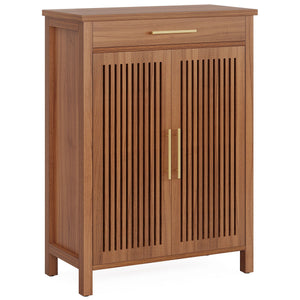

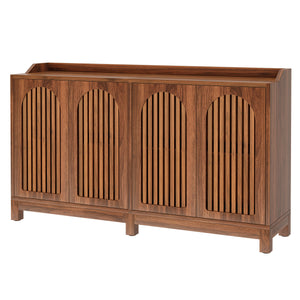

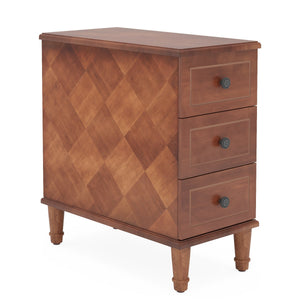
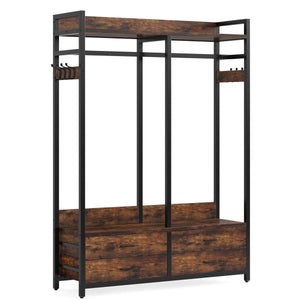
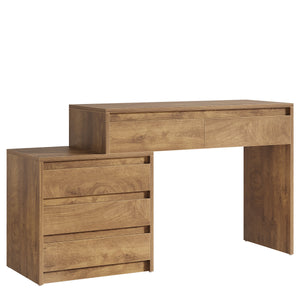
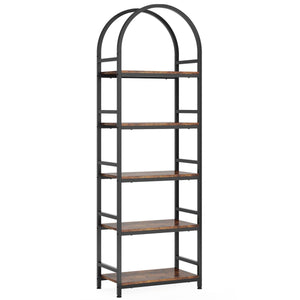




Mold on furniture is primarily caused by excess moisture and high indoor humidity combined with poor ventilation. Mold spores are always present in the air, but they only start to grow when they land on a surface that provides the necessary food source (like wood, fabric, or leather) and has enough moisture, typically when the relative humidity stays consistently above 60%.
Table of Contents
- What Does Mold Look Like on Furniture?
- Why is There Mold on My Couch?
- How to Remove Mold from Wooden Furniture?
- How to Get Rid of Mold on a Couch?
- Preventing Future Mold Growth
- Conclusion
Imagine a scenario in a basement. You've got a wooden dresser placed right against a cool, exterior foundation wall. Because of the limited airflow behind the dresser and the cooler wall surface, warm, humid indoor air hits that cold surface and condenses, creating an invisible layer of moisture.
This localized dampness is the perfect breeding ground for mold, even if the rest of your home seems dry. The U.S. Environmental Protection Agency (EPA) recommends keeping indoor humidity levels below 50% to discourage mold growth.

What Does Mold Look Like on Furniture?
Mold is a type of fungus that can take on a variety of appearances on furniture, often looking different depending on the surface material and the specific mold species.
|
Furniture Material |
Common Mold Appearance |
|
Wooden Furniture |
Typically appears as fuzzy, powdery, or slimy patches. Colors range from black, dark green, or blue-green (common molds like Cladosporium or Aspergillus) to powdery white or gray (often mildew, which is a surface mold). It may also look like irregular blotches that stain or "bleed" into the wood grain. |
|
Upholstered Furniture (Couches, Chairs) |
Usually looks like small, fuzzy spots or discoloration on the fabric. The mold can be black, green, pink, or white and can penetrate deep into the padding and foam, which are excellent at trapping moisture. A strong, earthy, or musty odor is often a key sign of hidden mold in upholstery. |
In addition to visible growth, a persistent, damp, musty odor is a telltale sign that mold is present, often lurking unseen inside cushions or behind a piece of furniture.
Why is There Mold on My Couch?
Mold growth on your couch, or any upholstered item, is almost always a sign of a moisture issue. Upholstered furniture is highly susceptible because its materials (fabric, foam, stuffing) are porous and can absorb and hold a significant amount of moisture, creating a prolonged damp environment that mold loves.
Common reasons you find mold on a couch:
- High Ambient Humidity: If your home's humidity is too high (especially in summer or in damp basements), the couch fabric simply absorbs the moisture from the air.
- Water Damage: A direct leak, a flood event, or even a slow, persistent leak from an adjacent wall or window can saturate the foam and frame. Once saturated, it can be extremely difficult to dry completely.
- Poor Airflow: Placing a couch tightly against a wall restricts air circulation, causing moisture to build up on the back of the furniture, which then encourages mold growth.
- Spills: Any spills that aren't immediately and completely dried can leave behind enough residual moisture for mold to colonize.
How to Remove Mold from Wooden Furniture?
You can often salvage solid wood furniture if the mold is caught early and has not deeply penetrated or damaged the structural integrity of the wood. Always work outdoors or in a well-ventilated area, and wear gloves, a face mask, and eye protection.
Prep and Dry
Move the furniture outdoors, ideally on a sunny day. Use a stiff-bristled brush or an old toothbrush to gently scrub and dislodge as much surface mold as possible. Be sure to collect and immediately dispose of the moldy debris.
Vacuum
Use a vacuum with a HEPA filter (if available) to thoroughly clean the surface, making sure to get into all the crevices.
Clean with a Fungicide Solution (Choose One)
White Vinegar: Wipe the wood down with pure, undiluted white vinegar. Vinegar is a mild acid that is effective at killing many mold species. Allow it to soak for about an hour before wiping the surface with a clean cloth.
Bleach Solution (Use with extreme caution on finished wood): For heavily affected, unfinished wood, a solution of 1/2 cup of laundry bleach per gallon of water can be used. Test a small, inconspicuous area first to ensure it doesn't damage the finish. Wipe down the area and let it dry completely.
Commercial Mold Remover: Use an EPA-registered anti-microbial cleaner specifically for wood, following the product's instructions.
Dry Thoroughly
Allow the wood to air dry completely in the sun or a dry, well-ventilated area for several days. Sunlight can help kill remaining mold spores.
Refinish (If Needed)
If the mold stain remains, you may need to sand down the affected area of the wood and apply a new finish (like varnish, paint, or wax) to seal the wood and help prevent future growth.
Read more: How to clean wood furniture?

How to Get Rid of Mold on a Couch?
For upholstered furniture, the decision often comes down to the extent of the mold. If the mold is widespread, has a strong musty odor, or is visibly growing inside the cushions, it is generally recommended by experts like the EPA to dispose of the item, as mold spores can be extremely difficult to remove completely from deep within the padding and pose a health risk.
For minor, surface-level mold spots, you can attempt the following:
Prep and Vacuum
Take the couch outside. Use a HEPA-filtered vacuum to gently suction the mold from the surface. Do not use a regular vacuum indoors, as this will spread the spores throughout your home.
Treat the Area (Choose One):
Rubbing Alcohol: Dampen a cloth with rubbing alcohol and gently blot the affected area. Rubbing alcohol can help kill the mold and evaporates quickly, reducing the chance of adding more moisture.
Vinegar Solution: Mix equal parts water and white vinegar in a spray bottle. Lightly mist the area and let the solution soak for 10-15 minutes, then blot the area with a clean cloth.
Hydrogen Peroxide: Spray a 3% hydrogen peroxide solution on the spot, let it sit for a few minutes, then blot dry. Hydrogen peroxide can bleach some fabrics, so always test a small area first.
Dry Completely
This is the most critical step. Ensure the treated area is fully dry. Place the couch in a warm, sunny, well-ventilated spot for several days. Use a fan to direct airflow over the area.

Preventing Future Mold Growth
The best defense against mold is moisture control. According to the Centers for Disease Control and Prevention (CDC), the key to mold control is moisture control.
- Manage Humidity: Keep indoor humidity levels between 30% and 50%. Use a dehumidifier, especially in damp areas like basements, and run your air conditioner during humid months.
- Improve Air Circulation: Never push furniture tightly against exterior walls. Leave a few inches of space to allow air to flow freely. Use fans to circulate air in rooms that feel stagnant.
- Ventilation: Use exhaust fans in kitchens and bathrooms when cooking or showering to vent moist air outside.
- Address Leaks: Fix any water leaks immediately (roof, plumbing, windows). Dry any spills or water-damaged materials within 24 to 48 hours.
- Natural Light: If possible, periodically expose susceptible items to sunlight, as UV rays are a natural mold inhibitor.
Conclusion
When selecting furniture, your materials offer a critical line of defense against mold. Non-porous materials like metal, solid plastic, and vinyl are the most inherently mold-resistant, as they do not absorb moisture or provide food for spores.
The single most important factor for any wood furniture(solid wood furniture) is the integrity of its seal or finish. A high-quality, continuous waterproof seal prevents moisture absorption and blocks the mold's food source, making it the best way to safeguard your investment.
Ultimately, regardless of your choice—be it metal, sealed teak, or a well-finished MDF cabinet—effective mold prevention always comes down to strict moisture control in your environment.