


























FAQ
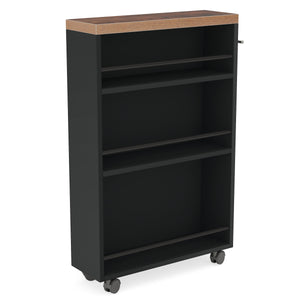
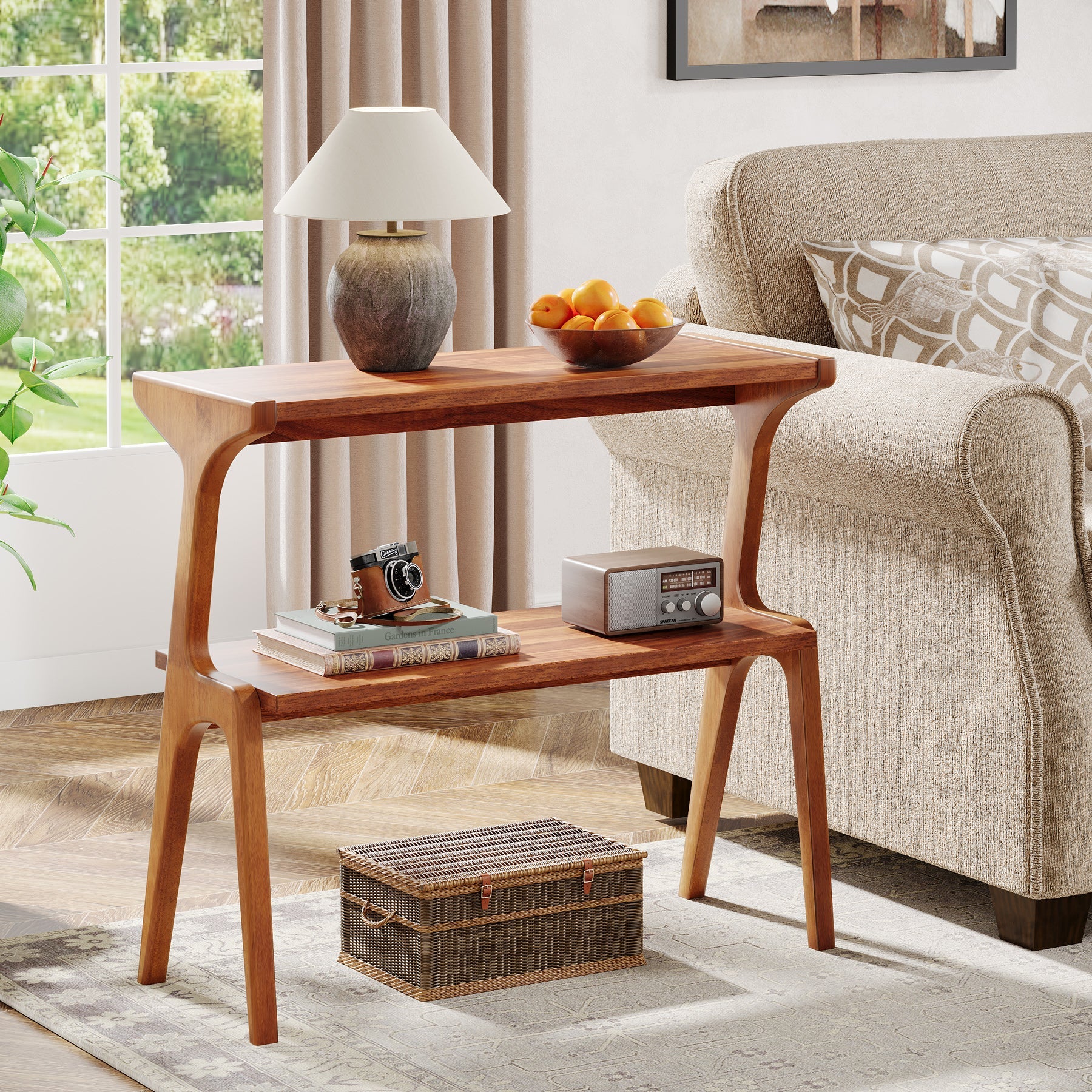
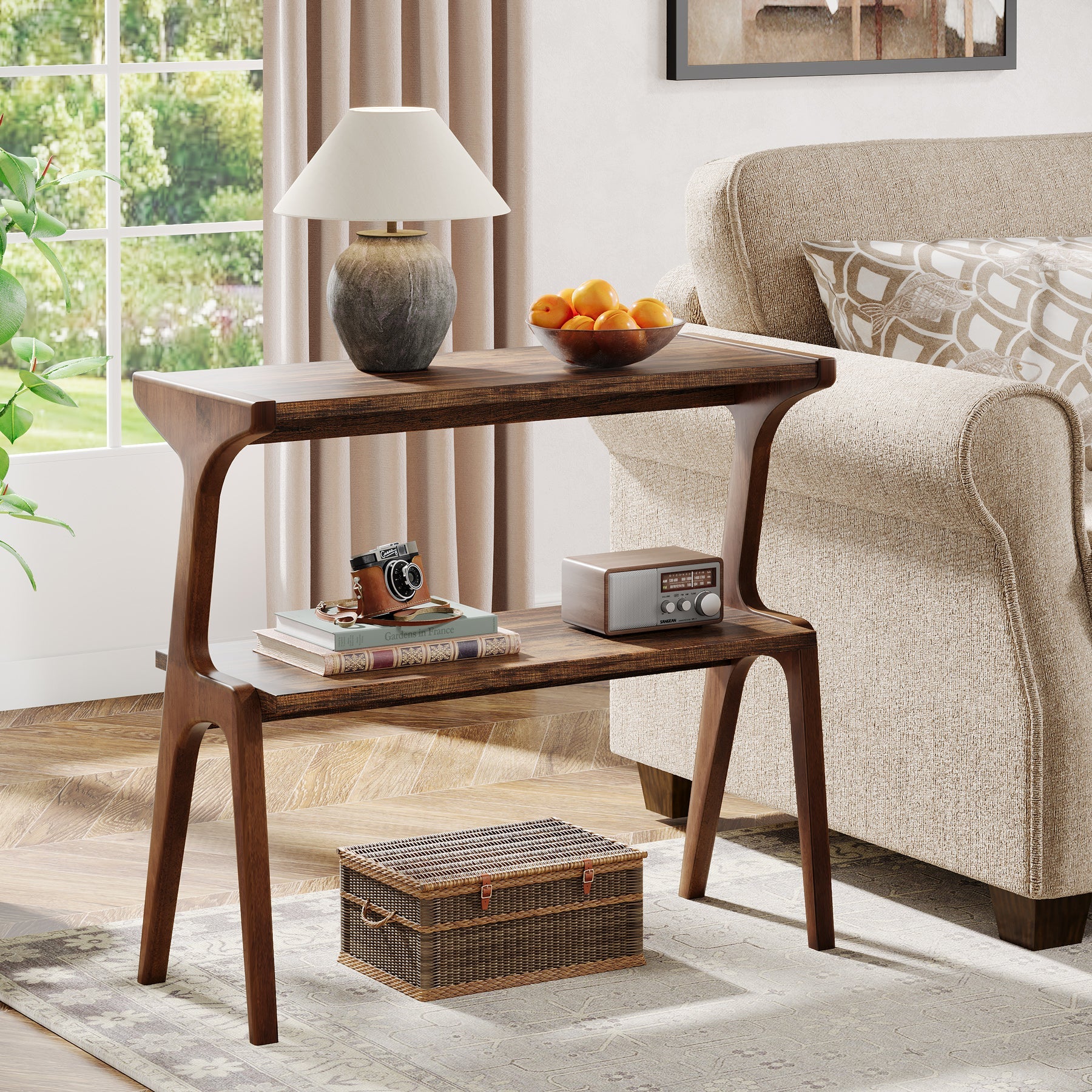
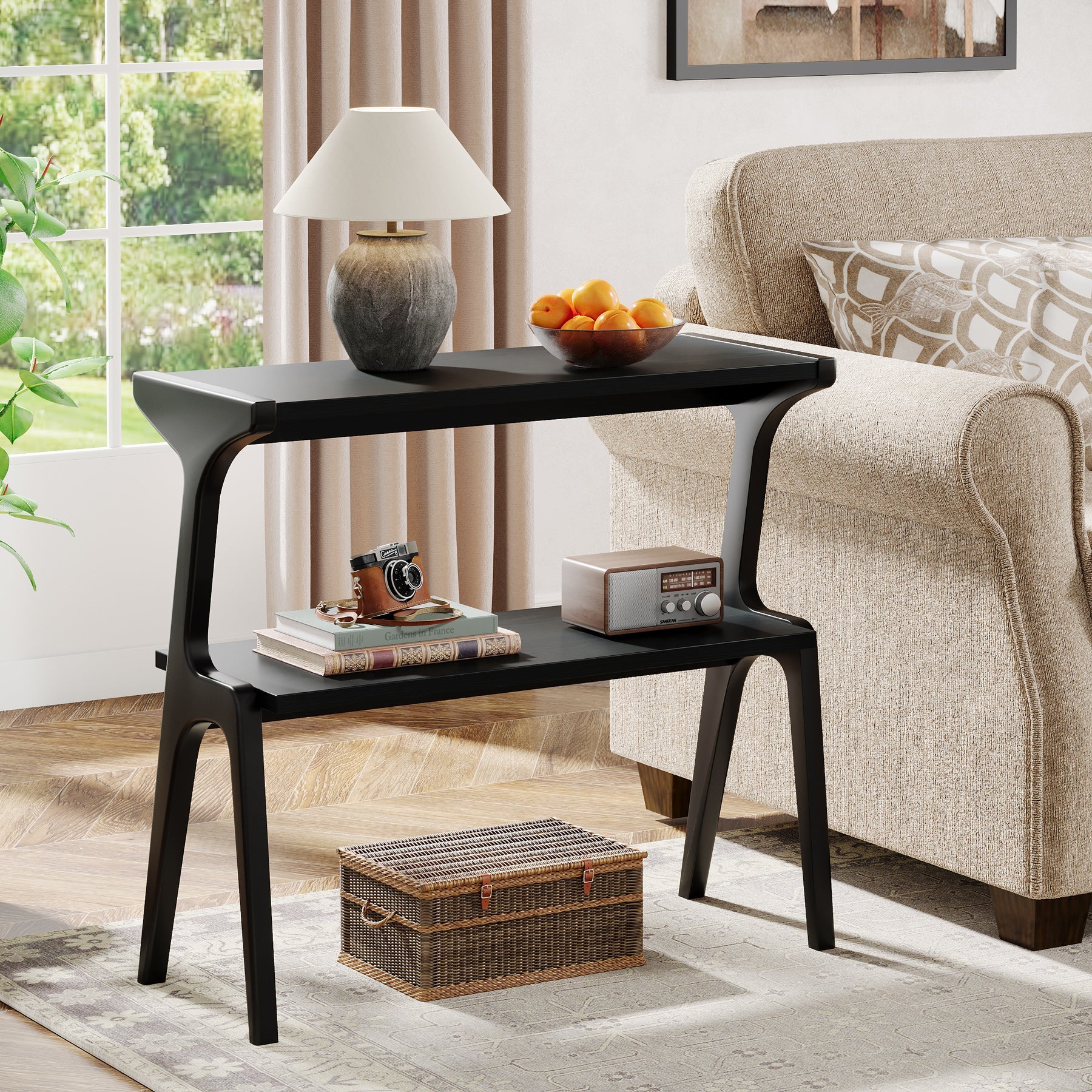
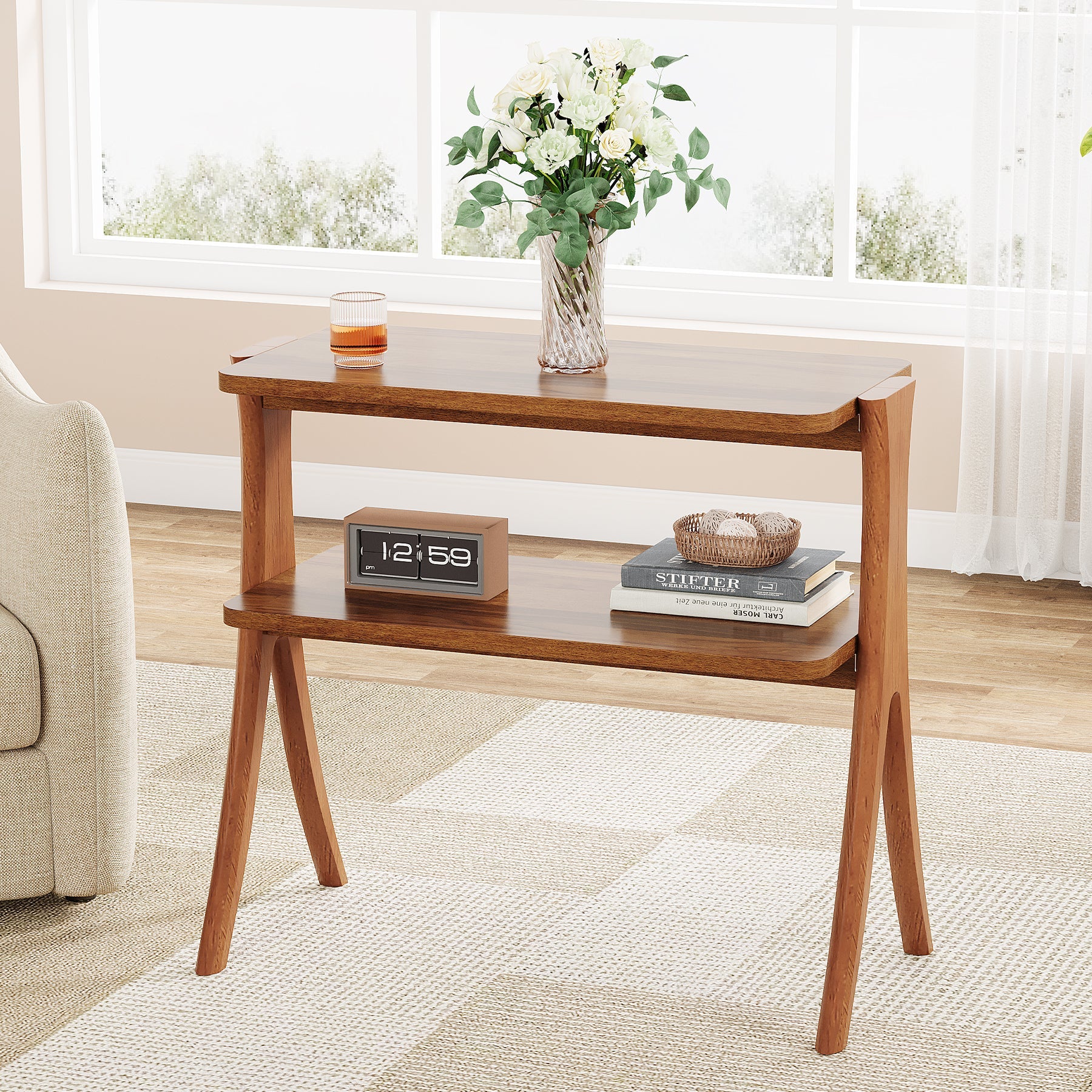
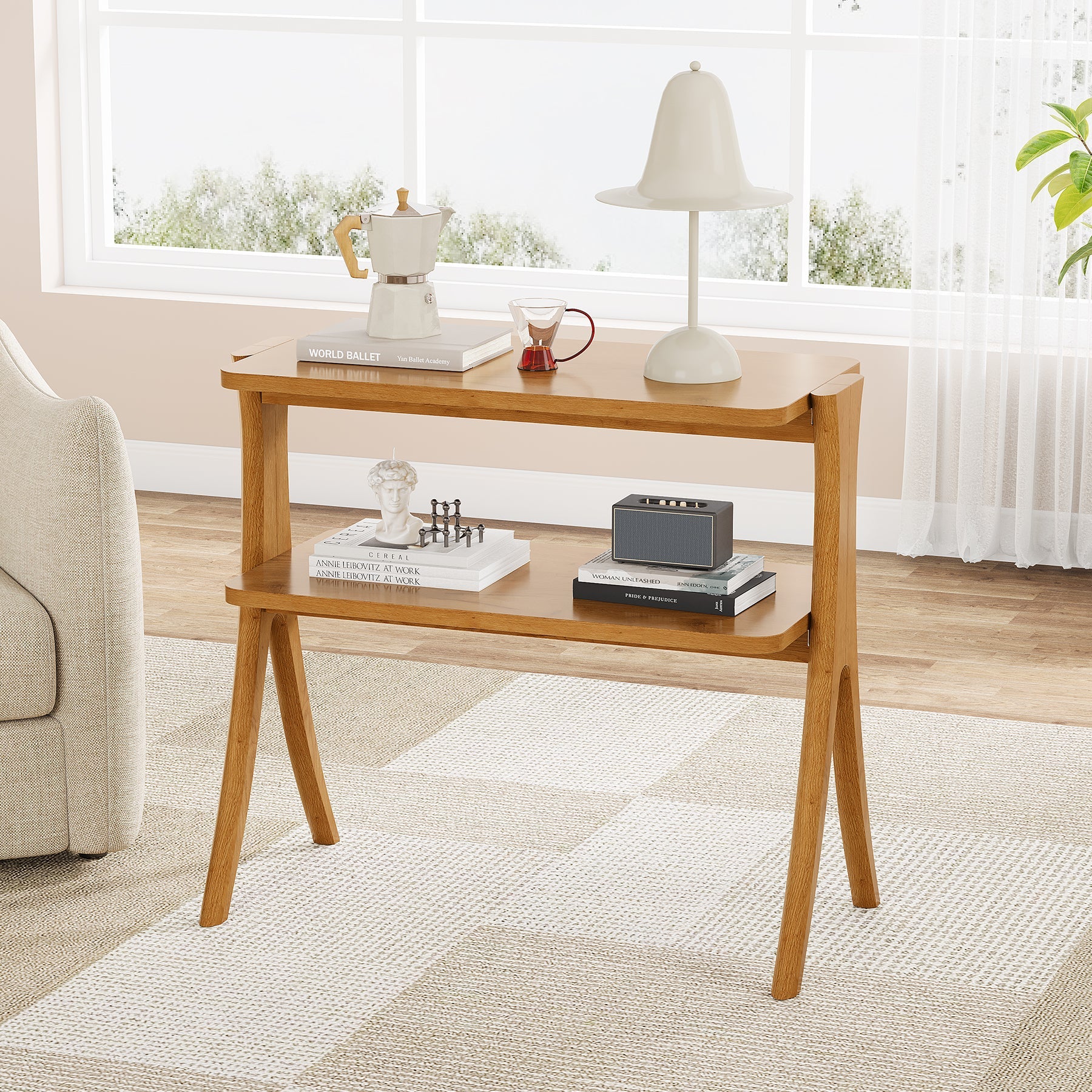
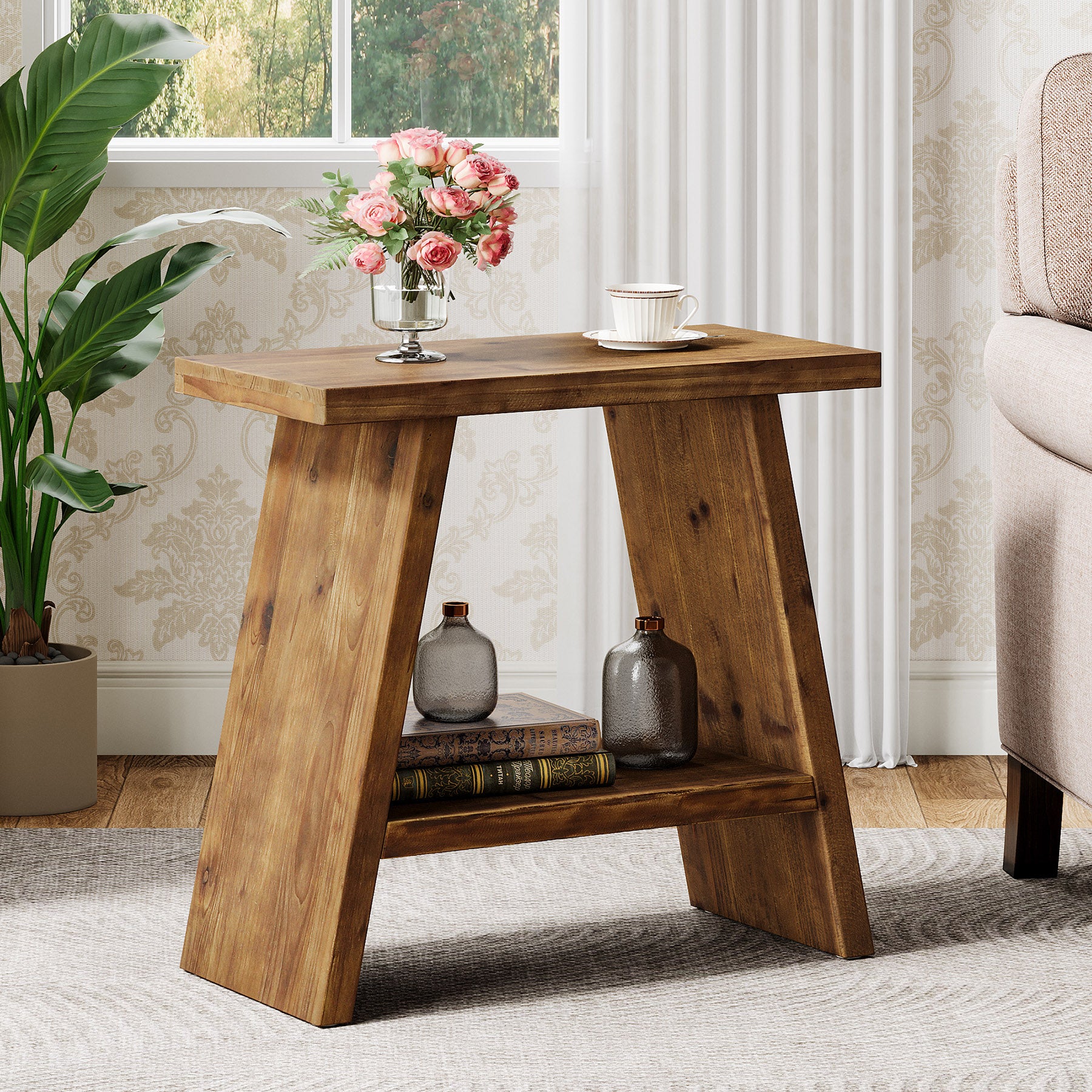
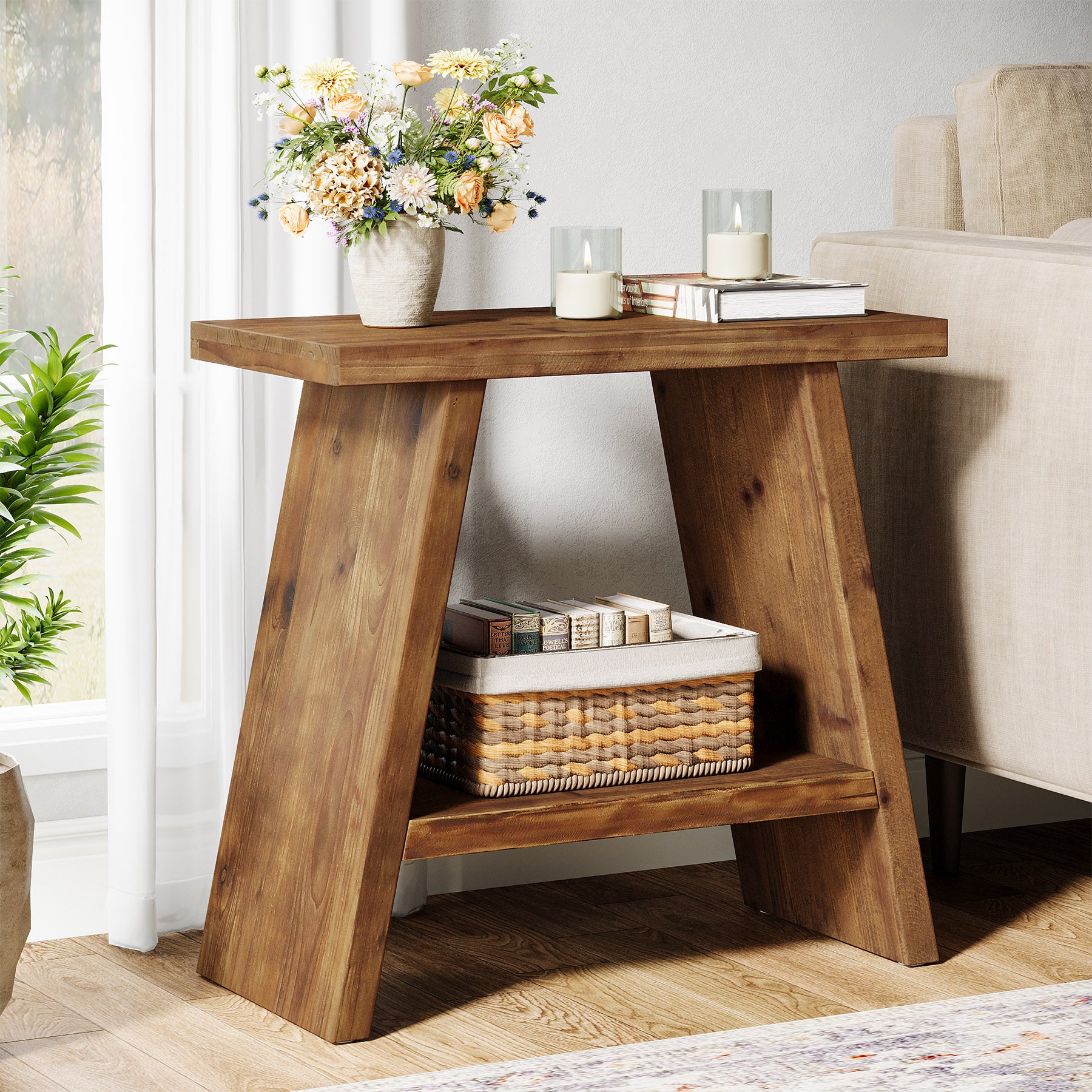
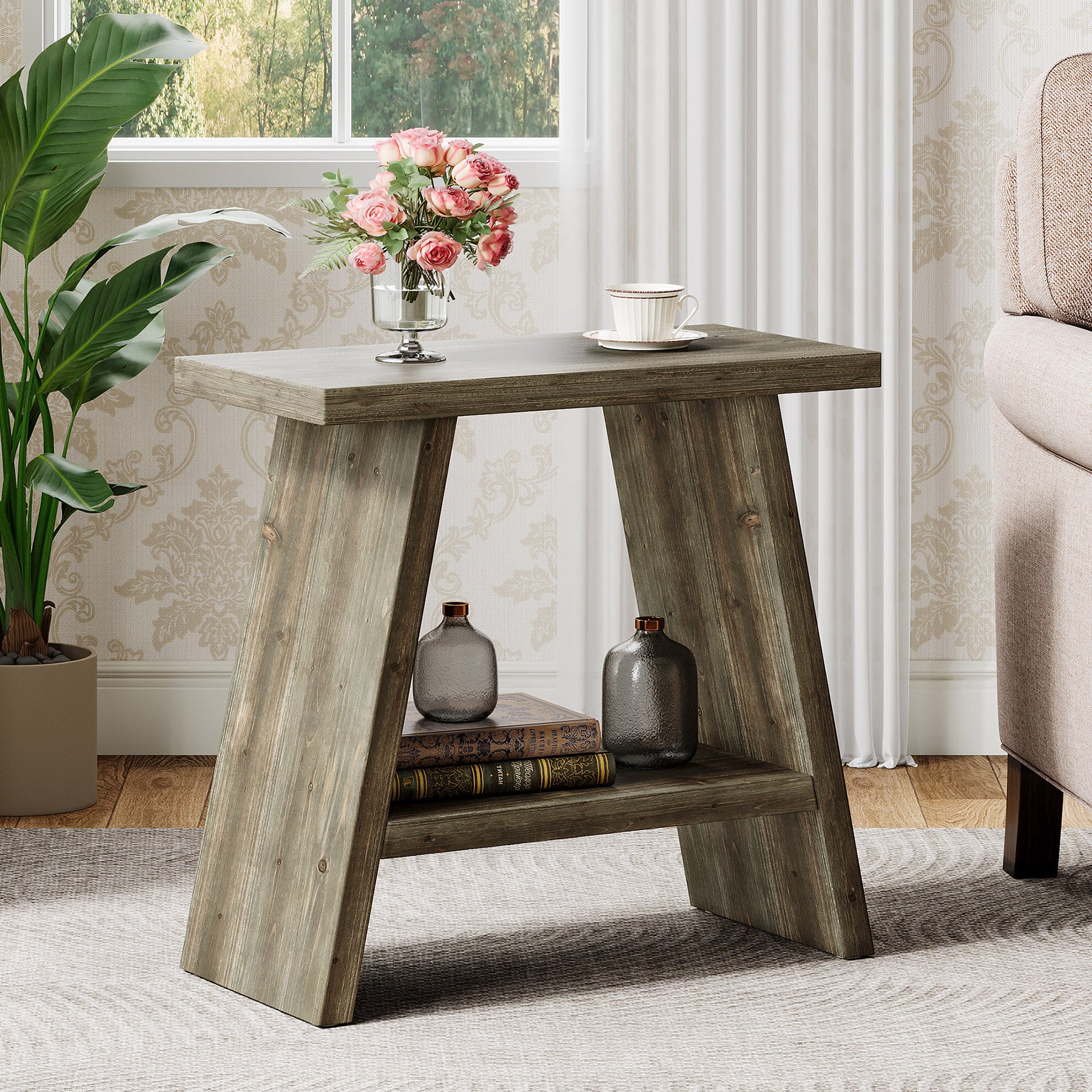
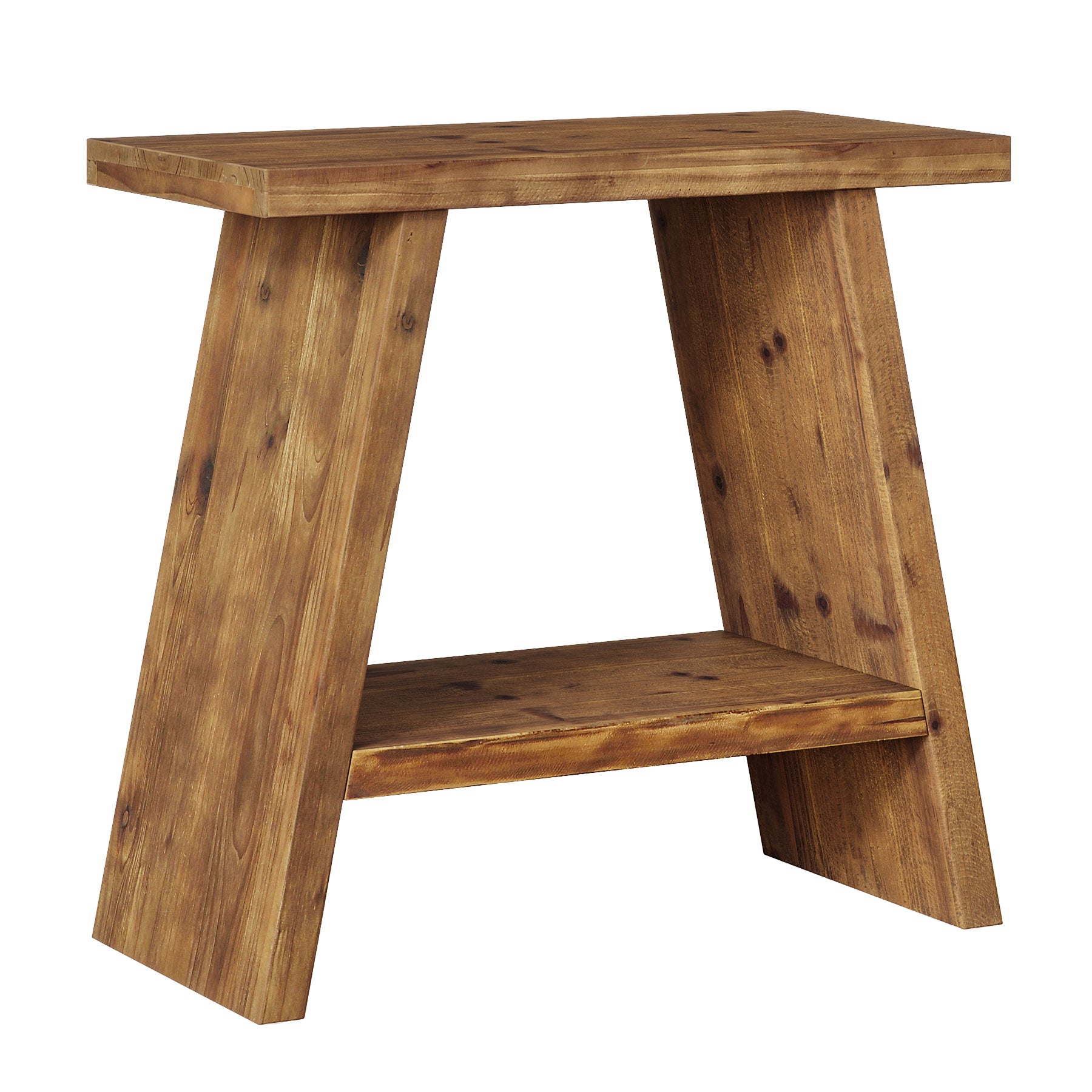
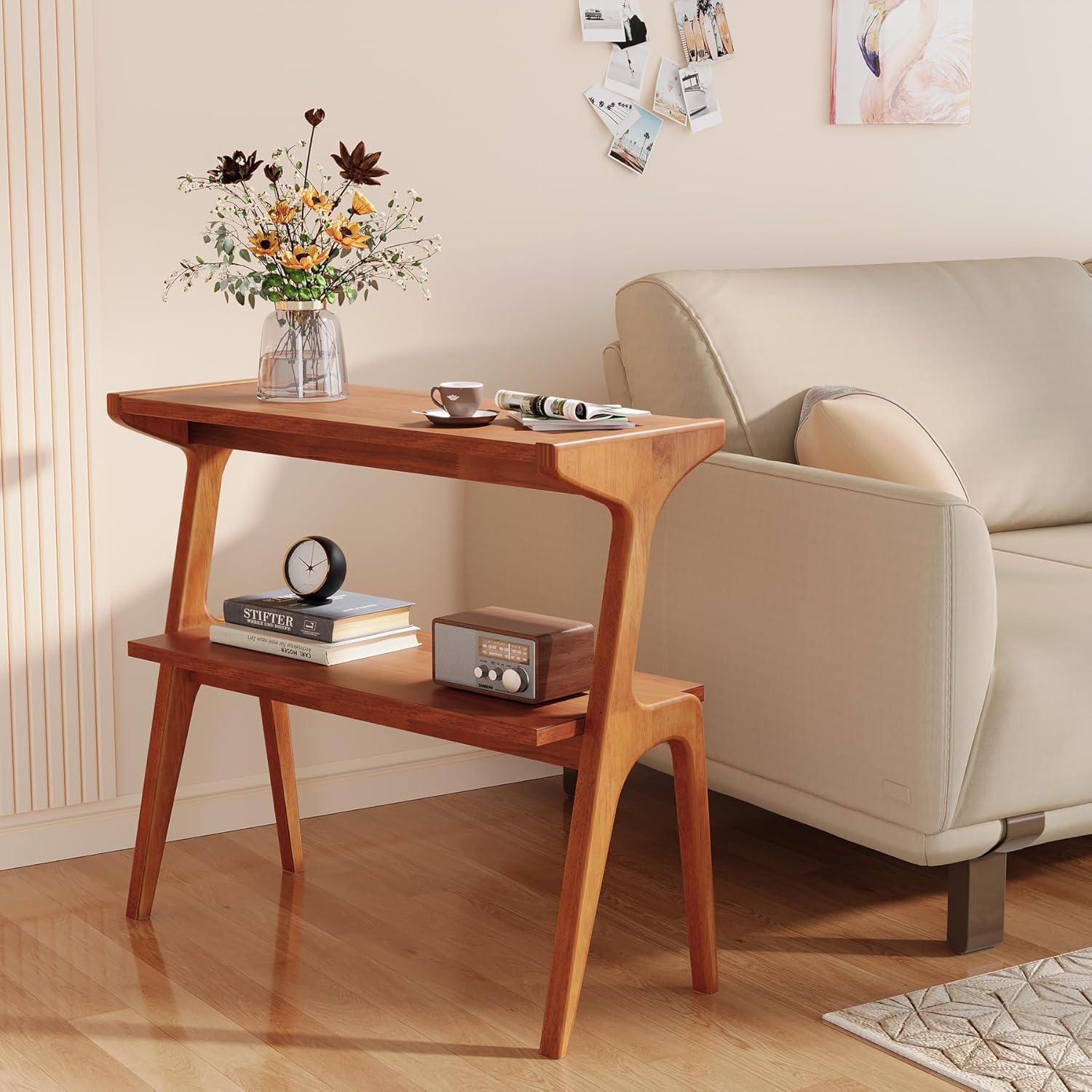
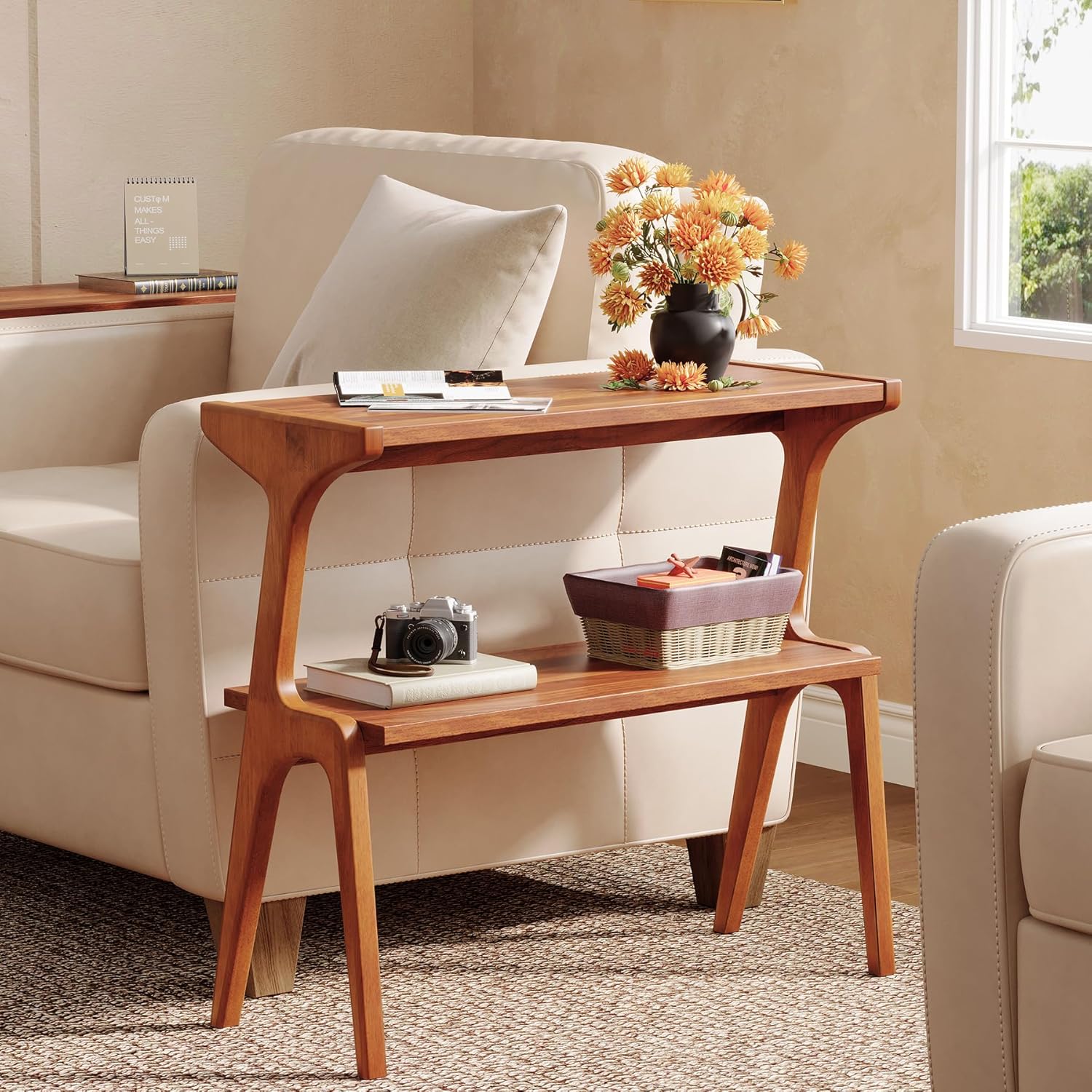
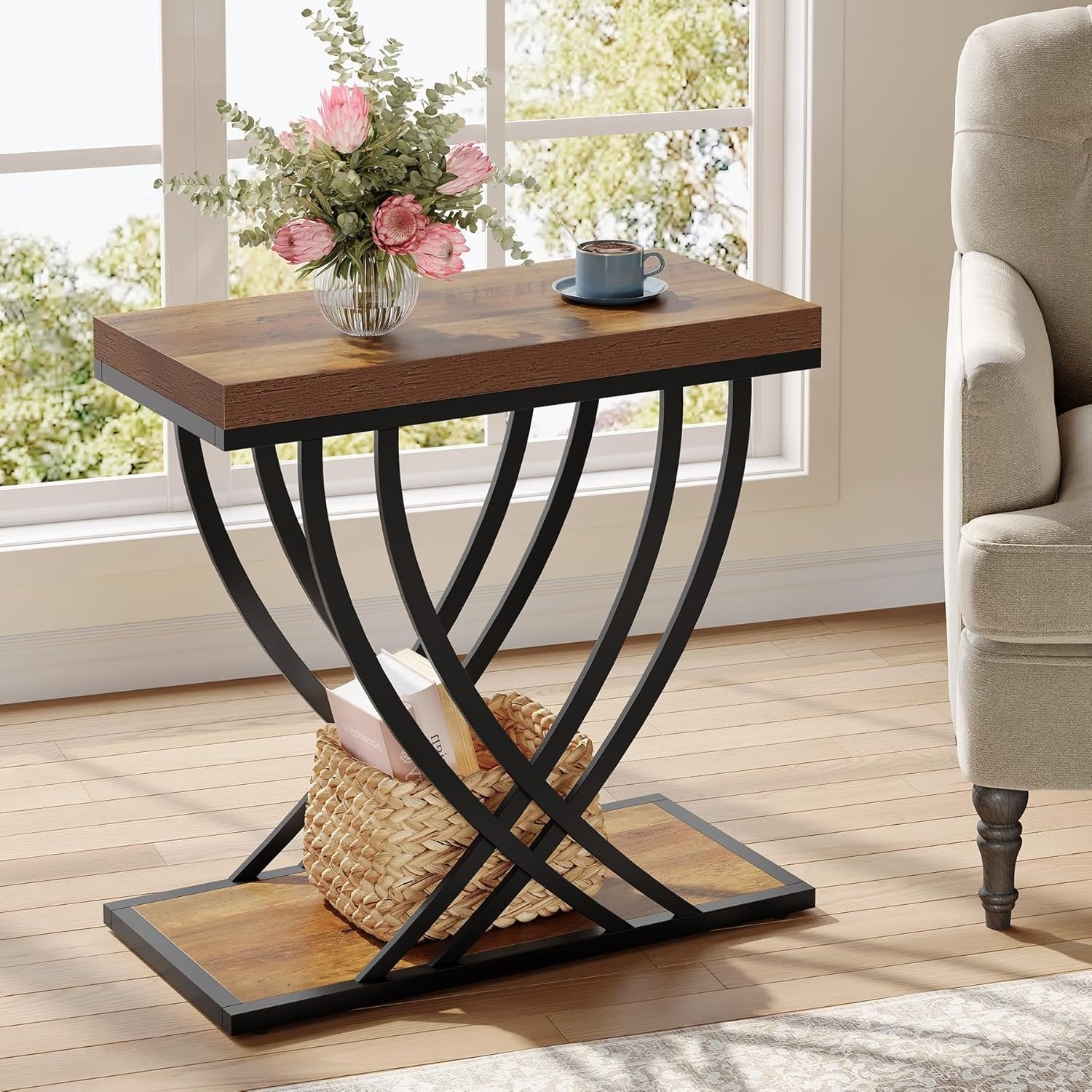
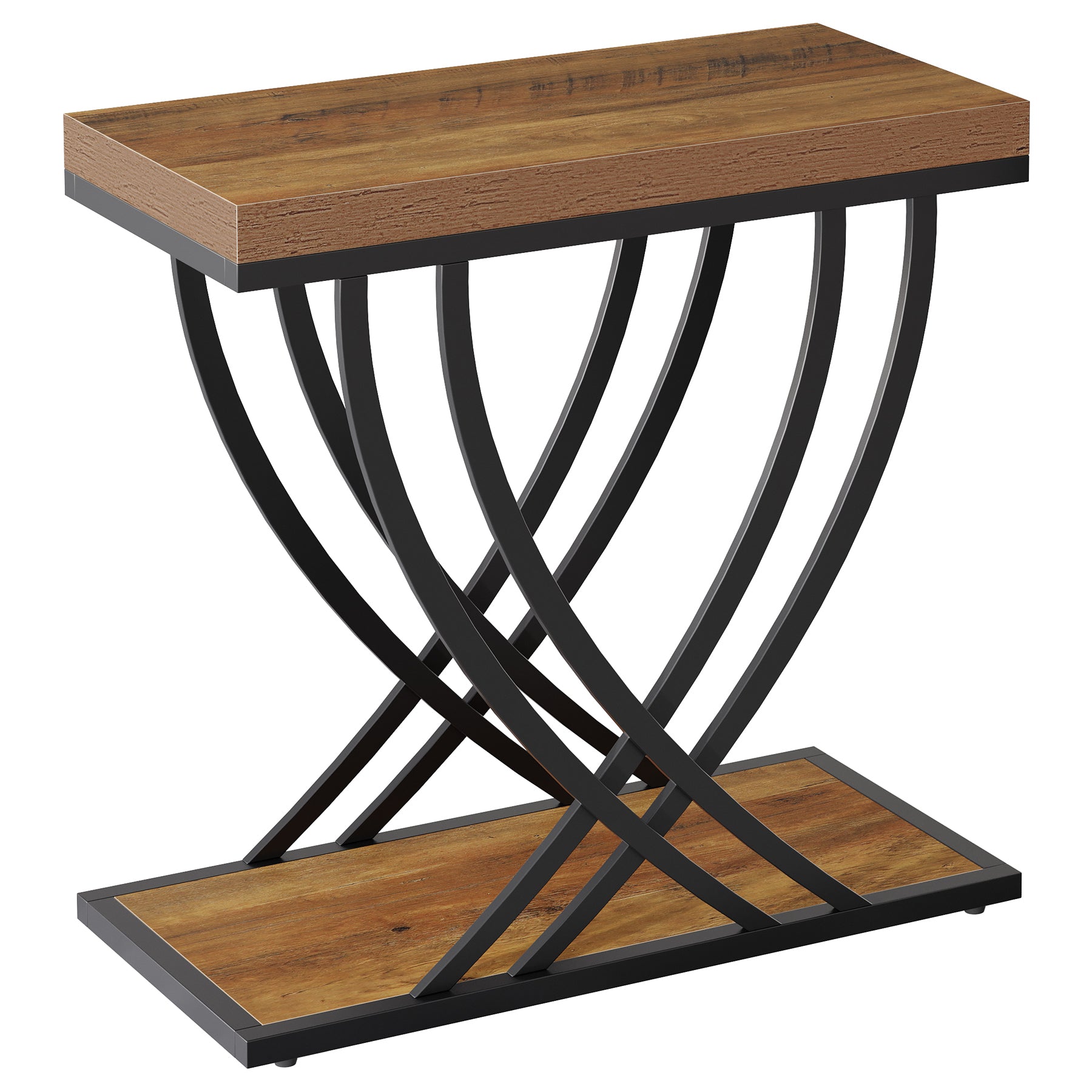
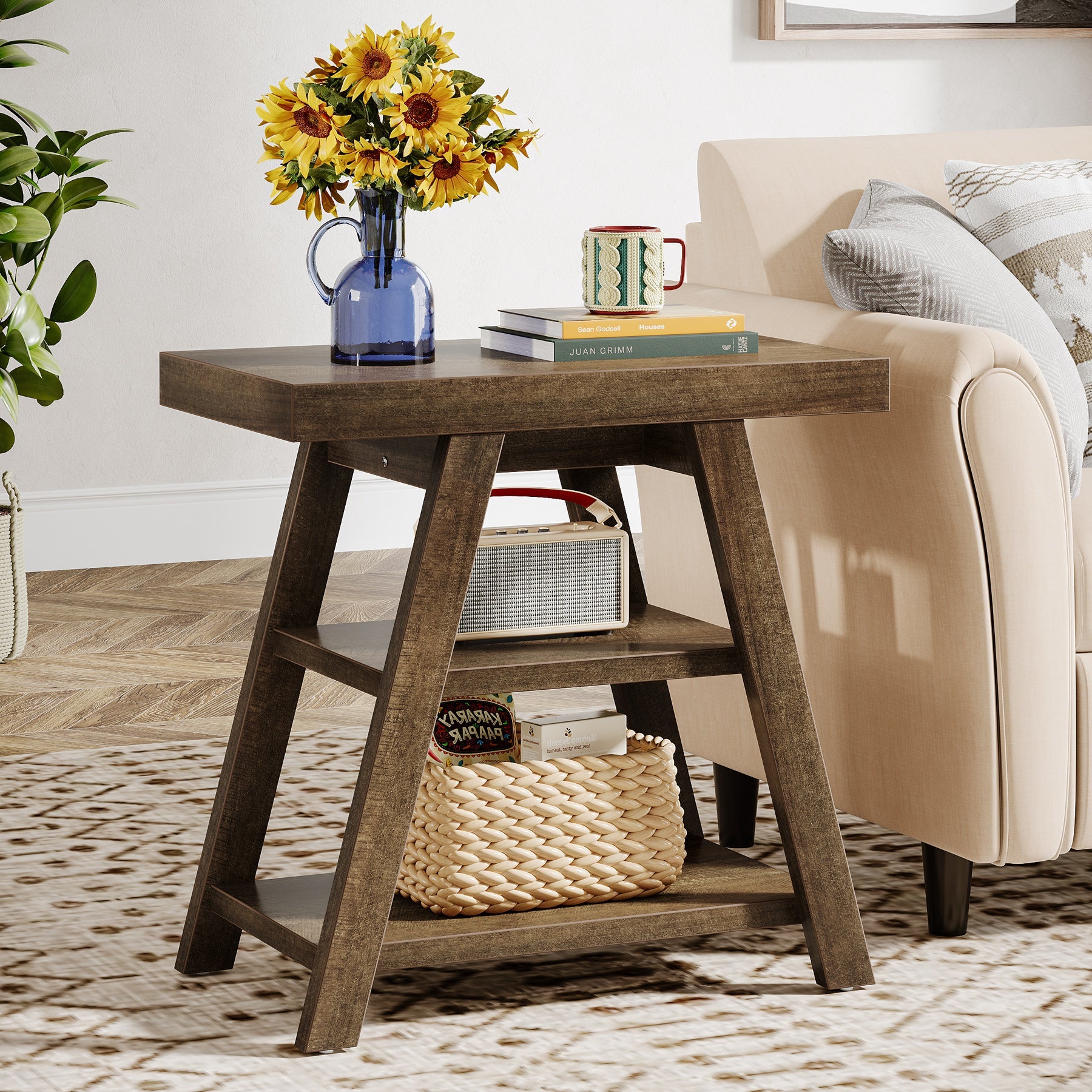
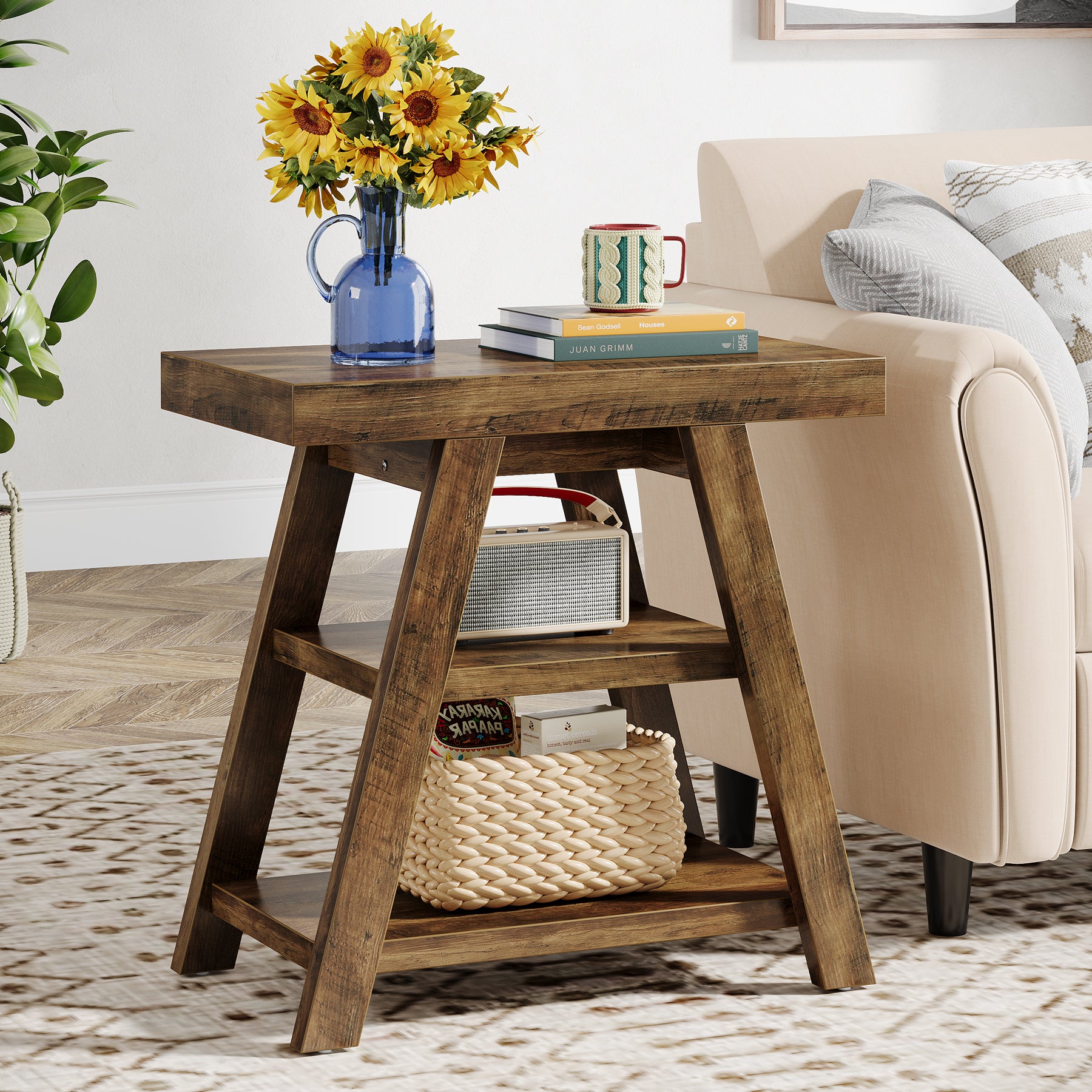
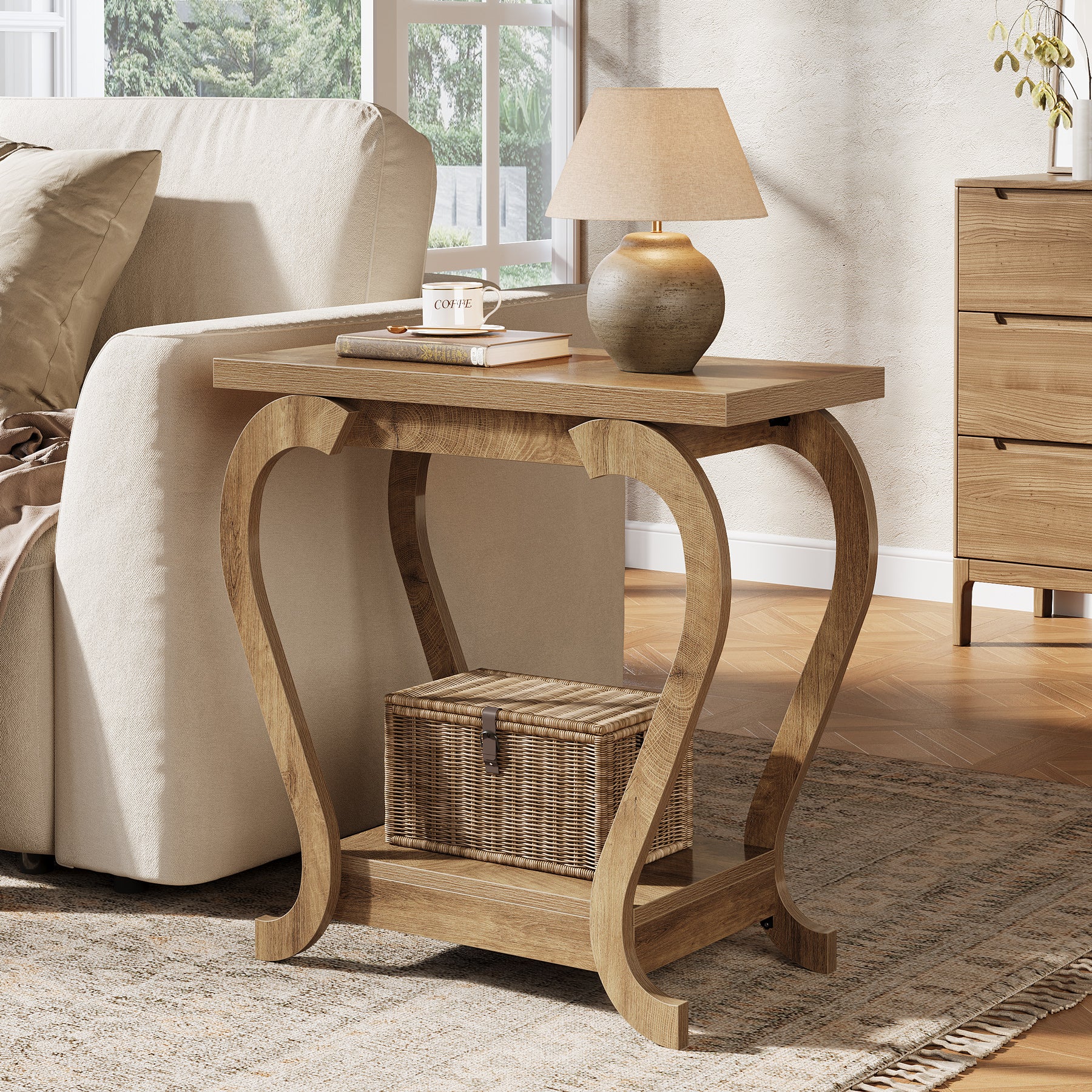
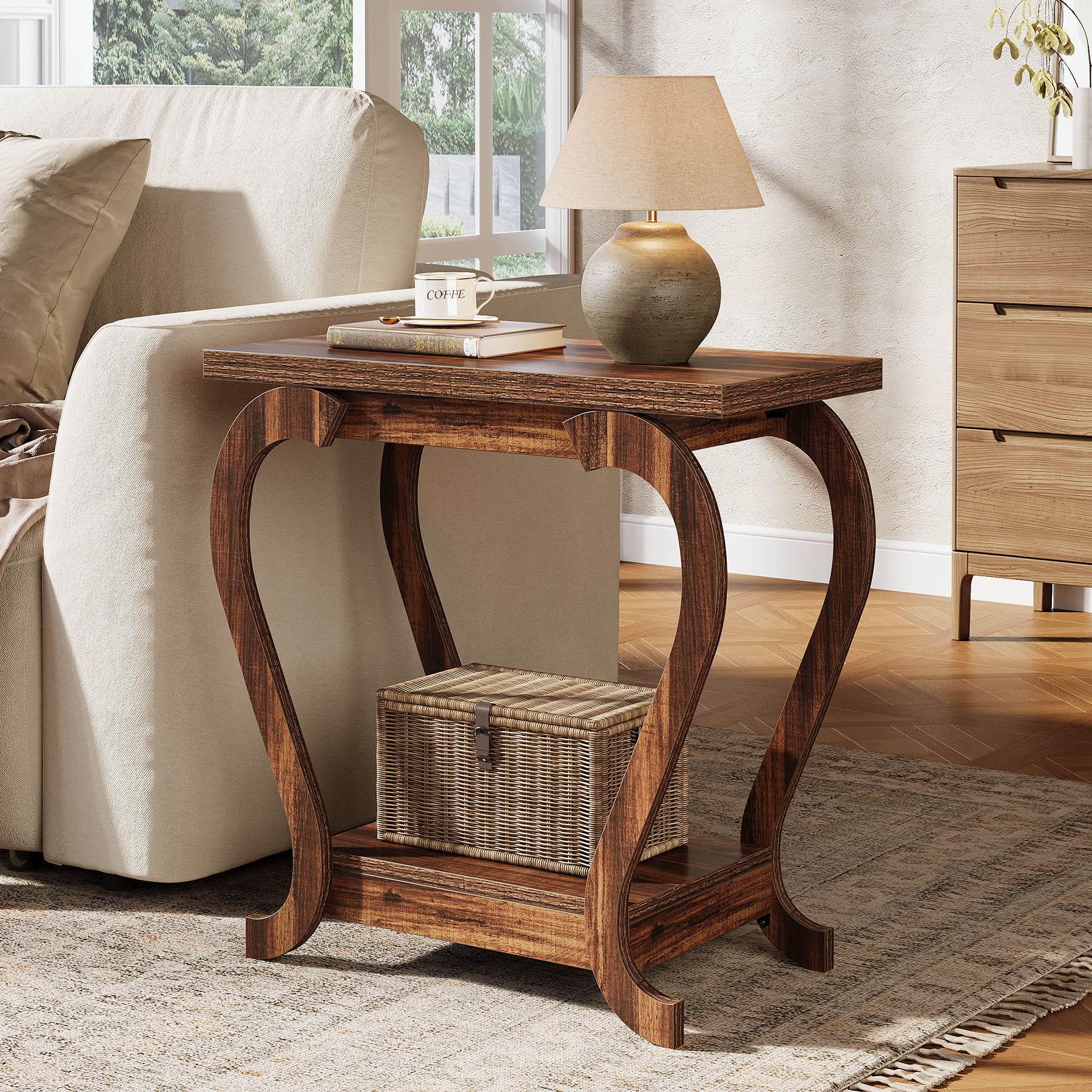
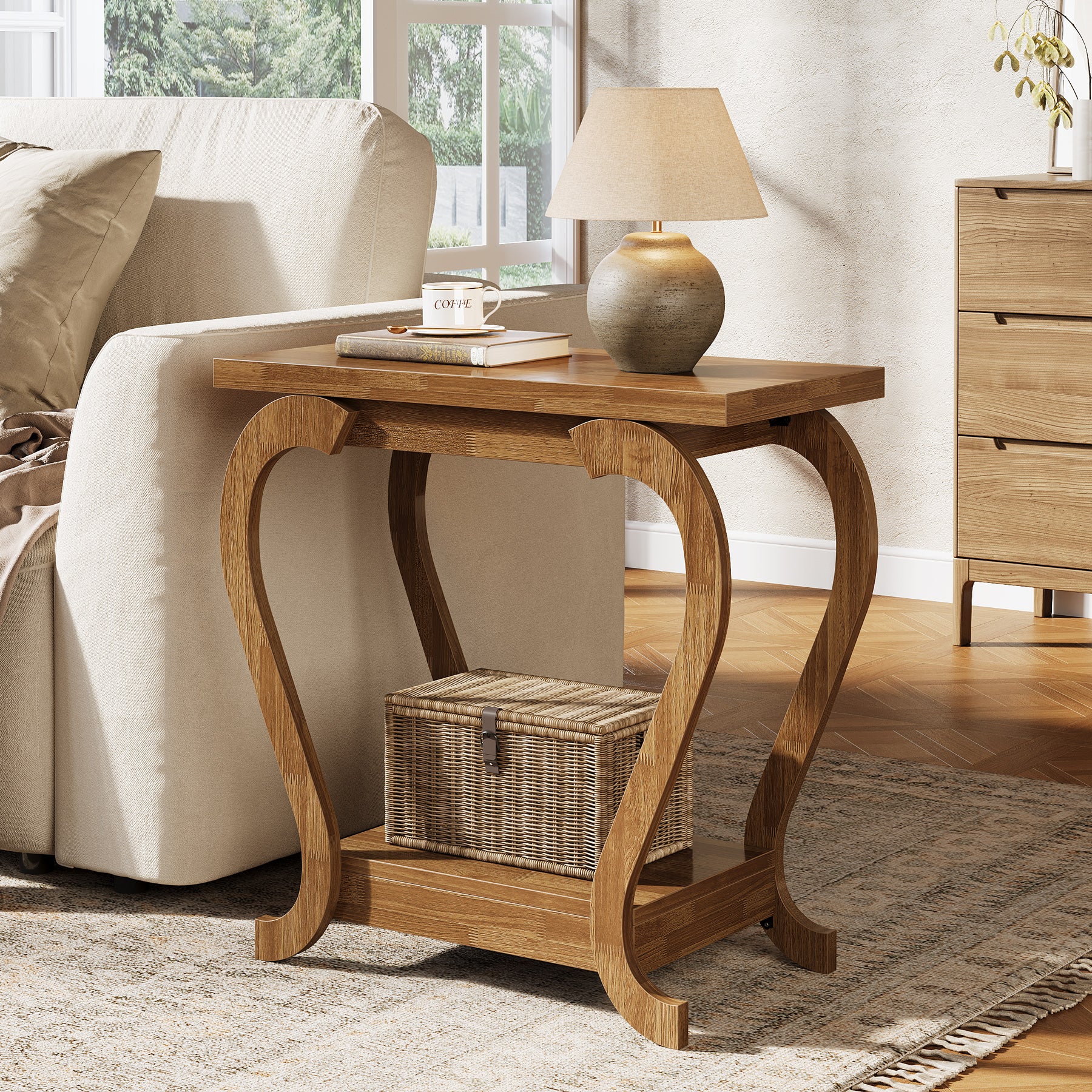
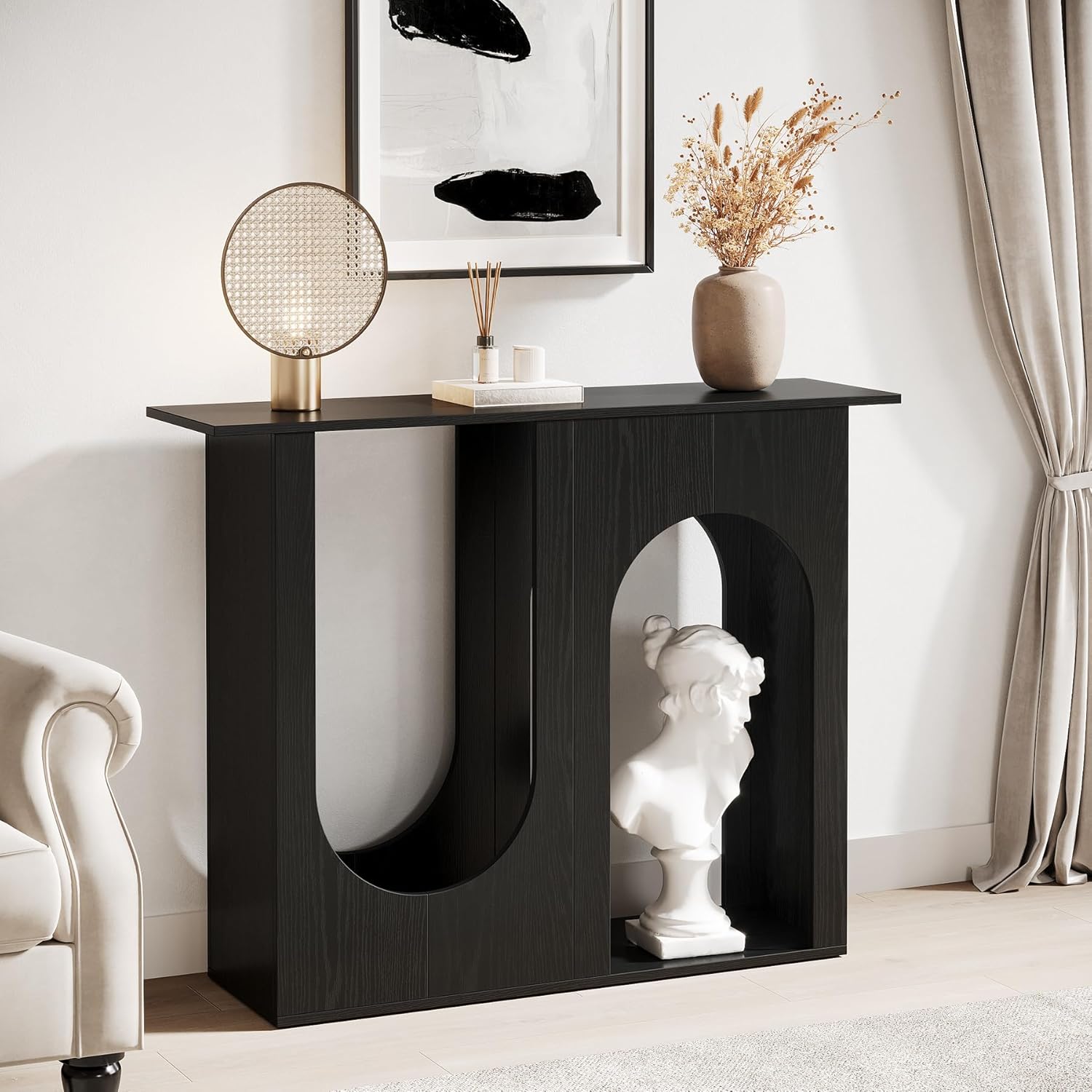
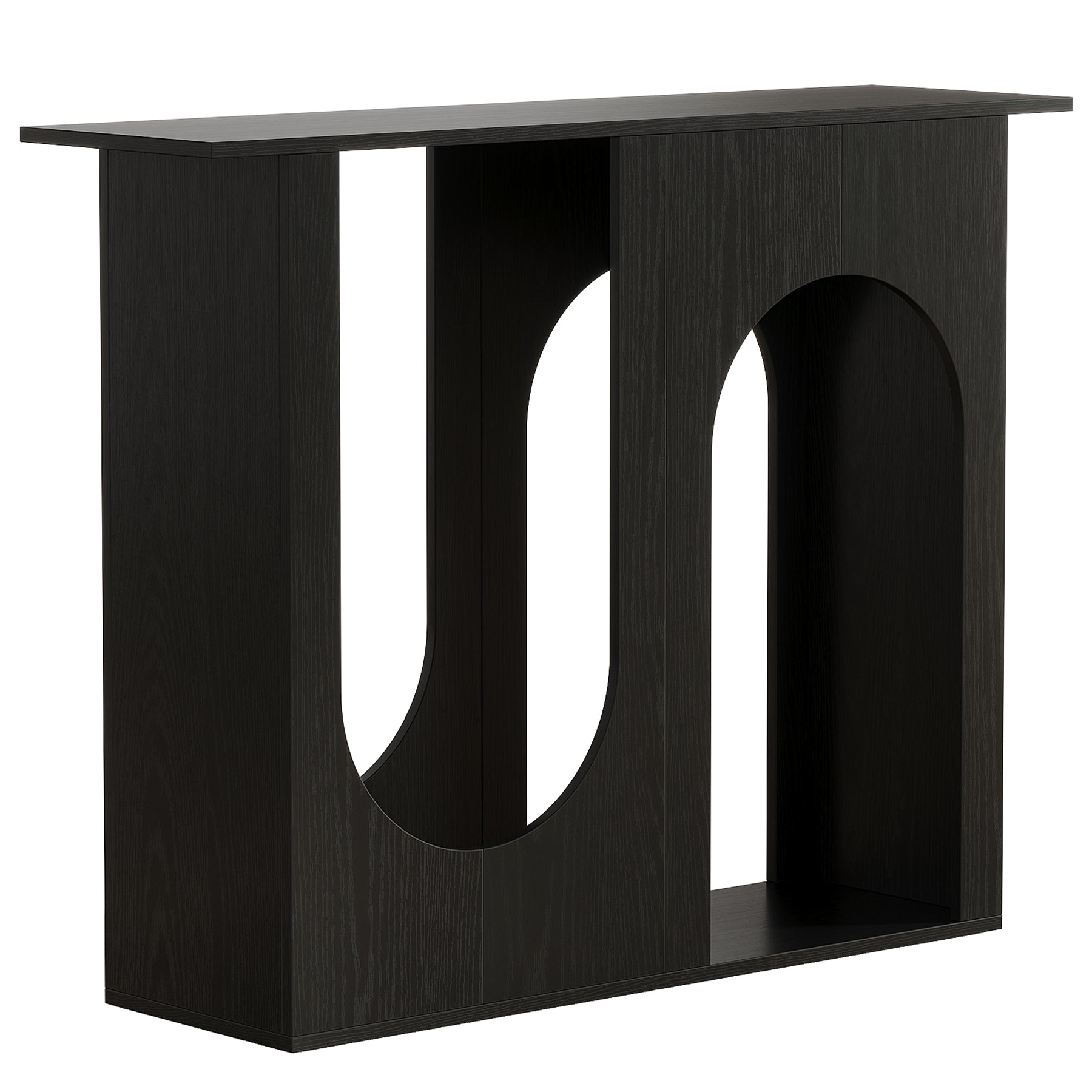
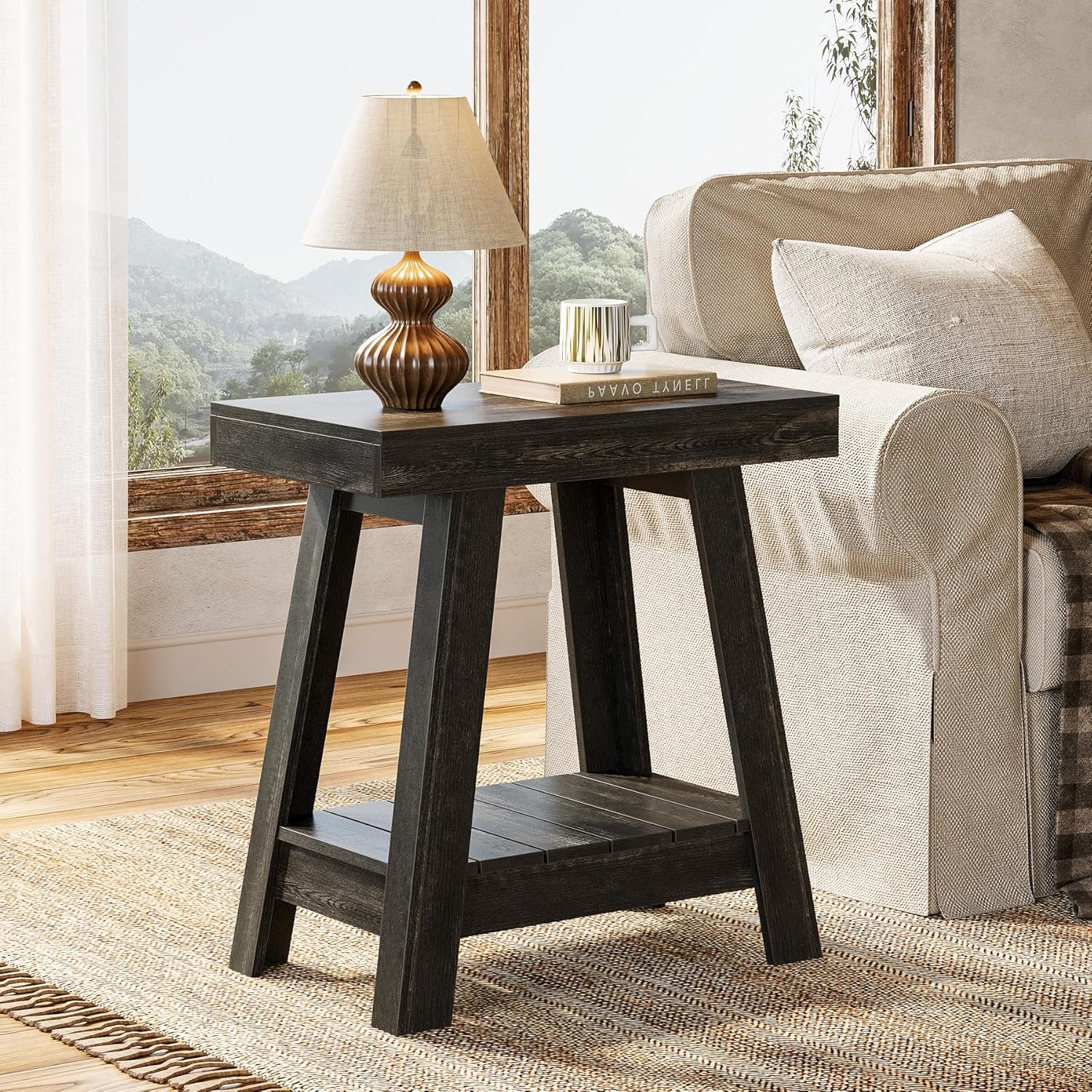
A narrow end table makes better use of the small gaps beside a sofa, chair, or bed without giving up useful surface space. Before choosing one, measure the available width and depth, then think about what you want the table to hold. A slim profile works especially well in apartments, compact living rooms, and tight bedside spaces where a standard side table may feel bulky.
Start with width, but don’t overlook height. Your end table should fit comfortably beside the furniture without blocking a walkway. Next to a sofa or chair, the tabletop generally works best around the height of the armrest or slightly below it, so drinks, books, and remotes stay within easy reach.
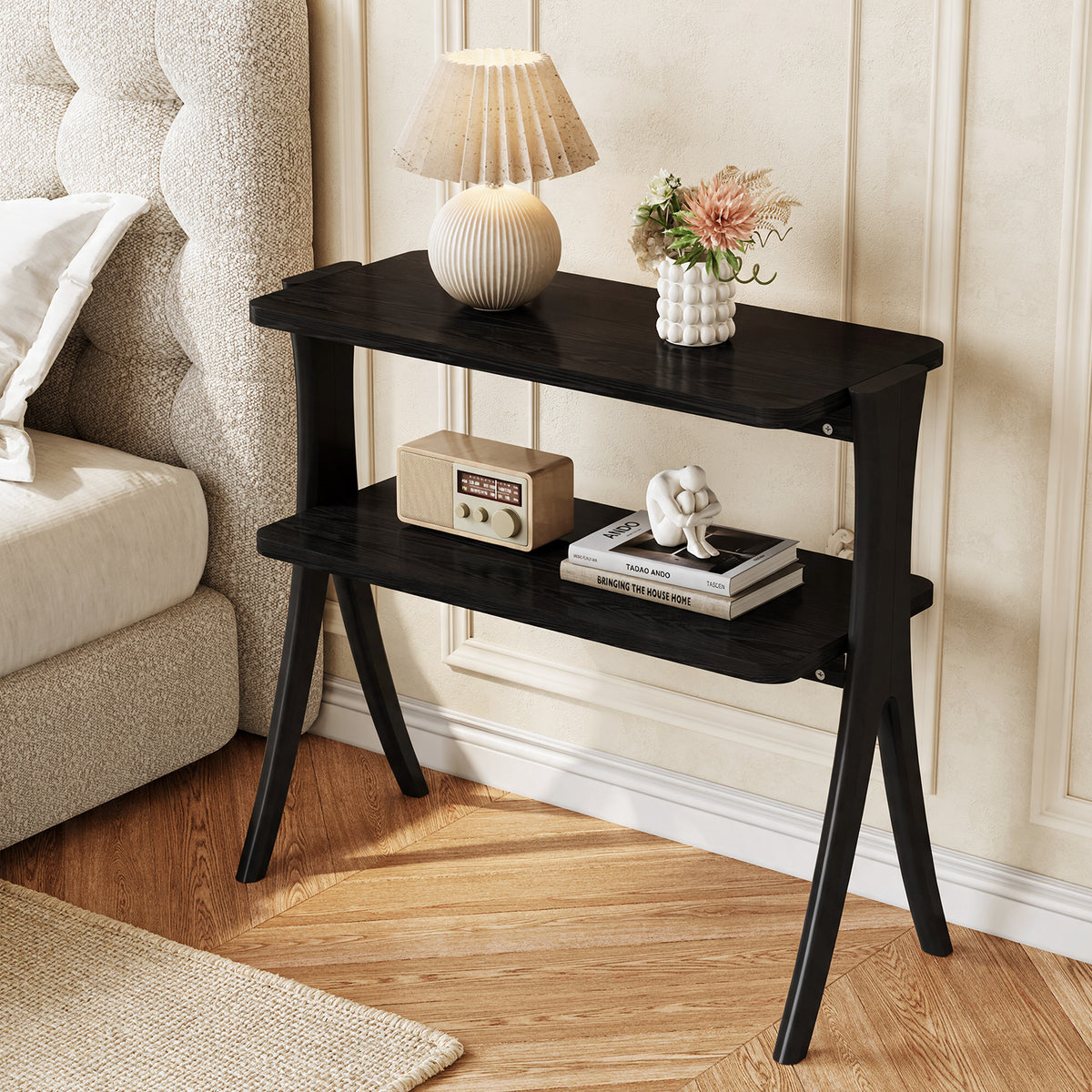
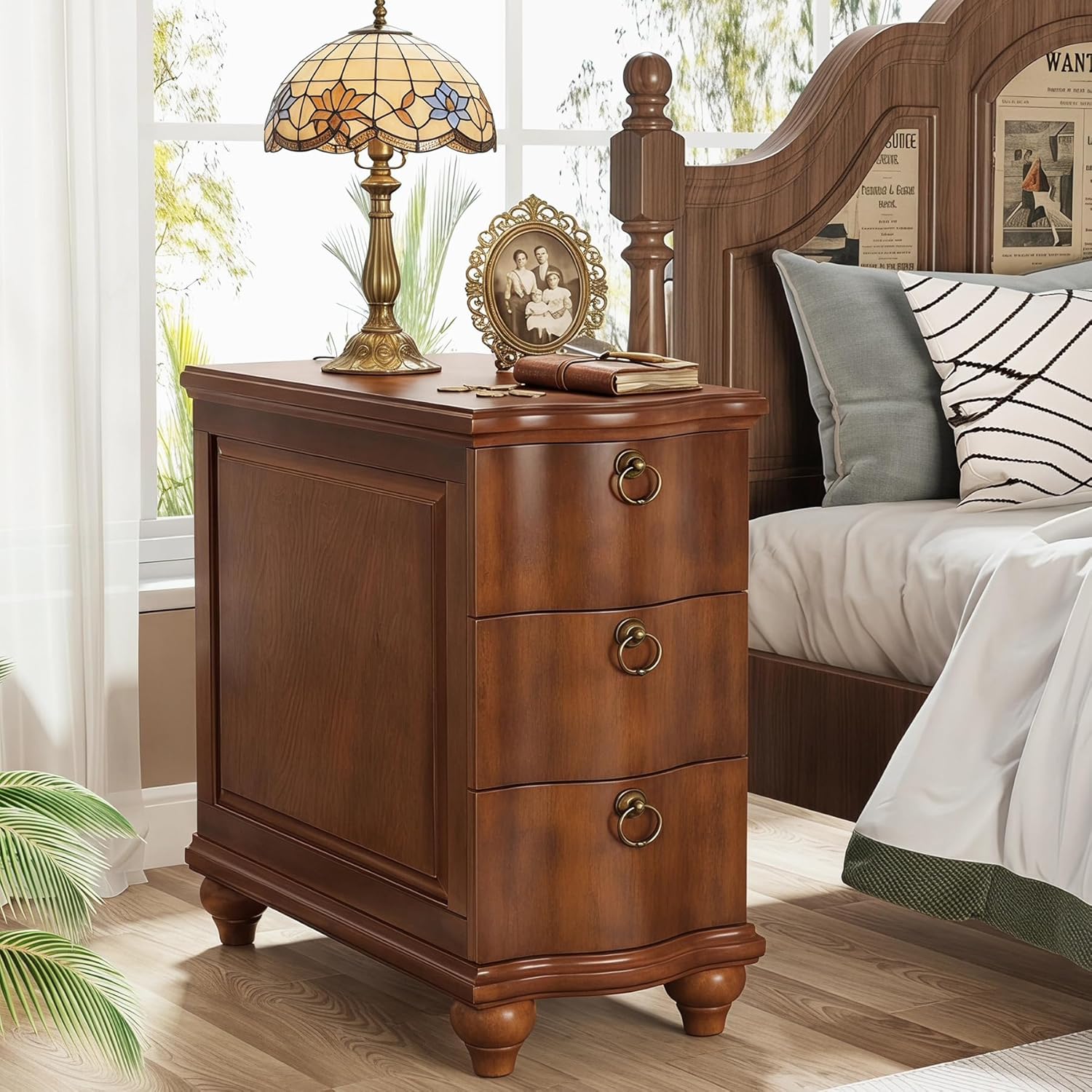
For a bedroom, compare the table height with the top of your mattress. A narrow end table can double as a compact bedside table when the proportions and storage suit your routine.
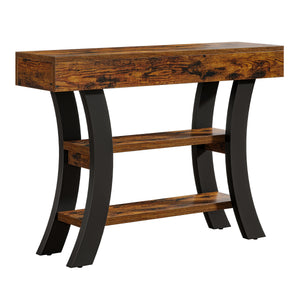
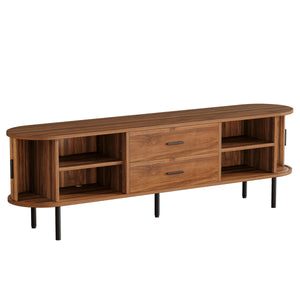
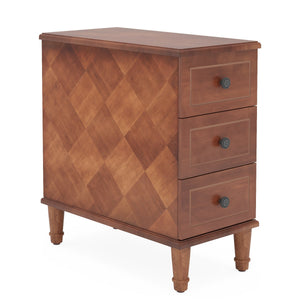
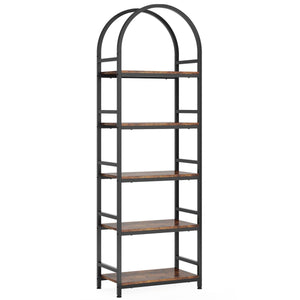
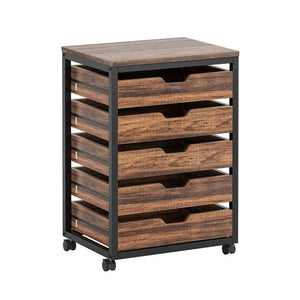
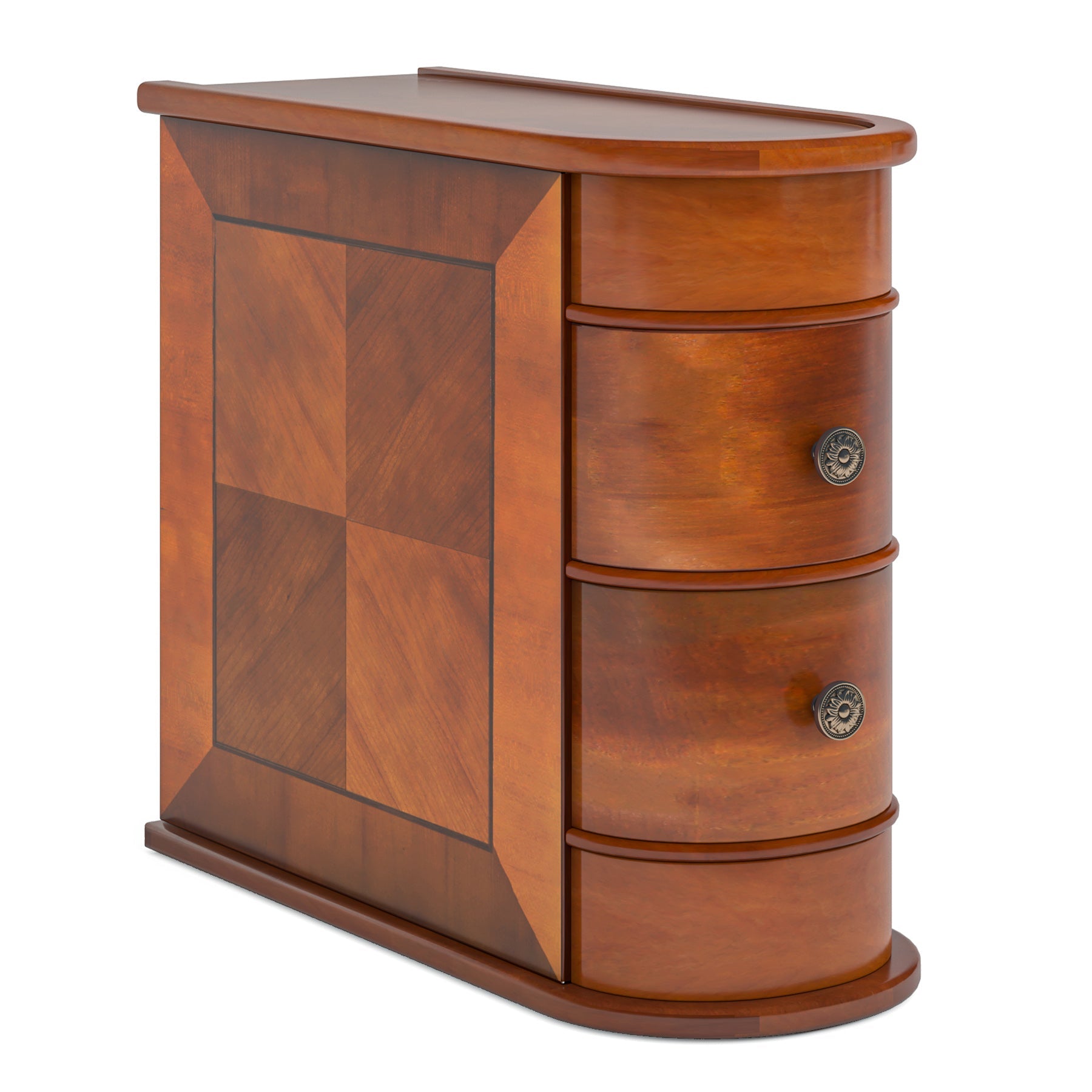
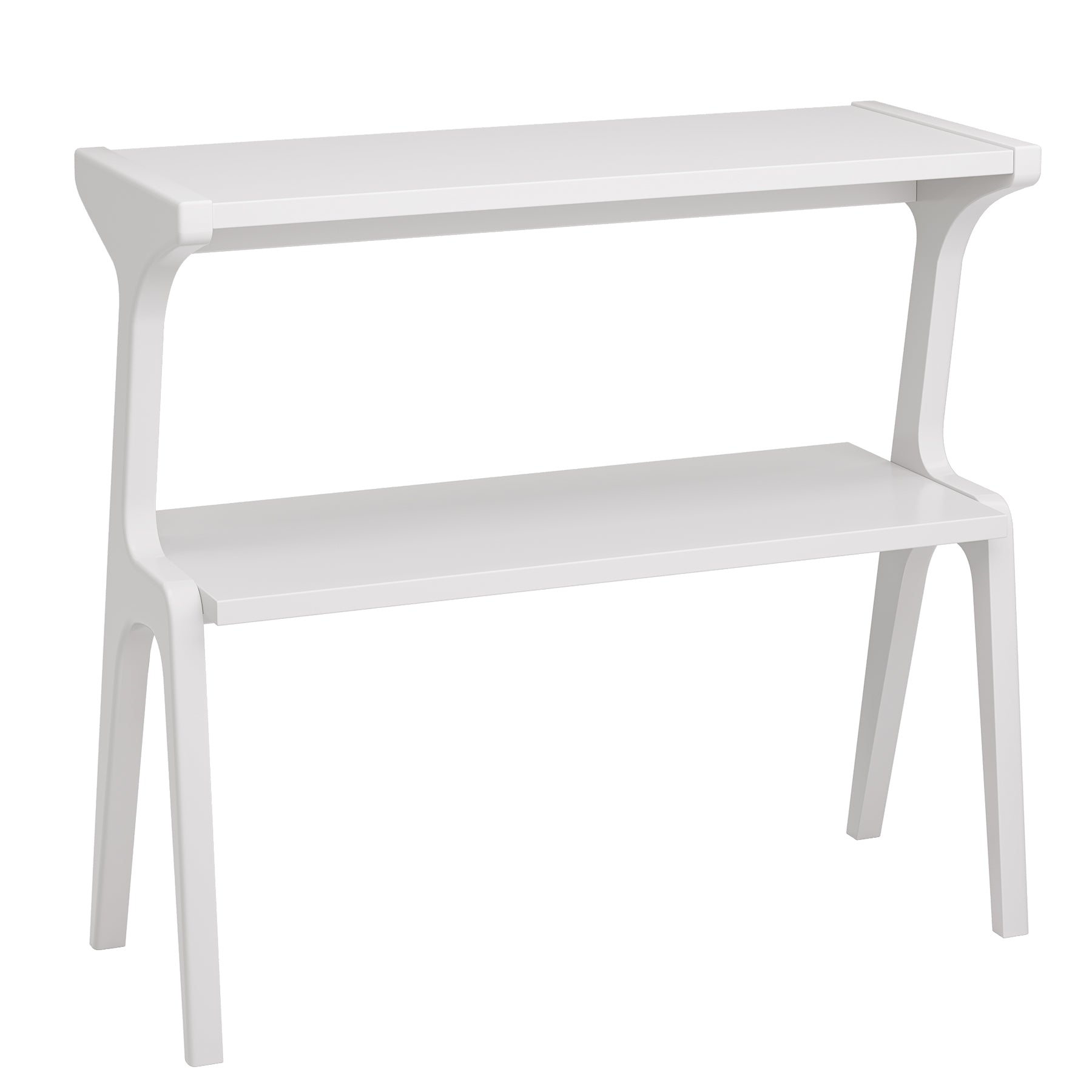
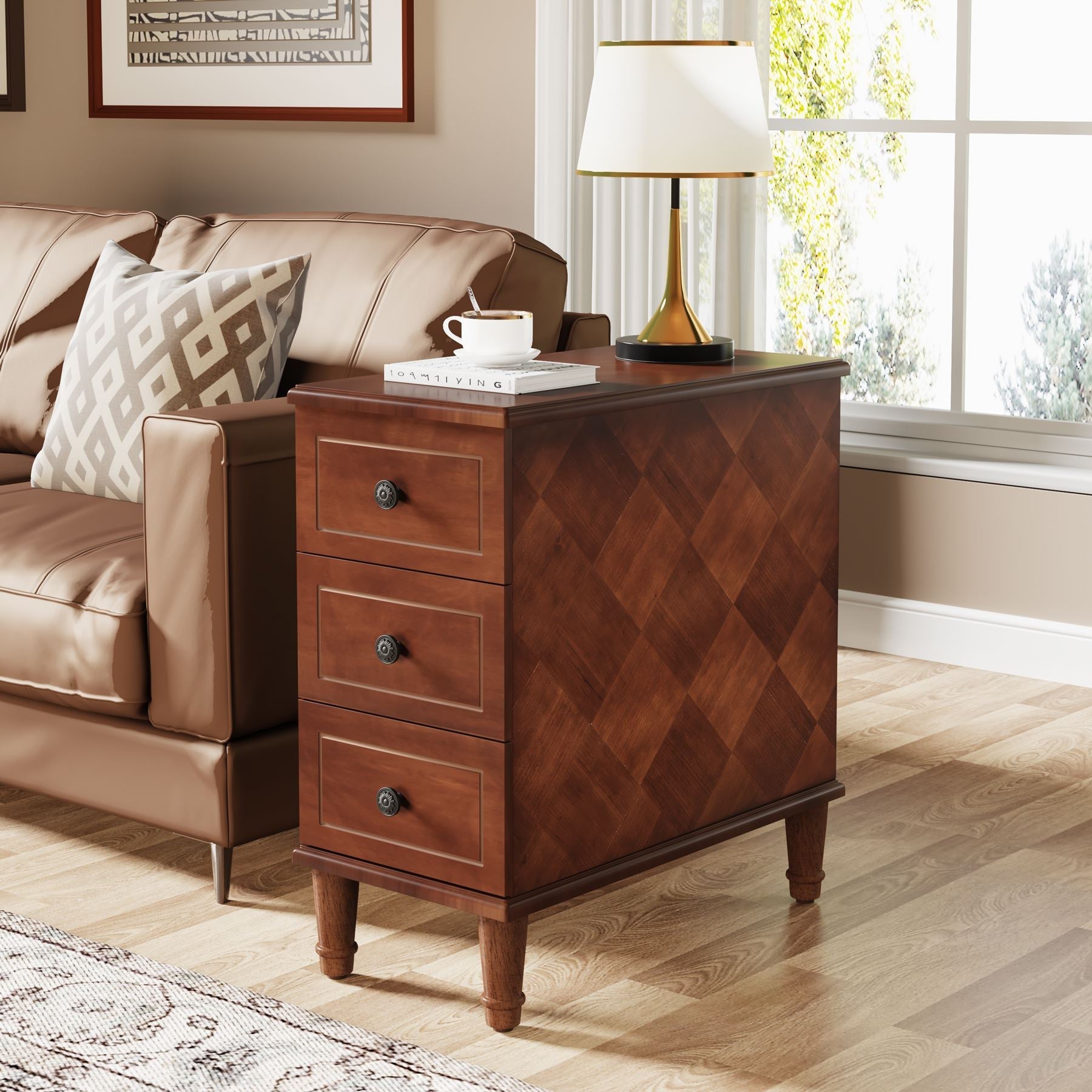
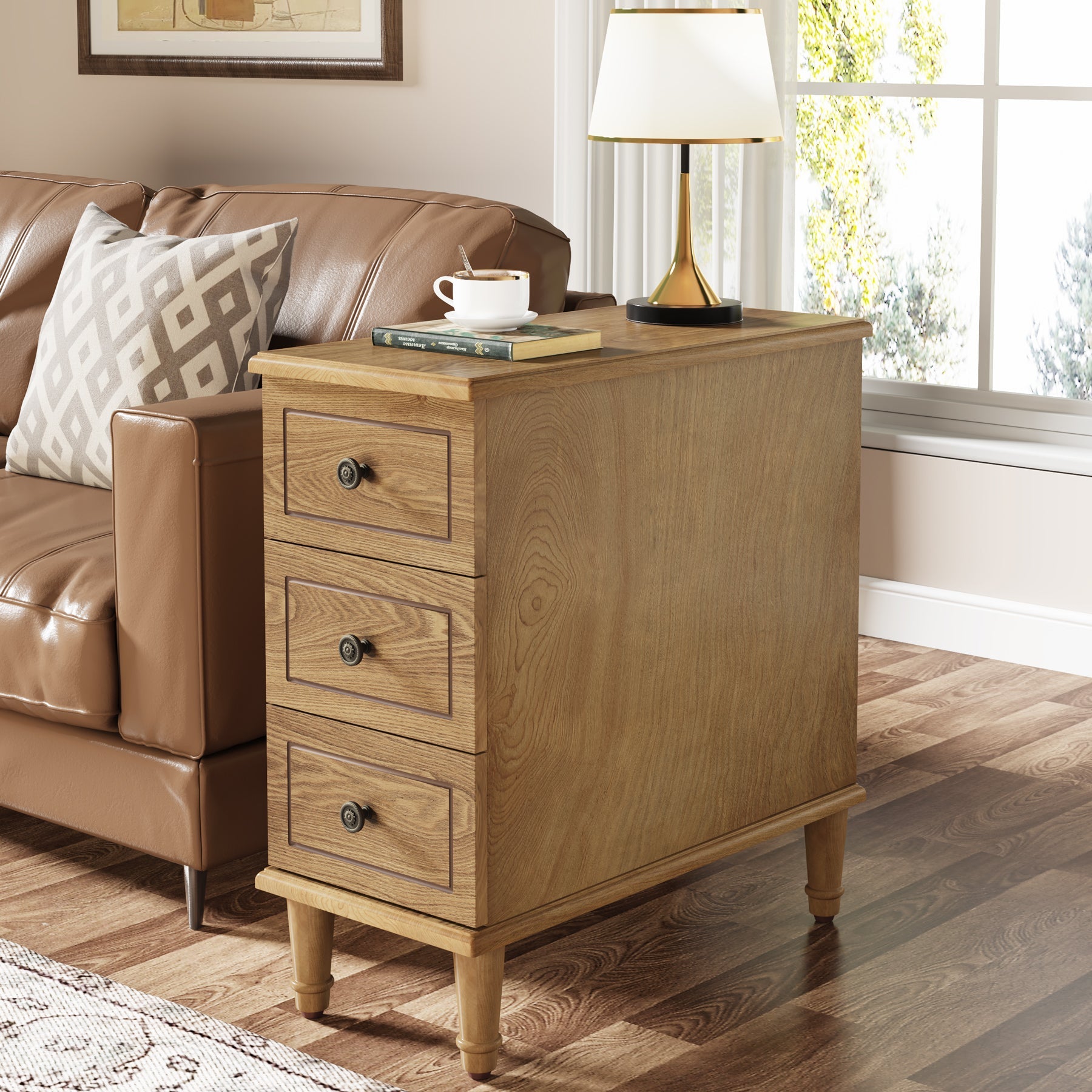
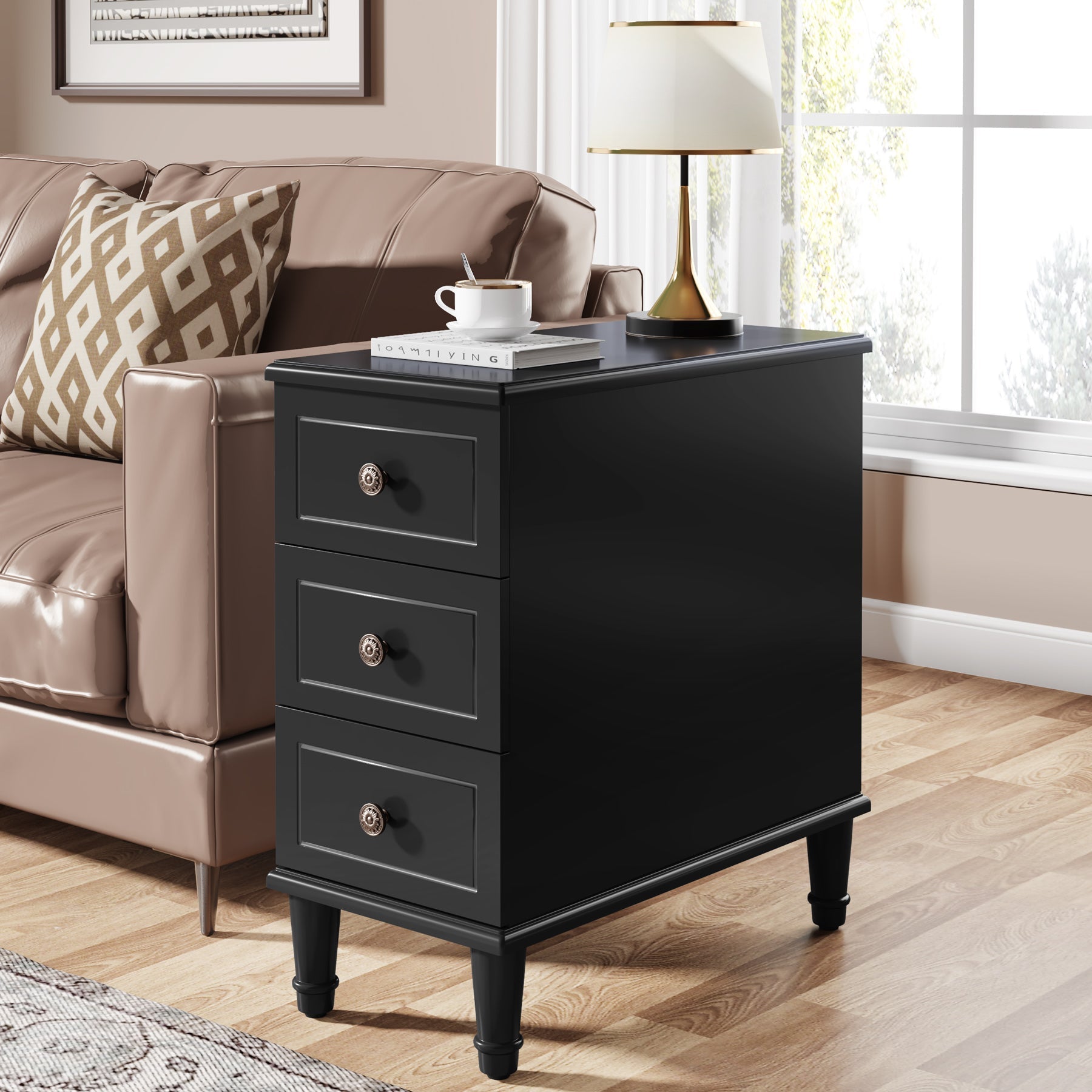
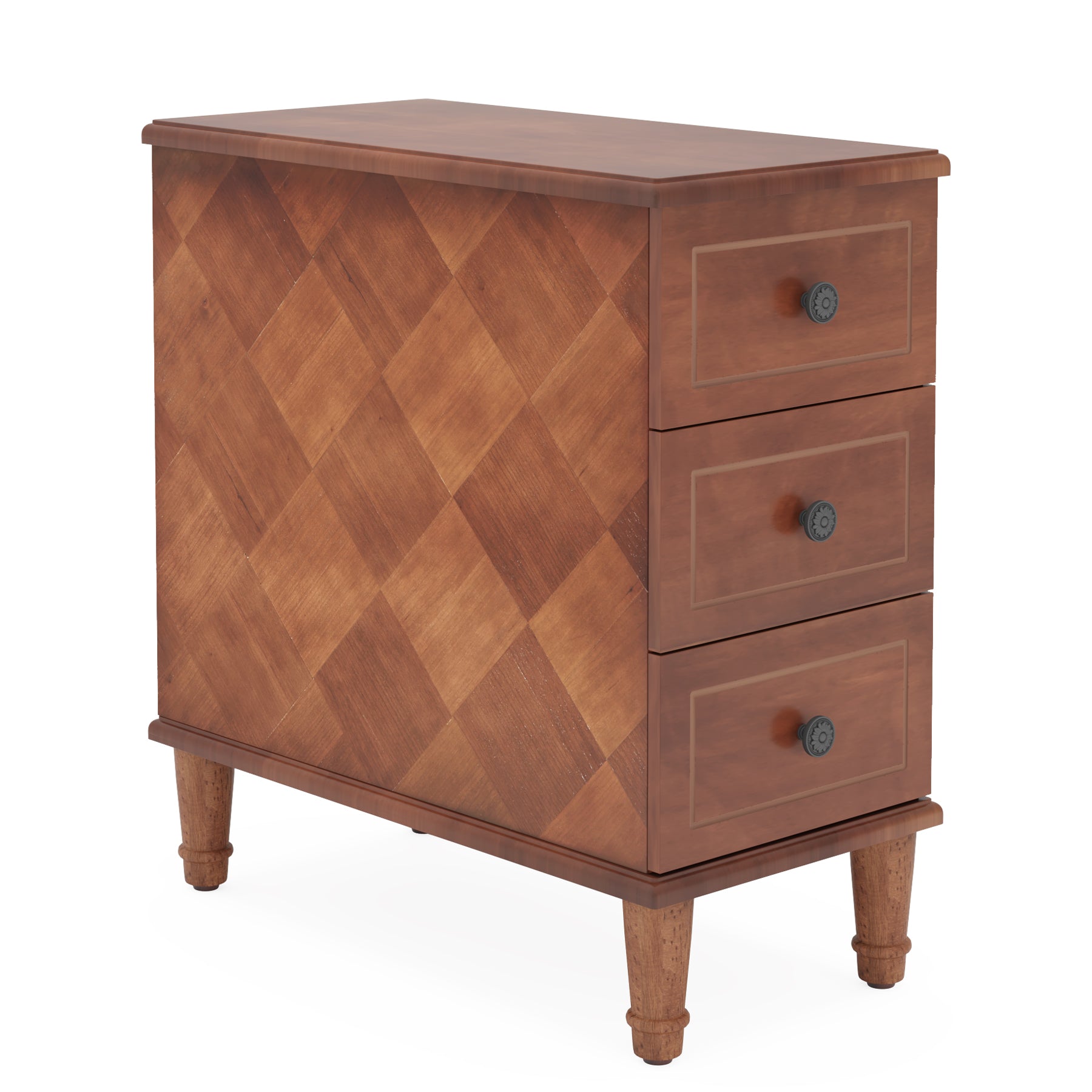
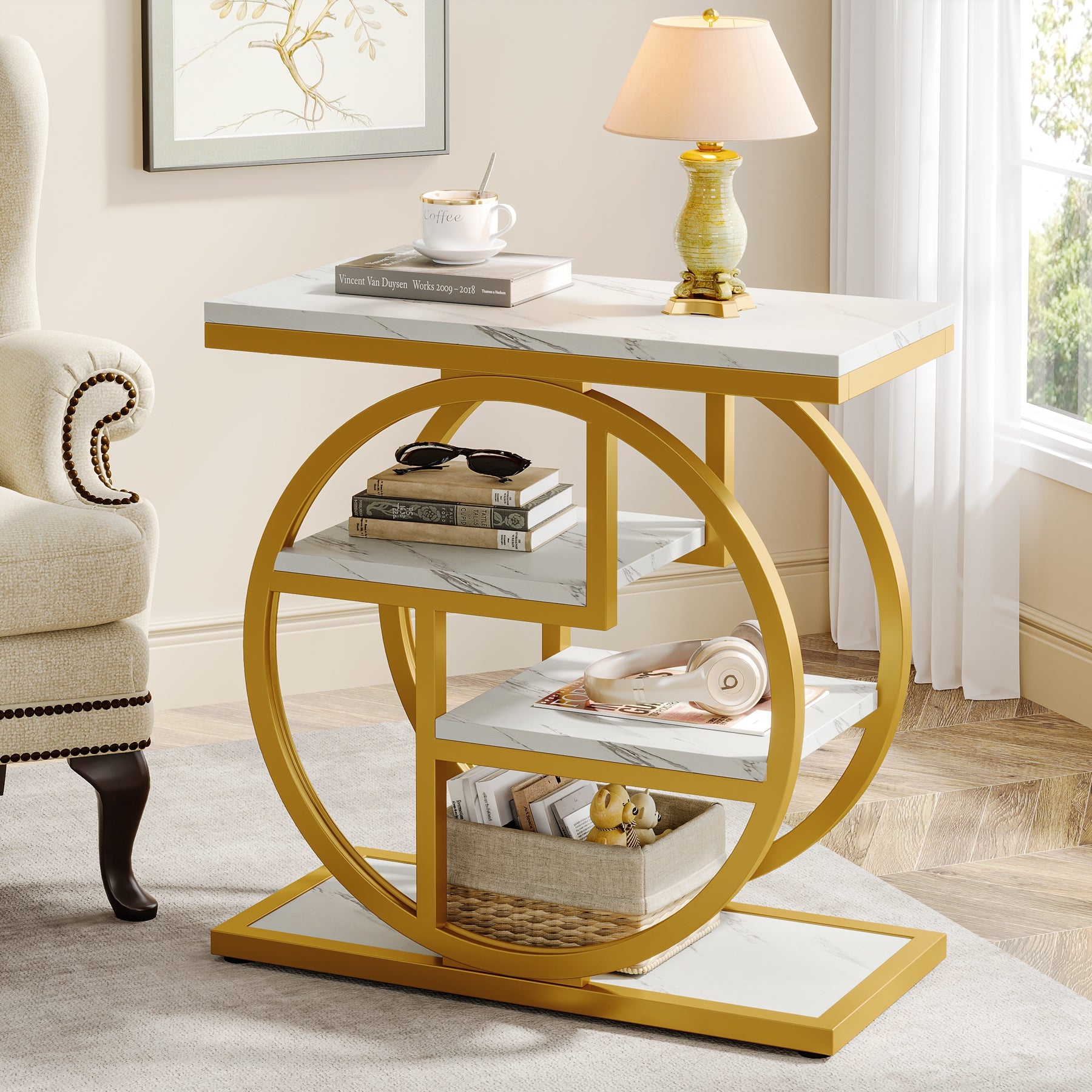
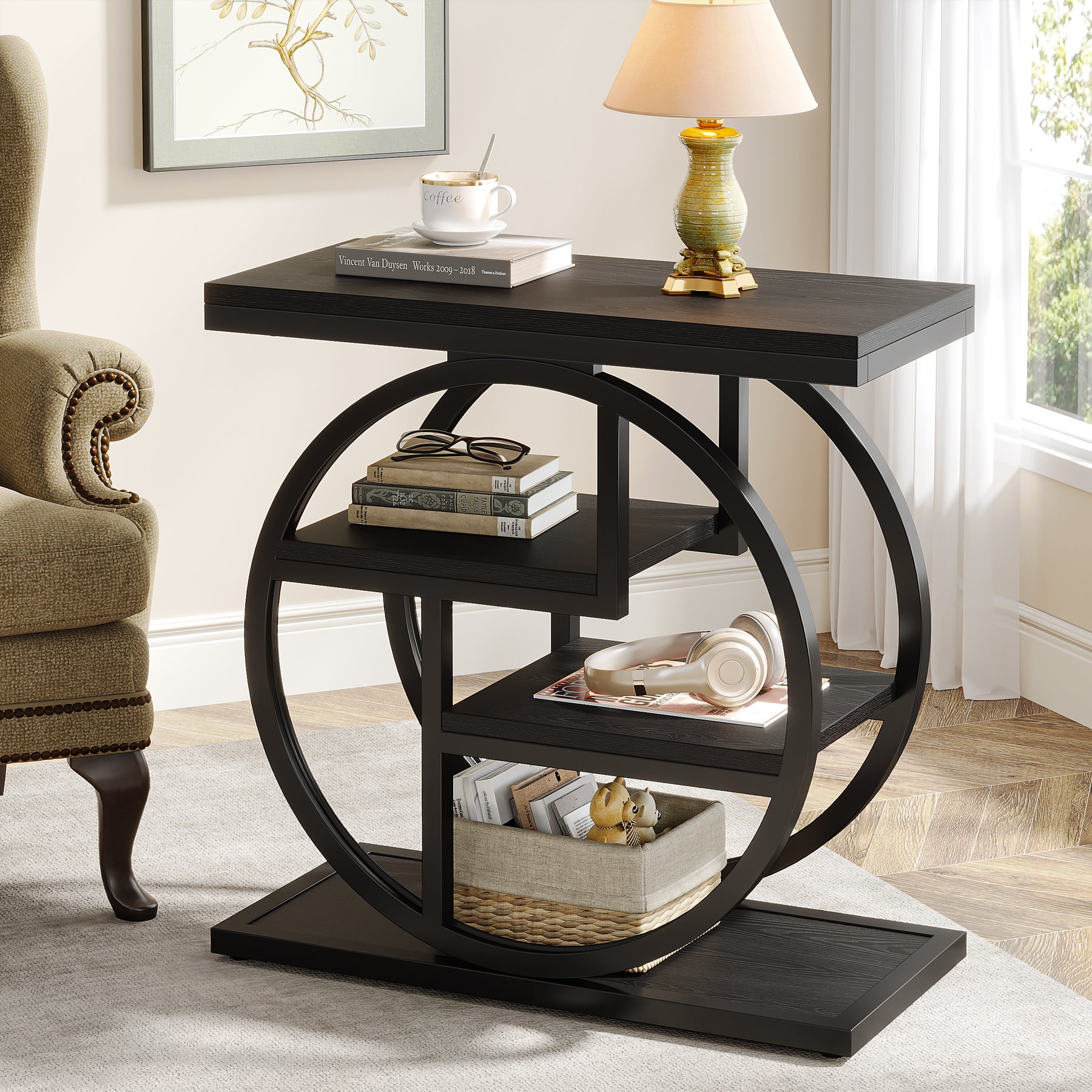
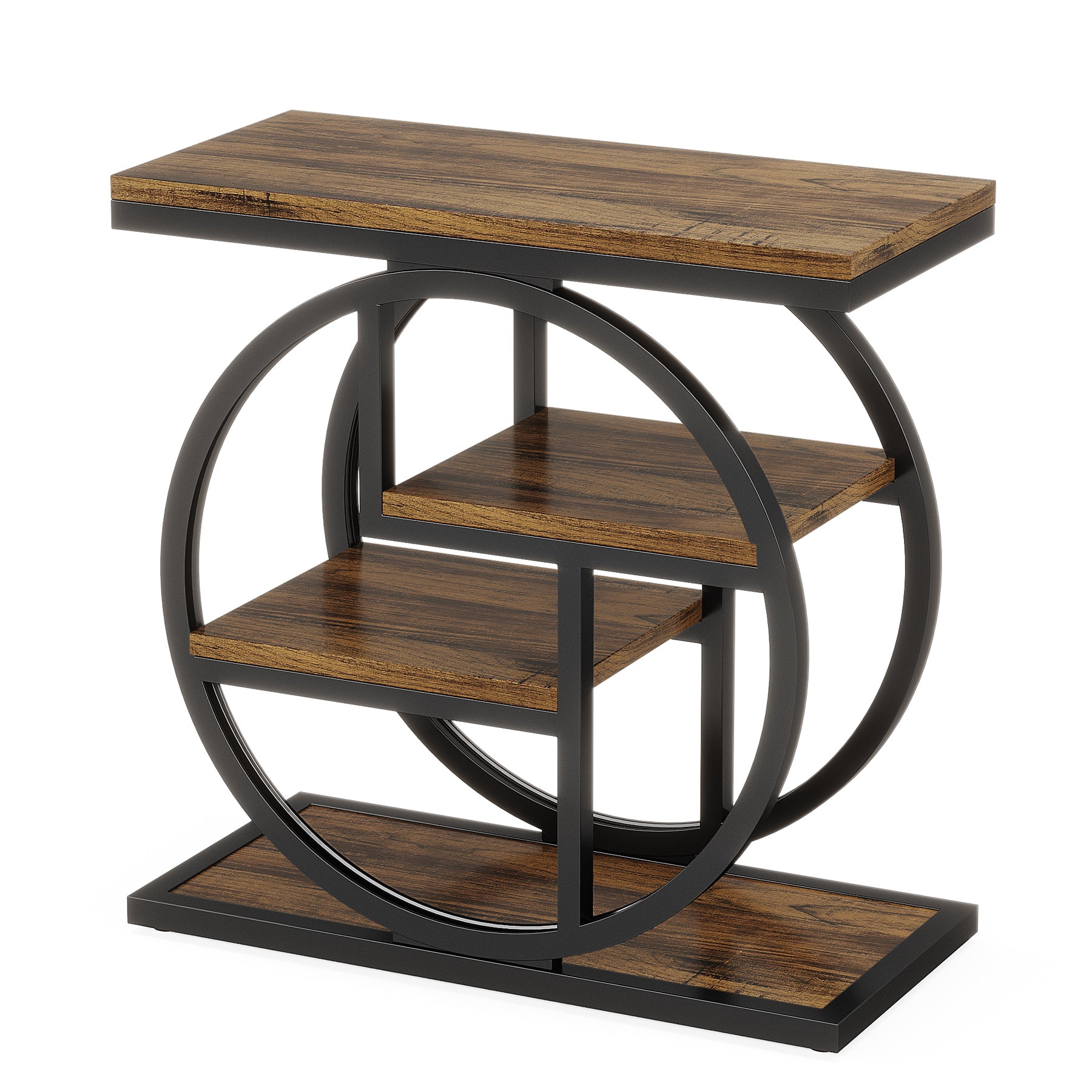
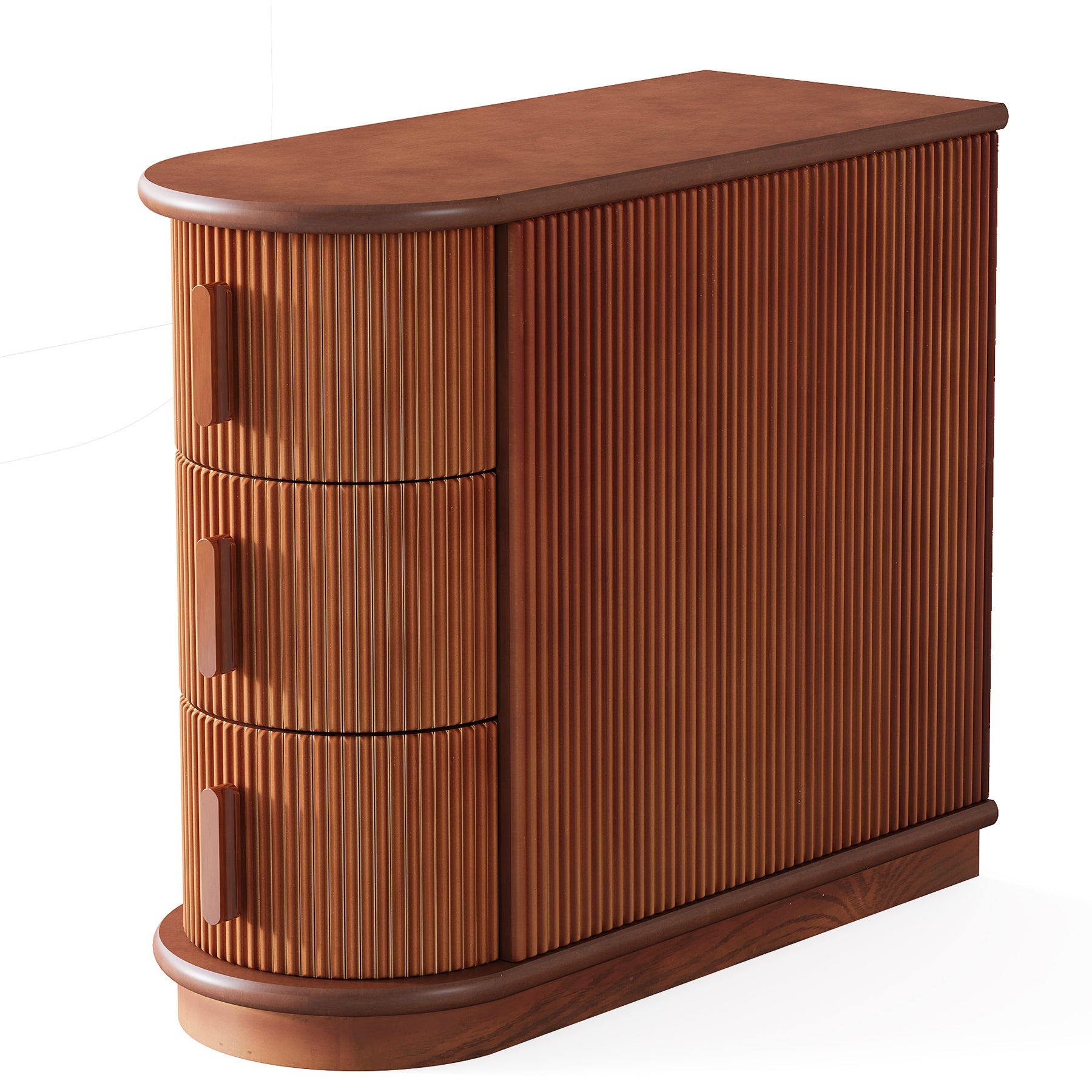
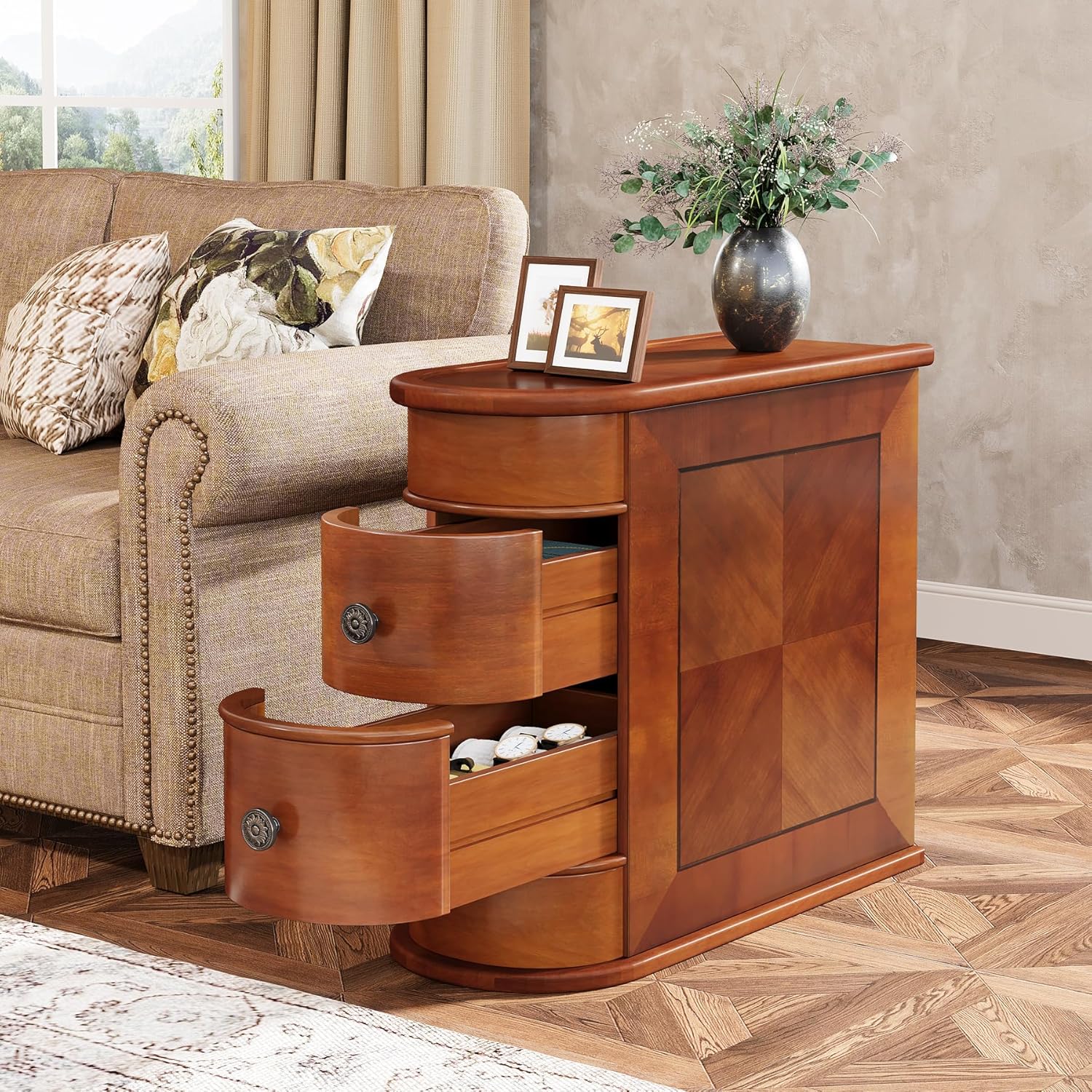
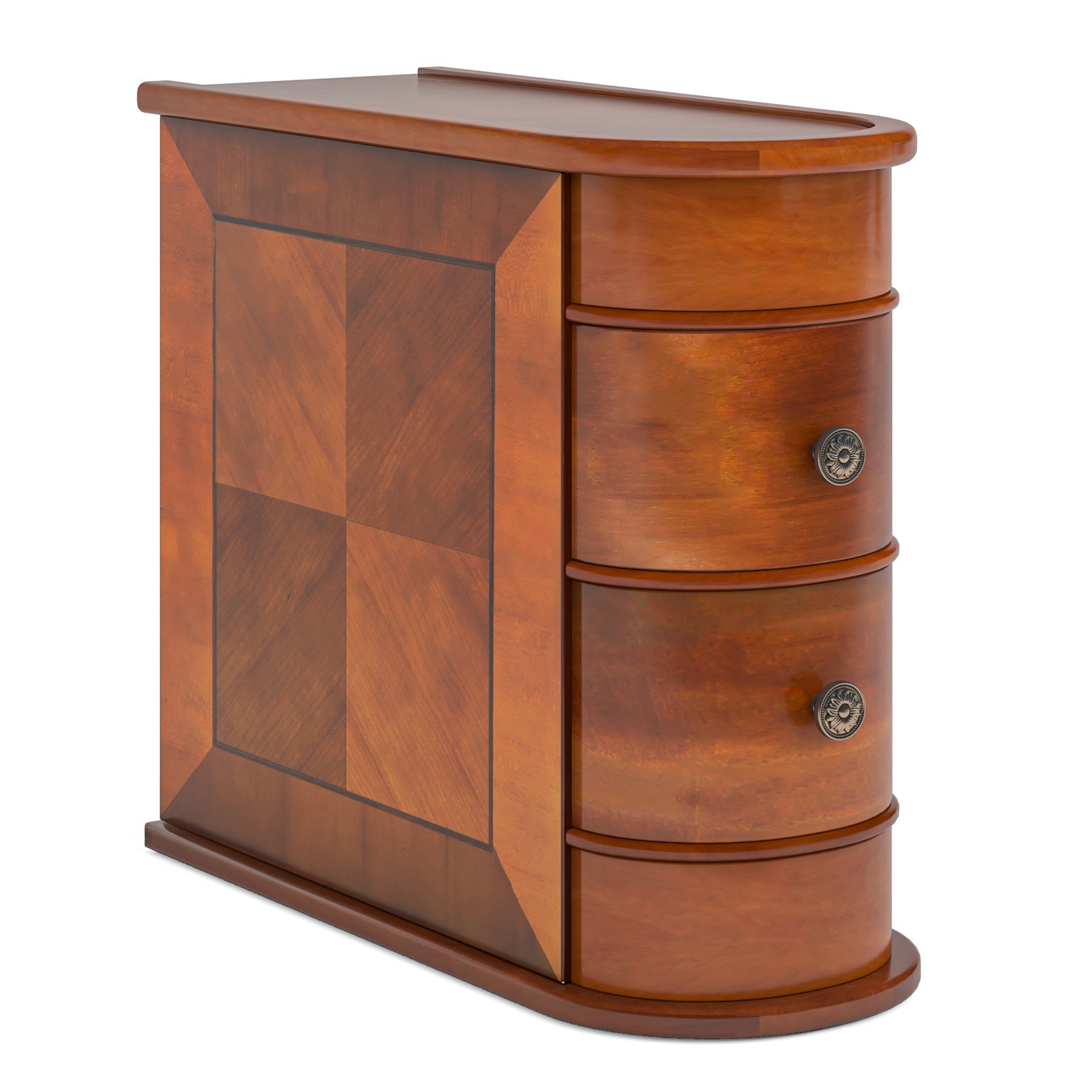
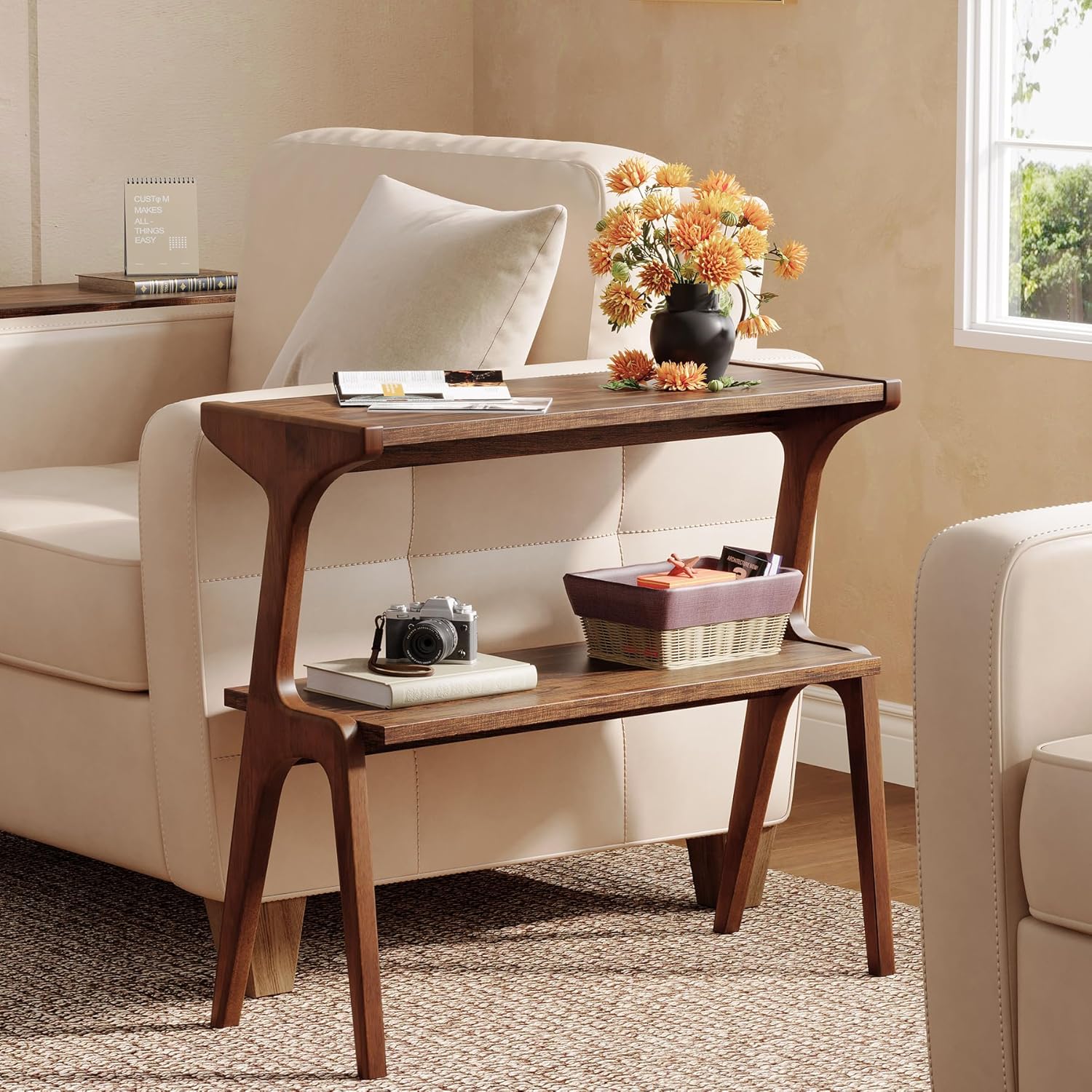
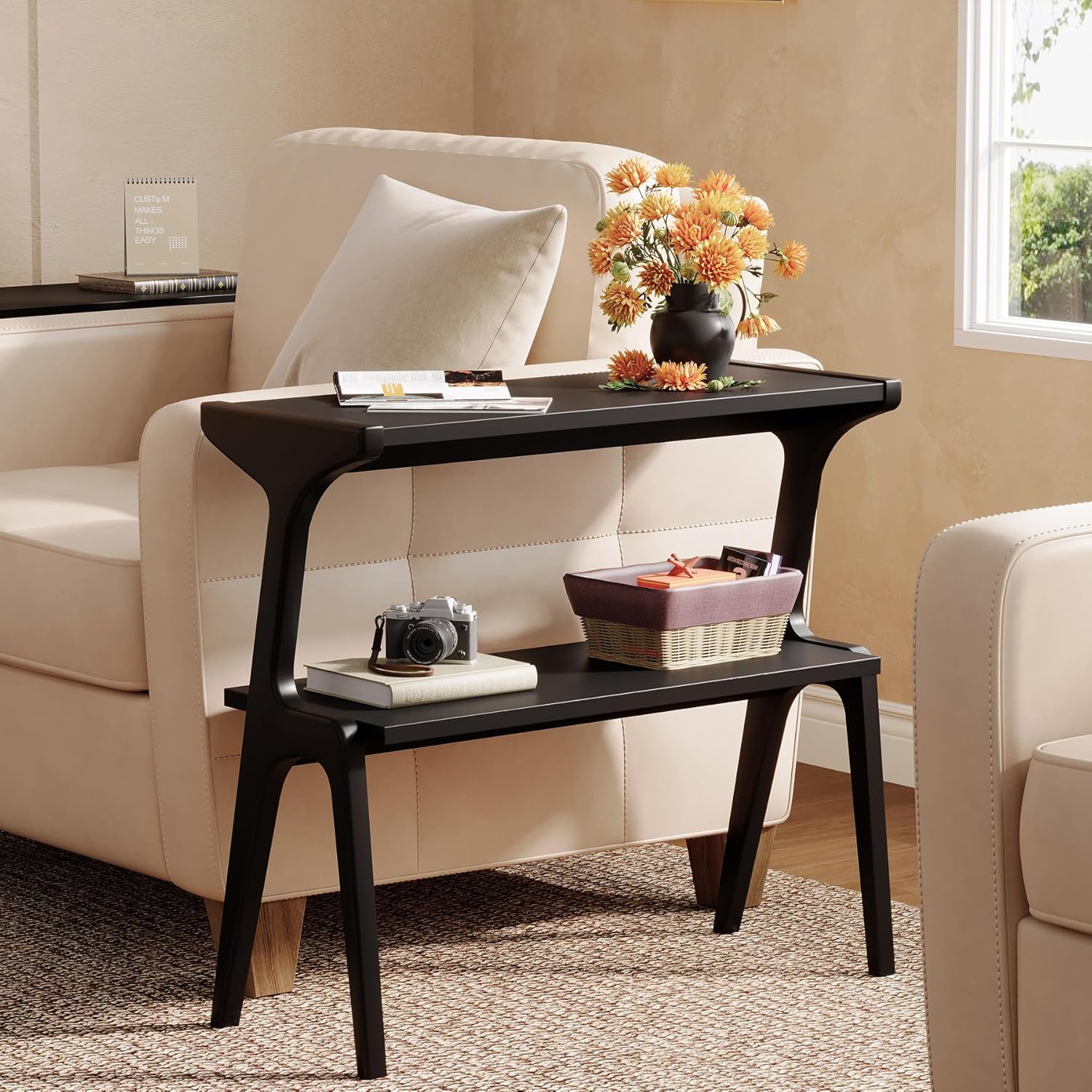
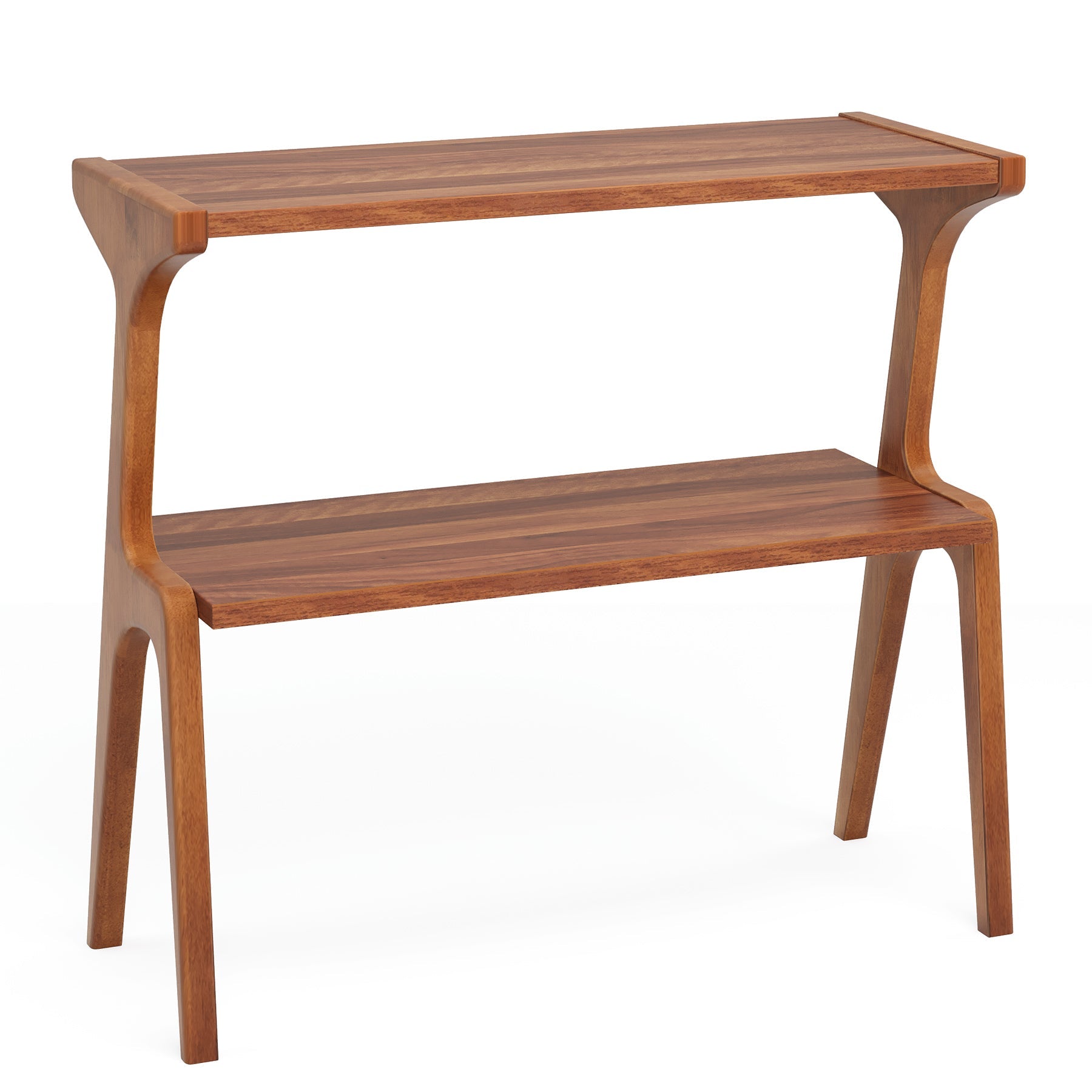
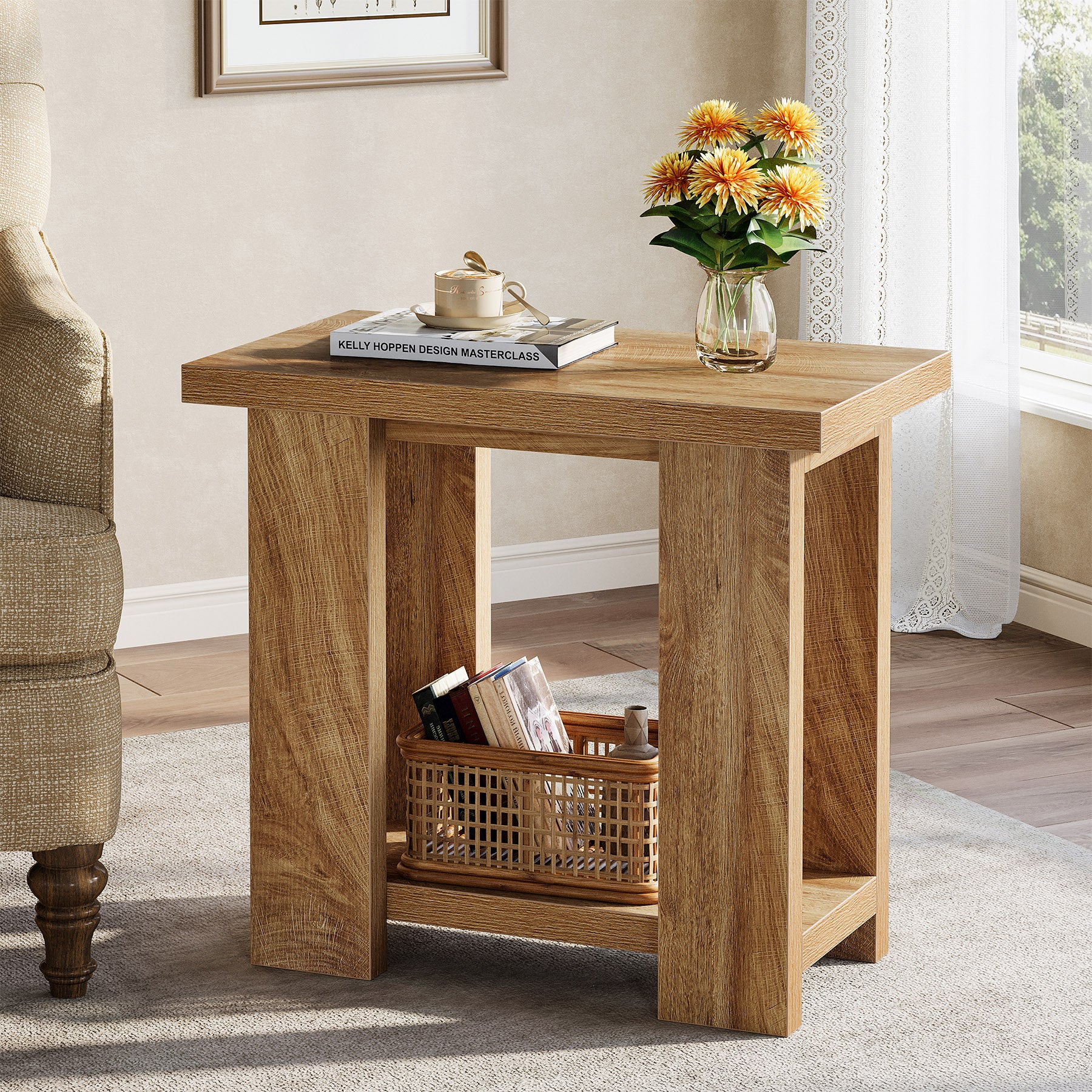
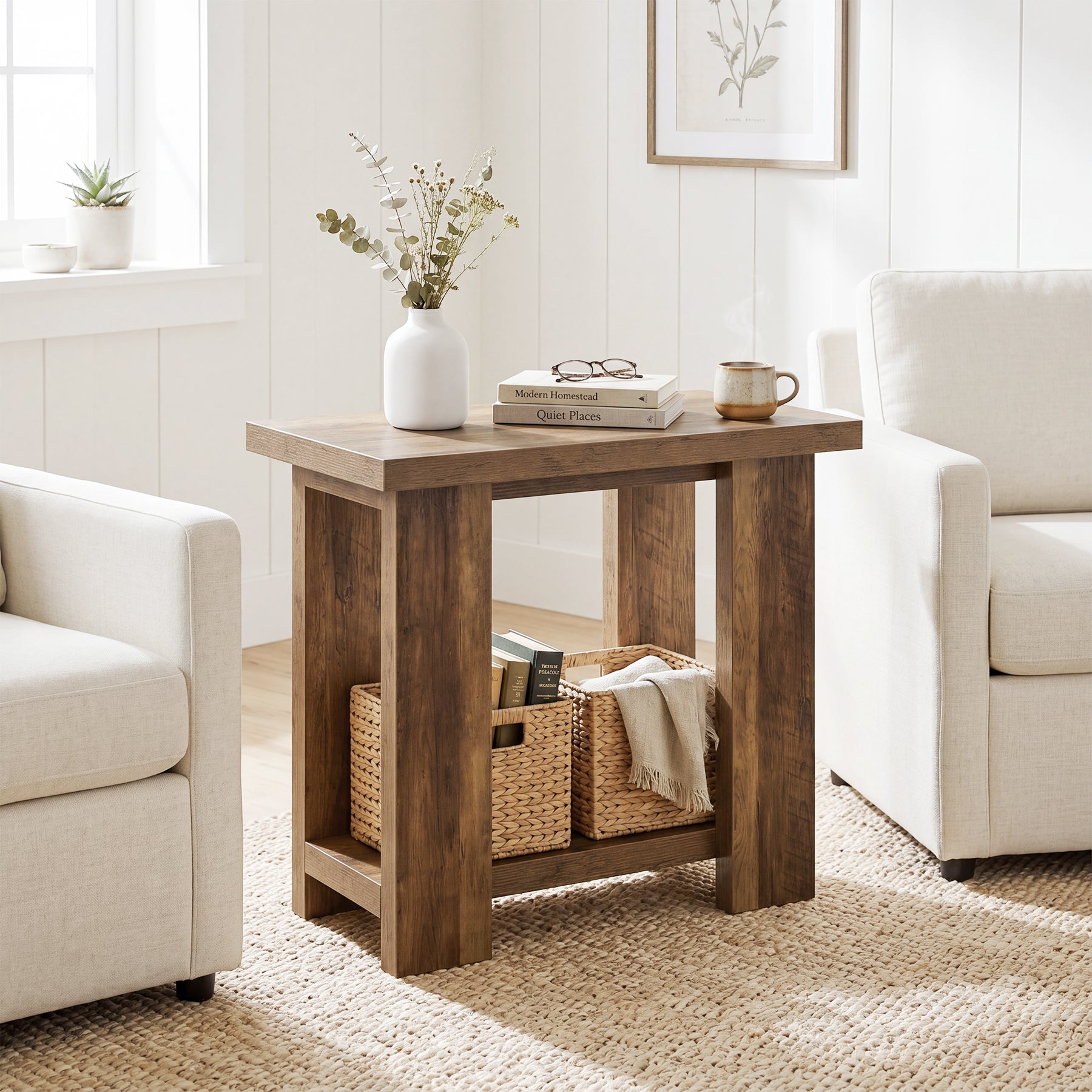
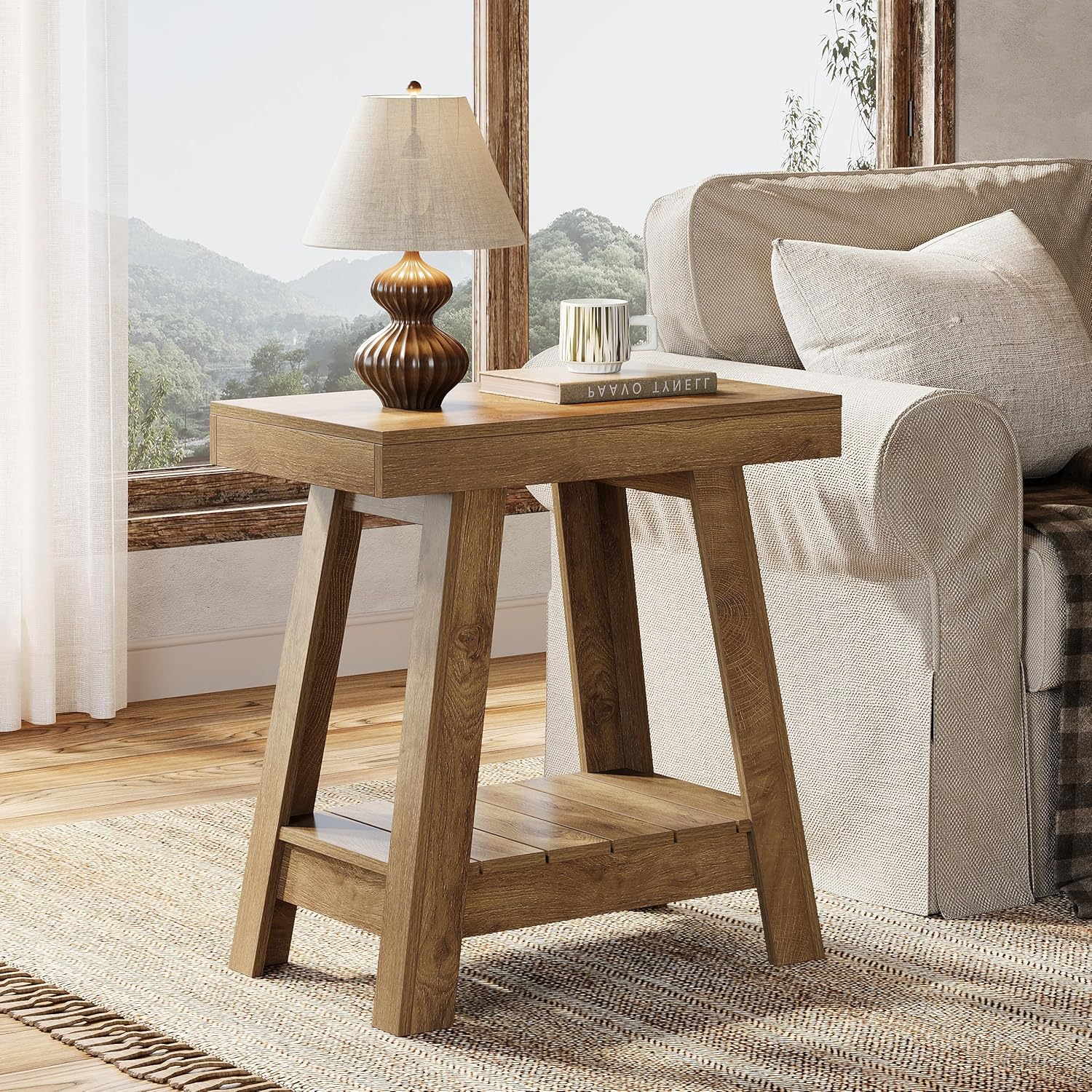
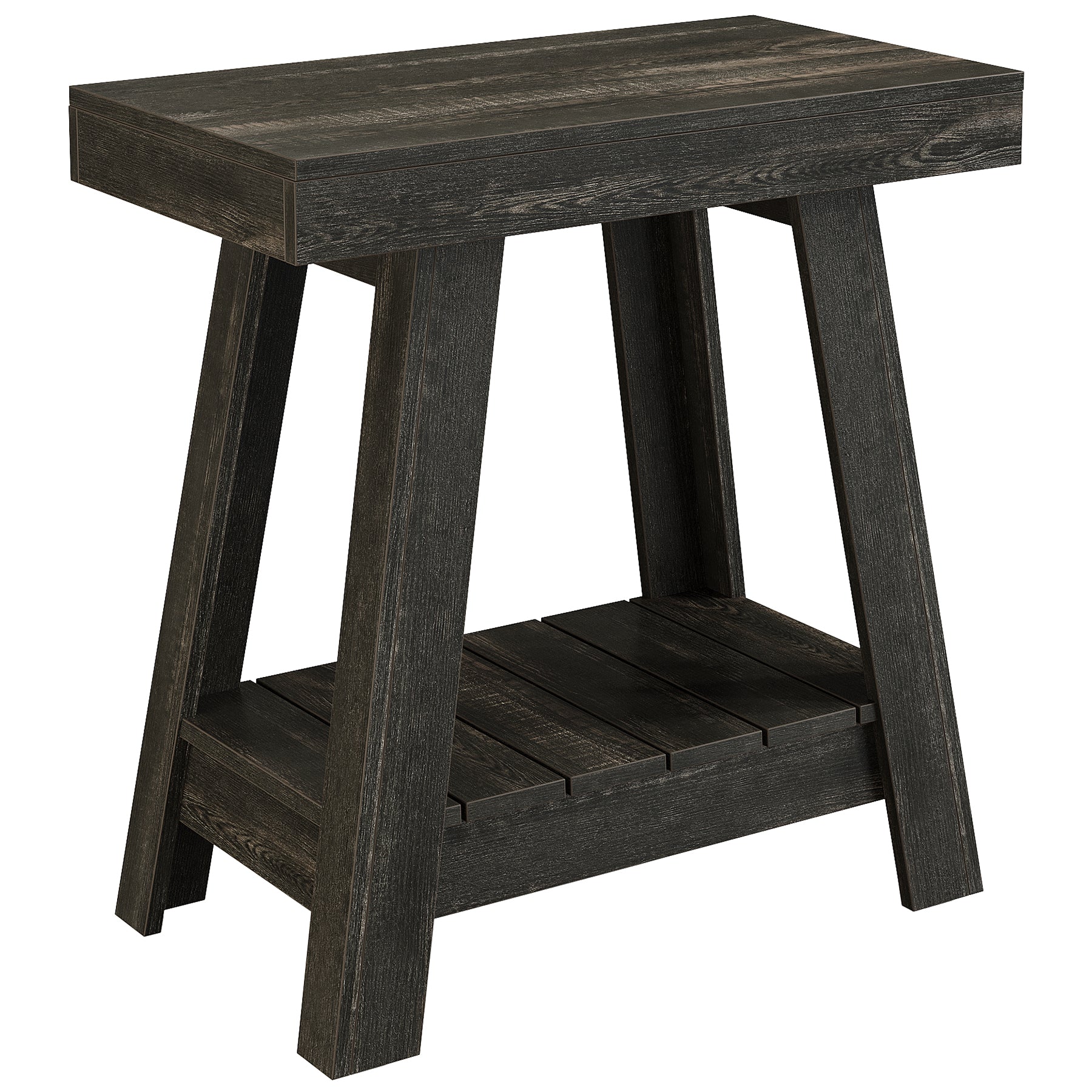
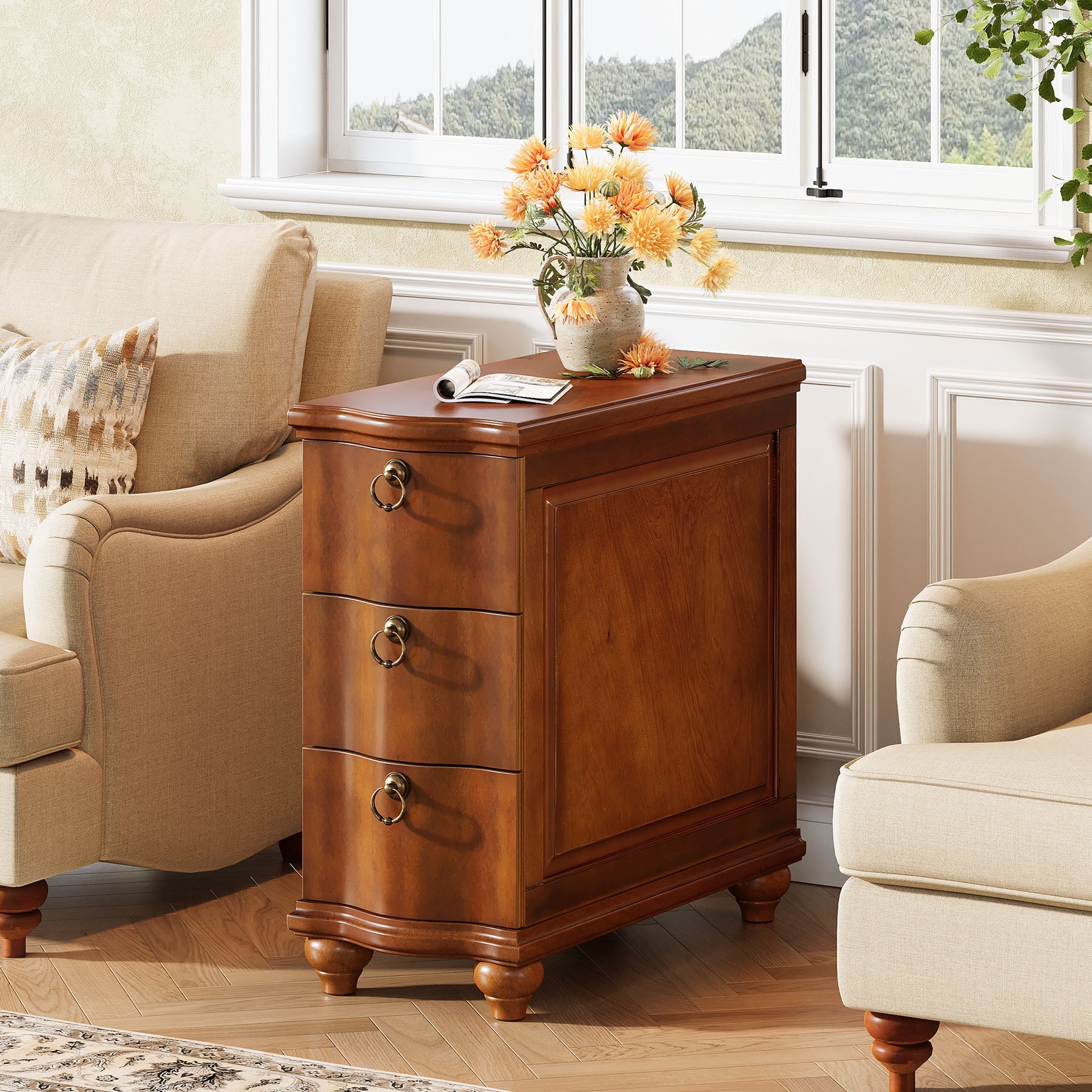
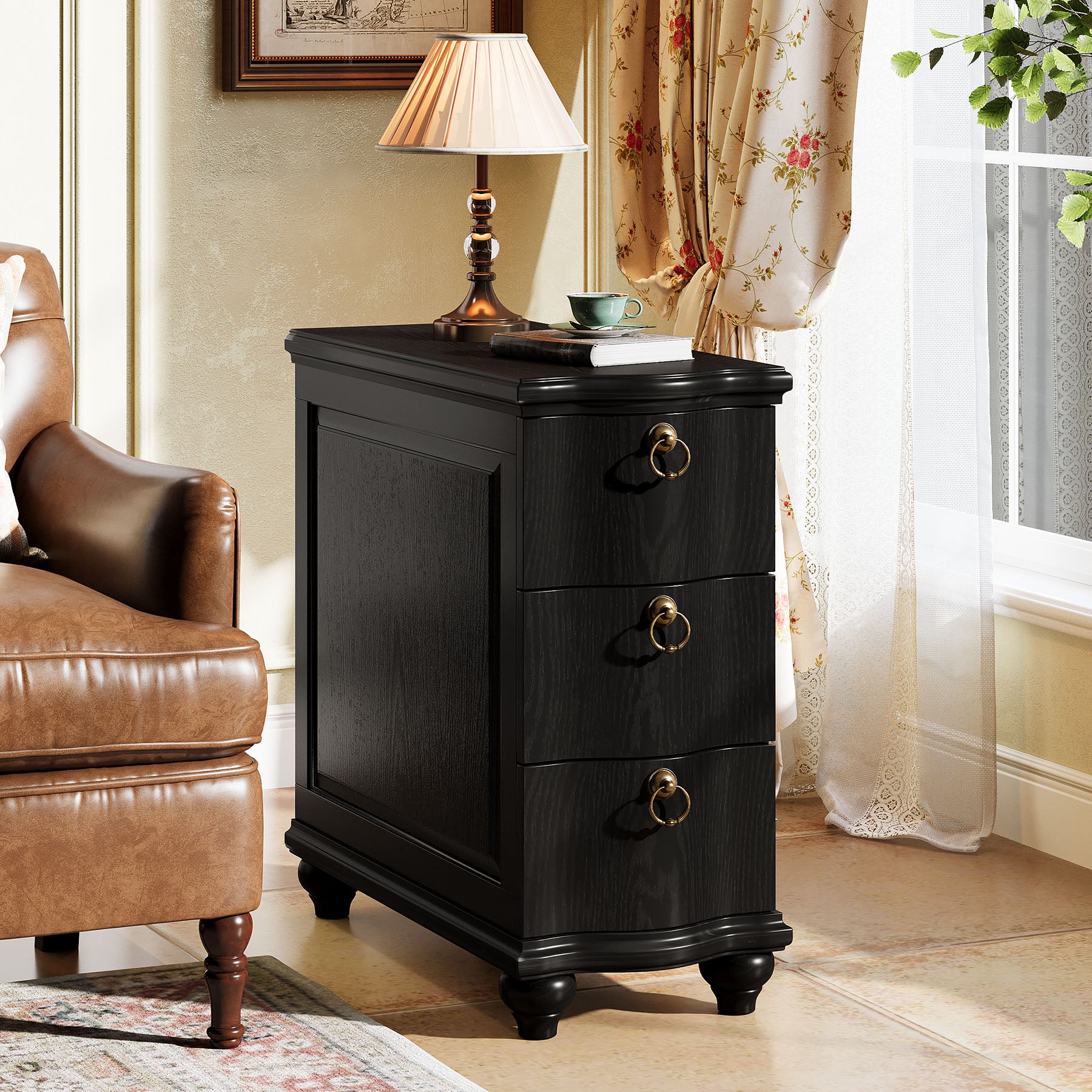
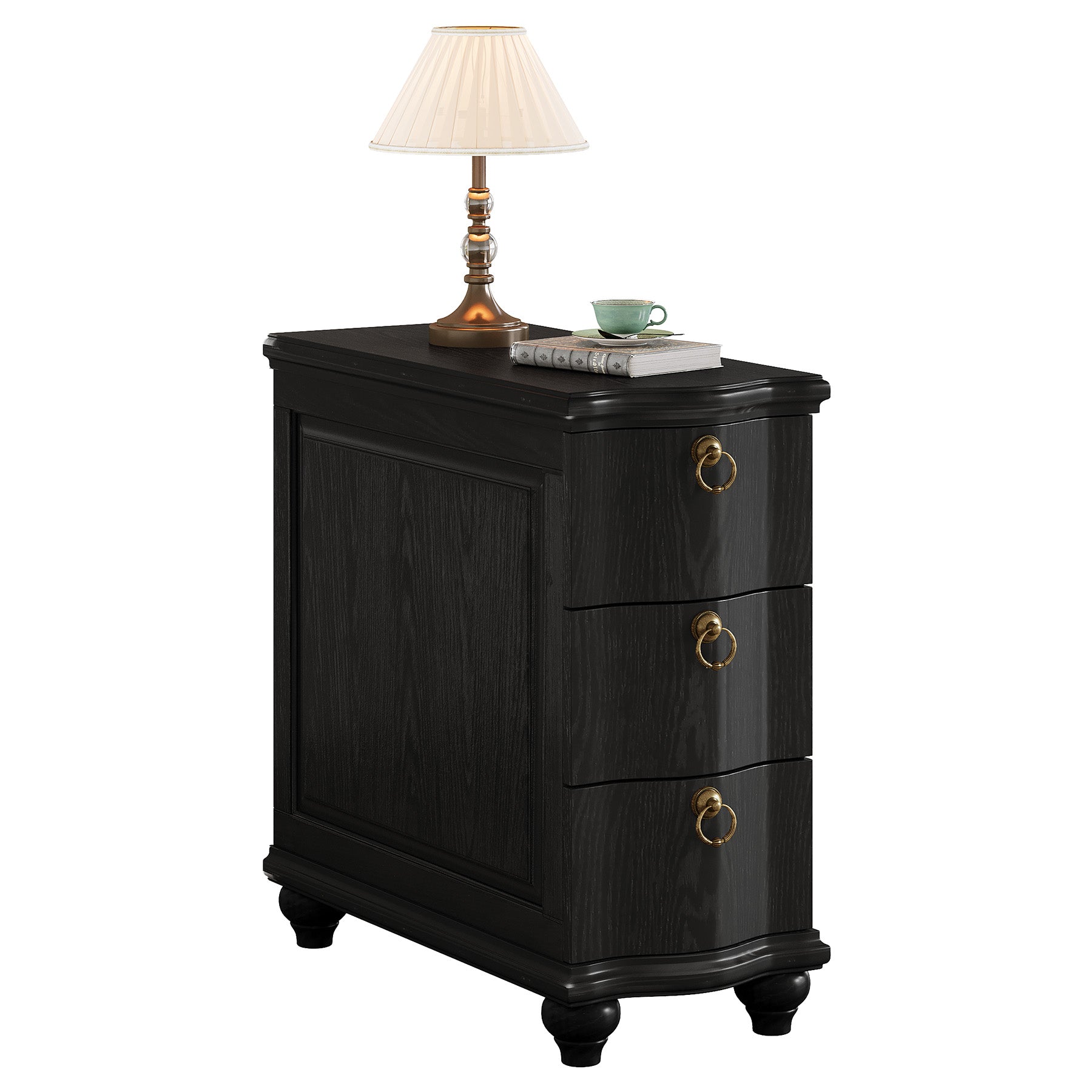
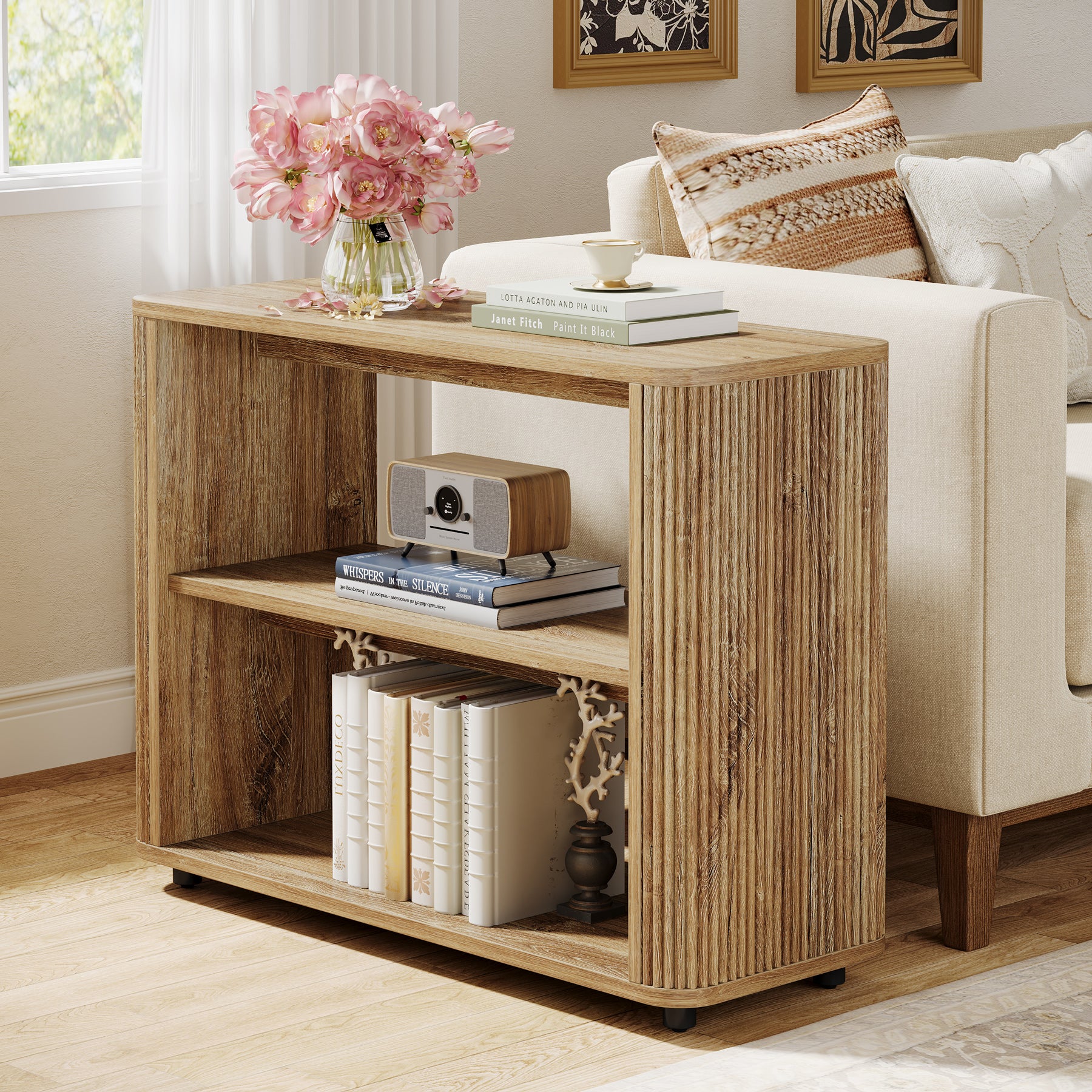
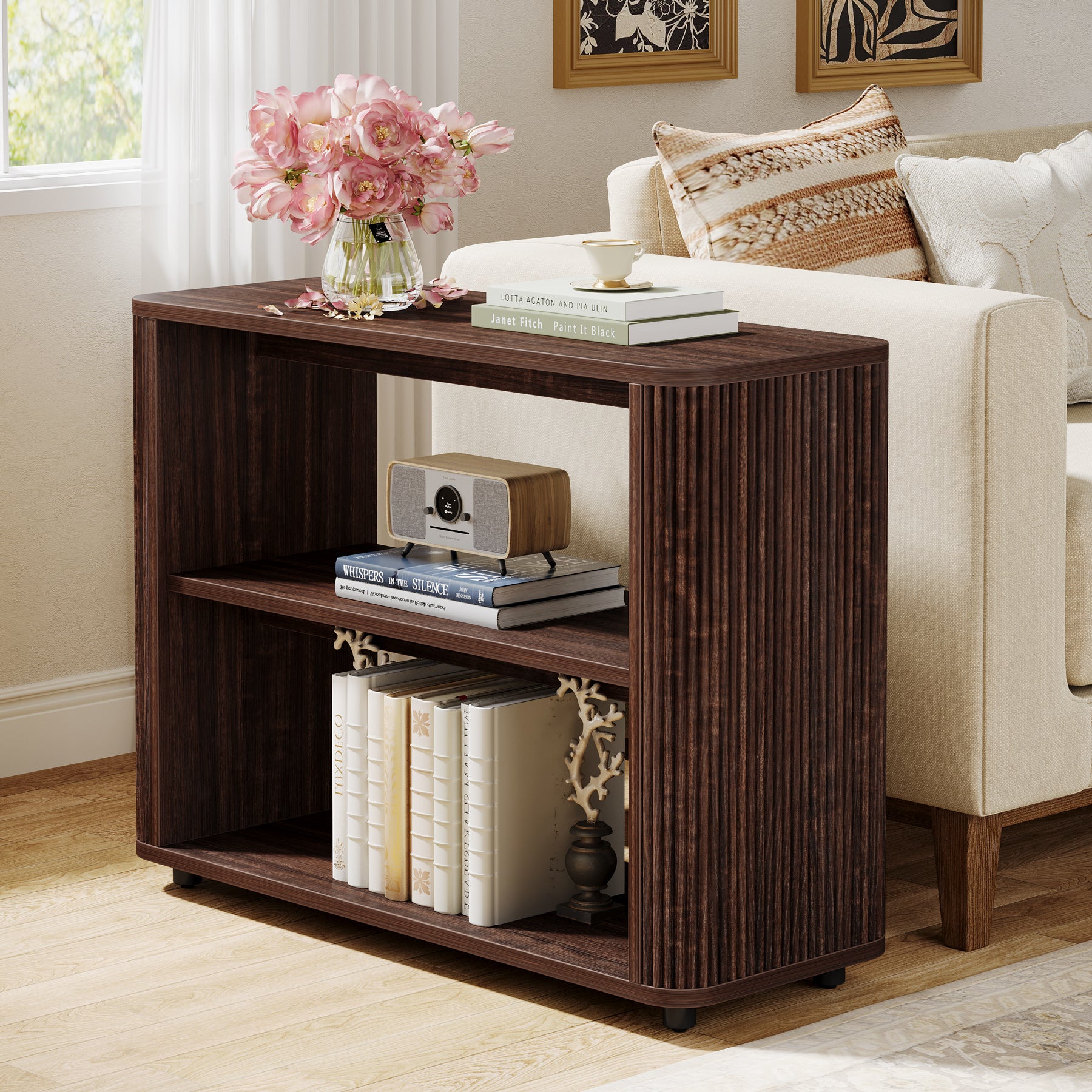
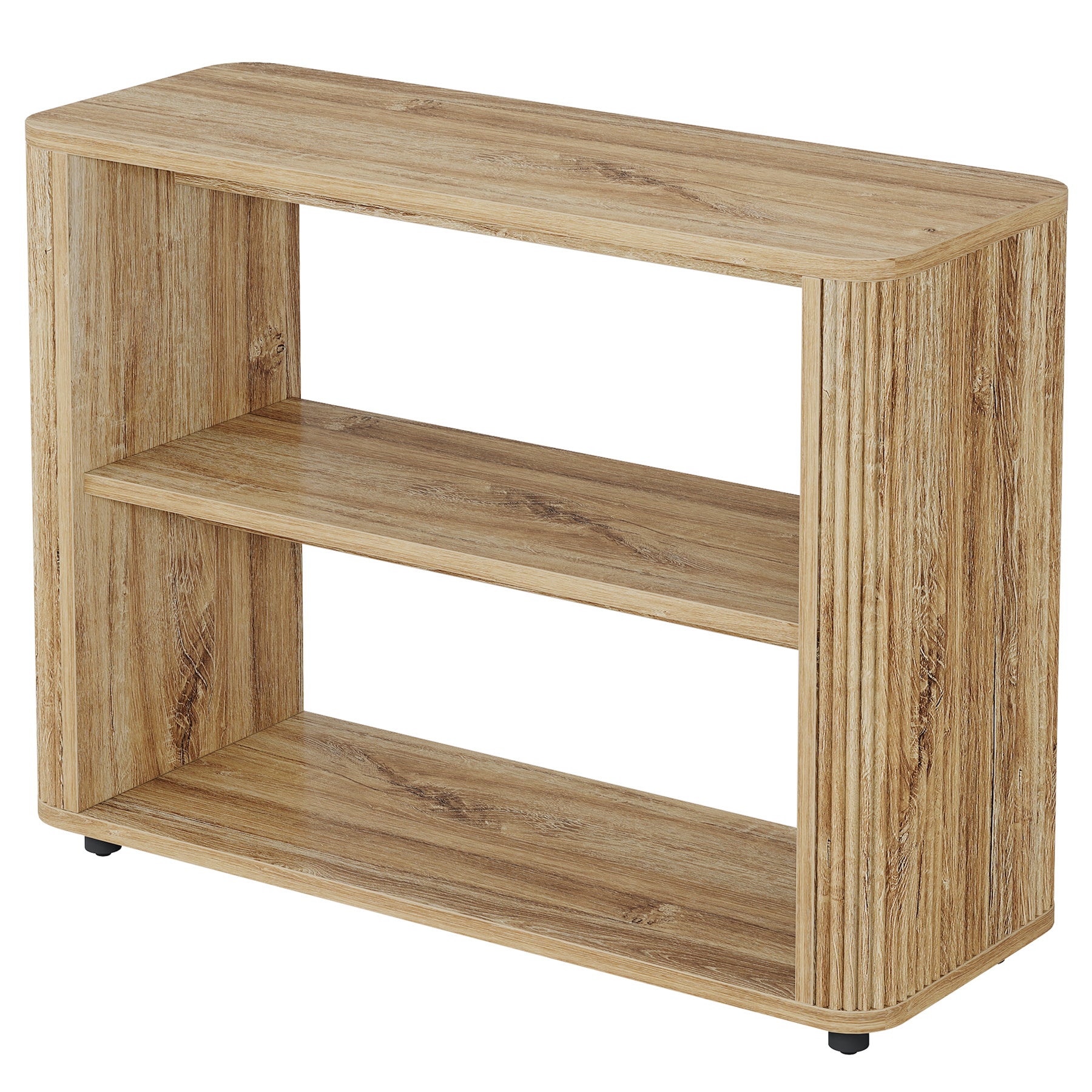
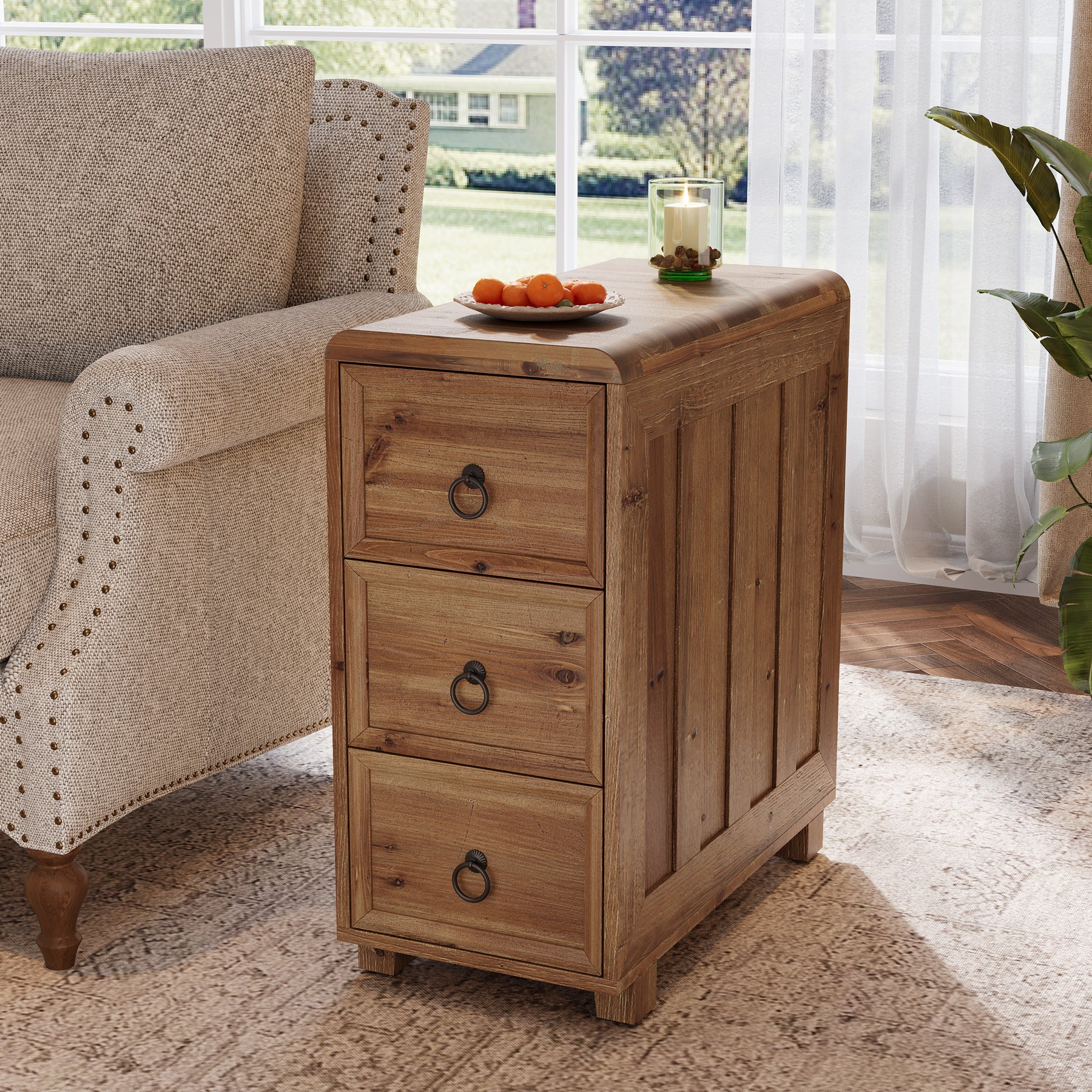
Need room for books, baskets, or decor? Open shelves keep everyday items easy to reach while using vertical space efficiently. If you prefer a cleaner look, choose a narrow end table with drawers to hide remotes, chargers, glasses, and other small essentials.
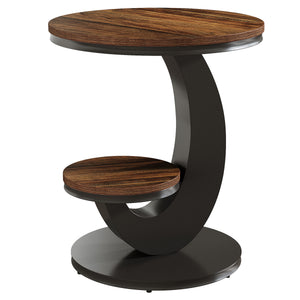
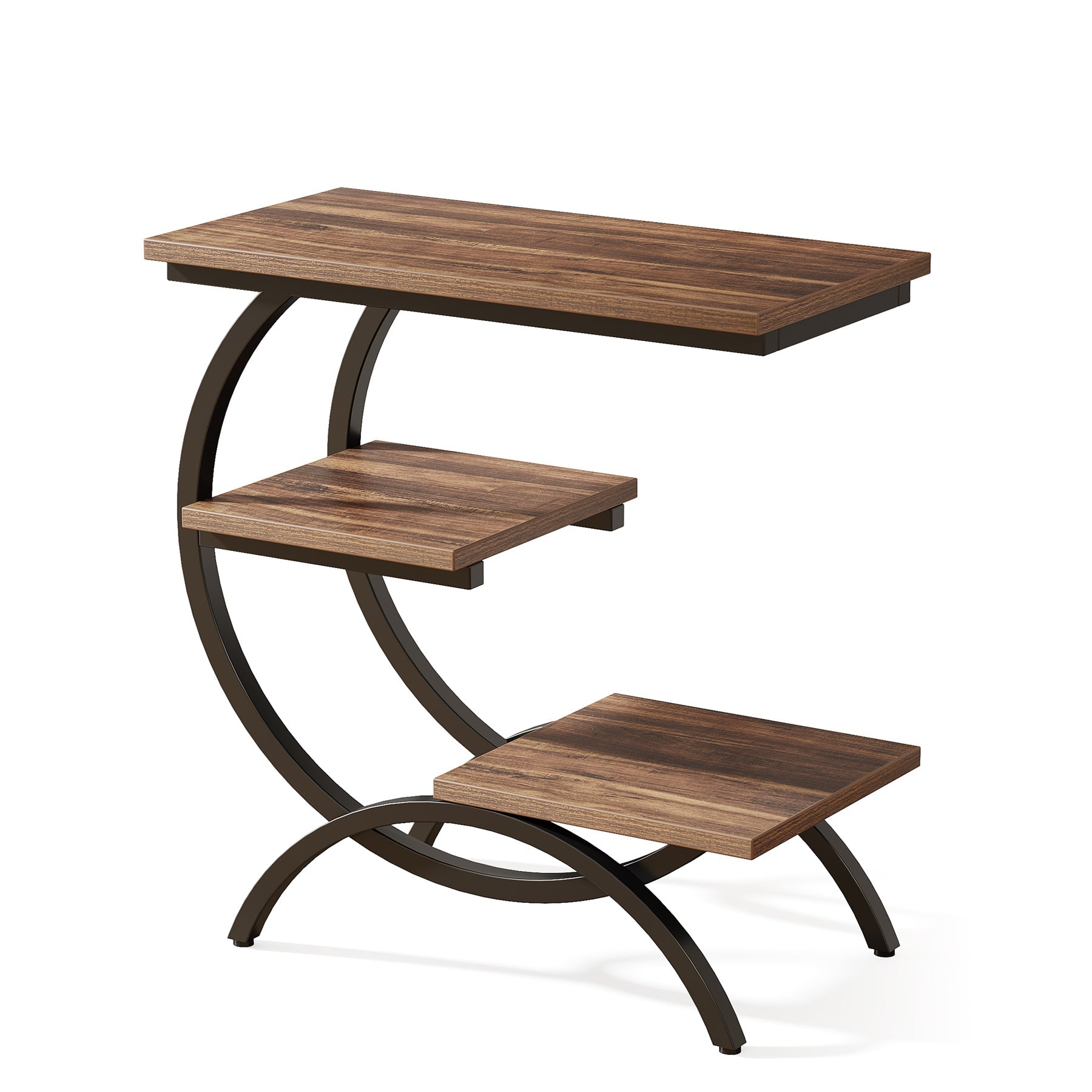
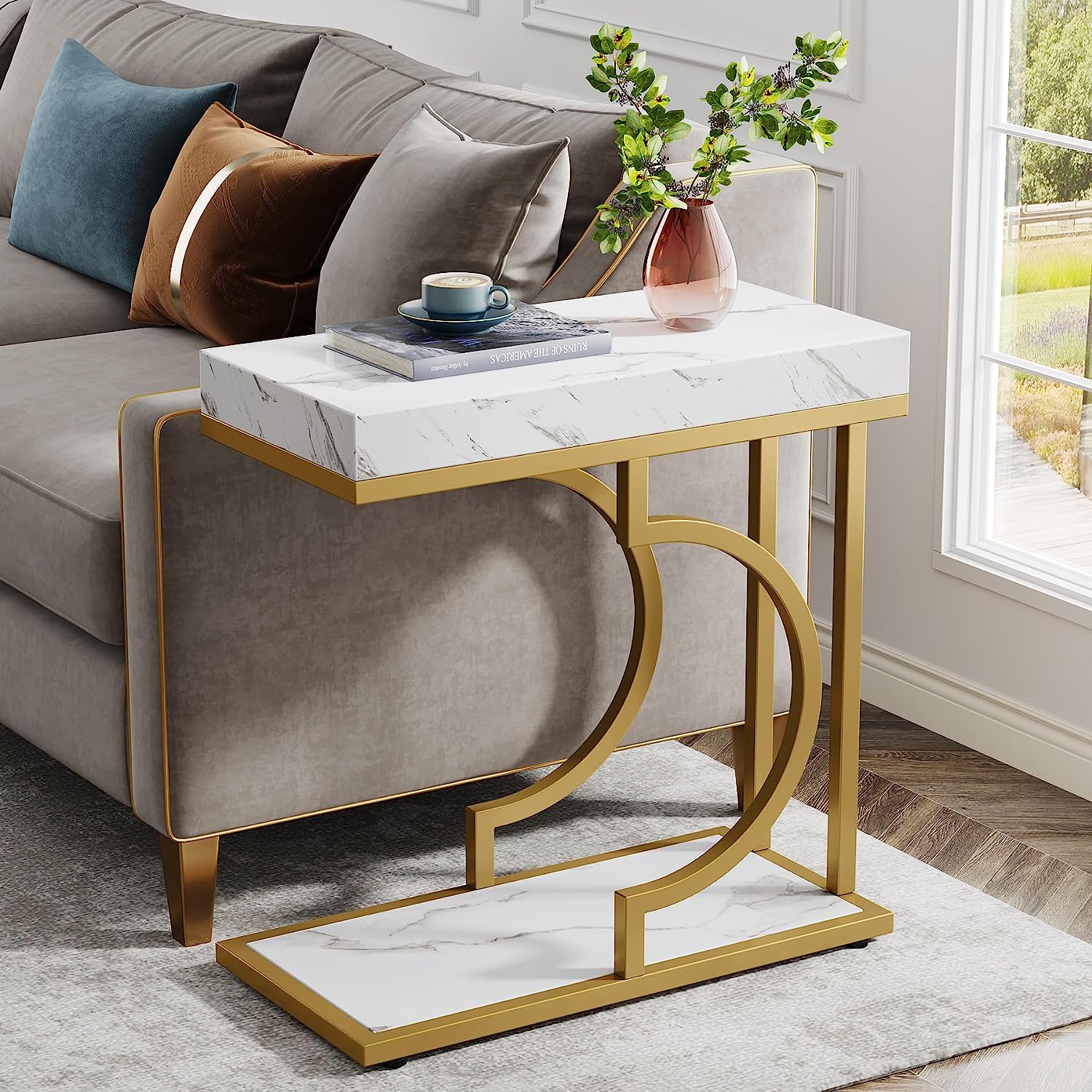
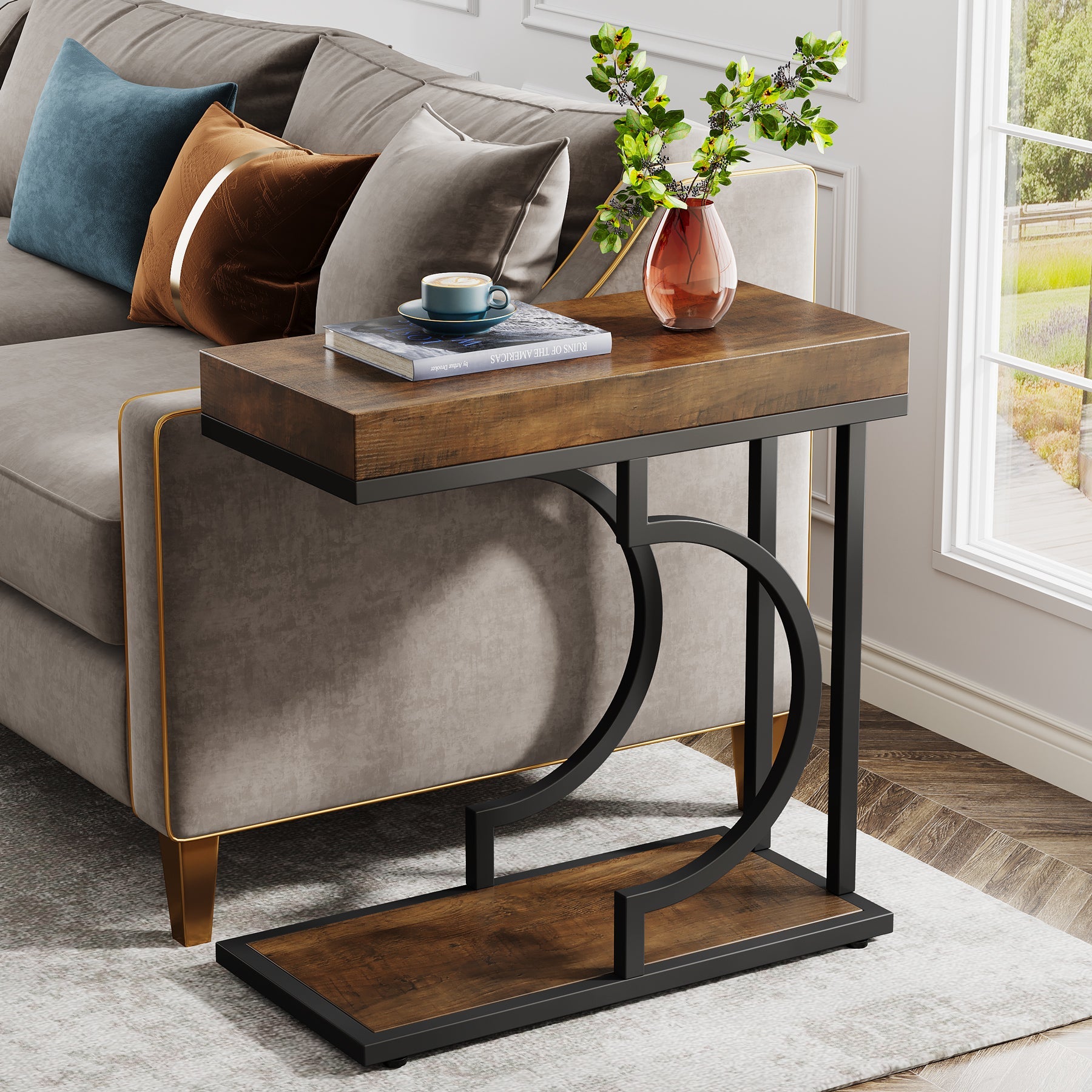
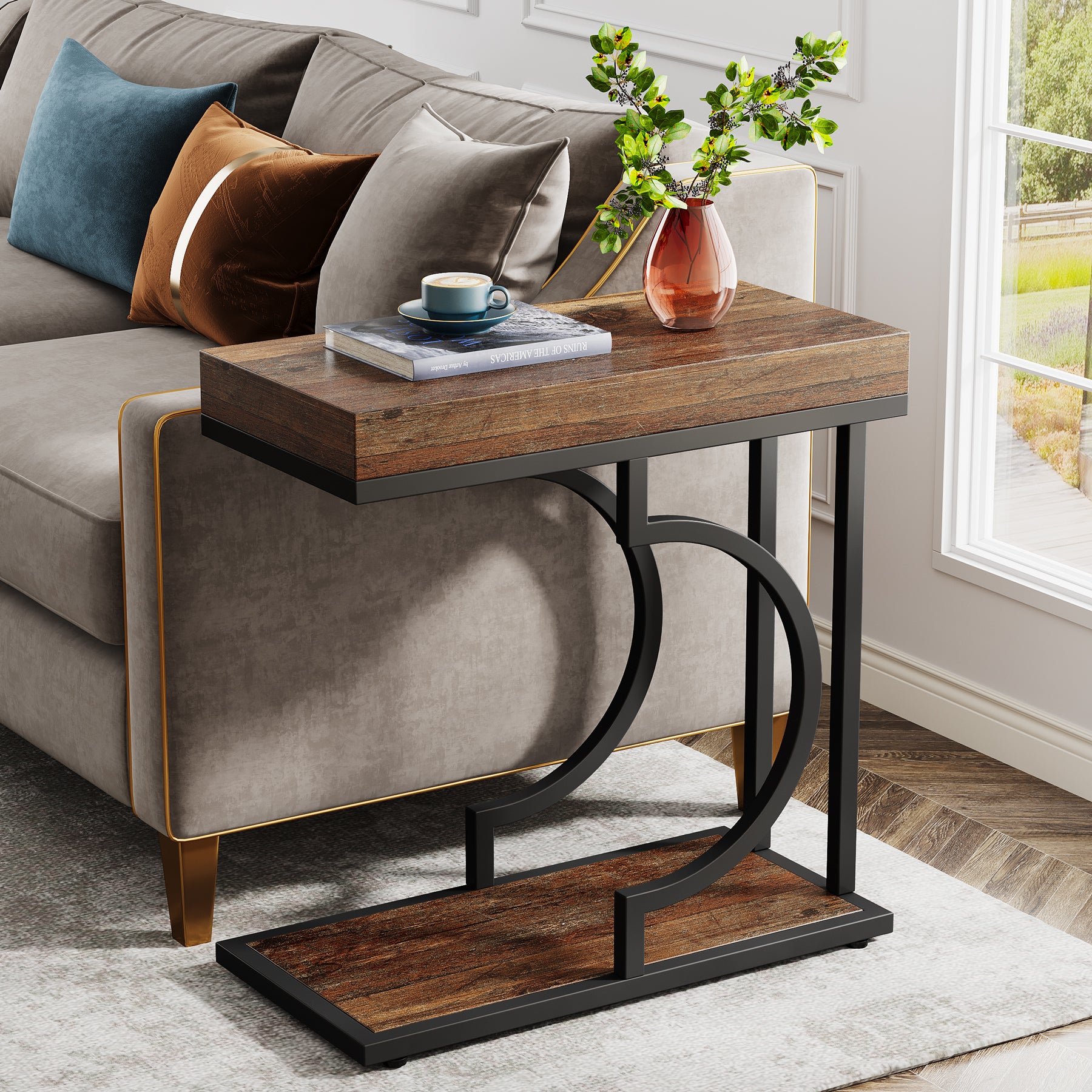
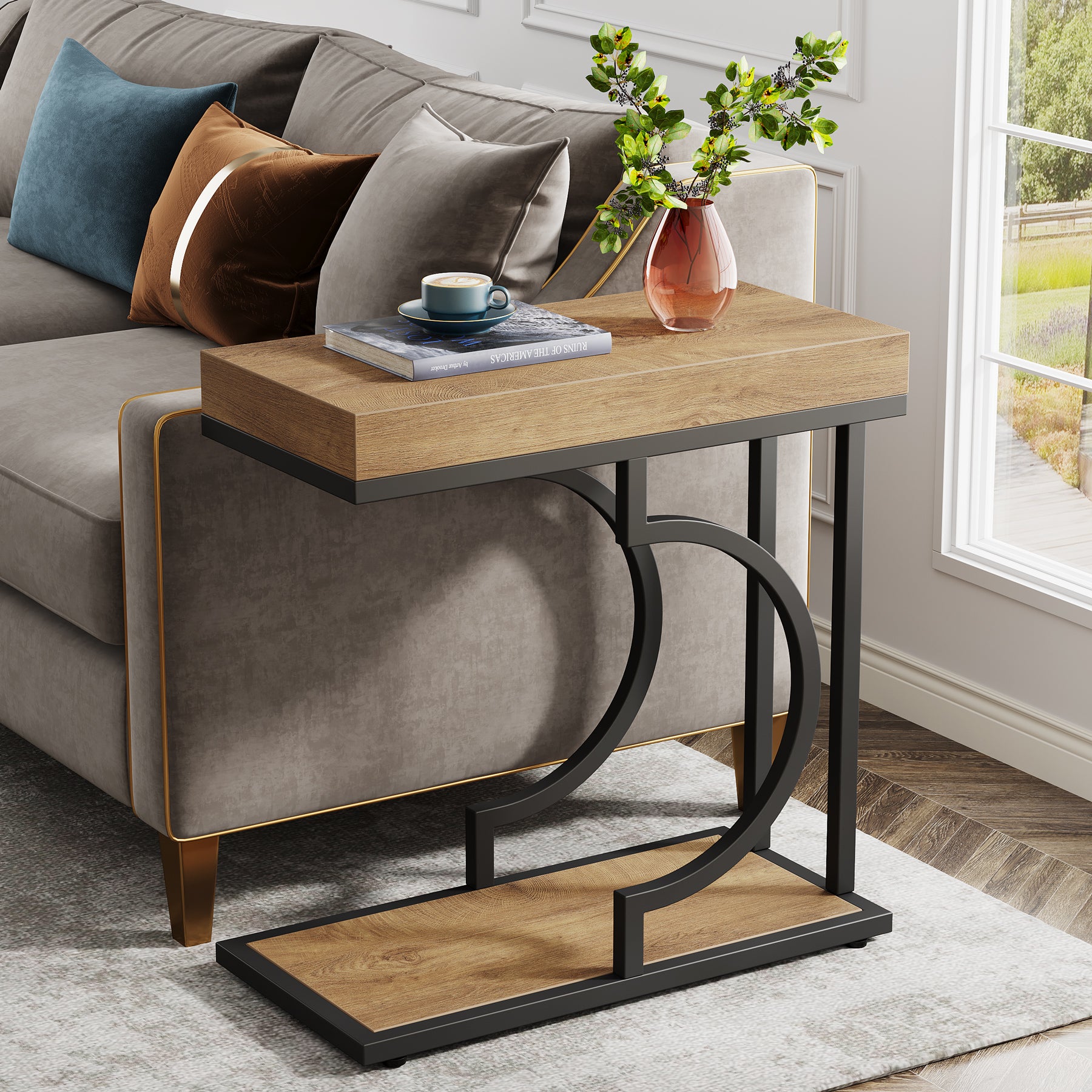
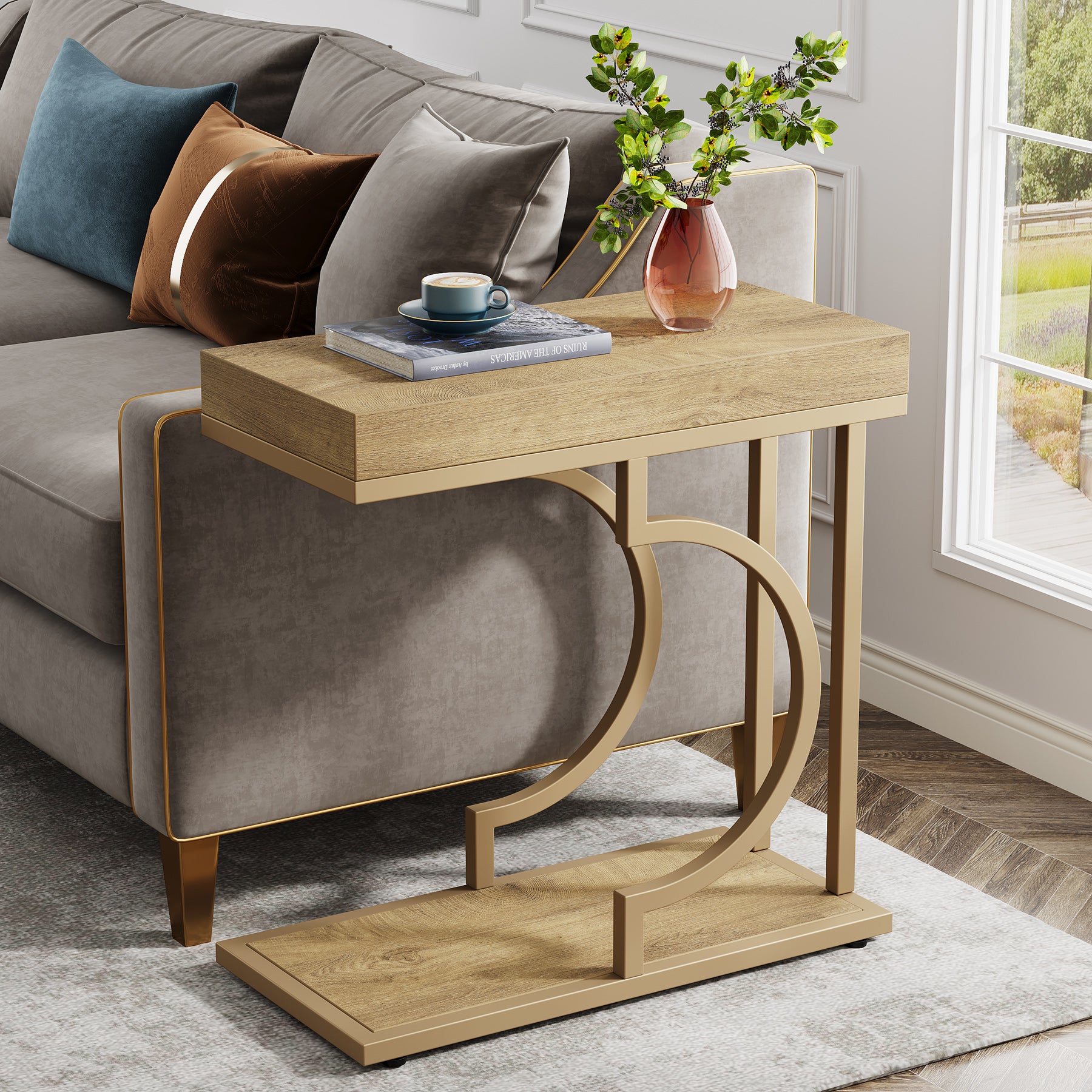
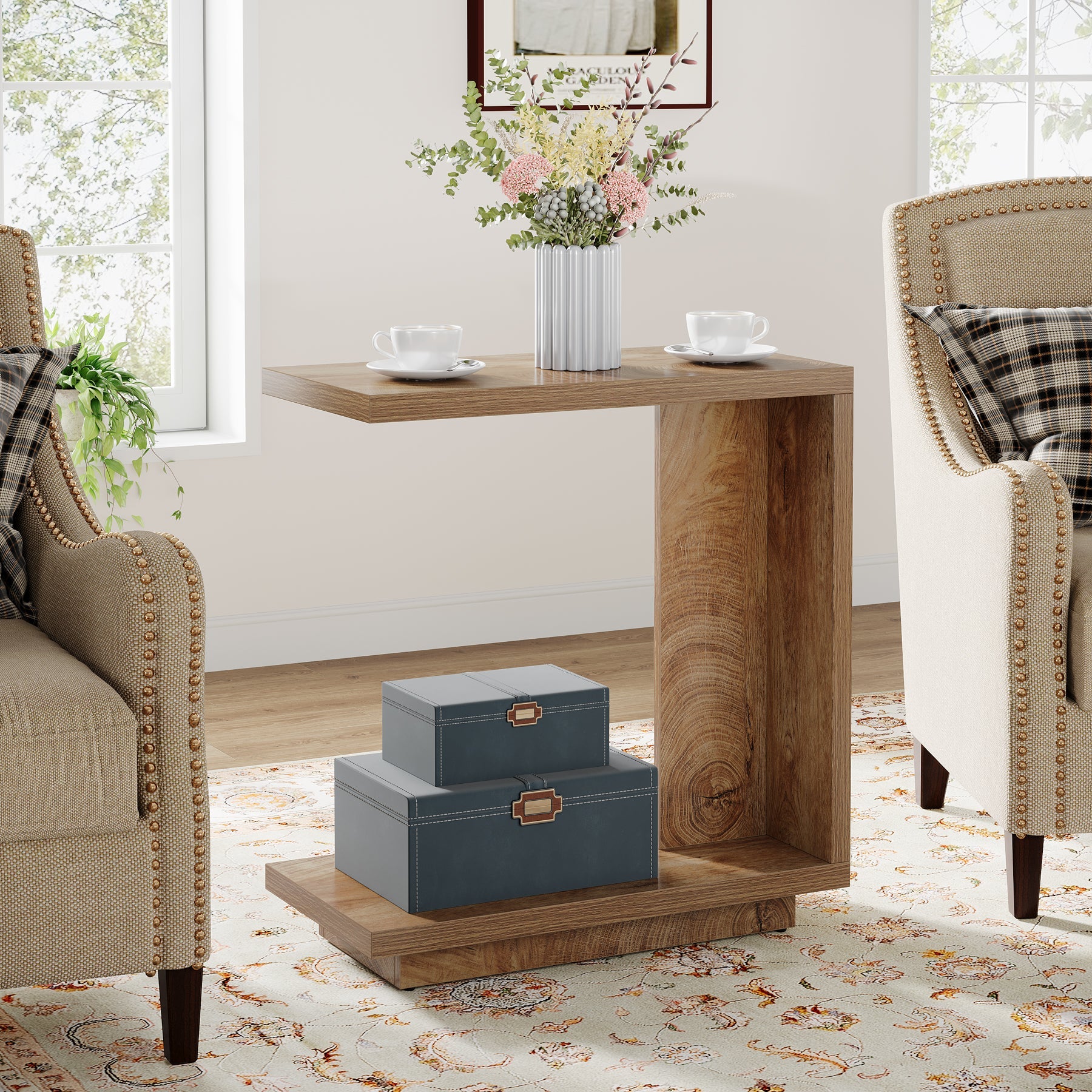
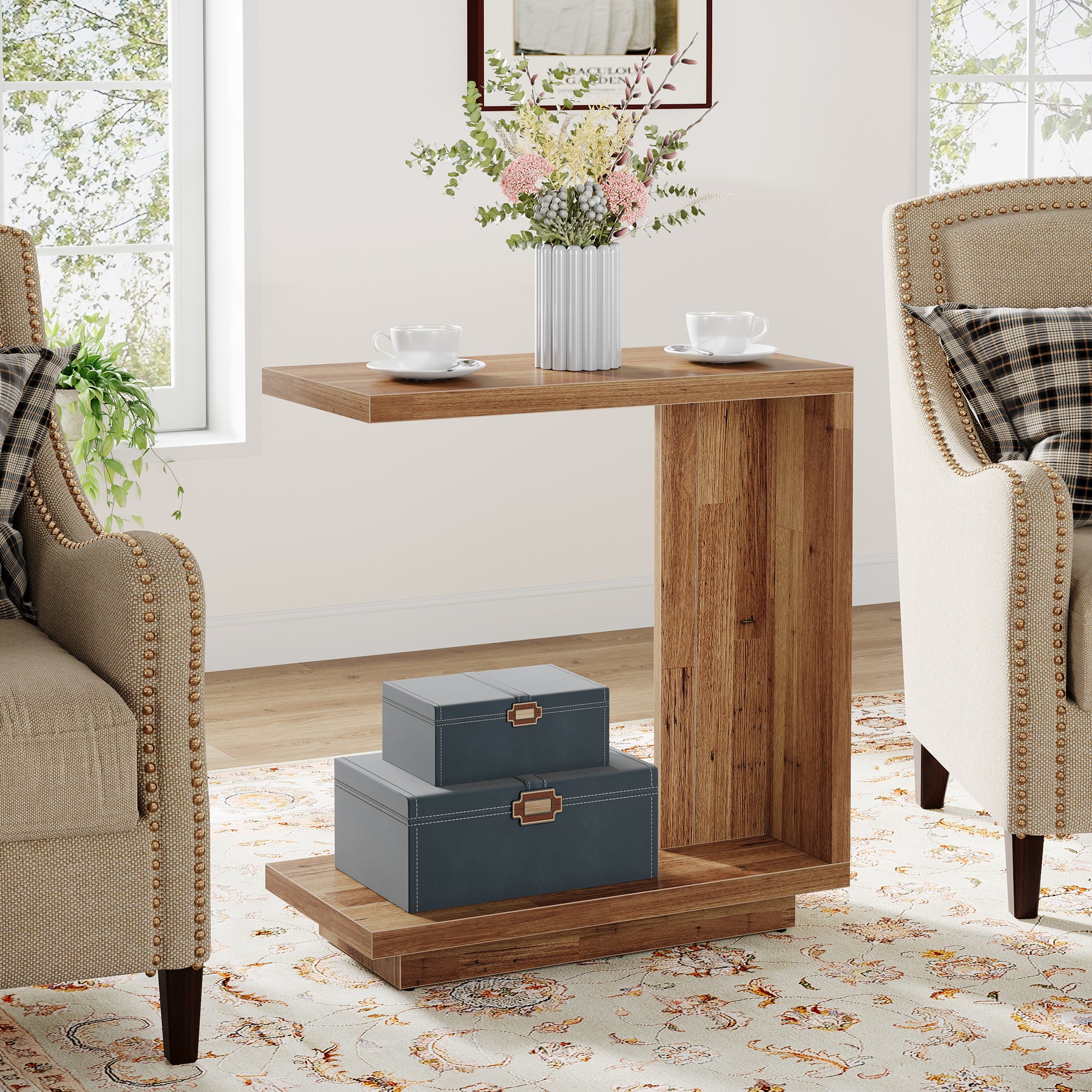
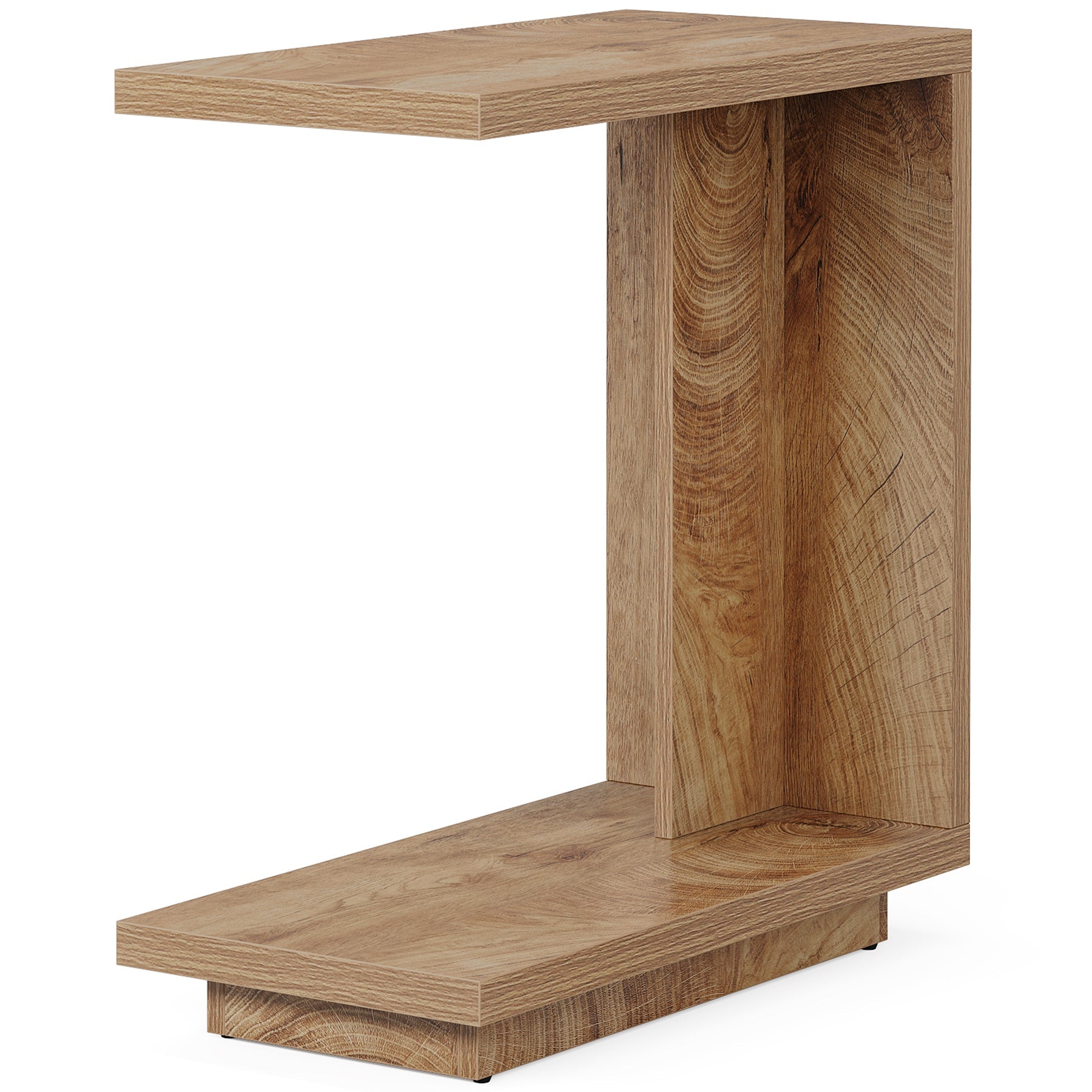
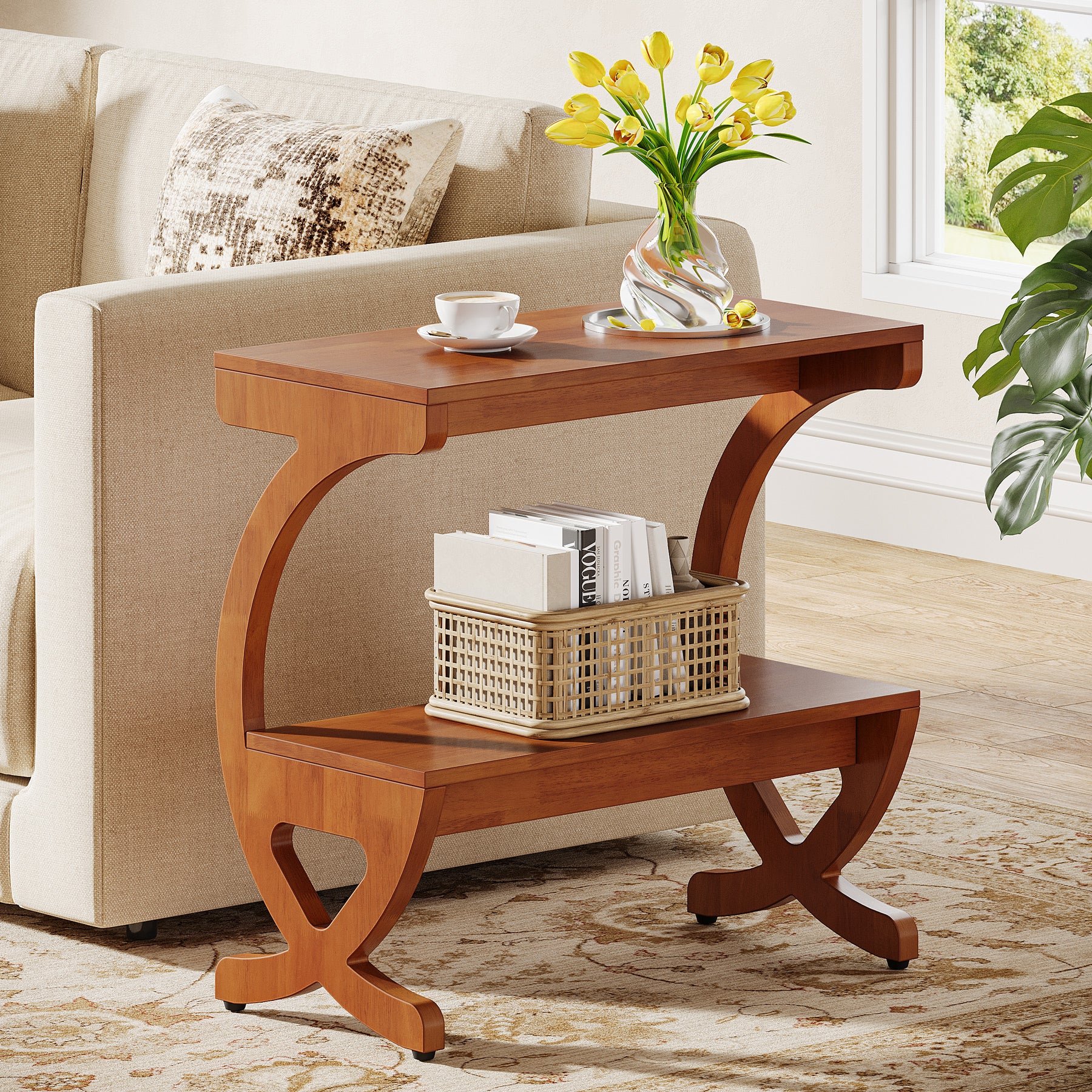
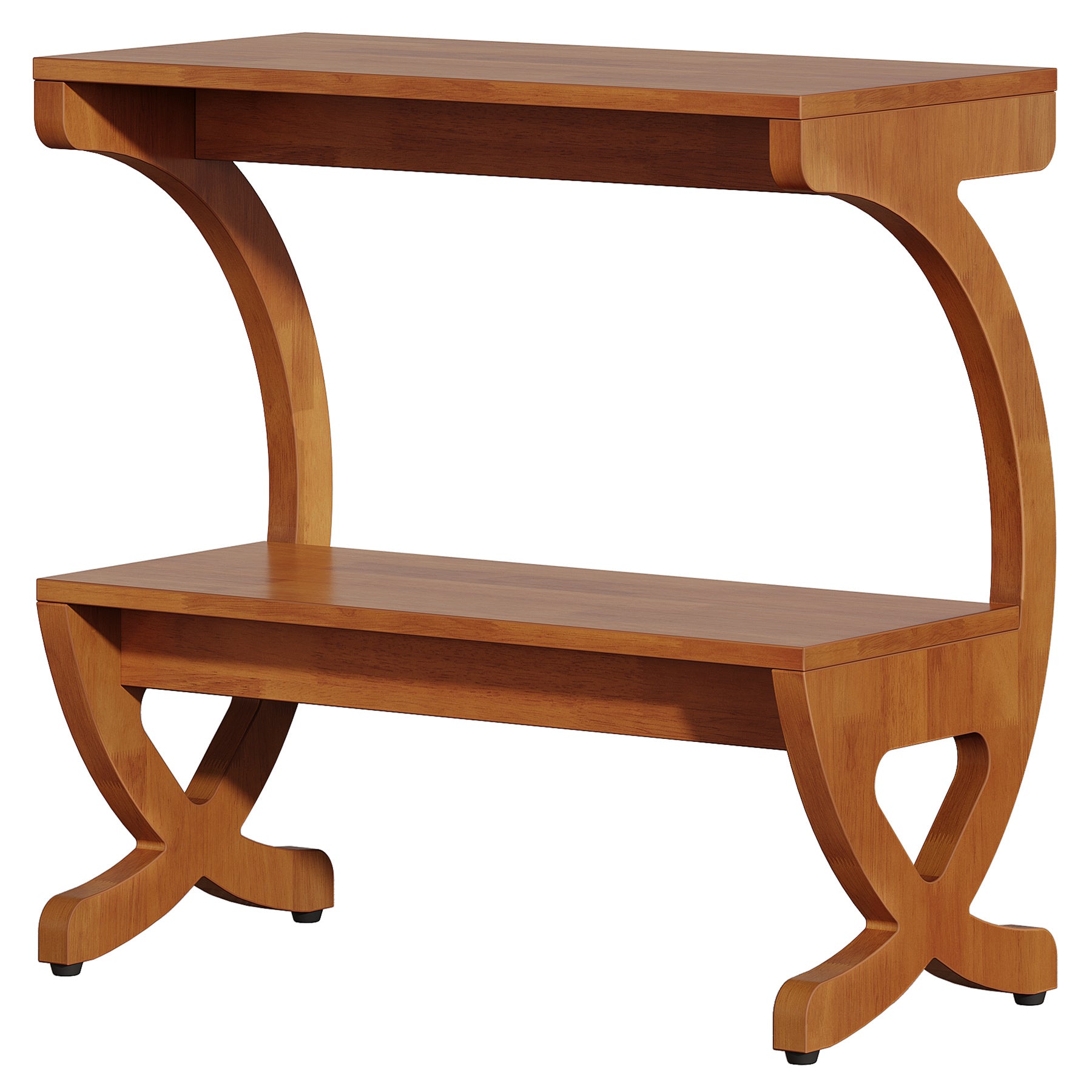
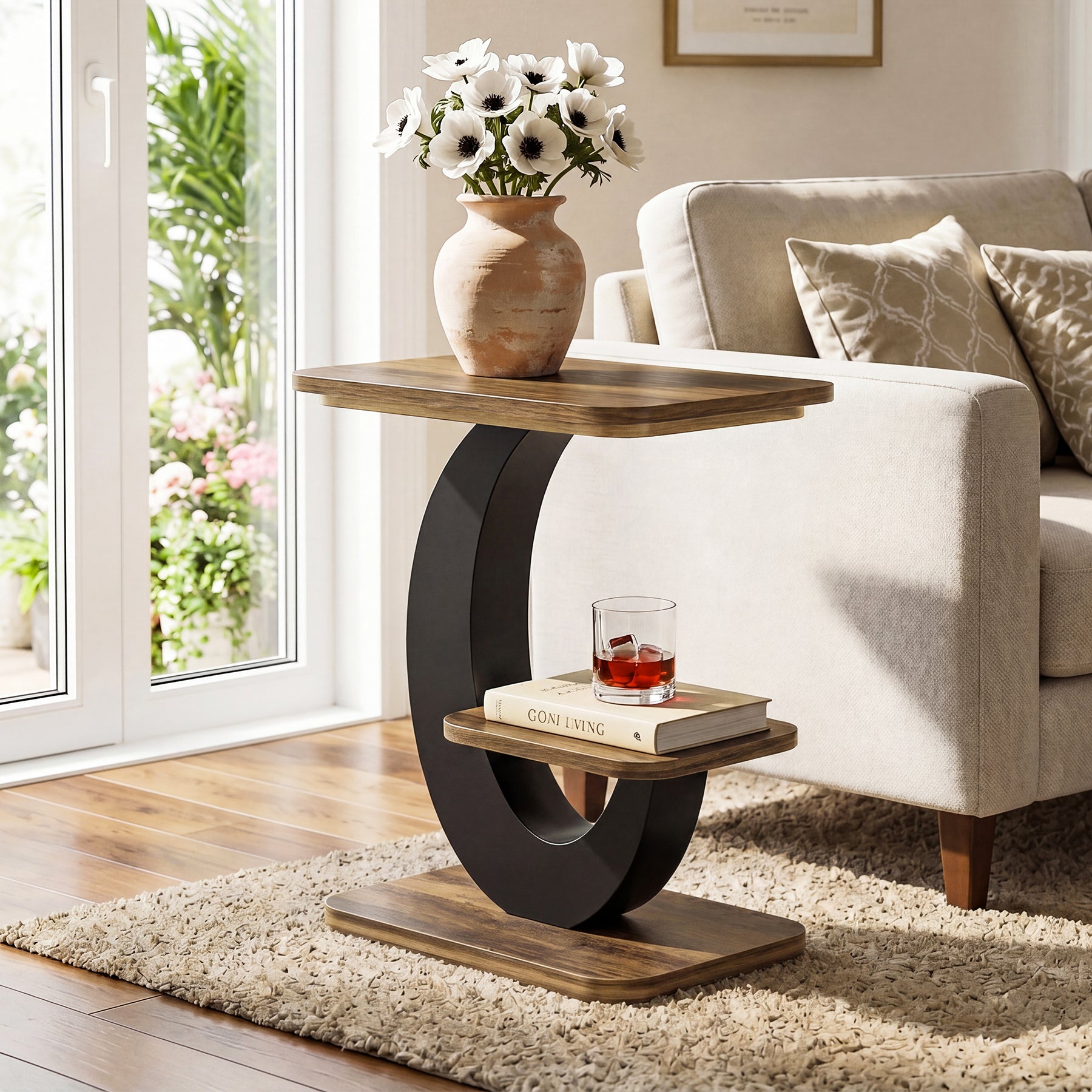
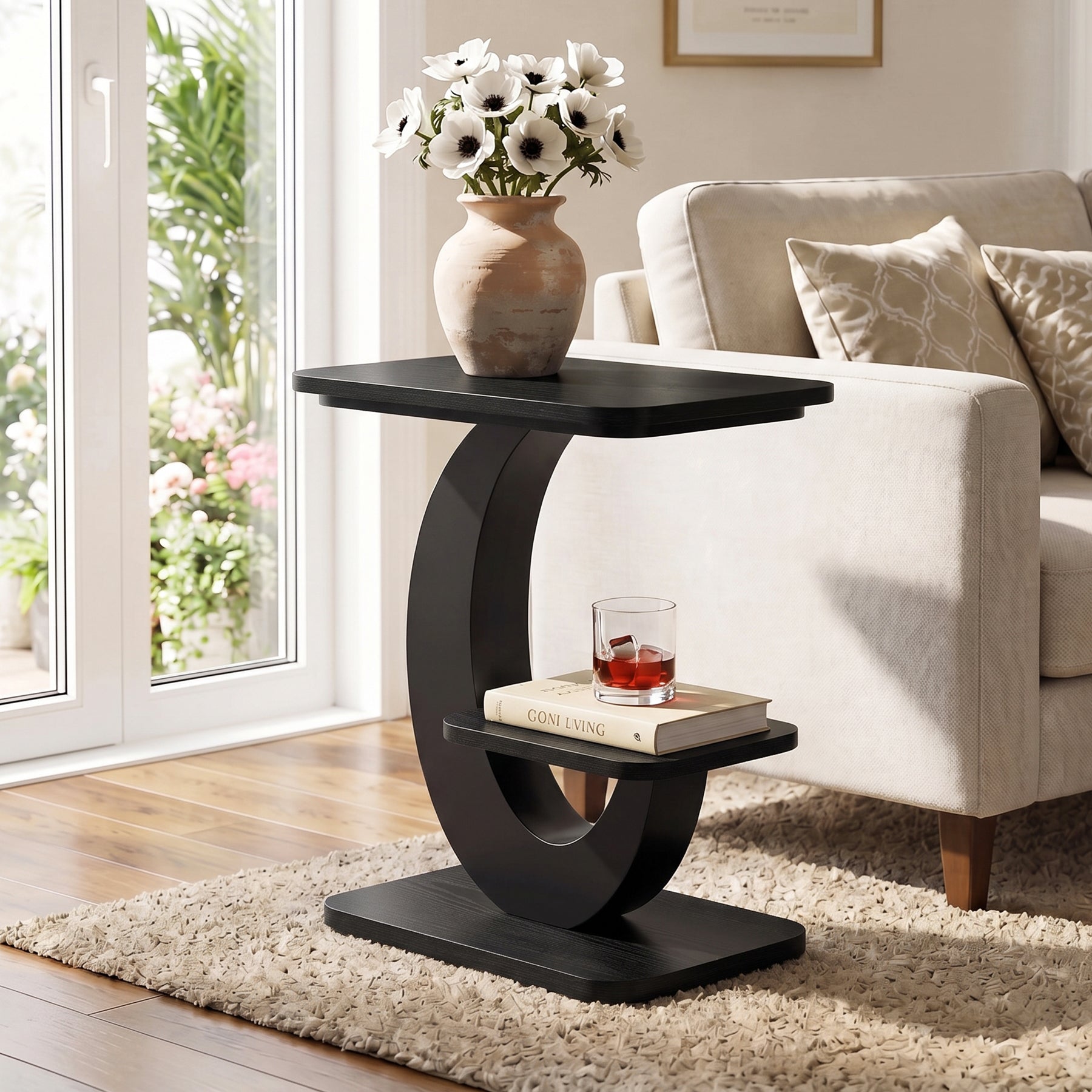
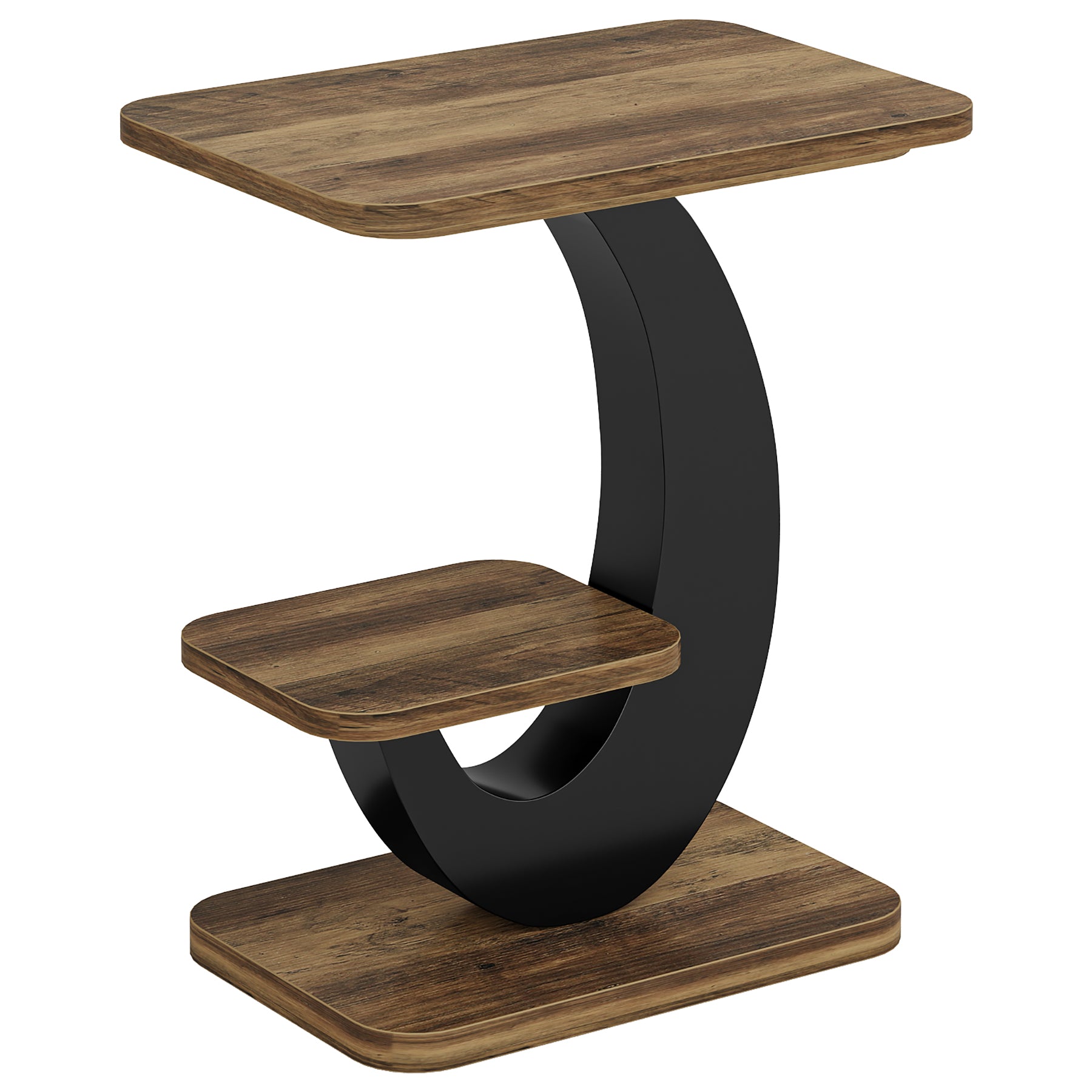
Browse more end tables with storage if organization is your priority. For sofa-side use, a C-shaped end table is especially practical in a tight layout because its base can slide closer to the seating, keeping the tabletop within reach without taking up much floor space.
Shopping for the bedroom instead? Many slim side tables can work beside a bed, but dedicated nightstands are the better choice when you want more enclosed storage or a bedside-focused design.
The right narrow end table should do more than simply fit—it should make a small space easier to use.