









Quick Answer
For most large blank walls, the best solution depends on the wall size, room function, and furniture nearby. Large living room walls often work well with oversized artwork or grouped pieces, while entryway walls may benefit from wall decor paired with a console table. The goal is to create a balanced space that feels complete without adding unnecessary clutter.
A large blank wall can be one of the hardest spaces to decorate. Your furniture may already be in place, your room may feel comfortable, but an empty wall can still make the space feel unfinished.
The challenge is not simply finding something to hang. It is choosing a piece that feels natural with the room you already have.
A well-chosen wall decor can help bring different elements together — from your sofa and coffee table in the living room to your console table in the entryway. It adds personality while helping the space feel more complete.
If you are finding something to put on a large blank wall, start by looking at three things:
-
The size of the wall;
-
The furniture around it;
-
The feeling you want the room to create.
From a single statement artwork to a combination of wall decor and furniture, the right choice depends on your space and how you want it to feel.
What Should You Consider Before Decorating a Large Blank Wall?
A large wall does not always need more decoration. Sometimes, the best choice is simply finding something that feels proportional to the space. Before choosing wall decor, take a moment to look at the wall itself and how it connects with the rest of the room.
Consider the Wall Size
Large walls naturally draw attention, so some small decorations may feel lost in the space.
For a wide living room wall, a larger artwork or a group of coordinated pieces can help create a stronger visual presence. For smaller sections of wall, a simpler arrangement may feel more natural and keep the room from looking crowded. Covering every blank area is not necessary, but to choose wall decor that feels balanced with the size of the room.
Look at the Furniture Around the Wall
-
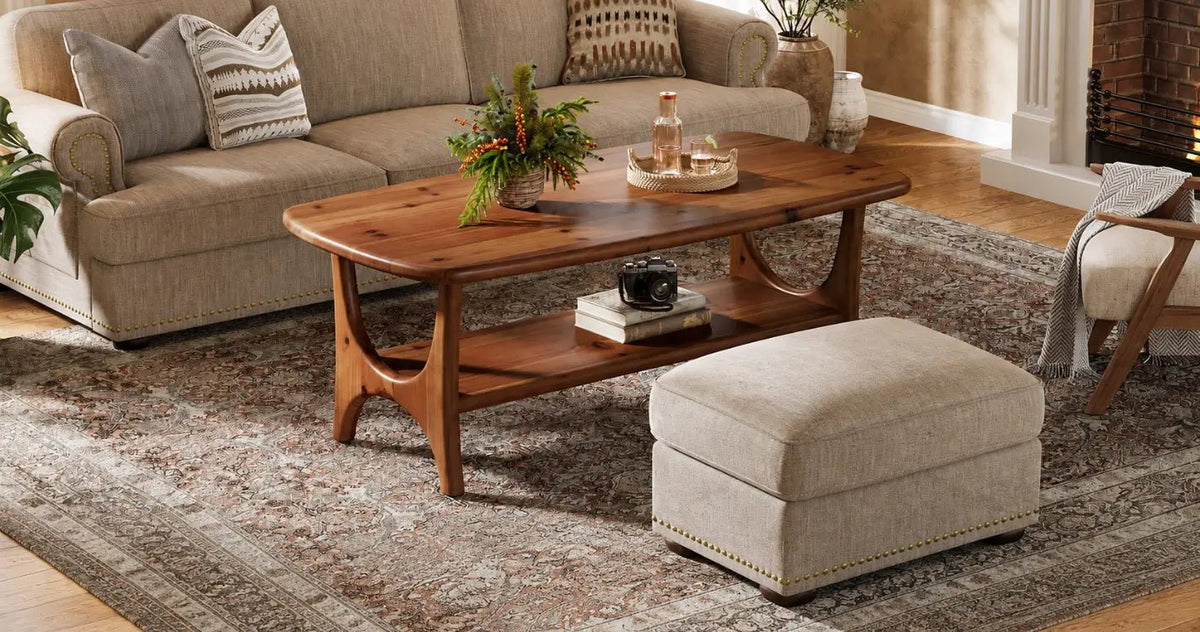
A blank wall behind a sofa often becomes part if the seating area. Artwork, lighting, and the furniture can work together to create a comfortable focal point.
-
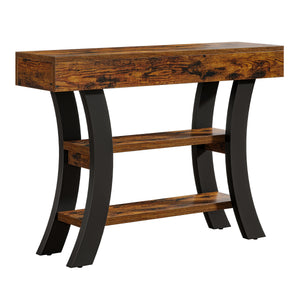
The wall above a console table is a natural place for decoration. A combination of wall art, lighting, and small accents can make the entrance feel more welcoming.
-
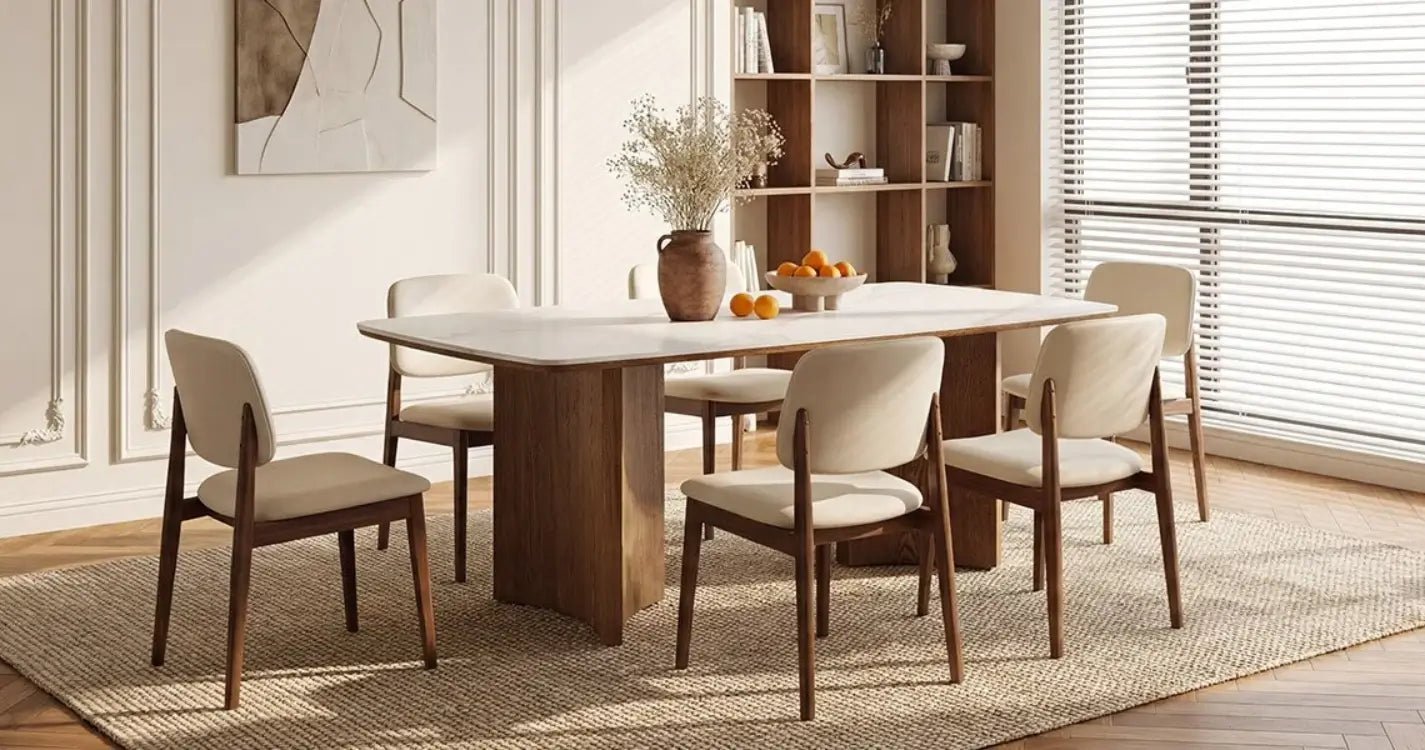
Wall decor can add warmth and personality around a dining table without taking up valuable floor space.
Think About How You Want the Room to Feel
Different rooms create different experiences, and each one has its own unique qualities.
| Room | Wall Decor Direction |
| Living Room | Create a comfortable focal point |
| Bedroom | Add personality while keeping a relaxed feeling |
| Dining Room | Bring warmth and visual interest |
| Entryway | Create a welcoming first impression |
Create a Focal Point with One Large Artwork
For many large blank walls, one carefully chosen artwork can be enough to bring the space together.
A large statement piece works especially well when the room already has a clear layout and you want to keep the overall look simple and balanced.Instead of adding several decorative elements, one artwork can create a visual focus while allowing the furniture and other details to stand out.
-
A living room wall behind a sofa;
-
A bedroom wall above the bed;
-
A dining area with an open wall.
A single large artwork may be a good choice if you:
- Prefer a clean and simple look
One strong piece can create a personality without making the room feel busy. This works well with modern, minimalist, or neutral interiors where the furniture already creates a strong foundation.
-
Want to Add More Visual Layers
Choosing one statement piece can be a practical option when you want to refresh a room without adding many separate decorative elements.
Add Personality with Multiple Wall Art Pieces
A large blank wall does not always need one single statement piece. For some spaces, a combination of smaller artworks can create a more personal and layered look. Multiple wall art pieces allow you to combine different colors, patterns, or meaningful elements while keeping the overall space connected.
When Multiple Pieces Work Best
-
Prefer a More Personal Look
-
Family living spaces;
-
Home offices;
-
Creative areas;
-
Rooms with collected decor.
-
Want to Add More Visual Layers
-
Several coordinated pieces can add character to a dining area;
-
A collection of smaller artworks can make a hallway feel more intentional;
-
Different artwork styles can complement shelves or decorative objects.
-
Prefer Flexibility Over Time
One advantage of multiple pieces is that the arrangement can grow and change with your home. You can add new artwork, replace individual pieces, or adjust the collection as your style changes. This makes it a flexible choice for homeowners who enjoy refreshing their space over time.
One Large Artwork or Multiple Pieces?
| One Large Artwork | Multiple Pieces | |
| Overall feeling | Simple and focused | Personal and layered |
| Best for | Clean, minimal spaces | Collected and creative spaces |
| Visual effect | Creates one clear focal point | Adds more details and character |
Use Furniture to Complete the Wall
In many homes, the furniture below the wall helps define how the space feels. When wall decor works together with furniture, the room often feels more connected and intentional. A piece of artwork above a console table, sofa, or dining area can help bring different parts of the room together.
Create a Finished Entryway with a Console Table and Wall Decor
Entryways are often small spaces, but they create the first impression of a home. A blank wall above a console table can become a natural place to add personality.
A simple combination of:
-
Console table;
-
Wall artwork;
-
Lighting;
-
Small decorative accents;
Instead of decorating the wall separately, think about how the furniture and wall decor work as one arrangement.
Styling Tip: For modern homes, simple artwork paired with clean-lined furniture can create a balanced look. For warmer spaces, artwork with natural tones can complement wood finishes and soft textures.

Bring Balance to a Living Room Wall
-
Sofa;
-
Coffee table;
-
Lighting;
-
Other decorative elements.

Add Visual Interest Around a Dining Area
-
Dining table shape;
-
Lighting style;
-
Surrounding colors;
-
Overall room atmosphere.

Why Furniture and Wall Decor Work Better Together
-
Above a console table in an entryway;
-
Behind a sofa in a living room;
-
Near a dining table.
Add Texture Without Overcrowding the Space
Wall art is one of the most common ways to decorate a large blank wall, but it is not the only option.
Some spaces may benefit from a different approach — especially when you want to add function, texture, or a more relaxed feeling without making the room feel too busy. The key is choosing elements that support the room instead of adding more visual clutter.
Add Mirrors to Create More Openness
-
Smaller rooms;
-
Narrow entryways;
-
Spaces with limited natural light.
Add Shelves for Function and Display
-
Books;
-
Plants;
-
Small decorative pieces;
-
Personal items.
This option works well for home offices, living spaces, or areas where you want to combine storage and display.
Combine Different Elements for a More Layered Look
-
Artwork with a console table;
-
Shelves with decorative objects;
-
Wall decor with lighting.
The goal is not to fill every empty area, but to create a space where each element has a purpose.
How to Choose Between Artwork and Other Wall Decor?
A simple way may decide:
| Choose Artwork When | Choose Other Wall Decor When |
| You want a clear focal point | You need additional function |
| The room already has enough furniture | The wall space feels empty but practical needs exist |
| You prefer a simple look | You enjoy a more layered arrangement |
Match Wall Decor with Your Home Style
Once you know what type of wall decor works for your space, the next step is finding a style that feels connected to your home. Wall decor does not need to match every piece of furniture exactly. Instead, look for colors, shapes, and overall details that complement the room. A good piece of wall decor should feel like part of the space rather than something added afterward.
Modern and Minimal Spaces
-
Simple compositions;
-
Clean lines;
-
Neutral or balanced colors.
-
Modern living rooms;
-
Home offices;
-
Contemporary dining spaces.
Warm and Natural Spaces
-
Wood finishes;
-
Neutral fabrics;
-
Natural lighting.
Contemporary Spaces
Choose What Feels Right for Your Space
-
Does the color work with the furniture nearby?
-
Does the style match the feeling of the room?
-
Does the piece have enough presence for the wall size?