
















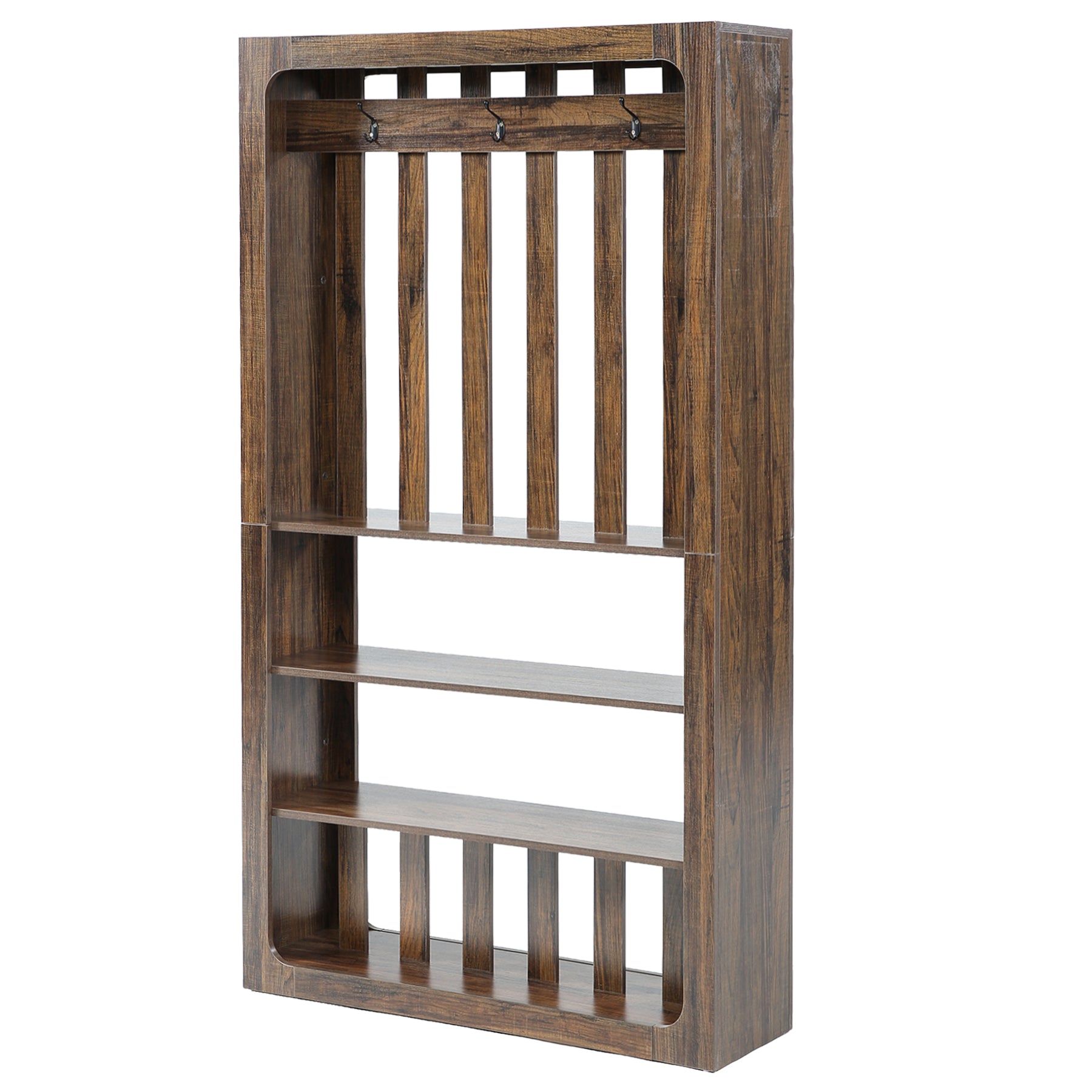

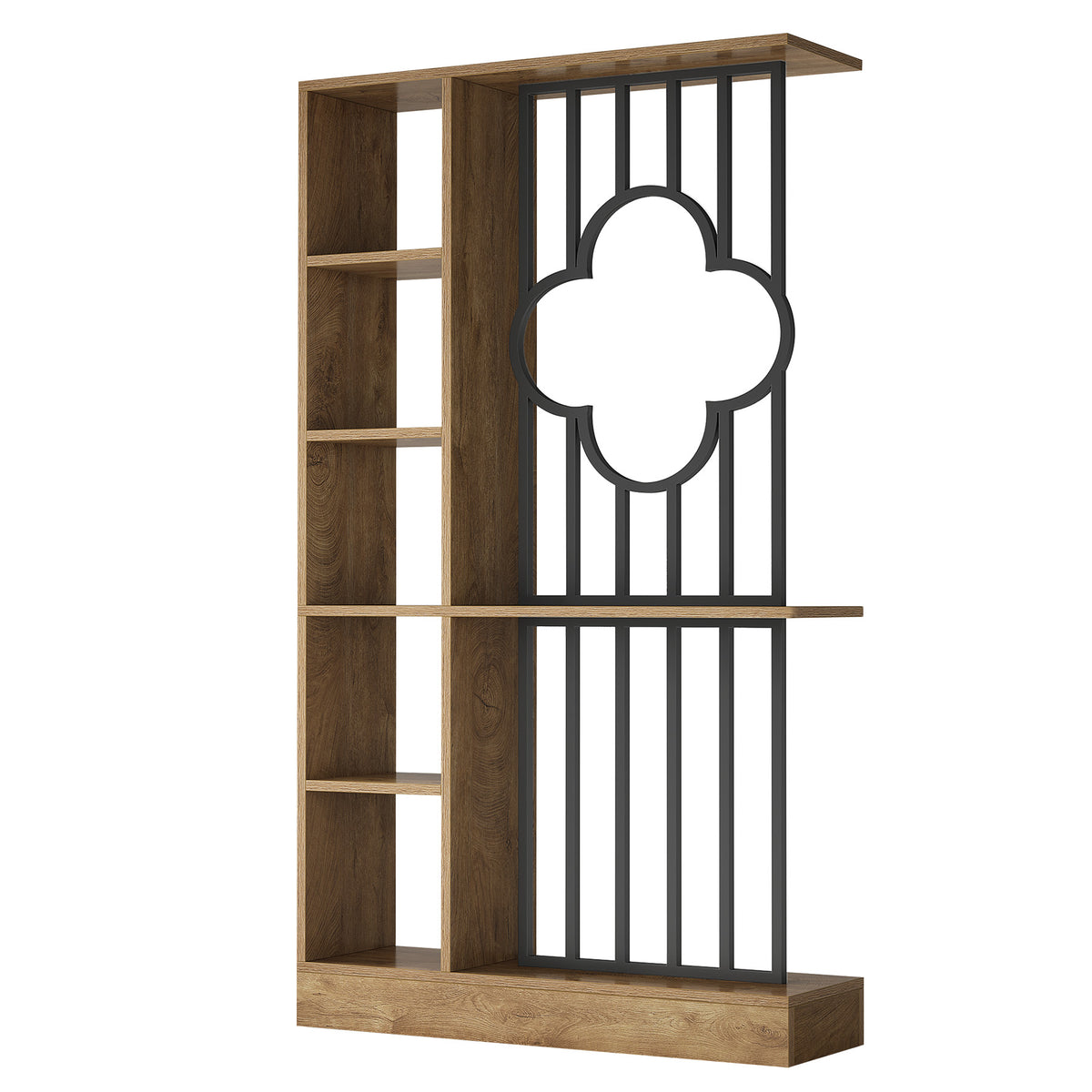

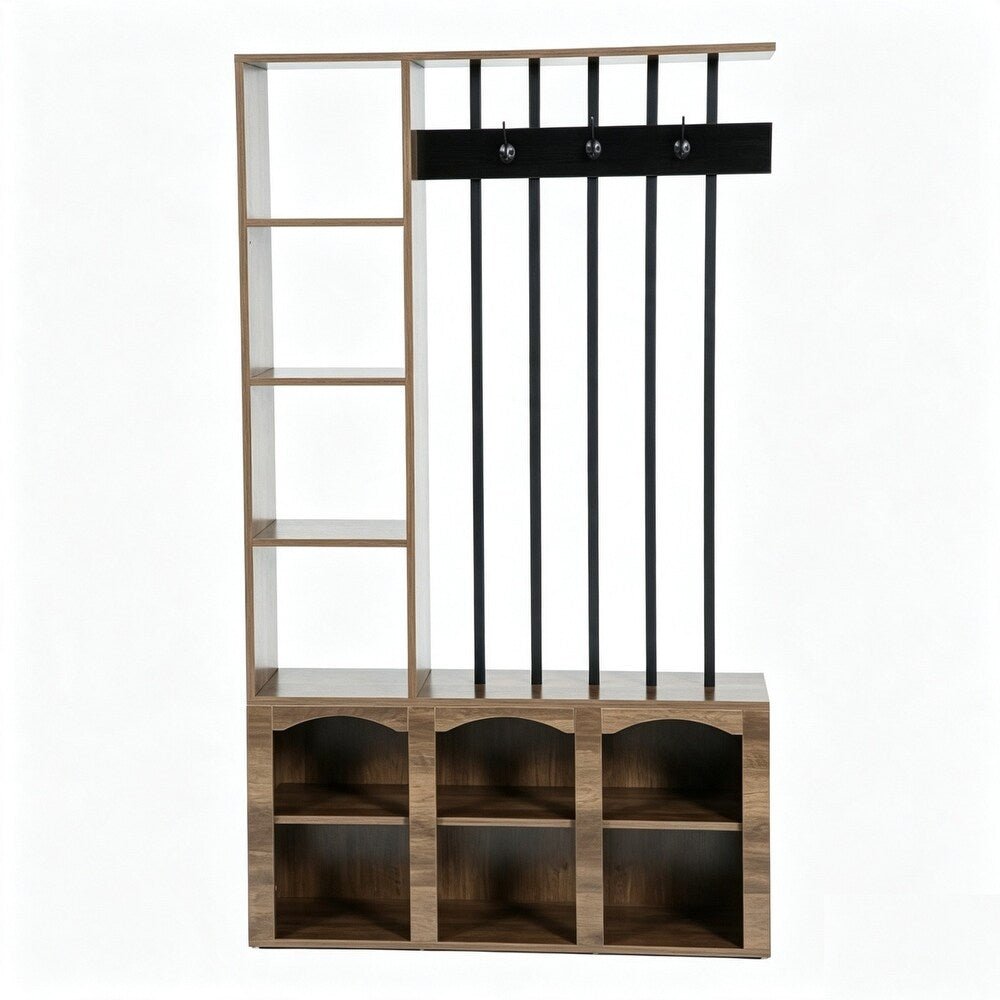

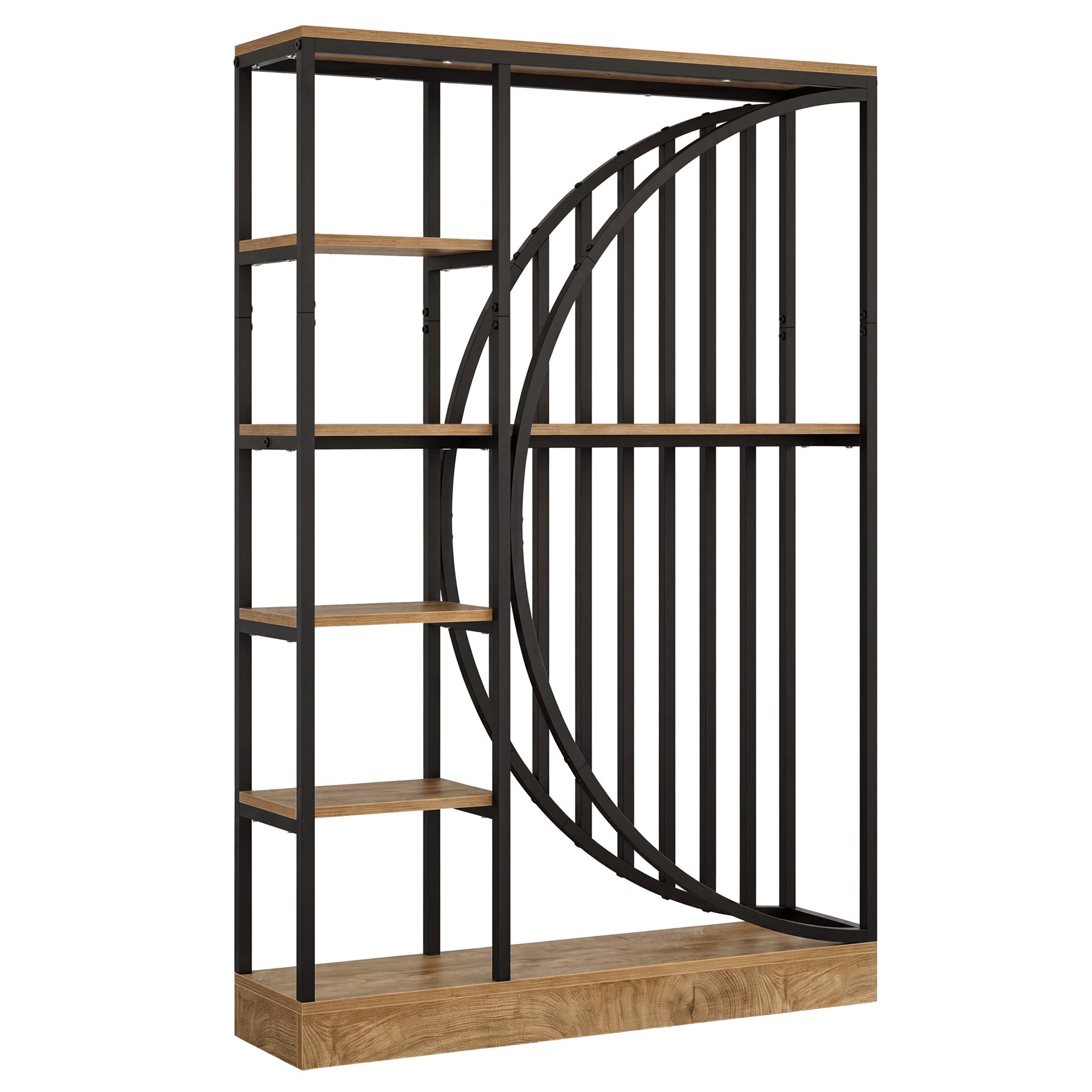









FAQ
Room partitions are a simple way to divide areas in an open space without the significant cost or permanent renovations required for building walls.
Many homeowners use room partitions to divide living areas, create home office corners, separate sleeping areas, or make the layout of a studio apartment more functional.
While room partitions cannot replace permanent walls, they can create a similar sense of separation while maintaining flexibility in the home. For many families, this flexibility is the biggest advantage—it allows you to update the layout without making permanent changes.
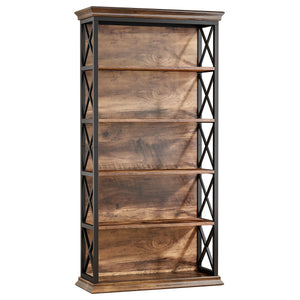
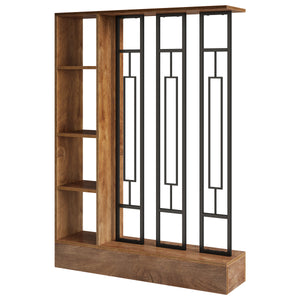
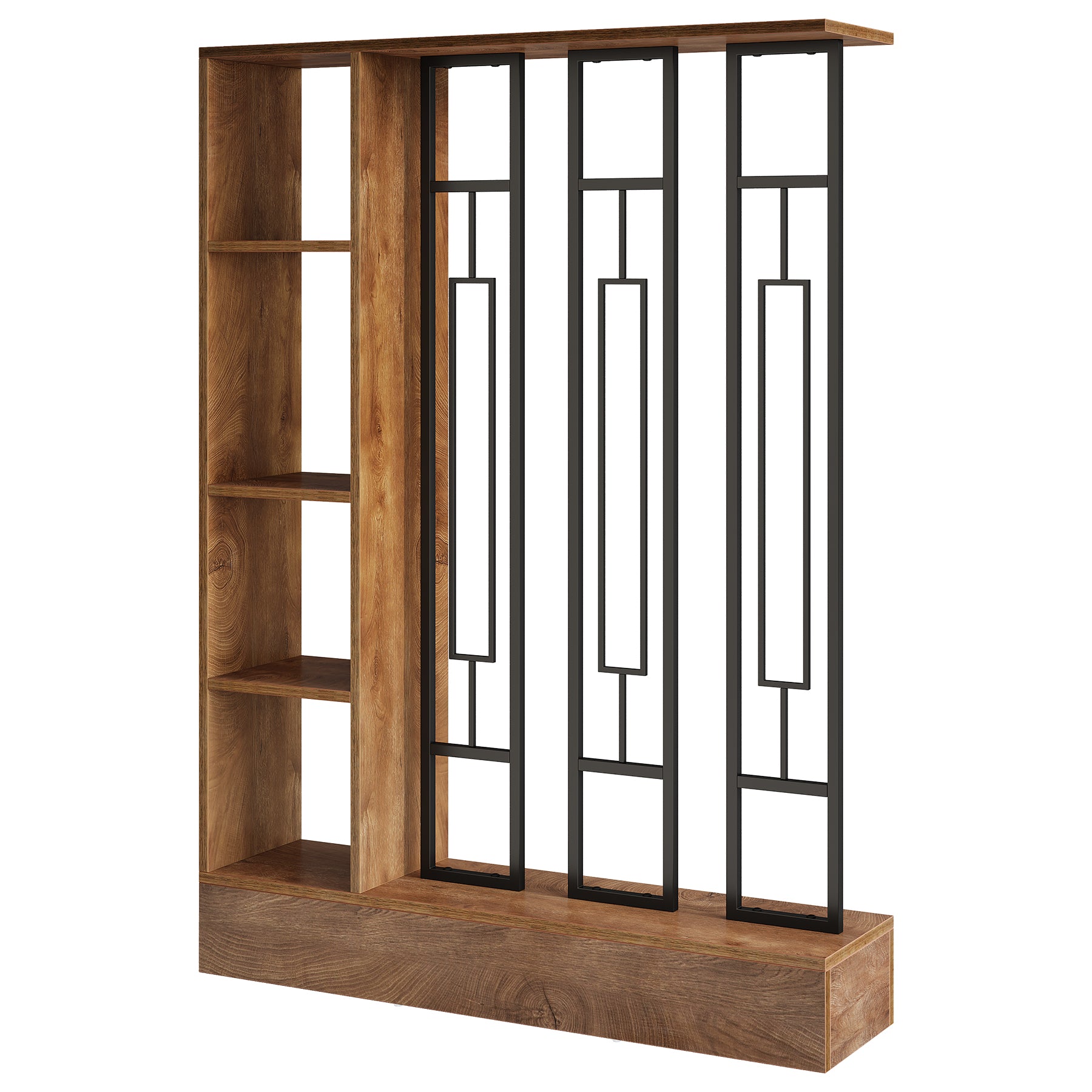
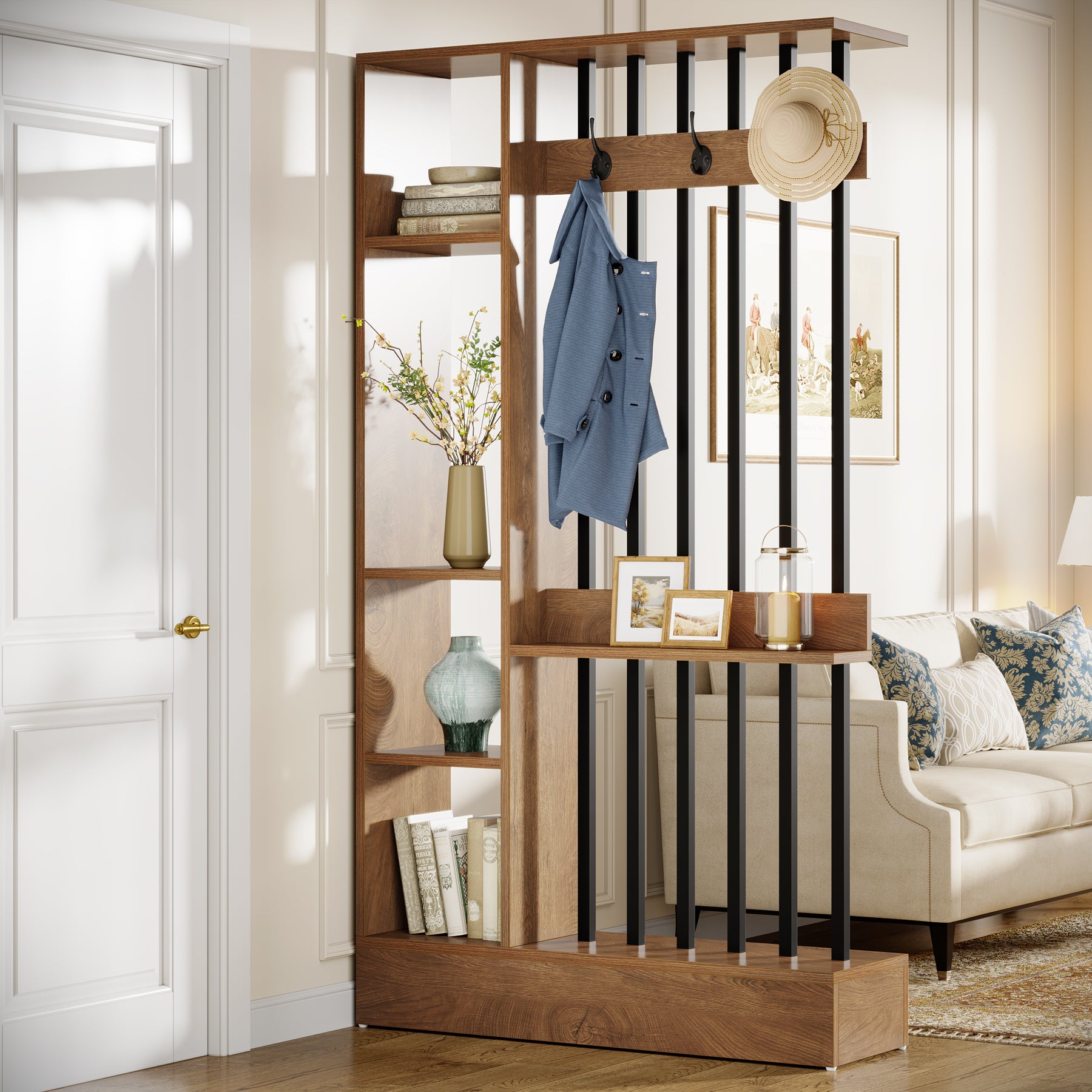
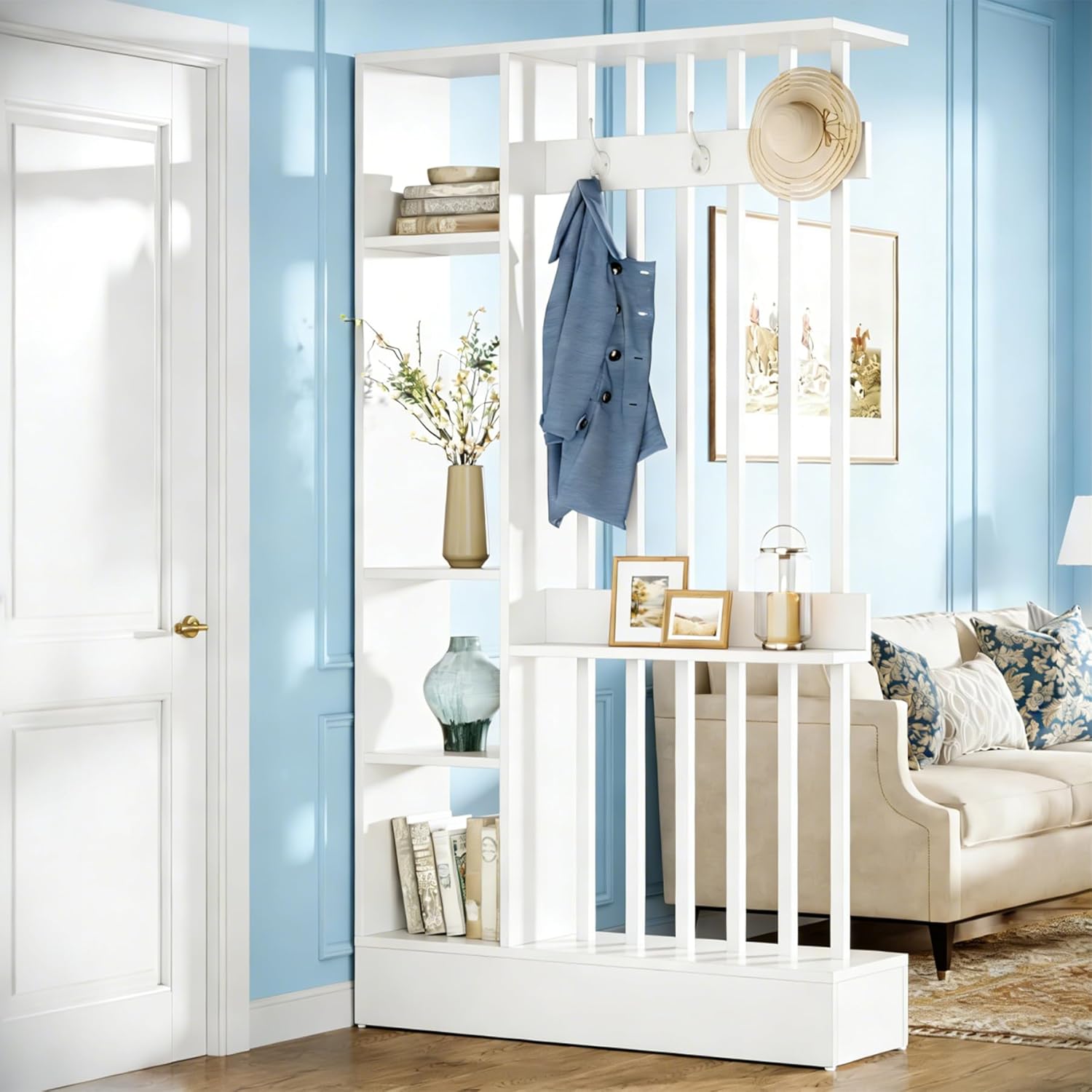
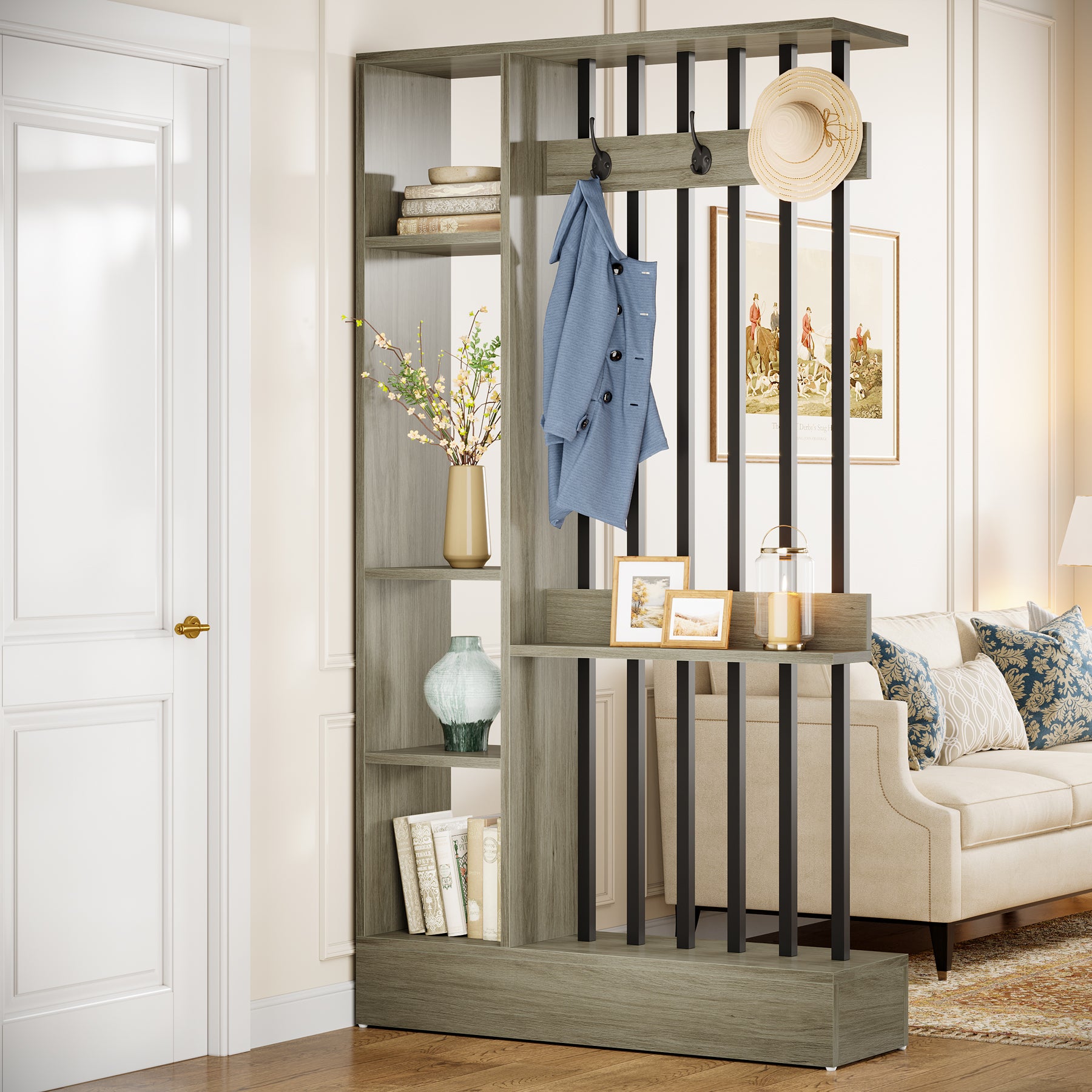
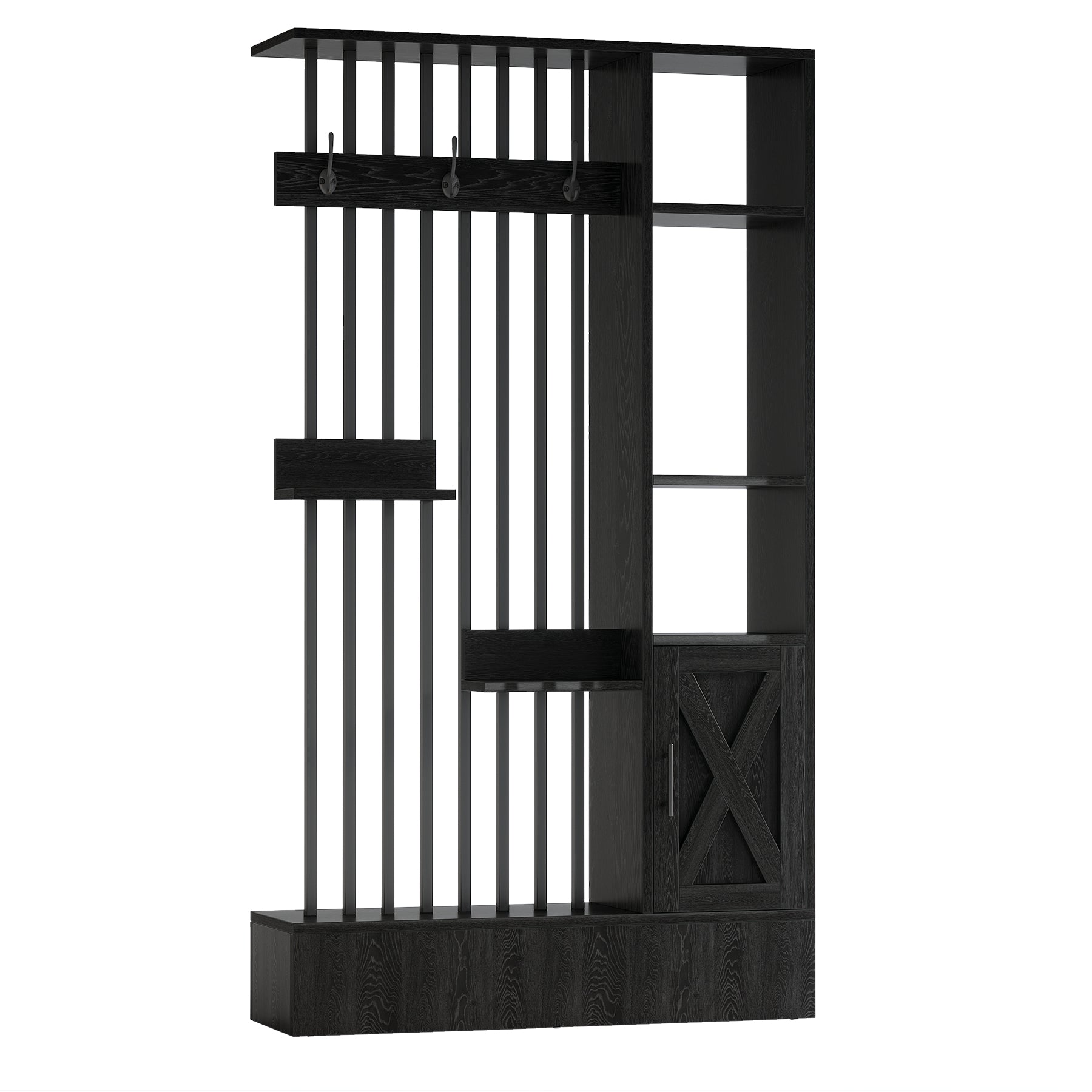
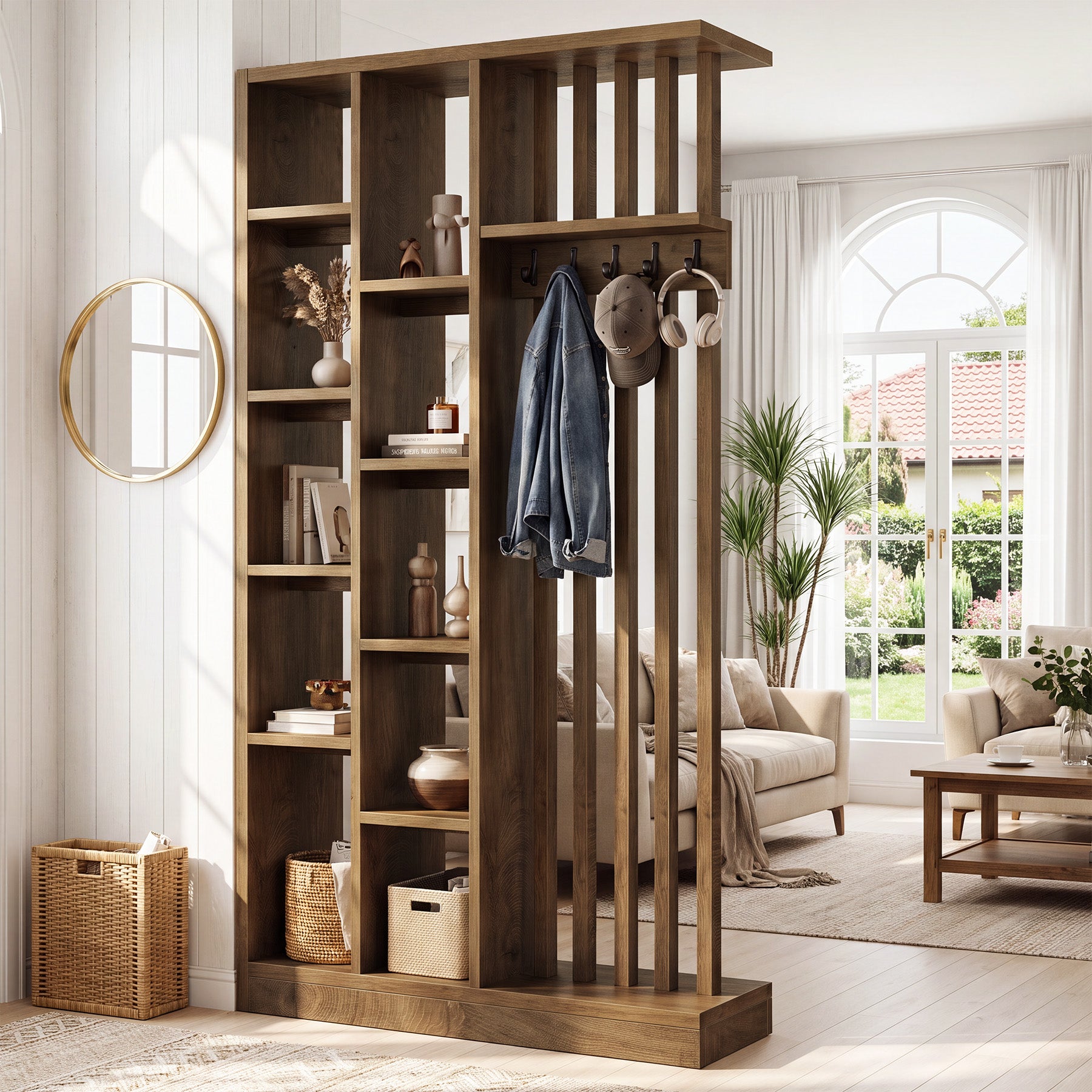
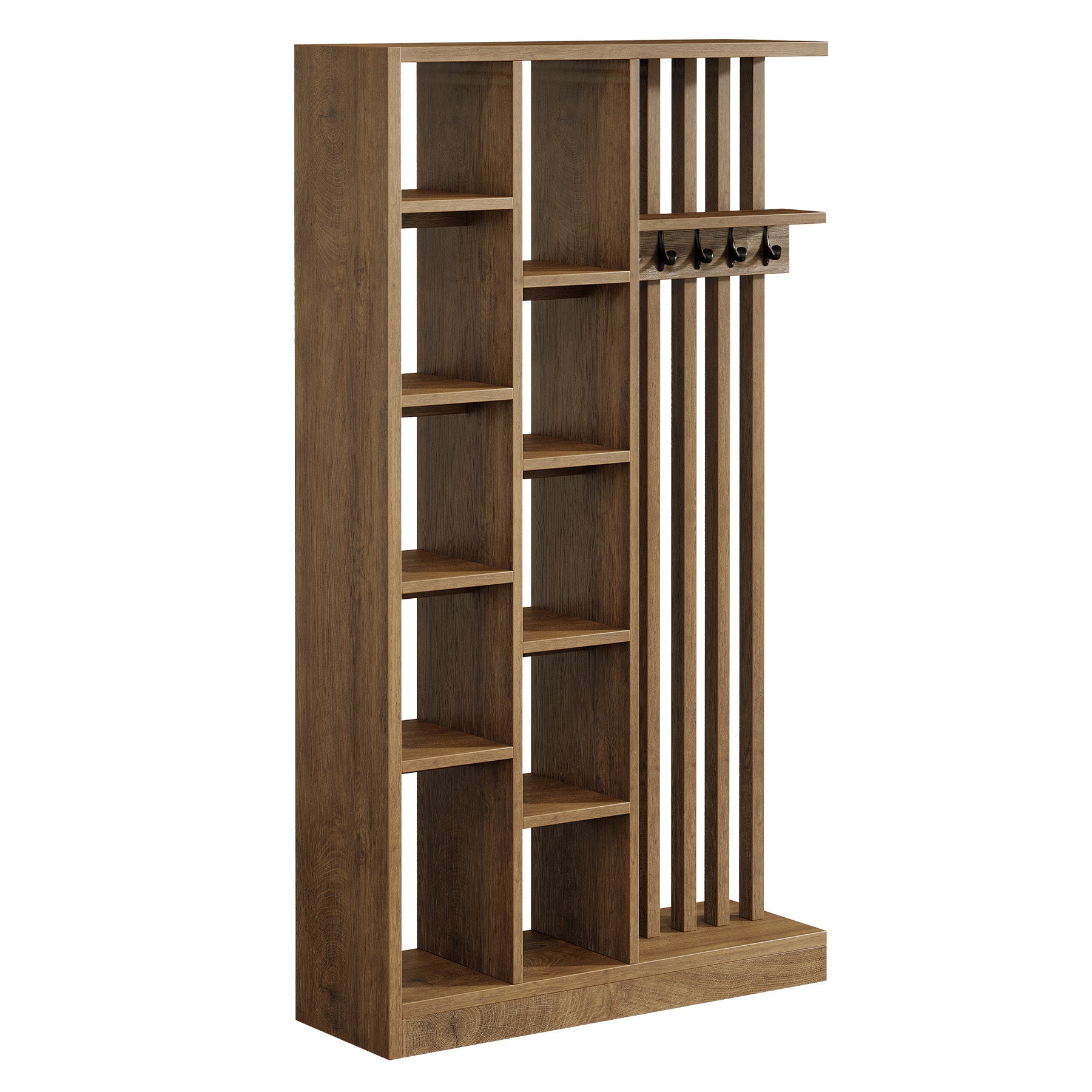
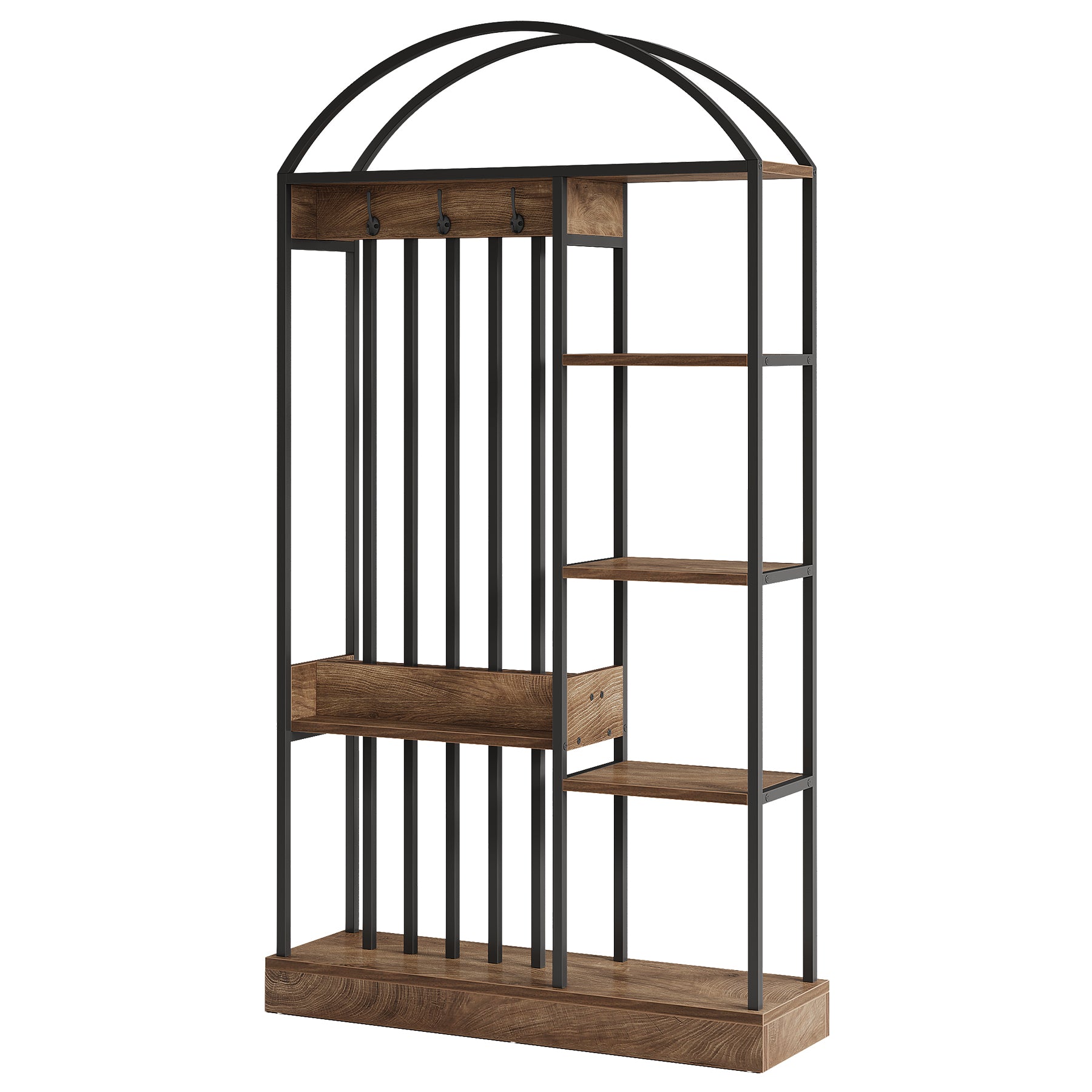
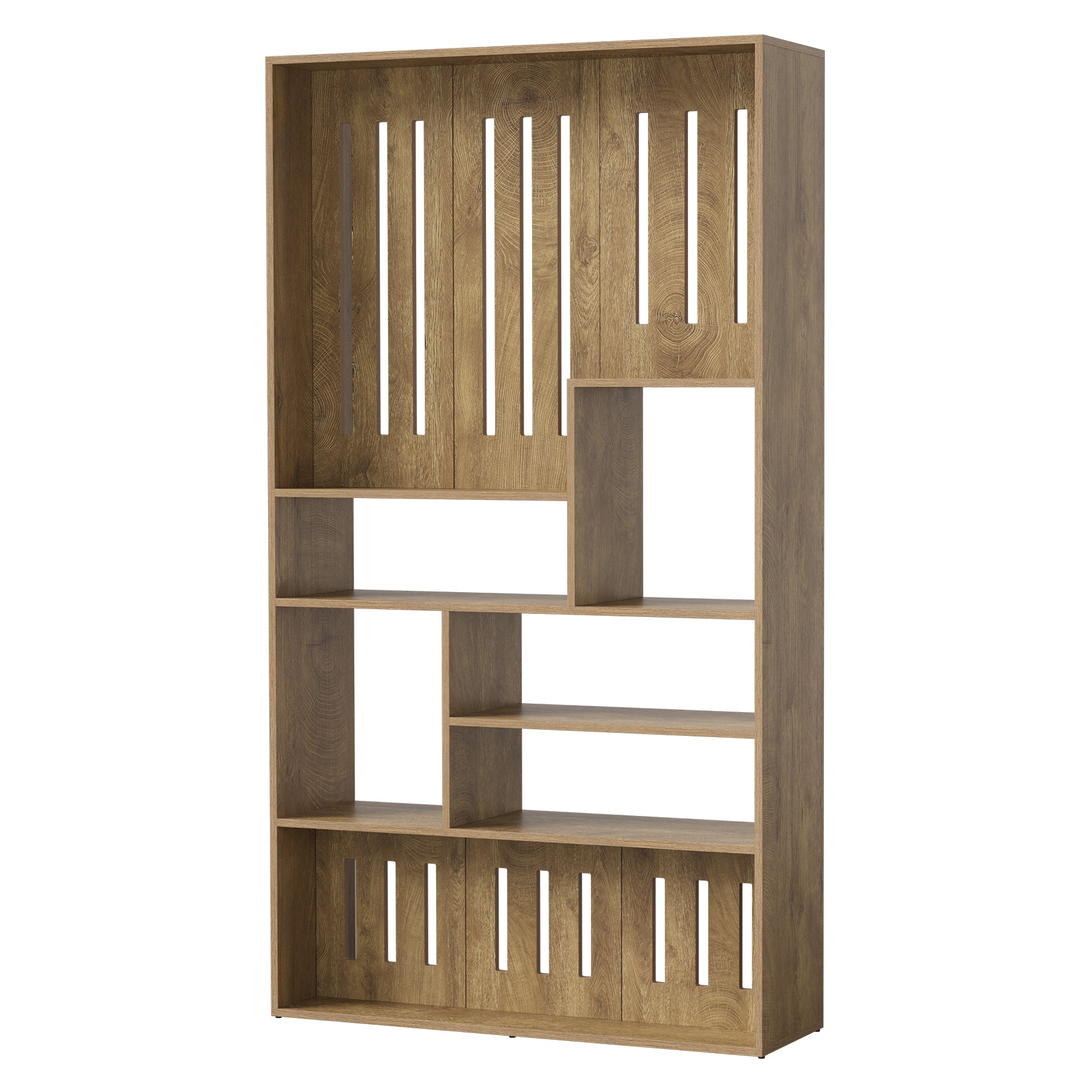
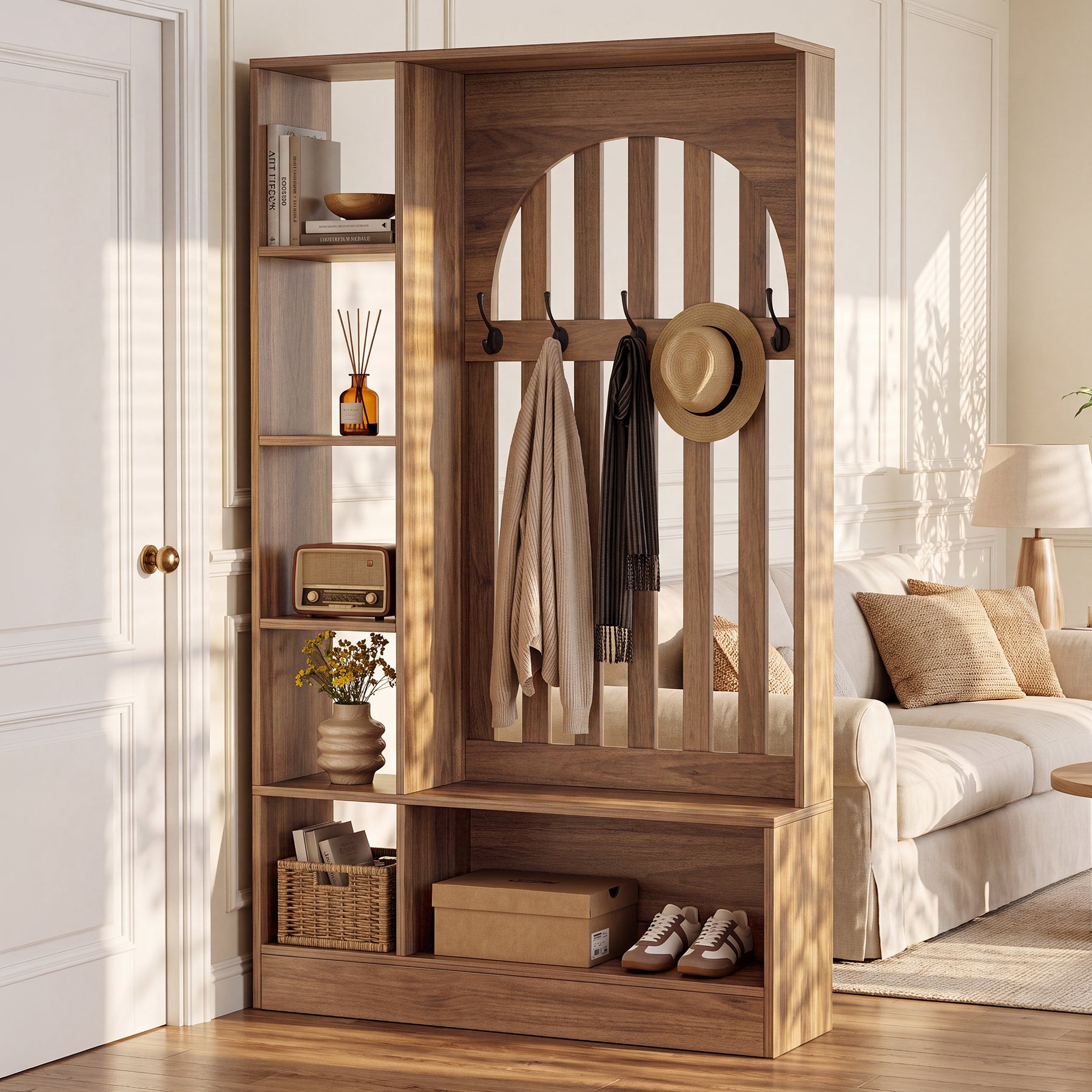
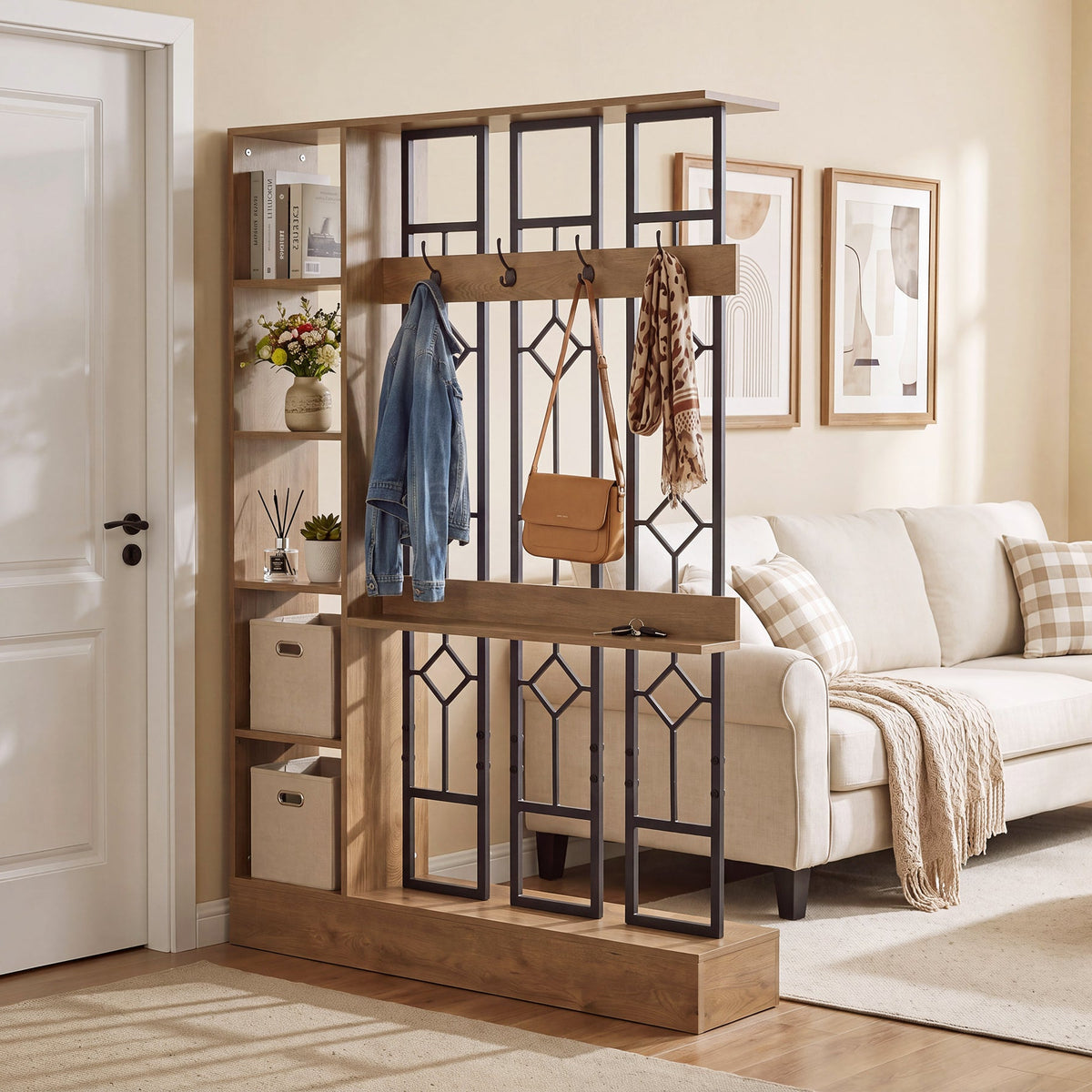
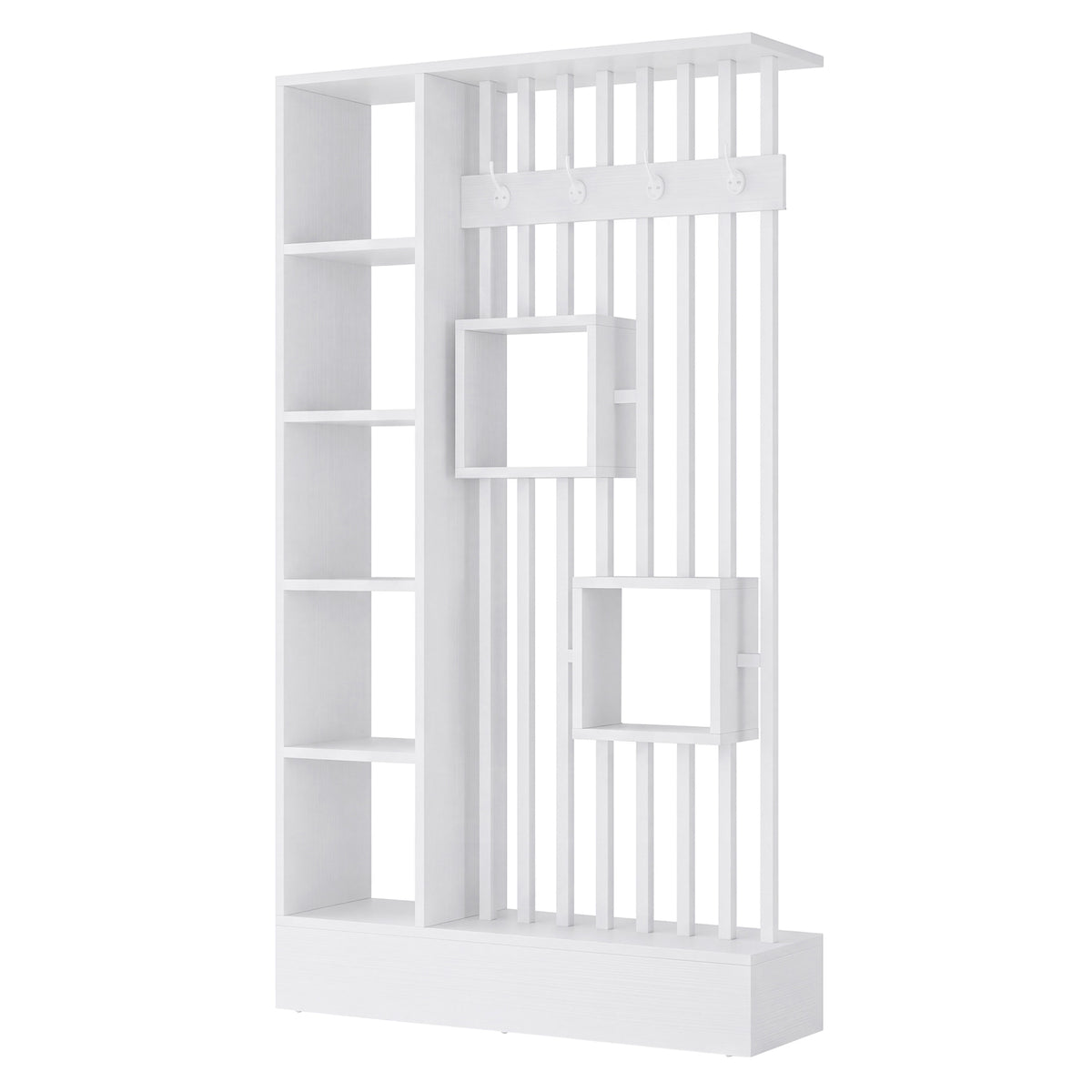
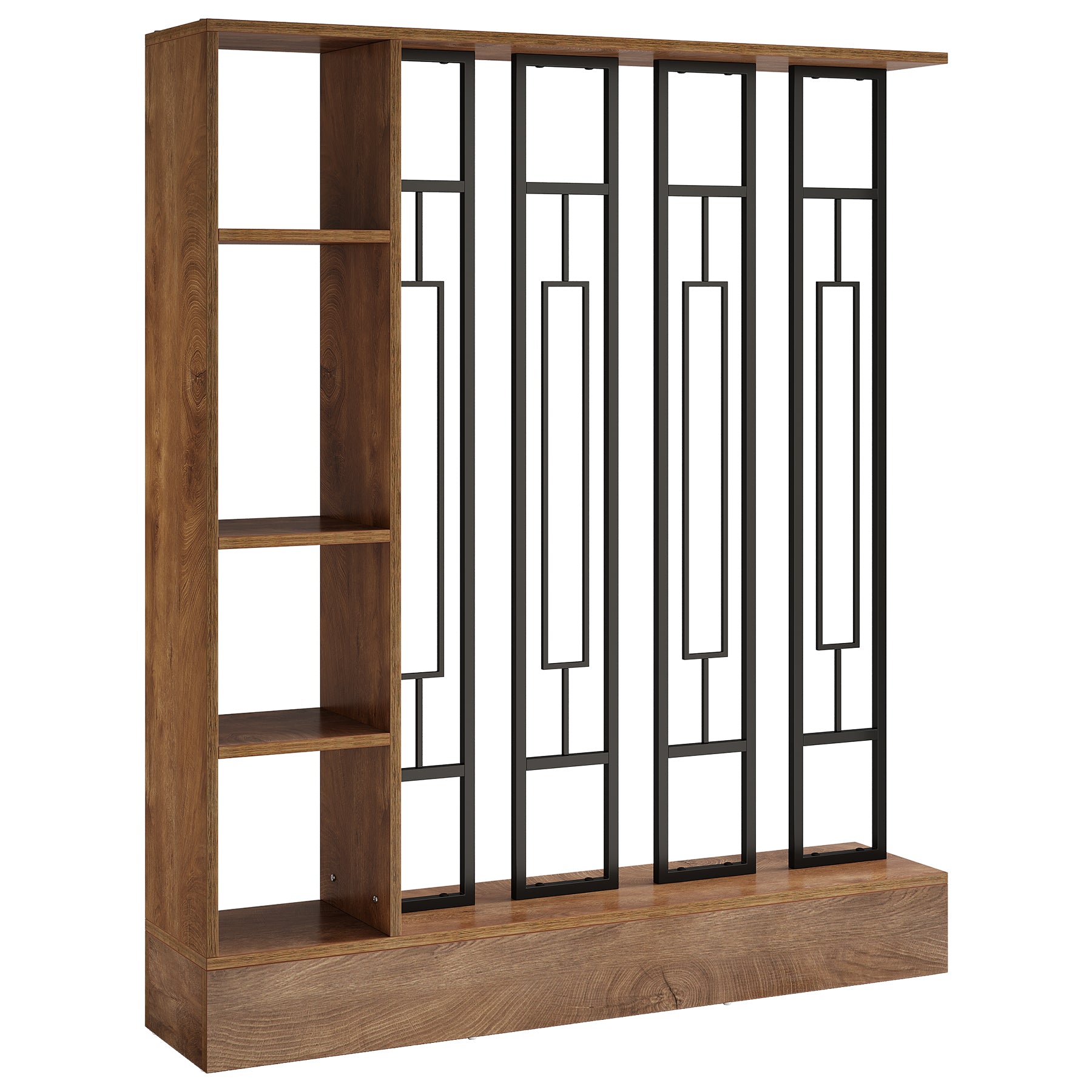
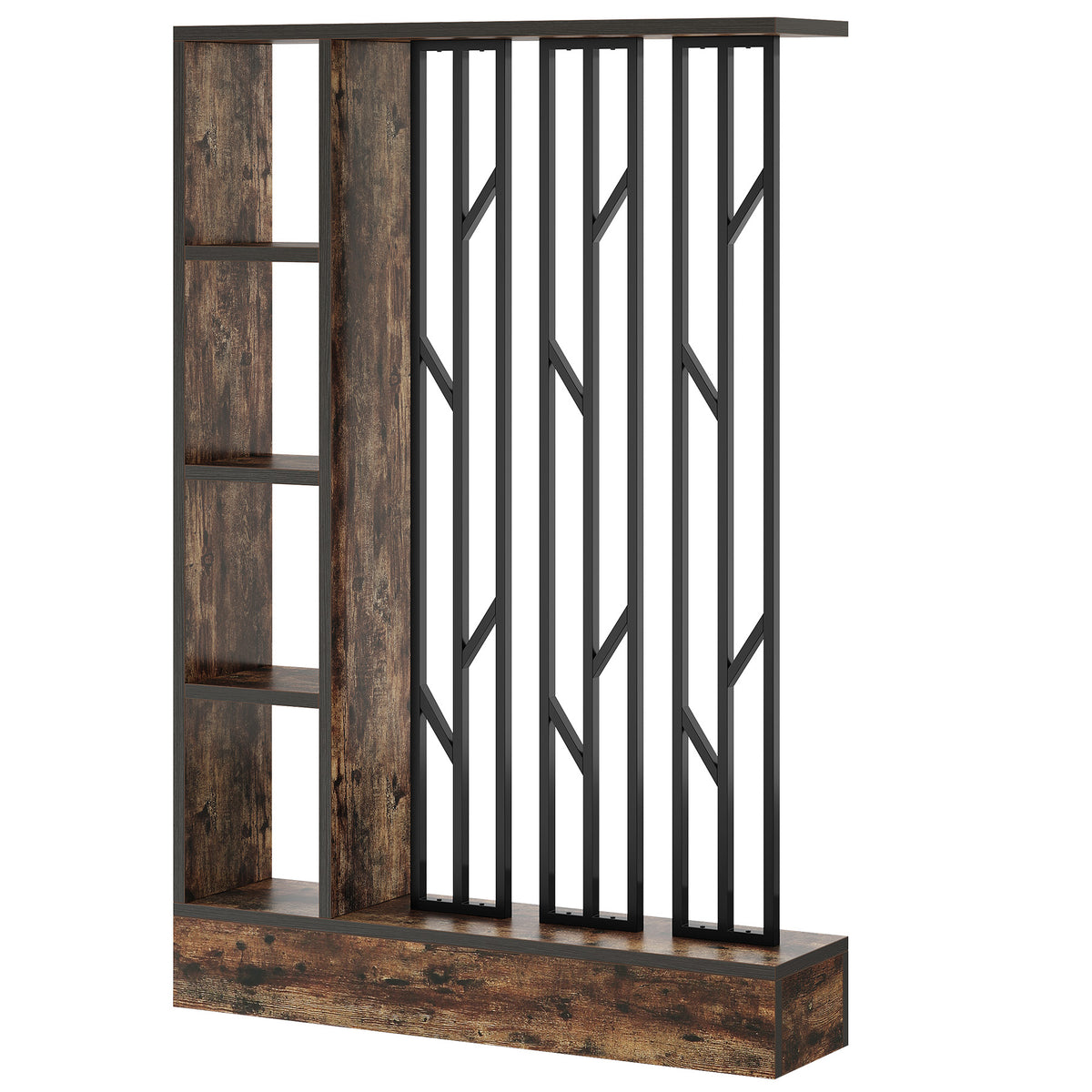
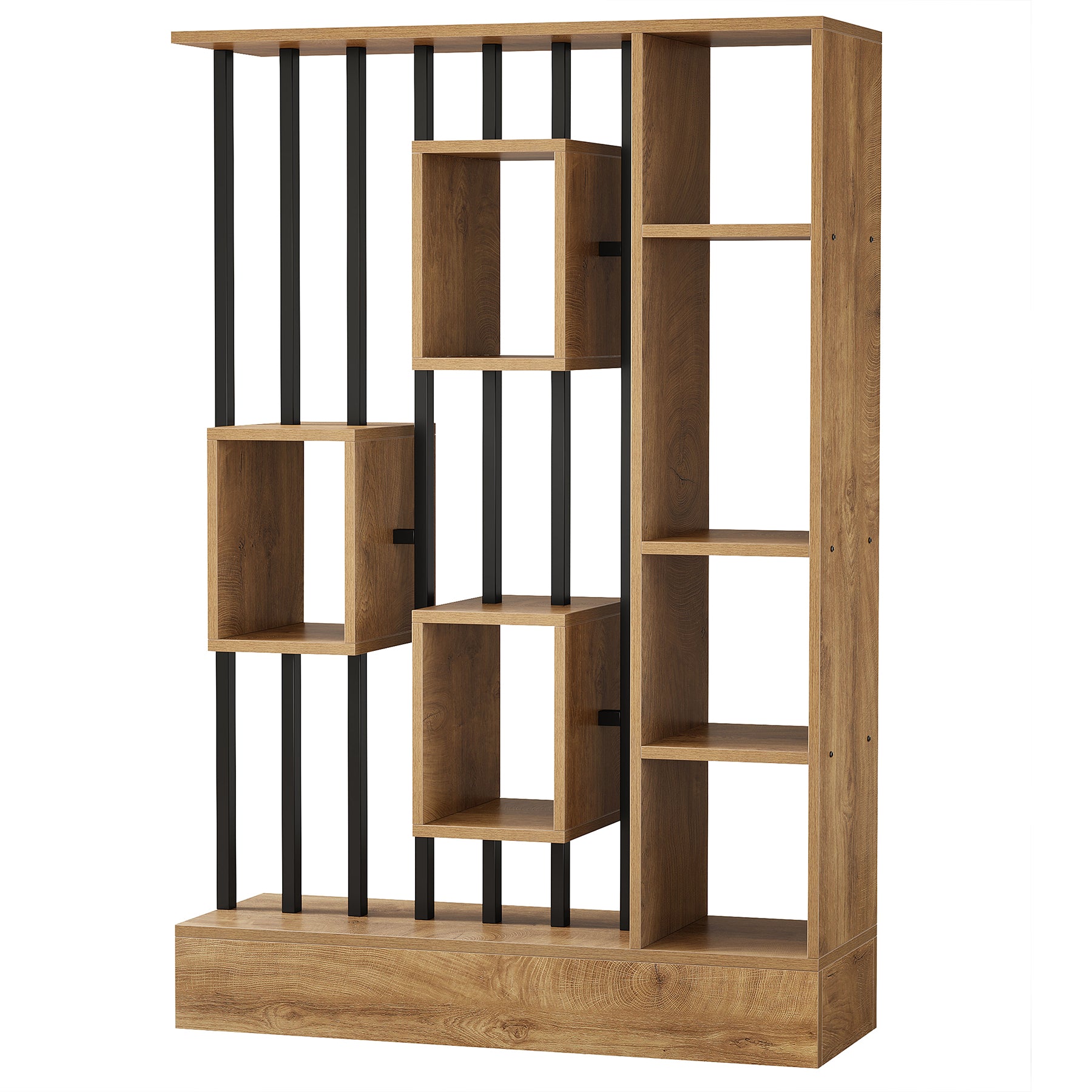
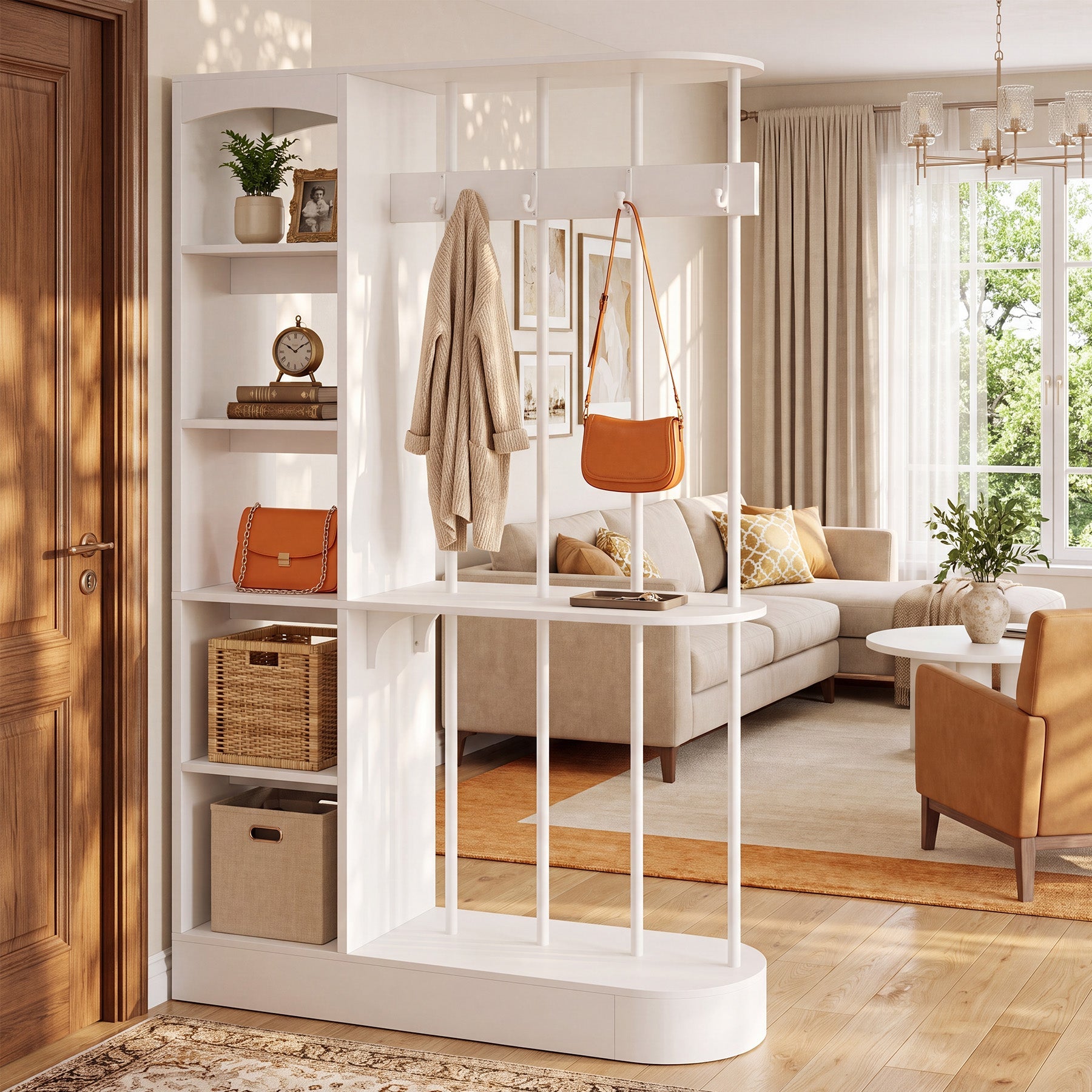
Traditional room dividers are often designed mainly to create separation or privacy, while bookshelf room dividers combine space division with storage and display.
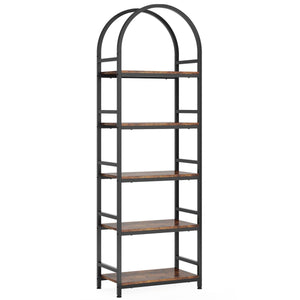
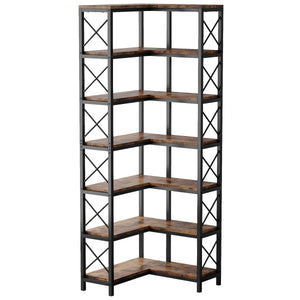
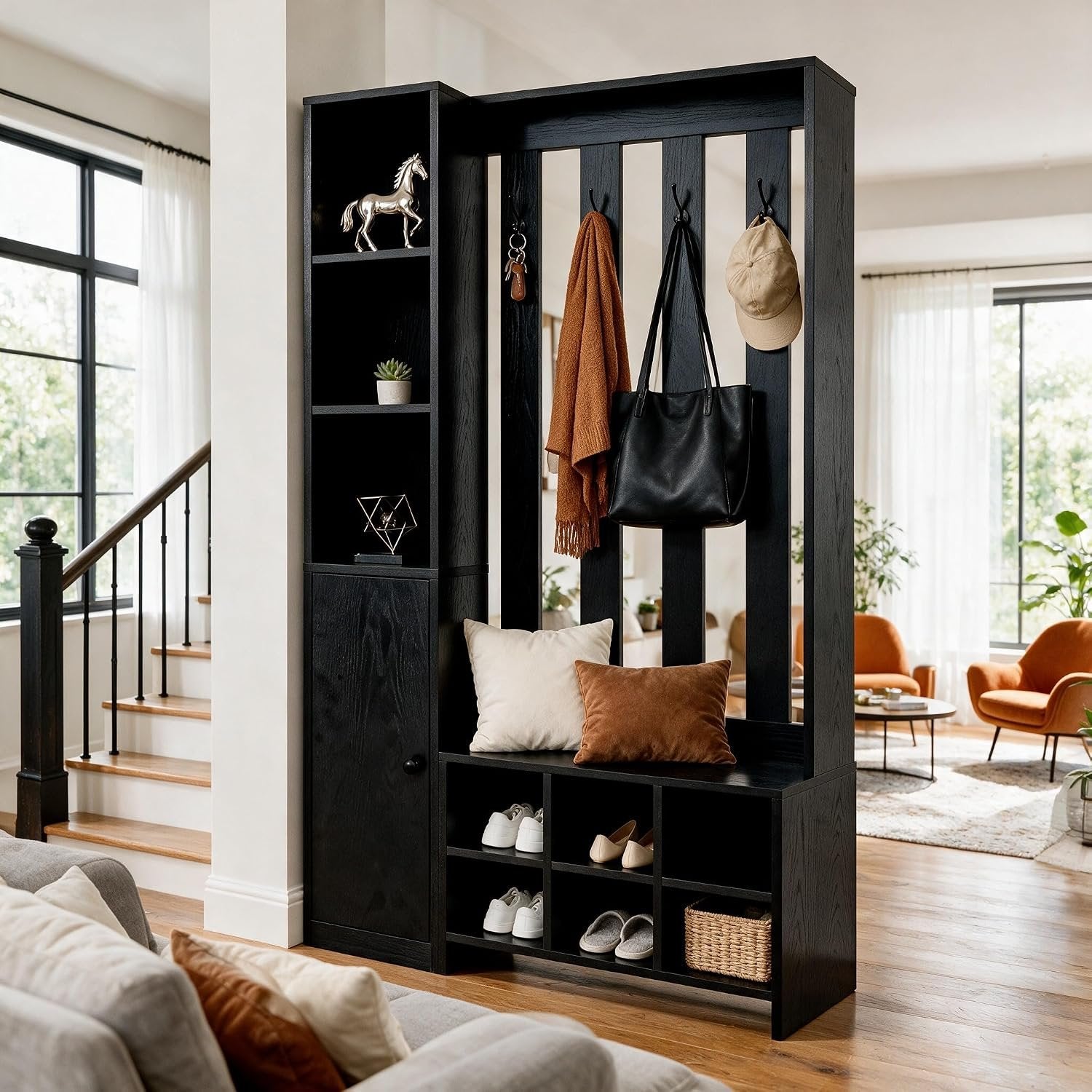
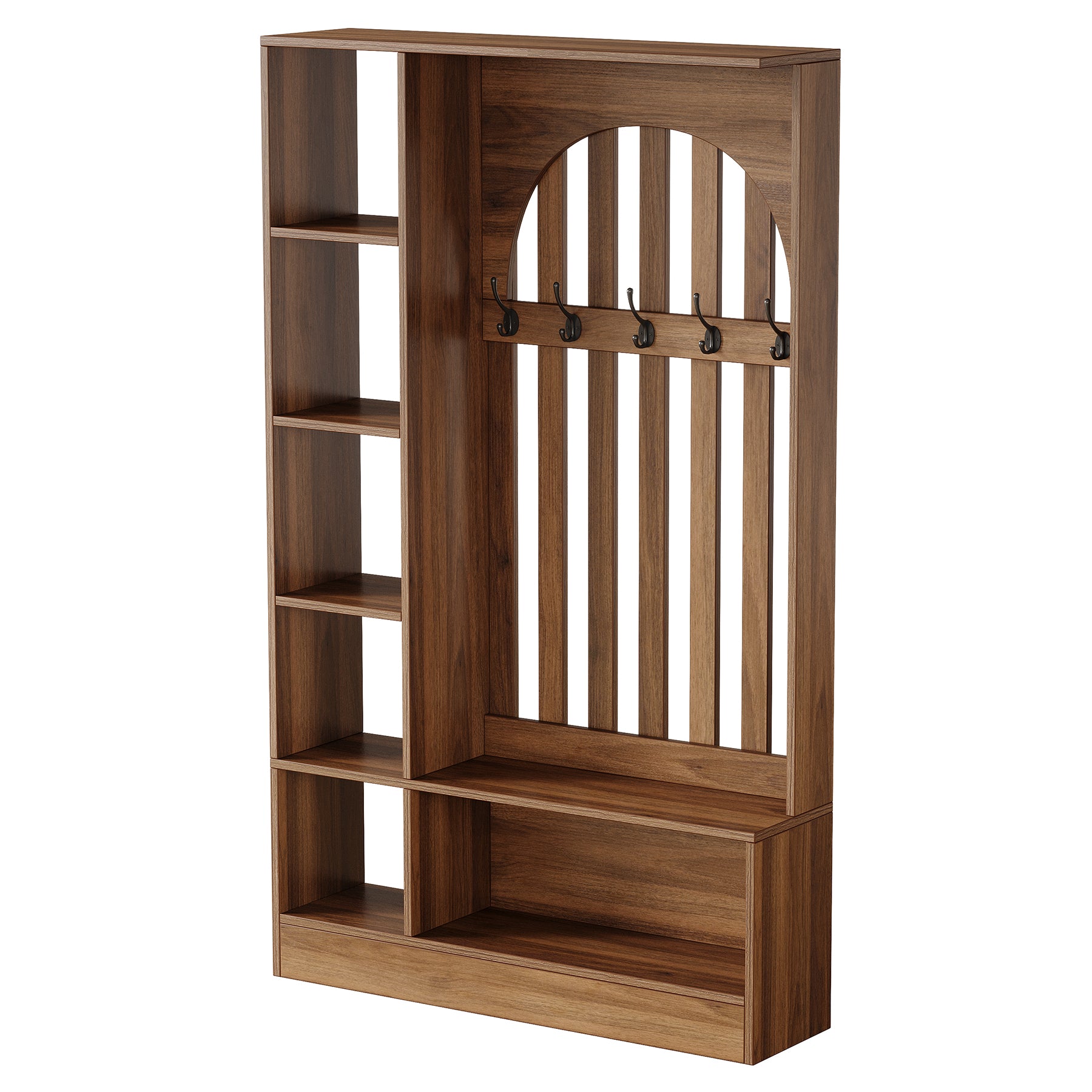
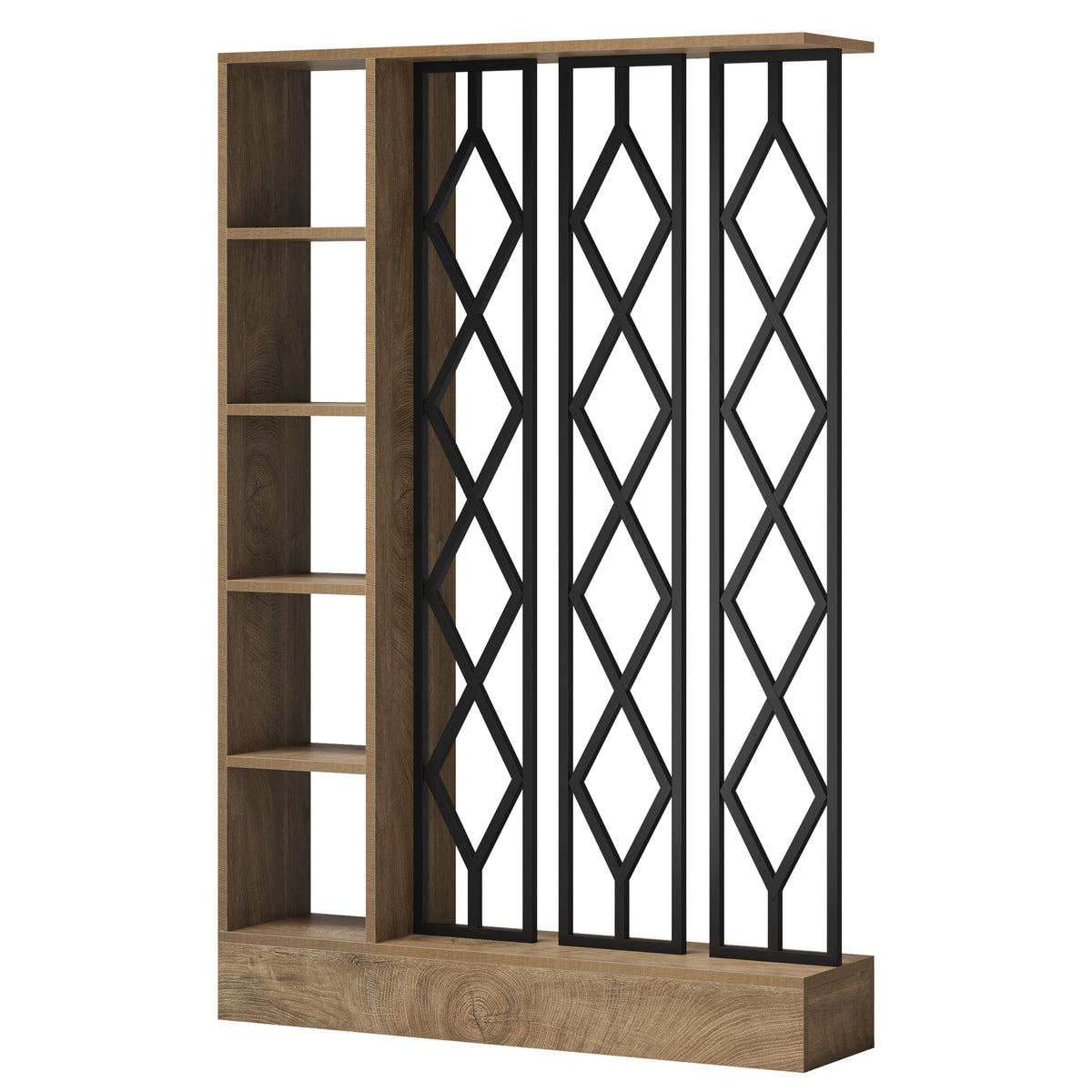
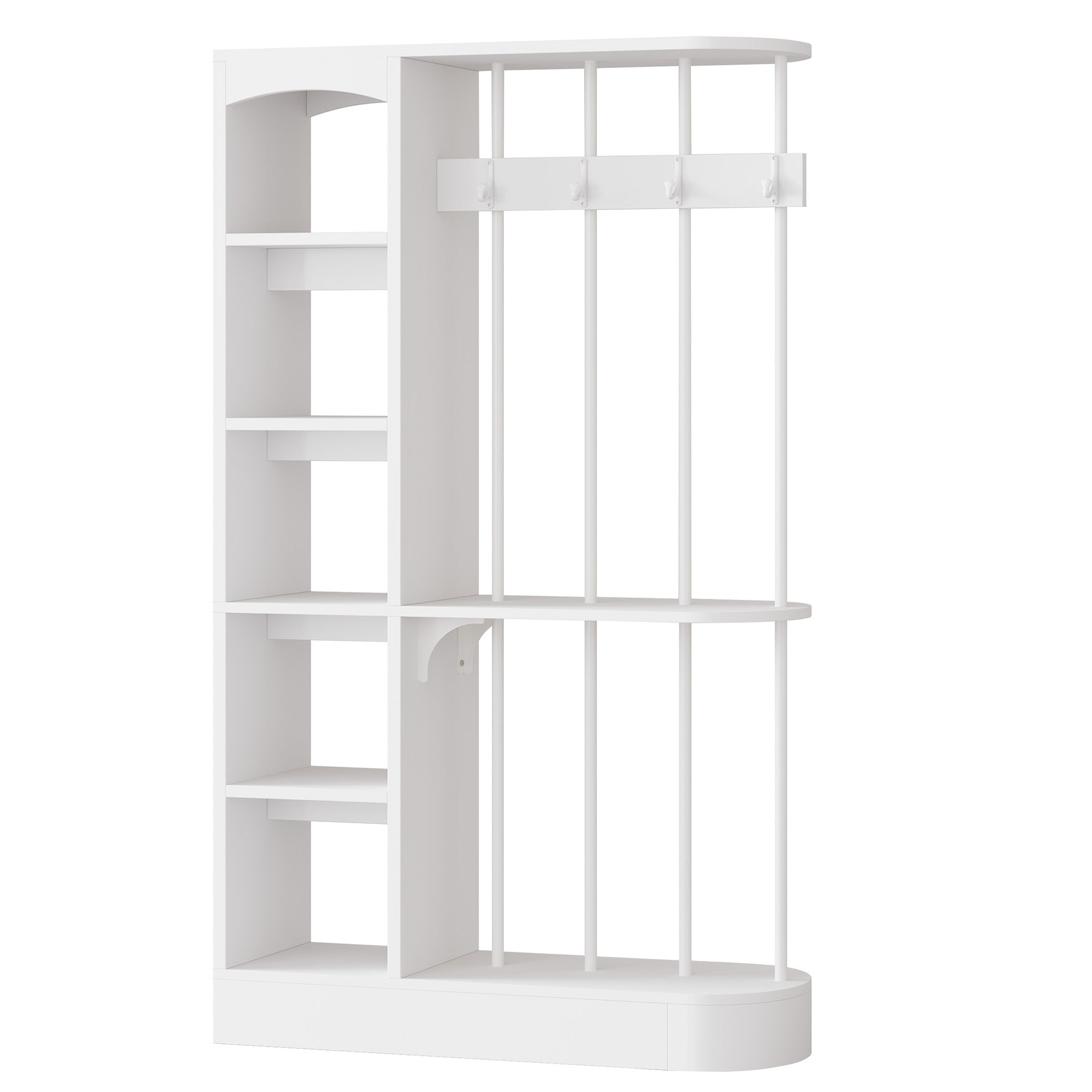
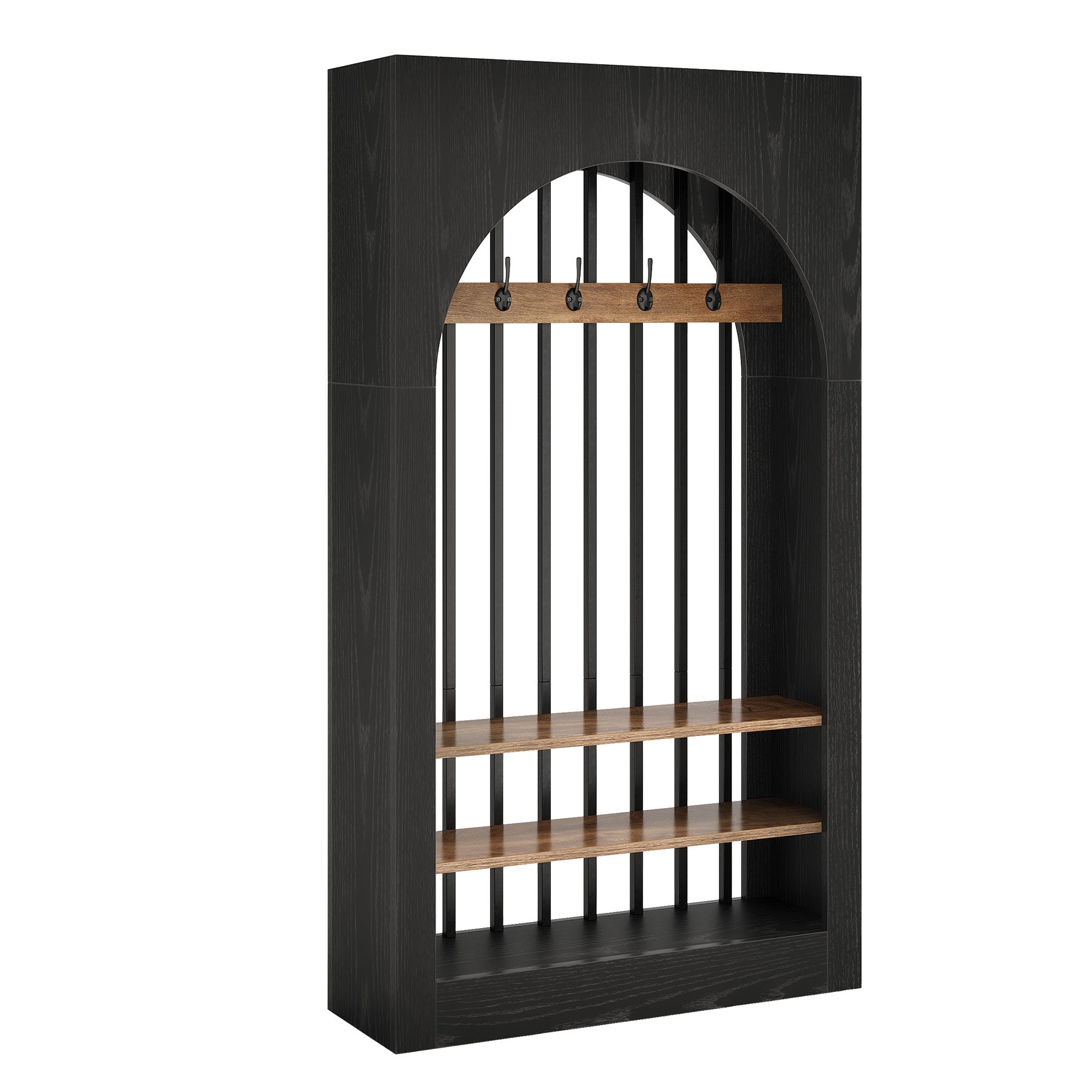
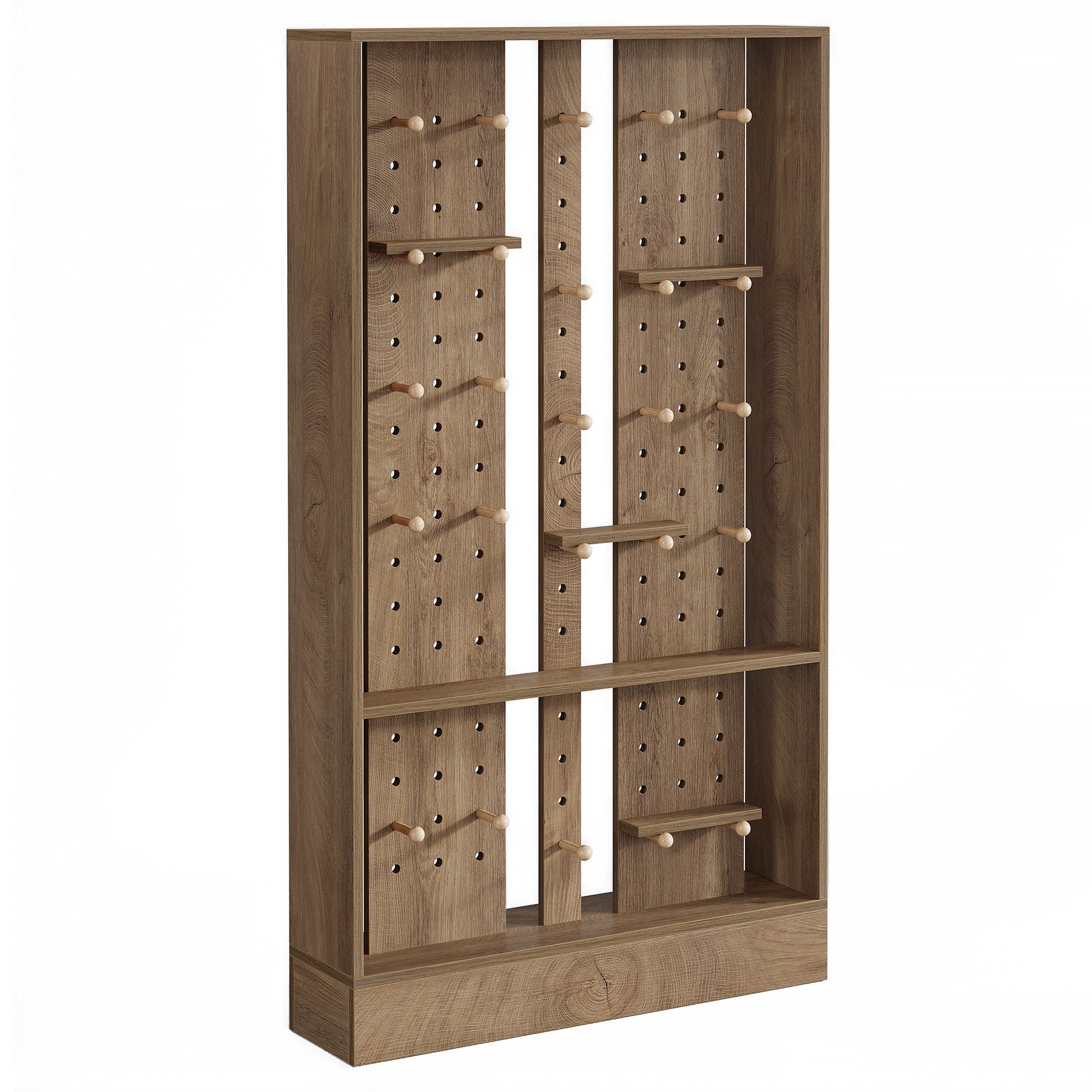
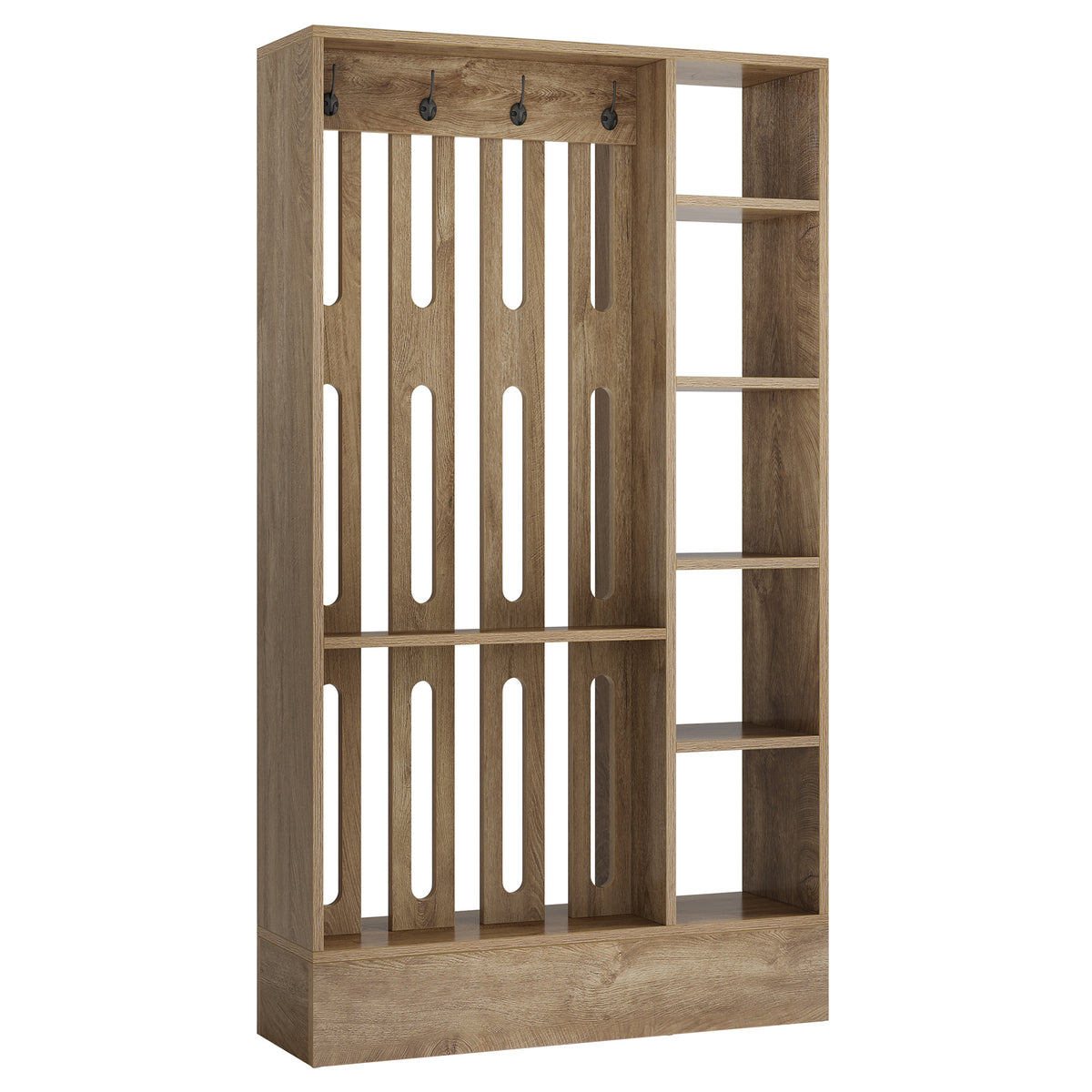
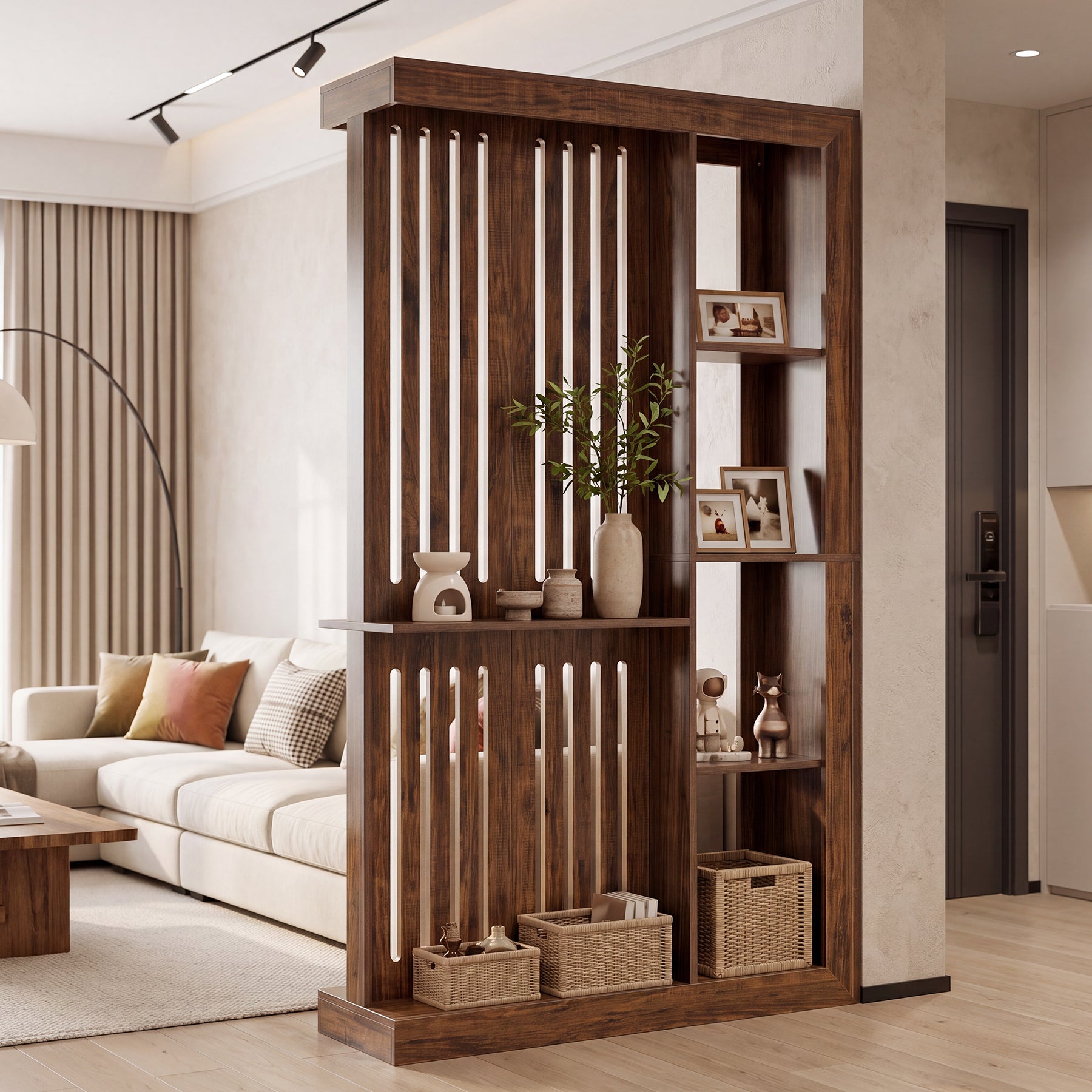
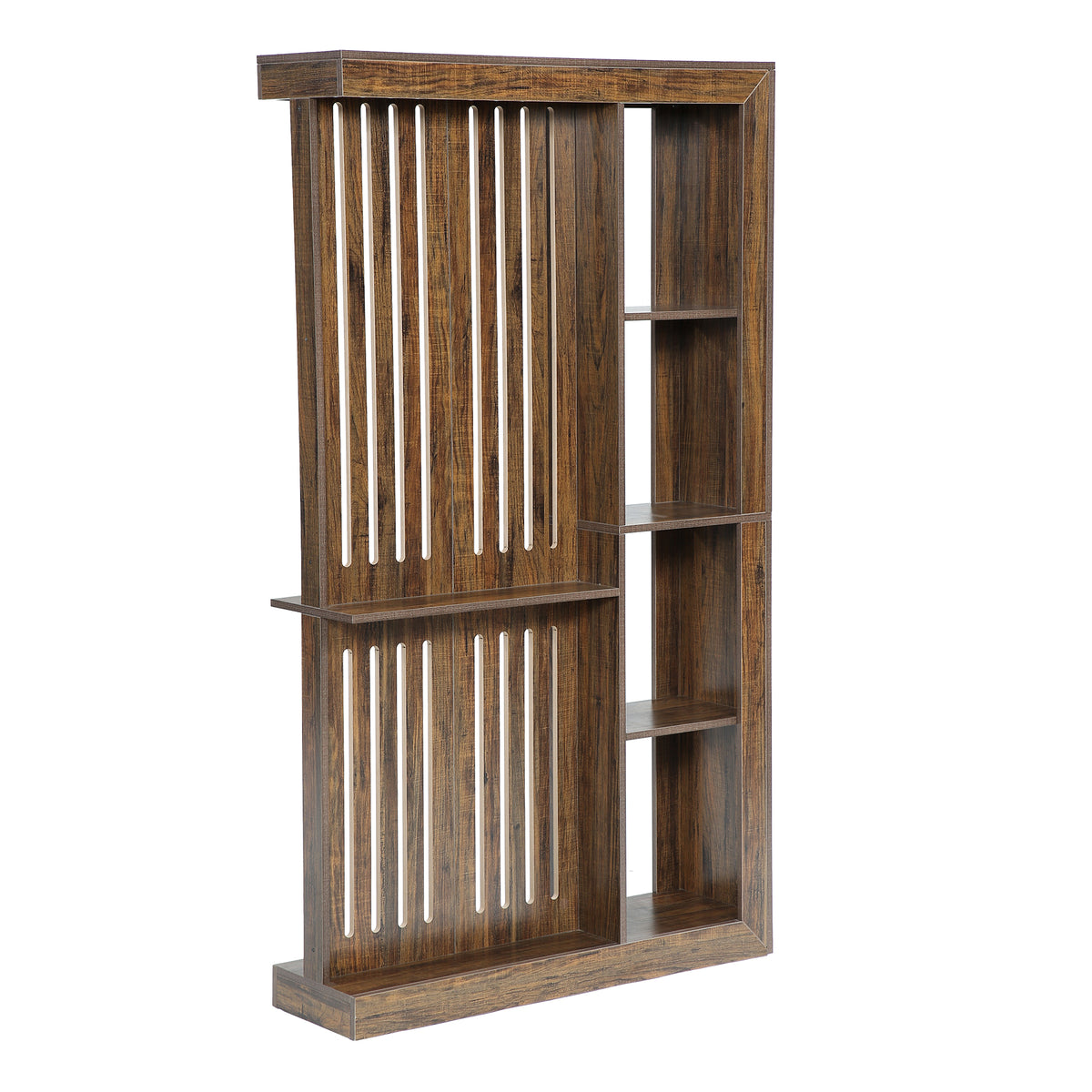
A bookshelf-style divider helps define different areas of a room while giving you extra space for books, plants, photos, and decor.
This makes it especially useful for open floor plans, apartments, and multifunctional rooms where every piece of furniture needs to serve more than one purpose.
Yes. In smaller homes, a room divider can help create dedicated areas without making the space feel closed in.
For example, a studio apartment can use a divider to separate a sleeping area from a living space, or a small room can gain a more defined workspace without adding bulky furniture.
For compact spaces, multifunctional designs are especially practical. A room divider with storage provides both visual separation and extra storage while making better use of every square foot.
Room dividers work well in many areas of the home, including:
- living rooms
- bedrooms
- studio apartments
- home offices
- shared spaces
The best placement depends on how you use the room. In a living room, a divider can create a more intentional seating area. In a bedroom, it can add a sense of privacy. In a home office, it can help separate work time from everyday living.
Open shelving designs are especially versatile because they define different zones while keeping your favorite books, plants, and decorative pieces within reach.
Room partition shelves can provide visual privacy and help create a stronger sense of separation, although the amount of privacy depends on the style you choose.
Solid panels offer more coverage, while open shelving dividers create a lighter, more connected look.
If you want your room to feel separated without losing natural openness, a bookshelf-style divider can be a great middle ground—adding structure while keeping the space bright and inviting.
A well-designed bookshelf room divider can provide a sturdy and functional way to separate spaces when properly assembled and installed.
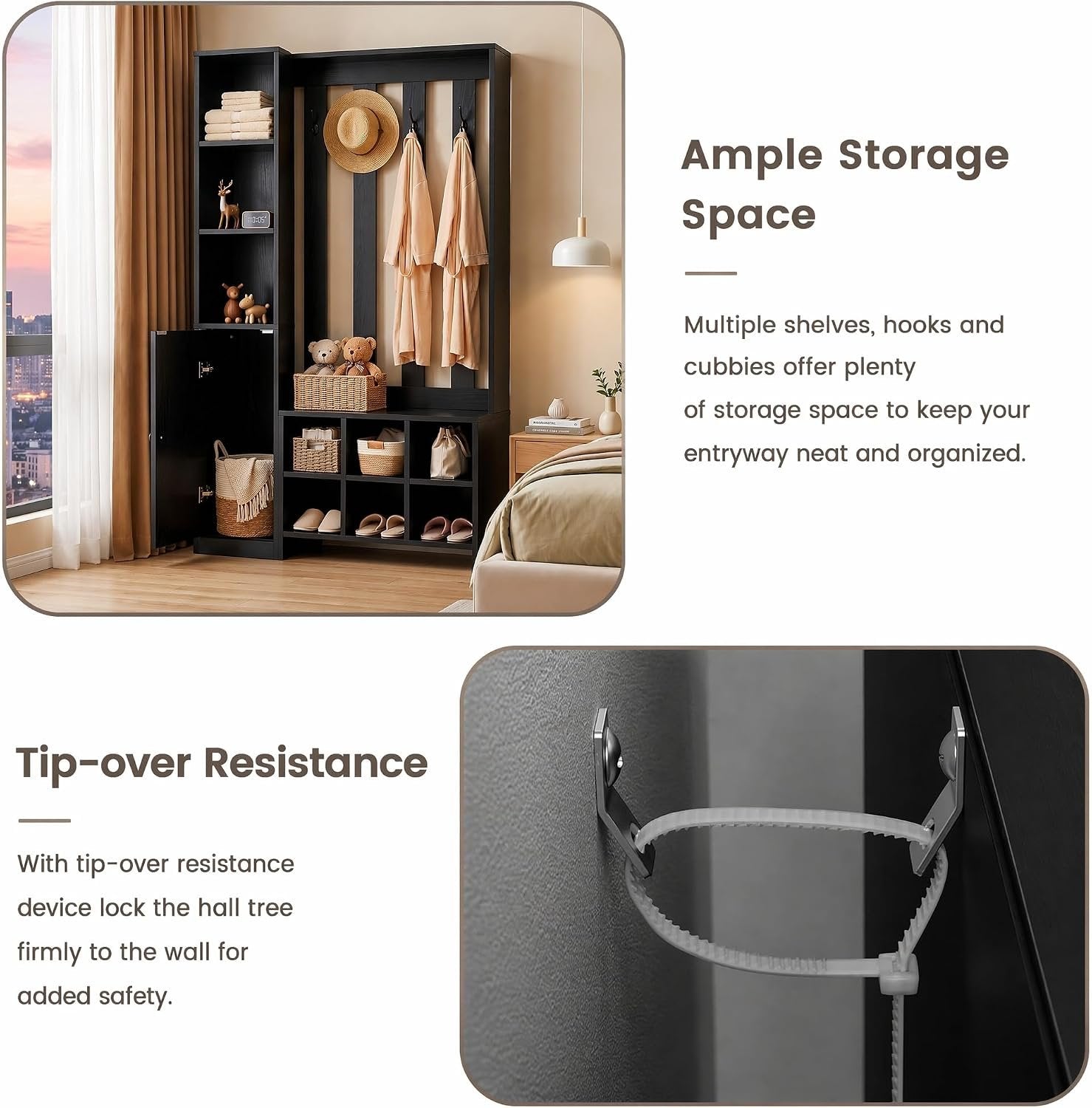
For taller furniture pieces, stability is not only about the design—it also depends on correct assembly and proper placement. Tribesigns room dividers include anti-tip hardware to provide additional support and help create a safer setup for everyday use.
For the best performance, place the divider on a level surface and follow the included assembly instructions. This is especially important in homes with children or pets.
Before choosing a room divider, think about how you want the space to work—not just how you want it to look.
Consider:
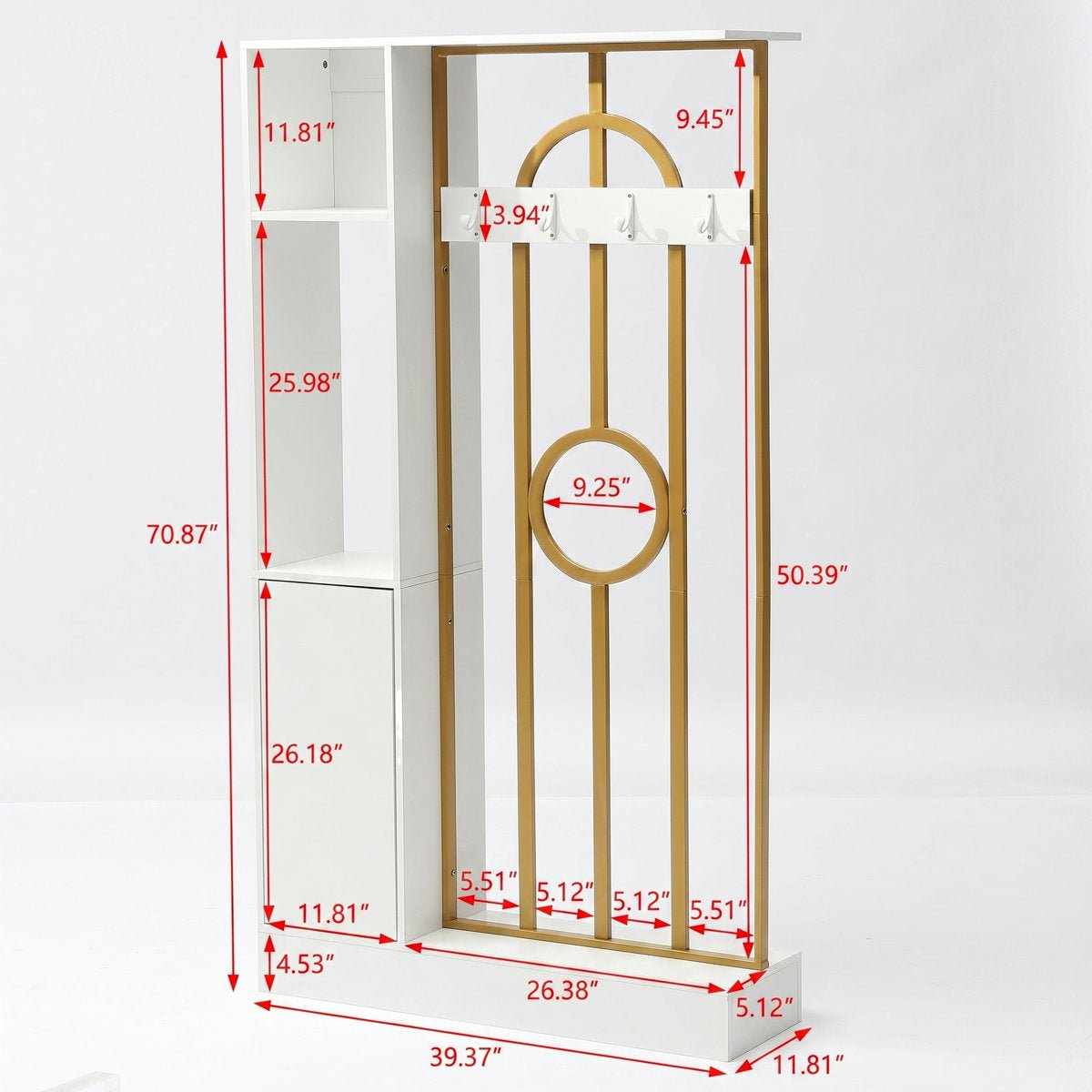
- the size and layout of your room
- how much separation you need
- whether you want storage or display space
- whether your layout may change in the future
For many homes, a multifunctional room divider with shelving offers the best balance of style and practicality. It helps define open spaces, keeps everyday items organized, and adds a decorative element that feels like part of the room rather than a temporary solution.