




















































FAQ
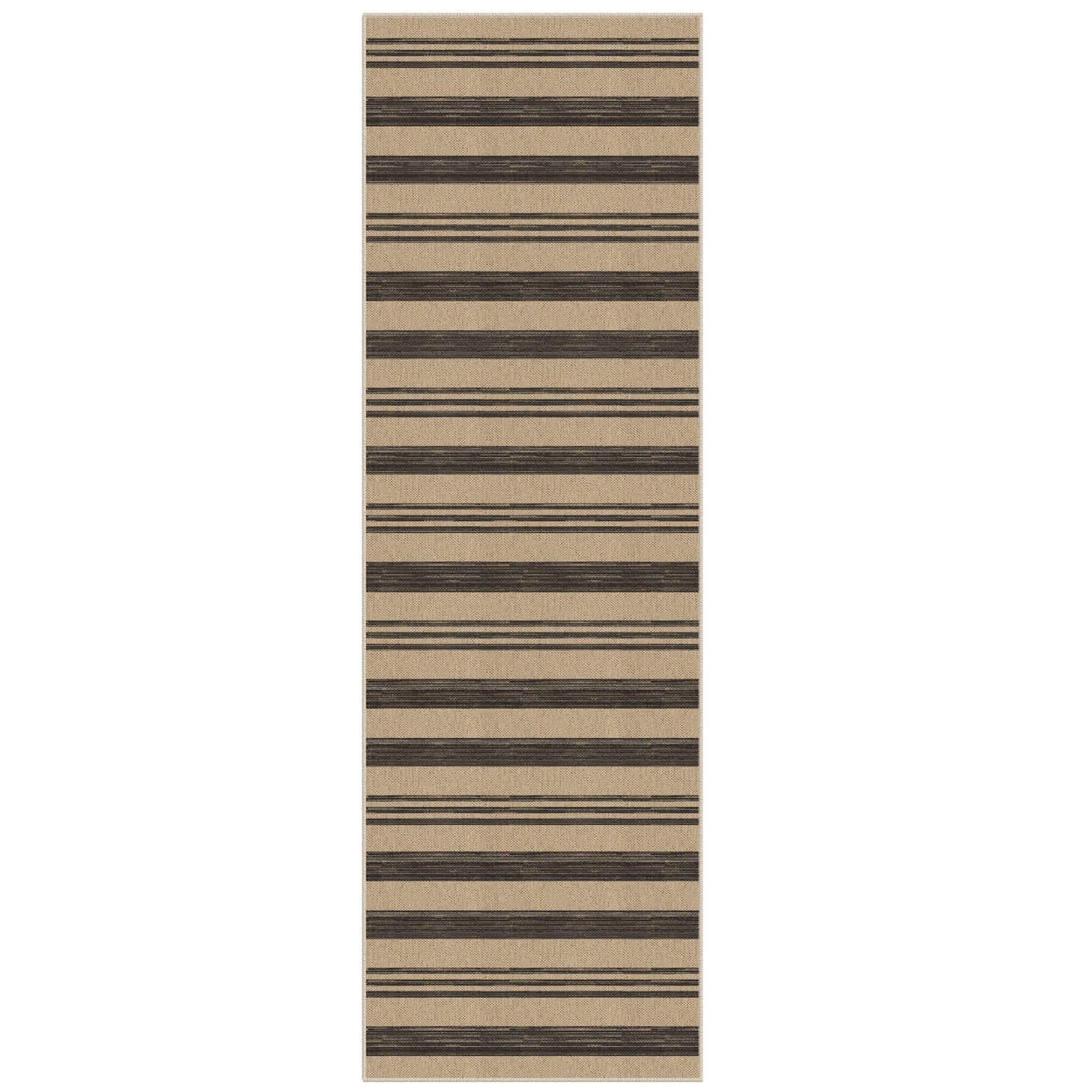
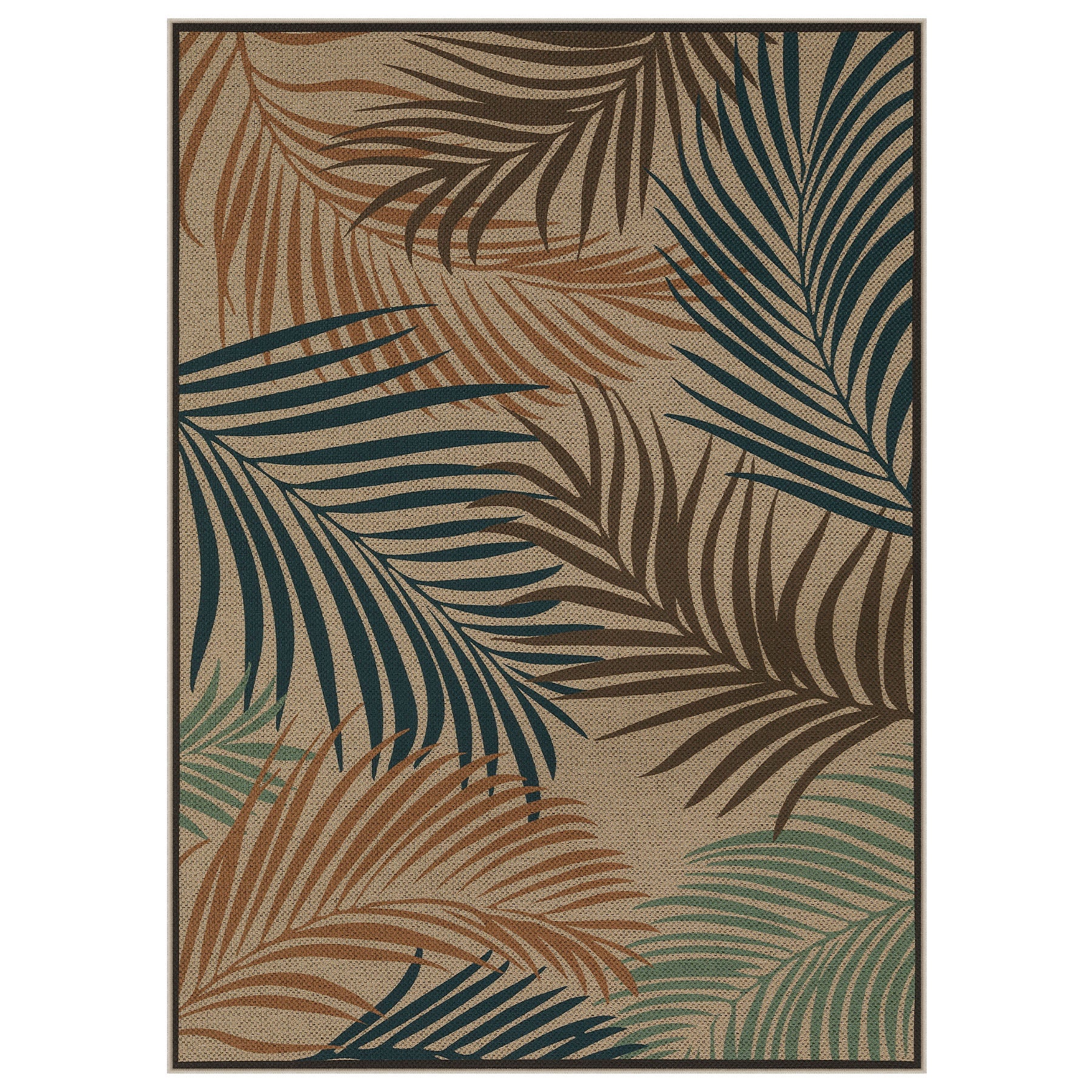
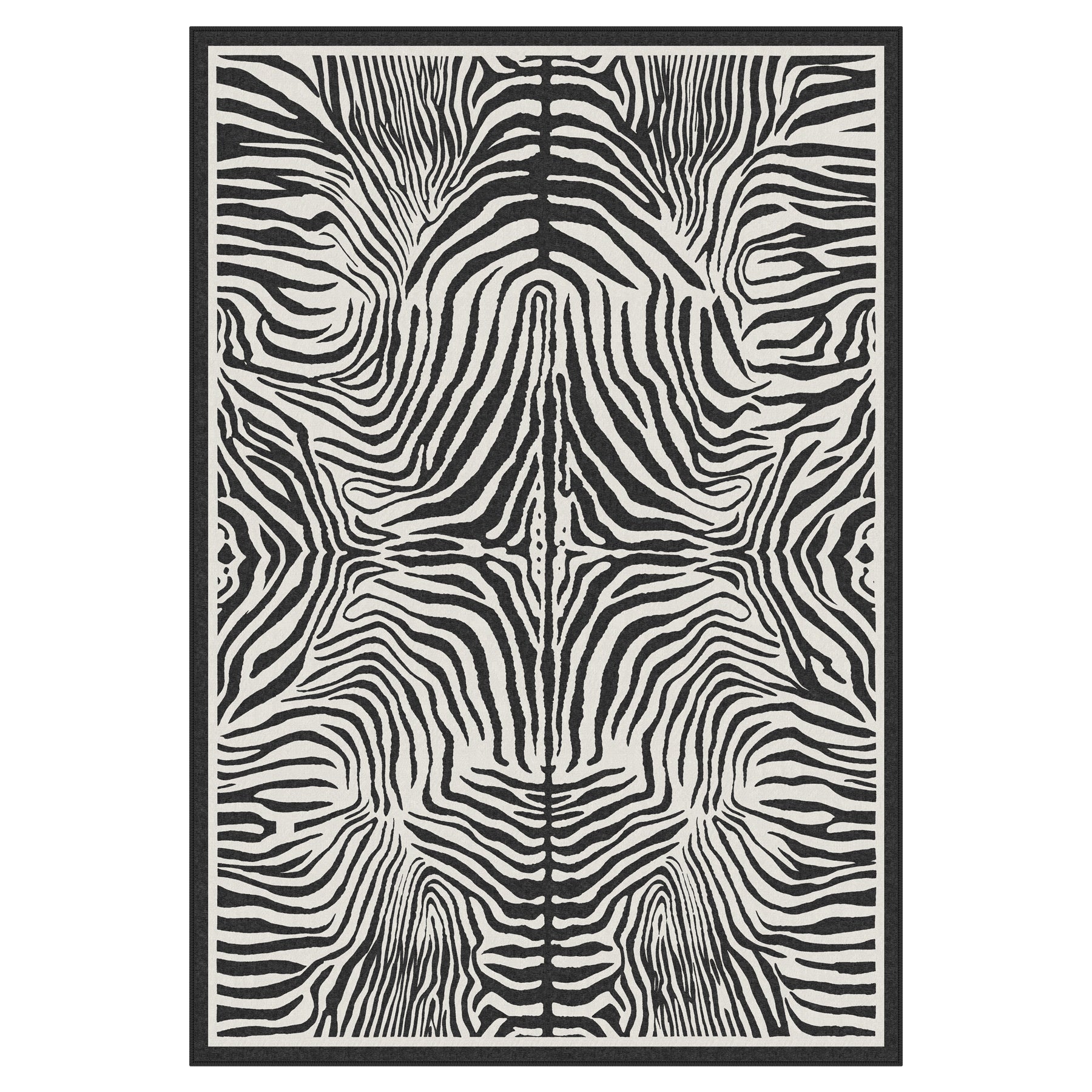
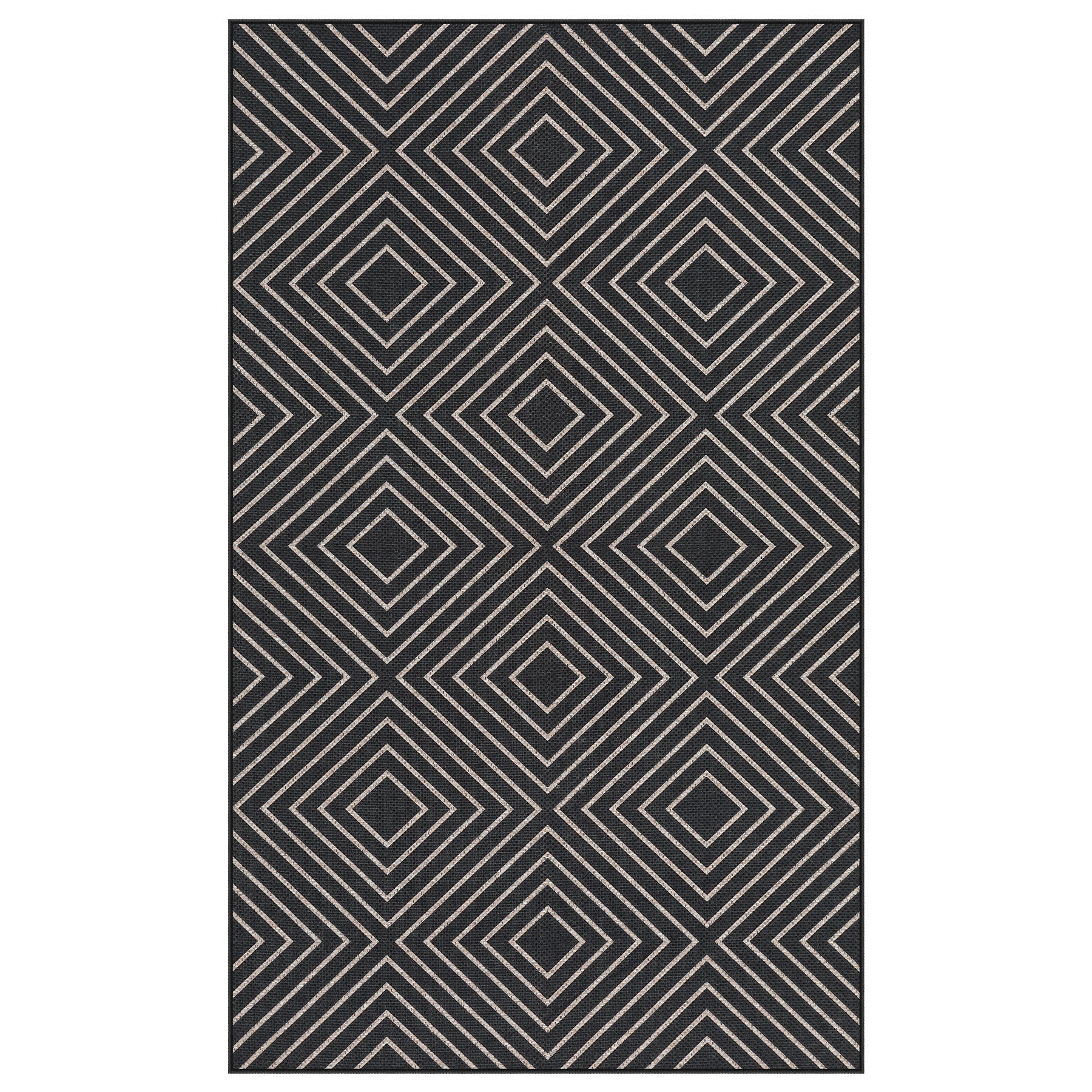
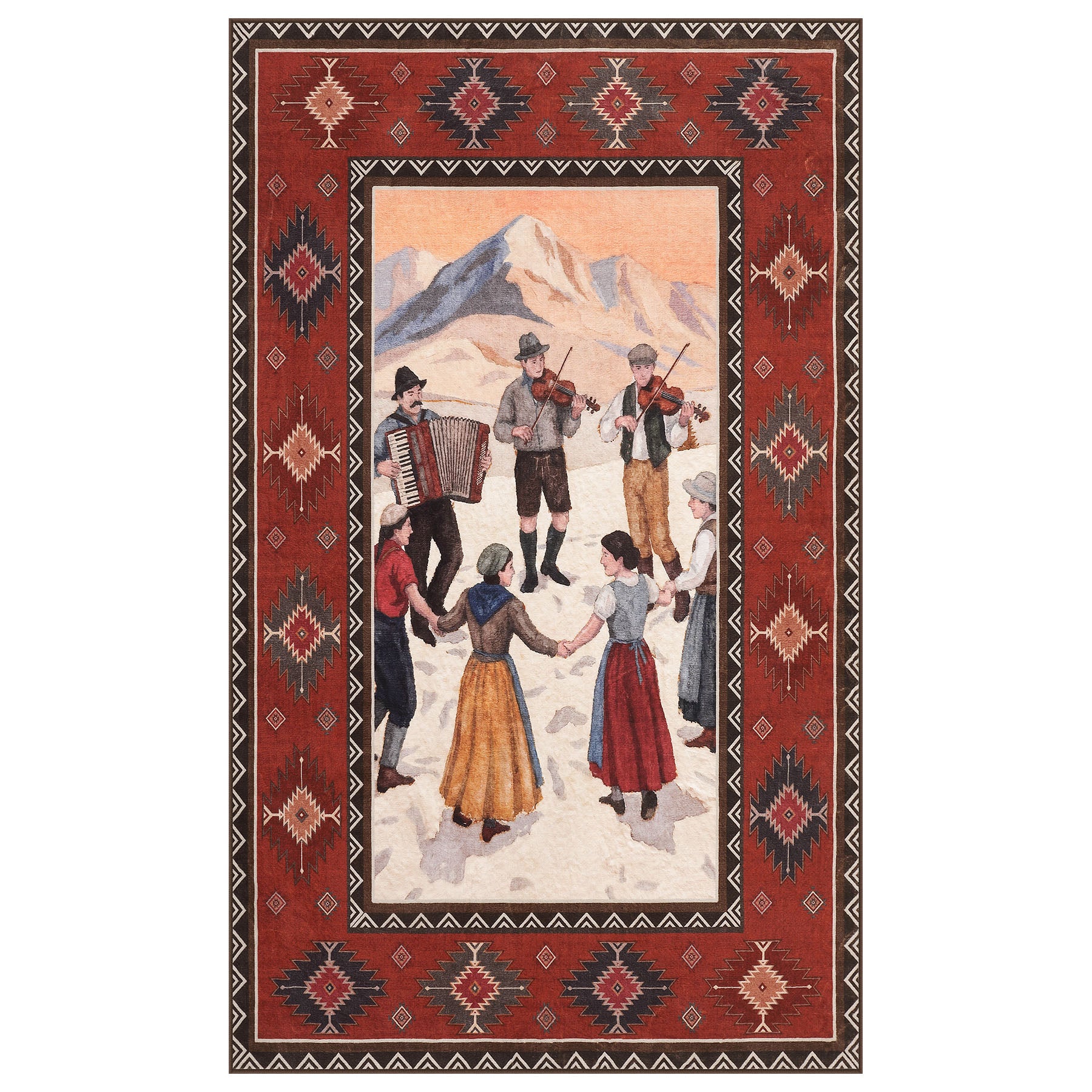
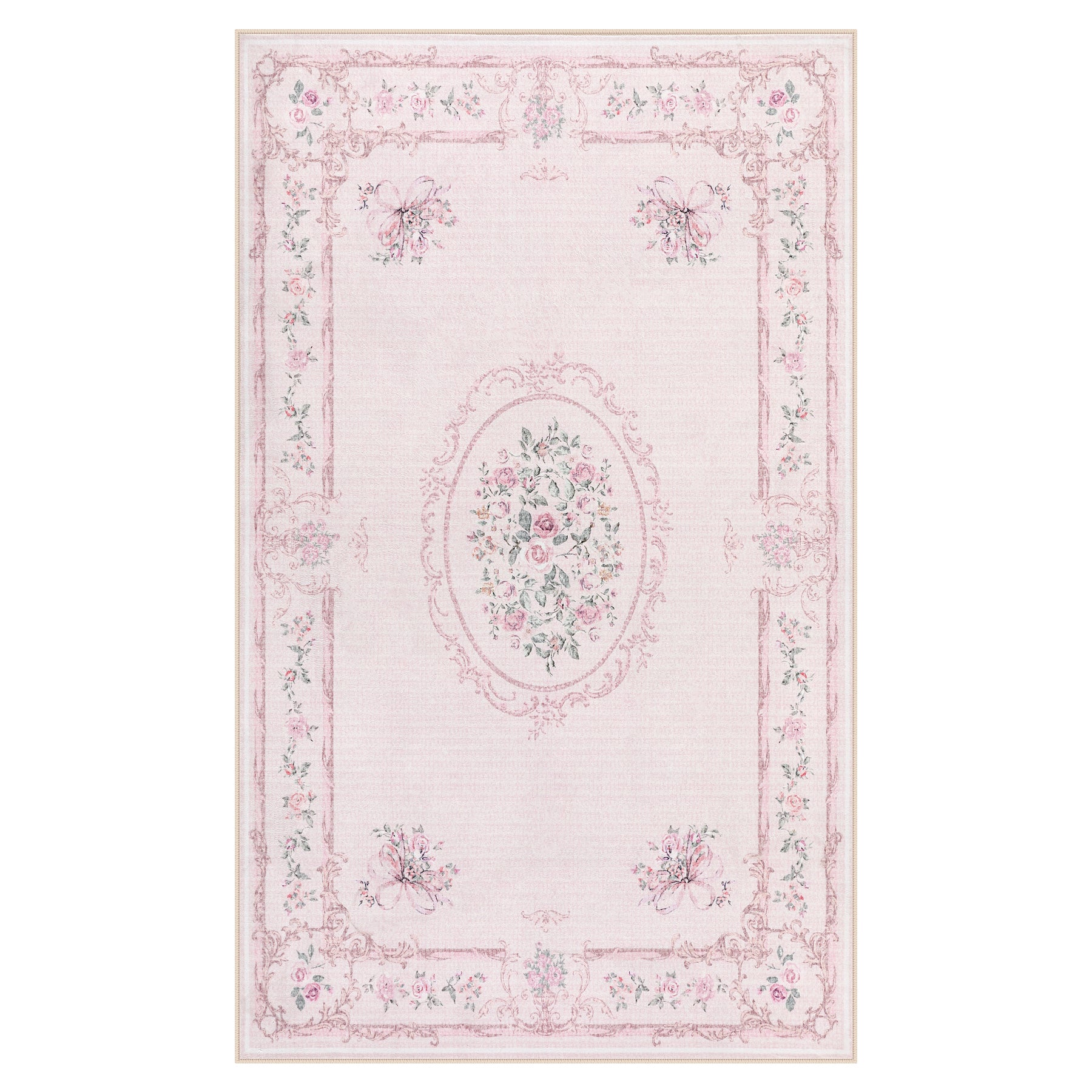
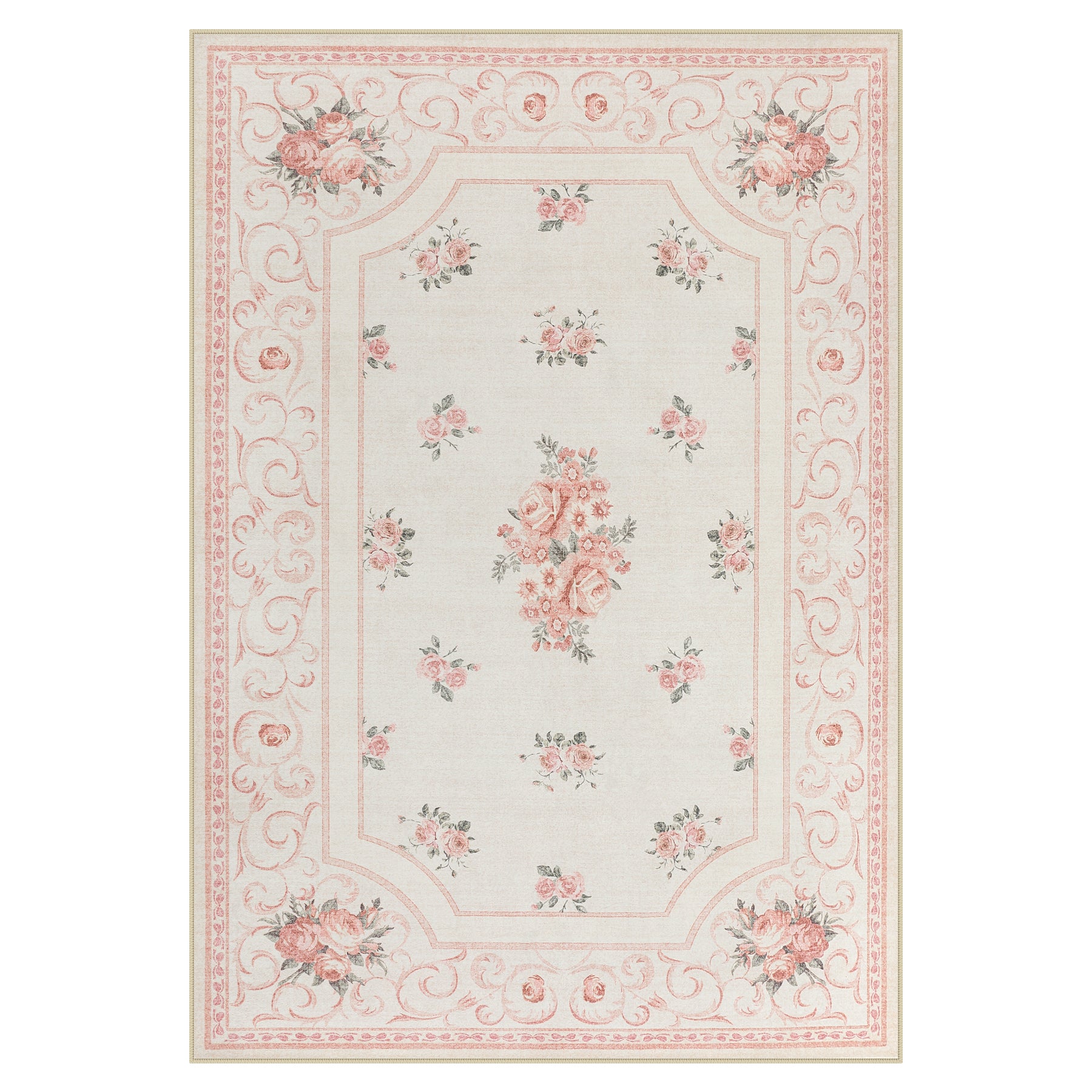
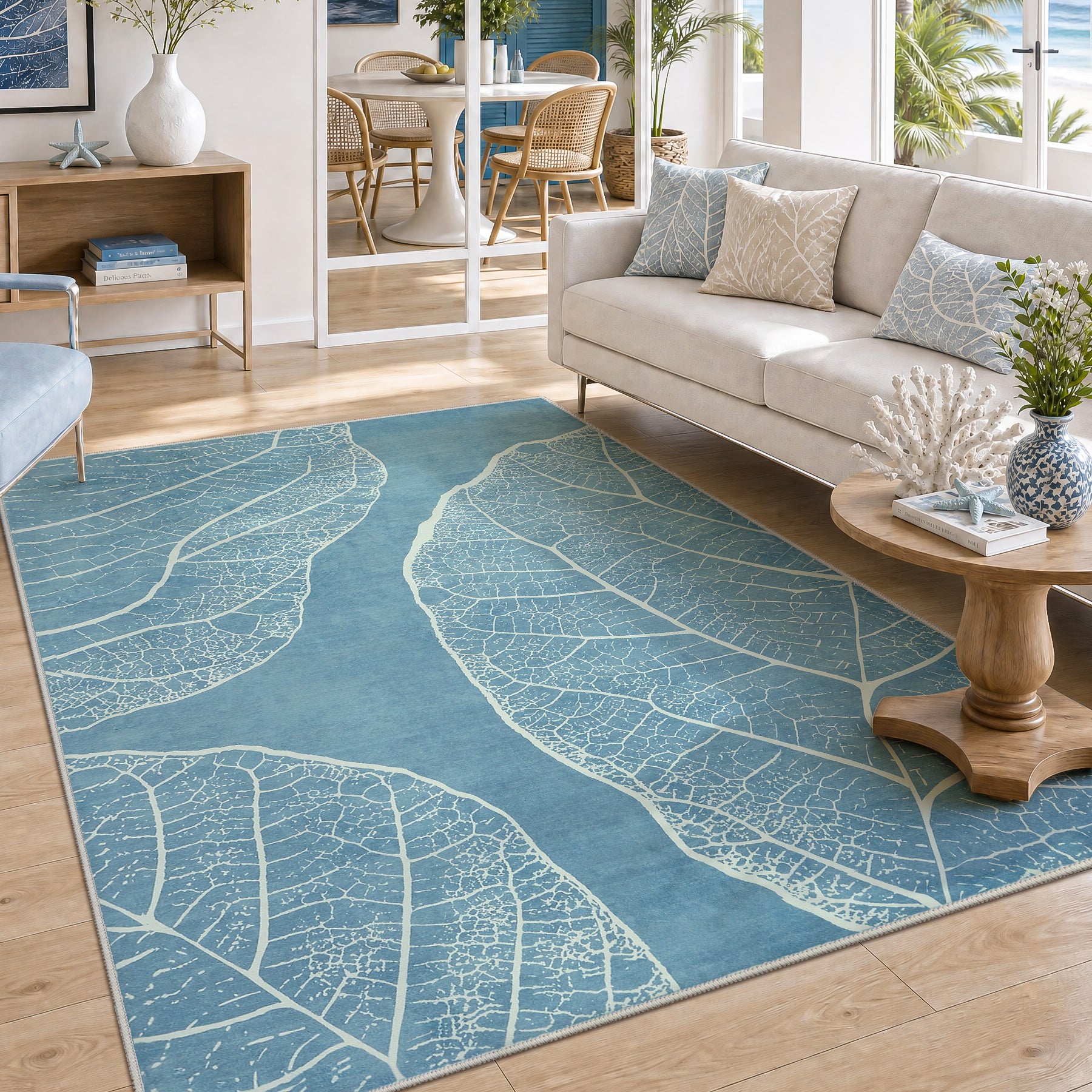
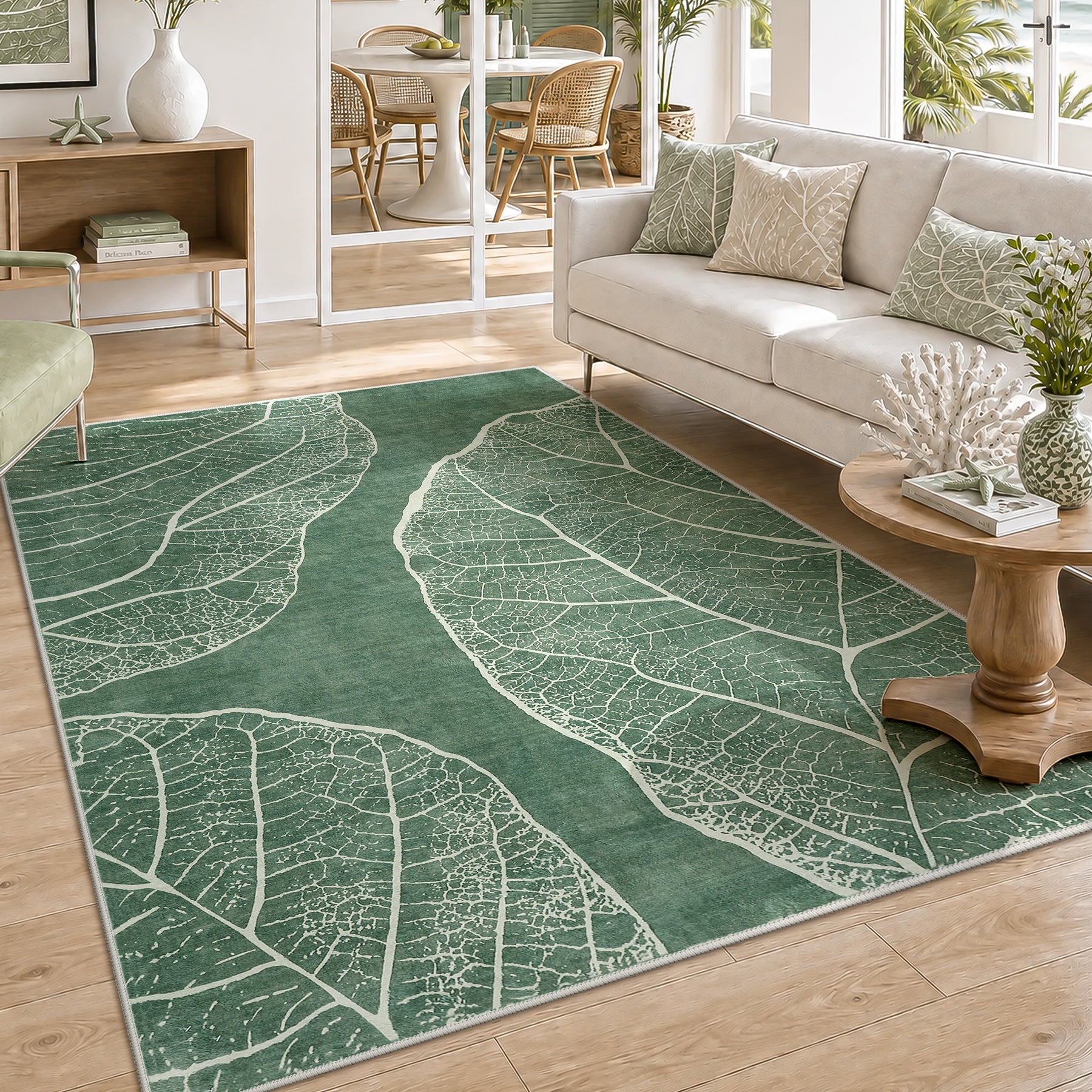
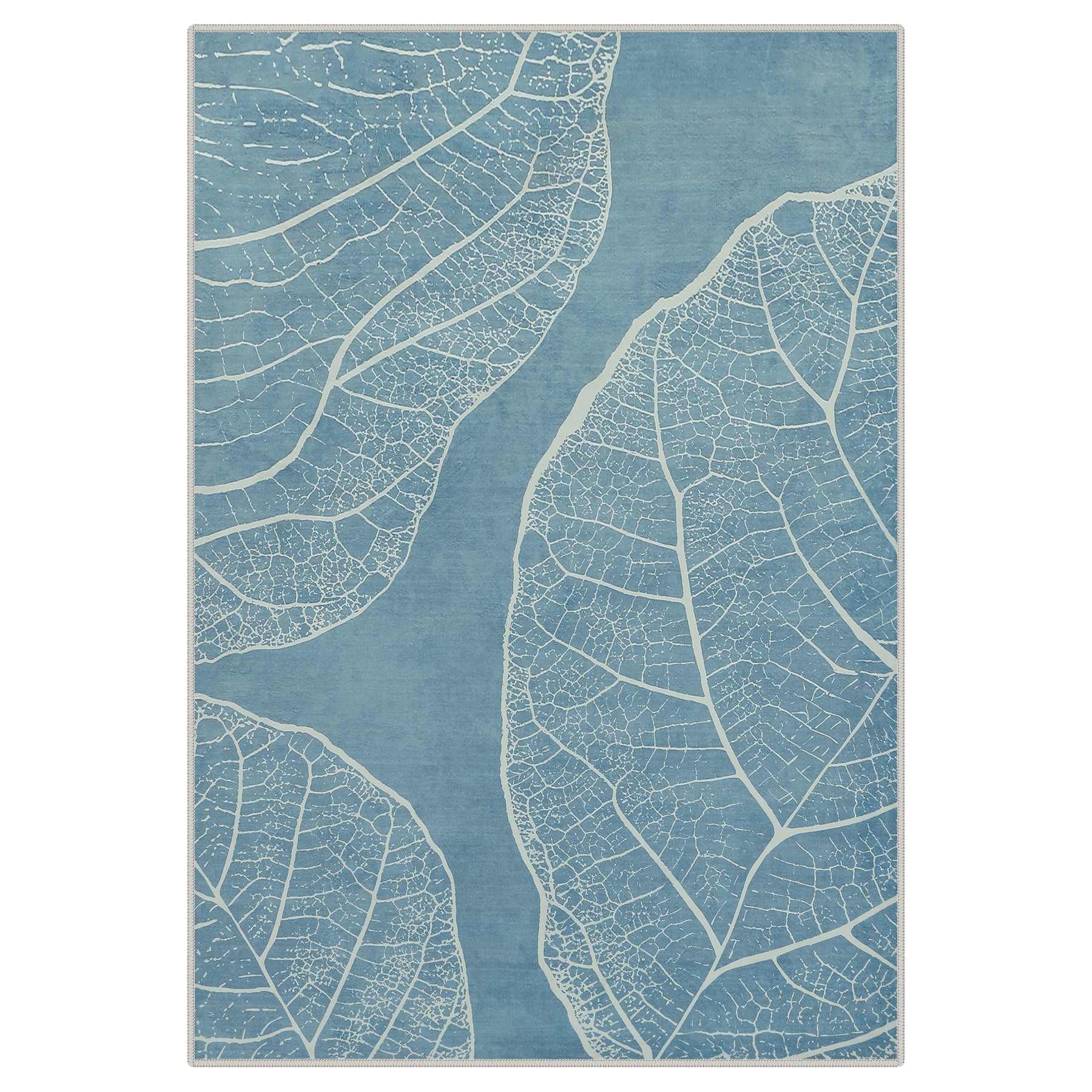
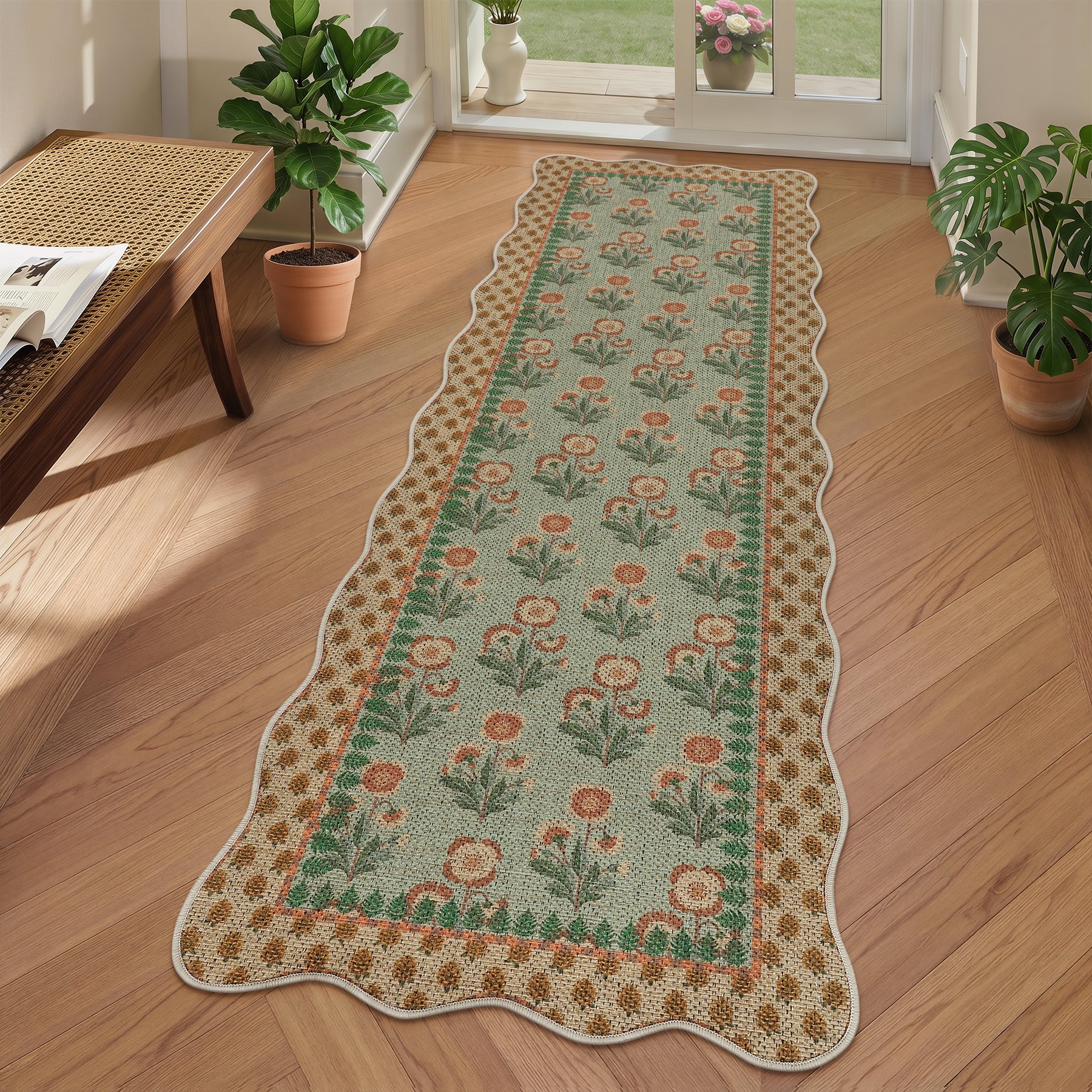
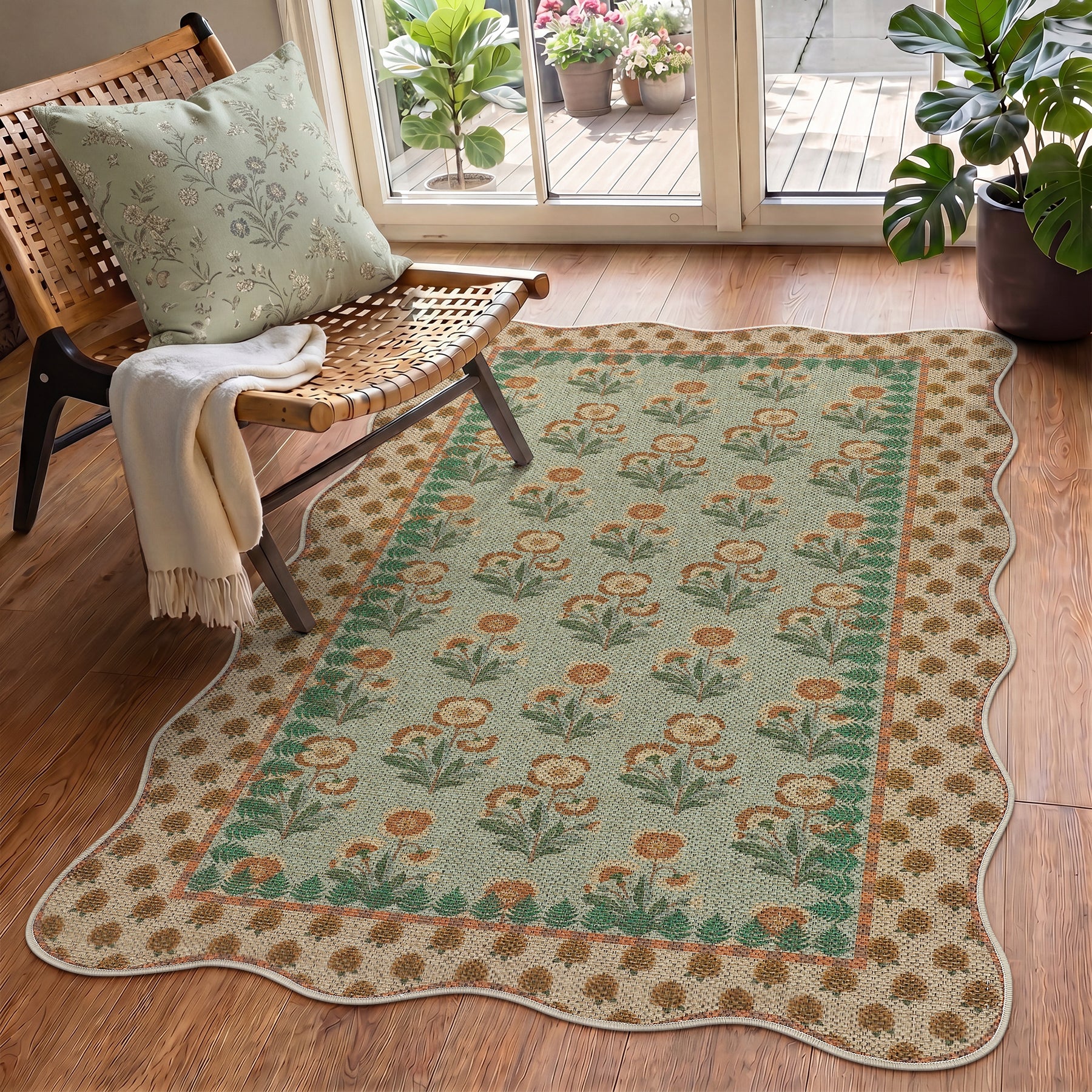
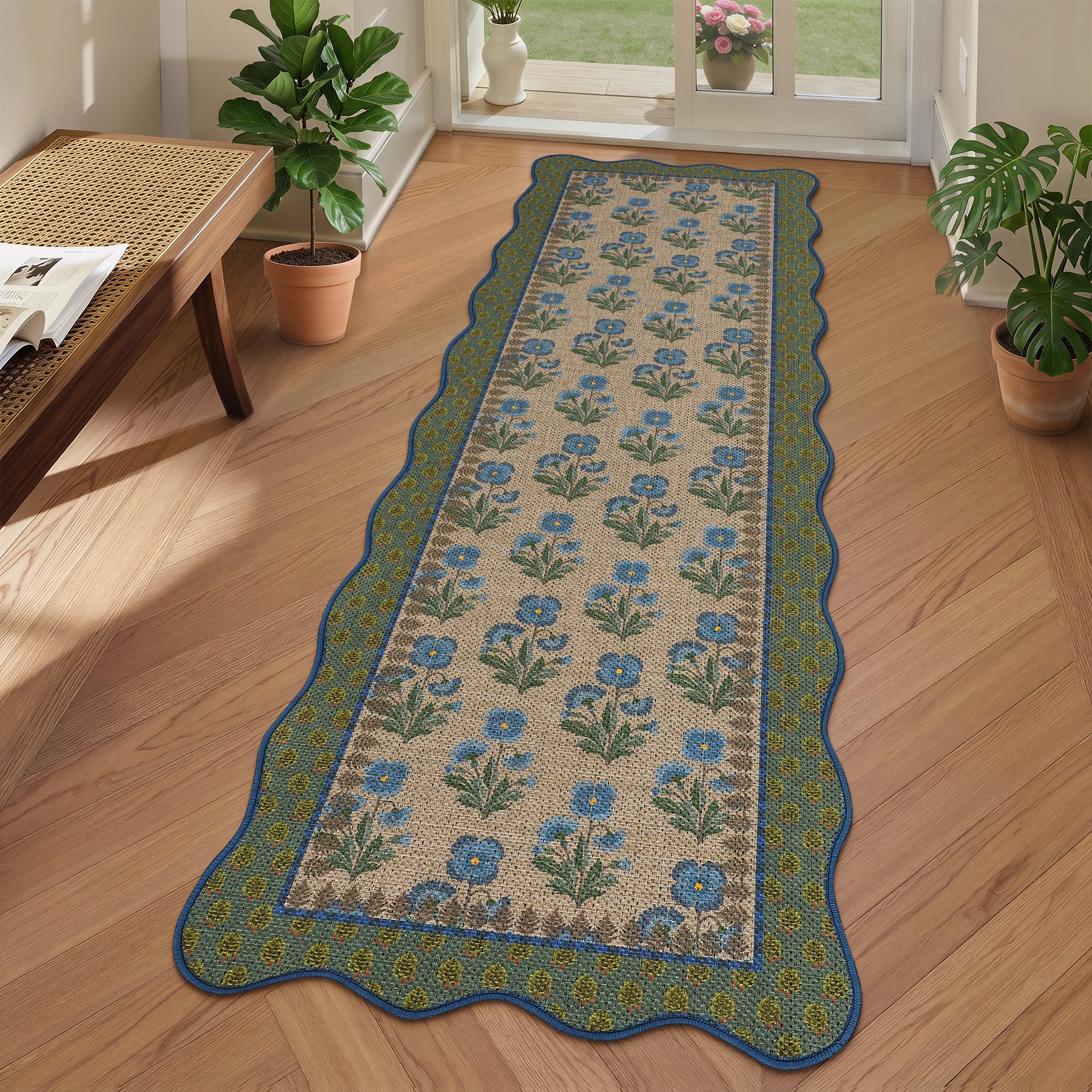
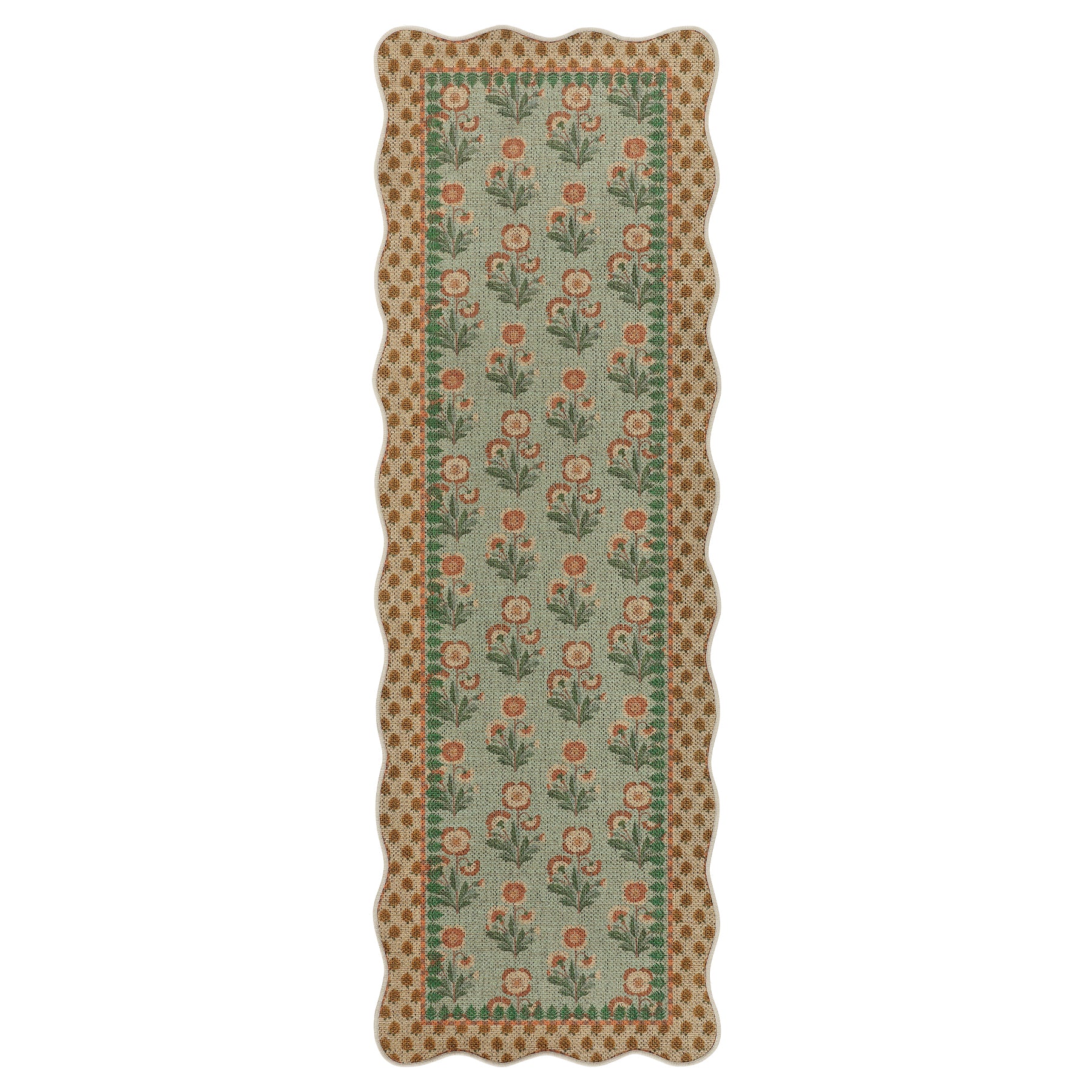
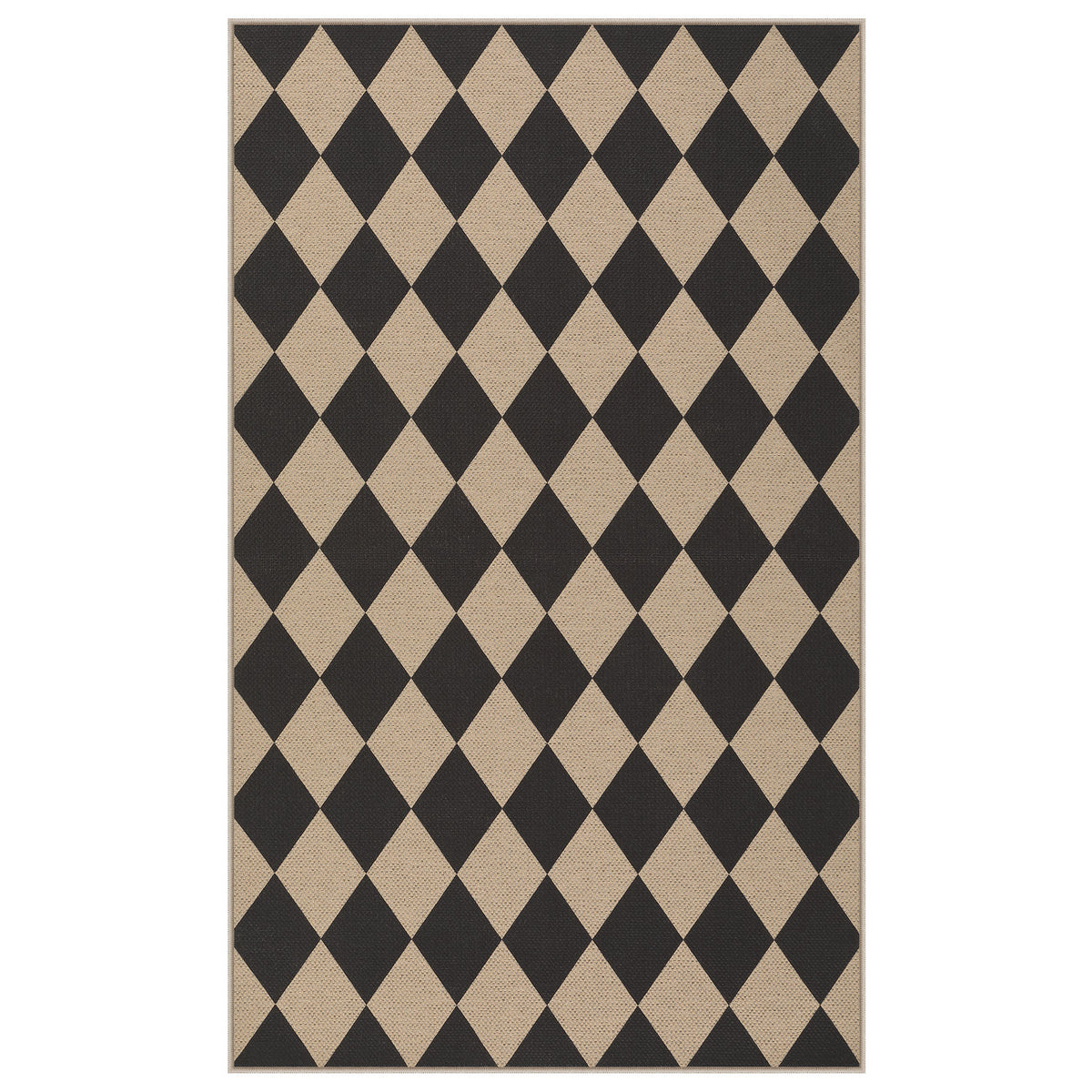
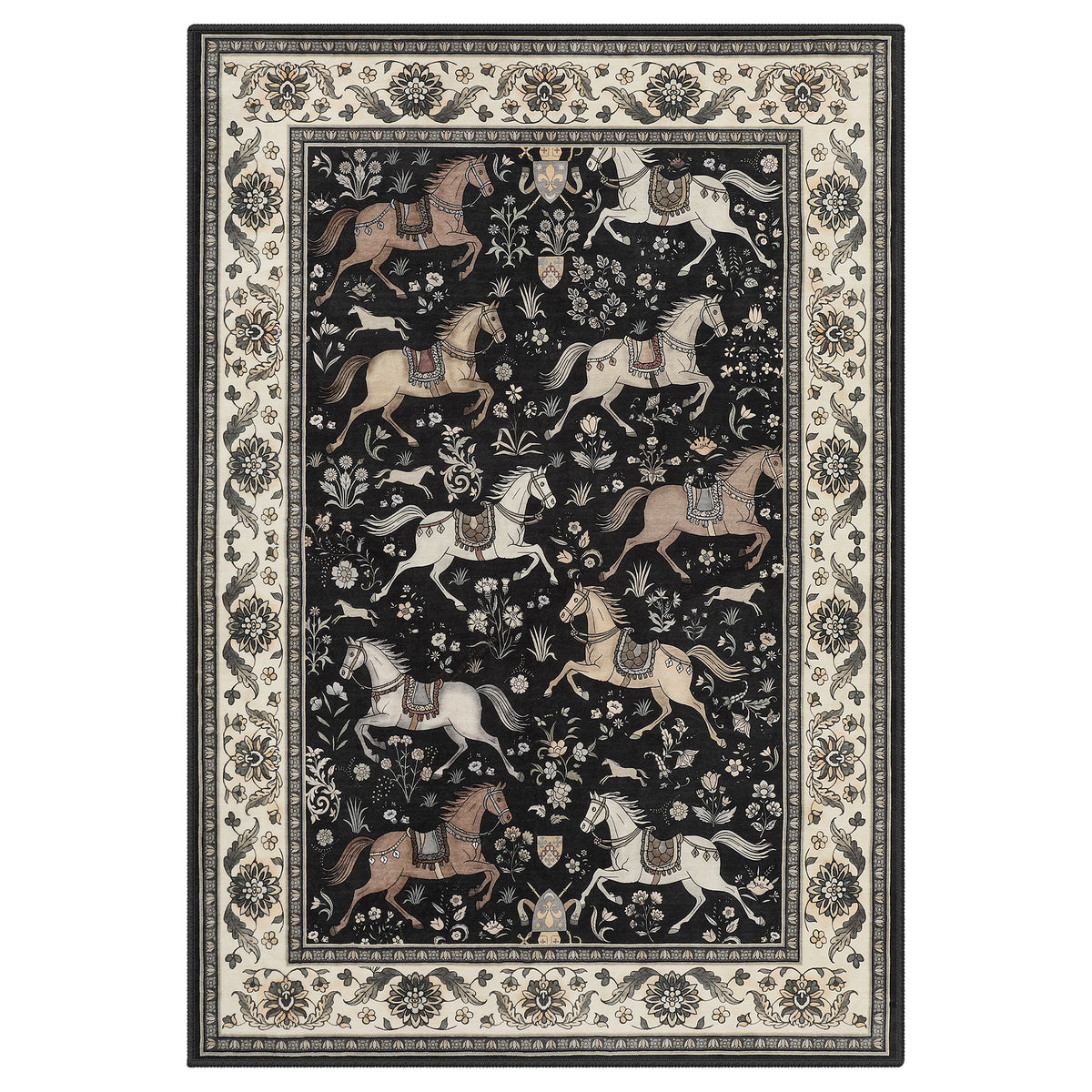
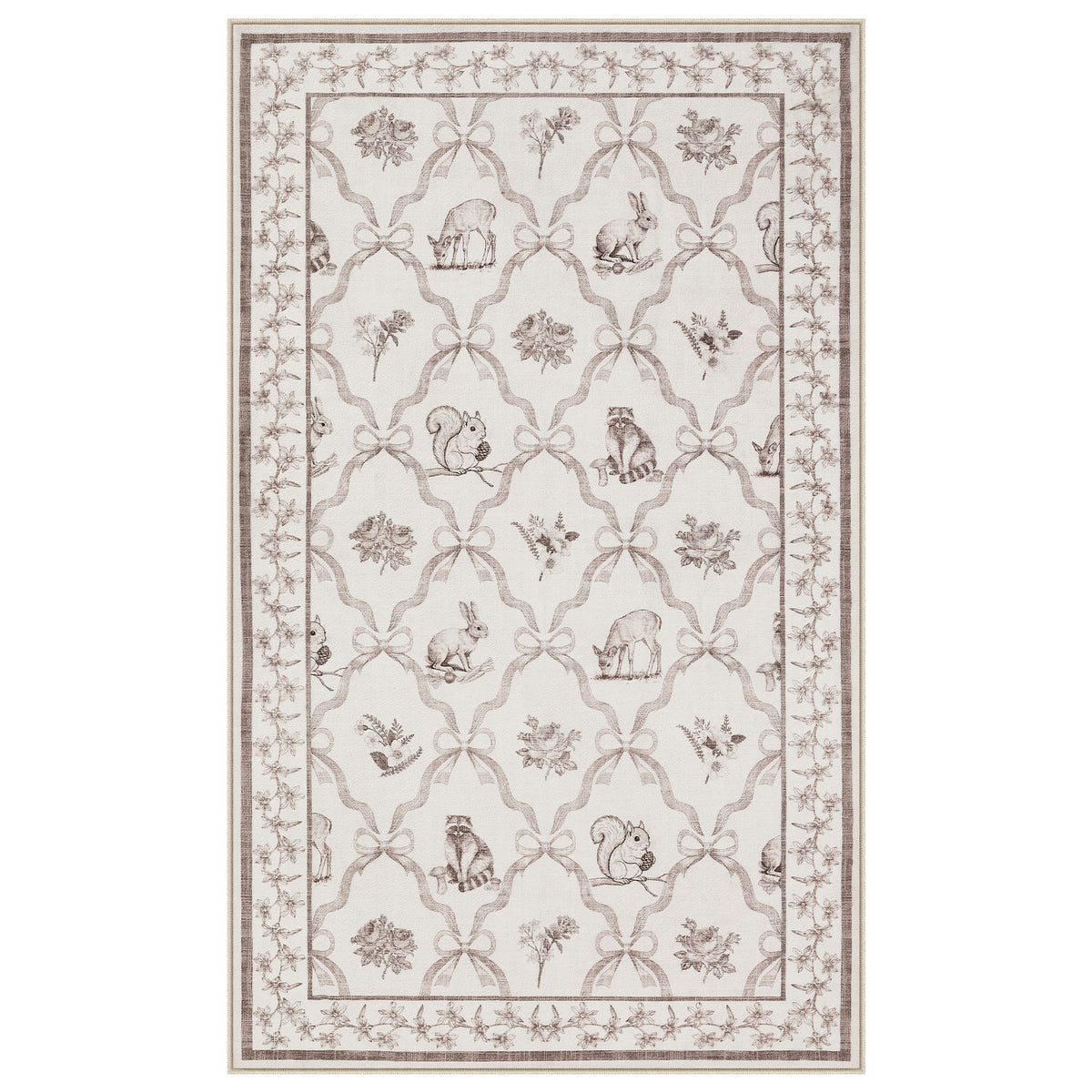
Neutral tones, modern geometric patterns, vintage-inspired designs, and soft textured looks continue to be popular because they work well with a variety of home styles. Washable and easy-care rugs are also increasingly preferred by homeowners who want both a beautiful space and simple maintenance.
For high-traffic areas like living rooms, entryways, and kitchens, avoid rugs that are difficult to clean or require frequent maintenance. Low-pile and washable rugs are often more practical because they are easier to vacuum and care for.
Color also matters. Light-colored rugs can make a space feel brighter but may show stains and daily wear more easily. Medium tones, darker shades, or subtle patterns are better choices for busy areas because they help hide everyday dirt while maintaining a clean look.
Both options can work depending on your room size and layout.
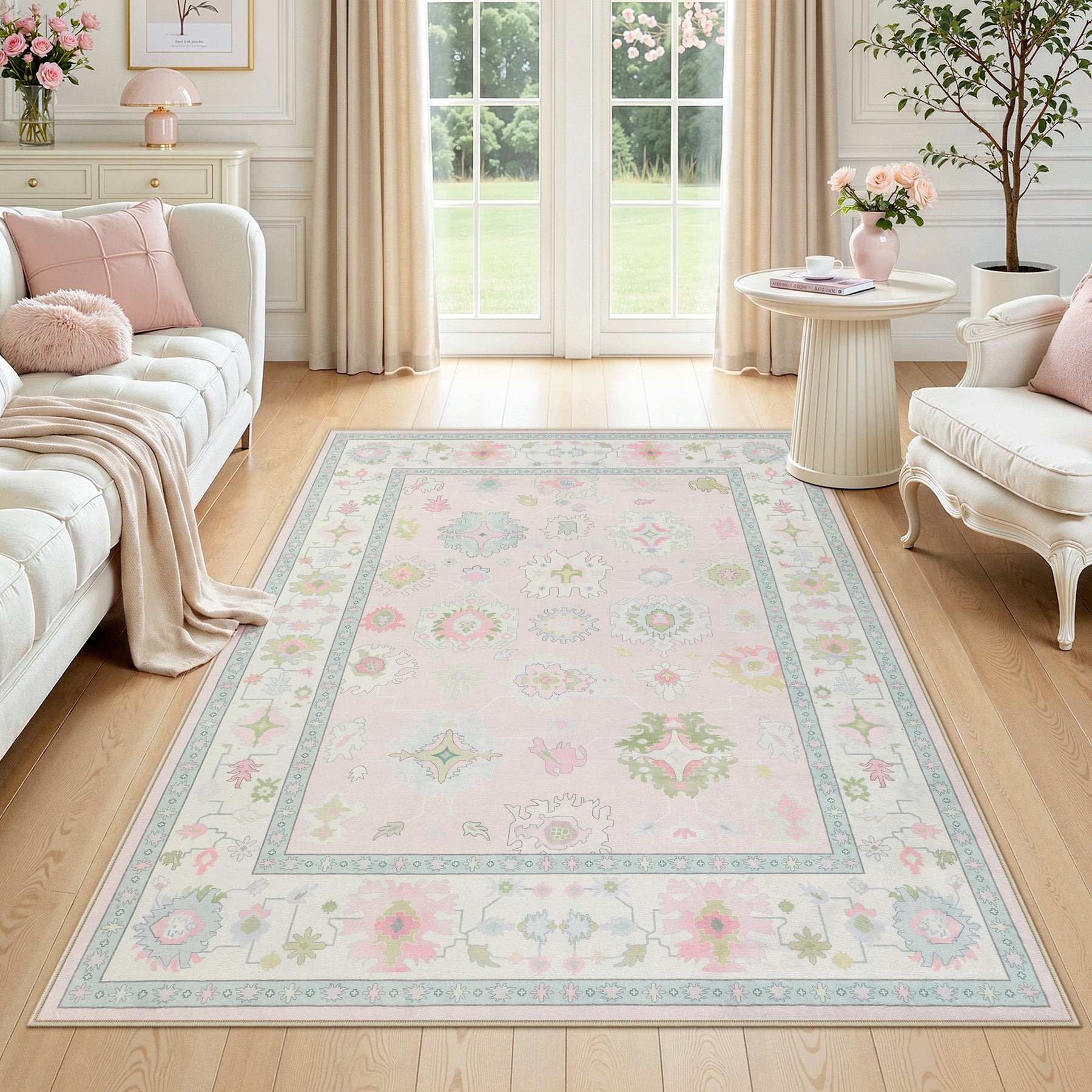
Placing only the front legs of your furniture on the rug is a practical choice for smaller spaces and still helps visually connect your seating area. For larger rooms, placing all furniture legs on the rug creates a more grounded and complete look.
The main thing to avoid is choosing a rug that is too small, leaving all furniture completely separated from the rug, which can make the space feel less connected.
The right rug size depends on your room dimensions, furniture arrangement, and the look you want to create.
For living rooms, larger rugs often help connect the seating area and create a more cohesive feel. In bedrooms, a rug placed under the bed can add warmth and comfort. For dining areas, choose a rug that allows chairs to remain on the rug even when pulled out.
Before purchasing, measure your space and consider both your furniture placement and the amount of visible floor area you would like around the rug.
Common recommendations:
5' x 7' rugs: Ideal for bedrooms, apartments, small living rooms, and cozy seating areas.
8' x 10' rugs: A popular choice for larger living rooms, dining rooms, and open spaces.
9' x 12' rugs: Best for spacious rooms where you want furniture to sit comfortably on the rug.
Before choosing a size, measure your space and consider how much floor coverage you want.
Not every area rug requires a separate rug pad. Many rugs with non-slip backing are designed to provide added stability on common indoor flooring surfaces.
A rug pad can still be helpful depending on your floor type and personal preference. It may add extra cushioning, improve comfort underfoot, and provide additional protection between the rug and your flooring.
For the best performance, always make sure your floor surface is clean and dry before placing your rug.