






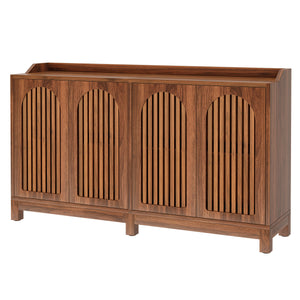
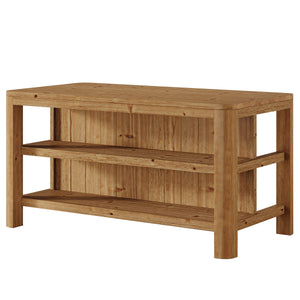













Solid Wood
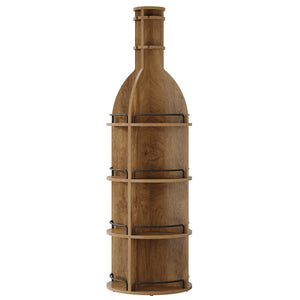
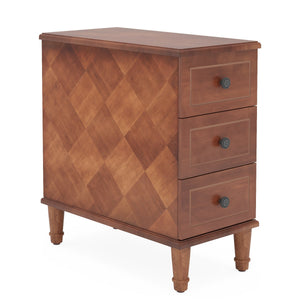
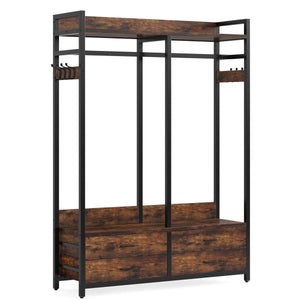
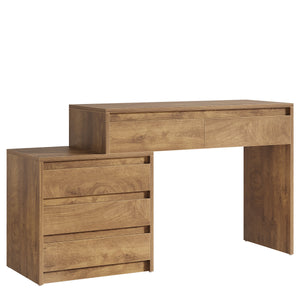
Solid wood remains one of the most valued furniture materials because of its authentic appearance and long-term appeal.
A solid wood desk begins as a tree. The wood is cut into boards, dried, processed, and shaped into furniture. Every piece carries natural characteristics from the tree it came from, including grain patterns, color variation, and density.
Common furniture woods include:
- Oak
- Walnut
- Maple
- Pine
Each species has its own personality.
Oak is known for its durability and visible grain. Walnut is valued for its rich color and refined appearance. Pine offers a lighter look and a more casual feel.
No two pieces are exactly identical, and that natural variation is part of what makes solid wood furniture special.

Why Choose a Solid Wood Desk?
A solid wood desk is a great choice if you value:
Natural appearance:
The grain, texture, and color variation create a look that manufactured materials cannot fully replicate.
Long-term repairability:
Unlike many composite materials, solid wood can often be sanded, refinished, and restored.
A furniture piece that grows with you:
A quality solid wood desk can remain useful for many years and may even become a piece that moves between homes or generations.
What Should You Consider?
Solid wood also comes with trade-offs:
- Higher cost
- Heavier weight
- Greater sensitivity to environmental changes
For someone looking for a premium desk that feels like a permanent part of the home, these trade-offs are often worthwhile.
Why Does Natural Wood Change Over Time?
One of the most important things to understand about solid wood furniture is that wood is a living material — even after it becomes a table or desk.
Wood naturally responds to its environment. Changes in humidity and temperature can cause the fibers to expand or contract slightly.
This may result in:
- Small seasonal movements
- Slight changes in texture
- Natural color development over time
These changes are not necessarily signs of poor quality. They are part of owning real wood furniture.
In fact, many people appreciate this quality because a solid wood desk develops more character as it ages. The surface becomes a record of use rather than simply a product that stays unchanged.
Proper finishing and indoor humidity control help minimize unwanted movement and extend the life of the furniture.
MDF
MDF (Medium-Density Fiberboard) is one of the most widely used engineered wood materials in modern furniture.
Instead of natural boards, MDF is made from refined wood fibers combined with resin and compressed under heat and pressure.
The result is a dense, uniform panel with a smooth surface.
This consistency is exactly why furniture makers use MDF so often.
Why Choose an MDF Desk?
Smooth and even surface:
MDF works especially well with:
- Laminates
- Veneers
- Painted finishes
It creates a clean appearance that fits modern office furniture designs.
Stable dimensions:
Because MDF does not have the same natural grain structure as solid wood, it is less affected by some types of wood movement.
Practical value:
For many home office users, the priorities are:
- A stable workspace
- Good appearance
- Easy maintenance
- Reasonable cost
A quality MDF desk can deliver all of these.
Quality Distinction
Many negative opinions about MDF come from low-quality furniture.
The problem is often not MDF itself, but:
- Thin panels
- Weak hardware
- Poor edge sealing
- Inadequate support
A well-designed MDF desk can perform very well for everyday work, studying, and computer setups.
Plywood
Plywood is another engineered wood product, but its structure is different from MDF.
It is made by bonding multiple thin layers of wood veneer together, with each layer placed in alternating directions.
This cross-layer construction gives plywood excellent stability and strength.
Why Choose a Plywood Desk?
Strong structural performance:
Plywood handles stress well, making it suitable for applications where strength matters.
Good resistance to movement:
The layered structure helps balance the natural movement of wood.
Lightweight but durable:
Plywood often provides a strong balance between weight and performance.
For desks supporting:
- Multiple monitors
- Monitor arms
- Heavy equipment
plywood can be an excellent choice.

MDF vs Solid Wood vs Plywood: Which One Is Better?
The “best” material depends on how you use your desk.
|
Feature |
MDF |
Solid Wood |
Plywood |
|
Appearance |
Smooth and consistent |
Natural grain and character |
Depends on finish |
|
Stability |
Very consistent |
Natural movement |
Highly stable |
|
Durability |
Good with quality construction |
Excellent with care |
Excellent structural strength |
|
Repairability |
Limited |
High |
Moderate |
|
Price |
More affordable |
Premium |
Mid-range |
|
Best for |
Everyday home offices |
Long-term furniture |
Heavy-duty workspaces |
What Matters More Than Desk Material?
Material is important, but it is not the only thing that determines desk quality.
A well-designed desk should also have:
Proper Desktop Thickness
A thicker desktop generally feels more solid and helps reduce flex, especially with monitor setups.
Strong Support Structure
The frame and connection points determine stability.
Quality Finishing
Edges, surfaces, and protective coatings affect how well the desk handles everyday use.
Correct Design for Your Setup
A material that works well for a writing desk may not be the best choice for a gaming workstation with multiple monitors.
The construction has to match the purpose.
Which Desk Material Is Best for Your Setup?
For a dual-monitor setup, the material is only one factor. The desk also needs enough depth, thickness, and structural support. Choosing the right desk depth for two monitors can help create a more comfortable and efficient workspace.
|
Setup |
Recommended Material Considerations |
|
Basic home office |
Quality MDF or plywood |
|
Dual monitors |
MDF, plywood, or reinforced engineered wood |
|
Gaming setup |
Strong plywood or reinforced desktop construction |
|
Premium workspace |
Solid wood or high-quality plywood |
For most users, the best choice is not necessarily the most expensive material. It is a desk that combines:
- A stable desktop
- Proper thickness
- Strong legs or frame
- Enough workspace

Final Verdict: MDF vs Solid Wood vs Plywood
There is no universal winner.
Solid wood is best for people who value natural beauty and furniture that develops character over time.
Plywood is an excellent choice when strength and stability are the priority.
MDF is a smart option for modern desks that need a smooth finish, reliable performance, and practical pricing.
The most important lesson is this:
A great desk is not defined by material alone. It is defined by how well the material, construction, and design work together.
Understanding the difference between MDF, solid wood, and plywood helps you choose a desk that fits the way you actually live and work — not just one that looks good in a product photo.
FAQ
Is MDF bad for a computer desk?
No. High-quality MDF can be an excellent material for a computer desk. Its smooth surface, consistent structure, and affordability make it a practical choice for many home office setups.
MDF is a type of engineered wood, and like other engineered wood products, its performance depends heavily on the quality of construction, desktop thickness, and overall design. For a deeper look at how engineered wood performs in computer desks, see our guide: Is engineered wood good for a computer desk?
Is solid wood worth the extra cost for a desk?
It depends on your priorities. Solid wood offers natural beauty, repairability, and long-term value, but many users do not need those advantages for everyday computer work.
Is plywood stronger than MDF?
Generally, plywood has better structural strength because of its layered construction. However, a well-designed MDF desk with proper support can still perform very well for normal office use.
What is the most durable material for a computer desk?
Durability depends on both material and construction. Solid wood, plywood, and high-quality engineered wood can all create durable desks when paired with proper thickness and strong support.
What material is best for a gaming desk?
For gaming desk setups with multiple monitors and heavier equipment, look for a desk made with a strong desktop material, reinforced frame, and sufficient depth. Plywood or reinforced engineered wood are often practical choices.
Back-to-school recommendations: What Are the Best White Desks for Students in Small Spaces?