









Wall Partition vs Room Divider: What’s the Difference?
The biggest difference is how permanent the solution is.
A wall partition changes the structure and layout of a space, while a room divider changes how you use the space you already have.
|
Wall Partition |
Room Divider |
|
|
Main purpose |
Create a more permanent separation |
Define areas within an existing room |
|
Installation |
Often requires construction |
Usually simple setup or assembly |
|
Flexibility |
Difficult to change later |
Easy to move or rearrange |
|
Best for |
Renovations and long-term layouts |
Homes, apartments, and flexible spaces |
|
Privacy level |
Usually higher |
Depends on the design |
|
Extra function |
Mainly separates rooms |
Can add storage, display, and style |
The right choice depends less on which option is “better” and more on what you want your space to do.

What Is a Wall Partition?
A wall partition is an interior structure used to divide a larger area into separate sections.
Unlike exterior walls or load-bearing walls, many interior partitions are created specifically to organize the layout of a building. They are commonly used in offices, commercial spaces, and home renovations where a more permanent division is needed.
For example, a homeowner may add a partition to create:
- a separate home office
- an additional bedroom area
- a closed-off workspace
- a more defined room layout
The advantage of a wall partition is that it creates a stronger sense of separation. It can make two areas feel like completely different rooms.
The trade-off is that it usually requires more planning, installation work, and commitment. Once installed, changing the layout later is not as simple as moving a piece of furniture.
What Is a Room Divider?
A room divider is a flexible way to separate areas without making permanent changes to your home.
Instead of building a new wall, a divider helps create visual boundaries and gives each area a clearer purpose.
This can be especially useful in homes where one room needs to serve multiple roles.
A living room, for example, may be:
- a workspace during the day
- a place to relax in the evening
- a guest area when needed
A room divider can help create structure without making the space feel closed in. See more advantages of room divider.
Common types include:
- folding screens
- decorative panels
- curtains
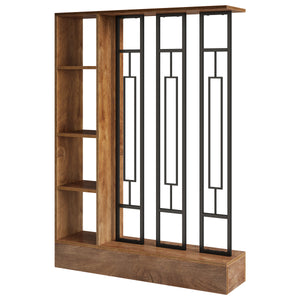
- open shelving dividers
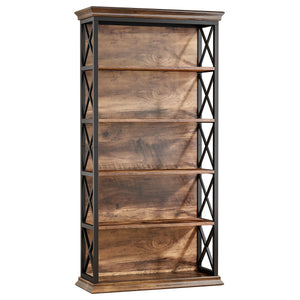
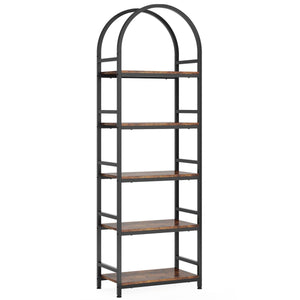
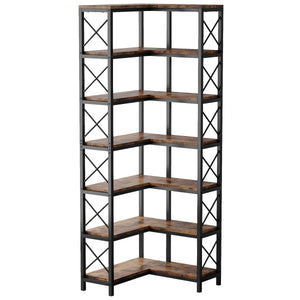
- bookshelf room dividers
Among these options, bookshelf-style dividers are especially practical because they combine separation with storage and display.
Which Is Better for Small Spaces?
For most small homes, a room divider is the more flexible choice.
In apartments, studios, and compact homes, every square foot matters. Adding a permanent wall may solve one problem but can make the space feel smaller and less adaptable.
A room divider allows you to create dedicated areas while keeping the openness that makes smaller rooms feel comfortable.

For example:
- A studio apartment can use a divider to separate a sleeping area from the living space.
- A small living room can gain a defined home office corner.
- A shared room can feel more personal with visual separation.
For small spaces, multifunctional designs are often the smartest choice. A bookshelf room divider can separate areas while also providing space for books, plants, photos, and decor.
Instead of adding another piece of furniture, it helps one piece serve multiple purposes.
Can a Bookshelf Be Used as a Room Divider?
Yes. A bookshelf can be a practical room divider when you want separation without losing the openness of the room.
Unlike traditional partitions that mainly create a boundary, bookshelf dividers bring additional function to your space.
They can provide:
- open storage
- display space
- visual separation
- a decorative focal point
This makes them especially useful for open-concept homes where you want different areas to feel connected but still intentional.
For example, a bookshelf divider can separate a living room from a workspace while keeping books, plants, and personal items within reach.
It creates a boundary, but not a barrier.
That balance is one reason bookshelf room dividers have become popular in modern homes.
When Does a Wall Partition Make More Sense?
A wall partition may be the better option when you need a long-term structural change.
Consider a wall partition if you:
- own your home and are planning renovations
- need stronger privacy between rooms
- want a fully separated space
- do not expect your layout to change often
For example, converting part of a large basement or open room into a permanent bedroom or office may justify the investment.
A built-in partition can create a finished, room-like feeling that a movable divider cannot fully replace.
However, it is worth considering your future needs. A layout that works today may not work the same way several years from now.
When Is a Room Divider the Better Choice?
A room divider is often the better fit when flexibility matters.
It works especially well if you:
- live in a rental home
- want to avoid construction
- frequently rearrange furniture
- need a temporary or adaptable solution
- want separation without blocking the entire room
Many modern homes are designed around flexible living. A dining area may become a workspace, a guest room may double as storage, and a living room may need to serve several purposes.
A room divider gives you a way to adjust your home without making permanent changes.

What Should You Consider Before Choosing a Room Divider?
The best room divider is not always the tallest or most decorative one. It should match how you actually use your space.
Before choosing one, consider:
How Much Separation Do You Need?
If you only want to define an area visually, an open divider may be enough. If privacy is your priority, look for a design with more coverage.
Do You Need Storage?
A traditional screen separates space but does not add much function. A bookshelf-style divider can give you extra room for books, decor, and everyday items.
Will Your Layout Change Later?
If you like refreshing your space or expect your needs to change, a movable divider gives you more freedom than a permanent wall.
How Much Room Do You Have?
Measure your available space before choosing a divider. The right piece should create structure without making the room feel crowded.
Choosing Between a Wall Partition and a Room Divider
Both wall partitions and room dividers have their place.
A wall partition is the better choice when you need a permanent change and a completely separated area. A room divider is often the smarter solution when you want flexibility, easier installation, and a design that can adapt with your lifestyle.
For many homeowners today, the goal is not simply to divide a room—it is to make the space work better.
A well-designed room divider can help create zones, add storage, and bring more intention to an open layout without the commitment of a renovation.
Read more: How to Divide a Room Without a Wall?
FAQs
How tall can a partition wall be?
The height of a partition wall depends on the building structure, materials, and whether it is a permanent or temporary installation.
In residential spaces, many partition walls are built to reach the ceiling for a more complete room separation. However, the right height depends on the purpose of the space. A lower partition can help define an area while keeping an open feel, while a taller partition provides more separation.
If you do not need a permanent wall, a freestanding room divider can offer a more flexible way to create boundaries without changing the structure of your home.
How to make a room divider taller?
To make a room divider feel taller, you can choose a taller design, add height above the divider, or create a stronger vertical visual element.
Some homeowners use:
- taller bookshelf-style dividers
- curtains mounted closer to the ceiling
- decorative panels or extensions
However, increasing height is not the only way to create separation. The right placement, color, and design can also help a divider feel more intentional within a room.
What can I use instead of a room divider?
If you want to separate a room without using a traditional divider, there are several alternatives, including:
- curtains
- open shelving units
- bookcases
- plants
- furniture placement
The best choice depends on whether you want privacy, storage, or simply a visual boundary.
For many homes, an open bookshelf divider is a practical middle ground because it helps define a space while keeping the room connected.
What is a divider between rooms called?
A divider between rooms can be called a room divider, partition, partition wall, or space divider depending on the design and purpose.
A partition wall usually refers to a more permanent structure, while a room divider typically describes a flexible furniture piece or decorative solution.
In modern homes, bookshelf room dividers have become a popular option because they separate areas while adding storage and style at the same time.