


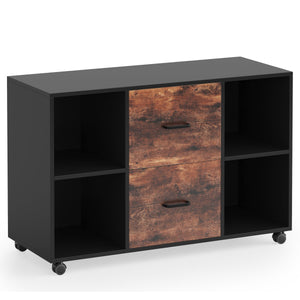
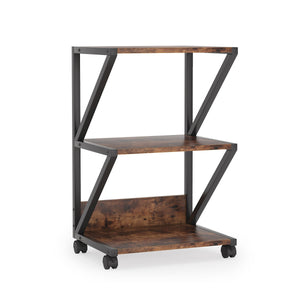

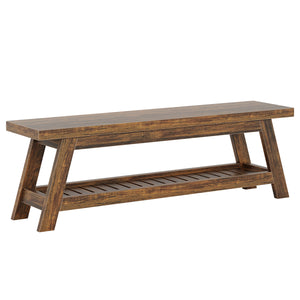
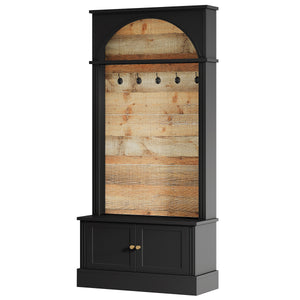
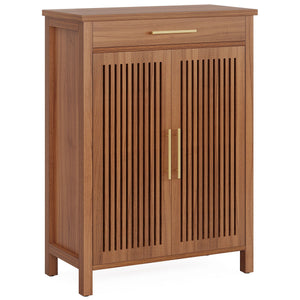

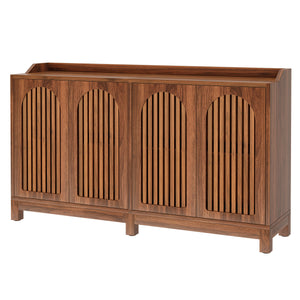
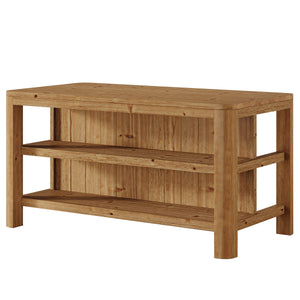
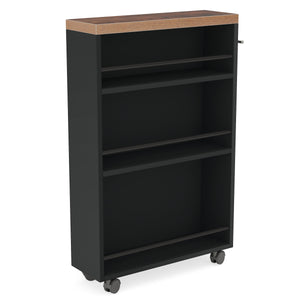
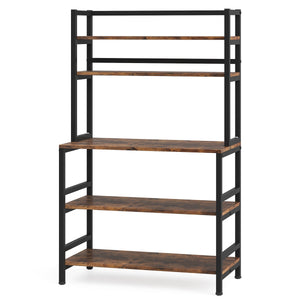

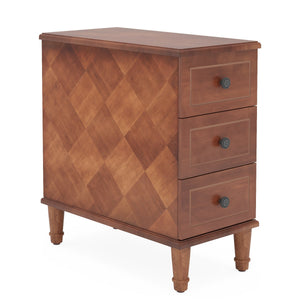
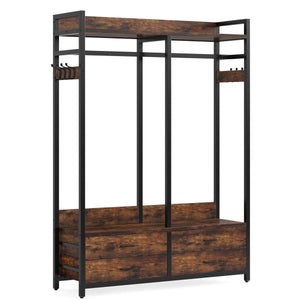
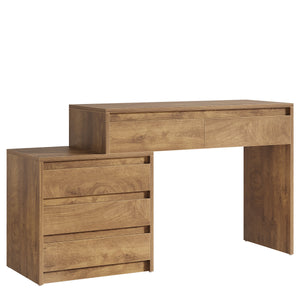
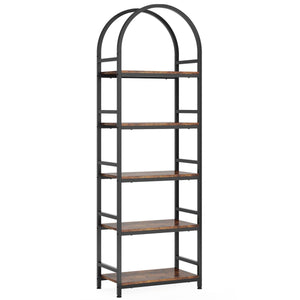
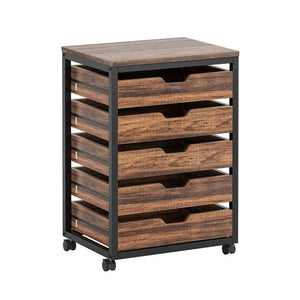
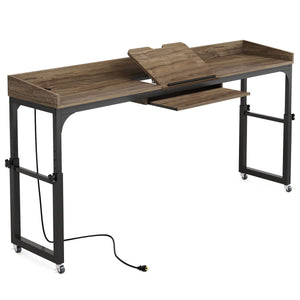
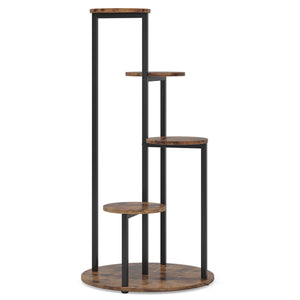
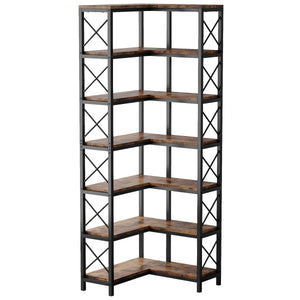
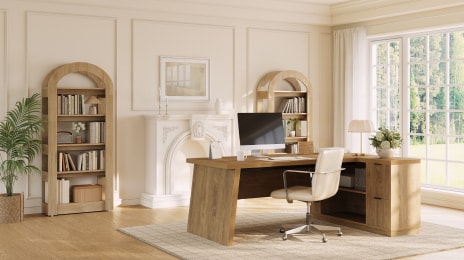


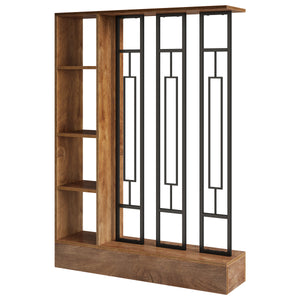


What Is a Wall Room Divider?
At its simplest, a wall room divider is a furniture-style piece that separates one part of a room from another.
It gives the feeling of a wall, but it is not usually built into the home. Some dividers stand on their own. Others use shelves, panels, cabinets, folding screens, or sliding tracks to create a clear boundary.
Because it works more like furniture than construction, a wall room divider can usually be moved, restyled, or replaced as your needs change.
Most people use one to:
- Separate a living room from a dining area
- Create privacy in a studio apartment
- Build a small home office zone
- Hide clutter or awkward corners
- Add storage with shelves or cabinets
- Make a large room feel more finished
More than a decorative screen, a good wall room divider improves both the look and the function of a space.

Wall Room Divider vs. Real Wall
Commitment is the real difference. Construction changes the room permanently. A wall room divider changes how the room feels and functions without locking you into a remodel.
|
Feature |
Wall Room Divider |
Real Wall |
|
Installation |
Easy or minimal |
Requires construction |
|
Flexibility |
Movable or adjustable |
Permanent |
|
Cost |
Usually lower |
Usually higher |
|
Privacy |
Good for visual privacy |
Stronger separation |
|
Storage |
Can include shelves or cabinets |
Usually no storage |
|
Best for |
Open spaces, renters, flexible layouts |
Permanent room division |
Use a wall room divider when you need visual separation, better flow, or more privacy in daily life. Choose construction only when you need full structural separation, stronger sound control, or a permanent room.
Most homes do not need a full wall for every layout problem. Sometimes, the right divider is enough.
6 Benefits of a Wall Room Divider
A wall room divider is one of the easiest ways to reshape a space—no construction required.
1. Divide a Room Without Construction
You don’t need drywall or a full remodel to change how a room works.
A divider lets you split one space into two distinct areas without the mess or commitment. It can separate a living area from dining, or carve out a small workspace or dressing corner. It feels intentional, not overbuilt.
2. Add Privacy Where It Counts
Privacy doesn’t always mean closing off a room.
A divider softens sightlines and creates a sense of separation. Next to a bed, it makes the space feel more personal. Behind a sofa, it defines the living area. Near a desk, it helps a work setup feel less exposed. The space stays open, but more comfortable to live in.
3. Define Open Layouts
Open floor plans can feel undefined without clear zones.
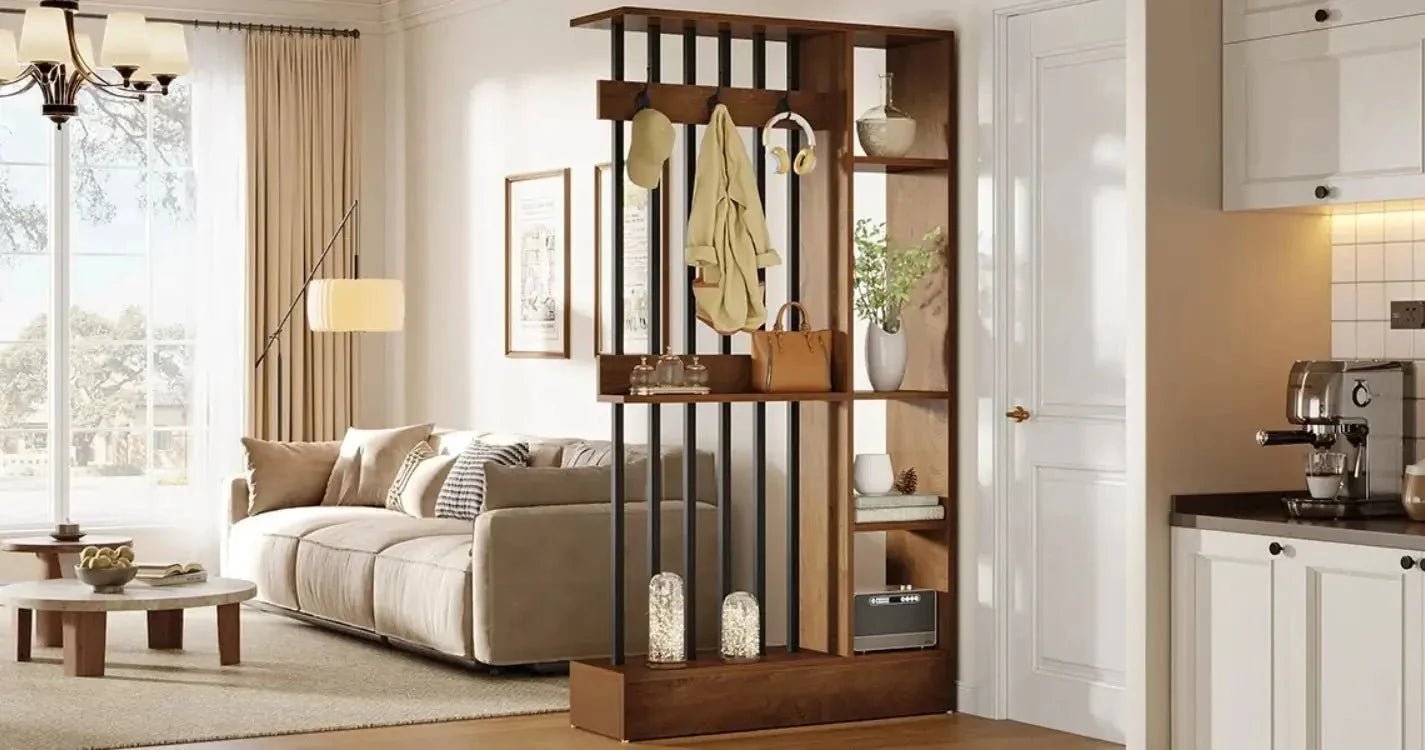
A divider gives structure. Place one behind a sofa to frame the seating area, or use open shelving to separate living and dining. Near the entry, it can create a simple drop zone. The room still feels open—just easier to read.
4. Add Storage and Display
A divider can do more than a wall. Shelf-style dividers create separation while adding usable storage. Books, baskets, plants, and decor all have a place. Lower shelves can hold heavier items, while upper levels keep things light and open. It’s functional on both sides.
5. Keep the Space Flexible
Layouts change, and your space should keep up. A divider can move, fold, or shift with your needs. It might define a home office now, then work as a display shelf or bedroom partition later.
Especially in small homes or rentals, that flexibility makes a difference.
6. Improve the Overall Look
A good divider adds height, texture, and structure.
Wood warms up a space. Metal feels clean and modern. Woven materials bring in softness. Open shelving gives you room to style books, plants, and personal pieces.
It also helps hide the everyday clutter you’d rather not see.

Common Types of Wall Room Dividers
Different spaces need different kinds of separation.
|
Type |
Best For |
|
Freestanding wall partition |
Flexible room separation |
|
Room divider with shelves |
Storage and display |
|
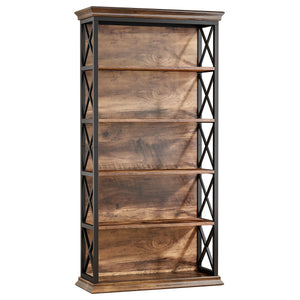
Bookshelf room divider |
Living rooms and studio apartments |
|
Folding screen |
Temporary privacy |
|
Sliding divider |
Stronger visual separation |
|
Curtain divider |
Budget-friendly privacy |
|
Slatted divider |
Light flow and modern style |
|
Cabinet divider |
Storage-heavy spaces |
For most homes, the strongest choice is a divider that solves more than one problem. A folding screen is easy and affordable, but it mainly adds privacy. A shelf-style divider can add privacy, storage, display space, and visual structure at the same time.
Best Places to Use a Wall Room Divider
- Living Room: Separate seating from dining, entry, or a work corner. Bookshelf dividers work well behind a sofa or between zones, adding structure without closing off the space.
- Studio Apartment: Create separation without blocking light. Open shelving keeps the layout airy while dividing sleep and living areas; solid panels work best when used sparingly.
- Bedroom: Carve out a dressing area, vanity, or small workspace. Solid dividers add privacy, while shelf or cabinet styles bring in extra storage.
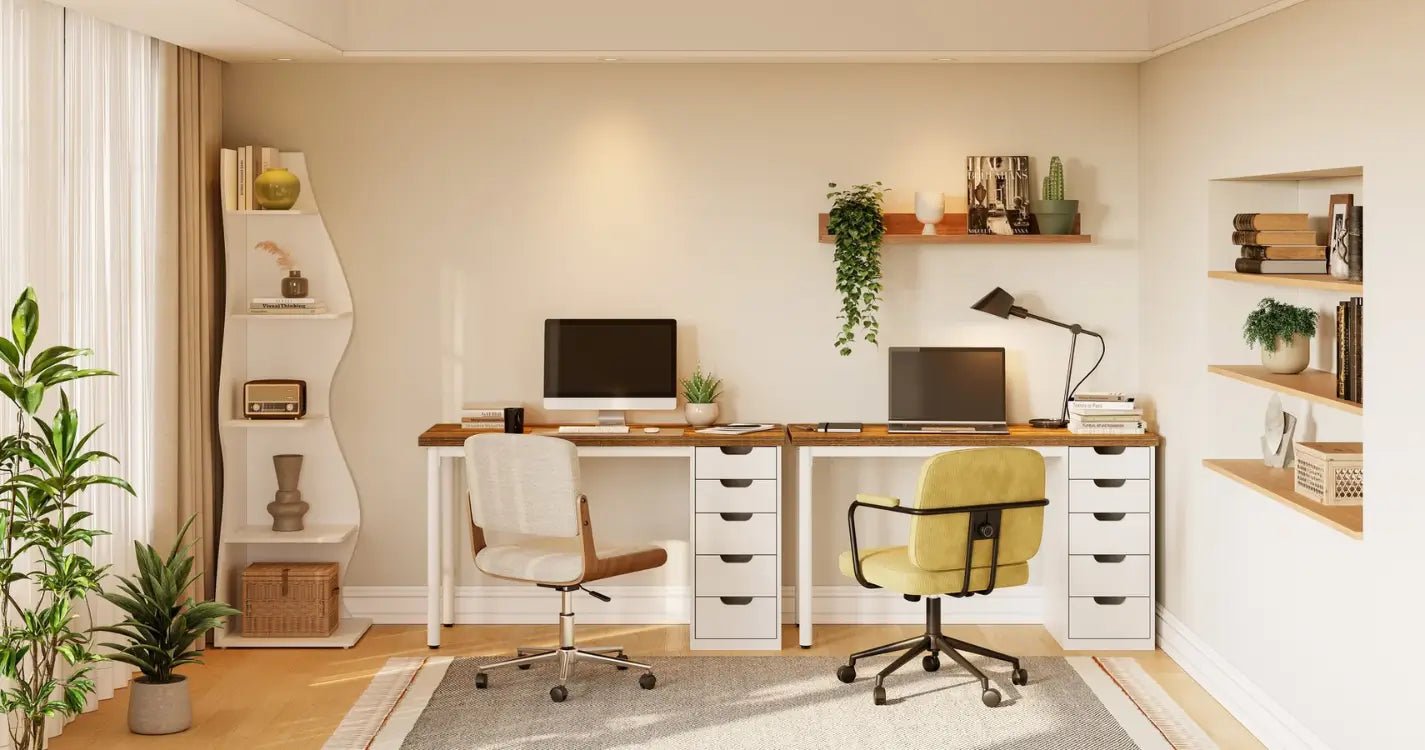
- Home Office: Define a focused work zone without a full room. A divider helps reduce visual distractions, creates a cleaner video call background, and hides clutter after hours.
- Entryway: Add a sense of arrival in open layouts. A freestanding divider or open shelf creates a simple drop zone and makes the space feel more intentional.
How to Choose the Right Wall Room Divider?
Start with the problem you want to solve.
|
Your Need |
Good Choice |
|
More privacy |
Solid panel divider or folding screen |
|
More storage |
Bookshelf or cabinet divider |
|
More light |
Open shelf or slatted divider |
|
Small apartment |
Narrow open shelving divider |
|
Renter-friendly setup |
Freestanding or folding divider |
|
Decorative accent |
Wood, rattan, metal, or patterned screen |
Before choosing a room divider, make sure it fits how you actually use the space.
Check the size first. The height should create real separation, and the width should match the area you’re dividing—whether it’s a bed, sofa, or workspace.
Think about privacy and light. Solid panels block more of the view, while open shelving feels lighter but stays more exposed and may collect dust over time.
If you’re short on space, consider a divider with built-in storage to reduce extra furniture. Just make sure it’s stable, especially in homes with kids or pets.
Finally, choose a style that works with your existing furniture so it feels like part of the room, not a temporary add-on.

FAQ
Is a Wall Room Divider the Same As a Partition Wall?
No. A partition wall is usually built into the home. A wall room divider is usually movable, freestanding, or furniture-based.
Can a Wall Room Divider Replace a Wall?
It can replace a wall for visual privacy and space zoning. It usually cannot replace a real wall for soundproofing, structural support, or legal room separation.
What Type of Wall Room Divider is Best For Small Spaces?
An open shelf divider or bookshelf room divider is often best for small spaces. It divides the room, adds storage, and keeps light moving through the area.
Are Wall Room Dividers Good for Renters?
Yes. Freestanding, folding, and shelf-style dividers are often renter-friendly because they do not require permanent changes to the home.