





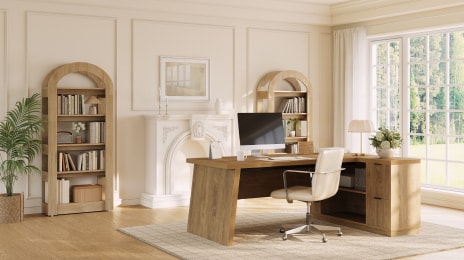




What Does It Mean to Divide a Room Without a Wall?
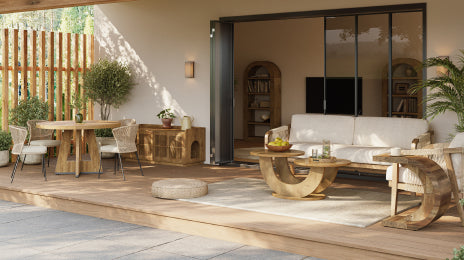
Dividing a room without a wall means creating a clear visual or functional zone without building permanent drywall. The divider may be physical, like a bookcase or curtain, or visual, like a rug, lighting plan, or painted accent wall.
The goal is not always full privacy. Sometimes the room just needs a signal that says, “this is the living area,” “this is the workspace,” or “this corner belongs to the bed.”
A good divider should make the space easier to use. A bad one blocks light, interrupts the walkway, or makes the room feel smaller than it is.

How to Choose the Right Room Divider?
Start With the Real Problem
Privacy, storage, and layout are different problems. A curtain helps with privacy, but it will not store books or office supplies. A bookcase adds storage, but it may not fully hide a sleeping area. A rug defines a zone, but it will not stop noise or block a view.
Choose the divider based on the job it needs to do first. Style comes after that.
Check the Light Before Adding Height
Tall, solid furniture can make a room feel closed in. Rooms with one main window usually need something more open, such as a backless bookcase, slatted panel, sheer curtain, or plant divider.
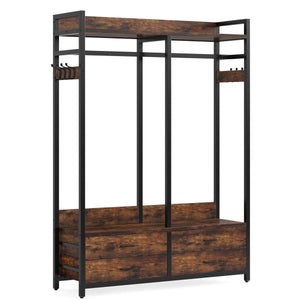
Brighter rooms can handle a storage cabinet or wardrobe-style divider more easily.
Leave the Walkway Alone
Room dividers fail when they sit in the path people actually use. Keep space clear around doorways, beds, dining chairs, sofas, and desks. A divider should shape movement, not fight it.
Think About How Long the Setup Needs to Last
Renters usually need freestanding pieces, tension rods, folding screens, or furniture-based dividers. Homeowners may be comfortable with ceiling tracks, mounted panels, or built-in shelving.

Best Ways to Divide a Room Without Building a Wall
|
Divider Type |
Best For |
Privacy |
Light Flow |
Storage |
Renter-Friendly |
|
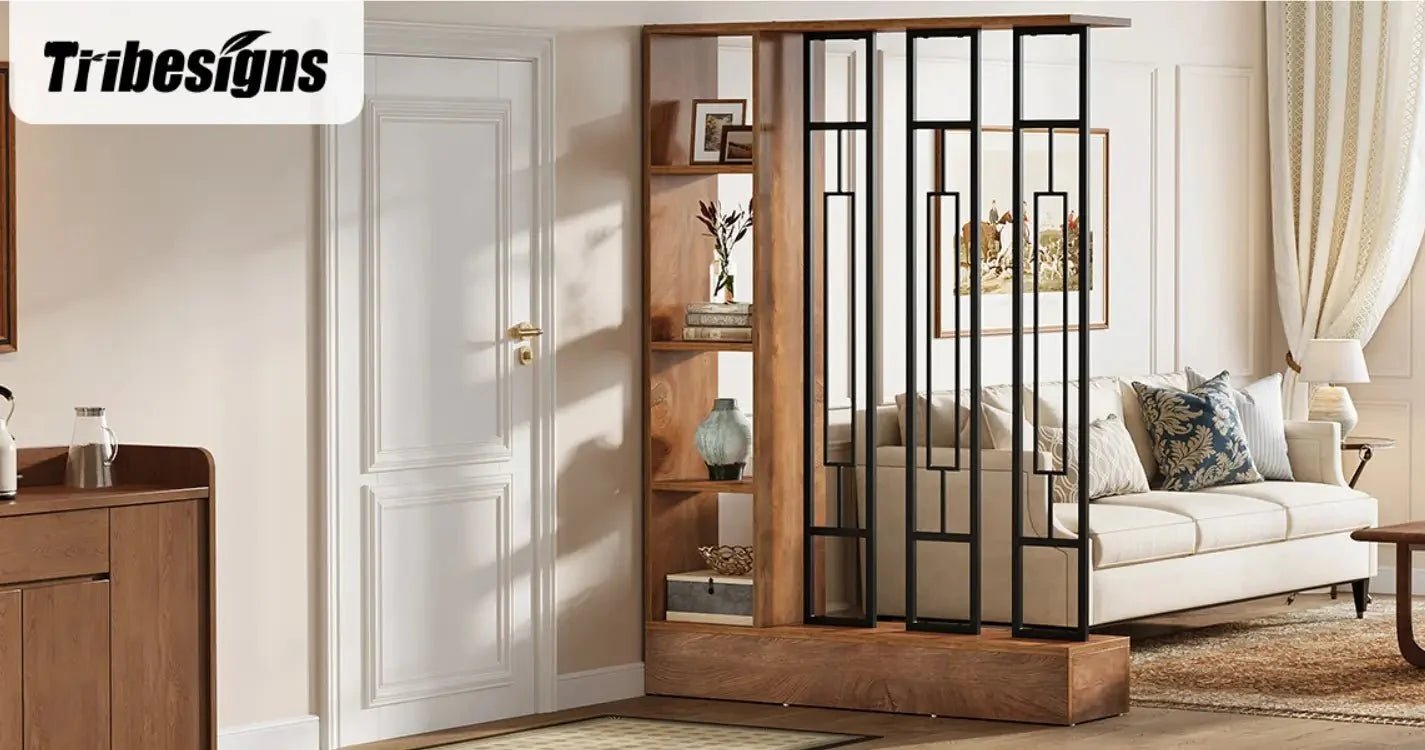
Open bookcase |
Studios, offices, living rooms |
Medium |
High |
High |
Yes |
|
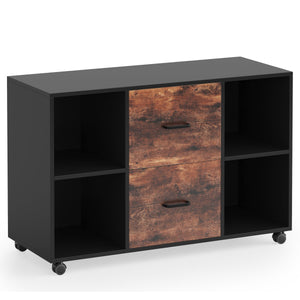
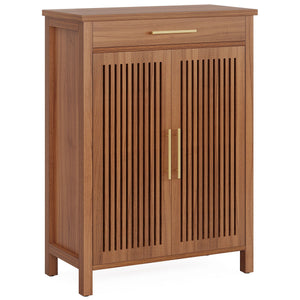
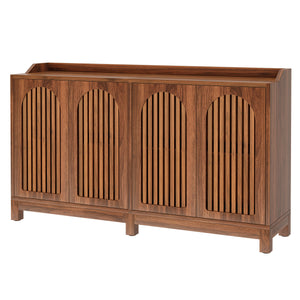
Storage cabinet |
Bedrooms, shared rooms |
High |
Low-Medium |
High |
Yes |
|
Curtains |
Studios, rentals, bedrooms |
Medium-High |
Depends |
None |
Usually |
|
Folding screen |
Quick privacy |
Medium |
Medium |
None |
Yes |
|
Sofa + console |
Open living/dining rooms |
Low-Medium |
High |
Medium |
Yes |
|
Visual zoning |
Low |
High |
None |
Yes |
|
|
Plants |
Soft separation |
Low |
High |
Low |
Yes |
|
Slatted divider |
Modern open spaces |
Medium |
High |
None |
Sometimes |
1. Use an Open Bookcase for Storage and Separation
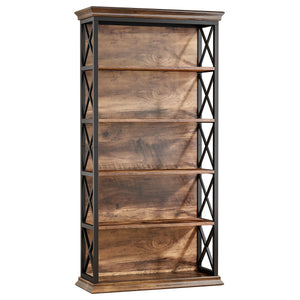
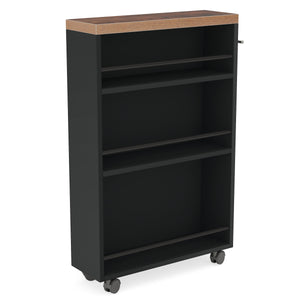
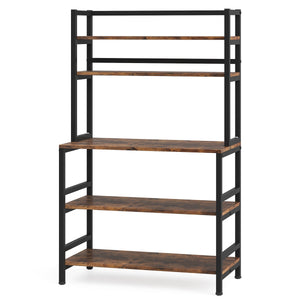
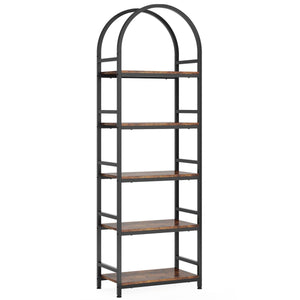
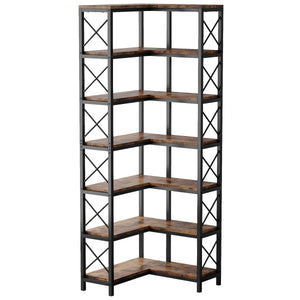
In a studio apartment, place a tall open bookshelf between the bed and sofa to make the sleeping area feel more private. It also works well near a desk to define a home office and keep supplies organized.
For a lighter look, avoid overfilling the shelves. Use baskets on the bottom and simple décor at eye level. For tall freestanding shelves, consider anti-tip hardware in homes with kids or pets.
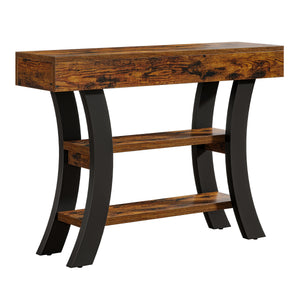
2. Place a Console Table Behind the Sofa
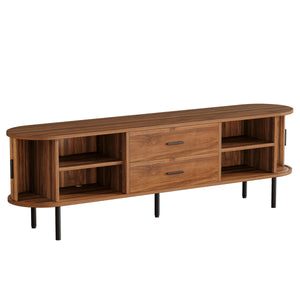
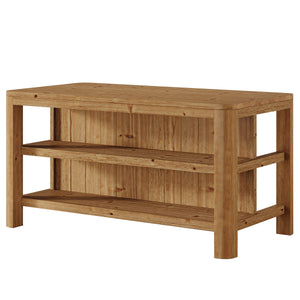
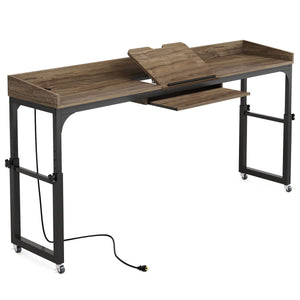
A console table makes the back of a sofa look intentional instead of unfinished. It also adds a useful surface for lamps, books, baskets, keys, or décor.
This idea works especially well in open living rooms or homes without a formal entryway. Choose a table close to the height of the sofa back or slightly lower, and avoid anything too deep that could crowd the walkway.

3. Build a Soft Divider With Plants
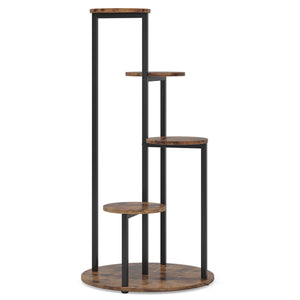
Plants create a soft visual divide without making the room feel closed off. Use tall planters, plant stands, or an open shelf with greenery between a desk and sofa, or near a window corner.
This works best in rooms with natural light. In darker spots, realistic faux plants can give a similar look. Plant dividers do not add much privacy, but they bring warmth, texture, and a more relaxed feel.

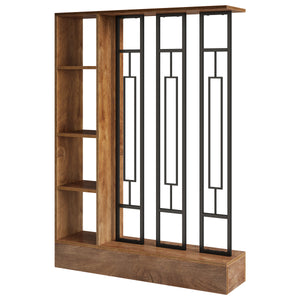
4. Try a Slatted or Open-Frame Divider
Slatted and open-frame dividers define zones while still letting light pass through. They work well in modern, Japandi, Scandinavian, and minimalist interiors.
Freestanding options are more renter-friendly, while mounted panels look more built-in but may require drilling. Use them between an entryway and living room, or between a bedroom and dressing area, for a clean visual break without a solid wall.
What Room Dividers Cannot Do?
Room dividers are useful, but they have limits.
They do not block sound like real walls. Curtains and bookcases may soften a space visually, but they will not give the same acoustic privacy as drywall.
Full privacy usually requires solid panels, closed cabinets, or heavier curtains. Open shelves and plants create separation, not concealment.
Small rooms can feel cramped when the divider is too tall, too deep, or placed in the main walkway. A lower bookcase, sheer curtain, rug, or lighting plan may work better.
Some dividers are not truly renter-friendly. Ceiling tracks, mounted slats, and built-in shelves may require permission from a landlord.
Tall furniture also needs attention. Stability matters more when a bookcase or cabinet is floating away from the wall.

How Much Does It Cost to Divide a Room Without a Wall?
Room dividers can be inexpensive or investment-level, depending on the material and size.
|
Budget |
Good Options |
|
Low budget |
Curtains, rugs, small folding screens, plants |
|
Mid-range |
Open shelves, console tables, larger screens |
|
Higher budget |
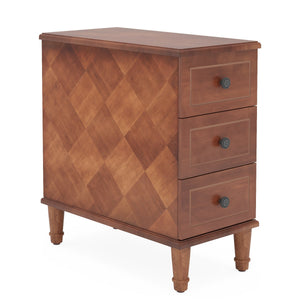
Tall bookcases, storage cabinets, custom slatted dividers |
Curtains and rugs are usually the lowest-cost starting points. Open shelving costs more but adds storage. Cabinets and larger bookcases tend to be higher-budget pieces, but they also do more for organization and privacy.
The best value usually comes from furniture that solves more than one problem. A bookcase that divides a room and stores daily items often earns its floor space quickly.
FAQs
What is the Cheapest Way to Divide a Room?
Curtains, rugs, plants, and furniture rearrangement are usually the cheapest options. Curtains add privacy, while rugs and lighting create visual zones without adding bulky furniture.
How Do You Divide a Room Without Drilling?
Use folding screens, freestanding bookcases, storage cabinets, sofas, console tables, rugs, or plants. Tension-rod curtains may also work in certain layouts.
What Furniture Works Best As a Room Divider?
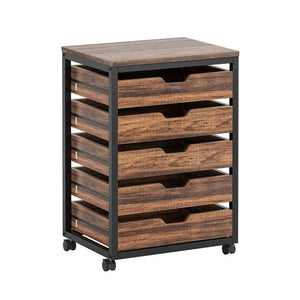
Open bookcases, storage cabinets, sofas, console tables, cube shelves, and wardrobes work well. Bookcases are especially practical because they divide the room and add storage.
How Do You Divide a Studio Apartment?
Place a bookcase, curtain, or folding screen near the bed. The goal is to create a sleeping zone without blocking the entire apartment or cutting off natural light.
How Can You Divide a Room Without Blocking Light?
Choose open shelves, slatted dividers, sheer curtains, plants, or lower furniture. Solid cabinets and heavy curtains provide more privacy but reduce light flow.
Can a Bookcase be Used as a Room Divider?
Yes. A bookcase can divide a room while adding storage and display space. Open bookcases are better for light flow, while closed cabinets give more privacy.
Create a Room That Works Harder
A wall is not always the smartest way to divide a room. In many homes, flexible furniture does the job better.
Open bookcases help with storage and separation. Cabinets bring privacy and order. Curtains and folding screens give renters more control. Sofas, rugs, plants, and lighting shape open rooms without making them feel smaller.
The right divider should feel useful every day, not just decorative. Once the layout supports how you actually live, one room can feel like two without losing the openness that made it valuable in the first place.