







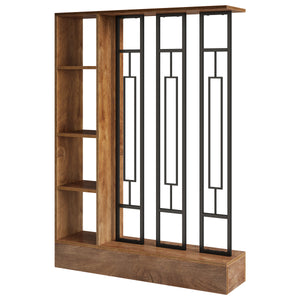


Create Privacy Around Your Bed in a Studio Apartment
In a studio apartment, the bed is often the first thing guests notice when they walk in. A divider can make the sleeping area feel more private without closing off the rest of the room.
If your bed sits along a wall, try placing a divider perpendicular to it, near the foot of the bed. This can interrupt the view from the living area while keeping access to the bed open.
For a bed positioned near the entrance, a divider between the doorway and sleeping area may create a more useful visual boundary. Check the view from the front door before deciding where it goes.
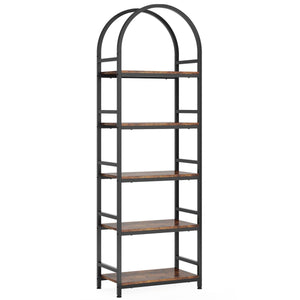
Open shelving works well when the bed shares a window with the living area. It creates separation while letting light pass through, though it won't provide complete visual privacy or block noise.

Define an Entryway That Opens Into the Living Room
Many small apartments don't have a separate foyer. The front door opens directly into the living room, leaving little distinction between the entrance and the rest of the home.
Try positioning a narrow divider just beyond the door's swing, perpendicular to the wall. This can create a small entry zone without taking over the living area.
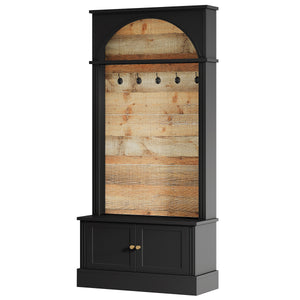
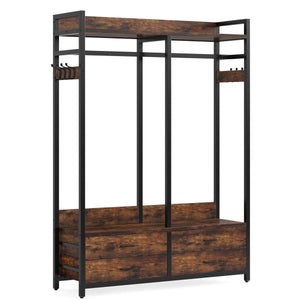
The Tribesigns 71-inch room divider with shelves and coat hooks is one option for this layout. Its hooks keep coats and bags near the entrance, while the open shelves provide space for everyday essentials.
If possible, position the hooks toward the entryway and the display shelves toward the living room. Choose the assembly orientation that works best for your layout.
Before placing the divider, open your front door fully and walk through the space with a bag or groceries. You should be able to enter, close the door, and move into the living room without squeezing around furniture.
Create a Work-From-Home Corner Without a Separate Office
When your desk shares a room with the sofa or dining table, a divider can help establish a clearer boundary between work and relaxation.
If your desk faces a wall, position a divider beside it, between your chair and the main living area. This can reduce visual distractions without enclosing the workspace.
Another option is to place the desk with its back toward the divider, creating a more defined work zone. Just make sure there's enough room to pull out your chair and move comfortably.
Think about video calls, too. A divider behind your desk can provide a more consistent background than an open view of the kitchen or living room.
For smaller apartments, a narrow design with open shelves can hold notebooks and office supplies without adding another bulky cabinet.

Use Both Sides of a Storage Room Divider
One of the advantages of a room divider with shelves is that it can serve two neighboring areas at once.
Between an entryway and living room, the entrance-facing side might hold coats and bags, while the living-room-facing side displays books or decorative objects.
In a studio, shelves near the sleeping area could hold a reading book and a small storage basket, while the opposite side carries items used in the living space.
A divider with a built-in bench offers another option when the entrance has no room for separate seating and storage. For example, the Tribesigns room divider with a shoe bench, storage shelves, and coat hooks brings several entryway functions together in one unit.
Before buying, check whether the shelves, hooks, or compartments are accessible from the side you need. Not every room divider provides the same storage access on both sides.
Check Walking Space, Light, and Stability Before Placement
A divider should make your apartment easier to use, not create a new obstacle.
Start by marking its footprint on the floor with painter's tape. Include the depth of the base, not just the width of the divider. Then walk your usual routes between the entrance, sofa, kitchen, and bed.
As a general furniture-planning reference, aim for around 30 to 36 inches of clear space along frequently used walking paths where your layout allows. Avoid narrowing an existing walkway just to fit a divider. Required clearances for doors and accessible routes may differ.
Next, consider the windows. In an apartment with only one main source of daylight, a slatted partition or open shelving design may help separate spaces without creating a dark corner.
Finally, check the installation requirements. Tall freestanding furniture may still need anti-tip hardware or wall anchoring, especially when it includes hooks or heavy storage. Renters should confirm what their lease allows before installation.

Style Open Shelves So They Look Good from Both Sides
An open room divider is often visible from two directions. That makes the placement of your accessories especially important.
Start with a few pieces that look attractive from different angles, such as small plants, ceramic bowls, or neatly arranged books. Hide loose items like charging cables and keys in baskets or closed compartments where possible.
Mix practical storage with decorative pieces rather than filling every shelf. For example, keep frequently used items near the entryway and reserve the more visible shelves for a plant, framed photo, or favorite object.
The Tribesigns 71-inch wall room divider with storage shelves and coat hooks offers a combination of display and everyday storage that can work between an entrance and living area.
Choose accessories that pick up colors or finishes already in the room. This helps the divider feel connected to the surrounding furniture rather than like an extra piece squeezed into the apartment.
Make Your Small Apartment Work for You
A room divider doesn't have to create a completely separate room to make a difference. Sometimes, blocking the view of the bed from the entrance, giving your desk a clearer boundary, or creating a dedicated spot for coats is enough.
Start with the part of your apartment that feels hardest to use, then choose a layout that solves that particular problem. The right divider should give your space more purpose while keeping everyday movement comfortable.
If you'd like to compare other ways of separating a space, explore our guide to how to divide a room without a wall.