









Why Dining Tables With Benches Are Becoming More Popular
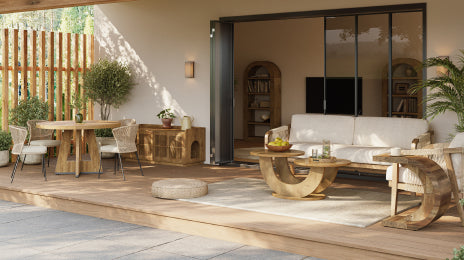
A dining bench brings a different feeling to a dining room.
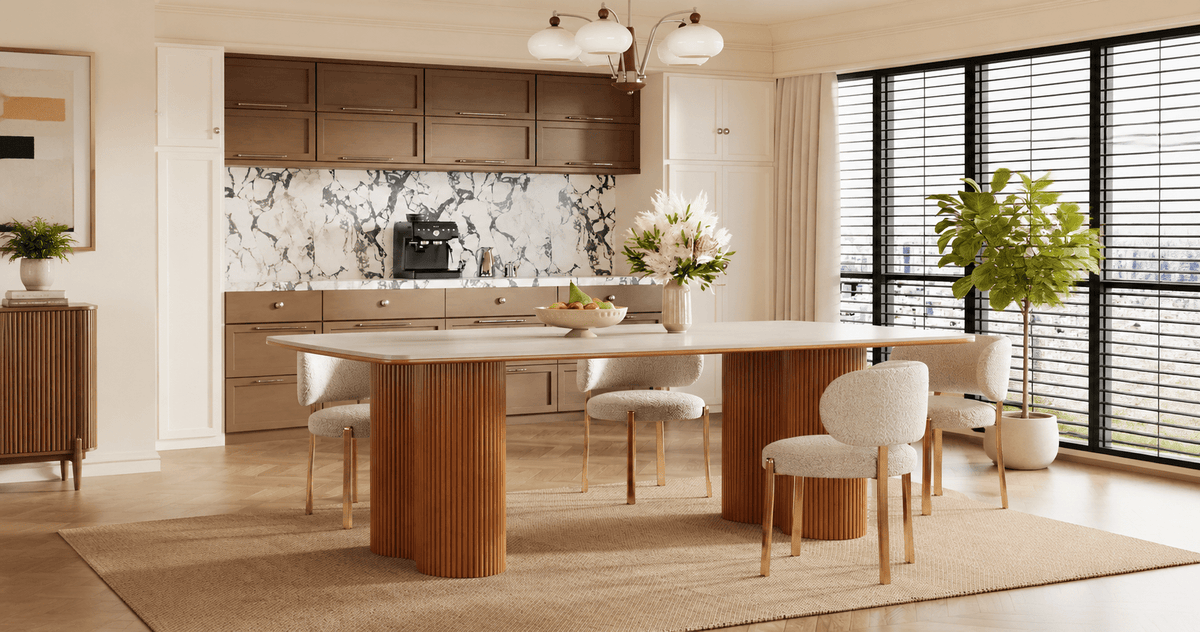
Unlike individual chairs that visually separate each seat, a bench creates one continuous line along the table. This simple change can make the space feel more open, relaxed, and welcoming.
Interior designers often use bench seating because it helps create better visual flow, especially in modern homes with open-concept kitchens and dining areas. A long bench can reduce visual clutter and make the room feel less crowded while still providing comfortable seating for everyday use.
Beyond appearance, dining benches also reflect the way people live today. Homes are no longer only designed around formal entertaining. They are designed around flexibility — a place where family members gather, guests are welcomed, and everyday moments happen naturally.

The Benefits of Choosing a Dining Table With a Bench
Create Flexible Seating for Everyday Life
One of the biggest advantages of a dining bench is flexibility.
A bench allows people to sit more naturally around the table. Instead of each seat being defined by one chair, the available space can adapt depending on who is gathering.
This makes dining benches especially practical for:
- Family meals
- Weekend gatherings
- Casual entertaining
- Homes that frequently welcome guests
For families, a bench can also create a more relaxed dining experience. Children can sit together more comfortably, and guests can easily find a place at the table without worrying about arranging additional chairs.
Make Better Use of Smaller Dining Spaces
For apartments, breakfast nooks, and compact dining areas, a dining bench can be a smart space-saving solution — especially when paired with a rectangular dining table.
Unlike individual chairs, many dining benches can slide neatly under the tabletop when not in use, helping keep walkways clear and creating a cleaner visual appearance.
A dining table with bench seating works especially well in spaces where every inch matters:
- Small kitchens
- Open-plan dining areas
- Breakfast nooks
- Multi-purpose living spaces
By reducing the visual footprint of the seating arrangement, a bench can help a dining area feel more open while still providing comfortable seating for family meals and gatherings.
Create a More Relaxed and Inviting Dining Atmosphere
A dining bench naturally changes the mood of a room.
Traditional dining chairs often create a more formal arrangement, while benches encourage a closer, more casual way of gathering. This makes them especially appealing for homeowners who want their dining area to feel warm and lived-in.
The style of the bench also influences the overall look:
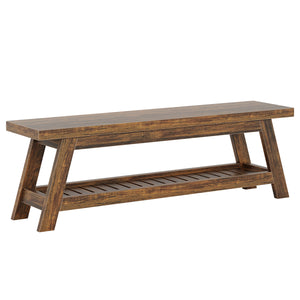
- Natural wood benches bring warmth and an organic feel
- Upholstered benches add softness and comfort
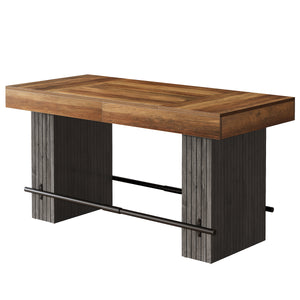
- Metal and wood combinations create an industrial-inspired look
- Simple designs complement modern interiors
The best dining spaces are not defined by one specific style. They are created by choosing pieces that support the way you live.

Dining Bench vs. Dining Chairs: Which Option Is Better?
There is no universal answer when choosing between a dining bench and traditional dining chairs. The better option depends on your dining table style, available space, and how you use the room.
A dining bench is not simply a replacement for chairs. It works best when the seating design matches the shape and layout of the table.
Dining Benches Work Best With:
- Rectangular dining tables — The straight edge allows the bench to align naturally with the tabletop and slide underneath when not in use.
- Oval dining tables — A longer bench can complement the softer curves while maintaining an open feeling.
- Farmhouse and modern dining styles — Bench seating adds a relaxed, communal atmosphere.
Dining benches are especially useful for:
- Families who prefer flexible seating
- Smaller dining areas where saving space matters
- Casual gatherings where people often sit together
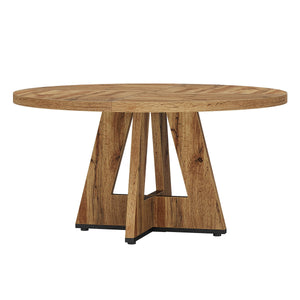
However, benches may not be the ideal choice for every dining setup. Round dining tables, for example, are usually better paired with individual chairs because the curved shape does not allow a bench to follow the table edge naturally.
Dining Chairs Offer More Versatility
Dining chairs remain the most adaptable seating option because they work well with almost every table shape, including:
- Rectangular dining tables
- Round dining tables
- Square dining tables
- Oval dining tables
They are also often preferred for:
- Longer meals where back support matters
- More formal dining spaces
- Homes where each person prefers an individual seat
Dining Bench vs. Dining Chairs Comparison
|
Dining Bench |
Dining Chairs |
|
|
Best table match |
Rectangular and oval dining tables |
Works with almost all table shapes |
|
Seating flexibility |
Excellent for families and gatherings |
Individual seating spaces |
|
Space efficiency |
Can slide under rectangular tables to save space |
Requires more room around each seat |
|
Comfort |
Depends on design and whether back support is included |
Usually provides more back support |
|
Style |
Relaxed, modern, and communal |
Traditional, versatile, and adaptable |
|
Best for |
Casual dining, small spaces, family gatherings |
Formal meals, longer dining sessions, flexible styling |
For many homes, the best solution is not choosing one over the other. A combination of a dining bench on one side and chairs on the other can create a balanced arrangement — offering the space-saving benefits of a bench while maintaining the comfort and flexibility of individual seating.
The right choice is not about following a trend. It is about creating a dining space that fits the way you gather, eat, and live.

How to Choose the Right Dining Bench for Your Table
A dining bench can add flexibility and character to a dining space, but choosing the right size is essential. The best bench should feel like a natural extension of your dining table — not too small, too large, or difficult to move around.
Before choosing a dining bench, consider three key factors:
- Bench length
- Seat height
- Space around the table
Choose a Bench Length That Matches Your Table
A dining bench should complement the size of your tabletop while leaving enough room for comfortable seating.
As a general guideline, choose a bench that is slightly shorter than the length of your dining table. This allows the bench to sit neatly underneath the table and creates a more balanced appearance.
For example:
- A 60-inch dining table often works well with a 48–54-inch bench.
- A 72-inch dining table typically pairs well with a 60–66-inch bench.
The goal is not to fill every inch of the table edge, but to create a comfortable seating arrangement with enough space for movement.
Check the Height for Comfortable Dining
Most standard dining tables are around 28–30 inches high, while dining benches are typically around 17–19 inches high.
This creates enough legroom for comfortable dining while keeping the seating position natural.
If you plan to use the bench for longer meals or gatherings, consider adding:
- Seat cushions
- Upholstered padding
- Soft textiles
Small details can make a dining bench feel more comfortable while adding warmth and personality to the space.
Leave Enough Space Around the Table
A well-designed dining area should feel easy to move through.
Try to leave around 36 inches of clearance around seating areas whenever possible. This allows guests to sit down comfortably, pull out the bench, and move around the table without feeling crowded.
The right dining bench is not only about fitting the table — it is about creating a space that works naturally for everyday life.
Create a Dining Space Designed Around the Way You Live
A dining table with a bench is more than a furniture trend. It represents a shift toward dining spaces that feel more flexible, comfortable, and connected.
The best dining rooms are not simply arranged around how they look. They are designed around how people gather, share meals, and spend time together.
Whether you choose a full bench setup or combine a bench with traditional dining chairs, the goal is the same: creating a space that feels welcoming every day.
Because the most memorable dining spaces are not just where meals happen — they are where life happens.