





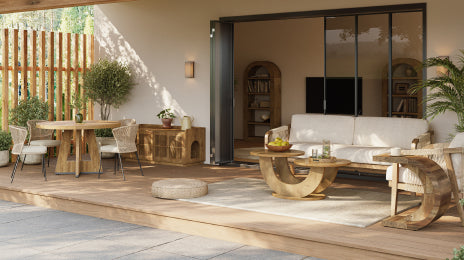




The dining space has become more than a place for formal meals for many families. Open-concept layouts are becoming increasingly widespread, and the dining space is commonly connected to the kitchen and living area, creating a shared environment where different components of everyday life happen naturally.
This space has to accommodate numerous moments throughout the day, from weekday breakfasts and family dinners to working remotely, children’s activities, and weekend gatherings. In the middle of it all, the dining table holds a vital place—offering a comfortable spot for everyday routines while creating a pleasant atmosphere when family and friends gather together throughout the fall season.
Quick Answer
Modern dining spaces are designed for more than shared meals. They have become places for family dinners, casual conversations over coffee, remote work during the day, and moments like children drawing, reading, or finishing homework. A well-chosen dining table helps bring these moments together, while thoughtful details around the space create a comfortable and welcoming environment for fall and beyond.
Table of Contents
Choose a Dining Table for Everyday Life
The eating space is becoming more multifunctional in everyday life, and picking the proper table begins with understanding how the space will be used. The finest dinner table is one that’s comfortable enough for your everyday routines, yet flexible enough for when your home turns into a hub for get-togethers.
Find the Right Size for Your Space and Needs Two questions are the first steps in determining the ideal dining table size: How much space is available in the eating area, and how many individuals will use it on a regular basis? Everyone should be able to sit comfortably at a table while still having easy access to the surrounding space.
For comfortable seating, allow around 24 inches of table space per person, and for chairs and movement, leave at least 36 inches of clearance around the table as a general suggestion. If the dining area is utilized often or is open to other living spaces, 42-48 inches of clearance can help create a more pleasant flow.
For everyday family meals, rectangular tables 60–72 inches long are a good choice for seating 4–6 people; larger tables about 78–96 inches are appropriate for families who often entertain visitors. Smaller areas can benefit from round tables in the 36–48 inch range to allow comfortable seating without closing in the room.
Related Reading: What is a Good Size for a Dining Table
Consider Everyday Cleaning and Maintenance As dining tables become more commonplace, ease of maintenance is a significant consideration. Beyond meals, the tabletop may be used for homework, creative endeavors, coffee breaks, or regular duties; therefore, it should remain functional despite repeated use.
A low-maintenance surface can make daily tasks easier, particularly in busy households. Durable, easy-to-clean, and low-maintenance materials ensure that the dining table remains practical and inviting over time.
For example, sintered stone tabletops are a practical choice for families who want a balance of style and convenience. Their dense, durable surface is easy to maintain with regular cleaning, making them suitable for everyday dining as well as gatherings where spills and frequent use are more likely to happen.

Choose a Shape that Supports Gathering
The shape of a dining table can influence both the atmosphere of a gathering and the way the space feels. While size determines how many people can comfortably sit, the shape affects how people interact and how the table fits into the room.
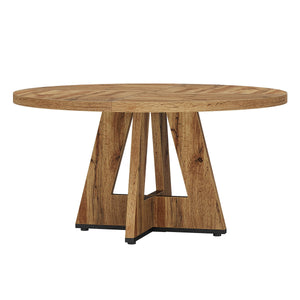
Round Dining Tables naturally create a more connected gathering experience. Since everyone sits closer to the center and faces each other more directly, conversations can feel easier and more relaxed, making them a great choice for family meals or smaller gatherings. Their curved shape can also help smaller dining areas feel more open by reducing sharp corners and improving the flow around the table. However, round tables may offer less surface area for serving dishes, decorations, or larger gatherings compared with rectangular designs.

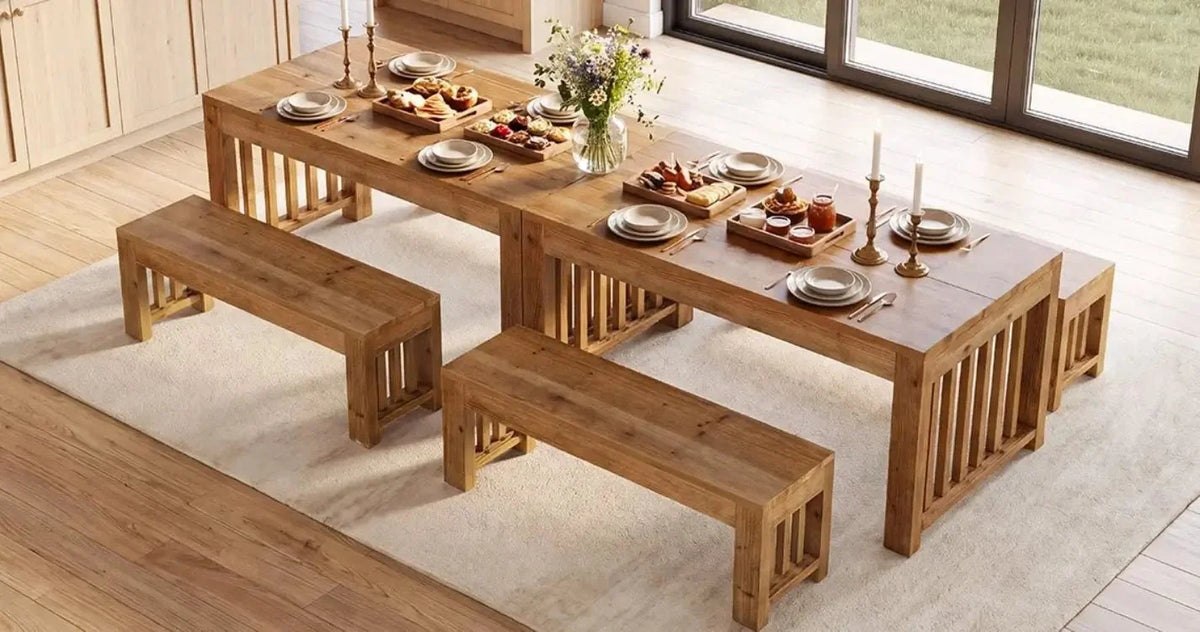
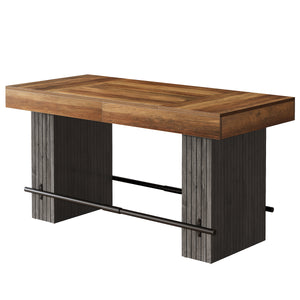
Rectangular Dining Tables remain a popular choice for larger dining spaces because they provide a generous surface for meals, serving dishes, and group gatherings. Their structured shape works especially well in open-concept homes, where the dining table can help define the dining area and create a stronger visual anchor. For families who frequently host guests or need more room for shared meals, a rectangular table offers flexibility and makes it easier to accommodate larger groups.

Create a Comfortable Dining Area Around the Table
A dining table works better when the surrounding space feels comfortable and easy to use. Especially in open-concept homes, the dining area is often connected with other living spaces, so the layout needs to balance function, movement, and visual connection. Small details around the table can help define the space and make it feel more welcoming for both everyday moments and seasonal gatherings.
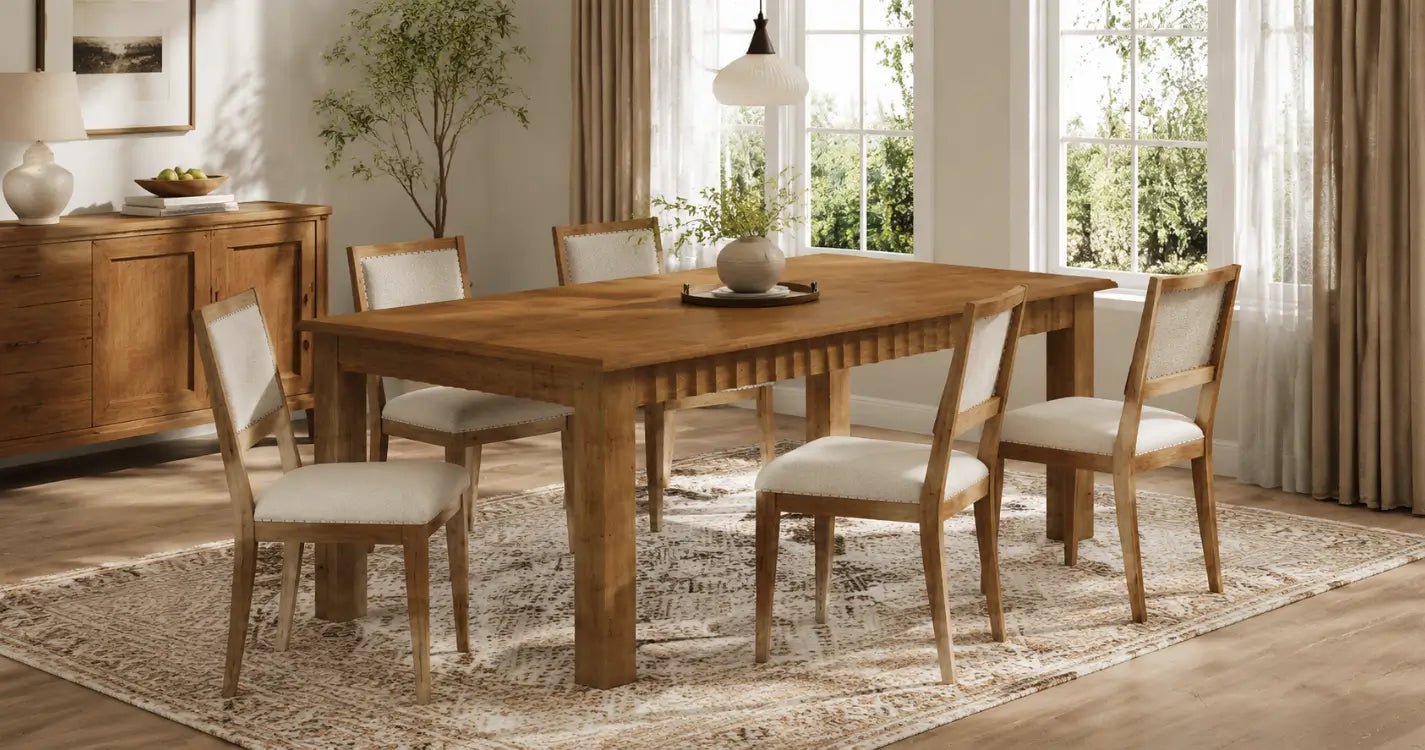
Define the Dining Space with an Area Rug An area rug can provide a cozier and more comfortable ambiance while visually separating the dining area from surrounding areas in an open arrangement. The dining space appears more defined when a rug is placed underneath the table to help anchor the furnishings. The size of the table and the surrounding seating space should be taken into account when selecting a rug. The chairs may stay on the floor even when they are pulled out thanks to a rug that goes beyond them, giving the room a more harmonious and cozy atmosphere.
Add Personality with Wall Decor Wall decor may add charm to a dining space and make the area feel more complete. Since dining space is generally part of a larger common area, artwork or decorative items can be used to create a visual connection between the dining table and the house style surrounding it. Whether it’s a major piece of art, a curated grouping of lesser works, or other personal elements, wall décor offers another layer of expression, transforming the dining area from a practical room into a place that feels distinctly yours.
Create a Welcoming Atmosphere for Fall Gatherings
A dining space becomes memorable not only because of the furniture but also because of the feeling it creates. As fall brings more opportunities for shared meals and gatherings, small details can help make the space feel warmer and more inviting. The goal is not to create a space that only looks ready for special occasions but one that feels comfortable for everyday moments and meaningful gatherings.
Seasonal updates do not need to completely change the dining area. Small additions such as a centerpiece, fresh flowers, candles, or natural textures can bring warmth to the table and make everyday meals feel more special. These details work best when they complement the existing furniture and overall style of the space, rather than overwhelming the dining area.
The most important part of a fall-ready dining space is not how it looks in photos, but how it supports connection. A comfortable table, enough space to move around, and a welcoming atmosphere allow family and friends to stay longer, share conversations, and enjoy time together.
Final Thought
As dining spaces continue to evolve, the dining table remains a place where everyday routines and meaningful gatherings come together. A thoughtfully chosen table, a functional layout, and a few personal touches can transform the dining area into a space that feels comfortable throughout the season. Whether it is a weekday family meal or a weekend gathering with friends, the best dining spaces are the ones designed around the moments that matter most.
FAQ
What size dining table works best for a family gathering?
Start with the number of people you expect to seat. Allow about 24 inches of table space per person, while keeping at least 36 inches of clearance around the table for chairs and movement. For frequent hosting, consider occasional guest numbers as well as everyday household needs rather than simply choosing the largest table the room can hold.
Which one is better, a round or a rectangular table for gatherings?
It depends on how you like to gather. Round tables bring people closer together and make face-to-face conversation easier, which works particularly well for smaller groups. Rectangular tables generally provide more surface area for serving food and accommodate larger groups more easily, making them practical for bigger family meals and entertaining.
What dining table surface is easiest to maintain?
Look for a surface that fits the amount and type of use the table receives. For busy households, easy-clean, durable surfaces can reduce everyday maintenance. Sintered stone, for example, offers a dense, easy-care surface that works well when the table is regularly used for dining, homework, crafts, and gatherings.
How can I make an open dining area feel separate?
An area rug beneath the dining table can visually anchor the furniture and distinguish the dining zone from the kitchen or living area. Wall decor can further give the area its own character while keeping it visually connected to the rest of the home.