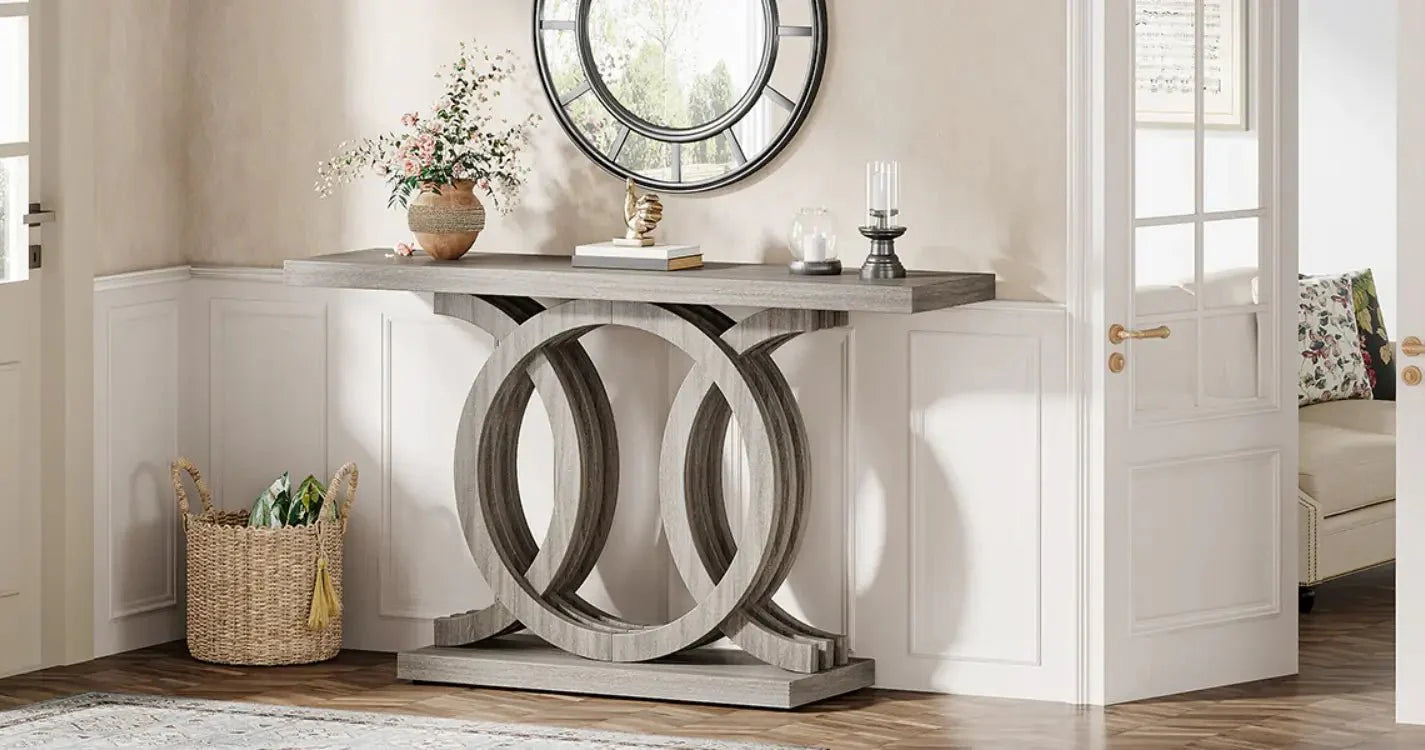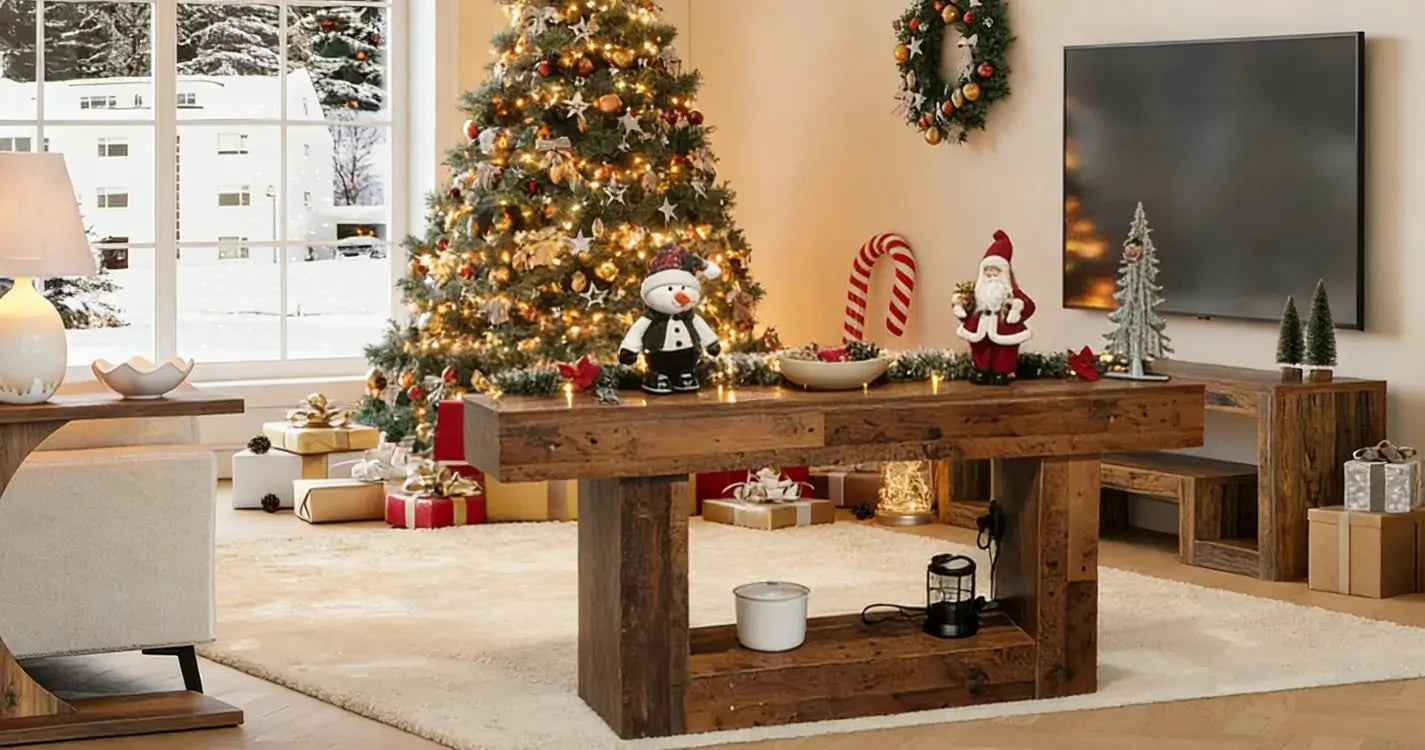


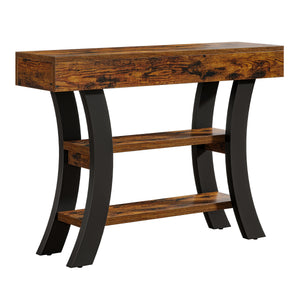
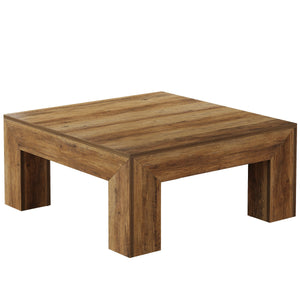








How to Maintain and Clean Solid Wood Console Tables?
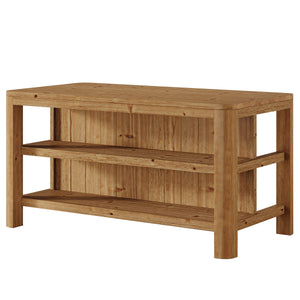
Solid wood functions as a living material. It breathes and reacts to your home’s climate, requiring consistent attention to prevent warping. Look at the underside or the grain patterns. If the grain continues over the edge, you likely own solid timber. This wood breathes and expands, making it sensitive to humidity but easy to sand and refinish.
Cleaning Routine:
Dust the surface weekly using a damp microfiber cloth. Always move the cloth in the direction of the natural wood grain to prevent microscopic scratches. If you encounter stubborn grime, mix a single drop of Dawn dish soap into a bowl of warm water. Dry the surface immediately with a clean cotton towel to prevent moisture from swelling the wood fibers.
Long-term Care:
These pieces need regular hydration to stay supple. Rub a high-quality conditioner into the wood every six months. This treatment creates a barrier against dry indoor heating and restores the timber's deep glow. You can safely sand and refinish solid wood if deep scratches or stains occur over time.

How to Maintain and Clean Wood Veneer Console Tables?
Veneer consists of a paper-thin slice of real wood glued onto a stable core like MDF. This style is popular in Mid-Century Modern designs, but the glue bond remains its weakest point. You cannot sand these aggressively. Excessive water will dissolve the glue and cause the surface to bubble or "blister."
Cleaning Routine:
Keep moisture to an absolute minimum. Use a dry duster or a cloth that is barely damp to the touch. Water often seeps into the edge seams, causing the wood layer to bubble or peel away from the base. Never let liquids sit on the surface for more than a few seconds.
Long-term Care:
Protect the delicate exterior rather than trying to "feed" it. Veneer does not absorb oils well, so skip the heavy waxes that leave a greasy residue. Place felt pads under lamps or decor to prevent gouges. Since the wood layer is so thin, you cannot sand out deep scratches without ruining the piece.

How to Maintain Finished Wood Tables?
Run your hand across the surface. A plastic-like, smooth shield indicates a lacquer or polyurethane finish. These resist spills well. A matte, slightly textured surface often suggests an oil or wax finish. These require regular "feeding" with conditioners to prevent drying.
Cleaning Routine:
Leverage the water-resistant nature of the finish. You can safely use a specialized spray like Method Wood for Good to remove fingerprints and oily streaks. These cleaners lift dirt without leaving a dull film behind.
Long-term Care:
Focus on preserving the clarity of the shield. Avoid furniture polishes containing silicone, as they create a permanent "haze" that is difficult to remove later. Buff the surface with a dry, lint-free cloth once a month to maintain its original showroom shine.
The Essential Cleaning Kit
Professional results require the right tools. Skip the "all-purpose" grocery store sprays, as they often contain silicone or wax that creates a sticky, dust-attracting buildup.
- Cloth: Use only lint-free microfiber or old cotton T-shirts. Paper towels are too abrasive for soft woods like pine or cedar.
- Cleaner: Mix a drop of Dawn Dish Soap with warm water. This provides a pH-neutral solution that cuts through finger oils without stripping the finish.
- For deeper care, Howard Feed-N-Wax for conditioning or Method Wood for Good for eco-friendly daily dusting.
- Forbidden List: Keep bleach, ammonia, and glass cleaners away from your wood. These chemicals eat through protective topcoats and permanently discolor the grain.
Solving Common "Console Dilemmas"
Accidents happen in a busy household. You don’t need a professional restorer for every minor blemish. Most common issues respond well to simple, targeted treatments.
White Water Rings
These cloudy marks appear when moisture gets trapped under the finish. Set a hair dryer to a low-heat setting. Move the dryer back and forth over the spot for several minutes. The heat releases the trapped vapor and clears the mark.
Sticky Residue
Kids’ stickers or tape can leave a gummy mess. Dab a small amount of mineral oil or a specialized cleaner onto a cloth. Rub the spot gently until the adhesive lifts. Clean the area with mild soap immediately afterward to remove any oily residue.
Surface Scratches
Shallow nicks often vanish with a simple trick. Rub a raw walnut meat into the scratch. The natural oils and pigments in the nut fill the groove and mask the damage. For darker woods, a furniture repair pen works exceptionally well.
Sun Fading
UV rays break down wood fibers and bleach out rich colors. If your console sits near a bright window, rotate your decorative items monthly. This prevents "tan lines" where the wood stays dark under a vase while the rest of the table fades.

Lifestyle Tips
Prevention saves you hours of cleaning time. Small adjustments to your decor habits will shield your investment from daily hazards.
Use Felt Pads: Attach adhesive felt bumpers to the bottom of lamps, trays, and ceramic bowls. These pads act as a buffer and prevent "micro-scratches" when you move items across the surface.
Coasters and Catch-alls: Place a leather or cork-lined tray near the edge of the table. This designates a safe spot for wet umbrellas or cold drinks, keeping moisture away from the wood.
Avoid Heat Vents: Never position your wood console table directly over or in front of a floor register. The blast of hot, dry air from your HVAC system will shrink the wood, leading to unsightly gaps or structural cracks.
Climate Control: Wood likes stability. Use a humidifier during dry winter months to maintain an indoor humidity level between 40% and 50%. This prevents the wood from becoming brittle.

Conclusion
The care and protection methods outlined here apply not only to wood console tables, but to most wood furniture in your home. From dining tables to nightstands, consistent, gentle maintenance helps preserve both beauty and structure over time. For everyday care, a soft cloth and light dusting are often all you need to keep wood surfaces looking their best.
In today’s home furniture market, more homeowners are choosing quality pieces they can live with long term instead of frequently replacing lower-cost items. Proper maintenance supports this shift toward durability and sustainability. Well-cared-for wood furniture ages gracefully, develops character, and remains part of your home for years rather than contributing to unnecessary waste.
Tribesigns console tables are designed with this philosophy in mind. We focus on solid construction, thoughtful finishes, and timeless design so each piece can grow with your space. With simple care and everyday attention, our entryway tables are made to last—and to become a lasting part of your home.
Frequently Asked Questions
Can I Use Windex or Other Glass Cleaners on My Wood Table?
Absolutely not. Windex contains ammonia, which aggressively eats through protective wood finishes. Regular use will strip the glow from your table and cause the finish to become brittle or discolored. Stick to pH-neutral soaps or dedicated wood cleaners.
How Often Should I Wax My Console Table?
Less is more. For most American homes, waxing once or twice a year is sufficient. Over-waxing creates a sticky buildup that traps dust and makes the surface feel tacky. If the wood looks dull after a thorough dusting, it might be time for a fresh coat of high-quality beeswax.
Is Vinegar Safe for Cleaning Wood Furniture?
Vinegar is acidic and can damage a finish if used at full strength. If you prefer natural cleaners, mix equal parts white vinegar and water, then add a few drops of olive oil to provide moisture. Always wipe the surface dry immediately to prevent the acid from lingering.
Read more: Effective Tips to Clean Wood Furniture
Why Does my Solid Wood Table Develop Tiny Cracks in the Winter?
This is "seasonal checking." When indoor heating systems strip moisture from the air during cold months, the wood fibers shrink. Using a humidifier to keep your home’s humidity above 40% is the best way to prevent the wood from splitting.