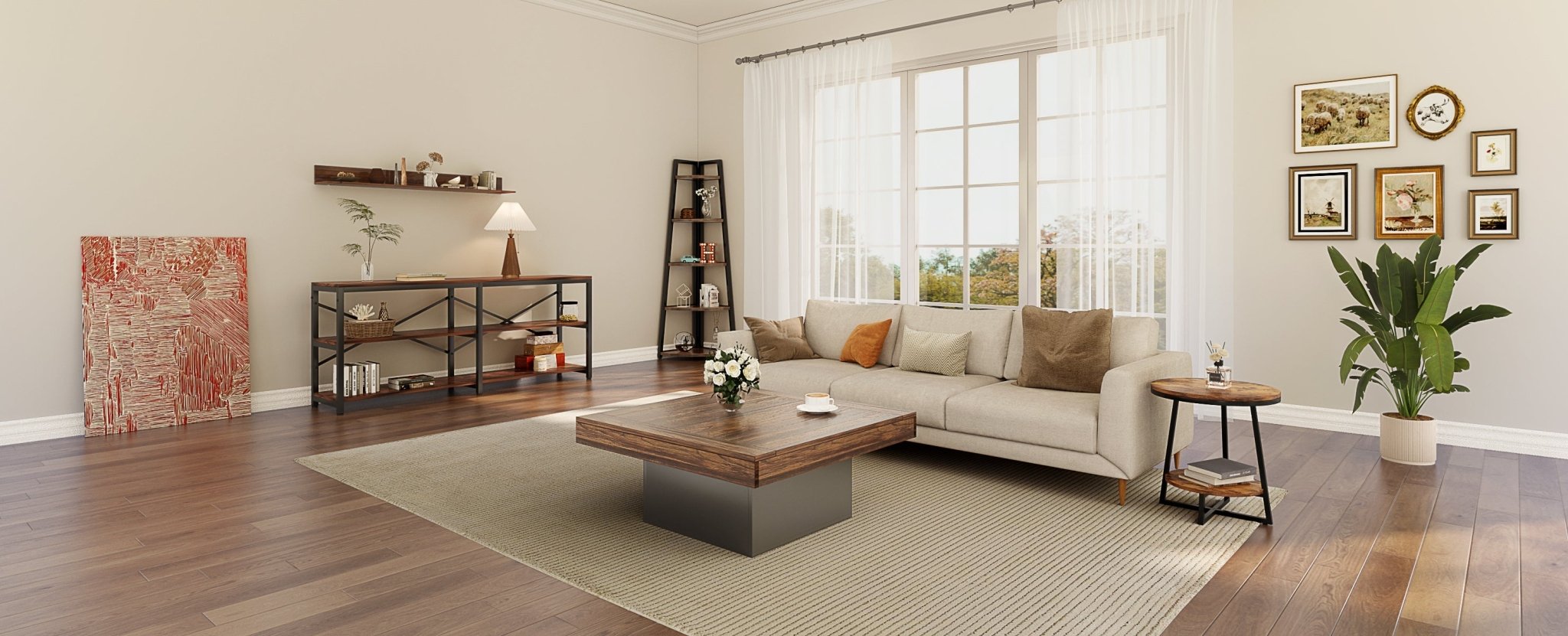


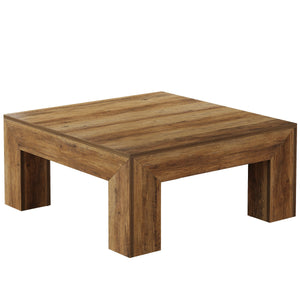
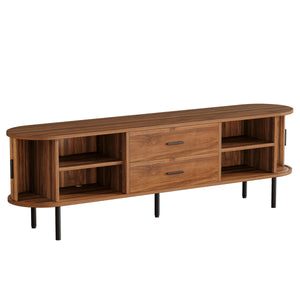
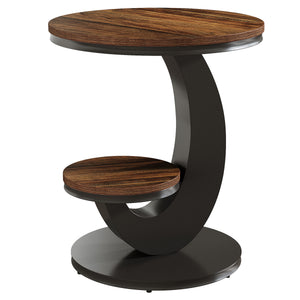

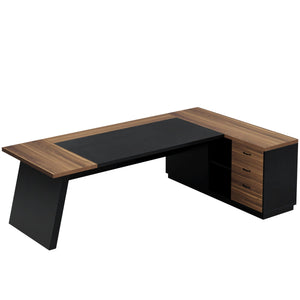
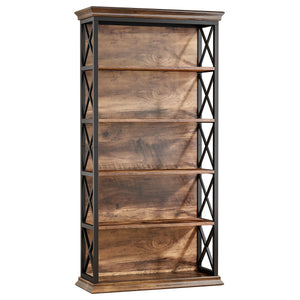
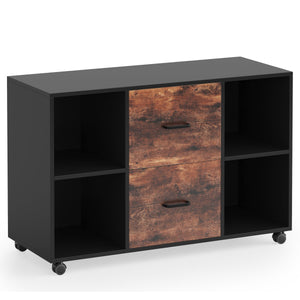
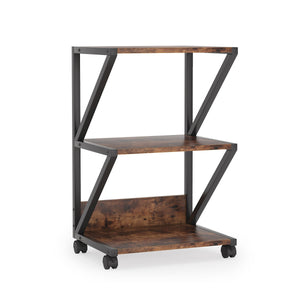

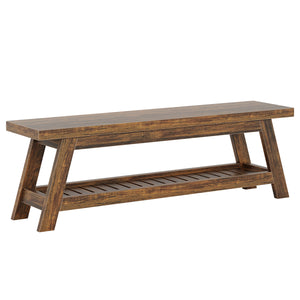
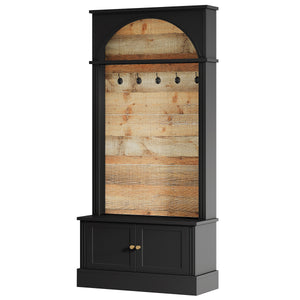
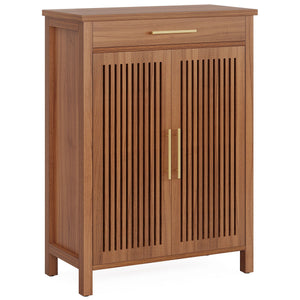

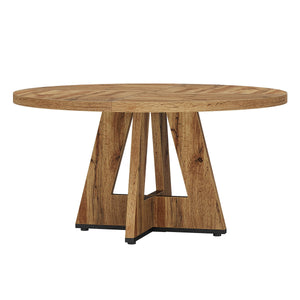
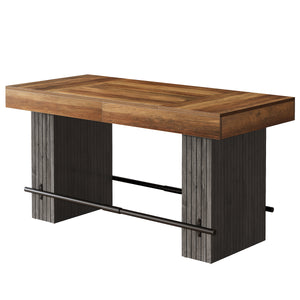
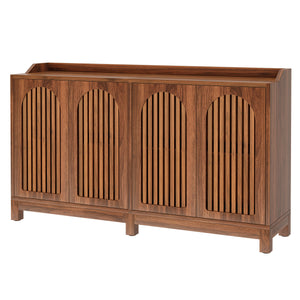

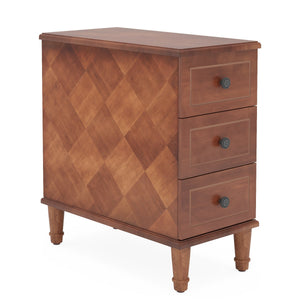
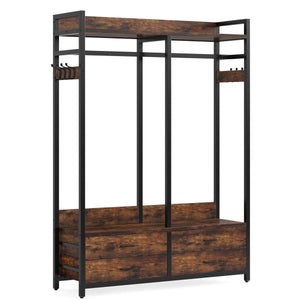
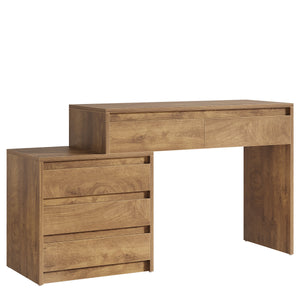
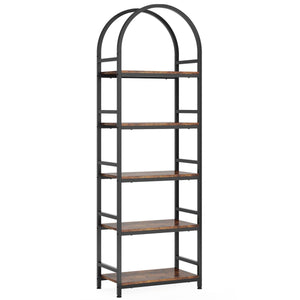
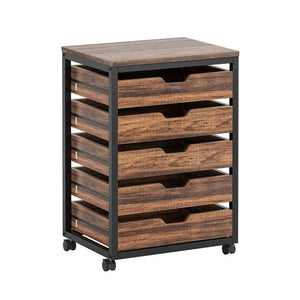
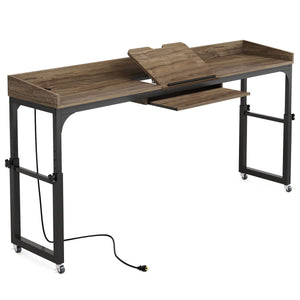
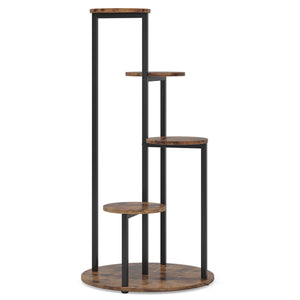
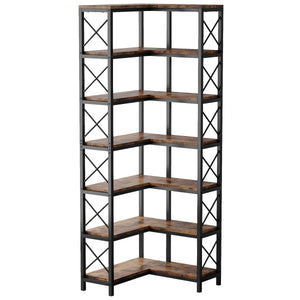
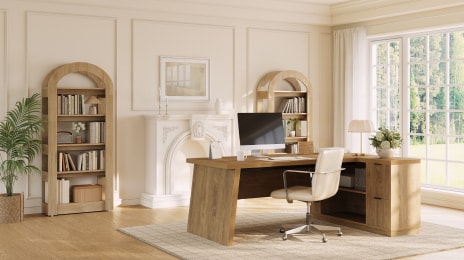




What is Solid Wood?
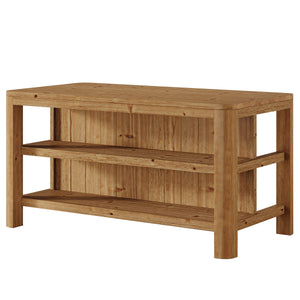
So, what exactly is solid wood furniture? Unlike engineered wood or composite materials, which are made from wood particles and glue, solid wood refers to furniture crafted from whole pieces of natural lumber. This means every table, bench, or shelf features a unique wood grain, sturdy structure, and the ability to last for decades with proper care.
As trends shift toward more conscious and meaningful purchases, solid wood furniture stands out for both its aesthetic appeal and investment value.
Benefits of Solid Wood Furniture
When deciding whether to choose solid wood furniture, several key factors come into play: its durability, unique appearance, and long-term value. Here’s why solid wood furniture continues to be a popular choice:
Exceptional Durability
Solid wood furniture is known for its strength and longevity. A high-quality solid wood piece can withstand years of use and even be passed down through generations. It’s tough, resistant to wear, and unlikely to lose its shape or structure over time, making it a reliable, long-term investment.
Unique Natural Grain
The grain of solid wood is one of its most appealing features. Every piece has its own unique texture and color, something no other material can replicate. Whether it's the deep tones of walnut or the lighter shades of oak, solid wood adds warmth and character to any room, bringing depth and life to your space.
Repairable and Refurbishable
Unlike many synthetic materials that wear down easily, solid wood furniture can be easily repaired or refurbished. Scratches, dents, or fading can be addressed with sanding, refinishing, or re-staining, giving your furniture a fresh look when needed. This makes solid wood a more durable and adaptable choice, one that can evolve with your style over time.
Long-Term Investment Value
While solid wood furniture might cost more upfront than alternatives like particleboard or MDF, its long-term value is clear. Solid wood not only holds up over time but also retains its aesthetic and structural integrity. Unlike synthetic materials that degrade or lose their appeal, solid wood maintains its beauty, making it a smart, lasting investment for your home.
Disadvantages of Solid Wood Furniture
Cost
One of the most notable downsides of solid wood furniture is its price tag. Solid wood is generally more expensive than other types of furniture, such as those made from particleboard or plywood. However, when considering the lifespan and durability, many find it a worthwhile investment.
Maintenance
Solid wood requires more maintenance compared to synthetic materials. It can be prone to scratches, dents, and water damage, requiring occasional refinishing or touch-ups. Additionally, changes in humidity can cause the wood to expand or contract, which might affect its shape or finish over time.
Weight
Solid wood furniture is often heavier than its counterparts, making it more difficult to move or rearrange. If you plan on frequently changing your room layout, it’s something to keep in mind.
Vulnerability to the Elements
Solid wood, while durable, is still susceptible to moisture, heat, and direct sunlight. Over time, exposure to these elements can cause the wood to warp or fade. Proper care, like using coasters and ensuring the furniture isn’t exposed to excessive sunlight, can help prevent damage.
Best Types of Wood for Furniture
When it comes to choosing solid wood furniture, the type of wood matters. Each species offers its own characteristics in terms of color, strength, grain, and longevity—all of which influence both the look and performance of your furniture. Here's a breakdown of the most common solid woods used in quality furniture like console tables, benches, and coffee tables:

1. Pine
Lightweight and affordable, pine is a popular choice for farmhouse-style furniture. It has a soft texture and light yellow hue with visible knots, giving it a rustic and natural look. It's easy to stain or paint, making it a flexible option for different interior styles.
2. Oak
Known for its exceptional durability, oak features a prominent grain and a light to medium brown tone. It's ideal for high-traffic furniture like bookshelves and coffee tables. Oak resists warping and holds finishes well, making it a go-to for long-term investments.
3. Acacia
This fast-growing hardwood is naturally water-resistant, with rich, dark brown tones and unique grain patterns. Acacia furniture adds warmth and character to living rooms and bedrooms while offering impressive strength.
4. Rubberwood
An eco-friendly choice often used in sustainable furniture, rubberwood is harvested from rubber trees at the end of their latex-producing life. It’s strong, smooth, and has a subtle grain, making it perfect for minimalist or Scandinavian-inspired designs.
5. Cherry
Cherry wood is prized for its smooth texture and deep, reddish-brown hue that darkens beautifully with age. It brings an upscale, traditional look to furniture and works well in elegant spaces. Cherry is also highly workable, making it a favorite for detailed craftsmanship.
6. Fir Wood
Often used in rustic or farmhouse furniture, fir wood offers a straight, pronounced grain with a warm, light color. While softer than oak or acacia, it’s still strong enough for everyday use—especially in decorative tables, shelves, or benches. Fir is also a cost-effective choice for large pieces like entryway consoles.
How to Identify Real Solid Wood?
Not all wood furniture is created equal. If you’re looking to invest in solid wood, here’s how to tell if it’s the real deal:
Look at the edges: Check the edges or the underside of the furniture. If you see uniform layers or a thin veneer, it's not solid wood. Real solid wood will have a consistent grain running throughout the piece.
Feel the weight: Solid wood tends to be heavier than other materials like MDF or plywood. If it feels light, it’s likely not solid wood.
Examine the grain: Solid wood pieces will have natural variations in the grain. If the grain looks too perfect or repeated, it could be a veneer or laminate.
Check for joints: Solid wood is often joined using traditional methods like dovetail joints. If the piece is held together with screws or nails, it may not be true solid wood.
Best Solid Sofa Table For the Living Room
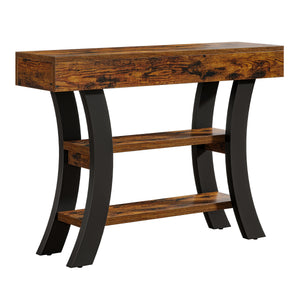
Looking for a narrow end table that doesn’t compromise on style or function? The Tribesigns solid wood side table delivers everything you need: a sleek cherry finish, a slim silhouette ideal for tight corners, and a durable, waterproof build. Whether you're placing it next to a sofa, armchair, or bed, it adds a clean, elegant accent while offering practical storage with two open shelves.

|
Feature |
Details |
|
Price |
$99.99 |
|
Dimensions |
27.56" W × 11.81" D × 26.38" H |
|
Material |
Solid wood frame with waterproof lacquer |
|
Colors Available |
Cherry, Black, Rustic Brown |
|
Style |
Contemporary / Modern Farmhouse |
|
Use Cases |
Side table, Nightstand, Entry table |
|
Storage |
2-tier open shelving |
|
Assembly |
18-month |
FAQs
Is Solid Wood Furniture Eco-friendly?
Yes, solid wood furniture can be an eco-friendly choice, especially if it’s made from sustainably sourced wood. Look for certifications like FSC (Forest Stewardship Council), which ensures the wood comes from forests that are responsibly managed. Unlike composite materials that may release harmful chemicals, solid wood is biodegradable and can be recycled.
How Much Should I Expect to Pay for Solid Wood Furniture?
The price of solid wood furniture can vary depending on the wood type, craftsmanship, and brand. On average, solid wood furniture tends to be more expensive than alternatives like MDF or particleboard. For example, you can expect to pay more for premium hardwoods like walnut or cherry compared to softer woods like pine.
As a general range, you might pay anywhere from $200 to $1,000 or more for a solid wood piece, depending on its size and quality. Brands like Tribesigns also offer solid wood furniture collections, often combining quality and price, offering great value. Smaller pieces start at around $100, while larger, more refined pieces are more expensive.
Does Solid Wood Furniture Last Longer than Engineered Wood?
Yes—when properly cared for, solid wood furniture can last generations.
Will Solid Wood Crack or Warp?
With a proper finish and indoor use, solid wood remains stable. Avoid extreme humidity.
How Do I Clean It?
Use a damp cloth and avoid harsh chemicals. Occasionally, apply furniture oil or wax. Read more: how to clean wood furniture.
Is It Heavy?
Yes—but that’s a sign of its quality. Many of our tables come with easy assembly instructions.
What Is the Best Wood for Living Room Furniture?
The best wood for living room furniture depends on your preferred style and the atmosphere you want to create. Pinewood, with its visible knots and light tone, offers a rustic, relaxed charm—perfect for farmhouse or country-style interiors.
In contrast, premium hardwoods like mahogany and teak bring a more classic, timeless appeal with their rich colors and durability. For a modern or minimalist space, lighter woods such as beech and ash help enhance openness and brightness, while darker woods like walnut convey sophistication and depth. Each type has its unique character, so the “best” choice ultimately comes down to your design goals and personal taste.
Final Verdict
When it comes to long-term value, solid wood furniture stands out for its natural beauty, strength, and timeless appeal. Its ability to age gracefully, resist daily wear, and offer unique grain patterns makes it a favorite for homeowners who want furniture that tells a story and lasts for years.
That said, materials like MDF, engineered wood, or particleboard also serve important purposes—especially in lightweight designs, budget-friendly furniture, or modern shelving units where flexibility and affordability are key.
Ultimately, suppose you’re looking for a piece that offers enduring structure, a warm tactile feel, and lasting value. In that case, solid wood is a smart and stylish choice—especially for focal points like console tables, coffee tables, and benches that anchor your living space.
Explore Tribesign's collection of solid wood furniture to find pieces that bring character, functionality, and craftsmanship into your home.
Read more: Engineered Hardwood vs. Hardwood: What’s the Difference?