




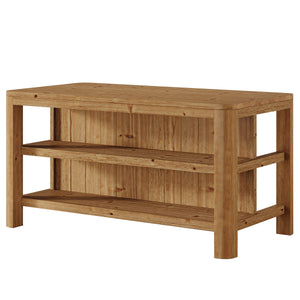
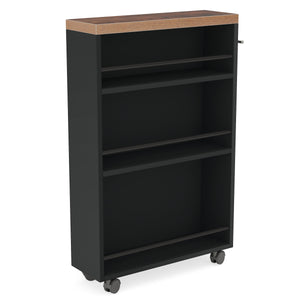
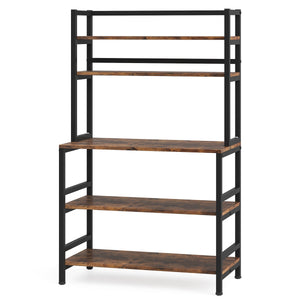
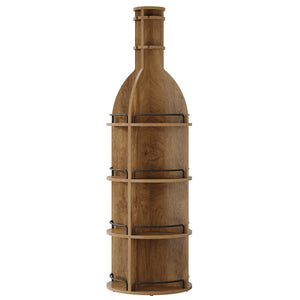





Adds Valuable Counter Space for Cooking and Preparation
One of the biggest advantages of having a kitchen island is the additional workspace it provides.
Kitchen countertops often become the busiest area in the home. From chopping vegetables and preparing ingredients to placing serving dishes before a meal, every extra inch of surface space can make cooking feel easier and less crowded.
A kitchen island creates a dedicated preparation zone where everything can happen more comfortably. It gives you room to roll out dough, organise ingredients, prepare drinks for guests, or simply have more space when several people are cooking together.
For households that enjoy hosting family dinners or weekend gatherings, this additional workspace can make the kitchen feel more efficient and enjoyable.

Creates More Storage and Helps Keep the Kitchen Organised
A kitchen island does more than add another surface — it can also help solve everyday storage challenges.
Pots, pans, cookbooks, small appliances and frequently used kitchen essentials often compete for limited cabinet and countertop space. A well-designed island creates another place to organise these items while keeping the main kitchen area cleaner and easier to use.
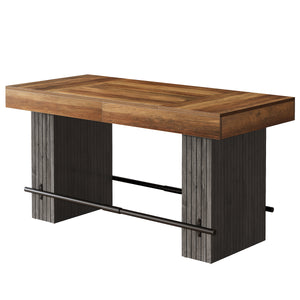
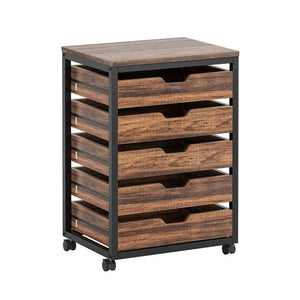
Depending on the design, kitchen islands can include cabinets, drawers, shelves or open storage areas for everything from cookware to decorative pieces. The goal is not simply adding more storage, but creating a kitchen where the things you use most are easier to access.
Becomes a Natural Gathering Place for Family and Guests
Perhaps the most meaningful benefit of a kitchen island is how it brings people together.
Instead of the person cooking being separated from everyone else, an island creates a natural connection point. Family members can sit nearby, guests can chat while dinner is being prepared, and everyday moments can happen around the kitchen.
A cup of coffee in the morning. A quick conversation after school. Friends gathering around while a meal comes together.
This is why many designers describe the kitchen island as the social centre of the modern home — a place where function and connection meet.
Provides Flexible Seating for Everyday Meals
A kitchen island can also provide a more relaxed alternative to traditional dining.
Bar stools or counter-height seating create a convenient spot for:
- quick breakfasts;
- morning coffee;
- casual lunches;
- homework;
- chatting with family while cooking.
Unlike a formal dining table that is often reserved for full meals or special occasions, an island supports the smaller moments that happen every day.
For many families, this flexibility is what makes a kitchen island one of the most frequently used areas in the home.

Improves Kitchen Flow and Makes Daily Tasks Easier
A good kitchen layout is not only about appearance. It is about how naturally people can move through the space.
A kitchen island can help create clearer zones for:
- food preparation;
- cooking;
- serving;
- cleaning;
- socialising.
When positioned correctly, it keeps essential areas within easier reach and allows multiple people to use the kitchen without constantly getting in each other’s way.
For comfortable movement, most designers recommend leaving at least 36 inches of clearance between the island and surrounding cabinets, appliances or walls. A 42-inch clearance provides a more comfortable workspace for everyday cooking, while 48 inches is ideal for busy kitchens where multiple people may move around the island at the same time. This extra space allows cabinets, appliances and walkways to function naturally.
Helps Define Open-Concept Living Spaces
Many American homes feature open layouts where the kitchen, dining area and living room share one connected space.
In these designs, a kitchen island can help create a natural transition between different areas without adding walls or barriers.
It visually separates the cooking zone from the living area while keeping the home feeling open and connected.
A freestanding kitchen island can be especially useful because it provides the function of an island while offering more flexibility than a permanent renovation.
Adds Style and Personality to Your Kitchen
Beyond function, a kitchen island can become one of the most noticeable design features in the room.
The materials, colours and finishes you choose can influence the overall feeling of your kitchen:
- natural wood creates warmth;
- painted finishes add personality;
- open shelving creates a lighter look;
- furniture-style designs bring a more customised feel.
Current kitchen design trends increasingly focus on islands that feel more like thoughtfully designed furniture pieces rather than simple extensions of cabinetry.
A well-chosen island can make the kitchen feel more complete while reflecting your personal style.
How to Choose the Right Kitchen Island for Your Space
Before choosing a kitchen island, consider how you want to use it.
Size
The right kitchen island size depends on your available space and daily needs. A larger island is not always better; it should leave enough room for comfortable movement while providing the functions you need.
|
Kitchen Island Type |
Recommended Size |
Best For |
|
Compact Island |
24–30"D × 48–60"L |
Small kitchens, apartments, extra prep space |
|
Standard Kitchen Island |
30–36"D × 60–84"L |
Everyday cooking, storage and family use |
|
Large Kitchen Island |
36–48"D × 84"+L |
Open kitchens, entertaining and multiple users |
A good rule is to leave at least 36 inches of clearance around the island, while 42–48 inches provides a more comfortable layout for cooking, walking and opening cabinets or appliances.
If you plan to add seating, allow enough space for stools to pull out comfortably. The island should improve your kitchen flow, not become an obstacle.
Storage Needs
Think about what your kitchen lacks most:
- extra shelving?
- hidden storage?
- space for appliances?
- a place for everyday essentials?
Mobility
A freestanding or rolling kitchen island offers more flexibility, especially for renters or smaller homes.
Style
Choose a design that works with your existing kitchen rather than competing with it.
A kitchen island should feel like a natural part of the home — something that improves daily life while adding character to the space.

Conclusion
A kitchen island is more than an extra piece of furniture. It can create a better cooking experience, improve organisation, provide a place to gather, and bring more personality into the heart of your home.
The best kitchen islands are the ones that balance beauty with everyday practicality — giving you a space that works not only for preparing meals, but for living, connecting and making memories.
Frequently Asked Questions
What is the main benefit of having a kitchen island?
The main benefit of a kitchen island is that it adds extra workspace, storage and a central area for everyday activities such as cooking, dining and gathering.
Does a kitchen island add value to a home?
A well-designed kitchen island can improve the functionality and overall appeal of a kitchen, especially in open-concept homes where the kitchen is a central living space.
Is a kitchen island worth it for a small kitchen?
Yes, a properly sized or movable kitchen island can add useful workspace and storage without overwhelming a smaller kitchen.
What can you use a kitchen island for?
A kitchen island can be used for food preparation, storage, casual dining, entertaining, working from home and displaying kitchen essentials.
Related read: Are Kitchen Islands Going Out of Style in 2025?