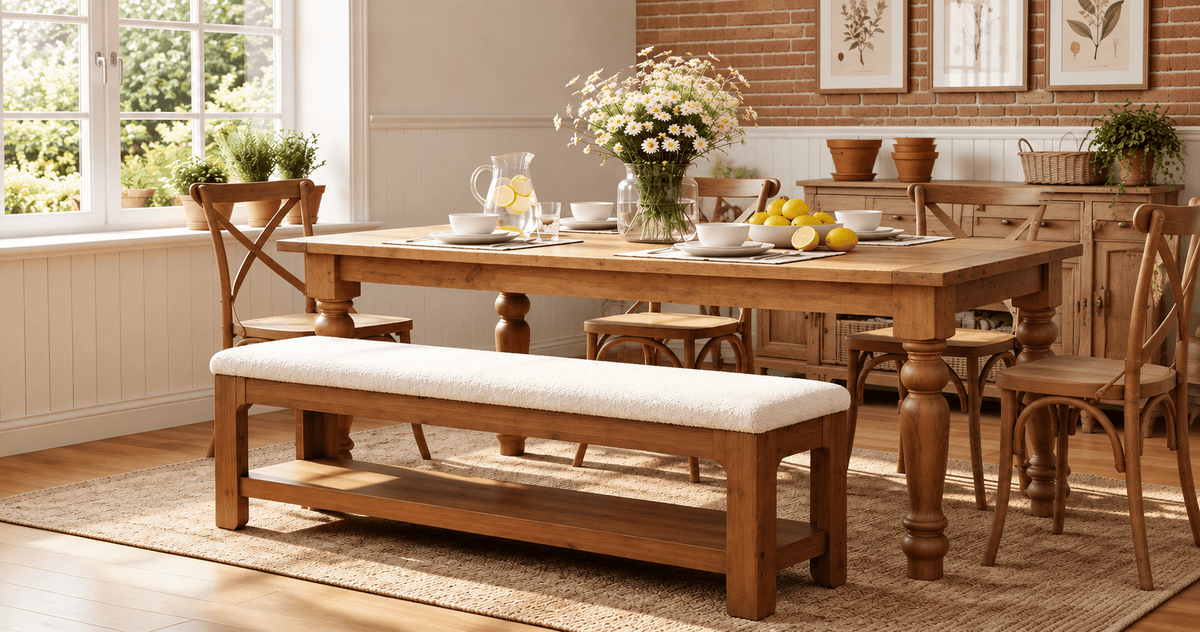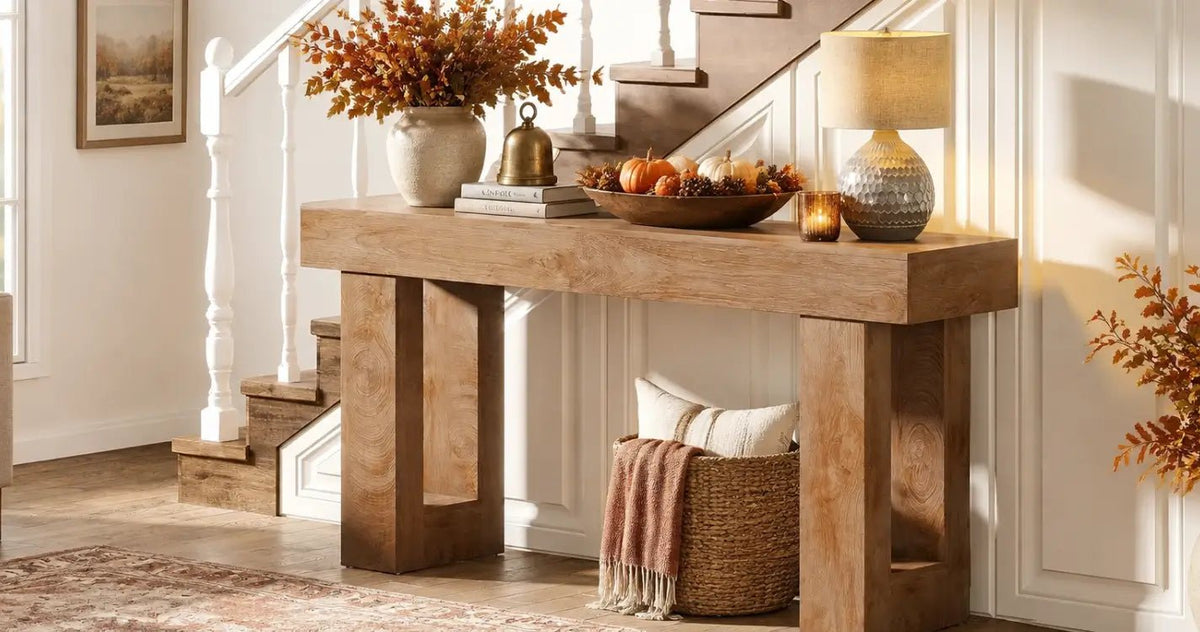










Wood Is a Natural Material That Continues to Move
One of the most important things to understand about solid wood furniture is that wood is not completely static.
After a tree is harvested and crafted into a dining table, coffee table, or cabinet, the wood still responds to its surroundings. The fibers inside the wood naturally absorb and release moisture depending on the environment.
This process is called natural wood movement.

During periods of higher humidity, wood may absorb moisture and expand slightly. In drier conditions, especially during winter heating seasons, wood may lose moisture and contract.
These small movements are part of the natural character of solid wood furniture.
Unlike engineered materials designed for uniformity, real wood carries the unique patterns and characteristics formed during its growth:
- Natural grain variations
- Small knots and mineral streaks
- Slight color differences
- Seasonal expansion and contraction
These details are not imperfections. They are part of what makes solid wood feel warm, authentic, and timeless.
Read more:
Is engineered wood good for a computer desk?
Why are solid wood dining tables more expensive?
Why Does Solid Wood Furniture Crack?
While small changes are a natural part of owning solid wood furniture, certain environmental conditions can increase the chance of visible cracking or surface checking.
1. Changes in Indoor Humidity
Humidity is one of the biggest factors affecting solid wood furniture.
In many homes, indoor conditions change throughout the year:
During winter:
Heating systems can significantly reduce indoor moisture levels. Dry air causes wood to release moisture, which may lead to slight shrinkage.
During humid seasons:
Higher moisture levels can cause wood fibers to absorb water and expand.
When these changes happen quickly, different areas of the wood may react at different speeds, creating stress within the material.
Maintaining a stable indoor environment is one of the best ways to support the long-term beauty of solid wood furniture.
2. Direct Heat Exposure
Wood prefers consistency.
Placing furniture directly beside strong heat sources—such as fireplaces, radiators, or heating vents—can cause one area of the furniture to dry faster than another.
This uneven drying may contribute to:
- Surface checking
- Small cracks
- Finish changes
- Uneven aging
Whenever possible, keep solid wood furniture away from direct heat sources and allow air to circulate naturally around the piece.
3. Prolonged Direct Sunlight
Natural sunlight can create a beautiful atmosphere in a room, but extended exposure may affect wood over time.
Direct sunlight can contribute to:
- Uneven color changes
- Localized drying
- Faster aging in certain areas
Using curtains, blinds, or thoughtful furniture placement can help protect the natural finish of your wood furniture while still allowing your home to feel bright and welcoming.
Are Cracks in Solid Wood Furniture Normal?
Seeing a small change in your furniture does not automatically mean there is a problem.
Because solid wood is a natural material, minor surface changes can occur as the wood adjusts to its surroundings.
Small Surface Checks
Fine surface lines or small openings may appear as wood naturally expands and contracts.
Seasonal Changes
You may notice slight differences between dry and humid seasons.
Natural Grain Variations
Different areas of the wood may absorb moisture differently because of variations in grain structure.
These characteristics are often considered part of the natural beauty of solid wood.

When Should You Be Concerned?
While natural movement is expected, significant structural issues should always be evaluated.
Contact customer support if you notice:
- Large splits that affect the structure of the furniture
- Loose joints or unstable connections
- Damage that impacts normal use
- Severe changes that appear suddenly
The key difference is whether the change is simply part of the wood’s natural character or whether it affects the furniture’s strength and function.
How to Help Solid Wood Furniture Age Beautifully
A well-made solid wood piece is designed to be enjoyed for years. Simple care habits can help maintain its appearance and stability.
Maintain Balanced Indoor Humidity
A stable indoor environment is one of the most important factors in caring for solid wood furniture.
A humidity level of 40–60% is generally recommended, with around 40–55% being especially beneficial during dry heating seasons.
In very dry climates or during winter months, a humidifier can help maintain a more comfortable environment for both your home and your furniture.
Keep Furniture Away From Extreme Heat
Avoid placing solid wood furniture directly next to:
- Fireplaces
- Radiators
- Heating vents
- Other concentrated heat sources
Allowing furniture to experience gradual environmental changes helps reduce unnecessary stress on the wood.
Clean and Care Gently
Solid wood furniture does not require complicated maintenance.
Simple habits go a long way:
- Dust regularly with a soft cloth
- Clean spills promptly
- Avoid harsh cleaning chemicals
- Use wood care products suitable for your furniture’s finish
The goal is not to keep wood frozen in time, but to help it develop a beautiful appearance as it ages.

Can Minor Wood Cracks Be Repaired?
Small surface imperfections are often cosmetic and may be improved with proper care.
For minor surface marks:
- Clean the area gently and remove dust.
- Use a matching wood touch-up product or furniture wax if needed.
- Continue maintaining stable humidity conditions.
For deeper cracks, structural concerns, or loose connections, professional evaluation is recommended before attempting repairs.
The Beauty of Solid Wood Is That It Changes With Your Home
A piece of solid wood furniture is more than a functional item. It becomes part of the environment where everyday moments happen.
A dining table collects memories from family meals. A coffee table becomes part of conversations, gatherings, and quiet evenings. Over time, the wood develops a deeper connection with the space around it.
Small variations, natural grain patterns, and gentle changes are reminders that the furniture was made from a living material—not a perfectly uniform surface created by a machine.
With proper care and a comfortable home environment, solid wood furniture can remain a meaningful part of your home for generations.
Frequently Asked Questions
How long does solid wood furniture last?
Solid wood furniture is known for its long-lasting durability and can often serve a home for several decades or even generations when properly cared for.
Does solid wood furniture crack over time?
Solid wood furniture may naturally experience small changes as it responds to humidity and temperature changes. Minor movement is a normal characteristic of real wood and does not always indicate a defect.
What humidity level is best for solid wood furniture?
Keeping indoor humidity between 40–60% is generally recommended. During dry heating seasons, maintaining around 40–55% humidity can help reduce excessive drying.
How can I prevent solid wood furniture from cracking?
Maintain stable humidity, avoid direct heat sources, protect furniture from prolonged sunlight, and follow proper wood care practices.
Are small cracks in wood furniture normal?
Small surface checks or seasonal changes can occur naturally in solid wood. Larger cracks that affect stability or structure should be inspected.
Can I place solid wood furniture near a fireplace?
It is best to avoid direct exposure to strong heat sources. Keeping furniture at a safe distance helps prevent uneven drying and unnecessary stress on the wood.