



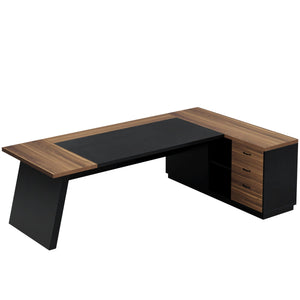
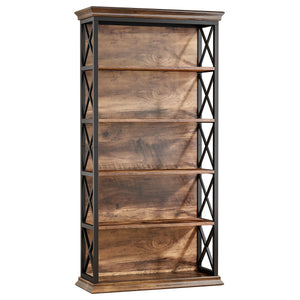
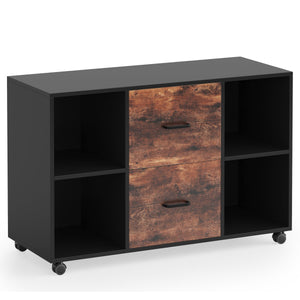
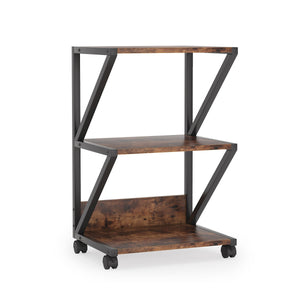


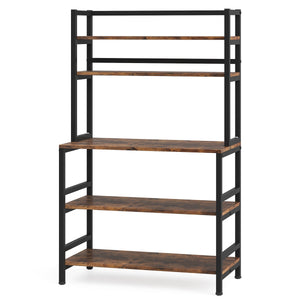
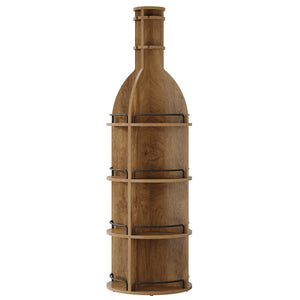

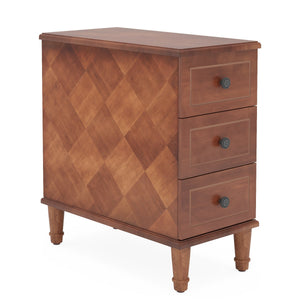
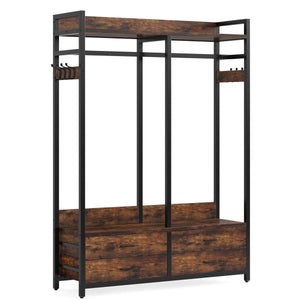
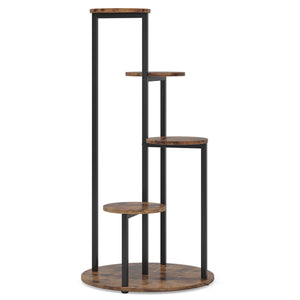
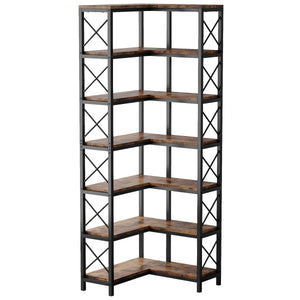




Bookcases & Bookshelves
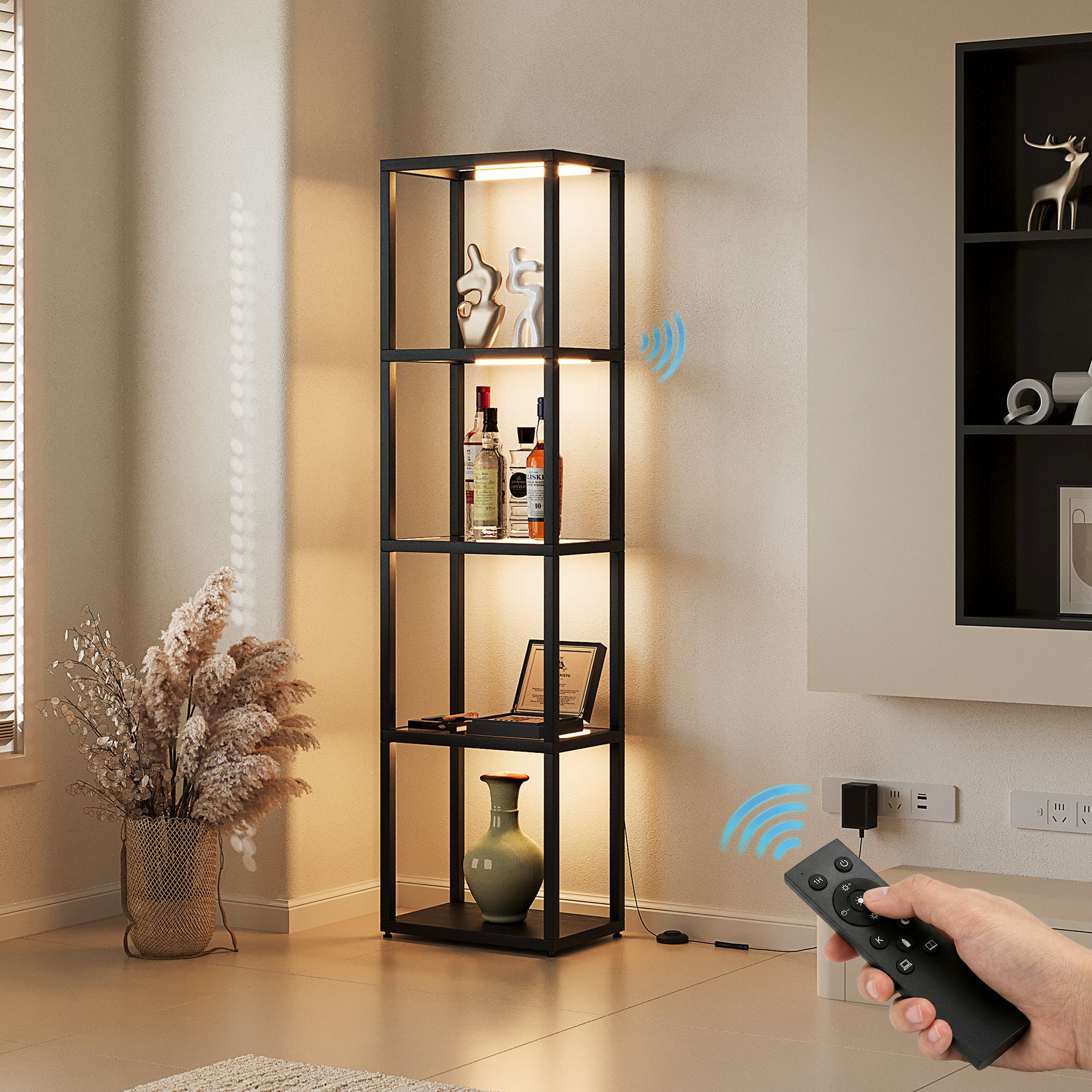
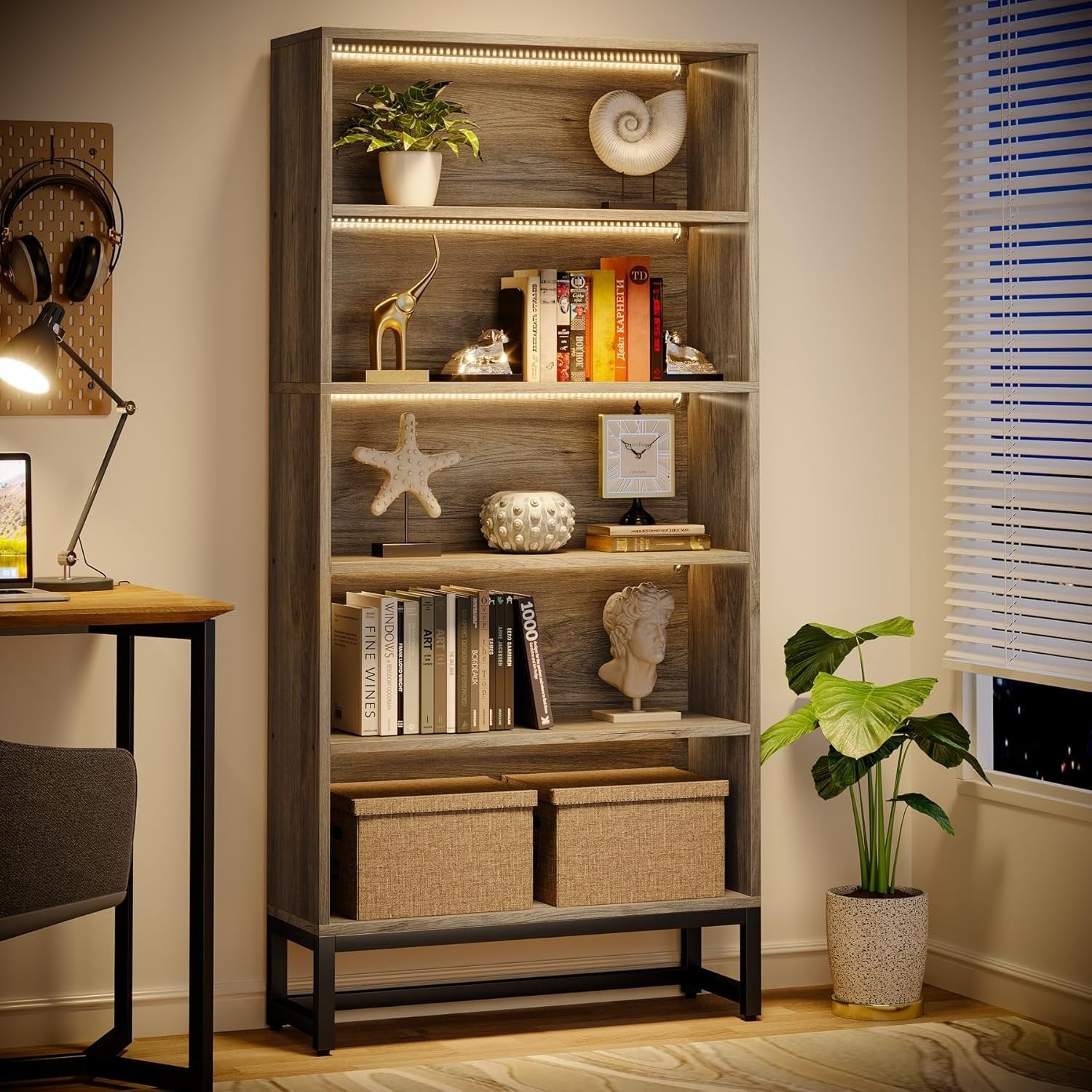
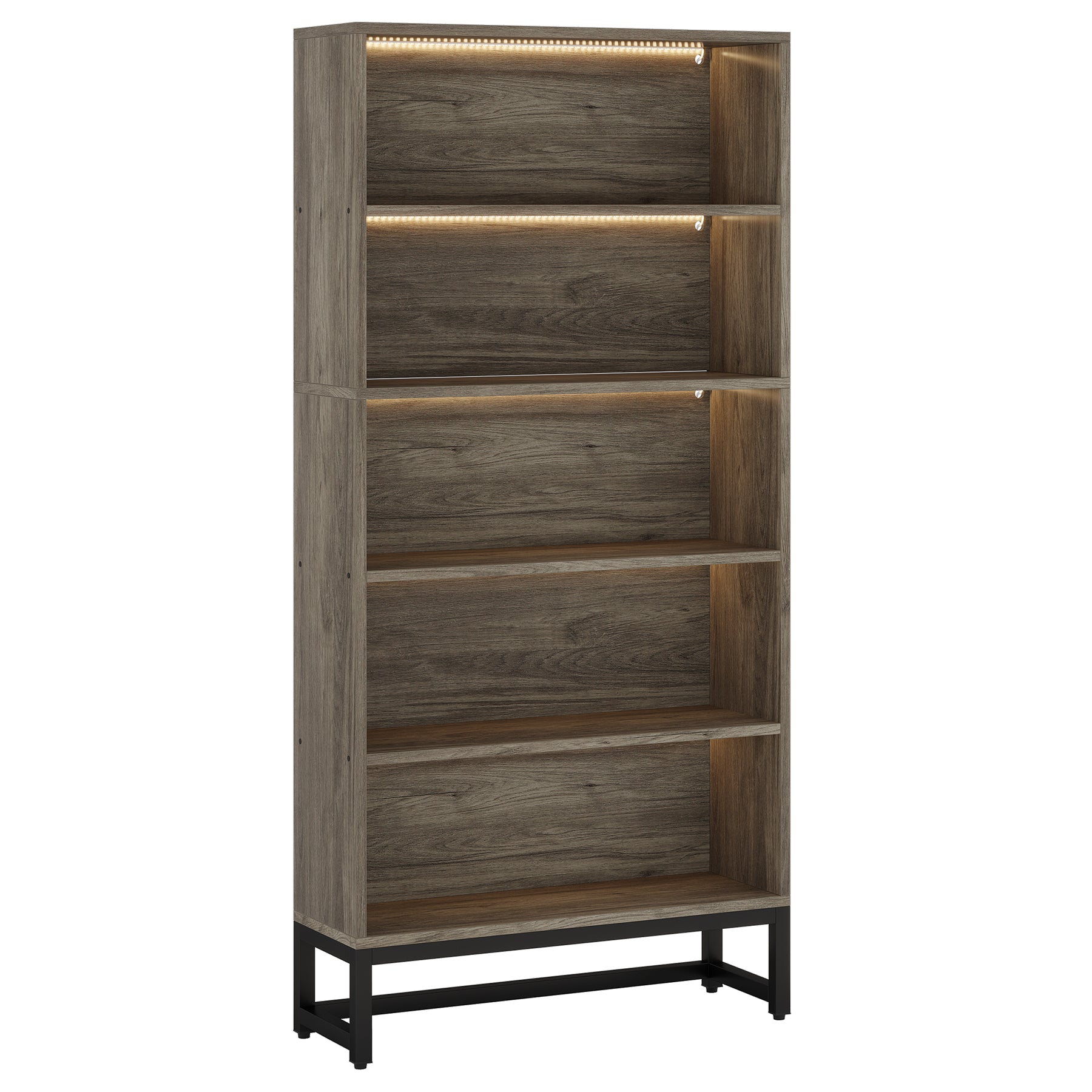
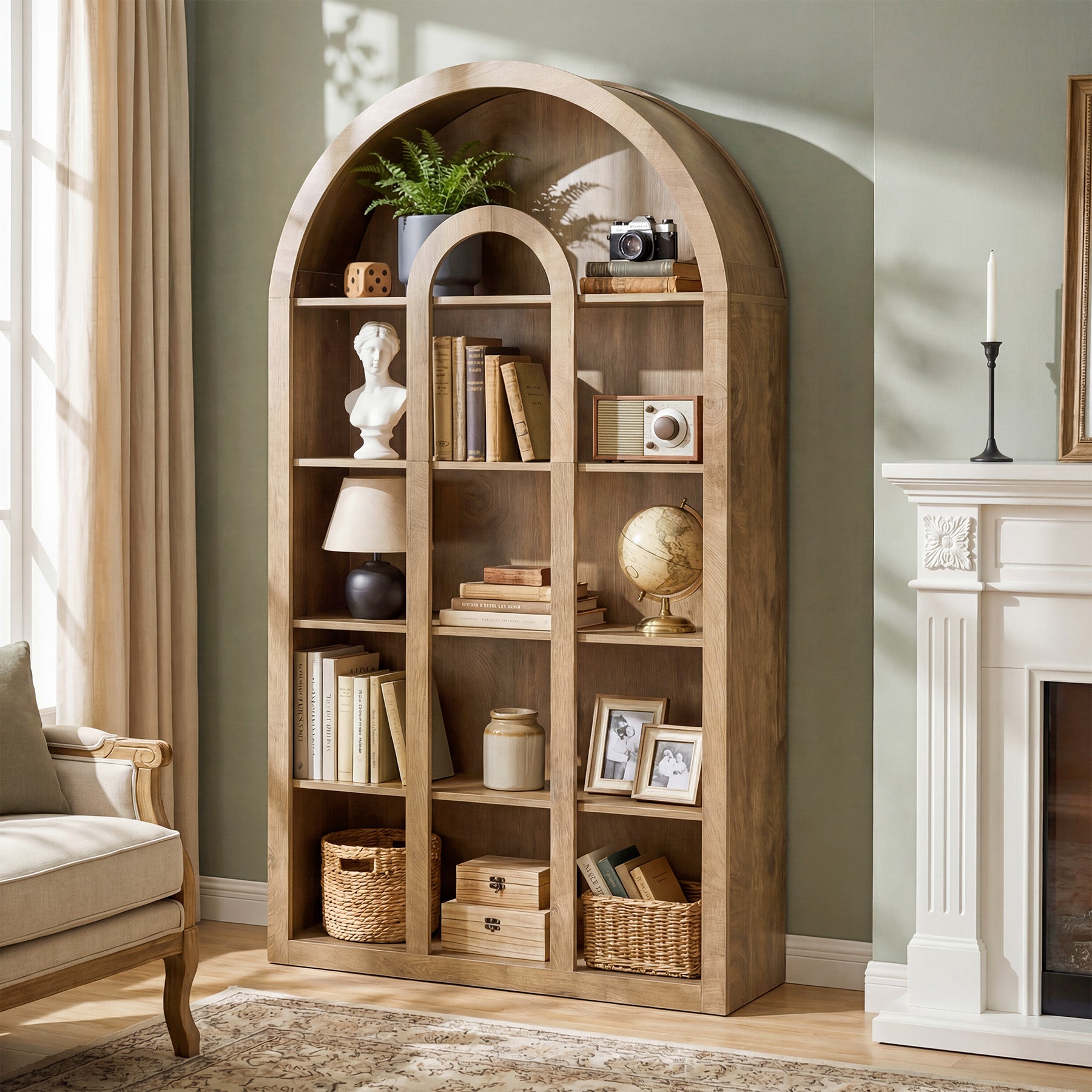
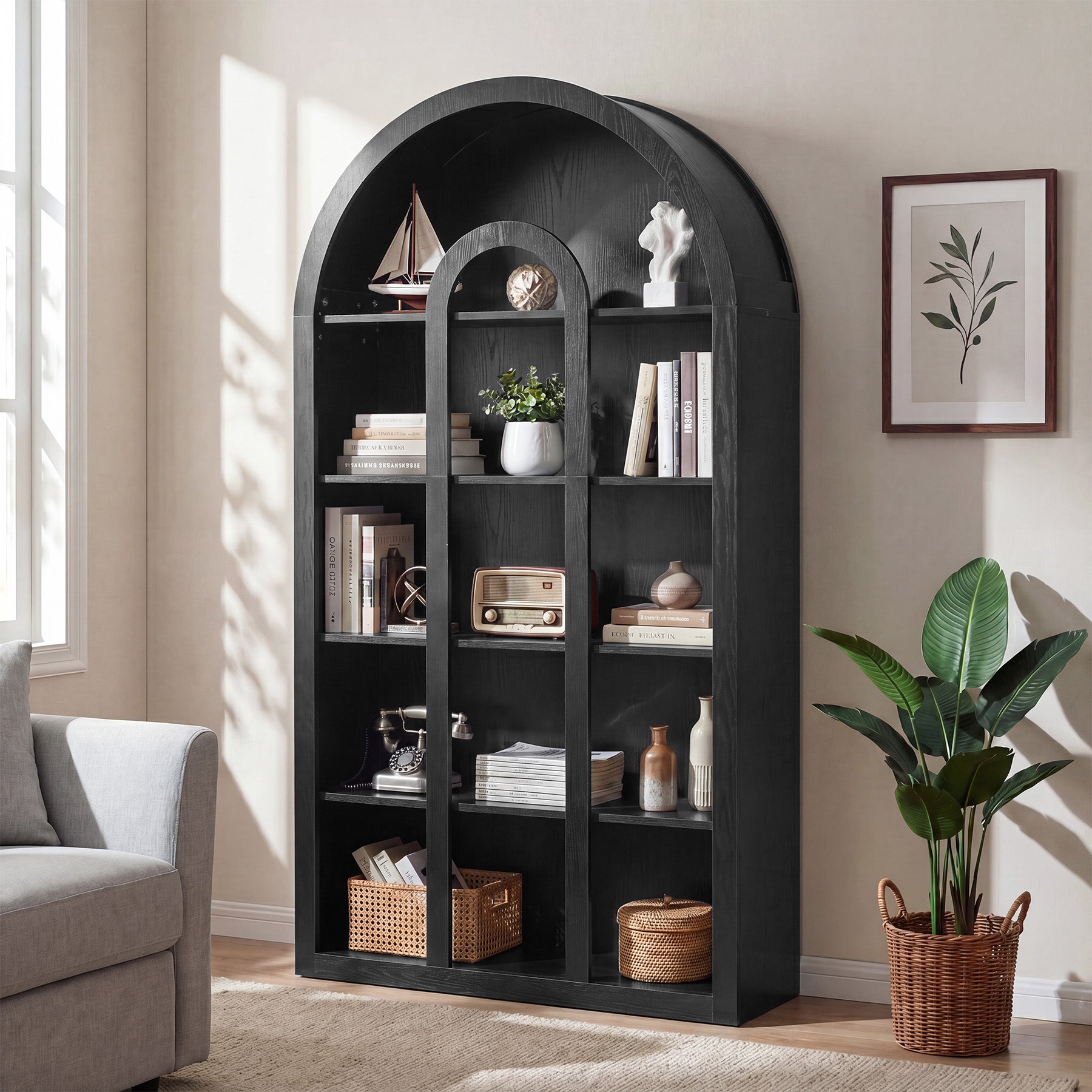
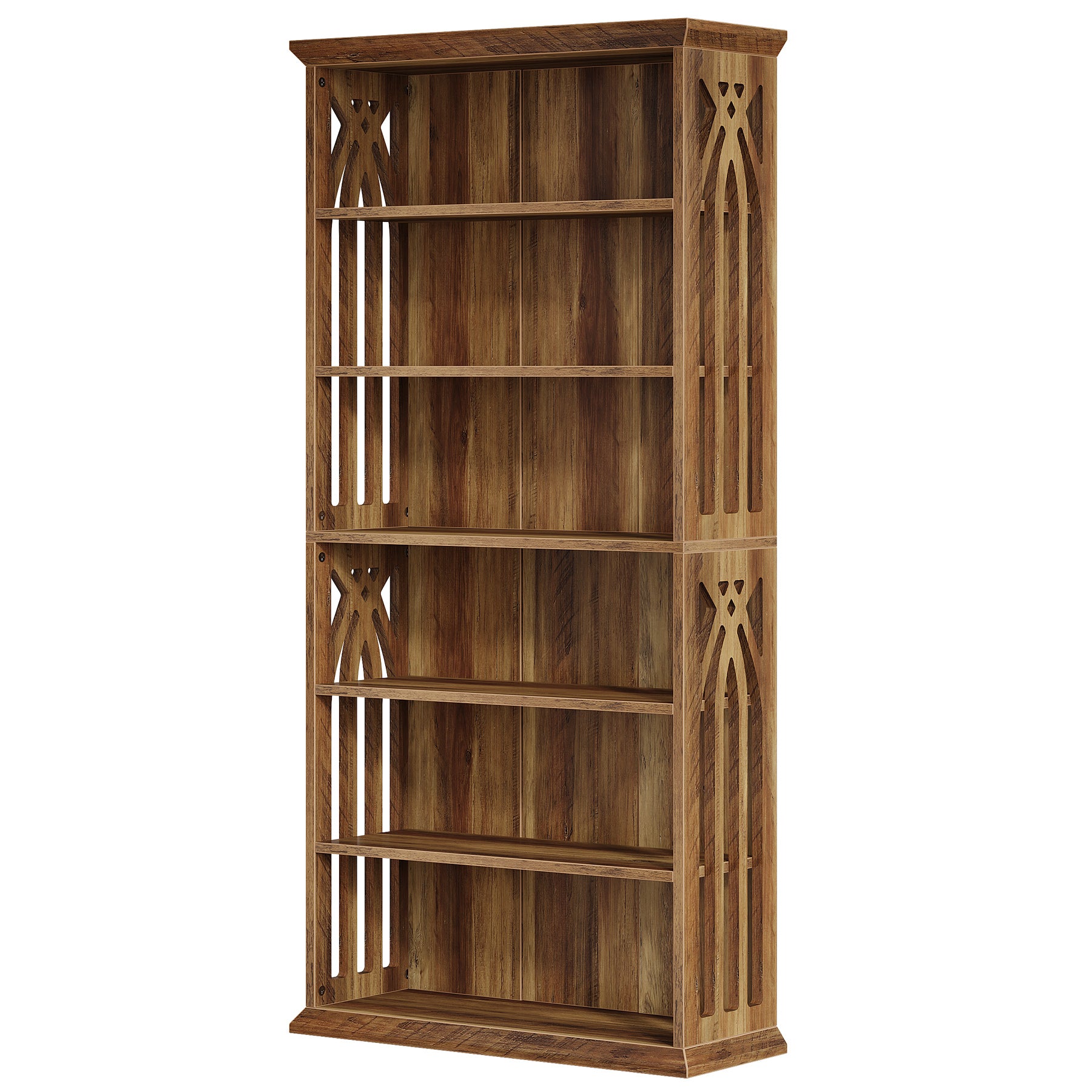
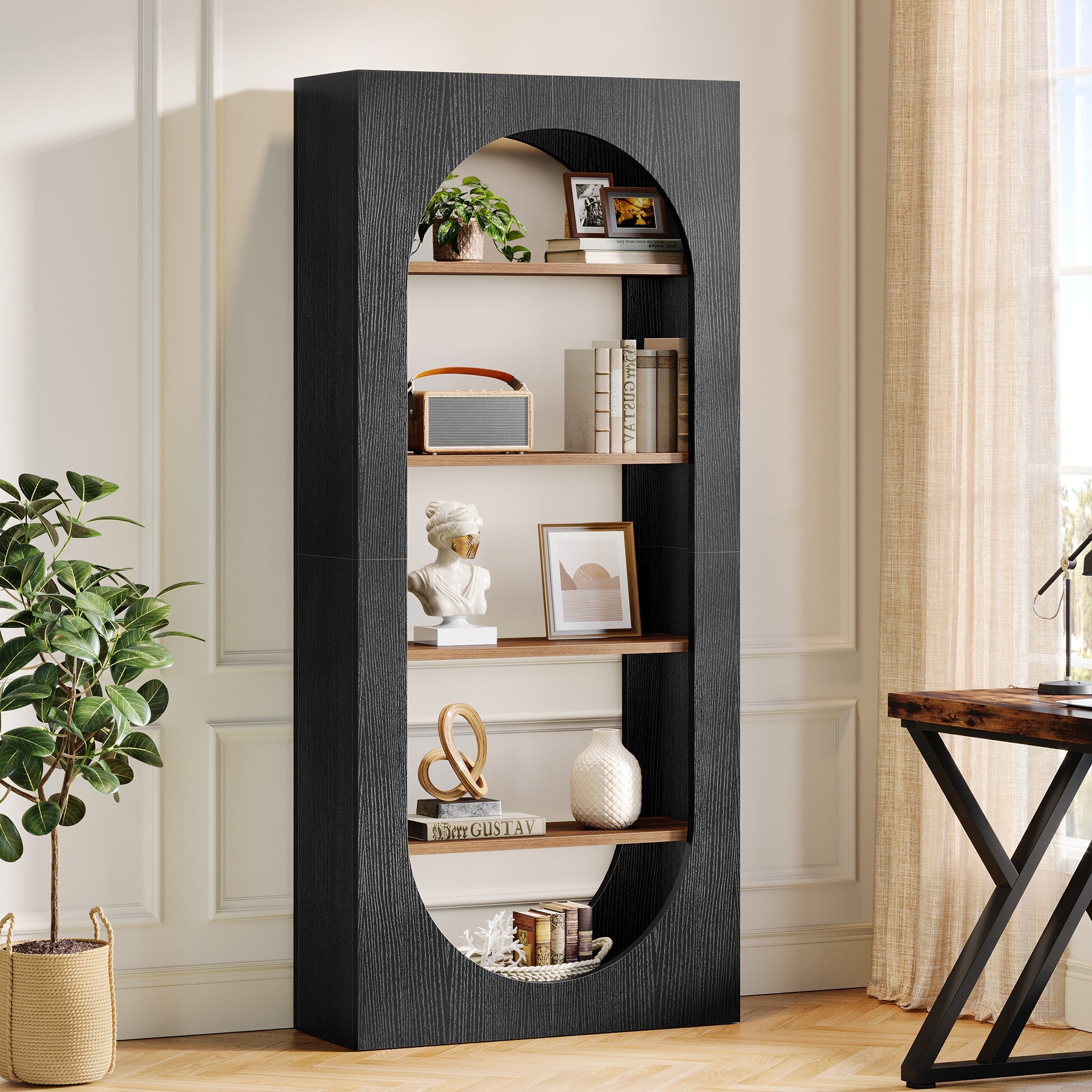
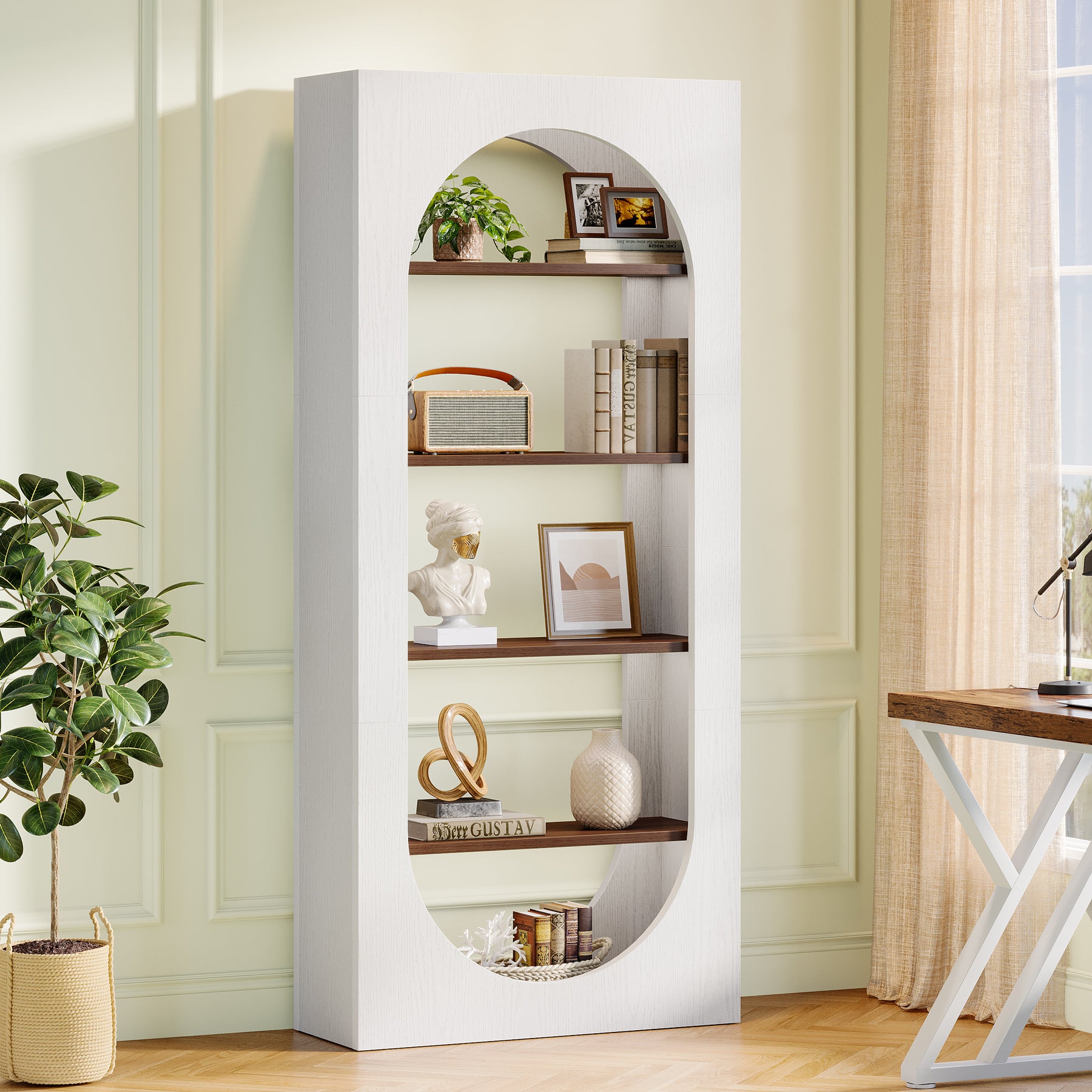
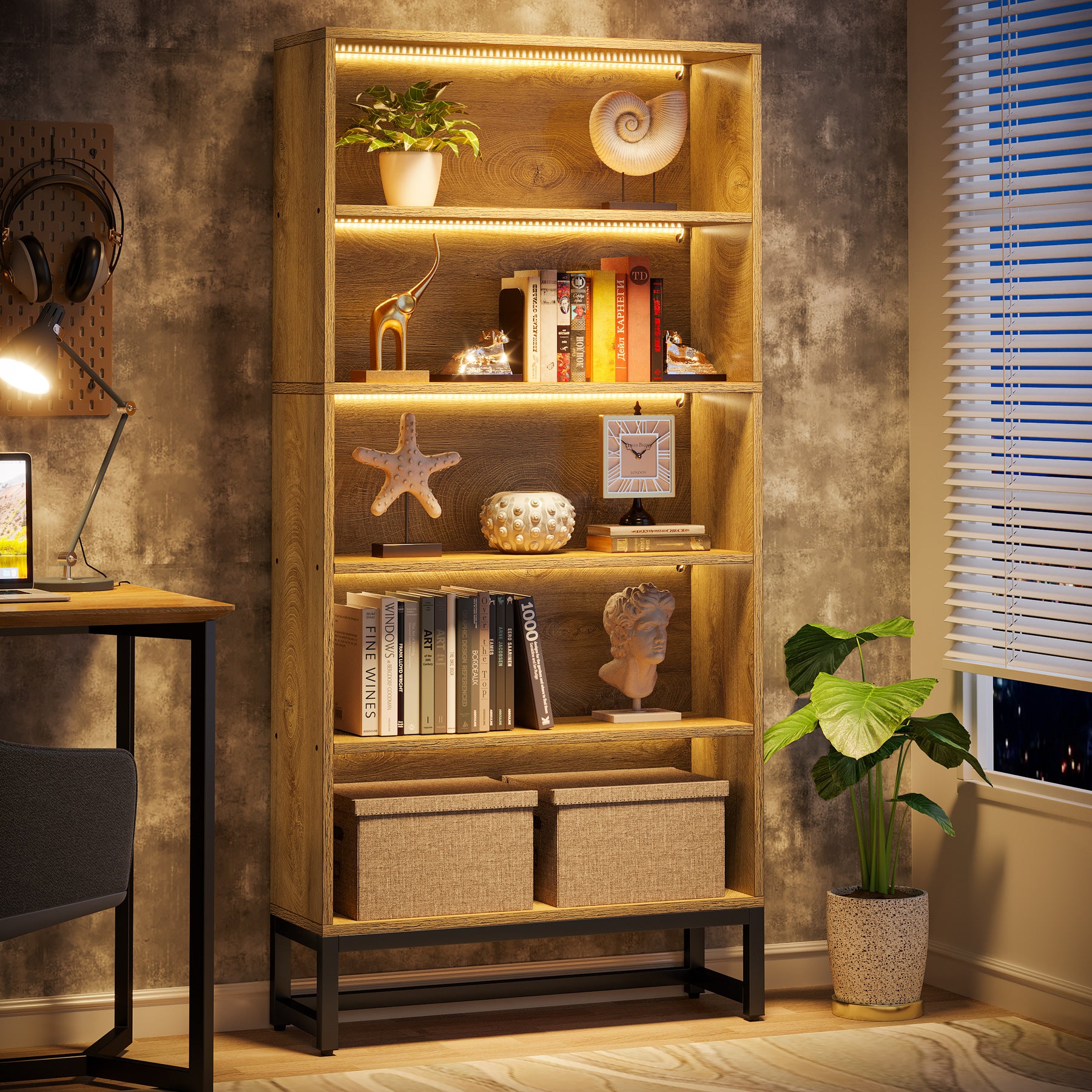
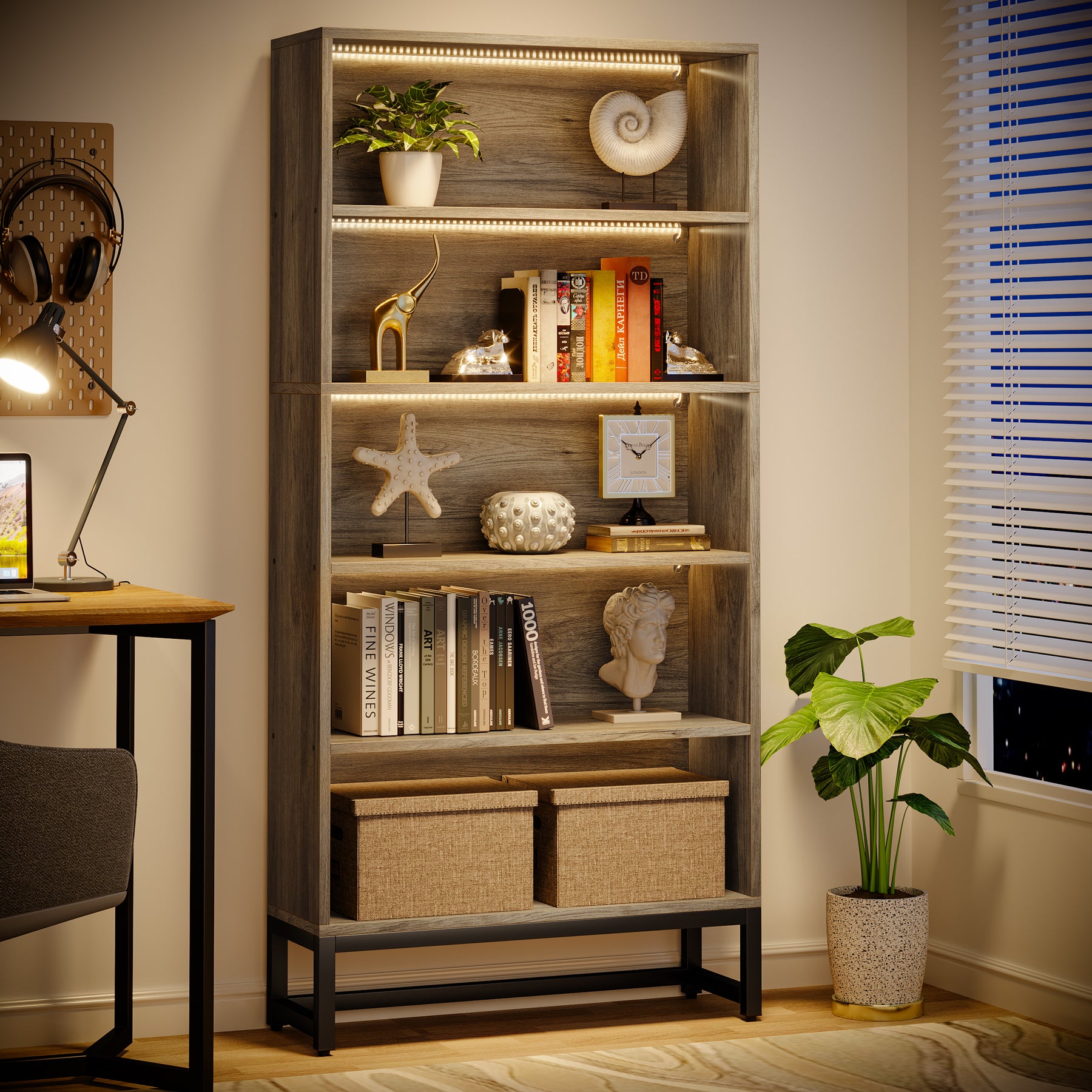
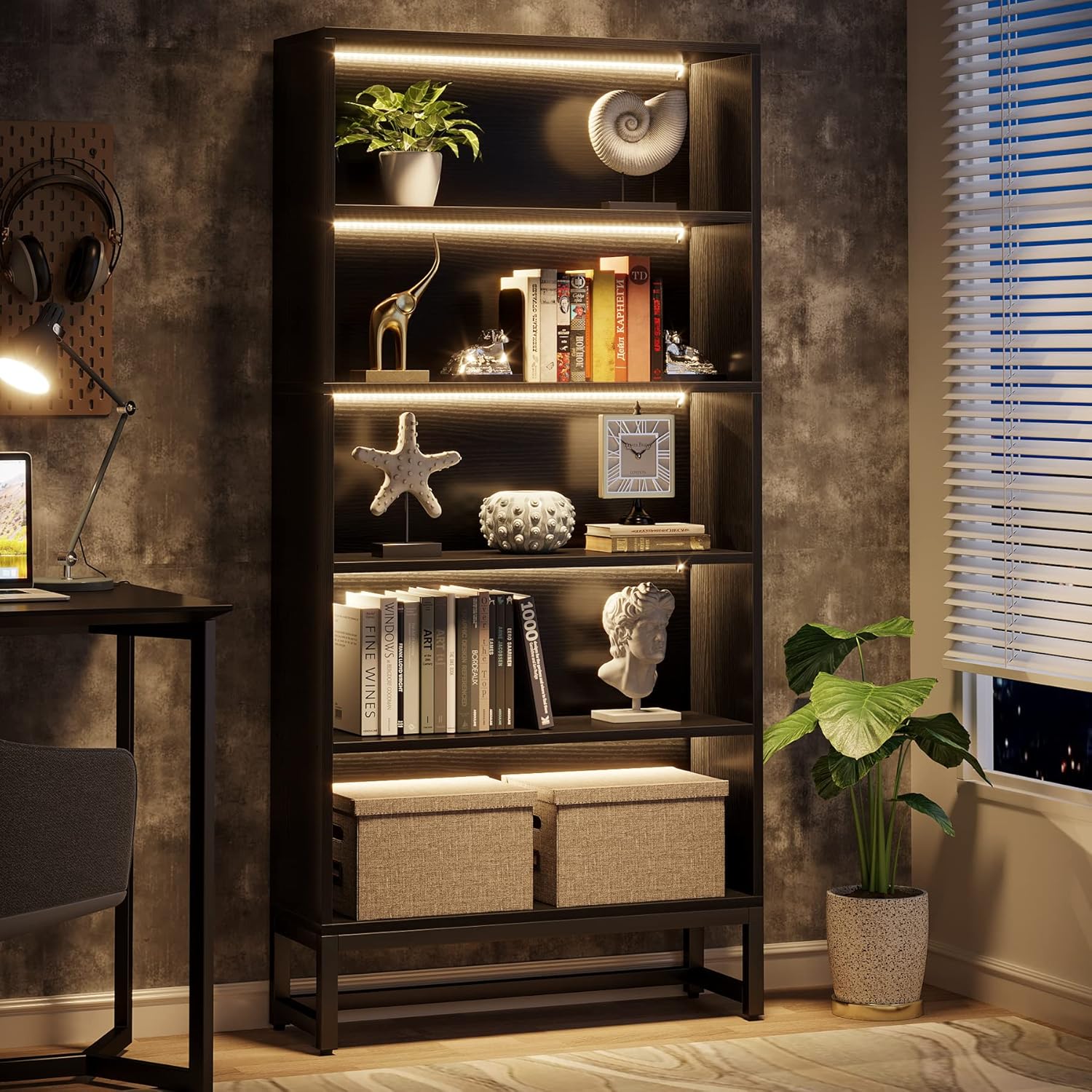
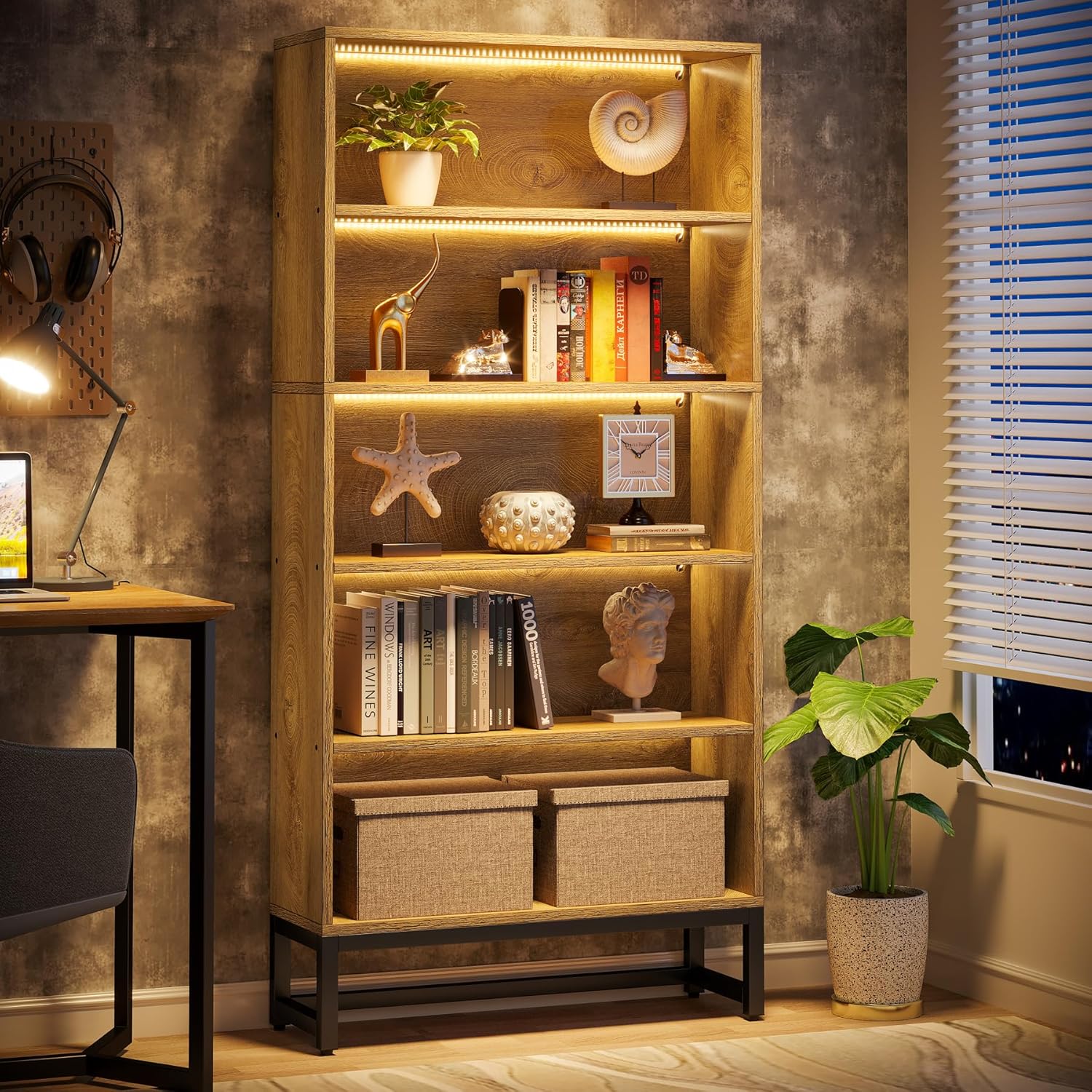
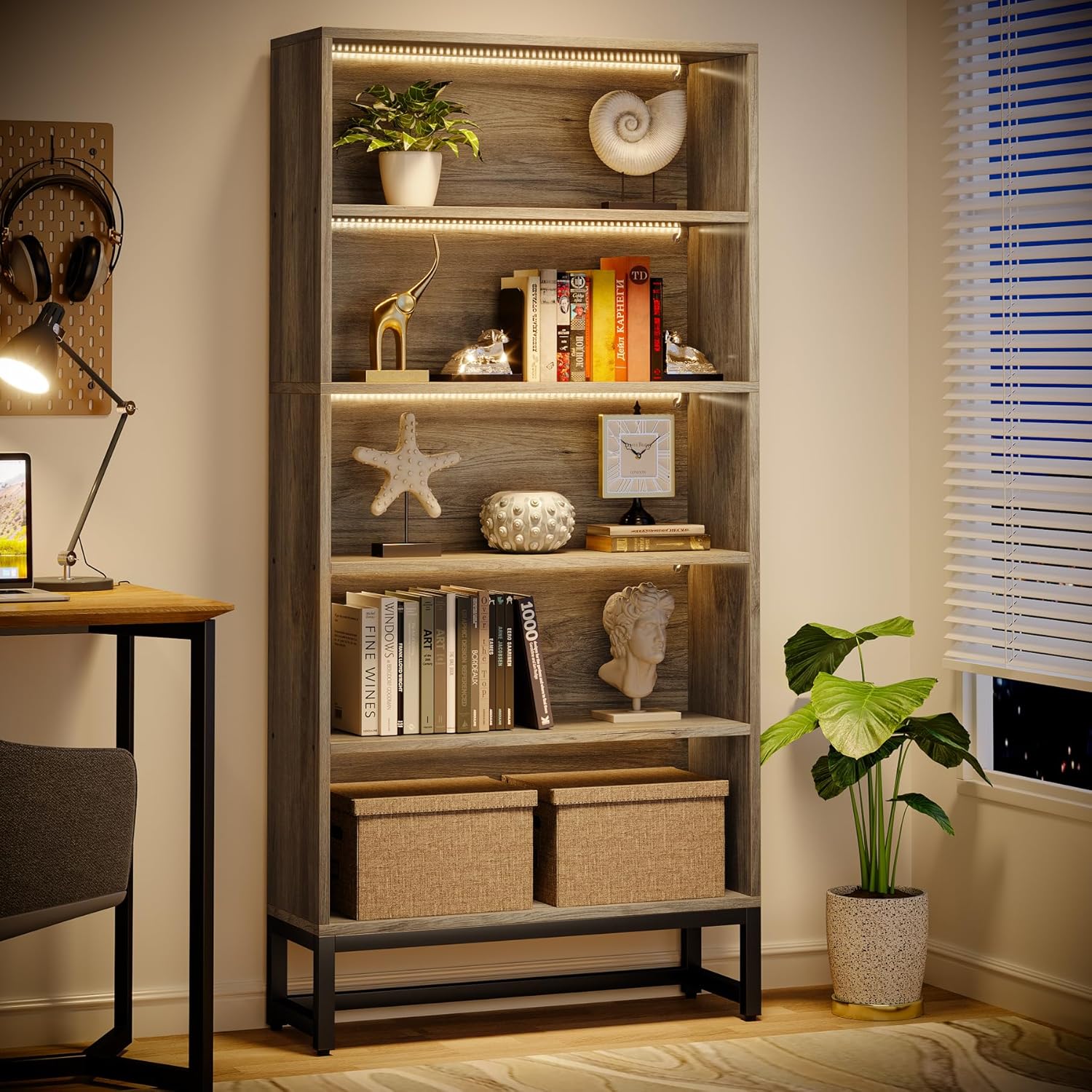
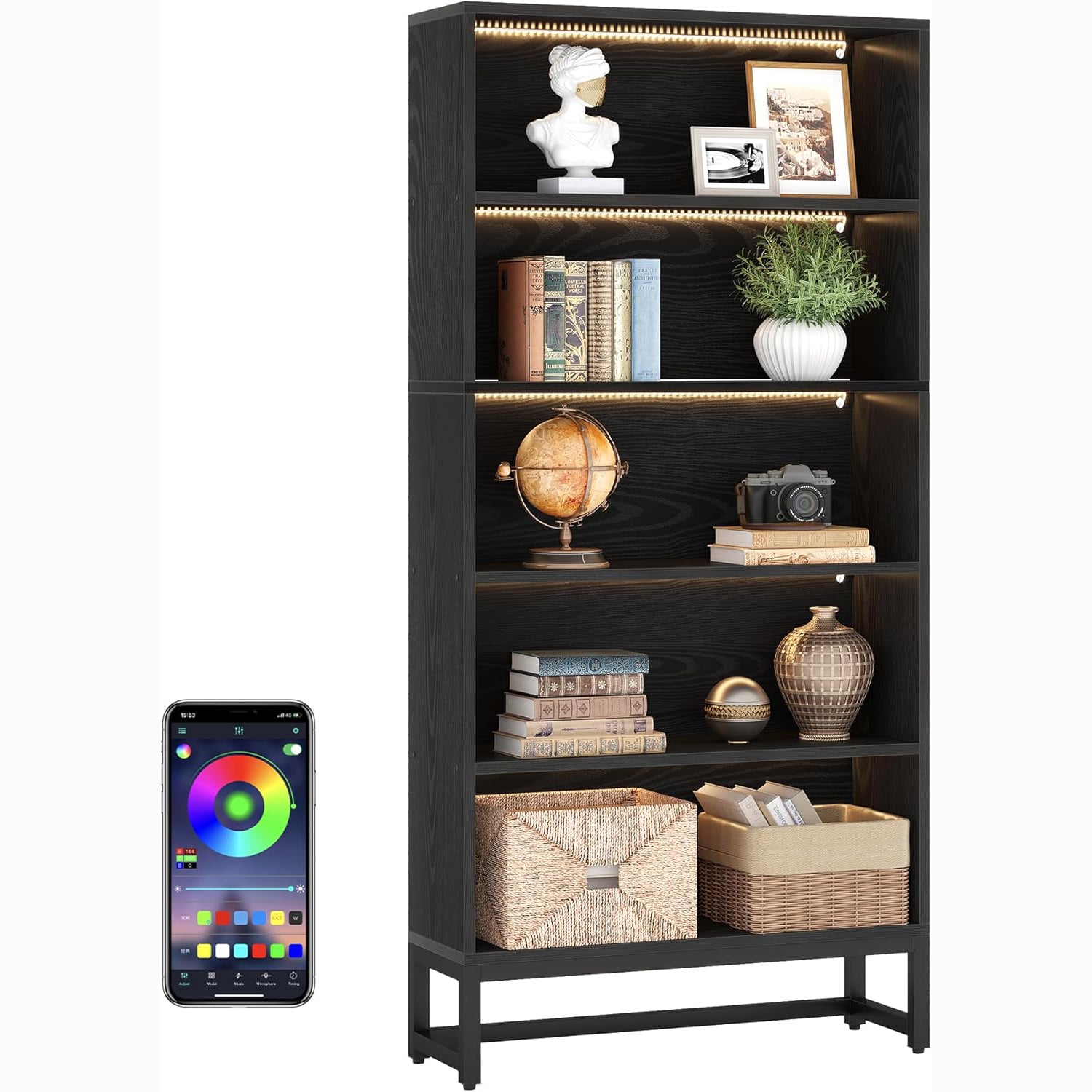
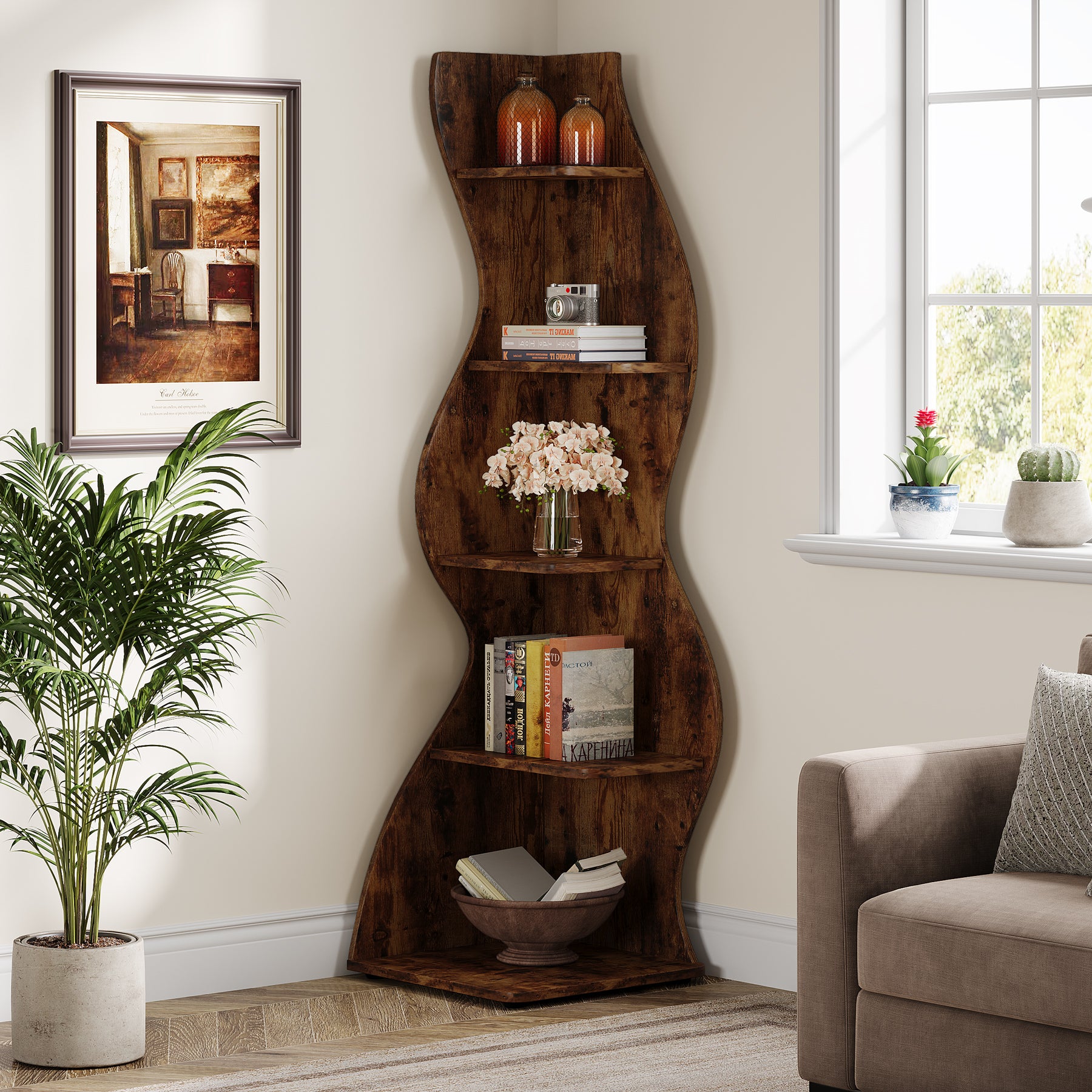
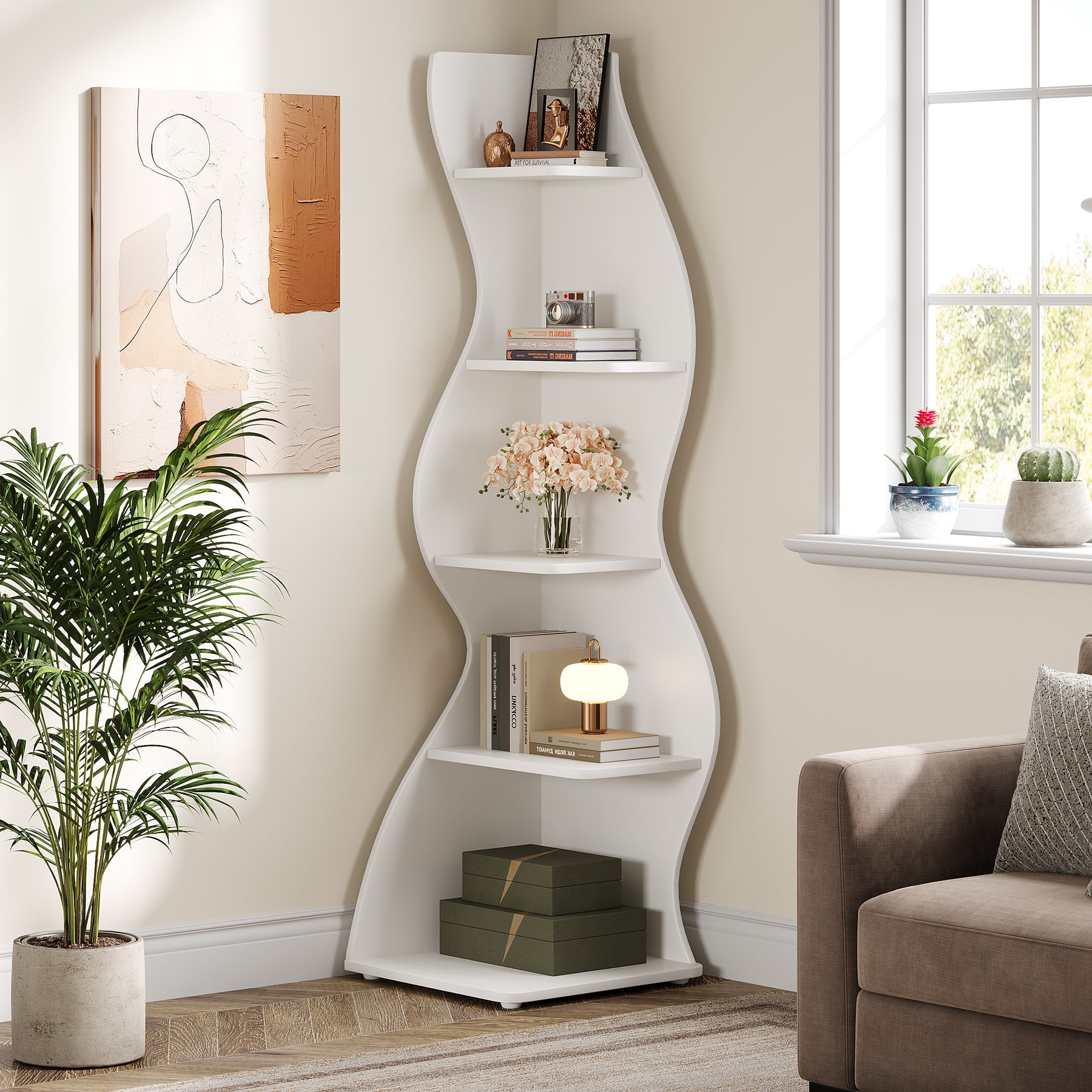
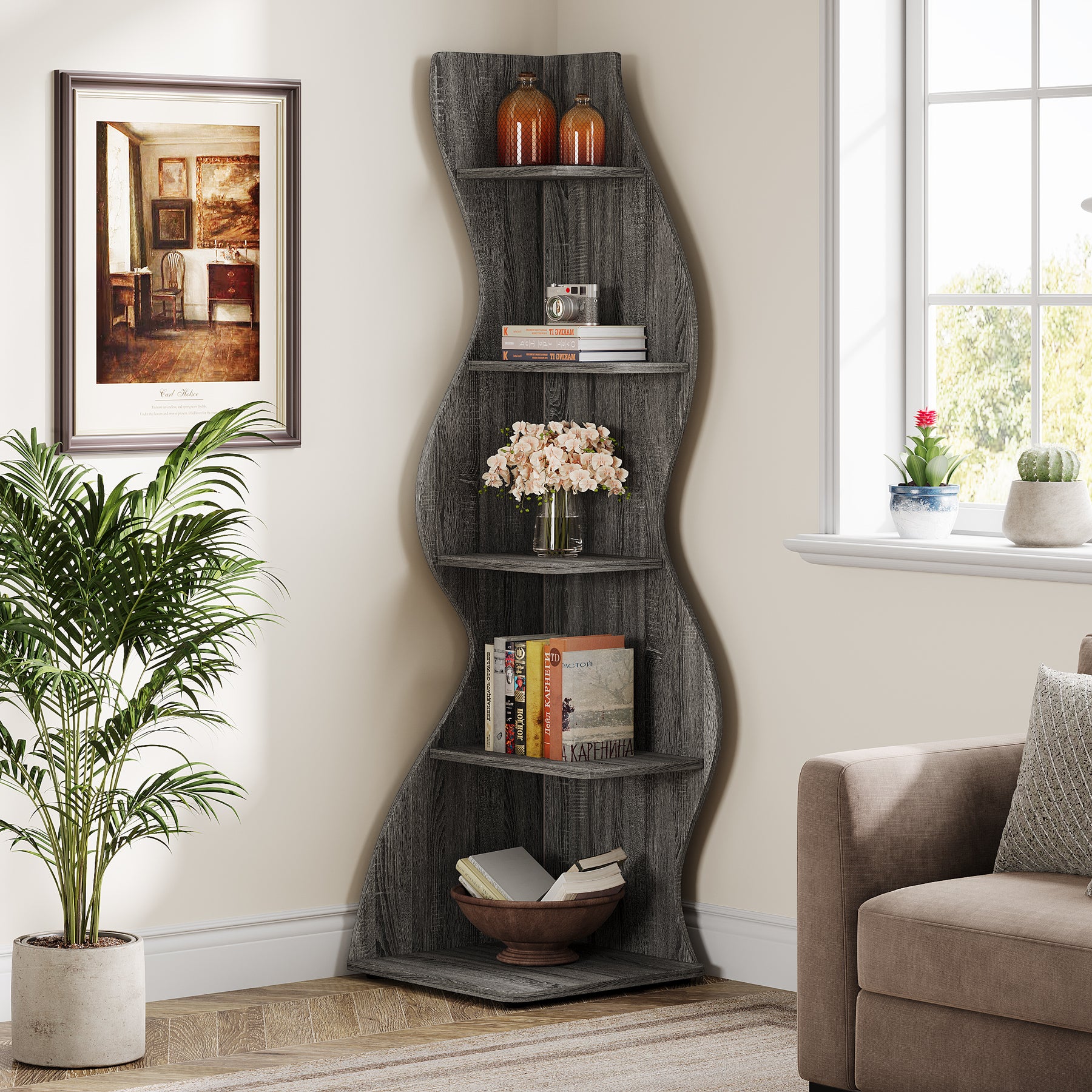
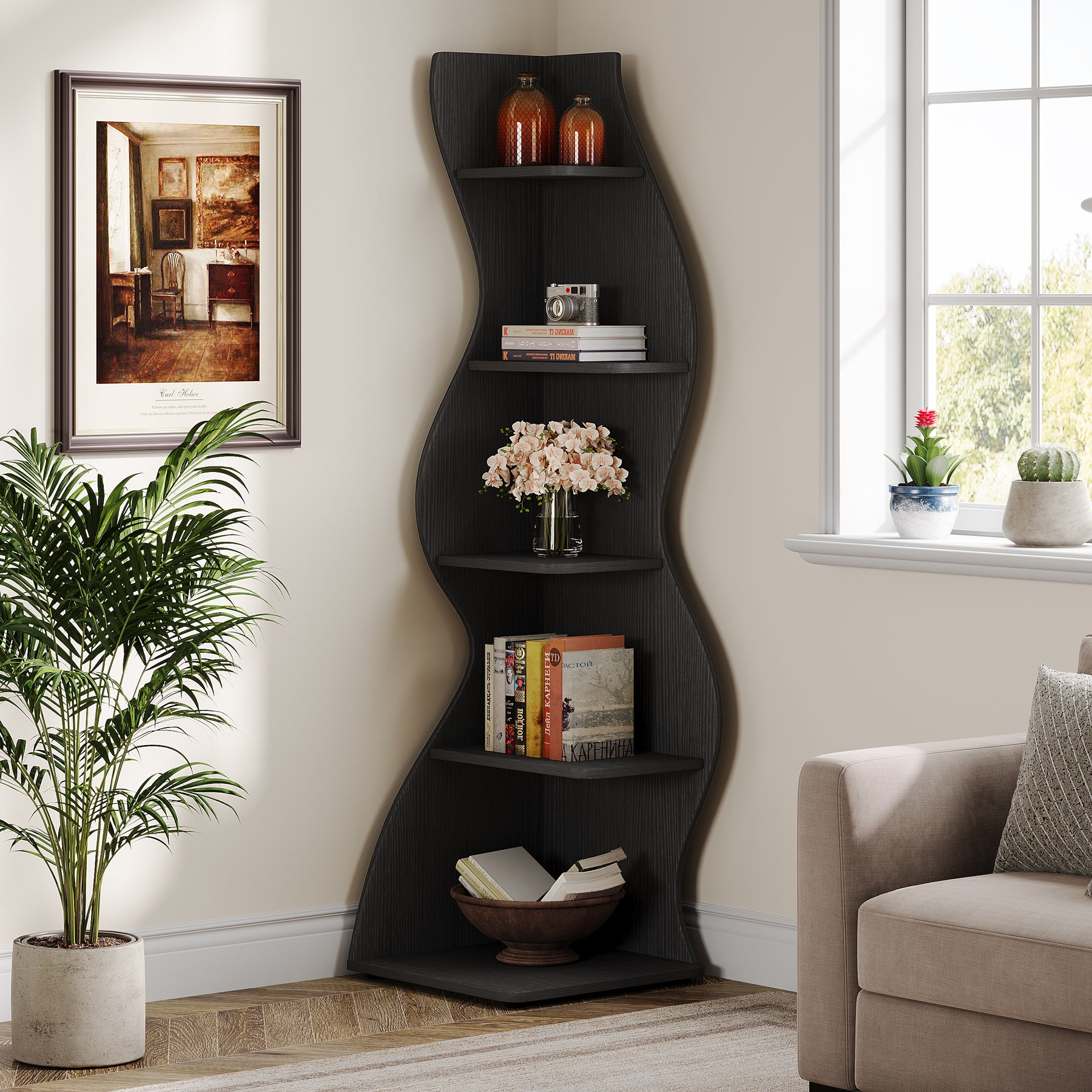
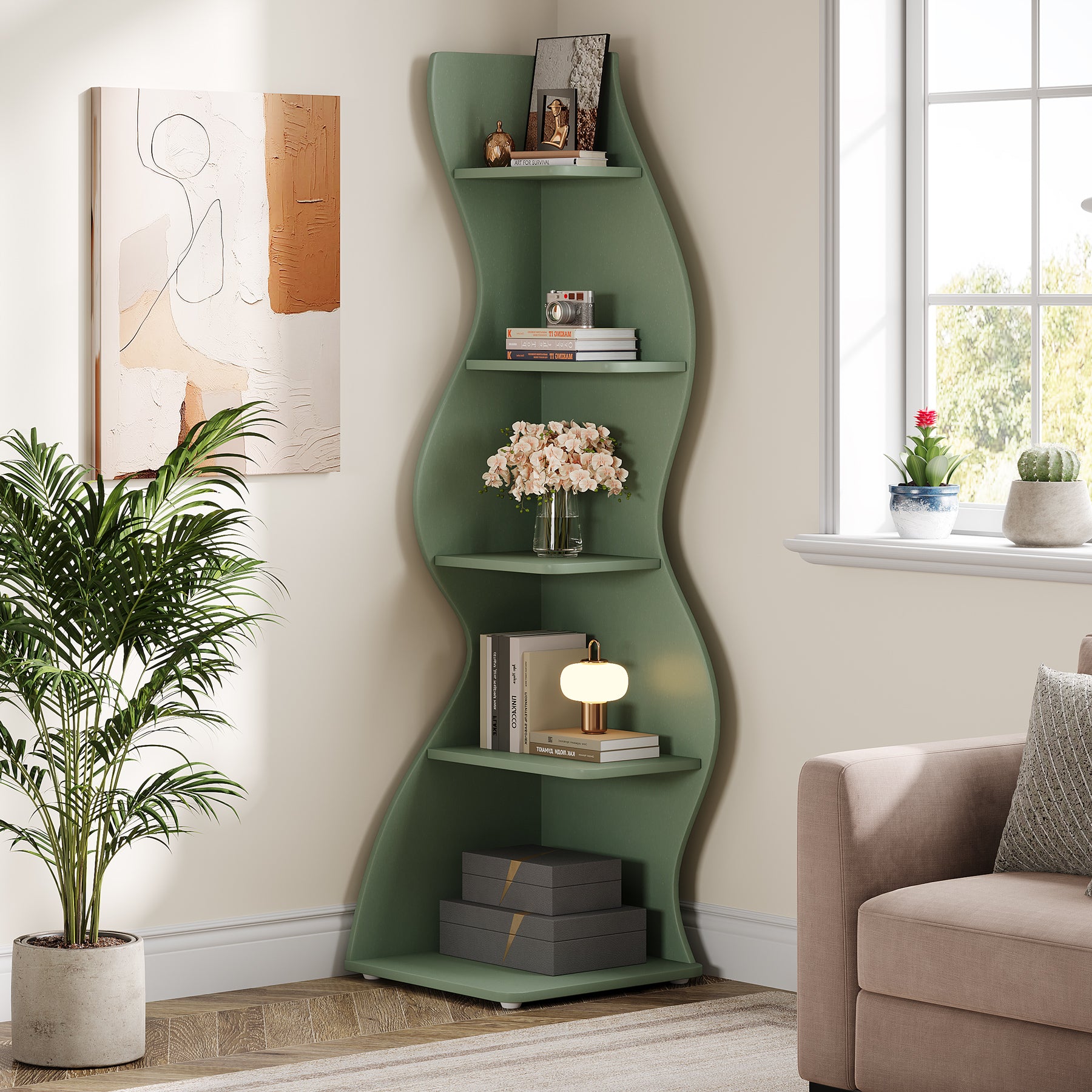
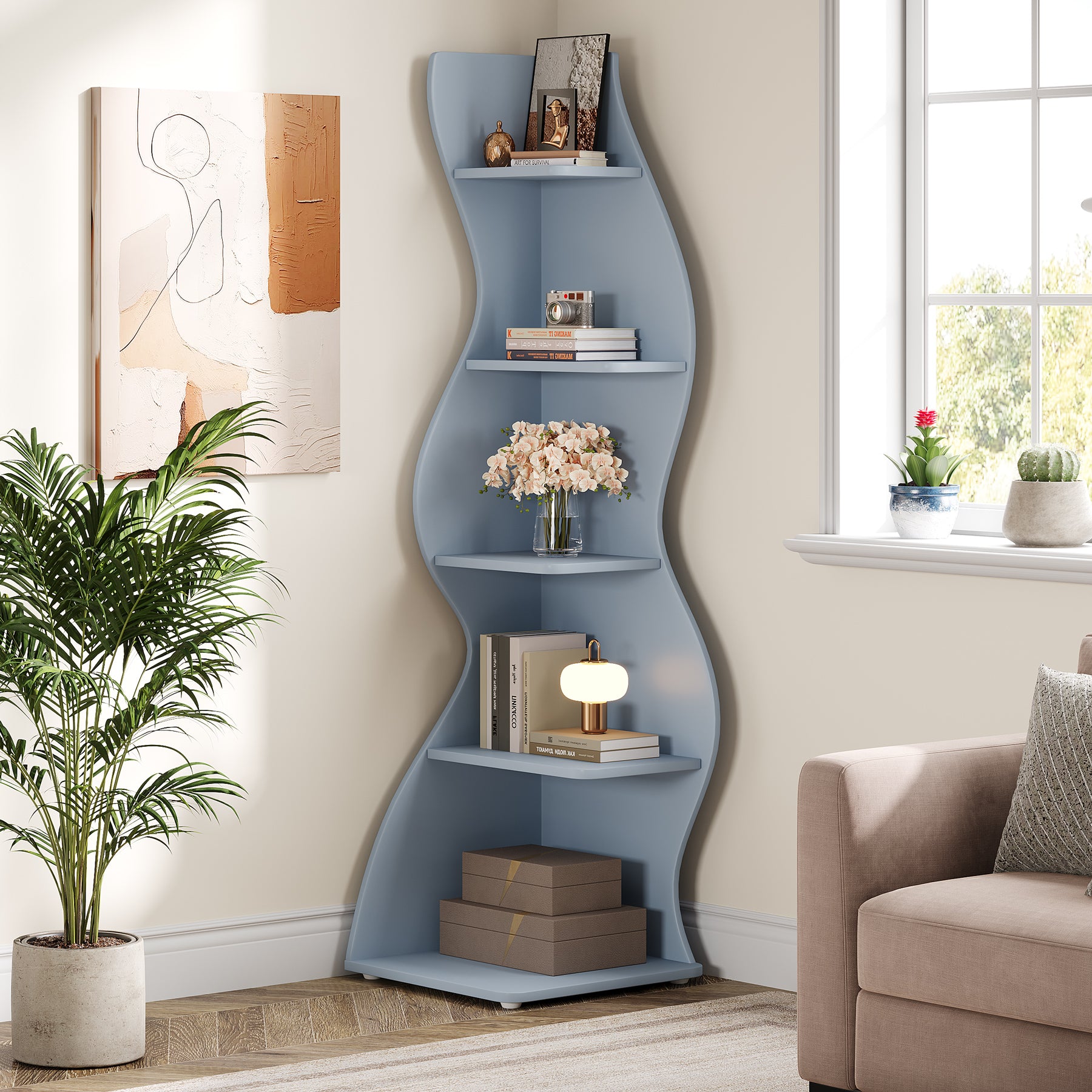
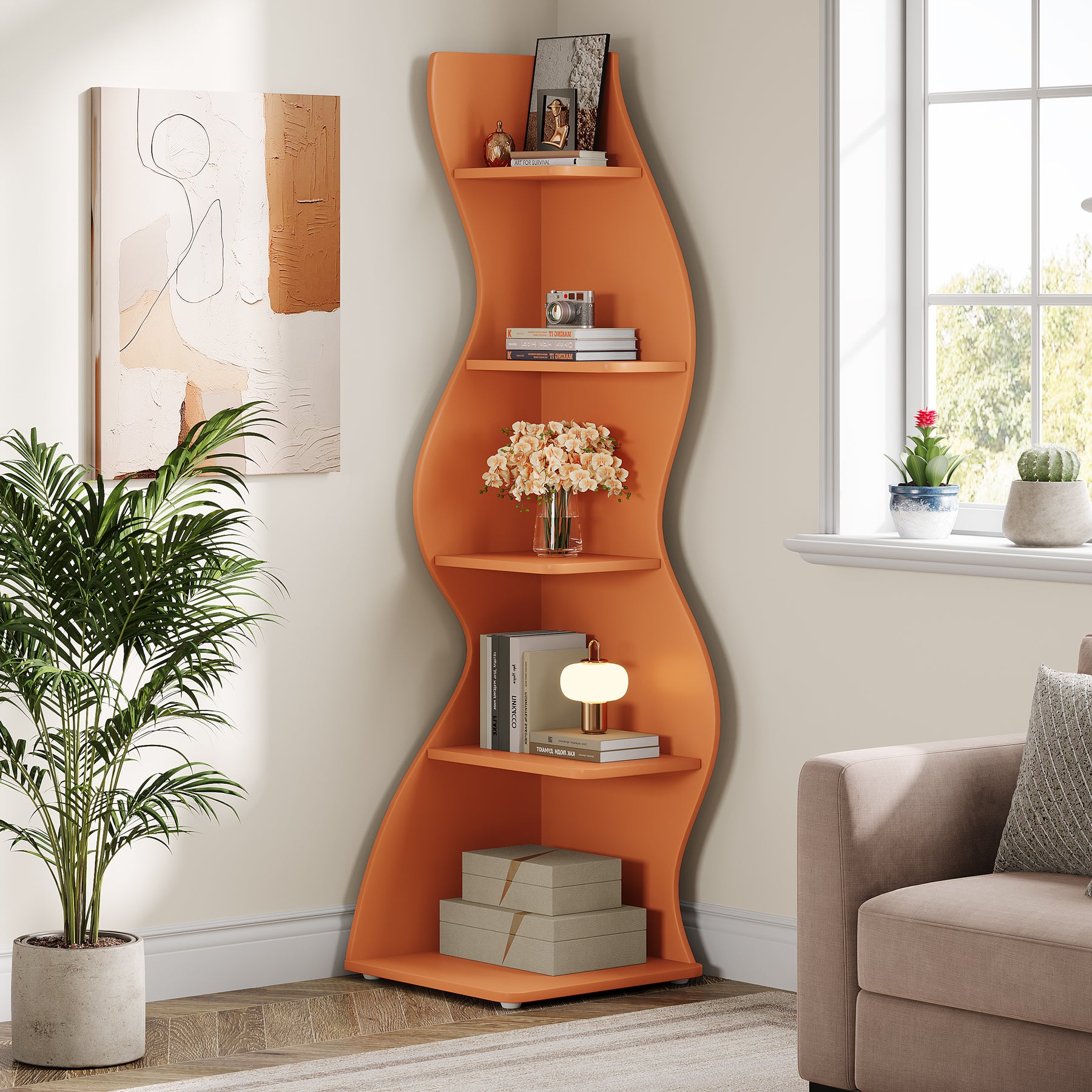
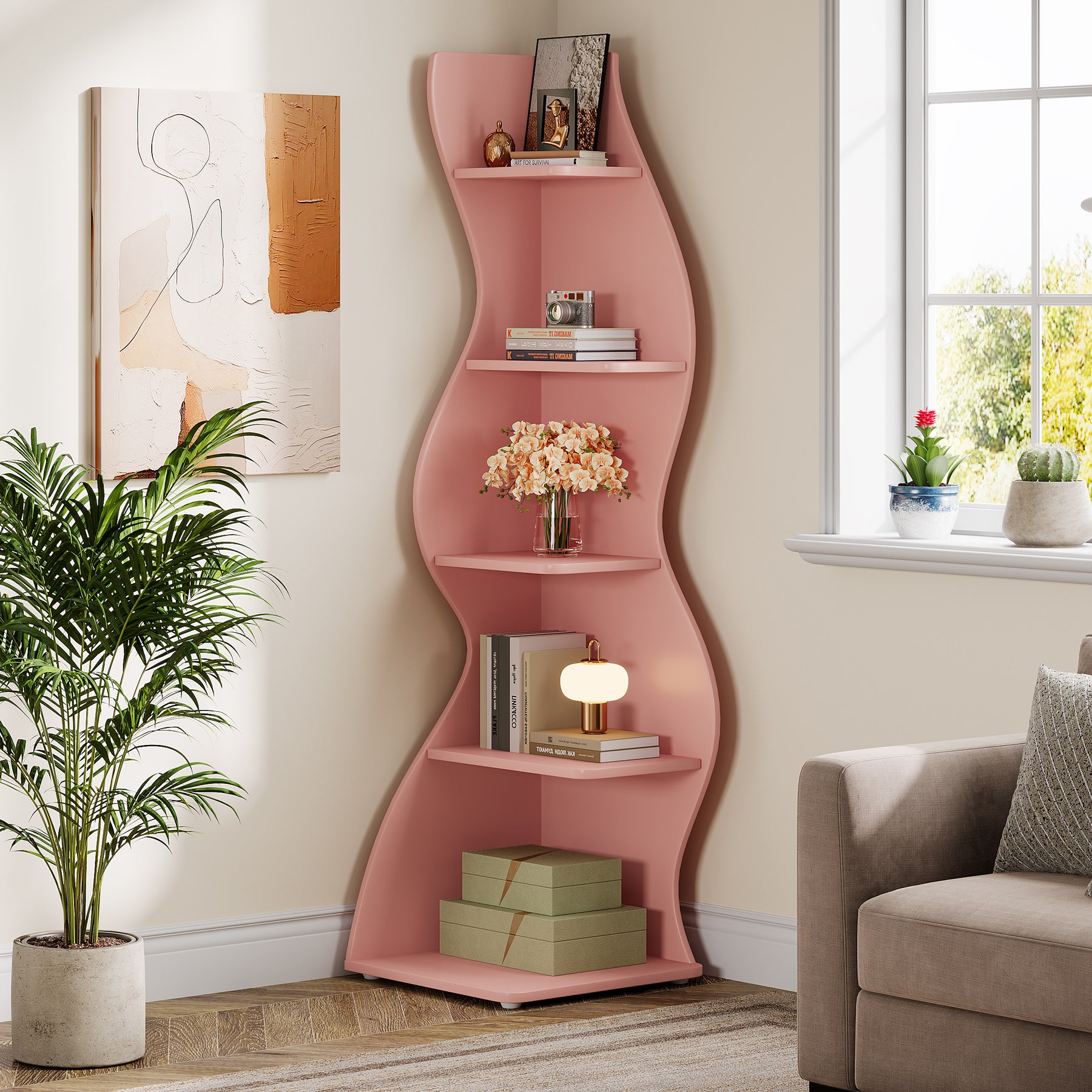
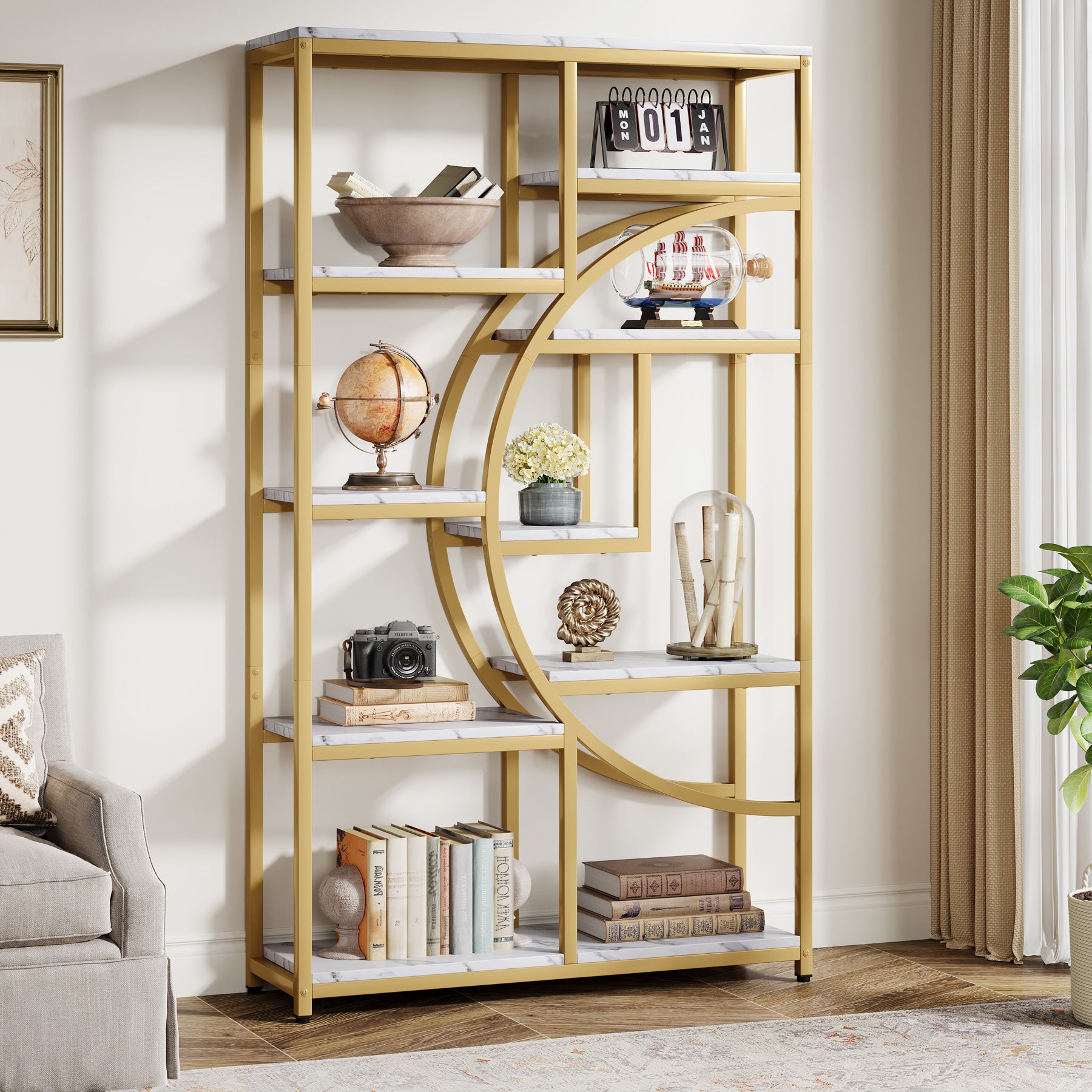
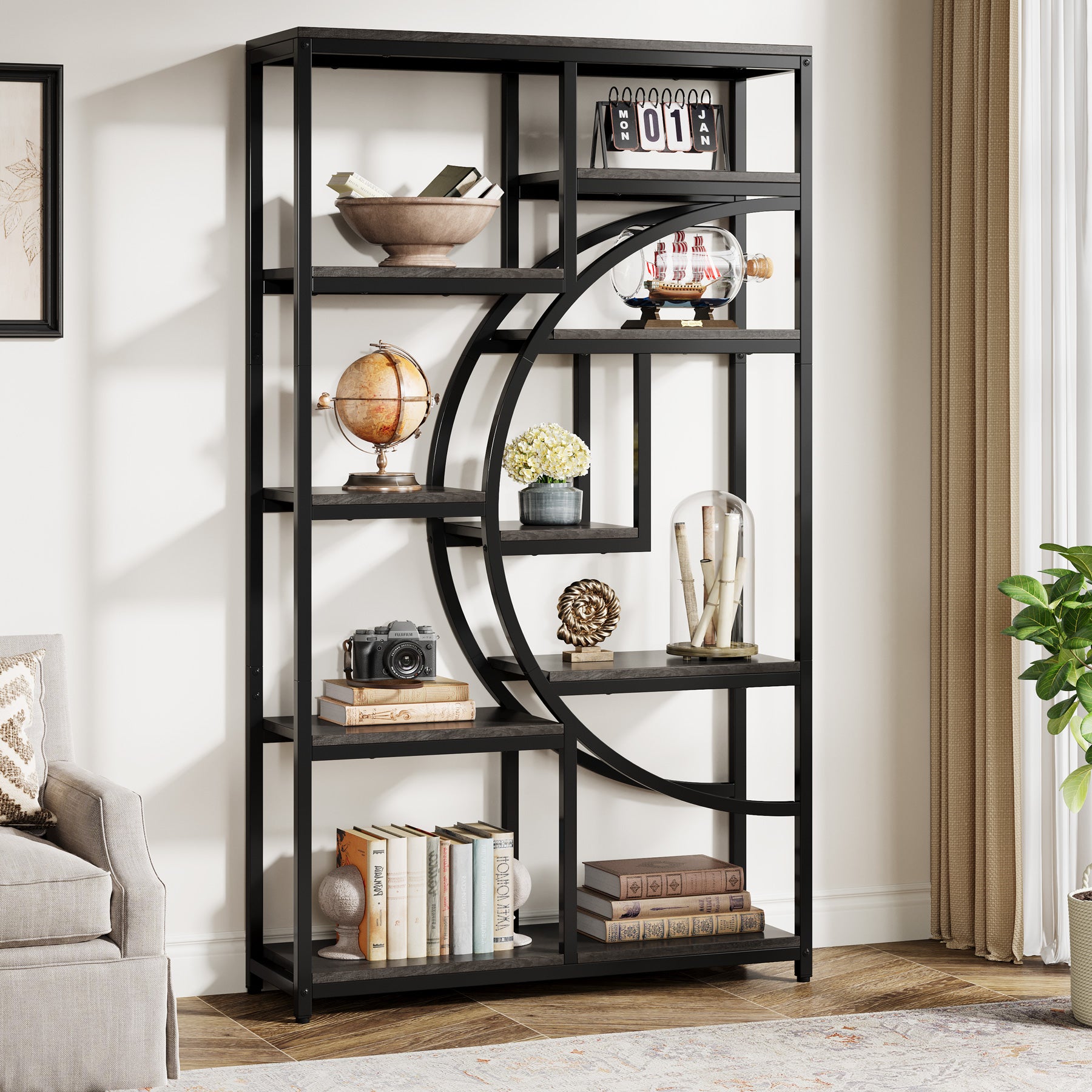
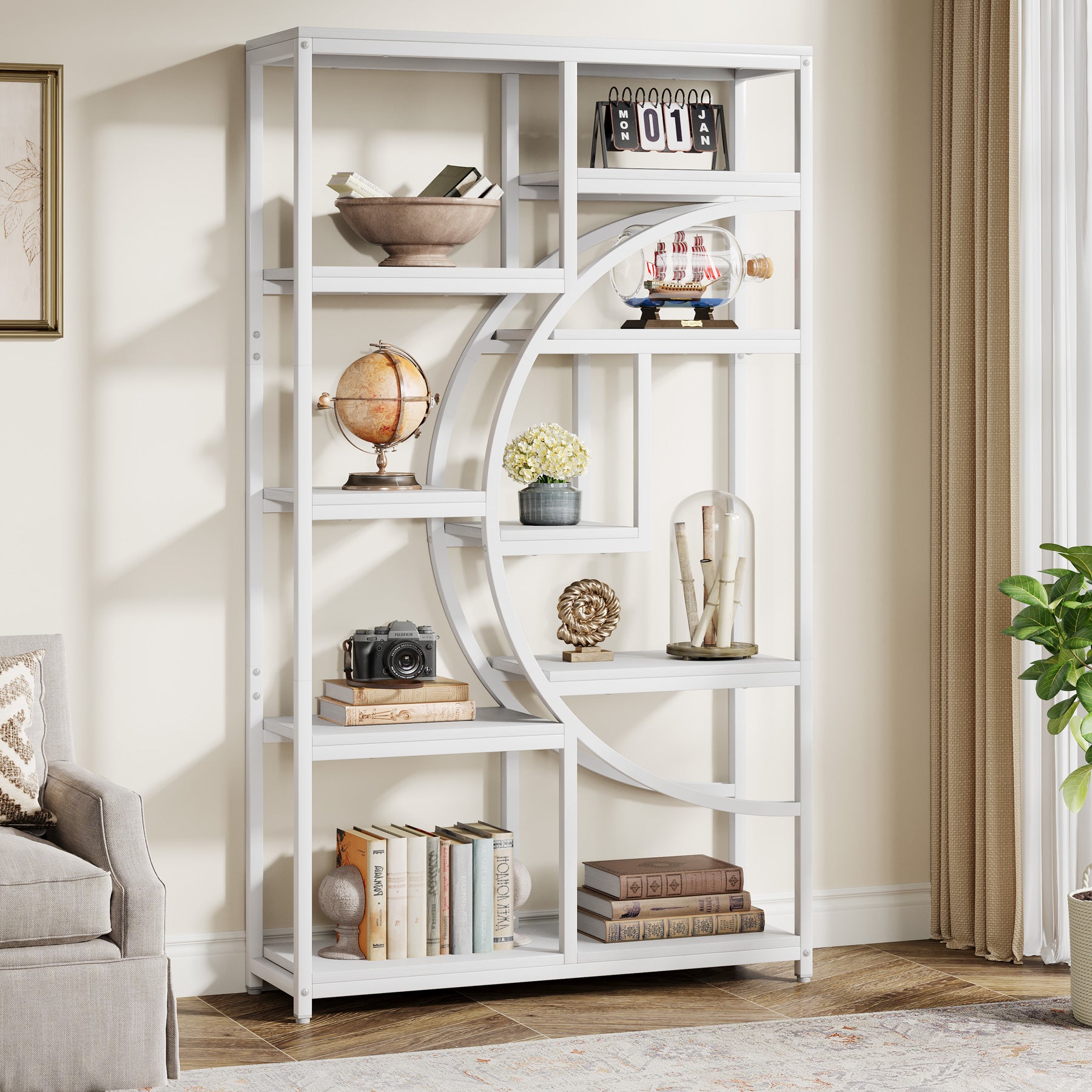
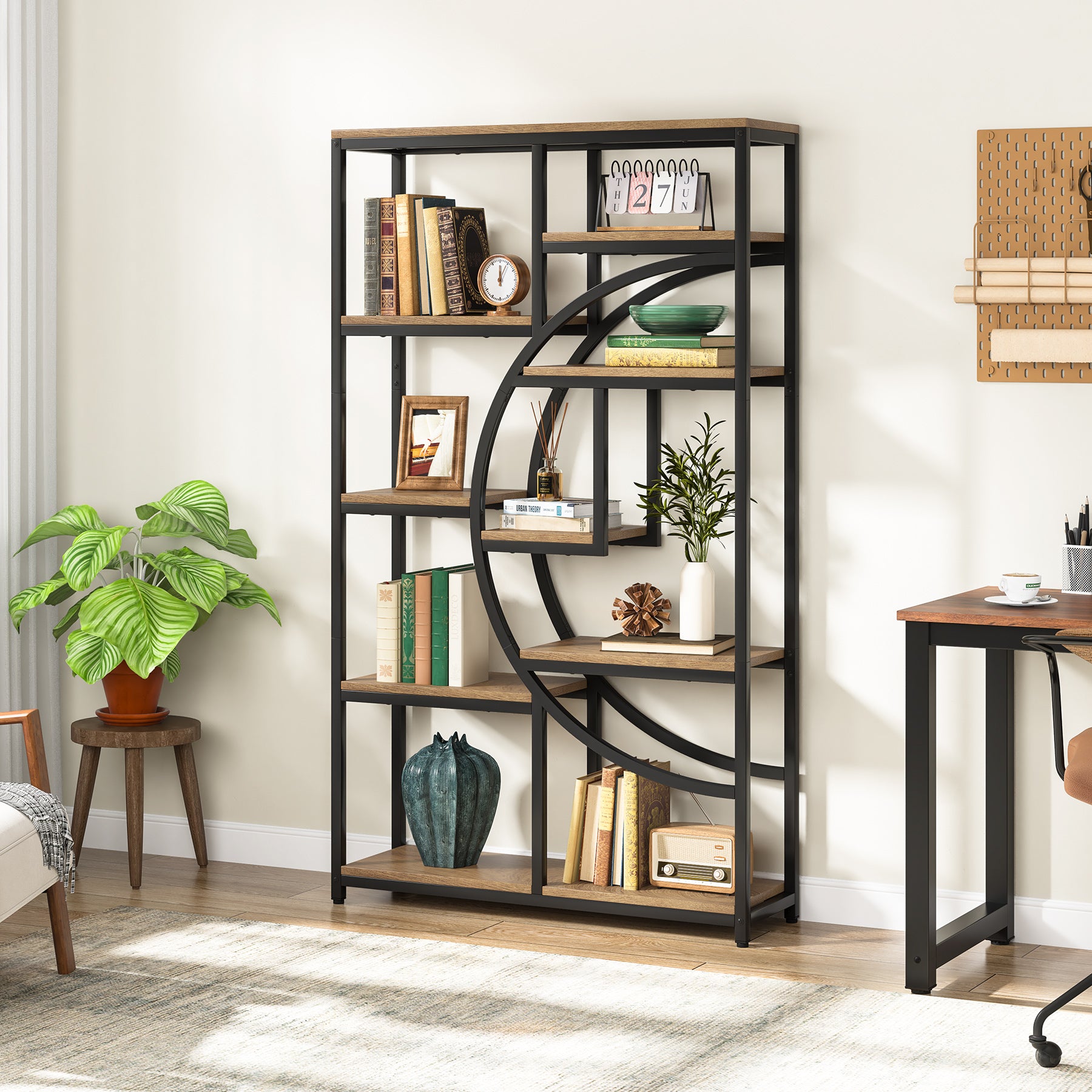
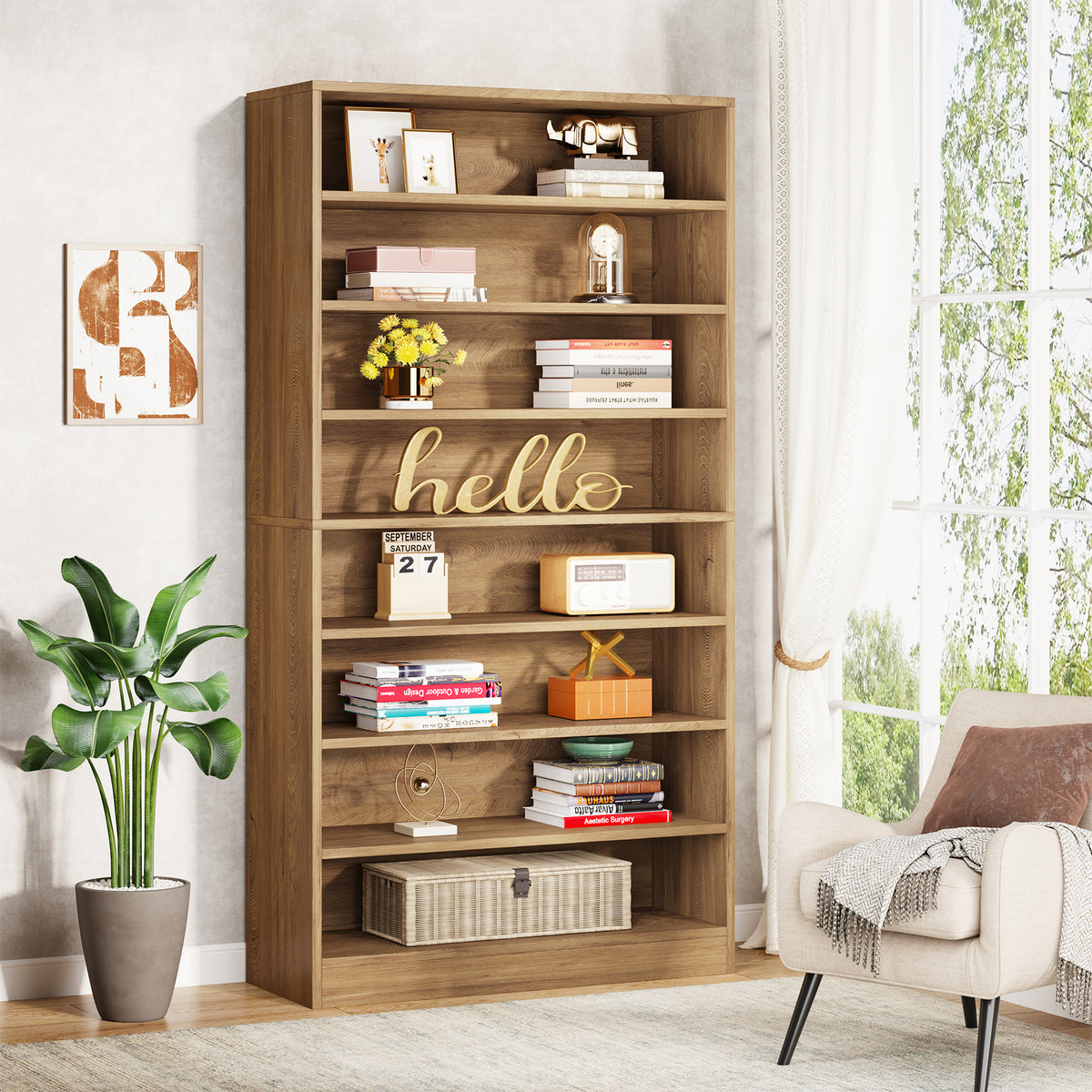
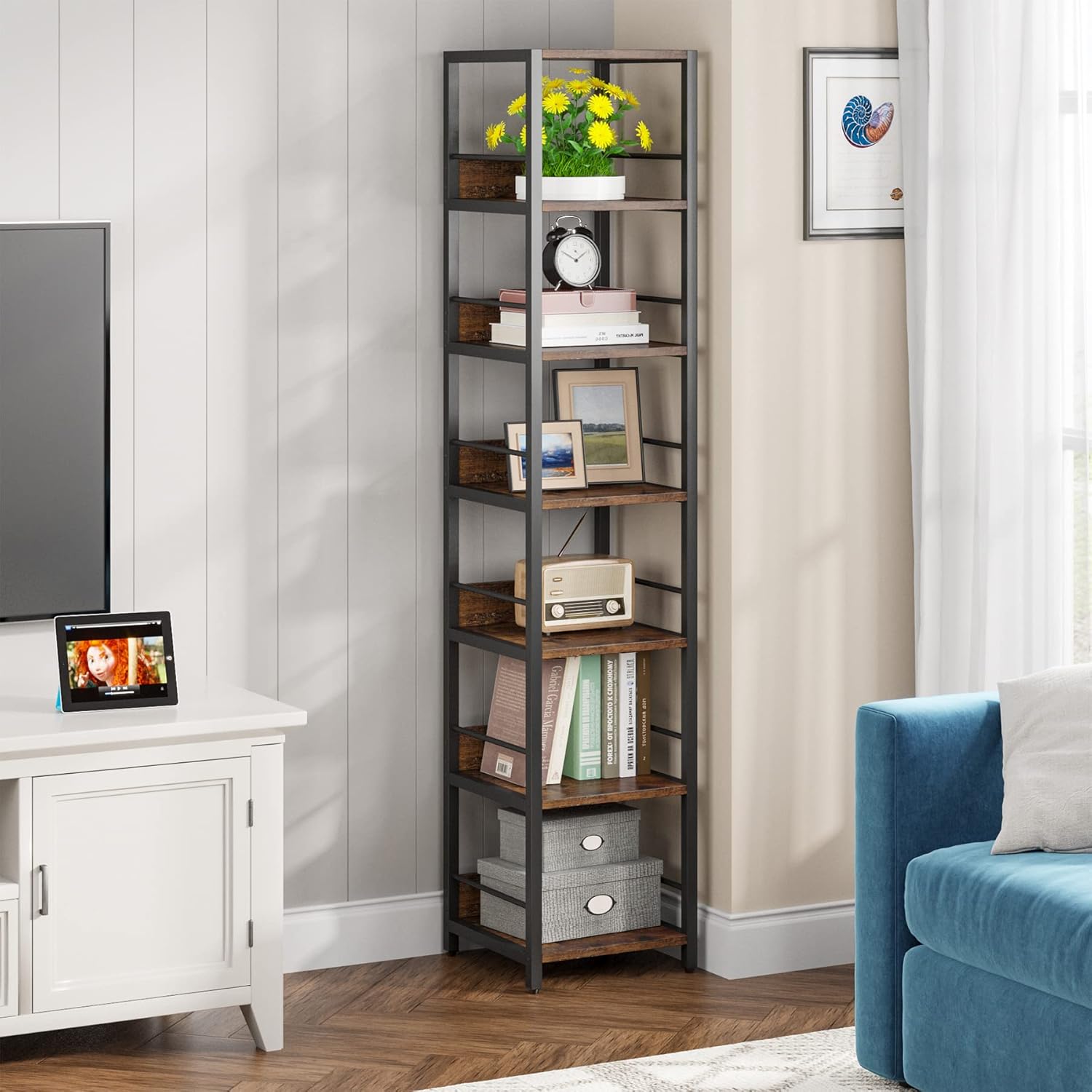
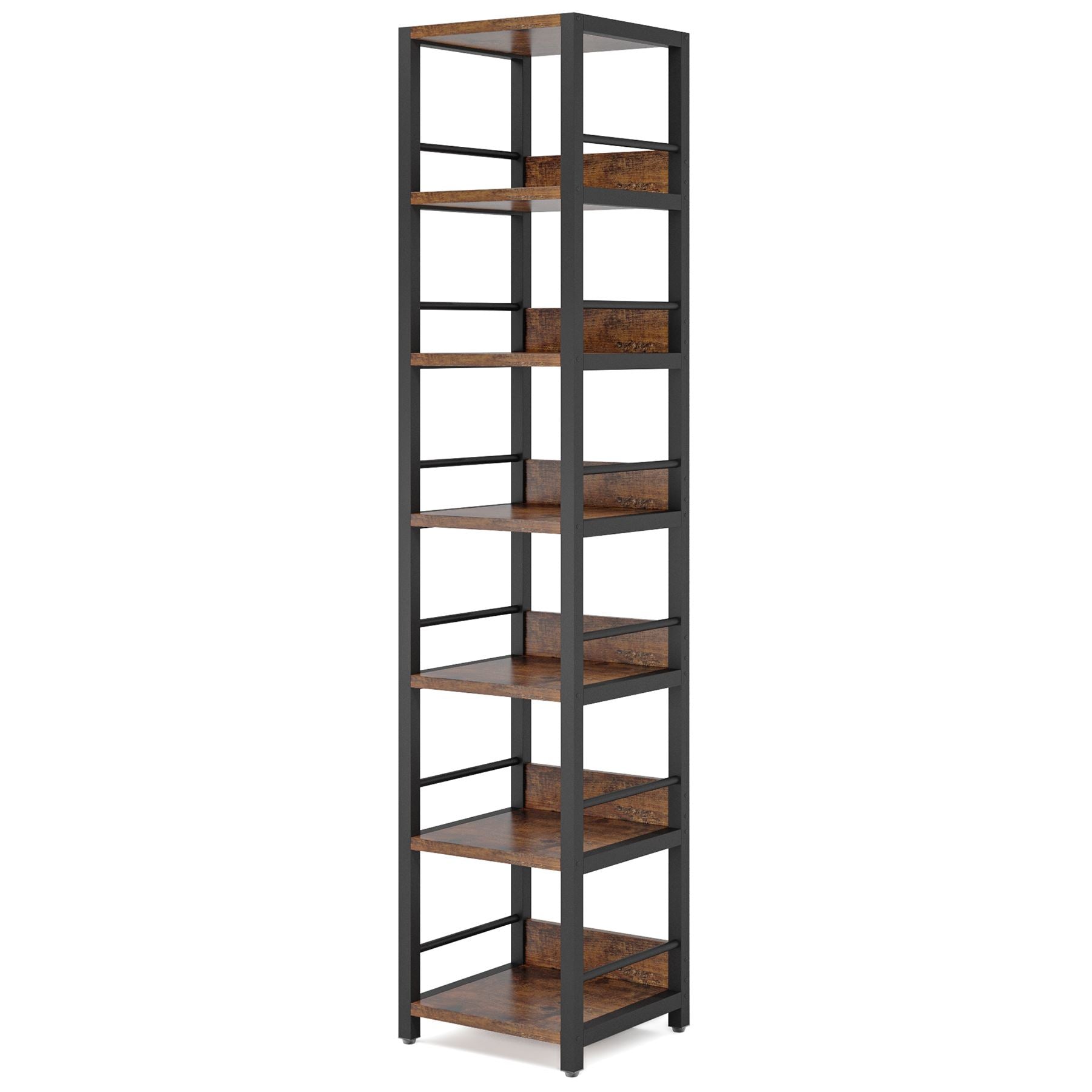
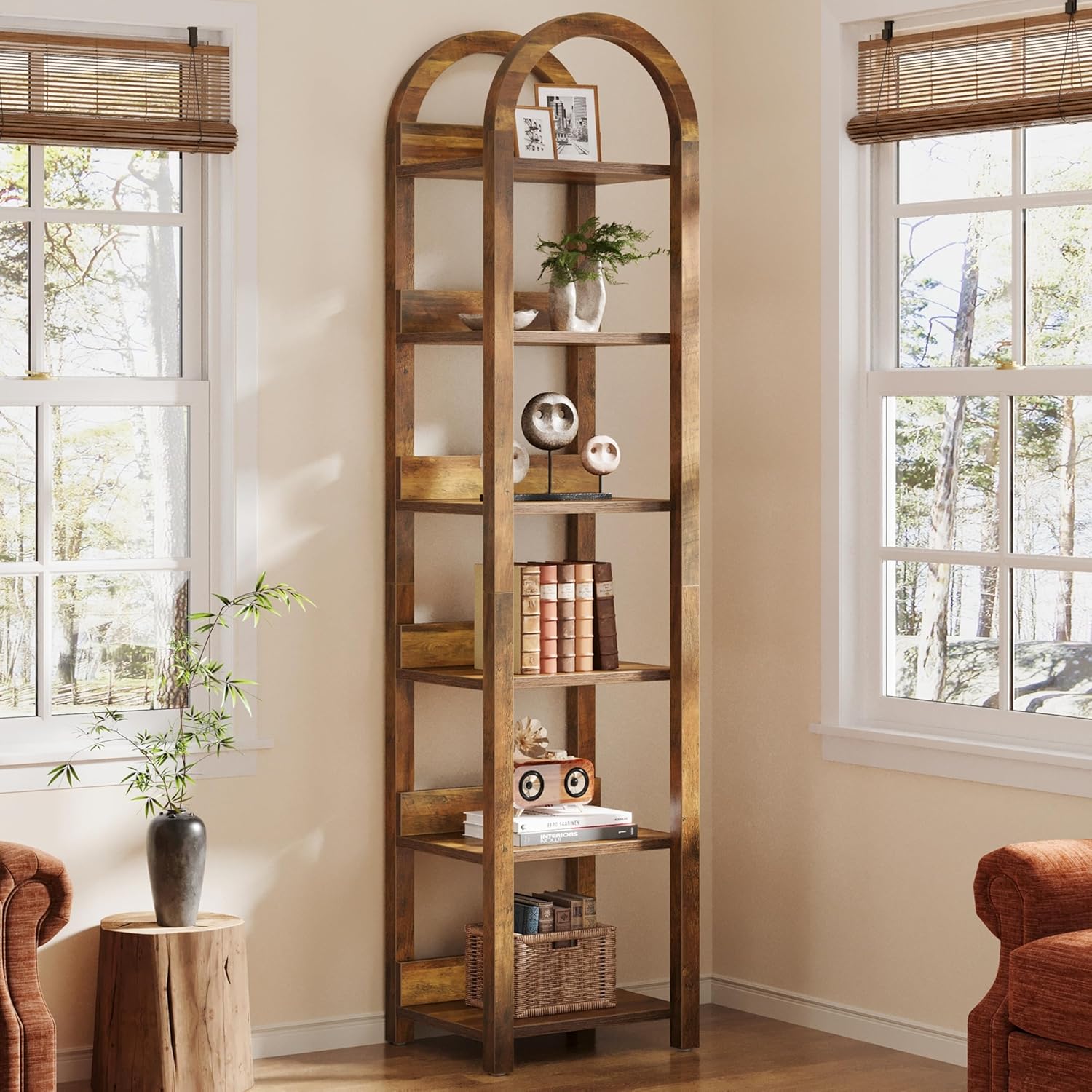
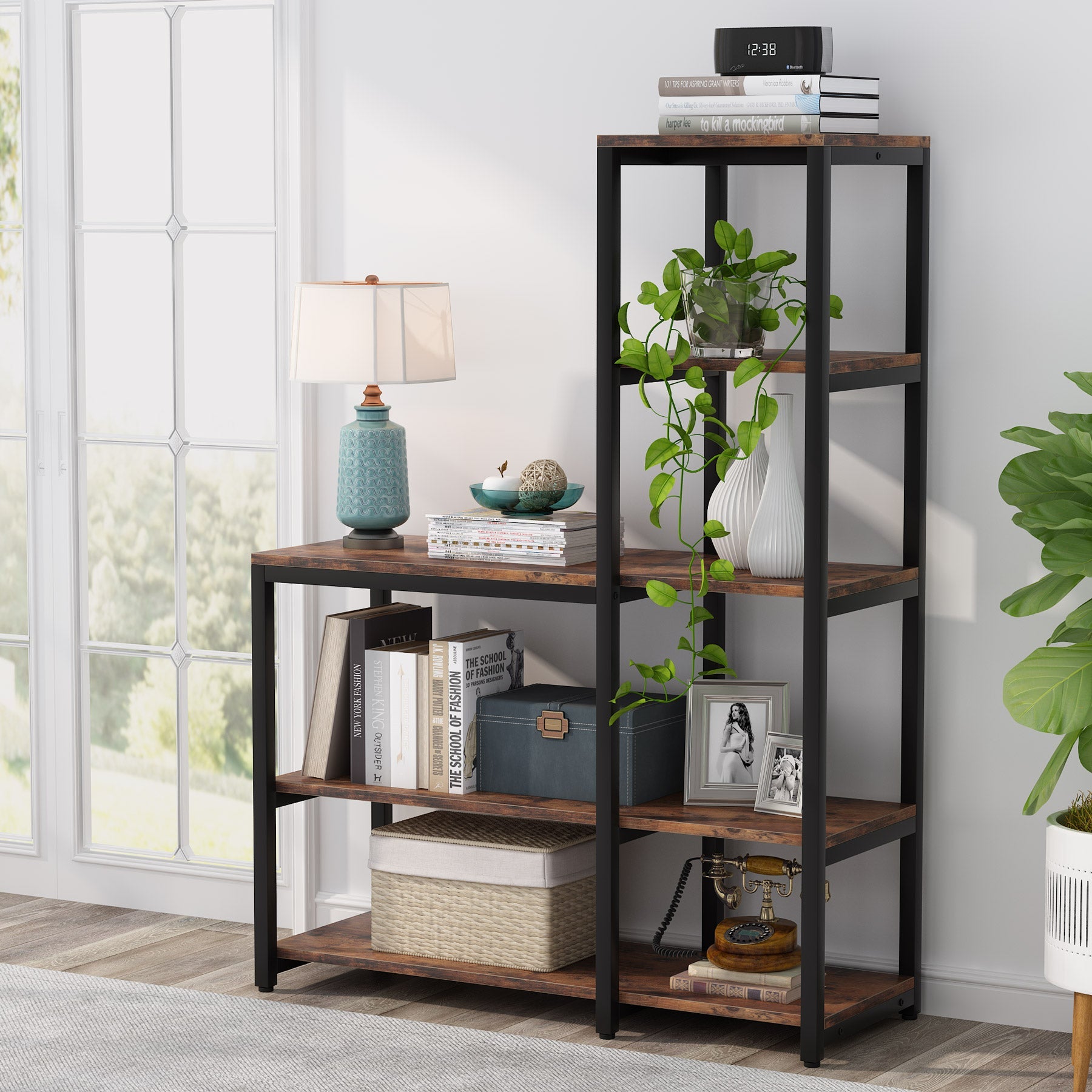
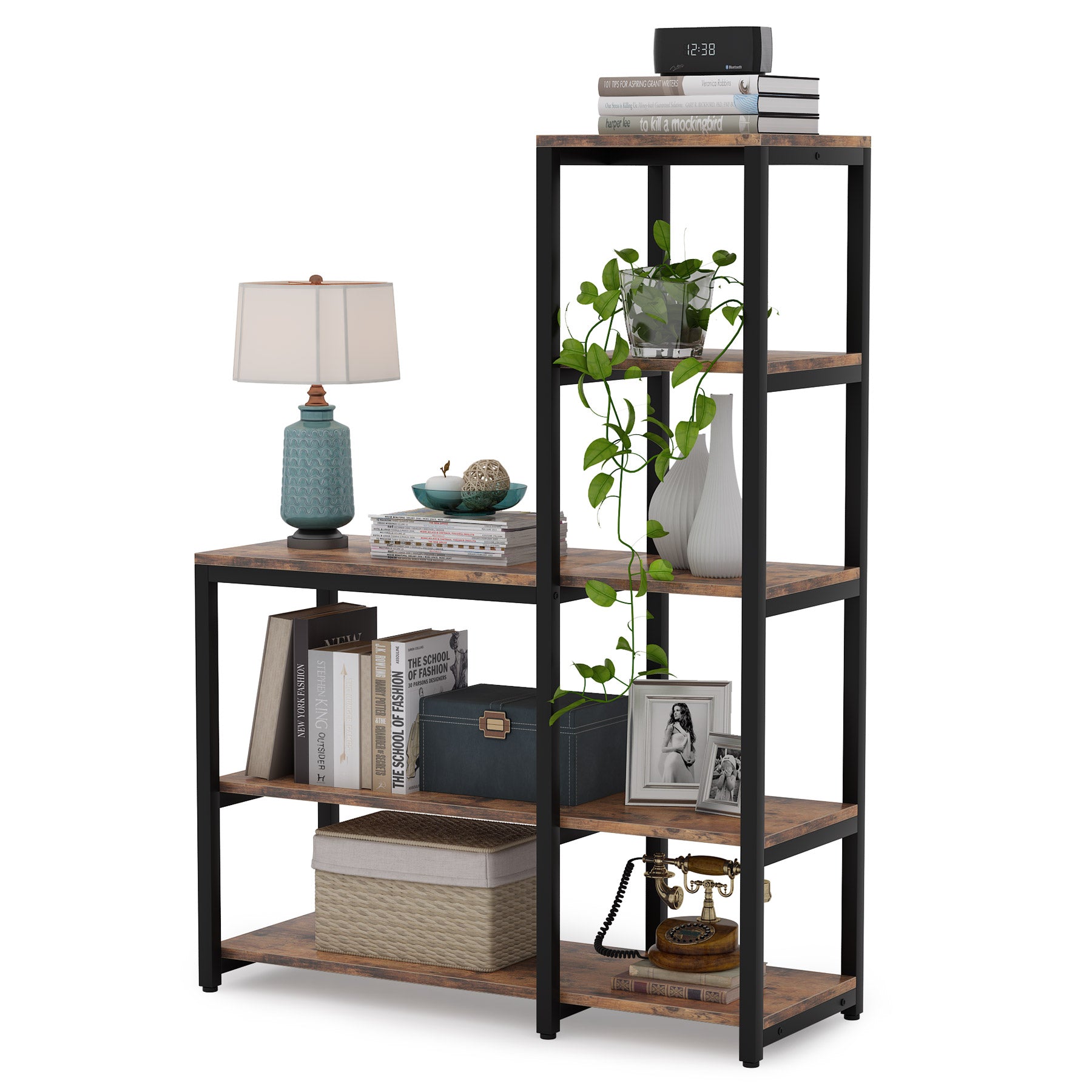
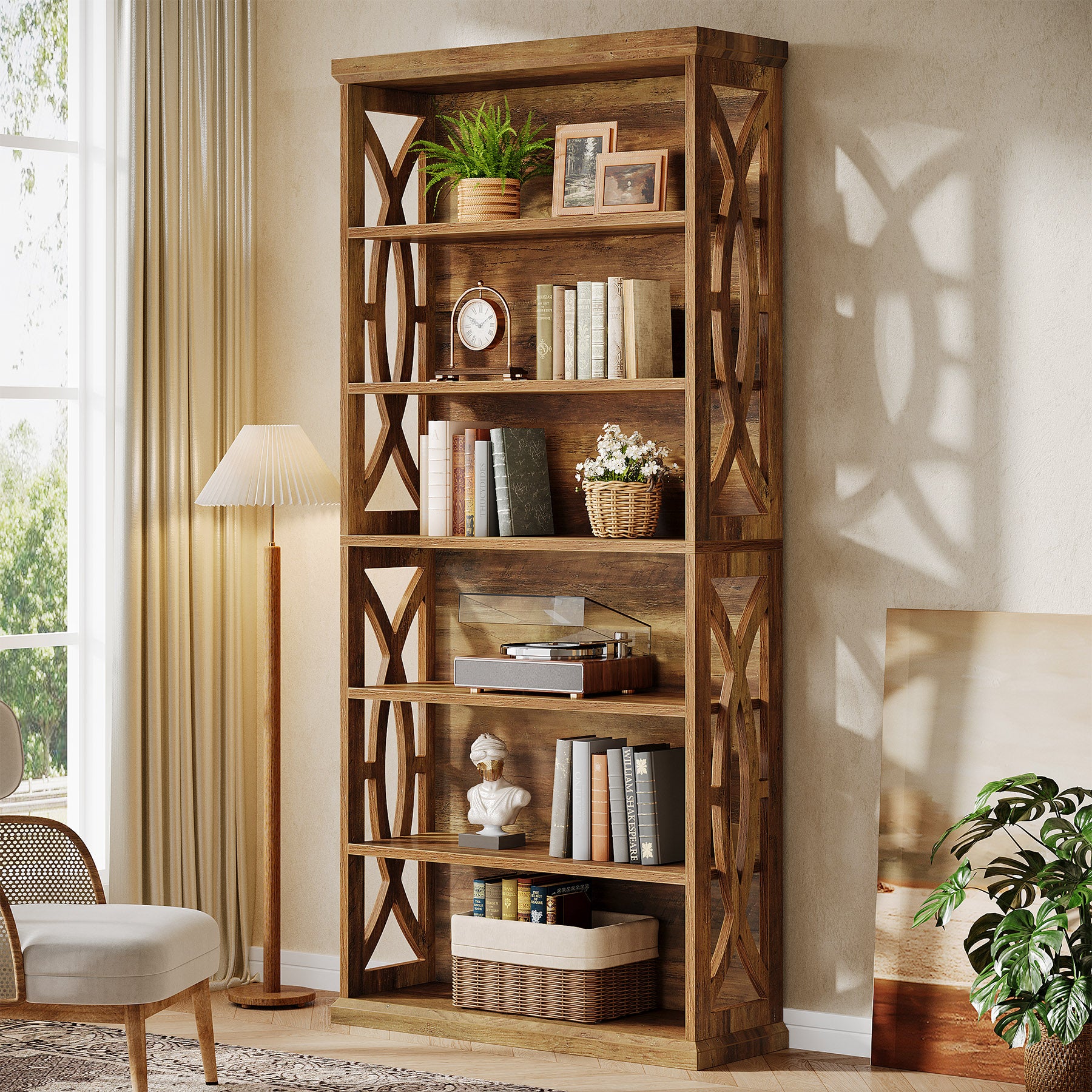
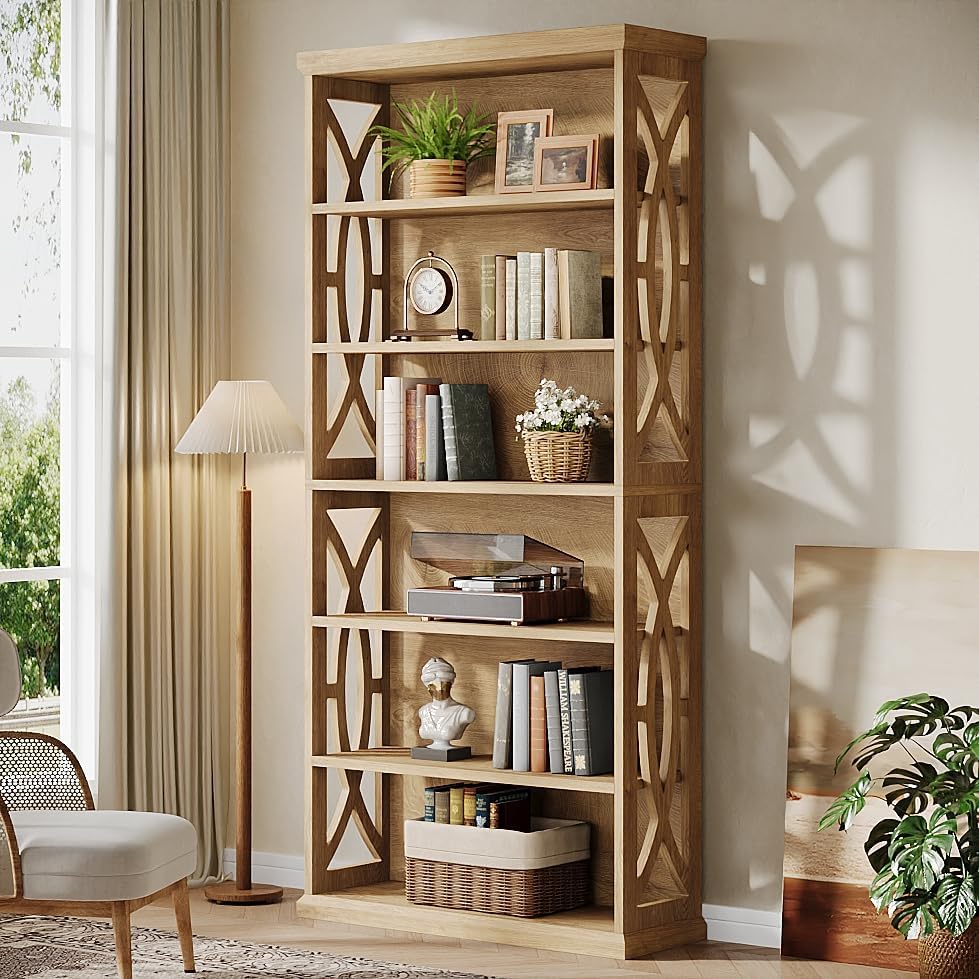
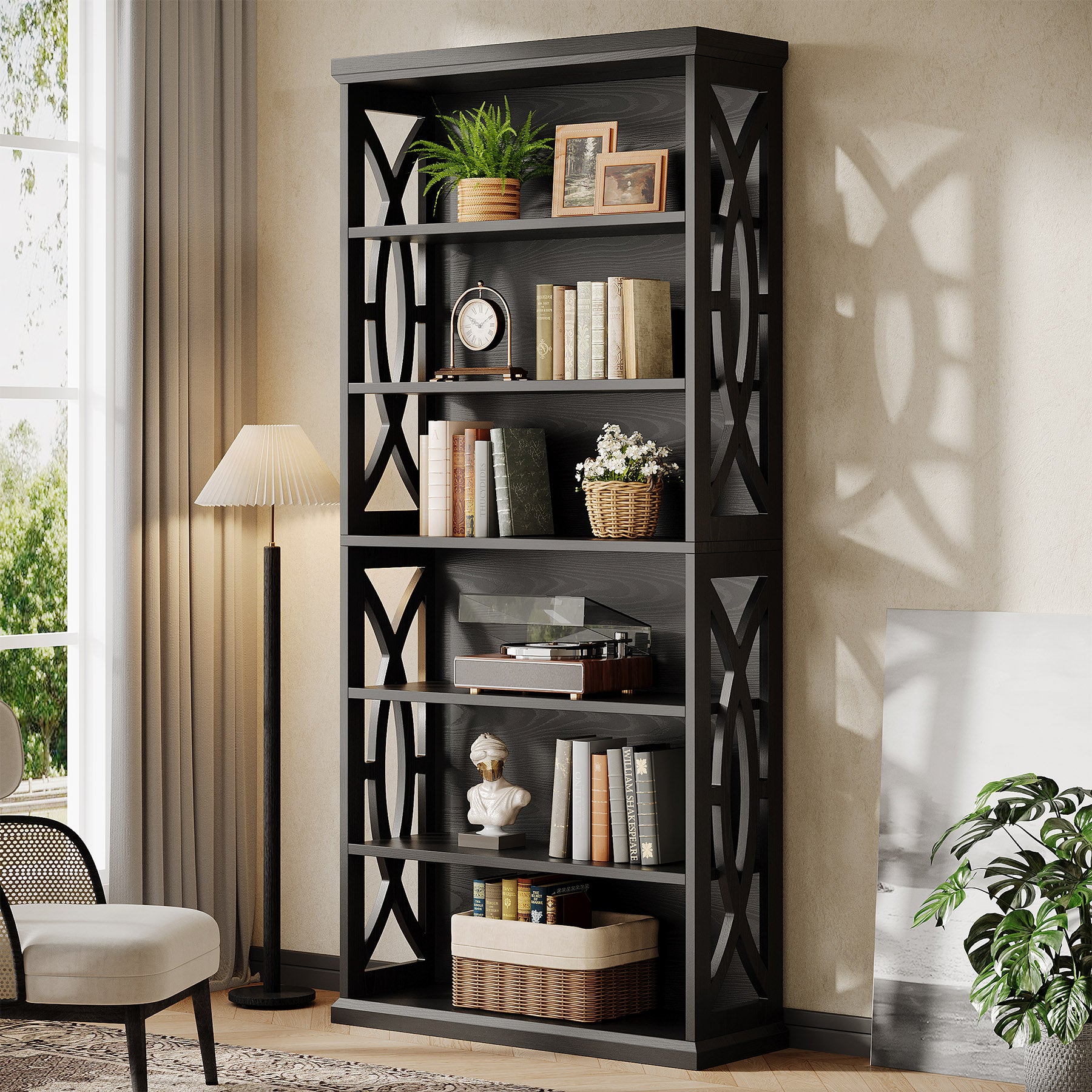
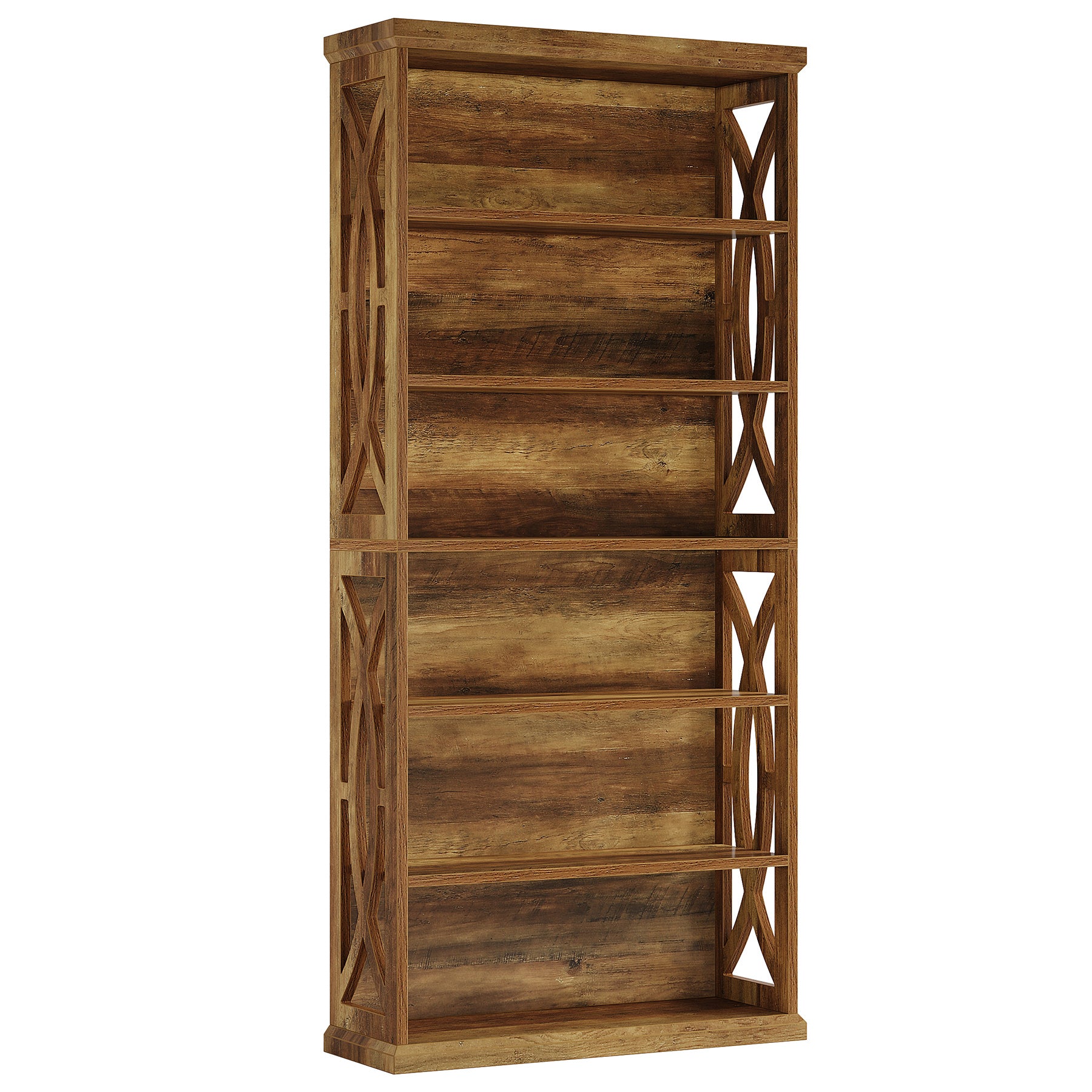
Enhance your home decor and keep your books organized with Tribesigns Bookcases & Bookshelves. Versatile and practical designs provide ample storage and enable you to perfectly showcase plants, photos, books, and ornaments.


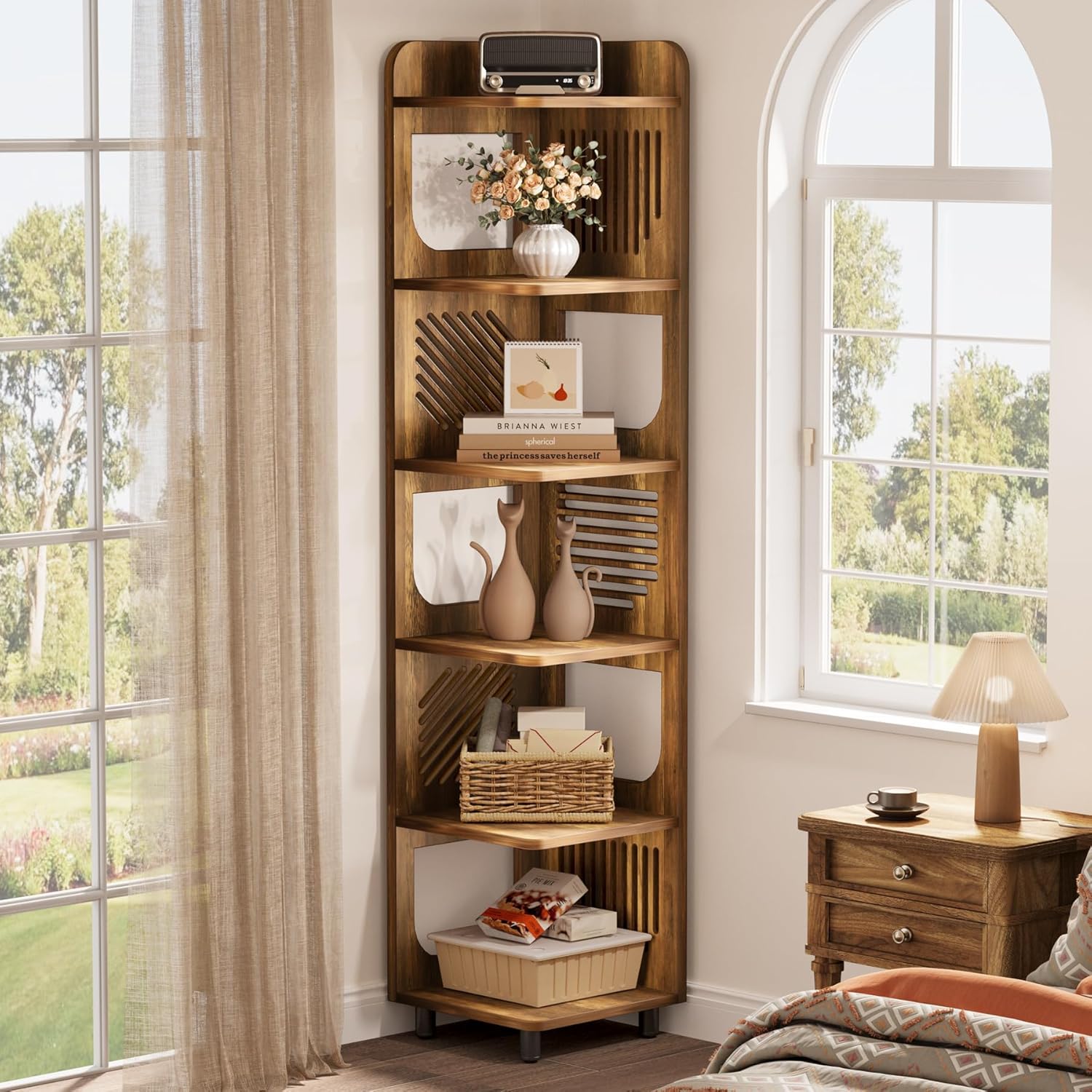
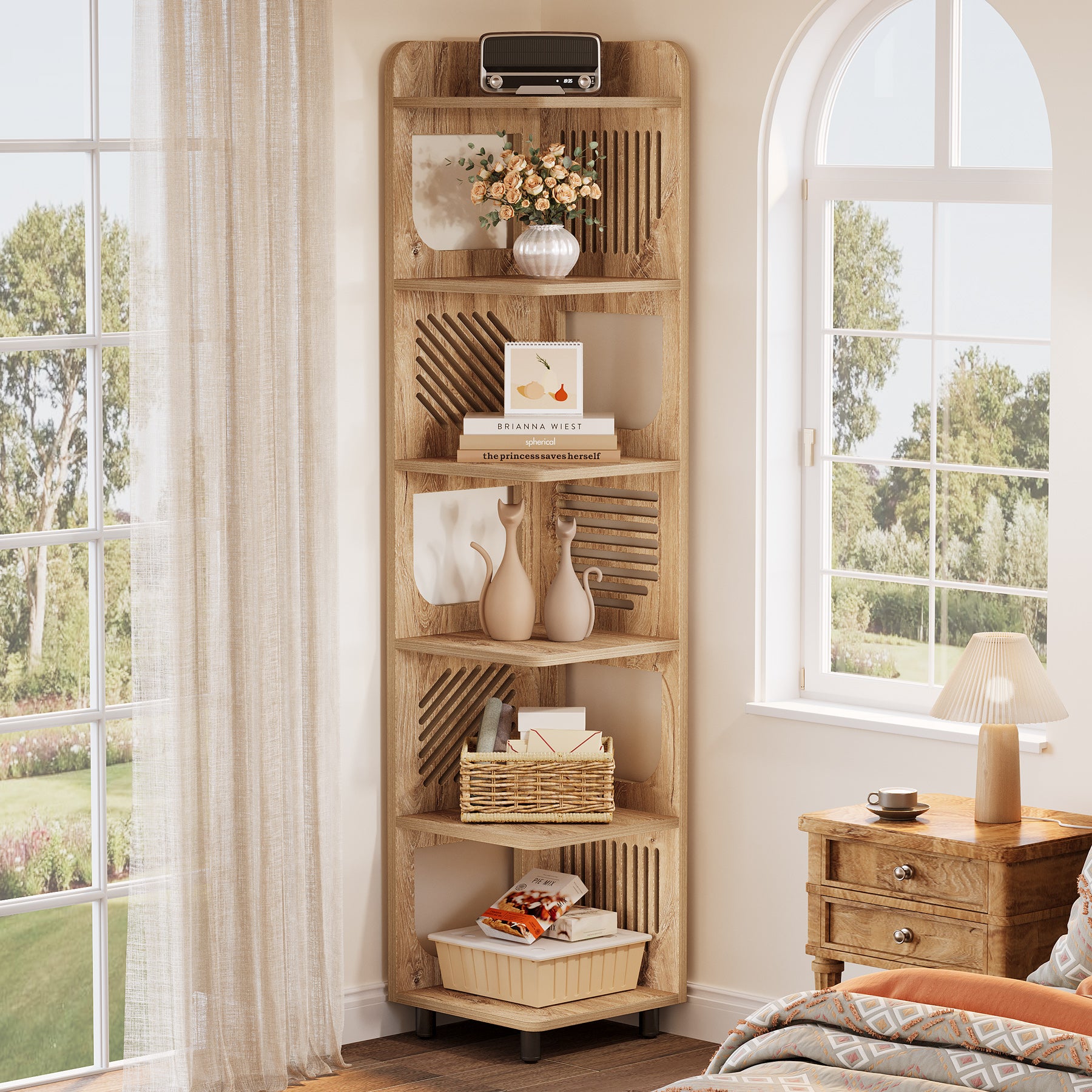
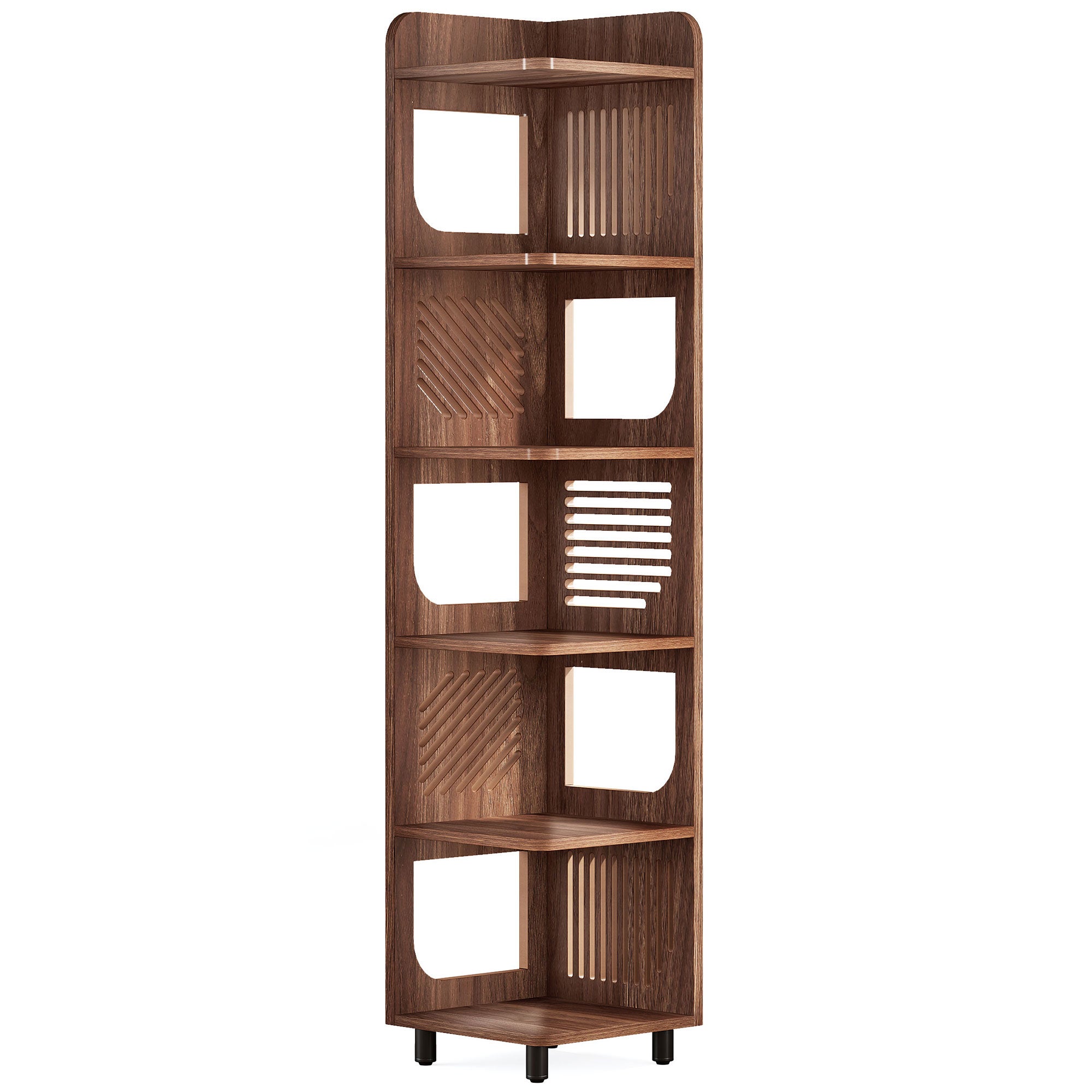


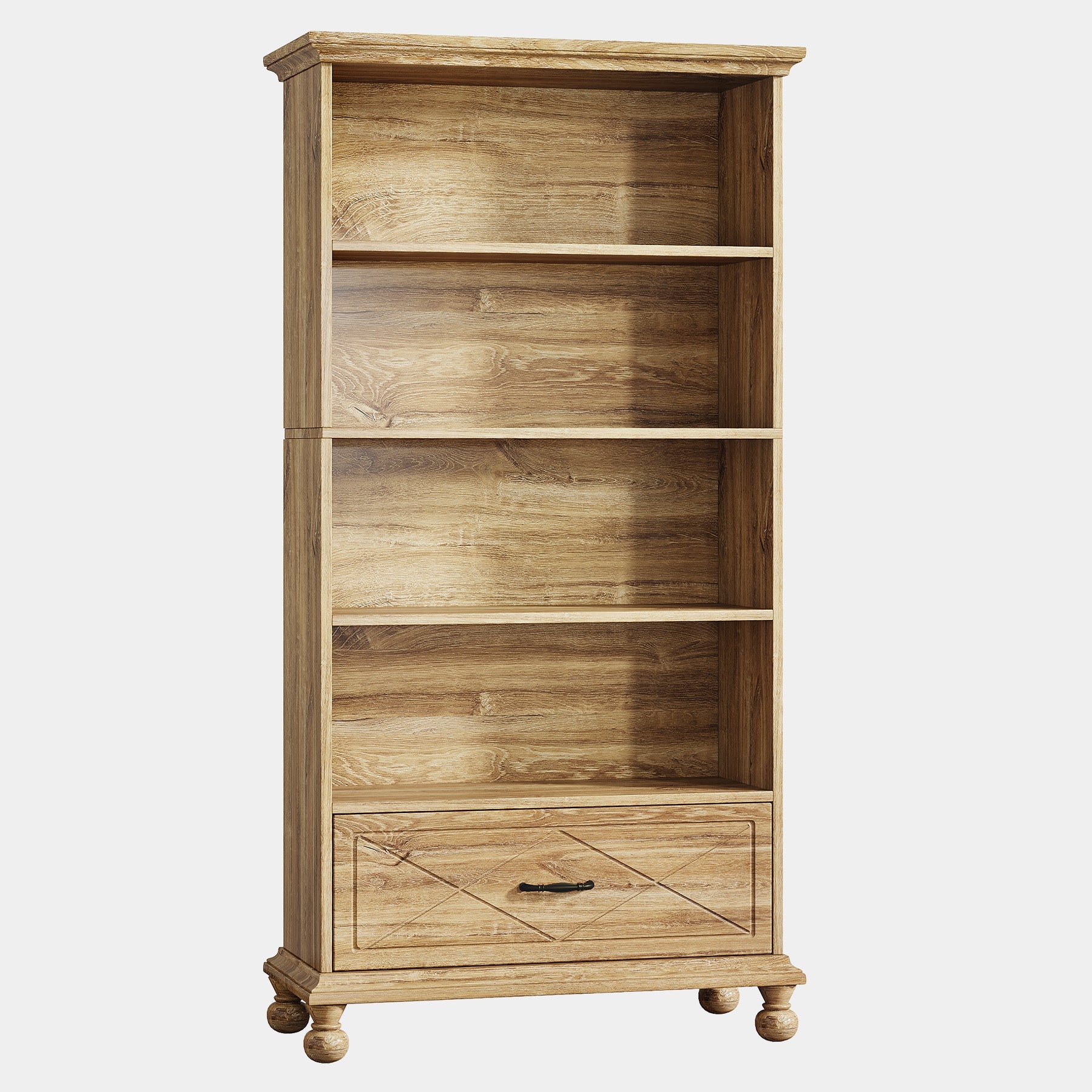














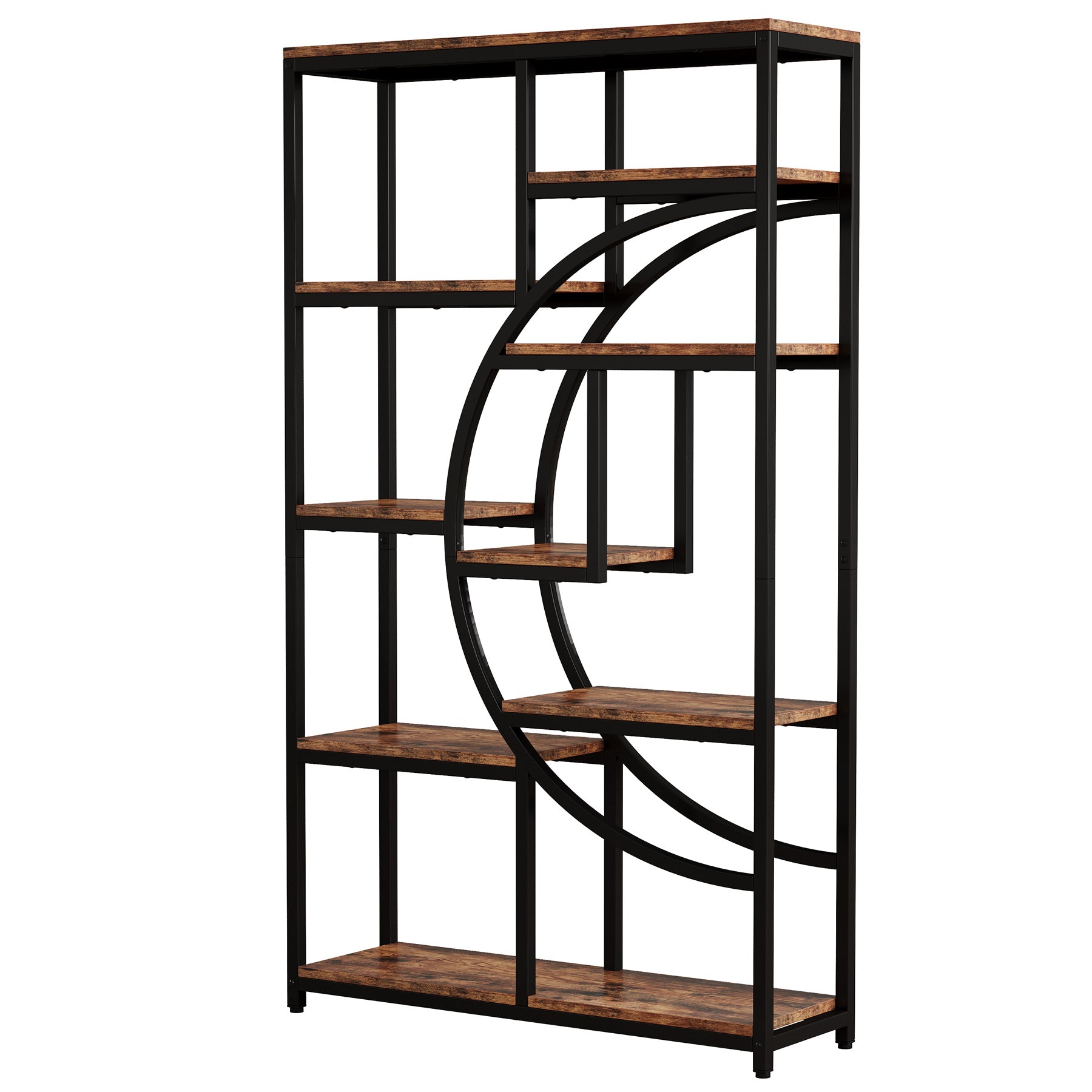


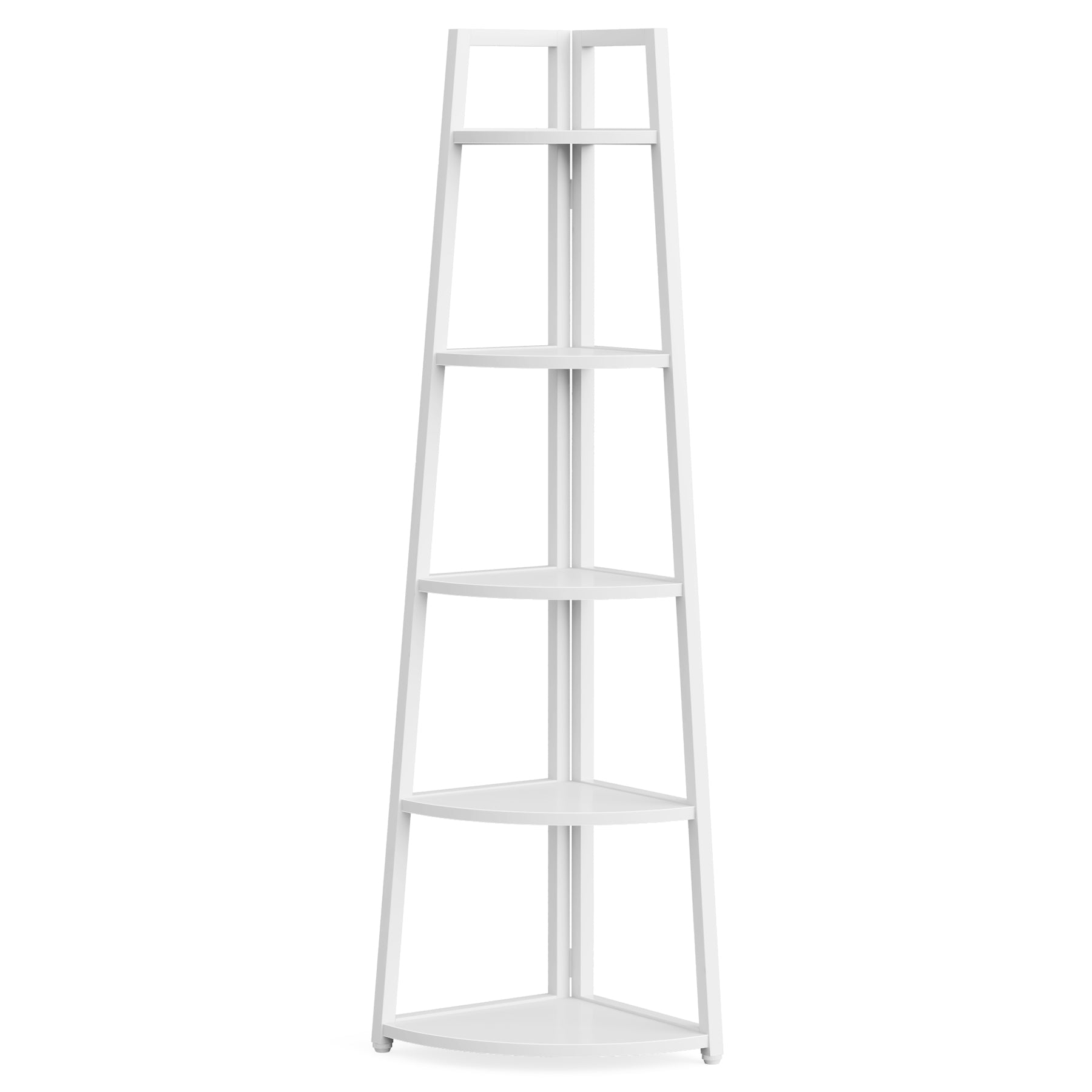
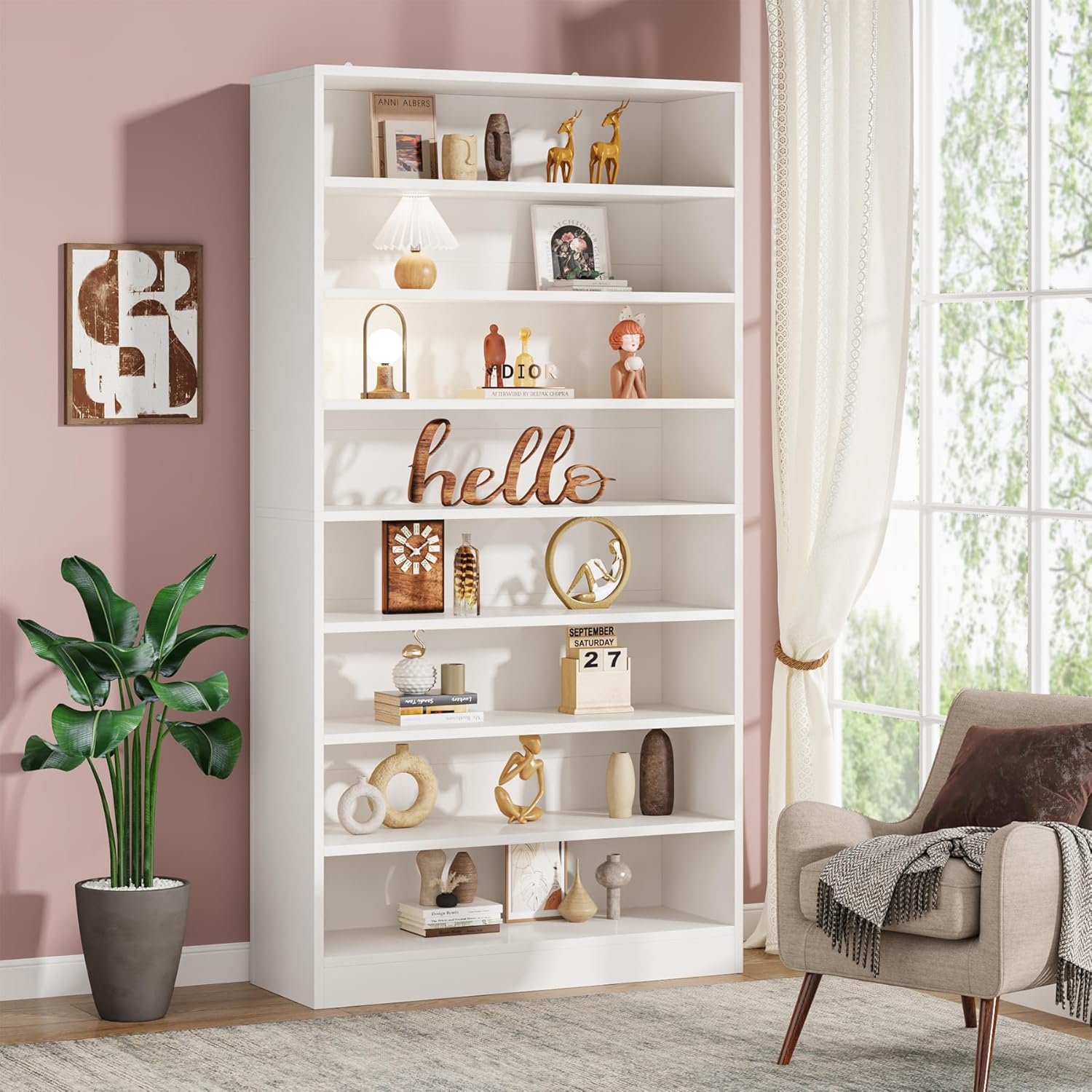
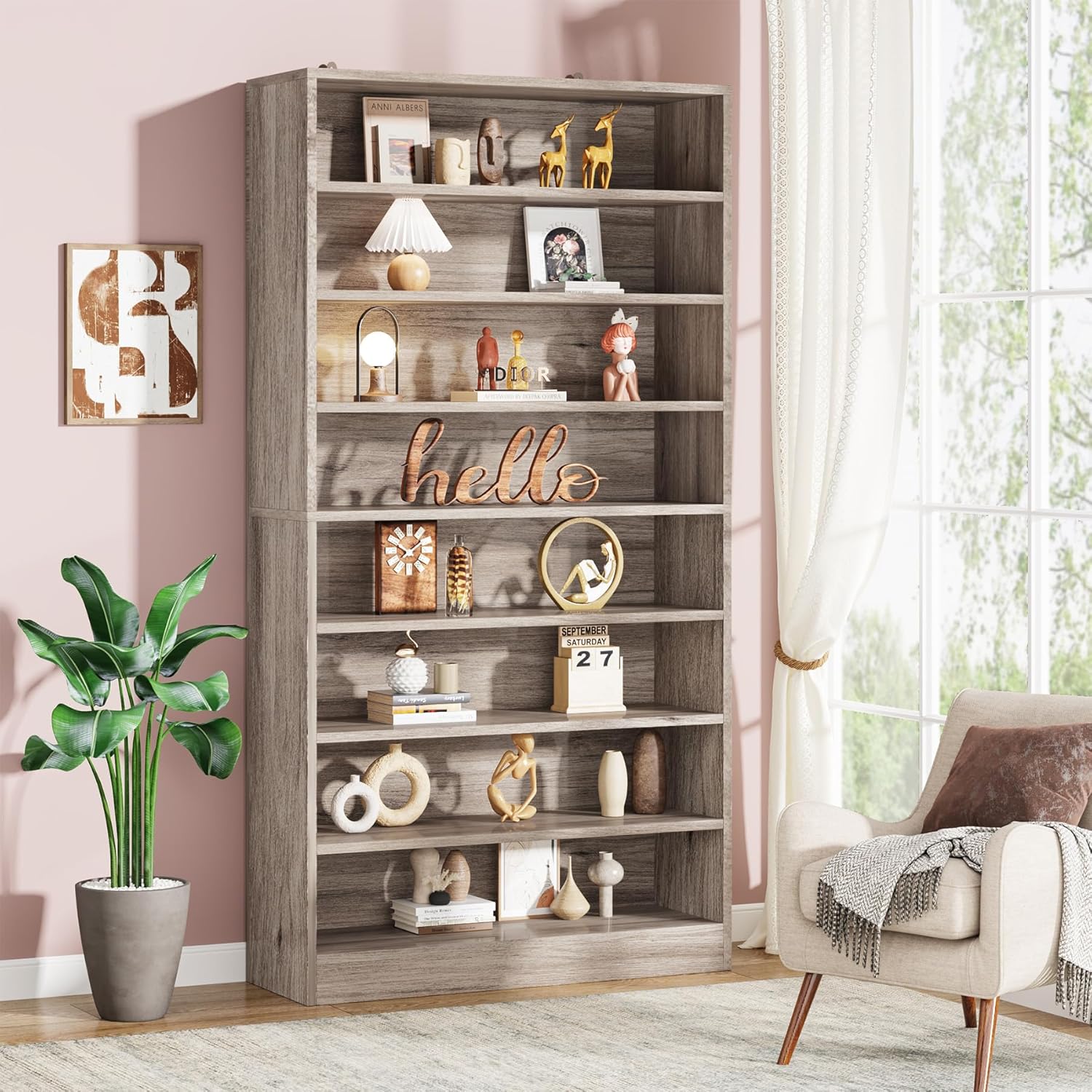
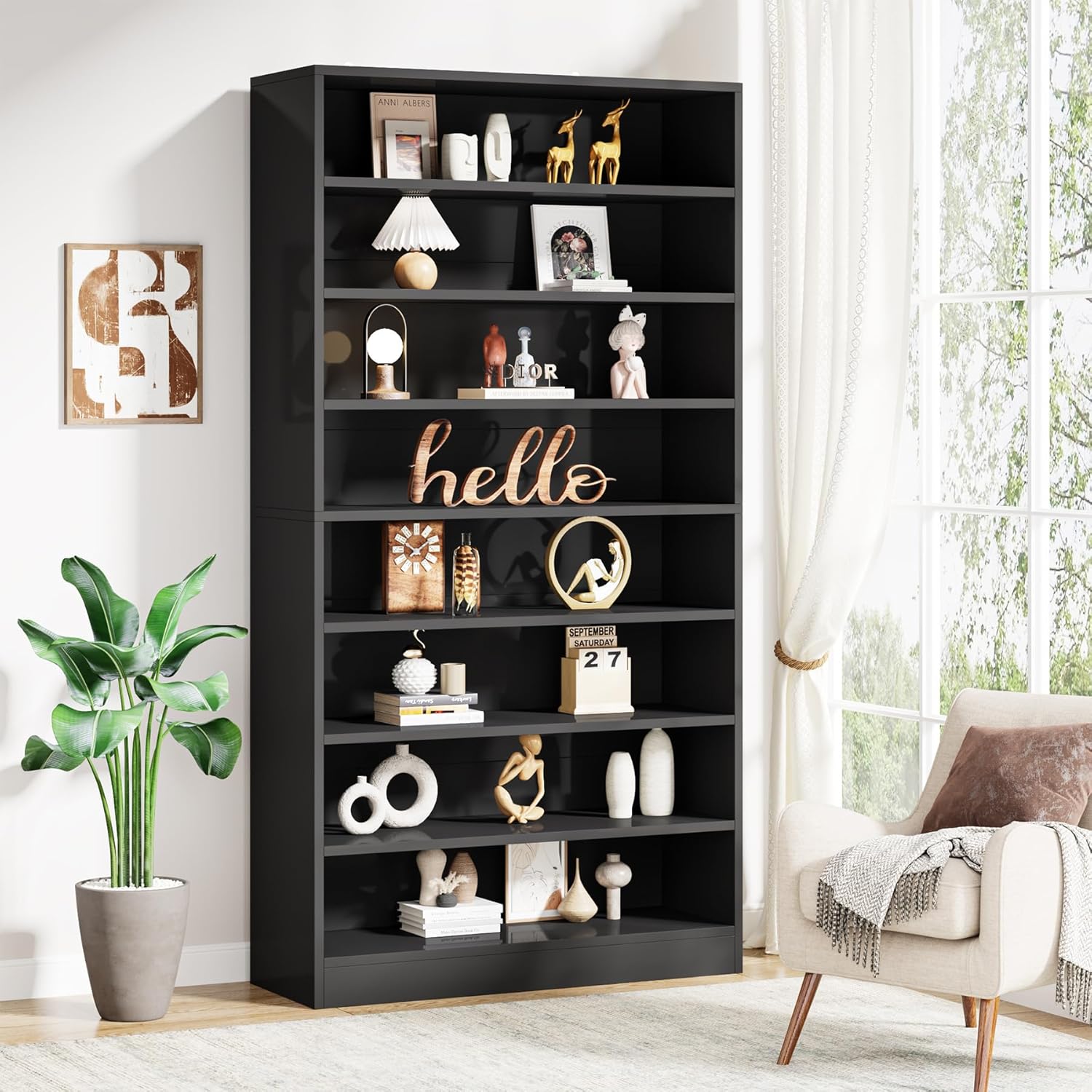
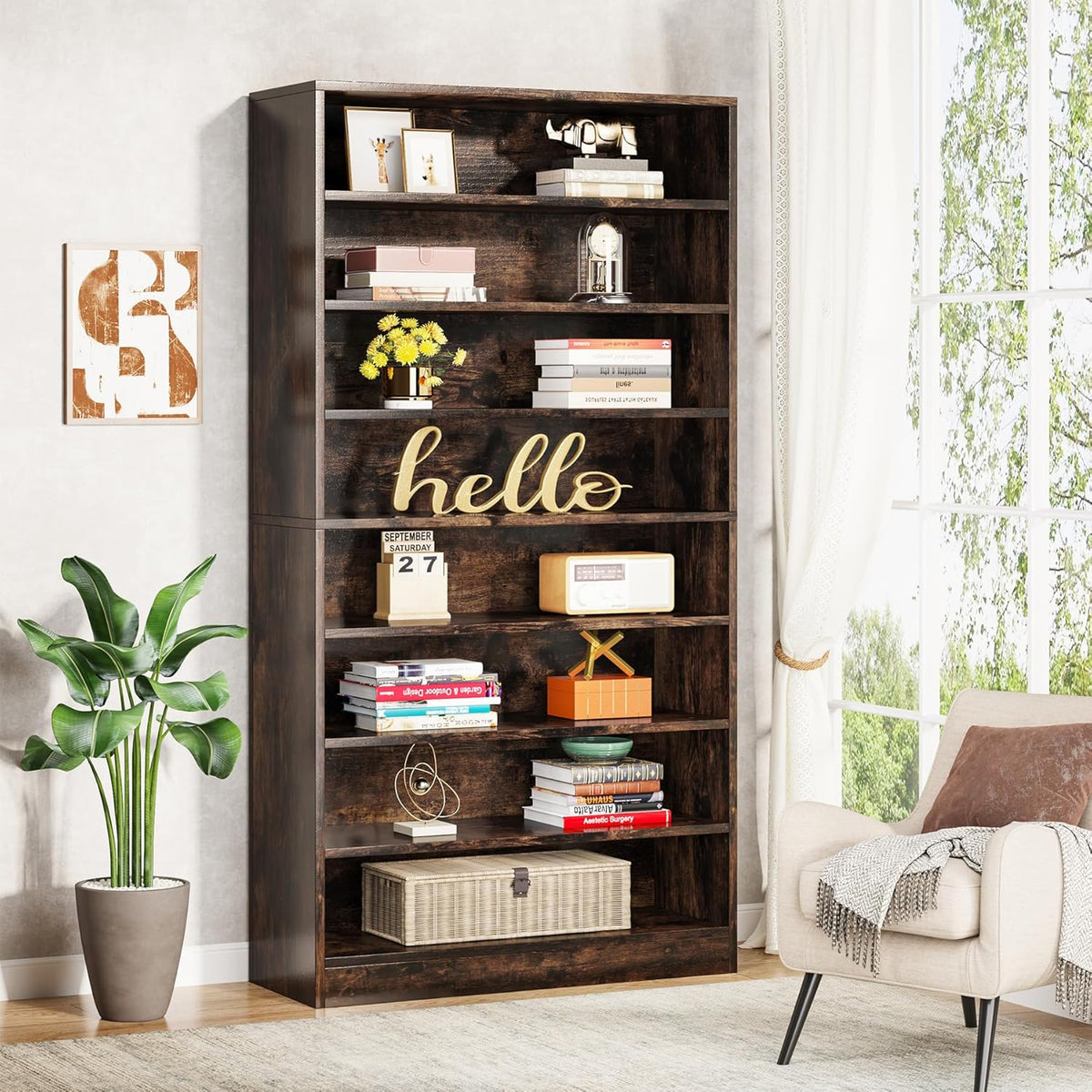
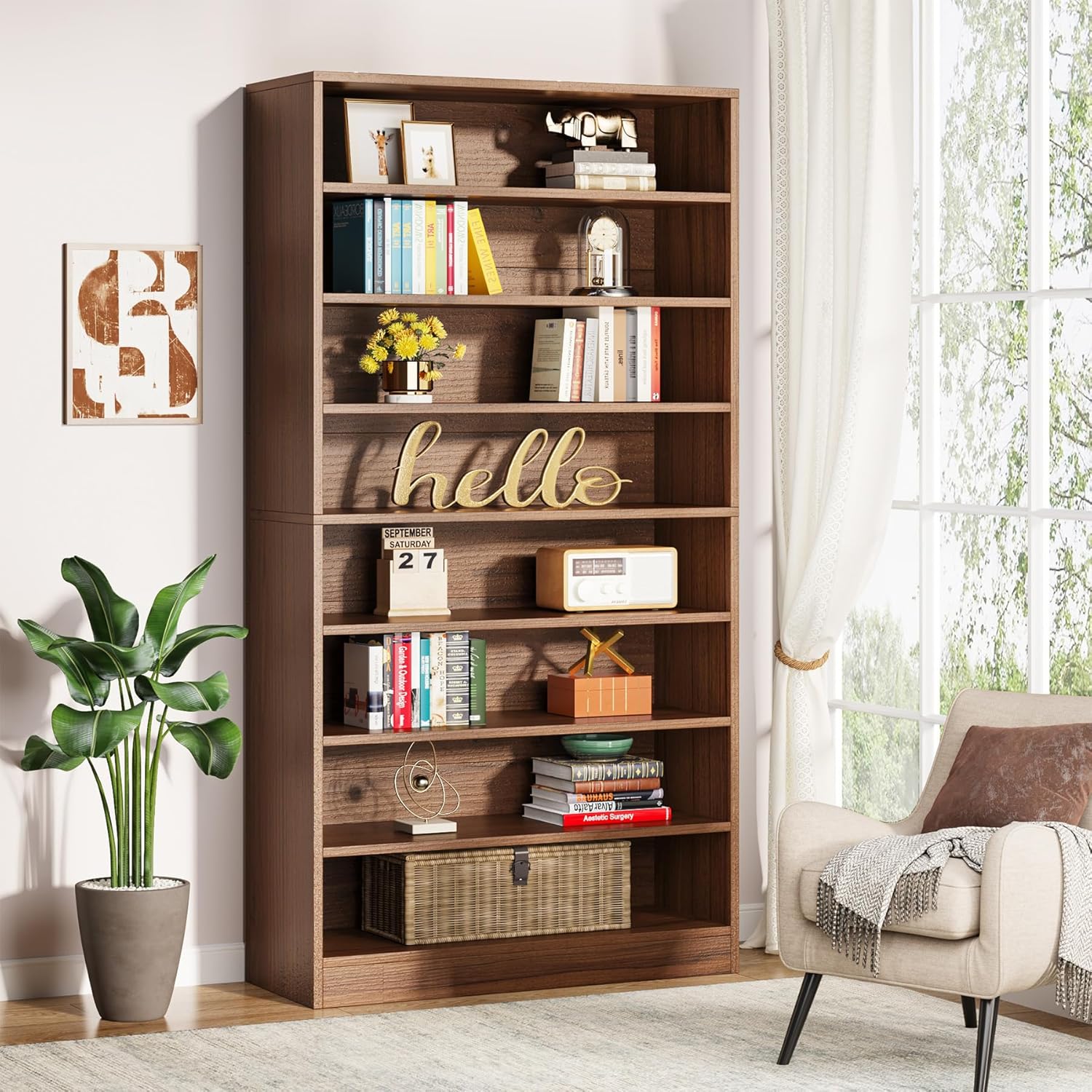
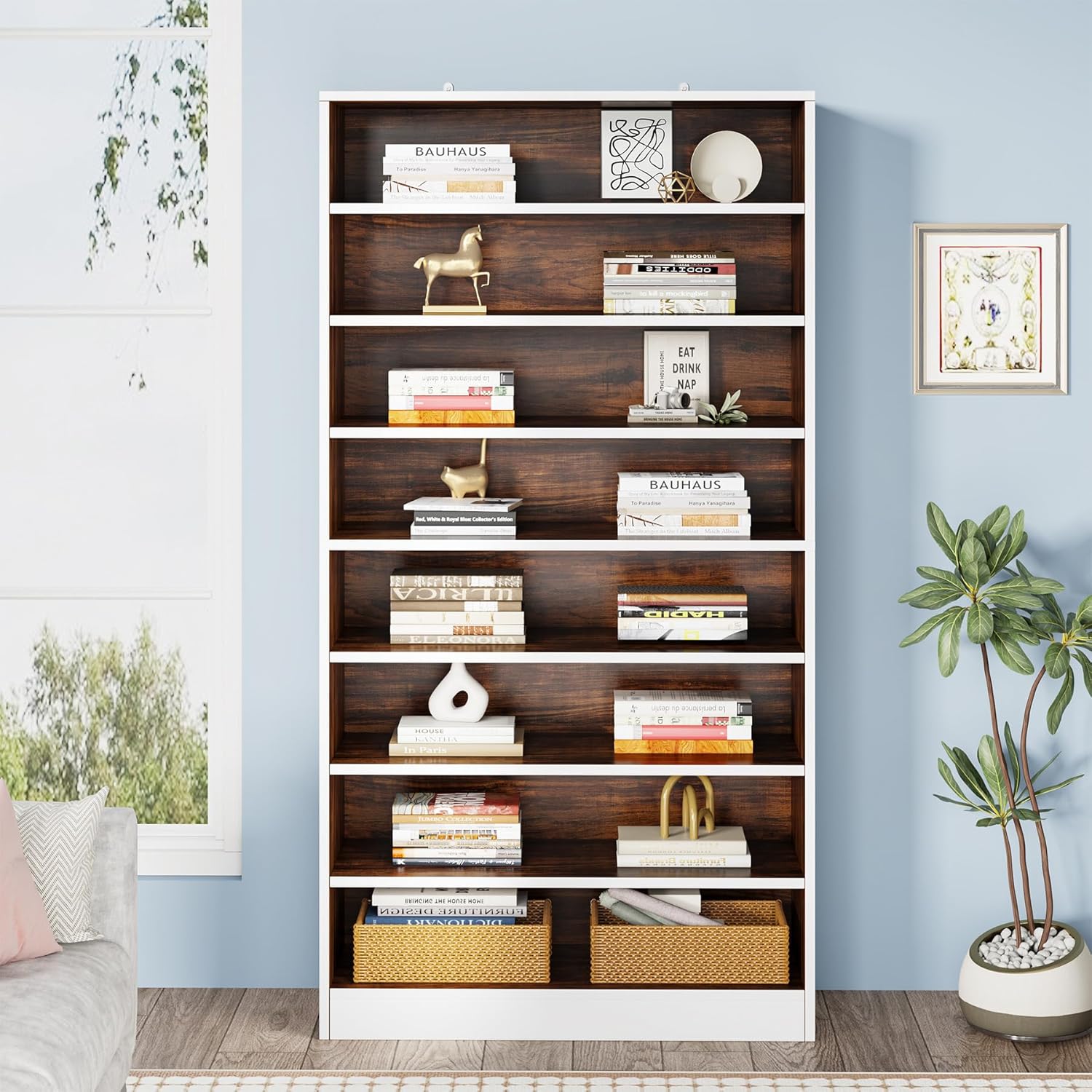

Bookcase & Bookshelf FAQs
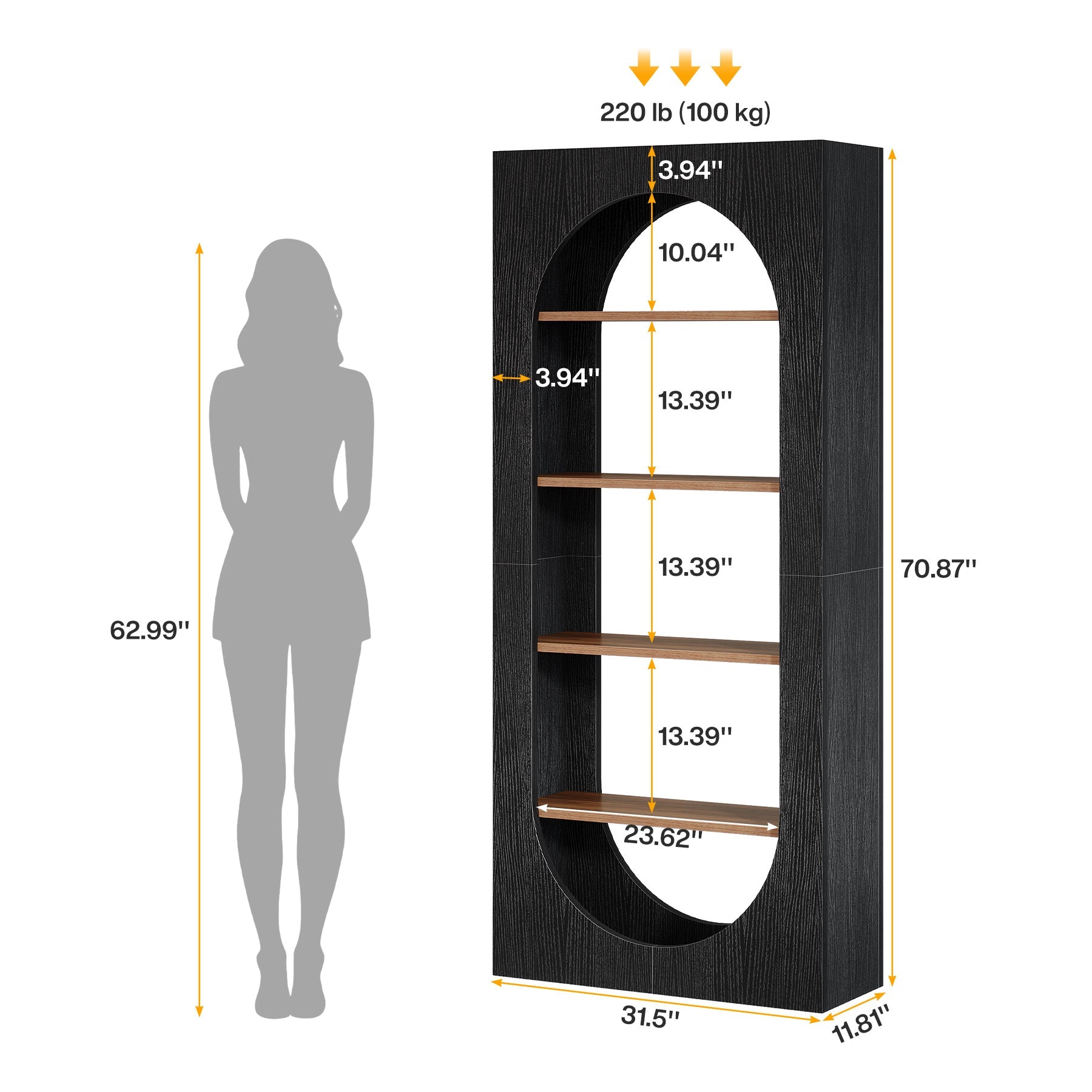
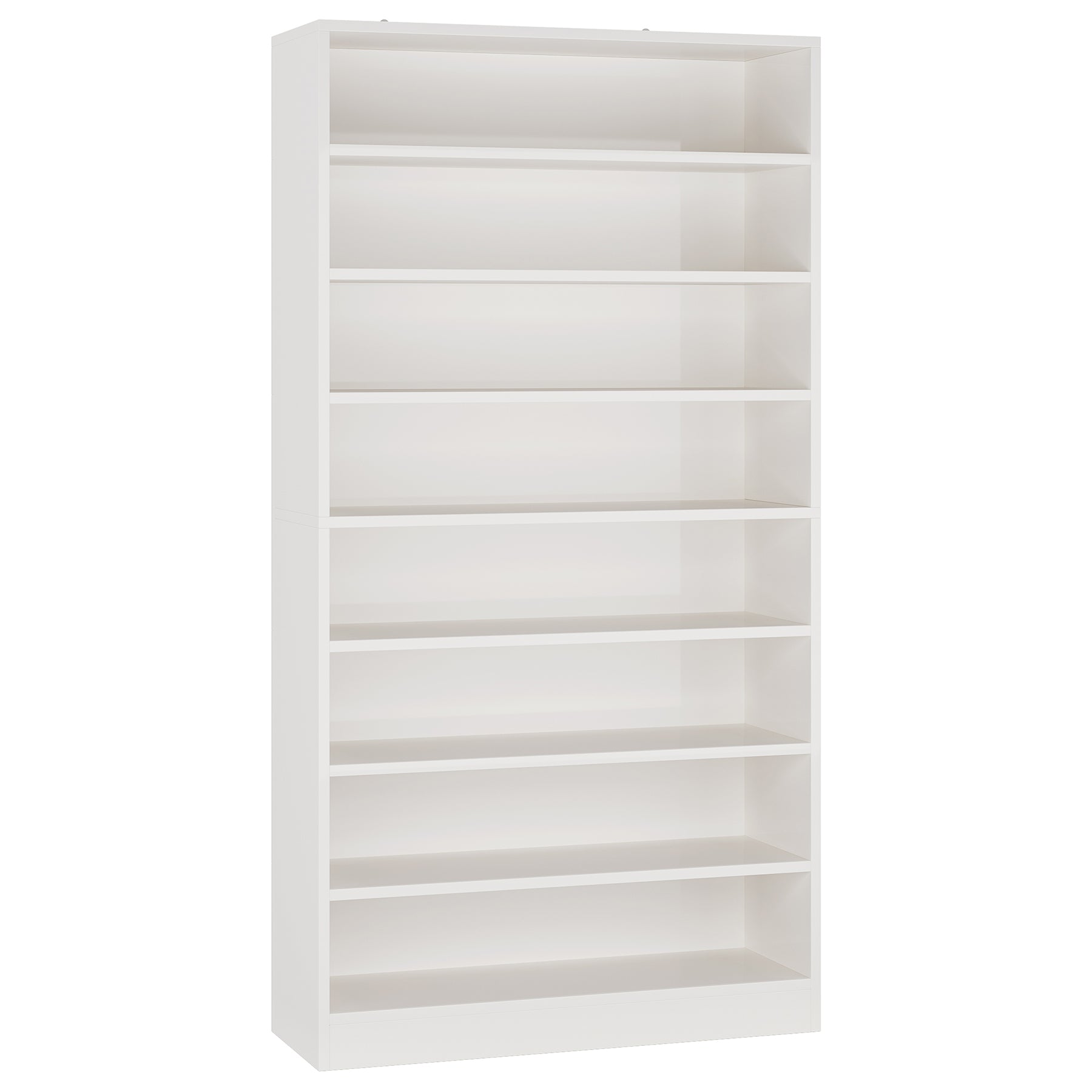
The best bookcase height depends on your space and usage, but typically ranges from 30 to 84 inches (2.5 to 7 ft), with 72-84 inches being great for maximizing storage in living rooms and offices, while shorter 30-42 inch units fit under windows or in bedrooms. Key factors are accessibility (top shelf under 84 inches for easy reach), room proportions, ceiling height, and whether you need a statement piece or compact storage.
To ensure a smooth assembly of your Tribesigns bookshelf, we recommend following these steps:
Prepare Tools and Accessories: Before starting assembly, ensure you have all necessary tools (such as screwdrivers, hammers, etc.) and accessories ready. Each Tribesigns bookshelf comes with detailed assembly instructions; ensure all accessories are included.
Follow the Steps: Assemble the bookshelf step-by-step according to the instructions. We suggest arranging the components neatly for quick identification and use.
Ensure Screws are Tightened: Each connecting component requires screws. Ensure all screws are securely tightened to enhance the bookshelf's stability and safety.
Install Anti-Tipping Device: For added safety, we recommend using the anti-tipping device provided by Tribesigns during assembly to secure the bookshelf to the wall. This further reduces the risk of tipping.
Check and Adjust: After assembly, carefully check each part of the bookshelf to ensure no screws are loose and the bookshelf stands firmly.
If you encounter any problems during assembly, our customer service team is ready to assist you, ensuring you can smoothly enjoy the convenience and beauty of your Tribesigns bookshelf!
You can also read this complete bookshelf installation guide.
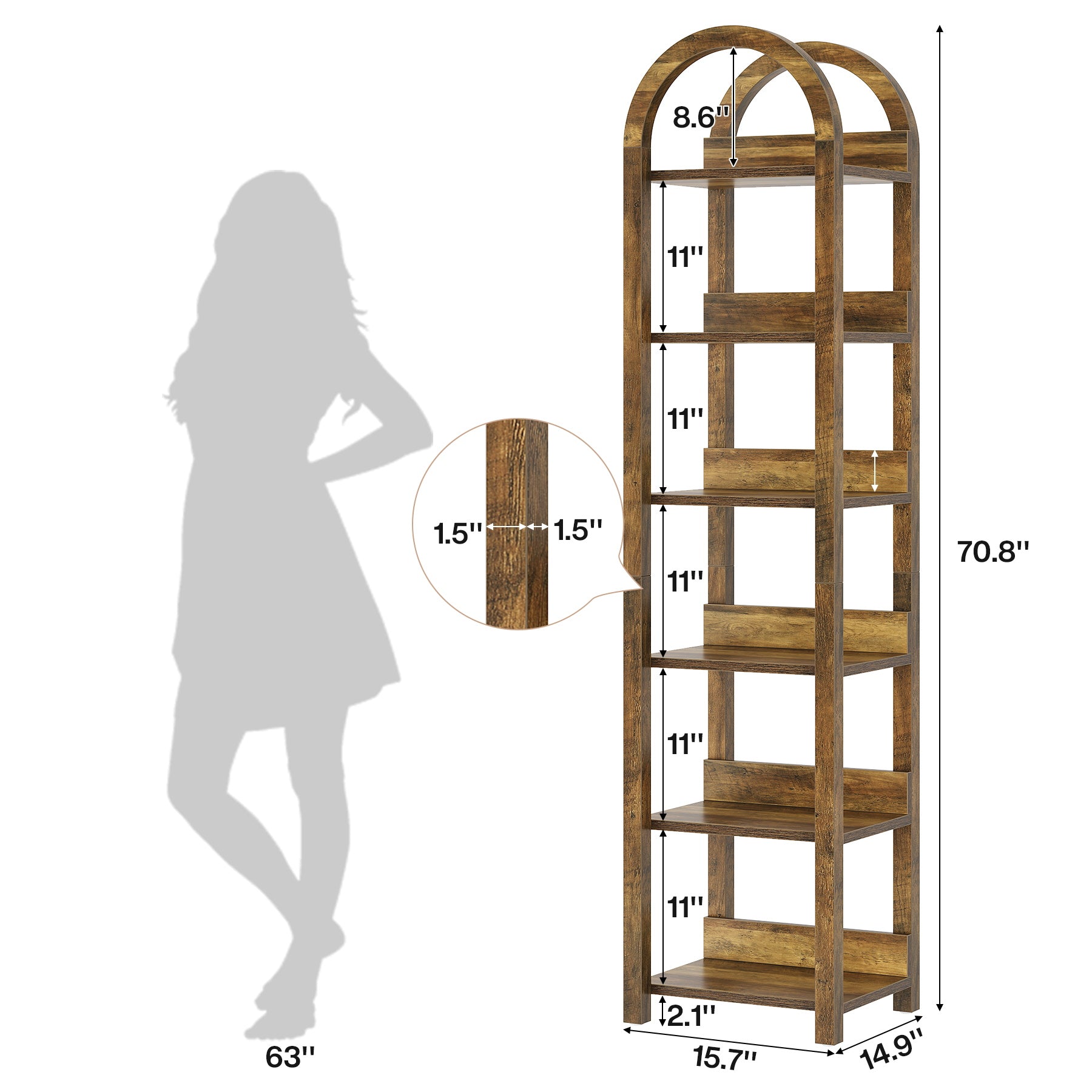
The dimensions and weight capacity vary for each bookcase shelf model. You'll usually find this information listed on the product page under the description or specifications.
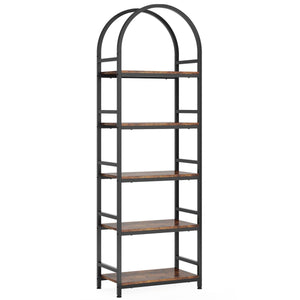
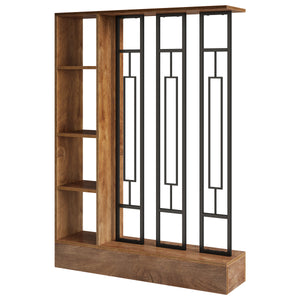
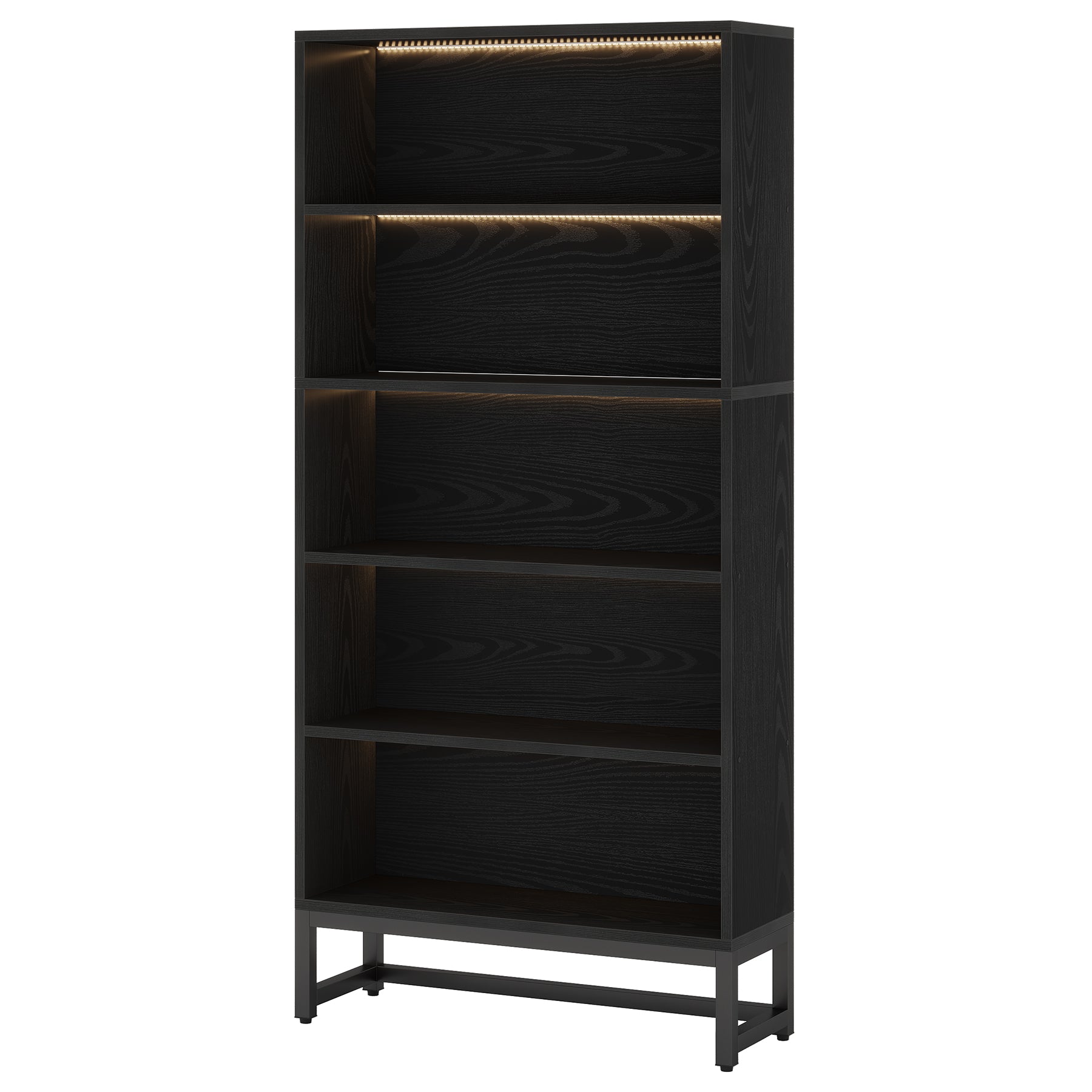
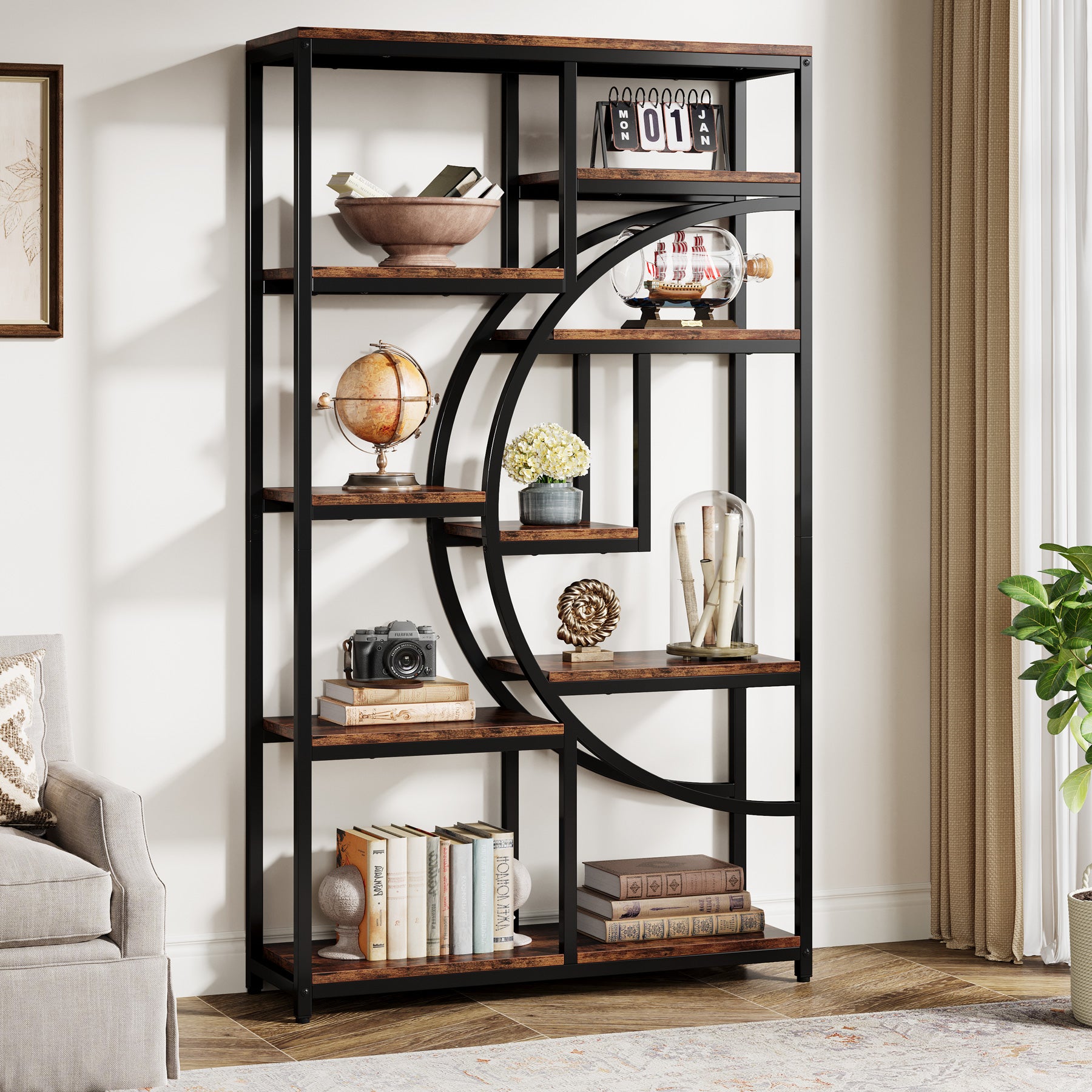
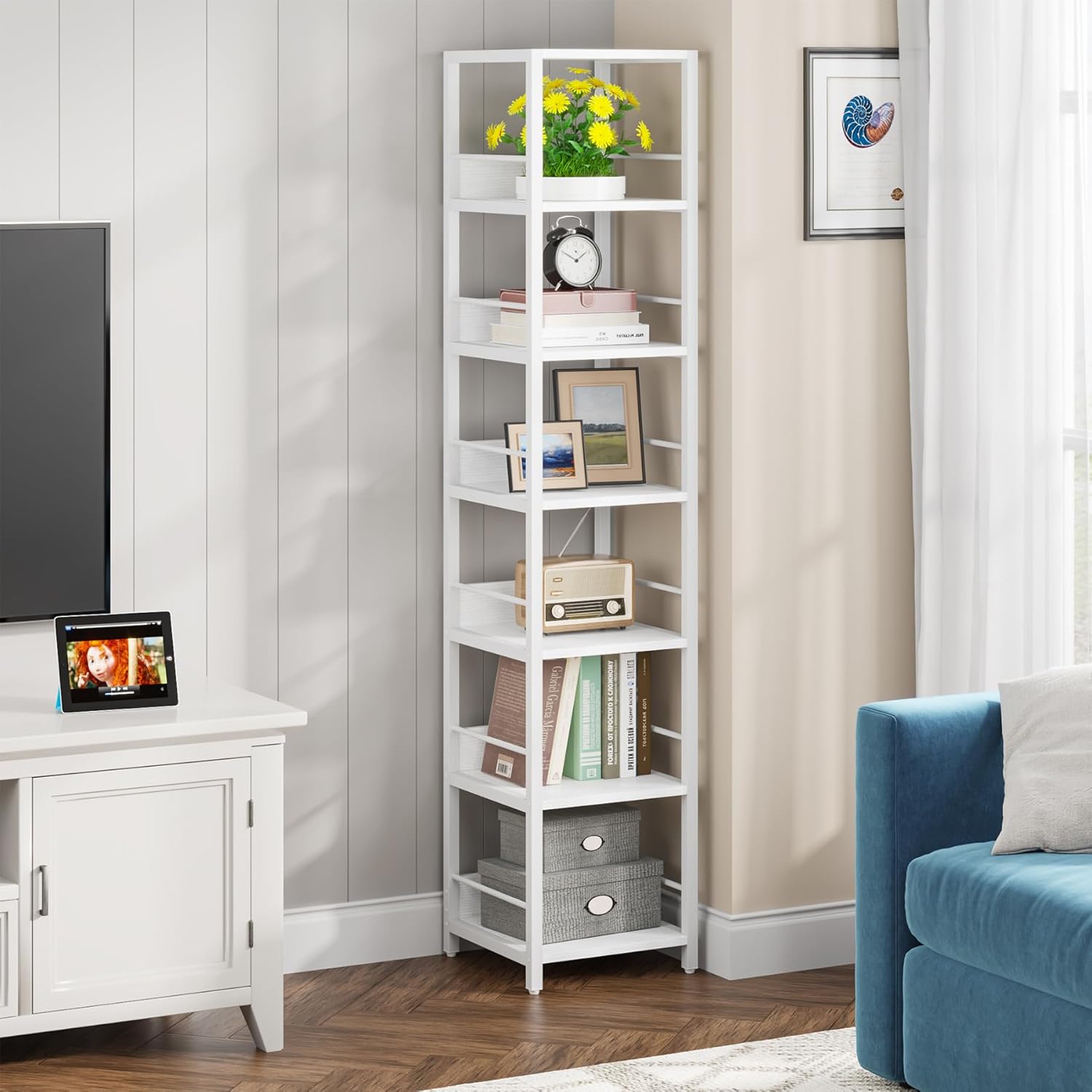
For example, our 5 tier open display bookcase(wood and metal ) measures 72 inches high x 12 inches wide x 47 inches long. Each shelf has a height of about 14.2 inches and a length of 47 inches, giving you plenty of space for all your storage and display needs. Plus, each shelf can hold up to 40 pounds!
Yes, Tribesigns strongly recommends that you install our anti-tipping devices. By installing these anti-tipping straps, you can effectively reduce the risk of your bookshelves tipping over, especially in homes with children or pets.
We would like to assure you that our products meet stringent safety standards. They are certified by the Environmental Protection Agency (EPA) for their low-emitting formaldehyde levels, which ensures that they are safe for use in homes and workplaces. Additionally, we also hold the Forest Stewardship Council (FSC) certification, ensuring the legal origin of the materials used in our products.
Please rest assured that your safety and satisfaction are our top priorities. If you have any further questions or concerns, please do not hesitate to contact us.