


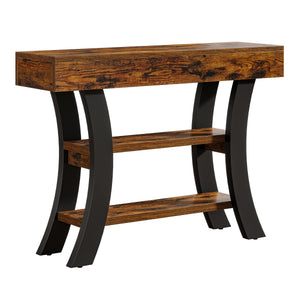
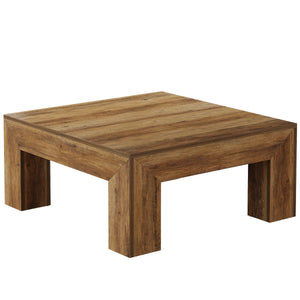
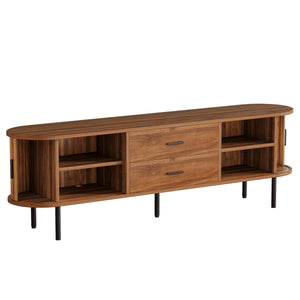
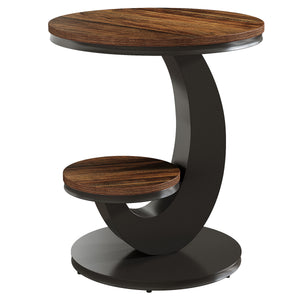

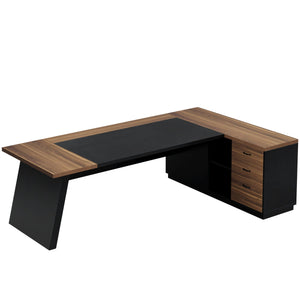
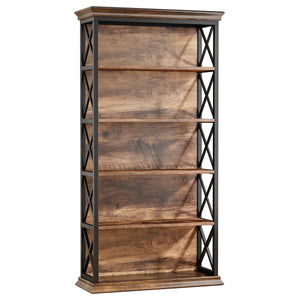
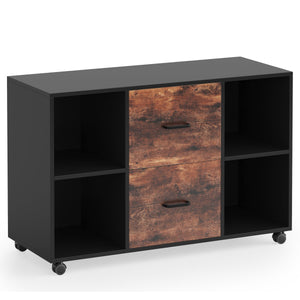
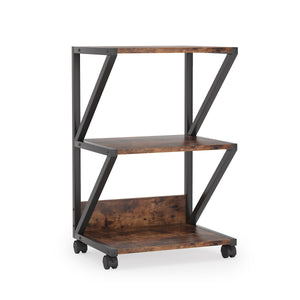

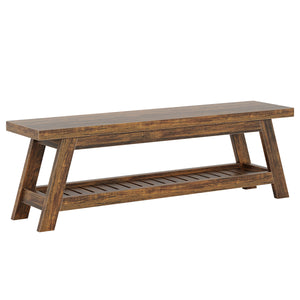
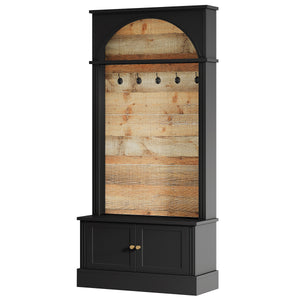
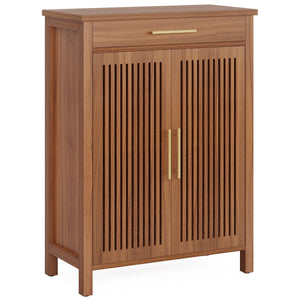

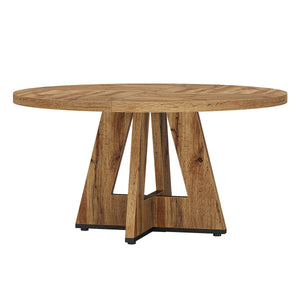
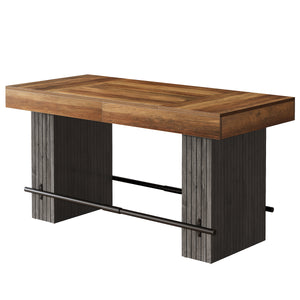
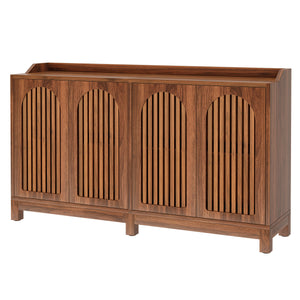
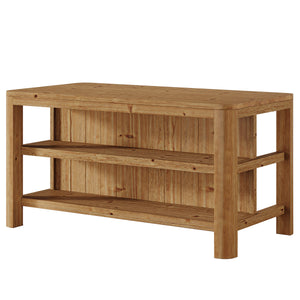
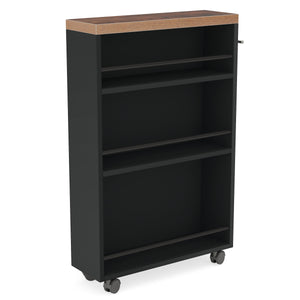
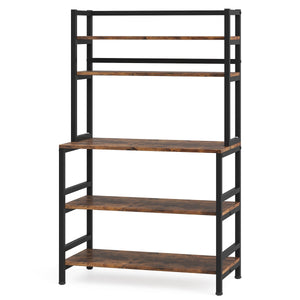
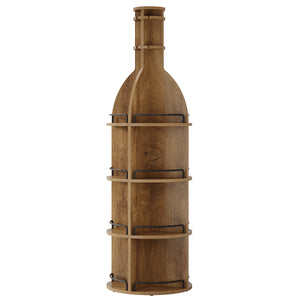

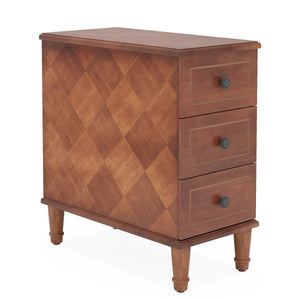
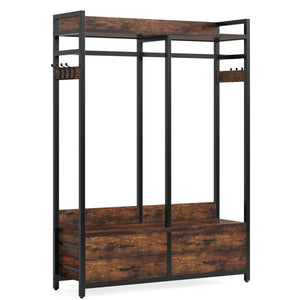
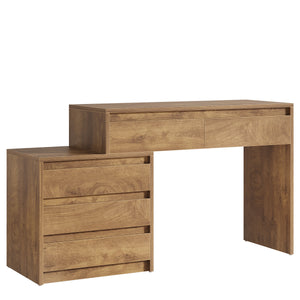
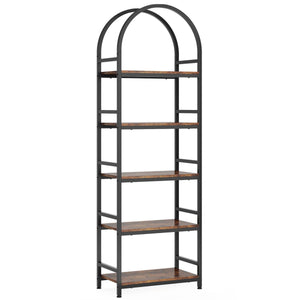
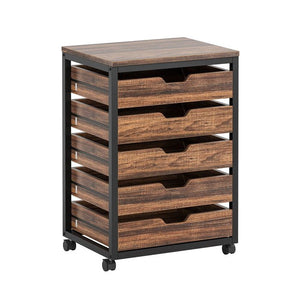
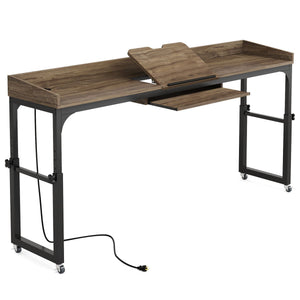
















Wood furniture adds warmth to a room, but the right lighting can make those wood tones look even better. Brass fixtures tend to bring out the richness of walnut, while matte black creates a nice contrast with lighter oak finishes.
And when we say wood furniture, we don't necessarily mean solid wood. MDF, engineered wood, and wood veneer furniture can have similar wood-look finishes. For lighting and color matching, it's the visible wood tone and finish that matter most, not what's underneath.
Table of Contents
- Best Light Fixture Finishes for Different Wood Tones
- Lighting Ideas for Walnut Furniture
- What Light Fixtures Go With Oak Furniture?
- Lighting for Rustic and Dark Wood Furniture
- How Does Light Color Temperature Affect Wood Furniture?
- How to Match Light Fixtures With Wood Furniture in Different Rooms
- Common Mistakes When Matching Lighting and Wood Finishes
- Frequently Asked Questions
Best Light Fixture Finishes for Different Wood Tones
Before picking a light fixture, take a closer look at your furniture's color. Walnut often has warm, reddish-brown undertones, while oak finishes can range from pale yellow to cooler gray. Even two pieces labeled "natural wood" can look quite different. Those subtle differences are worth considering when choosing between brass, black, nickel, or other metal finishes.
|
Wood Furniture Finish |
Recommended Light Fixture Finish |
Overall Look |
|
Light Oak |
Matte Black, Matte White |
Clean and modern |
|
Natural Oak |
Brushed Brass, Opal Glass |
Warm and relaxed |
|
Walnut |
Antique Brass, Matte Black |
Rich and timeless |
|
Rustic Brown |
Black Iron, Aged Bronze |
Farmhouse and industrial |
|
Dark Espresso |
Champagne Gold, Opal Glass |
Elegant with softer contrast |
|
Whitewashed Wood |
Brushed Nickel, Matte White |
Light and minimalist |
These are starting points rather than strict rules. A little contrast often makes a room feel more thoughtfully put together than matching every surface.
Lighting Ideas for Walnut Furniture
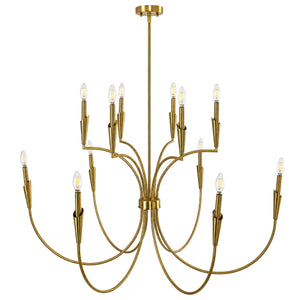
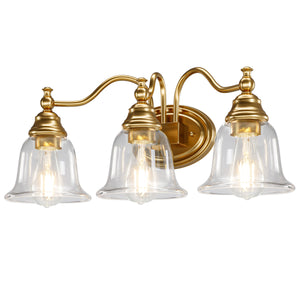
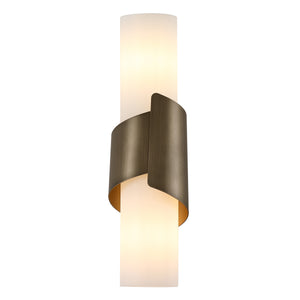
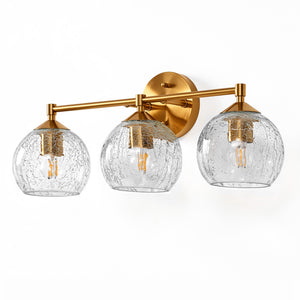
Walnut furniture already has plenty of warmth, often with a reddish-brown undertone. Brushed brass and antique gold can bring out that richness, while matte black adds contrast and gives the room a more modern feel. Both work well, but you don't need to choose just one.
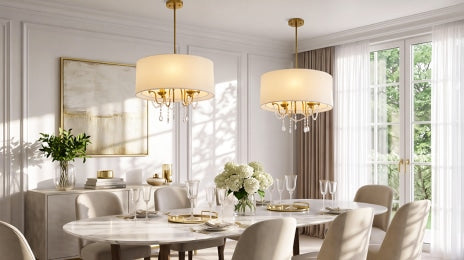
Take this 63-inch walnut-finish solid wood dining table, for example. I'd pair it with the Tribesigns 5-light pendant light. Its black metal frame and antique brass accents work nicely with the warm wood tones, while the frosted white glass shades soften the overall look. It feels coordinated without being overly matched.
If your dining chairs or nearby furniture already have black metal details, even better. Those small connections help bring the room together. And if not, there's no need to replace anything. A few subtle black accents can do the job.

What Light Fixtures Go With Oak Furniture?
Oak finishes are often lighter than walnut, which makes them easy to pair with different lighting styles. If you're going for a Scandinavian look, matte white or brushed nickel fixtures keep things simple and airy. Brushed brass is another good option, especially with honey-toned oak, cream-colored furniture, and neutral rugs.
Want a little more contrast? Try black. A slim black chandelier above a light oak dining table can make the space feel more modern without taking attention away from the wood grain.
The finish makes a difference, too. Pale, matte oak usually looks good with understated fixtures, while warmer oak tones can handle richer brass or bronze details. There's no need to find an exact color match. Sometimes the combination looks better when the wood and metal have a little contrast.
Lighting for Rustic and Dark Wood Furniture
Rustic brown furniture has a lot of character, especially when the wood grain is prominent. Black iron and aged bronze tend to work well with these finishes, giving the room a relaxed farmhouse or industrial feel.
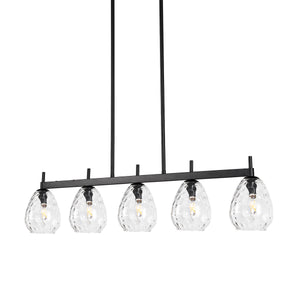
Take this 63-inch rustic brown dining table. I'd pair it with a black linear pendant light. The black metal works naturally with the darker wood tones, while the clear glass shades keep the fixture from feeling too bulky. Add cream-colored dining chairs or a light rug, and the whole space feels a little more balanced.
For darker espresso finishes, I'd go in a slightly different direction. Champagne gold or opal glass lighting introduces some brightness without creating a harsh contrast. It's especially useful in rooms where the furniture, flooring, and other large pieces are already dark.

How Does Light Color Temperature Affect Wood Furniture?
The fixture's finish isn't the only thing that matters. The light itself can change how wood looks.
Walnut may appear richer under warm white lighting, while cooler light can make the same surface look less golden. This is why two rooms with identical furniture can feel surprisingly different.
|
Color Temperature |
Light Appearance |
Best Use |
|
2700K |
Soft, warm white |
Cozy living rooms and dining rooms |
|
3000K |
Warm white |
Everyday living and dining spaces |
|
3500K |
Balanced neutral white |
Kitchens and multipurpose rooms |
|
4000K |
More neutral, cooler-looking white |
Home offices and task areas |
For most living spaces with wood furniture, 2700K–3000K is a practical starting point.
Color rendering matters as well. The Color Rendering Index (CRI) describes how accurately a light source shows colors compared with a reference light. A CRI of 90 or higher is worth considering when you want to appreciate the natural tones of wood, fabrics, and artwork.
Remember that a brass or black fixture doesn't necessarily produce warm light. The bulb or integrated LED determines the actual color temperature, so check the lighting specifications separately.

How to Match Light Fixtures With Wood Furniture in Different Rooms
A lighting combination that looks great in a dining room might not work quite as well in a home office. It's worth thinking about both the furniture you already have and what you actually do in the space.
Living Room: Connect Different Furniture Finishes
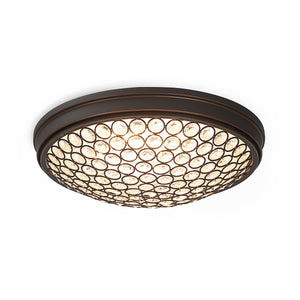
Say you have a walnut TV stand, a beige sofa, and a lighter coffee table. You don't need another piece in the same wood tone to pull everything together. A black-and-gold flush mount ceiling light could be a better choice. The black adds contrast, while the gold picks up some of the warmth from the walnut finish.
And don't worry if your coffee table is a different shade. A little variation in wood tones often makes a living room feel more natural. If you're still deciding which pieces work together, our guide to matching TV stands with coffee tables has some practical examples.
Dining Room: Let the Table Set the Tone
In most dining rooms, the table is the natural starting point. A walnut-finish table looks lovely with brass or glass pendants, while a rustic brown table can handle the stronger contrast of a black metal chandelier.
Lighter oak calls for something a little softer. A simple pendant with a white shade, for instance, keeps the space feeling open without competing with the wood grain.
Of course, color isn't everything. A fixture that's too large or hangs too low can throw off the whole arrangement. If you're unsure about proportions, our guide to choosing lighting over a dining table covers the sizing and placement details.
Home Office: Balance Style and Visibility
Black or brushed brass ceiling lights pair well with walnut desks, while matte white or brushed nickel suits lighter oak finishes. Beyond appearance, good office lighting should provide enough brightness without creating glare on your screen. A color temperature of 3000K–3500K is a practical starting point.
Ceiling lights handle general illumination, but a desk lamp is better for focused tasks. If you need softer ambient lighting and extra storage, the Tribesigns floor lamp with a 3-tier bookshelf offers both. Its wood-look shelves and gold accents also complement warm-toned furniture.
For more tips on lighting placement, see How to Light a Room Properly.

Common Mistakes When Matching Lighting and Wood Finishes
Matching every finish exactly. Similar but slightly different browns can look accidental. A clear contrast between wood and metal often feels more intentional.
Ignoring wood undertones. Golden oak and gray-toned oak may need different lighting finishes, even if both are labeled natural wood.
Choosing appearance over function. A stylish chandelier may still produce uncomfortable glare or insufficient light. Check the bulb requirements, brightness, and shade design.
Mixing too many metals. Black, brass, and nickel can work together, but let one finish dominate and repeat smaller accents sparingly.
Frequently Asked Questions
Do Light Fixtures Have to Match Wood Furniture?
No. Light fixtures don't need to match furniture exactly. Contrasting finishes, such as black metal with natural oak or brass with walnut, often create a more balanced room.
Does Brass Lighting Go With Walnut Furniture?
Yes. Brushed and antique brass complement walnut's warm brown tones. White or frosted glass shades can soften the combination.
What Color Lighting Looks Best With Light Oak Furniture?
Matte white, brushed nickel, and soft brass are versatile choices. Black fixtures also work well when you want stronger contrast.
Is Warm or Cool Lighting Better for Wood Furniture?
Warm white lighting around 2700K–3000K is often suitable for living rooms and dining spaces. More neutral lighting may be useful in home offices and other task-focused areas.
Can You Mix Black and Gold Light Fixtures With Wood Furniture?
Yes. Black-and-gold fixtures work especially well with walnut, rustic brown, and light oak. Repeating one of these metal finishes in smaller room details can help create a cohesive look.

