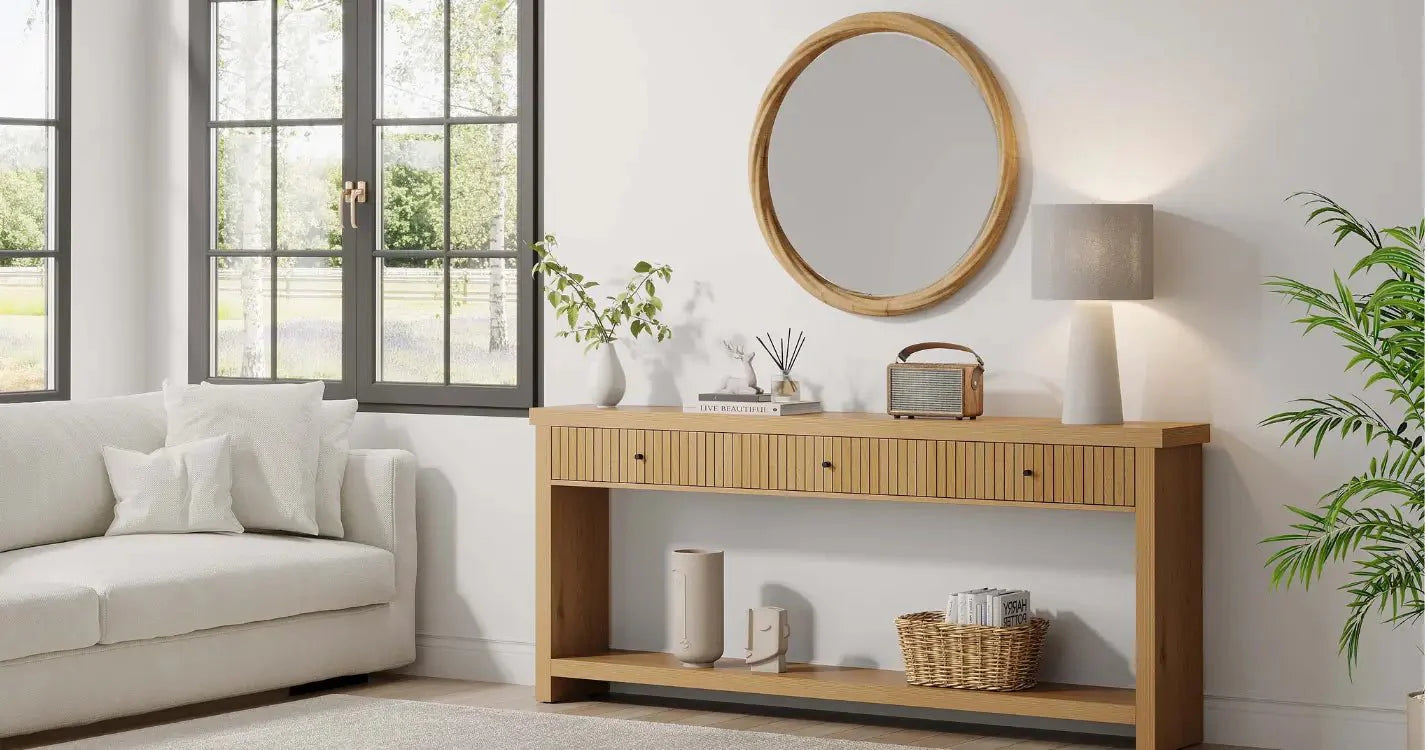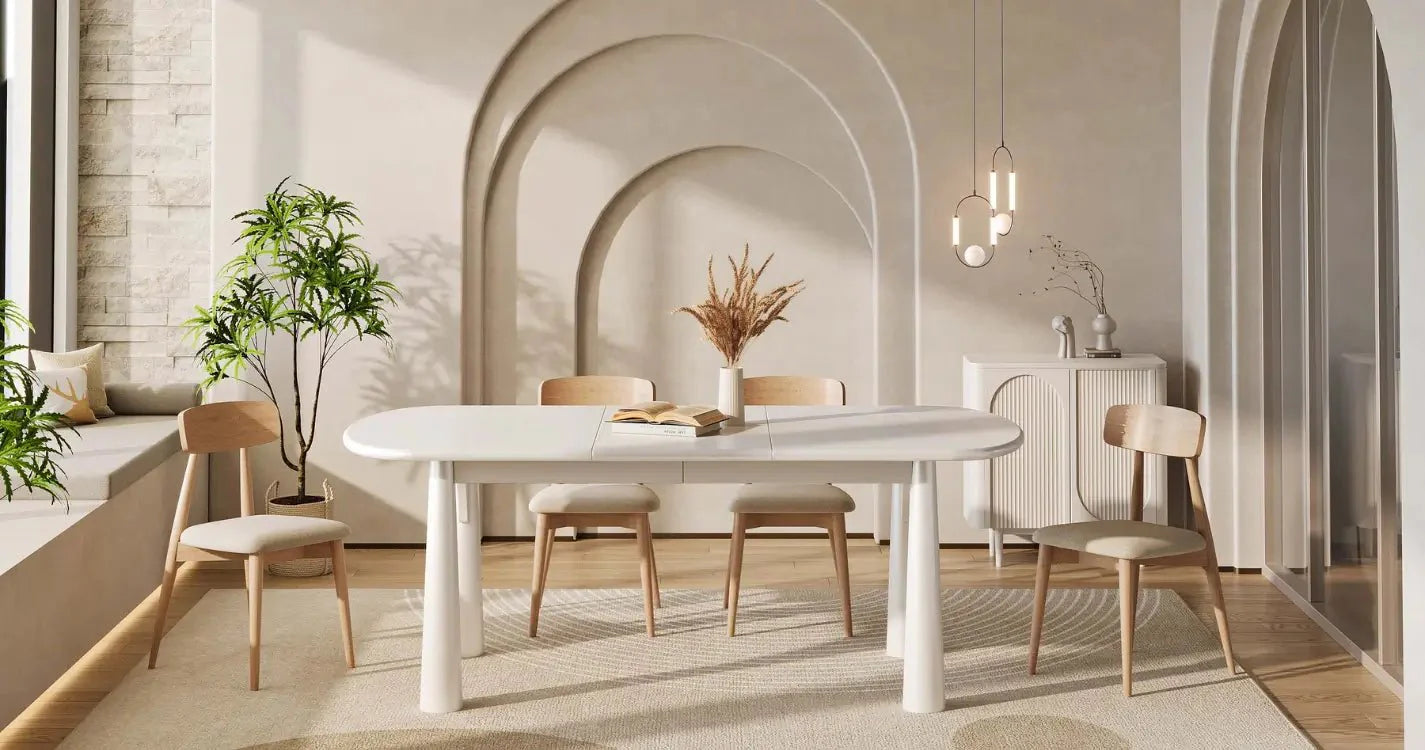


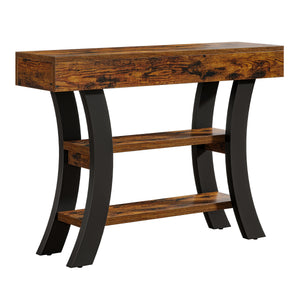
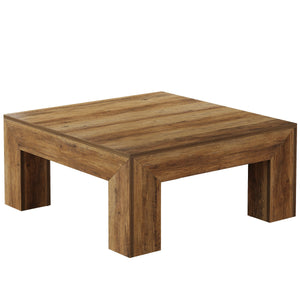


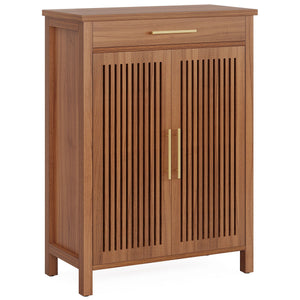

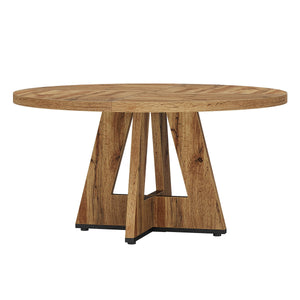
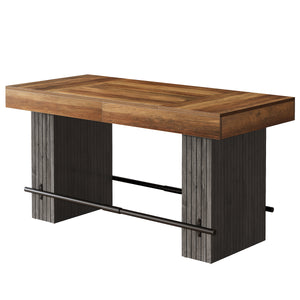
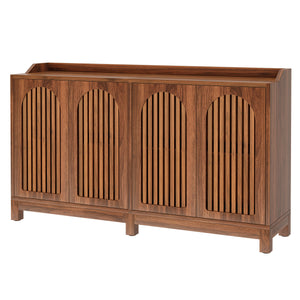

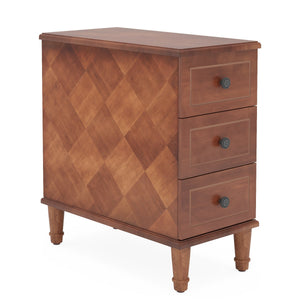
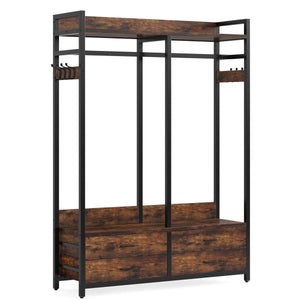
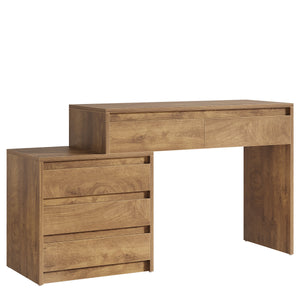
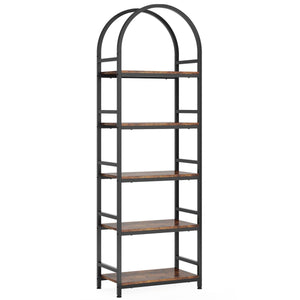
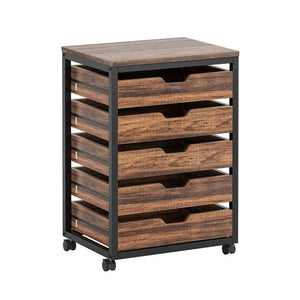
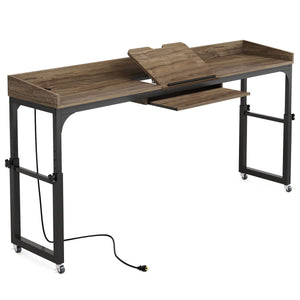
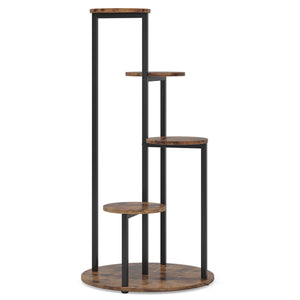
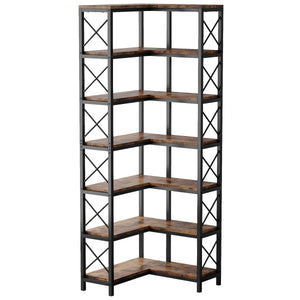



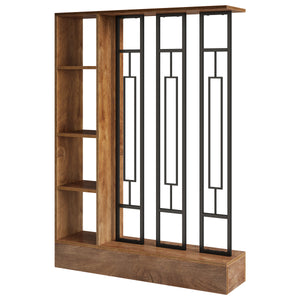


Choosing the perfect console table isn’t just about picking a color you like — it’s about finding one that fits seamlessly into the existing color palette of your home. Many homeowners don’t have the luxury of starting from scratch with a blank canvas; instead, they are working with walls, floors, and furniture that are already in place. If your walls are painted a bold color like green, or if your hallway features beige carpeting and warm wooden stairs, these existing elements need to inform your choice of console table color.
In this guide, we’ll walk through how to select the right console table color to complement your unique home environment. We’ll address real-world scenarios where the colors of walls, floors, and other fixtures play a big role in determining the best color for your console table.
Table of Contents
Current Color Trends in the US Furniture Market (2025-2026)
1. Earthy and Warm Tones Are on the Rise
According to top interior design sources like Homes & Gardens, earthy vibrancy is taking center stage. Warm, natural tones like burnt sienna, olive green, and soft browns are becoming popular for furniture, including console tables. These colors bring a grounded, cozy feel to any room and complement a wide range of interior styles. Whether you're aiming for a contemporary or more traditional look, these colors work well in both light-filled and dimly lit spaces.
2. Neutral Shades Remain Strong
Despite the rise of vibrant earth tones, neutral shades are still the safest bet when it comes to choosing a console table color. Colors like soft whites, light grays, and natural wood tones continue to dominate the market. These shades offer versatility, blending effortlessly with a variety of styles and color schemes.

How to Choose a Console Table Color for Your Space
When it comes to selecting a console table, the key is ensuring it complements the existing elements in your home — such as your walls, floors, furniture, and decor. You likely already have a defined color palette that reflects your style, so the goal is to find a console table color that works within that context.
Here’s how to match your console table with the colors and textures already present in your home:
1. Matching to Bold Wall Colors
If your walls are painted in bold colors, like deep greens or rich blues, you'll want to ensure your console table either contrasts in a complementary way or provides a subtle balance to avoid overwhelming the space. For example:
Deep Green or Navy Walls: Lighter console tables, such as those in white, light wood, or soft gray, will stand out beautifully against dark walls without clashing. If you prefer a stronger contrast, a charcoal gray or deep brown console table will create an elegant, modern feel.
Bright Accent Walls: For rooms with bright accent walls (e.g., mustard yellow or vibrant red), a neutral console table (like white, natural wood, or beige) can provide balance. These subtle tones let the accent wall remain the focal point of the room.
2. Coordinating with Flooring and Carpeting
The color and texture of your flooring or carpet are key to selecting the right console table color. Here’s how to approach this:
Wood Floors: If your home features light wood floors, you can choose a darker wood console table (like walnut or mahogany) to create a striking contrast. Conversely, for dark wood floors, a light wood or neutral-colored console table will bring a refreshing balance and prevent the room from feeling too heavy.
Carpets and Rugs: Carpet color plays a big role too. For neutral-toned carpets (e.g., beige, gray, or taupe), you can opt for a console table in light wood or off-white. If your rug has bold patterns or rich colors (like deep reds or blues), you may want to choose a dark-colored console table to ground the space and create visual harmony.
3. Complementing Existing Furniture and Accents
Consider the color and style of your existing furniture. The console table should either blend in seamlessly or provide a complementary contrast to the room’s other elements:
Sofas and Chairs: If your sofa is a rich color, such as teal, burgundy, or navy, a light-colored console table (like white, beige, or light wood) can act as a neutral grounding piece. Alternatively, for light-colored sofas, you can choose a deeper, richer tone for your console table, such as dark wood or charcoal.
Related read: What Color Console Table Goes With Grey Furniture?
Accents and Decor: If your home has a lot of colorful decor (e.g., vibrant throw pillows, artwork, or ceramics), your console table color should support the overall vibe. For example, if your space is full of earthy tones, a natural wood or burnt sienna console table can complement the decor. If your decor includes metallics or bold patterns, a neutral or understated table will help tie everything together.

Popular Console Table Colors Explained
1. Neutral Tones
Neutral colors are timeless and adaptable. White, cream, and light gray are the go-to options for a versatile console table that blends with nearly any interior. These shades are particularly popular for modern and minimalist homes, providing a clean, polished look that allows other design elements in the room to shine.
2. Earth-Inspired Colors
Earthy tones like burnt sienna, mahogany, and olive green are gaining popularity in furniture design. These colors add warmth and texture to a space, making them perfect for living rooms or entryways. Earth tones create a connection to nature and can be paired beautifully with natural materials like wood, stone, and metal.
3. Bold Accent Colors
If you want your console table to stand out, consider using bold accent colors like slate blue, deep green, or even jewel tones. These colors work well in spaces where you want to add a pop of personality. When using bold colors, make sure the rest of the room’s color palette complements them, ensuring your space feels cohesive.
4. Wooden Tones
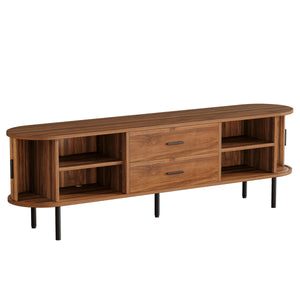
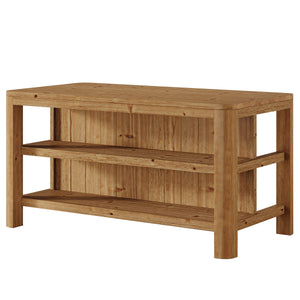
Wooden tones continue to be a staple in interior design, particularly in console tables. From light maple to dark walnut, wood offers warmth, texture, and timeless appeal. Wooden console tables are especially popular in rustic, mid-century modern, and Scandinavian-inspired interiors. The natural grain of wood also adds visual interest, making it a standout feature in any room.
How to Pair Console Tables with Other Elements
1. Create a Balanced Color Palette
To make your console table a cohesive part of your room, consider using the 60-30-10 rule: 60% of your space should be your main color, 30% can be secondary, and the remaining 10% can be used for accent colors. Your console table should complement this scheme, either as a neutral piece that blends in or as an accent color that adds contrast.
2. Consider the Lighting
Lighting plays a huge role in how colors appear. If your space is well-lit, you can afford to use darker or more saturated colors, as they won’t overwhelm the room. On the other hand, if your space has limited natural light, opt for lighter, reflective colors that can help brighten things up.
3. Add Decorative Pieces to Enhance the Look
Decorative items on your console table can help balance the color and add personality. Think about incorporating plants, vases, or framed art to complement your color choice. For example, a dark wood console table pairs well with brass or gold accents, while a light-colored table might look great with a pop of vibrant green from a plant.

Conclusion
When choosing a console table, your primary considerations should be your space’s style, color scheme, and lighting. Neutral tones like white, gray, and light wood are safe and timeless, while earth-inspired hues like burnt sienna and olive green can bring warmth and personality to your space. Bold accent colors like slate blue or deep green are perfect for making a statement.
No matter what you choose, ensure the console table complements the overall design of the room. The right color can transform your space, making it feel inviting, stylish, and cohesive. By keeping these tips in mind, you’ll be well on your way to selecting the perfect console table color for your home.