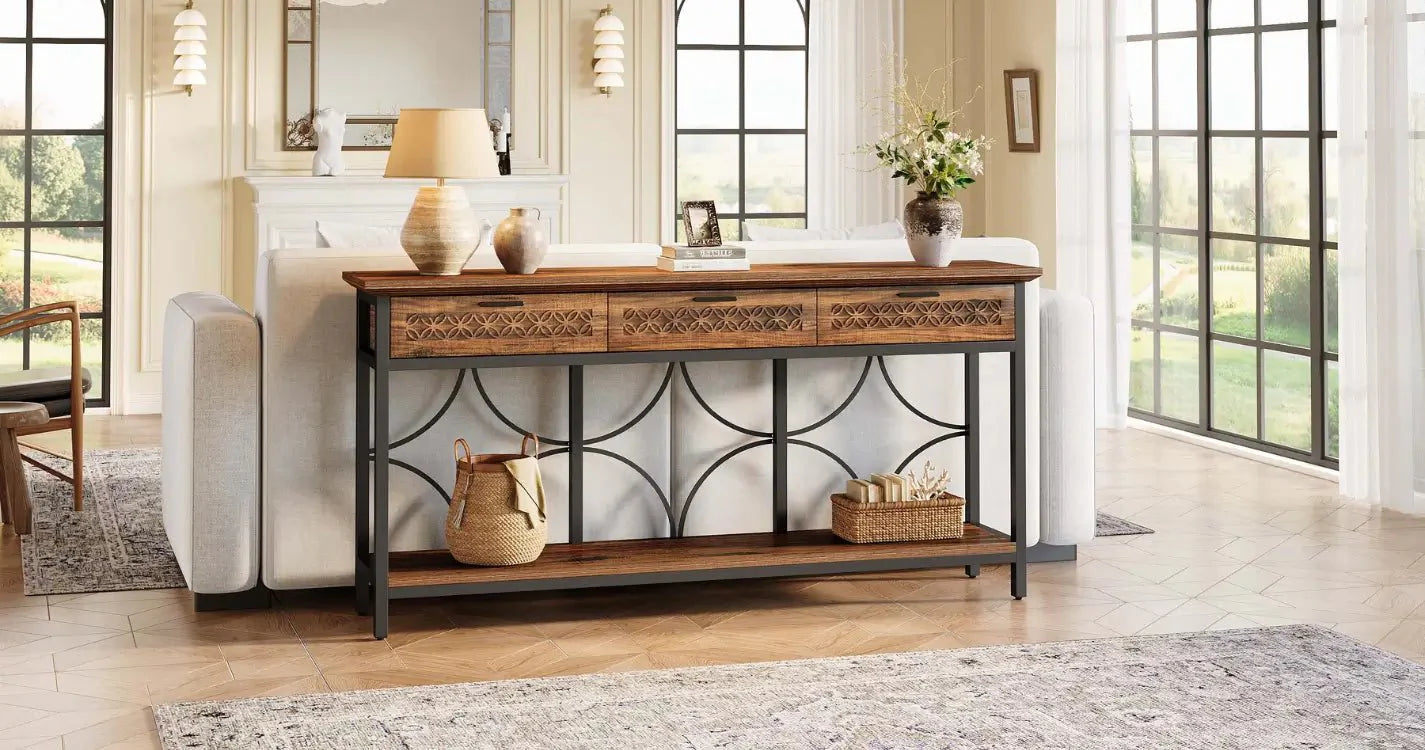






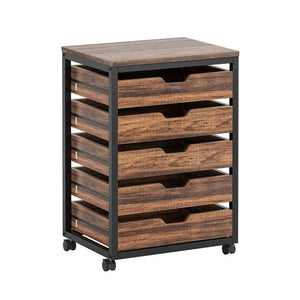
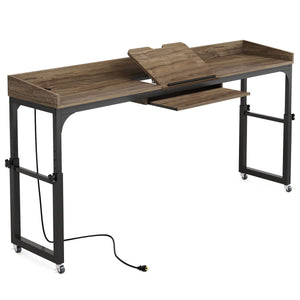
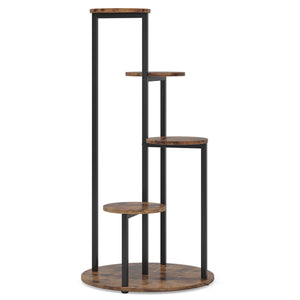
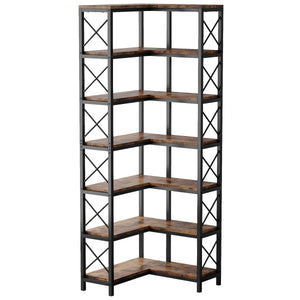



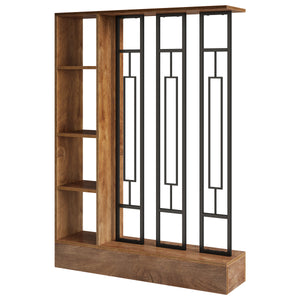


What is Organic Modern Style?
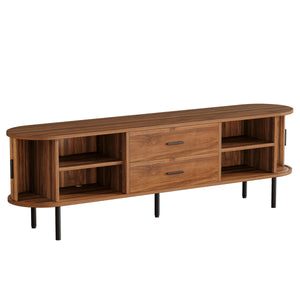
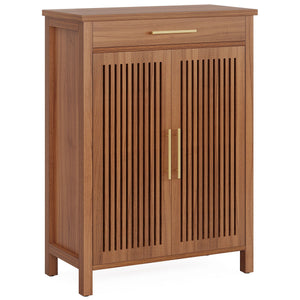
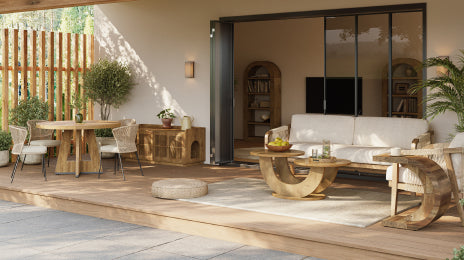
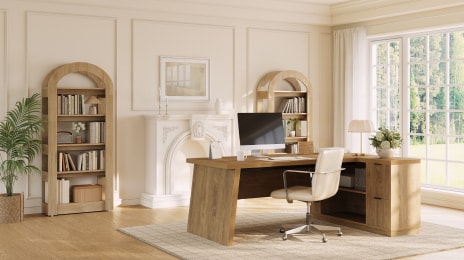
Organic Modern style blends clean, modern lines with the warmth of natural materials. It focuses on simple silhouettes, uncluttered spaces, and a strong connection to nature through wood, linen, leather, and stone.
Rooted in warm minimalism, this style balances structure and softness—never too cold, never over-decorated. By pairing refined forms with organic textures, Organic Modern creates calm, inviting spaces that feel both contemporary and comfortable.
Although the term “Organic Modern” feels contemporary, the style itself is not new. Its roots can be traced back to the warm minimalism of the 1970s, when designers began softening modernism with natural textures and earth tones. More recently, the rise of Japandi—a fusion of Japanese and Scandinavian design—has brought renewed attention to these principles. Clean lines, neutral palettes, and respect for natural materials have existed for centuries; Organic Modern simply refines them for modern American living.
At its best, Organic Modern proves that less can still feel warm, lived-in, and deeply human.

5 Essential Elements to Master the Look
To achieve this aesthetic, you must curate your environment with intention. Focus on these five pillars:
I. Natural Materials & Textures
Texture is the language of Organic Modernism. Avoid shiny, synthetic surfaces. Instead, embrace the honesty of white oak, travertine, limestone, and jute. Layer a nubby bouclé chair over a flat-weave wool rug to create visual depth that begs to be touched.
II. A Warm Neutral Palette
Step away from stark, sterile whites. The Organic Modern palette draws inspiration from the desert and the forest. Think creams, sandy beiges, muted terracotta, and sage greens. These tones absorb light beautifully, making even the smallest room feel expansive and airy.
III. Curvaceous & Sculptural Forms
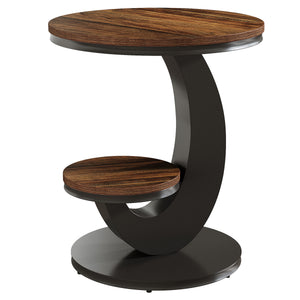
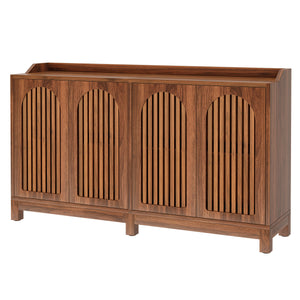
Nature rarely moves in straight lines. Introduce arched doorways, rounded sofas, and pebble-shaped tables. These soft edges break the rigidity of standard architecture, guiding the eye gently through the room.
IV. Intentional Minimalism
Every object should have a purpose or a story. Instead of a shelf full of trinkets, display one oversized, handcrafted ceramic vase. This "negative space" allows your eyes to rest and your mind to breathe.
V. Bringing the Outdoors In
Plants are the soul of this style. A single, tall Fiddle Leaf Fig or a potted Olive Tree acts as living sculpture. Large windows and sheer curtains maximize natural light, blurring the boundary between your living room and the garden.

Style Comparisons: Finding Your Niche
|
Compared Style |
How It Differs from Organic Modern |
|
Japandi |
Both embrace simplicity, but Japandi feels more structured and design-driven. Organic Modern is softer and more relaxed, with an emphasis on natural textures and everyday comfort. |
|
Scandi |
Scandinavian style often leans cool and minimal. Organic Modern shifts toward warm minimalism, using earthy tones and a more sun-washed, lived-in feel. |
|
Boho |
Boho celebrates layered, eclectic decor. Organic Modern keeps things edited and intentional, favoring clean lines and calm over visual clutter. |
How to Create the Organic Modern Style at Home?
Transforming a room into an Organic Modern retreat is less about a total renovation and more about a thoughtful curation of layers. Follow these steps to ground your space in nature.
1. Anchor the Room with Intentional Foundation
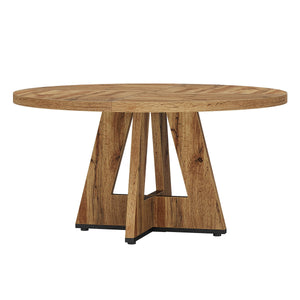
Start with your heavy hitters. Choose core furniture pieces that celebrate clean silhouettes and raw honesty. A low-profile sectional in a performance linen or a round wood dining table sets the stage. Look for pieces with exposed wood legs or visible grain; these small details immediately signal a connection to the earth.

2. Layer in the Warmth of Wood and Fiber
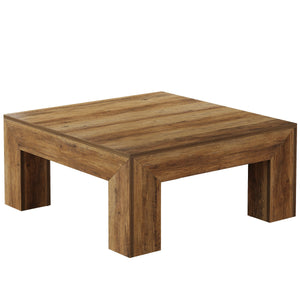
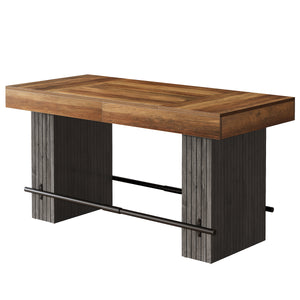
Once your foundation is set, introduce the "connectors." A reclaimed wood coffee table or a set of woven rattan side chairs softens the modern edges. On the floor, skip the synthetic pile and opt for a natural fiber rug.
Jute, Sisal, or Seagrass: These are cost-effective, durable, and bring an unmistakable earthy aroma and grit.
Wool: Choose a high-pile wool rug if you crave softness underfoot without sacrificing the organic aesthetic.
3. Master the Art of "Textural Monochromatics"
In an Organic Modern home, color takes a backseat to touch. Your palette should lean heavily on whites, creams, and warm sands, but you must prevent the room from feeling "flat." You achieve this through a symphony of textures. Pair a smooth limestone mantle with a nubby Bouclé armchair. Drape a heavy linen throw over a leather bench. This rich layering of stone, wood, wool, and flax creates a sensory experience that classic, colder modernism simply cannot match.
4. Introduce the "Black Anchor"
To prevent a neutral room from feeling like it’s floating away, you need visual weight. Use matte black as your secret weapon. Incorporate it sparingly—a slim curtain rod, a minimalist picture frame, or a sculptural iron candlestick. These sharp, dark accents act as an "anchor," grounding the lighter elements and giving the room a sophisticated, high-end edge.
5. Prioritize "Sculptural" over "Clutter"
The Organic Modern philosophy follows the "quality over quantity" rule. Instead of filling shelves with small trinkets, choose one or two oversized, soulful pieces. A large, hand-thrown ceramic vessel or a gnarled piece of driftwood creates a focal point that commands attention. In this style, negative space is a design choice, not an empty corner.
6. Invite the Light
Lighting is the final, invisible layer. To maximize natural light, keep your window treatments minimal. Think sheer linen drapes that catch the breeze or simple woven wood shades. When the sun sets, rely on warm, ambient light sources—soft-glow LED bulbs and pleated paper lampshades—to maintain that golden-hour hum all evening long.

FAQs
Is Organic Modern Style Timeless?
Yes. Organic modern style is considered timeless because it relies on clean lines, neutral colors, and natural materials rather than short-lived trends. Wood, stone, and soft textures age well and stay relevant as design preferences evolve.
What Is The Difference Between Organic Modern And Scandi?
Both styles value minimalism, but they feel different in practice. Scandi design is more structured and often leans cool with light woods and pale tones. Organic modern feels warmer and softer, using more curves, richer textures, and earthy, sun-inspired colors.
What Colors Are Used In Organic Modern Style?
Organic modern style uses warm, nature-based neutrals. Common colors include creamy white, beige, soft gray, and warm brown. Designers often add muted accents like sage green, terracotta, deep blue, or black for contrast and depth.
What Is The 3-5-7 Rule In Interior Design?
The 3-5-7 rule suggests styling decor in odd-numbered groups—three, five, or seven items. Odd numbers feel more natural and visually interesting than even numbers, creating balance without looking overly symmetrical or staged.
Read more:
Basic Characteristics of American Country Style
What is Farmhouse Furniture Style?
Embrace Cozy Charm with Rustic and Farmhouse Style Furniture