




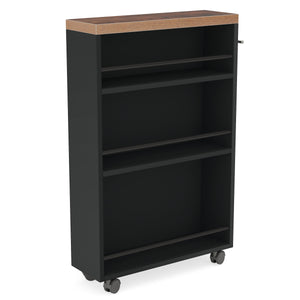
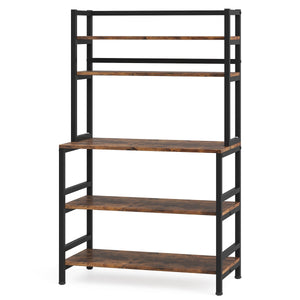

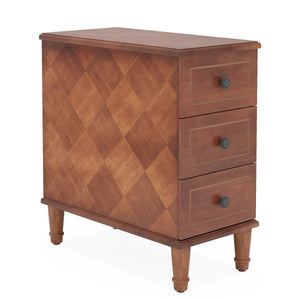
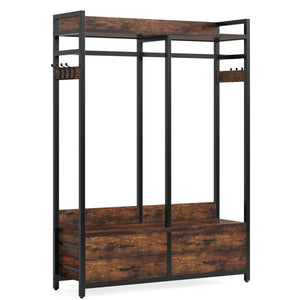
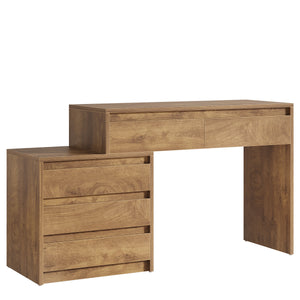
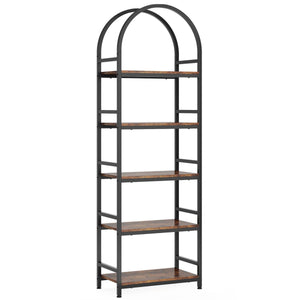
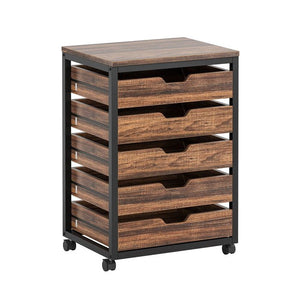


















A shoe cabinet keeps your entryway neat and organized, but opening its doors to an unpleasant smell can quickly ruin that fresh, welcoming feeling. Whether you're dealing with sweaty sneakers, damp boots, or musty footwear, shoe cabinet odor is a common problem in many households. Fortunately, you don't need expensive products or a brand-new cabinet to improve the situation.
Quick Answer: To keep shoes from smelling in a shoe cabinet, let footwear dry completely before storing it, clean the cabinet regularly, improve ventilation, and use baking soda or activated charcoal to help absorb lingering odors. Open shoe racks and cabinets with ventilated doors can also help improve airflow and reduce trapped moisture.
Here are seven practical shoe storage odor solutions to help keep your footwear and entryway fresh.
Table of Contents
- Why Does Your Shoe Cabinet Smell Bad?
- 7 Easy Ways to Keep Shoes from Smelling in a Shoe Cabinet
- What Is the Best Way to Remove Shoe Cabinet Odors?
- How to Keep a Closed Shoe Cabinet Smelling Fresh
- How to Prevent Shoe Odor in Different Types of Footwear
- A Simple Weekly Shoe Cabinet Cleaning Routine
- Frequently Asked Questions About Shoe Cabinet Odors
- Final Thoughts: Keep Your Shoes and Entryway Smelling Fresh
Why Does Your Shoe Cabinet Smell Bad?
Before trying to get rid of shoe cabinet smell, it helps to understand where the odor comes from. Most unpleasant shoe smells are associated with moisture, sweat, bacteria, and inadequate airflow. When worn shoes are stored in a closed cabinet, damp materials and limited ventilation can allow unpleasant odors to linger.
|
Cause |
Why It Creates Odors |
What Helps |
|
Sweaty shoes |
Moisture and bacteria contribute to odor |
Air-dry and rotate shoes |
|
Wet sneakers or boots |
Damp footwear introduces moisture into storage |
Dry completely before storing |
|
Poor ventilation |
Odors and moisture remain trapped |
Improve airflow |
|
Dirty insoles |
Sweat and residue accumulate over time |
Clean or replace insoles |
|
Overcrowded shelves |
Limited space restricts air circulation |
Leave gaps between pairs |
|
High humidity |
Damp conditions can encourage mustiness and mold |
Reduce moisture and monitor humidity |
A musty smell in a shoe cabinet may also indicate excess moisture or hidden mold. If you notice visible mold, investigate the source of dampness rather than simply covering the smell with fragrance.
7 Easy Ways to Keep Shoes from Smelling in a Shoe Cabinet
The best way to prevent shoe cabinet odor is to combine proper shoe care with simple storage habits.
1. Let Shoes Dry Completely Before Storing Them
One of the simplest ways to stop shoes from smelling is to avoid putting damp footwear directly into a closed cabinet. After wearing sneakers, work shoes, or boots, place them in a well-ventilated area until they are completely dry. Remove removable insoles when appropriate to help trapped moisture escape. For sweaty shoes, rotating between different pairs gives each pair more time to dry between uses. If your shoes become wet from rain or snow, dry them according to the manufacturer's instructions before returning them to storage. Avoid direct heat that could damage adhesives, leather, or other materials.
Best tip: Make drying shoes part of your daily routine, especially after exercise or wet weather.
2. Clean Your Shoe Cabinet Regularly
Even clean-looking storage furniture can collect dust, dirt, and residue from shoe soles. If you're wondering how to clean a smelly shoe cabinet, start by removing all footwear and accessories. Vacuum or brush away loose debris, then wipe the shelves and interior surfaces with a soft cloth and a mild cleaner suitable for the cabinet's material. Pay special attention to corners, lower shelves, and areas where dirt accumulates. For wooden or engineered-wood cabinets, avoid soaking the panels. Excessive moisture may damage certain finishes or cause swelling. Leave the cabinet open until every surface is completely dry before returning your shoes.
Best tip: A quick weekly check and periodic deeper cleaning can help prevent odors from becoming persistent.
3. Use Baking Soda to Absorb Lingering Odors
Baking soda is an affordable option for removing shoe cabinet odors. Place a small amount of baking soda in a breathable pouch or stable, open container inside the cabinet. It may help reduce some lingering smells between cleaning sessions. You can also use baking soda in suitable shoes, provided the footwear manufacturer's care instructions allow it. Remove the powder completely before wearing the shoes again. Keep containers away from children and pets, and avoid spilling powder directly onto delicate finishes. Remember that baking soda is a supplementary shoe cabinet deodorizer, not a replacement for cleaning and drying damp footwear.
Best tip: Replace the baking soda periodically, especially when its deodorizing effect decreases.
4. Try Activated Charcoal or Suitable Moisture Absorbers
If you're searching for a natural shoe deodorizer, activated charcoal products are another option worth considering. Activated charcoal can help adsorb certain odor-causing compounds, making it useful for enclosed storage spaces. Place a charcoal deodorizing bag or container inside your shoe cabinet according to the manufacturer's instructions. For genuinely humid conditions, a separate moisture absorber or room dehumidifier may be more appropriate. Activated charcoal products should not be assumed to control humidity as effectively as purpose-designed desiccants. When using moisture absorbers, make sure the containers are secure and cannot leak onto wooden shelves or footwear.
Best tip: Choose odor-absorbing products for smells and dedicated moisture-control products for humidity.
5. Improve Shoe Cabinet Ventilation
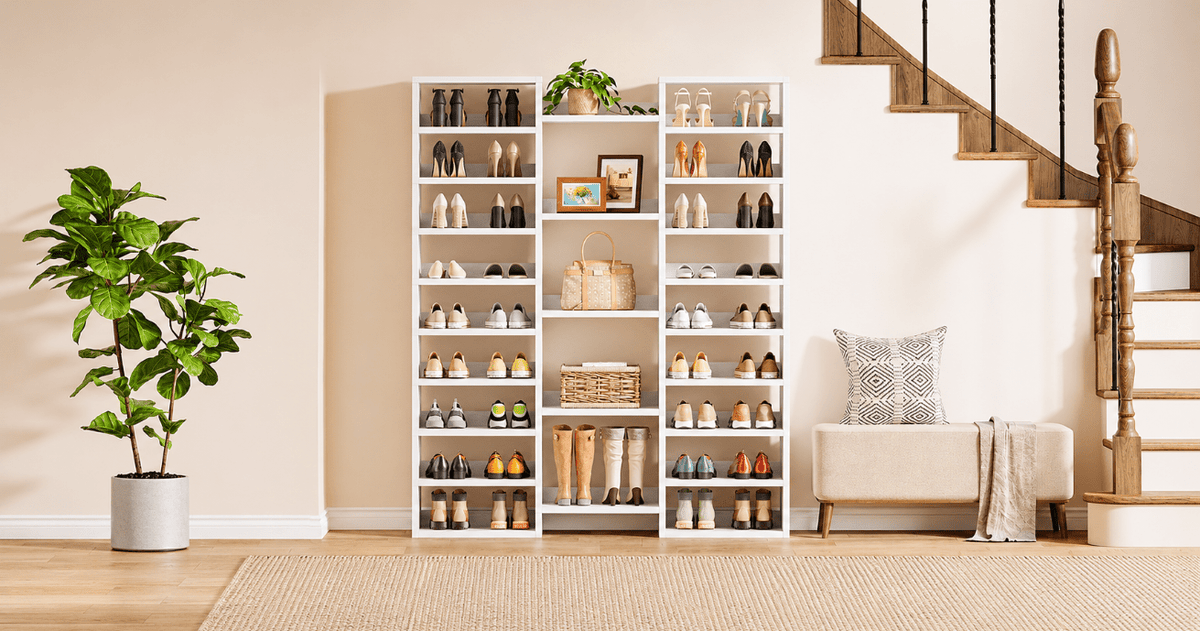
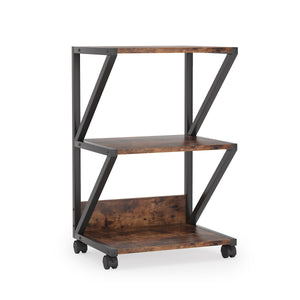
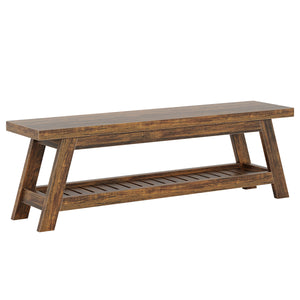
Good airflow is essential for preventing shoe cabinet odors. Open shoe racks allow air to circulate more freely around footwear, helping moisture evaporate and reducing the conditions that allow unpleasant smells to linger.
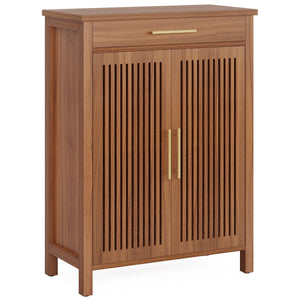
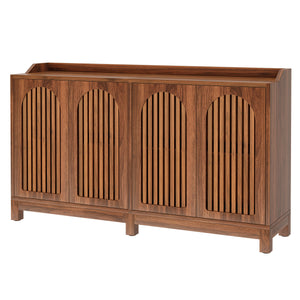
If you prefer a tidy, enclosed look, consider a shoe cabinet with ventilated doors, such as louvered or slatted designs. Small gaps in the doors provide airflow openings that fully sealed cabinets lack, helping reduce trapped moisture and stale odors when the surrounding room is adequately ventilated.
Explore Tribesigns shoe racks and shoe cabinets with ventilated doors to find a storage solution that balances airflow, organization, and style.
Best tip: Always let wet or sweaty shoes dry completely before storing them, even in a well-ventilated cabinet. Ventilation can help reduce odor buildup, but it cannot eliminate the need for proper shoe care.

6. Clean Insoles and Rotate Your Everyday Shoes
Sometimes the problem isn't the cabinet—it's one or two pairs of shoes inside. Sneakers, athletic shoes, and everyday footwear can develop stubborn odors when sweat and residue accumulate in their linings. To remove bad smells from shoes, clean removable insoles when permitted, follow footwear care labels, and allow the shoes to dry fully. If possible, avoid wearing the same pair every day. Rotating shoes can reduce repeated moisture buildup. For persistent smelly sneakers, a shoe-safe deodorizing product may provide additional help after cleaning.
Best tip: Check individual pairs before returning them to the cabinet. One strongly scented pair can affect the entire storage space.
7. Keep Your Entryway Dry and Avoid Overcrowding
A clean, organized entryway can help maintain fresher shoe storage. Keep wet umbrellas, soaked boots, and damp accessories away from your enclosed shoe cabinet until they dry. Avoid overcrowding shelves, especially in a small shoe cabinet or narrow entryway cabinet. If your home is humid, monitor indoor moisture levels and consider using a dehumidifier when necessary. The U.S. Environmental Protection Agency recommends keeping indoor relative humidity below 60%, ideally between 30% and 50%, where practical.
Best tip: Store frequently used shoes where they can dry and keep less frequently worn shoes in clean, dry storage.
What Is the Best Way to Remove Shoe Cabinet Odors?
Different odor problems may require different solutions. The following comparison can help you decide how to deodorize a shoe cabinet.
|
Method |
Best For |
Main Benefit |
Important Limitation |
|
Air-drying footwear |
Sweaty or damp shoes |
Reduces moisture at the source |
Requires drying time |
|
Cleaning cabinet shelves |
Dirt and lingering residue |
Removes buildup |
Must use material-safe cleaners |
|
Baking soda |
Mild lingering odors |
Low-cost odor absorption |
Doesn't solve dampness |
|
Activated charcoal |
Certain trapped odors |
Helps adsorb odor compounds |
Not a substitute for ventilation |
|
Silica gel or desiccants |
Excess moisture in suitable spaces |
Helps absorb moisture |
Requires monitoring or replacement |
|
Open shoe racks |
Frequently worn footwear |
Allows more direct airflow |
Exposes shoes to dust |
|
Ventilated shoe cabinets |
Enclosed entryway storage |
Combines concealed storage with airflow openings |
Wet shoes still require drying |
|
Shoe rotation |
Frequently worn footwear |
Allows drying between uses |
Requires an extra pair |
The most effective approach combines several methods: clean the storage area, dry the shoes, improve airflow, and use an appropriate deodorizer only when needed.
How to Keep a Closed Shoe Cabinet Smelling Fresh
A closed shoe cabinet can keep footwear out of sight and help create a tidy entryway. However, enclosed storage requires more attention to moisture and airflow.
Before placing shoes inside, check that they are dry and reasonably clean. Leave enough space between pairs and periodically open the doors to air out the interior.
For a shoe cabinet with doors, regularly inspect the back panel, lower shelves, and corners for moisture or musty odors.
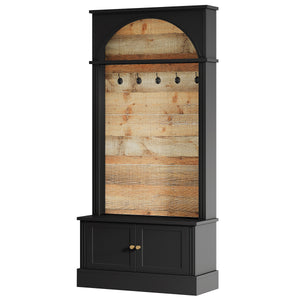
If you're considering new entryway shoe storage, compare available space, shoe capacity, ventilation features, and cleaning accessibility. Open shoe racks generally provide more direct airflow, while enclosed shoe cabinets offer a cleaner visual appearance. Cabinets with louvered or slatted doors can provide a useful balance between ventilation and concealed storage.
For more information about storage styles, read our guide to Shoe Racks vs. Shoe Cabinets
How to Prevent Shoe Odor in Different Types of Footwear
Sneakers and Athletic Shoes
Sneaker odor prevention starts with drying the interior after exercise. Remove insoles when appropriate, clean according to the care label, and avoid returning damp athletic shoes to enclosed storage.
Leather Shoes
Keep leather shoes clean and dry, and use suitable leather-care products when needed. Avoid excessive moisture and direct high heat, which can damage the material.
Winter Boots and Rain Boots
For winter boot storage, remove mud, snow, and moisture before putting boots away. Use a boot tray for wet footwear and make sure the interior is completely dry before transferring the boots into a cabinet.
Children's Shoes
Children's shoes may collect dirt and moisture during daily activities. Check them regularly and keep wet shoes outside enclosed storage until fully dry.
A Simple Weekly Shoe Cabinet Cleaning Routine
Keeping your shoe cabinet fresh doesn't need to take much time.
Daily: Allow sweaty or wet shoes to dry before storage, and rotate frequently worn pairs when possible.
Weekly: Check for odor, remove debris from heavily used shelves, and air out the cabinet.
Monthly: Inspect the entire cabinet, clean surfaces as needed, check for moisture, and replace odor absorbers according to their instructions.
This simple shoe cabinet cleaning routine helps you manage odors before they become difficult to remove.
Frequently Asked Questions About Shoe Cabinet Odors
1. How do you get rid of a bad smell in a shoe cabinet?
Remove the shoes, clean the interior shelves, and allow the cabinet to dry completely. Air out damp footwear before returning it to storage. Baking soda or activated charcoal may help reduce lingering odors, but the most effective long-term solution is to improve ventilation, control moisture, and keep shoes clean.
2. Why does my shoe cabinet smell even after cleaning?
A shoe cabinet may continue to smell if damp or dirty footwear is returned too soon, airflow is limited, or moisture remains inside the cabinet. Check insoles, lower shelves, and hidden corners. If the odor is musty or you notice visible mold, investigate possible humidity or water-damage problems rather than using fragrance to mask the smell.
3. Does baking soda remove shoe cabinet odors?
Baking soda can help reduce some unpleasant odors inside a shoe cabinet. Place it in a breathable pouch or secure container and replace it periodically. However, it won't eliminate the underlying causes of odor, such as wet footwear, dirty insoles, or poor ventilation. Cleaning and thorough drying remain essential.
4. Is activated charcoal good for shoe cabinet odors?
Activated charcoal can help adsorb some odor-causing compounds in enclosed shoe storage. Place a suitable charcoal deodorizer inside the cabinet and follow its replacement or reactivation instructions. For excess humidity, use a dedicated moisture absorber or dehumidifier instead. Charcoal works best as a supplement to regular cleaning and good airflow.
5. How do you improve ventilation in a shoe cabinet with doors?
Choose a shoe cabinet with louvered, slatted, or other ventilated door designs that allow air to circulate through openings. Leave space between shoes and avoid blocking ventilation gaps. Opening the cabinet periodically can also help release stale air. Always dry wet footwear first, since ventilation alone cannot prevent all shoe odors.
6. How often should you clean a shoe cabinet?
For a cabinet used daily, check for dirt and moisture weekly and clean visible buildup as needed. A more thorough inspection and cleaning every month can be useful in busy households. If you store wet-weather shoes or notice persistent odors, clean and air out the cabinet more frequently.
7. Can shoe cabinets cause mold?
A shoe cabinet can develop mold when moisture accumulates and remains trapped, particularly in humid conditions or after storing wet shoes. Prevent problems by drying footwear before storage, keeping the cabinet ventilated, and controlling indoor humidity. If mold is visible or keeps returning, address the moisture source and follow appropriate mold-removal guidance.
8. Should you leave shoe cabinet doors open?
Opening shoe cabinet doors periodically can improve airflow and help release trapped moisture or stale odors. This is particularly useful after cleaning or during periods of frequent footwear use. However, leaving the doors open is not a substitute for drying wet shoes completely before putting them away.
9. What is the best natural way to deodorize shoes?
Start by cleaning shoes according to their care instructions and allowing them to dry fully. Baking soda or suitable activated-charcoal products can help reduce some lingering odors. Avoid applying essential oils, vinegar, or other household liquids directly to delicate materials unless the footwear manufacturer recommends them.
10. How do you prevent shoe cabinet smells during winter or rainy weather?
Keep rain-soaked shoes and winter boots outside enclosed storage until fully dry. Remove mud, water, and removable insoles when appropriate, then allow air to circulate. Use a boot tray for wet footwear, check indoor humidity, and make sure the cabinet remains dry and well-ventilated.
Final Thoughts: Keep Your Shoes and Entryway Smelling Fresh
A fresh-smelling shoe cabinet starts with simple habits rather than expensive cleaning products.
Dry your shoes before storing them, keep shelves clean, improve ventilation, and use suitable odor absorbers when necessary. By controlling moisture and caring for your footwear, you can prevent many common shoe storage smells.
If you're choosing new shoe storage furniture, consider how the design supports airflow. Open shoe racks and shoe cabinets with ventilated doors can help keep footwear better aired while offering different levels of organization and visual concealment. Explore Tribesigns shoe storage furniture to find practical options for keeping your entryway tidy and welcoming.