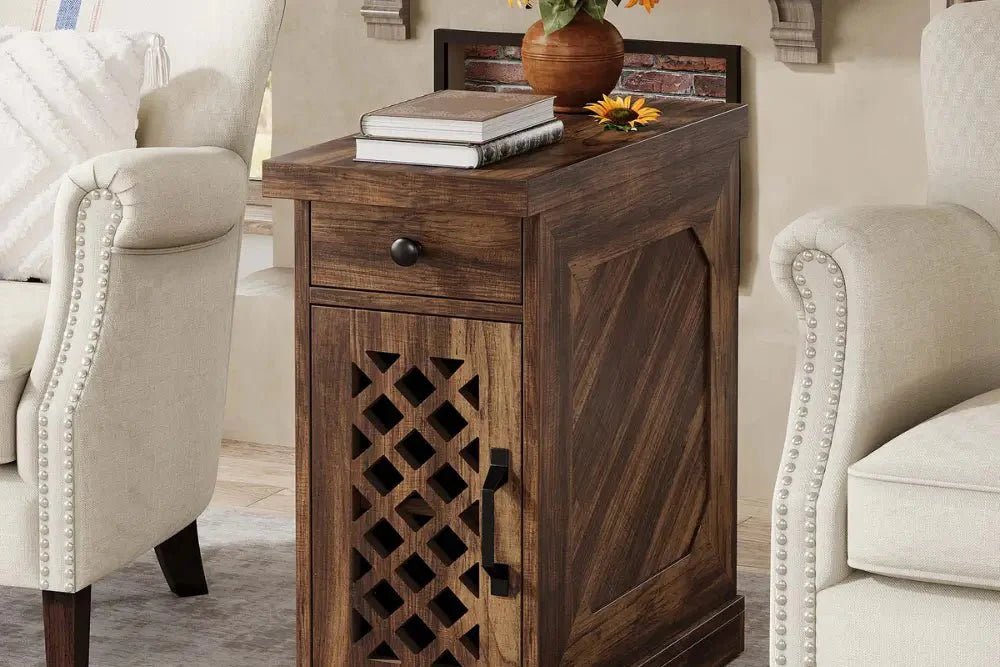


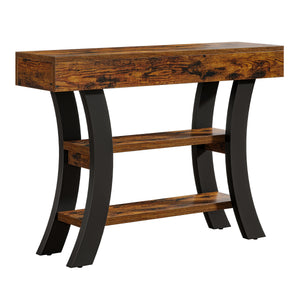
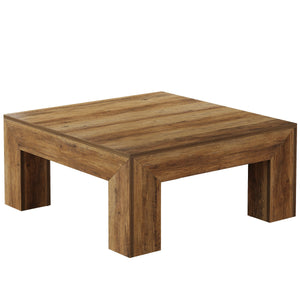
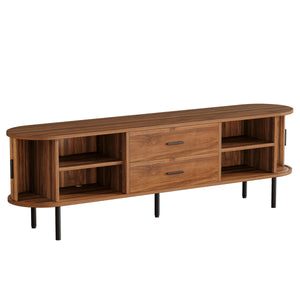
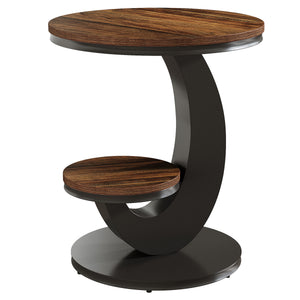

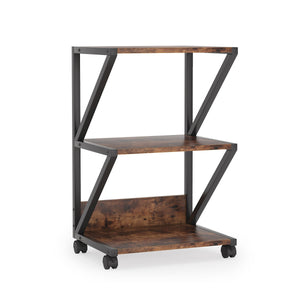

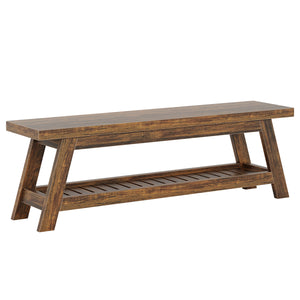
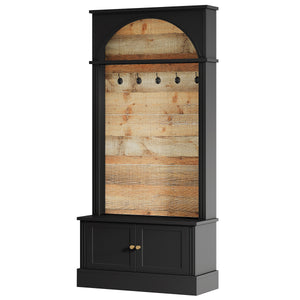
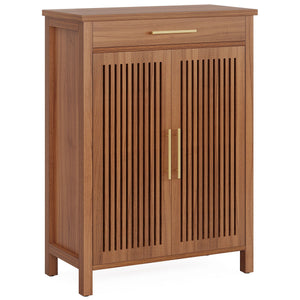

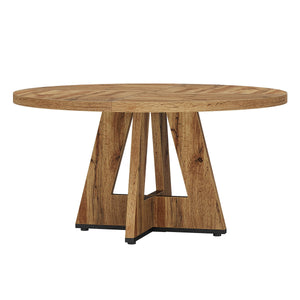
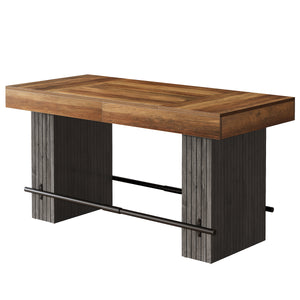
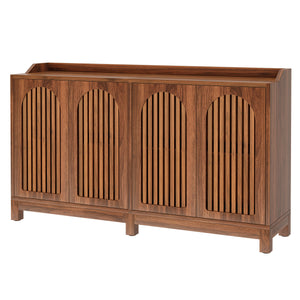
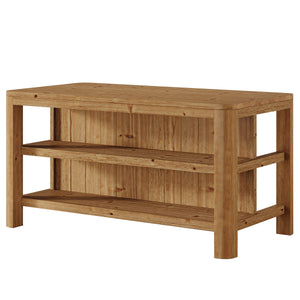

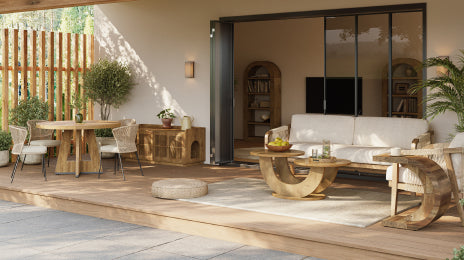




Round side tables are increasingly popular in modern living rooms because of their versatility and visual appeal. Their smooth, circular shape works well in various spaces, especially smaller or more compact rooms. The absence of sharp corners makes them a safer choice in homes with children or pets. Additionally, round side tables can soften the look of a room by balancing out angular furniture such as square sofas or coffee tables. Their compact size also allows them to be easily moved and placed in different areas depending on your needs.
Table of Contents
- How to Choose a Round End Table For Living Room?
- How to Decorate a Round Side Table?
- Frequently Asked Questions (FAQ)
How to Choose A Round End Table For Living Room?

1. Size and Height
The ideal end table size should align closely with the height of your sofa armrest. This typically means the table should be between 18 to 28 inches tall. A table that is too tall or too short can create an awkward or uncomfortable experience when reaching for items.
A standard round side table typically has a diameter of 18 to 24 inches, making it suitable for most sofas or chairs. It’s important to measure the space available in your living room to ensure the table doesn’t overwhelm the room or obstruct movement.
A side table that is too large for the space will feel out of place and take up unnecessary room, while a table that is too small may lack functionality and may look disproportionate next to your furniture. If your room is small or crowded, opt for a smaller, more compact table to maintain flow and balance.
2. Style and Material
The style of your side table should complement the overall design of your living room. If your space features modern or minimalist decor, opt for clean lines and materials like metal, glass, or lacquered wood. These materials reflect a contemporary aesthetic and create a sleek look. For a more traditional or rustic interior, choose wood tables with natural grain patterns. This style is timeless and can introduce warmth to the room, particularly when paired with plush sofas.
If your living room has a blend of styles, consider a hybrid approach—such as a round table with metal legs and a wooden top. Combining materials helps to create a balanced, layered look that fits into various types of decor. You can also learn more about side table material.
3. Functionality
The functionality of your end table goes beyond decoration. Many modern side tables come with added features such as drawers or lower shelves for storage. If you are using the table to hold remotes, books, or personal items, consider a design that provides storage to reduce clutter. Tables with built-in charging ports or USB connections can be a great option for those who use their side tables as charging stations for phones, tablets, or laptops.
When choosing a table, also think about how often you need to access items placed on it. If you plan to use it mainly for decorative purposes, a simpler design will suffice. If you expect to store and access items frequently, a more functional design with storage or multi-use features is a better fit.
How to Decorate a Round Side Table?

Decorating a side table is an opportunity to showcase your personality and add style to your living room. A popular method is the “three-item rule,” which suggests placing three items on the table for a visually balanced look. These can include a decorative object, a plant, and a functional item like a coaster or a tray.
Layering also adds depth to your side table decoration. For instance, place a tall object like a lamp at the back, a medium-height item like a stack of books in the middle, and shorter items like small plants or candles in the front. This layering technique helps create a visually appealing table without overcrowding it.
Mixing materials can also elevate the look of your side table. A combination of metals, wood, and ceramics creates texture and visual interest. A round table, with its simple form, can handle a variety of textures and materials, adding complexity without overwhelming the design.
You can check out our customer photos for inspiration. Many users add family photos and unique keepsakes to bring warmth and personality to the space. As autumn approaches, adding some seasonal items is perfect.

Frequently Asked Questions (FAQ)
Are Round Side Tables Suitable for All Types of Sofas?
Round side tables are flexible enough to pair with a variety of sofa styles. Their soft edges and compact size make them particularly effective in balancing the sharp lines of modern or minimalist sofas. They can also work well with traditional or vintage furniture, where a contrast between circular and angular shapes can create an interesting focal point.
If you have a sectional or large sofa, a round table can break up the hard lines and provide a more balanced and inviting atmosphere.
How Should I Pair a Round Side Table with Other Furniture?
When pairing a round side table with other pieces of furniture, aim for contrast. For example, if your sofa has straight, angular lines, a round side table can soften the look of the room. Conversely, if you have an overly round or curvy sofa, you may want to opt for a square or rectangular table to introduce some structure to the space.
Also, consider scale. A large sofa may require a larger round side table, while a smaller chair or loveseat would benefit from a smaller table. Don’t overcrowd the space—leave enough room for movement between furniture pieces.
What Is the Price Range for Round Side Tables?
The price of round side tables varies depending on the material, design, and brand. For example, budget-friendly tables made from materials like MDF or inexpensive wood can range from $30 to $100. Mid-range tables made from higher-quality wood or metal can range from $100 to $300. High-end designer side tables can cost upwards of $500, especially if made from premium materials such as marble, solid wood, or with intricate detailing.
When selecting a table, it’s important to consider both the quality of the materials and the long-term functionality. A higher-priced table might be a better investment if it offers additional features like storage or a more durable construction.
If you need recommendations for side tables, check out this guide: best end tables for living room.