









An area rug can completely change the feeling of a room, but finding the right placement is not always as simple as putting it in the center of the floor. Sometimes a rug looks beautiful on its own, yet the room still feels disconnected because the furniture and rug do not work together.
The best placement starts with understanding how you use the space. Whether it is a living room where family gathers, a dining area for everyday meals, or a bedroom designed for comfort, the rug should support the way you live while helping the furniture feel like part of one complete space.
Quick Answer
The best way to place an area rug is to make it feel connected with the furniture around it. Ideally, a well-positioned rug can help define different areas, bring pieces together and create a stable visual focal point that lends the space a greater sense of cohesion and order.
Start with How You Use the Space
Before deciding where an area rug should go, it helps to think about the feeling you want the room to create. A rug is not just something placed on the floor — it can help define a space, bring furniture together, and make everyday areas feel more intentional.
Living Room: Create a More Connected Gathering Space
The living room is where everyday moments happen — morning coffee, movie nights, conversations with friends, and quiet time after a long day. With multiple furniture pieces often spread across the room, the space may sometimes feel separate or unfinished.
An area rug helps visually bring the seating area together. It creates a shared space around the sofa and coffee table, making the room feel warmer, more balanced. Instead of furniture feeling like individual pieces placed around the room, the rug helps them feel like part of one comfortable gathering area.
Dining Room: Defining a Place to Gather
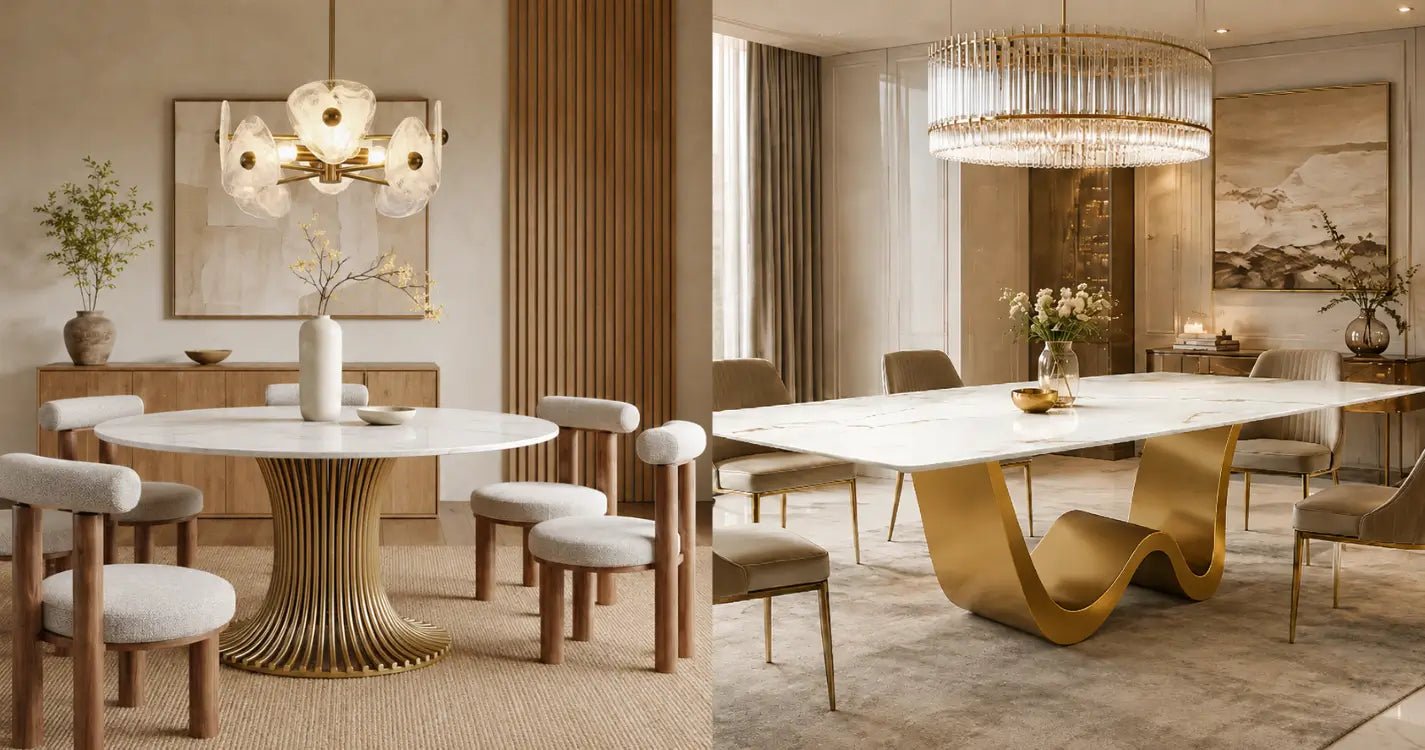
In open-concept homes, the dining table is often placed within a larger shared space rather than in a separate room. This can make the dining area feel less distinct from nearby living or kitchen areas.
A rug underneath the dining setup can help visually establish the area and add warmth beneath the table and chairs. It gives the dining space a stronger sense of identity, making everyday meals and gatherings feel more intentional.
Bedroom: Adding Warmth to a Personal Space
The bedroom is a space built around comfort. While the bed and furniture provide the main functions, a room with too much exposed flooring can sometimes feel less warm and inviting.
A rug introduces softness and warmth, helping create a more comfortable atmosphere. It can make the bed area feel like a defined resting space and add another layer of texture that makes the room feel more finished.
Use the Rug to Connect Your Furniture
A room rarely feels complete because of a single piece of furniture. The most comfortable spaces usually come from the way different elements work together — and an area rug can help create that connection.
Instead of thinking of a rug as a separate layer added at the end, consider how it interacts with the furniture around it. When the rug supports the arrangement of your sofa, table, chairs, or storage pieces, the entire room can feel more organized and intentional.
Create a Visual Link Between Furniture Pieces
Furniture pieces naturally serve different purposes, but without something to bring them together, a room can sometimes feel disconnected.
An area rug helps create a shared visual foundation. In a living room, it can bring the sofa, coffee table, and accent chairs into one conversation area. In a dining space, it can help the table and chairs feel like a complete setup rather than separate items.
The goal is not to make every piece sit perfectly within the same boundary, but to create a sense of relationship between the elements in the room.
Define Functional Areas Without Building Walls
Many modern homes use open layouts where one space may serve multiple purposes. A living area might flow into a dining space, or a workspace may share a corner with another room.
In these situations, a rug can help visually separate different zones while keeping the overall space connected. It quietly tells the eye where one area begins and another ends, without adding physical barriers. This makes the room easier to navigate and gives each area its own purpose while maintaining a cohesive look.
How to Place an Area Rug in Different Rooms
Once you understand how an area rug works with your space and furniture, the next step is finding a placement that feels natural for your room. The best arrangement depends on your furniture layout, the size of the space, and how you use it every day.
Living Room: Build a Comfortable Seating Area
The living room is where furniture usually works as a group. A sofa, coffee table, and accent chairs are not just separate pieces — they create a place for relaxing, conversations, and spending time together. An area rug can help bring this seating arrangement together in several ways.
Front Legs on the Rug. Placing the front legs of the sofa and chairs on the rug is one of the most common approaches for living rooms. This arrangement creates a visual connection between the furniture pieces without requiring the entire seating area to sit on the rug. It works especially well for medium-sized living rooms where you want the space to feel connected but still leave some visible flooring around the edges.

All Furniture on the Rug. For larger living rooms, placing the main seating pieces completely on the rug can create a more defined gathering area. This approach can make an open space feel more intentional by creating a clear zone for relaxing, especially when multiple seating pieces are involved.
Coffee Table-Centered Layout. In smaller spaces, the rug does not always need to cover every furniture piece. Centering the rug around the coffee table can help create a simple focal point while keeping the room feeling open. This works well when the coffee table acts as the main connection point between surrounding seating.

For high-traffic areas like living rooms and dining spaces, the rug’s texture and pile height can also influence how comfortable and practical it feels. Learn more about choosing between low-pile and high-pile rugs.
Dining Room: Keep the Table and Chairs Connected
A dining rug works differently from a living room rug because the space needs to support movement around the table.
The most important consideration is that the dining setup feels like one complete area. The table, chairs, and rug should work together so the space remains comfortable when people sit down, move around, or pull chairs out.
A rug that extends beyond the dining table area can help maintain this connection and prevent the chairs from feeling separate from the rest of the setup.

Bedroom: Create a Comfortable Landing Area
In a bedroom, the rug is often less about defining conversation areas and more about creating a sense of comfort.
A common approach is placing the rug under part of the bed to create a soft transition between the furniture and floor. Another option is using smaller rugs beside the bed to add warmth where you step in and out of the sleeping area. The right placement depends on the room layout and the feeling you want to create — whether that is a cozy retreat or a lighter, more minimal space.

Final Thought
The best area rug placement is not about following one strict rule. It is about finding an arrangement that works with your room, your furniture, and the way you spend time in the space.
A well-placed rug can quietly bring a room together — creating a comfortable spot for relaxing, gathering, or simply enjoying everyday moments at home. When the rug feels connected to the furniture around it, the entire space can feel more balanced, thoughtful, and complete.
FAQ
Should all furniture be placed on an area rug?
Not necessarily. The best placement depends on your room size, furniture arrangement, and the feeling you want to create. In many living rooms, placing the front legs of furniture on the rug can help connect the seating area, while larger spaces may work well with more furniture placed fully on the rug.
How should an area rug be placed under a coffee table?
A coffee table is often a natural focal point in a living room. Centering the rug around the coffee table can help create a balanced seating area, especially when the surrounding furniture is arranged around it.
How far should an area rug extend under a dining table?
A dining rug should allow chairs to remain comfortably on the rug when they are pulled out. This helps keep the dining area visually connected and makes everyday movement easier.
Can I place an area rug on hardwood floors?
Yes. Area rugs can add warmth, texture, and comfort to hardwood floors while helping define different areas in a room. A rug pad may also help keep the rug stable and provide additional cushioning.