









Add a Freestanding Closet Organizer for an All-in-One Solution
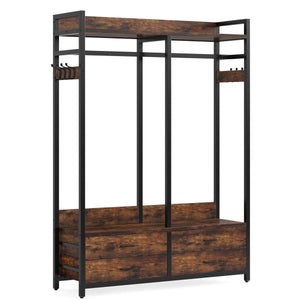
If you need the closest replacement for a traditional closet, a freestanding closet organizer is usually the most practical choice.
Unlike a basic clothing rack, a full organizer combines hanging space and shelving in one piece. That means shirts and jackets can stay on the rod, while folded clothes, shoes, handbags, and storage bins have a dedicated place.
This type of storage works especially well for:
- Bedrooms without built-in closets
- Rental apartments
- Guest rooms
- Small bedrooms that cannot fit multiple storage pieces
The biggest advantage is flexibility. You can place it along an empty wall, inside a large bedroom, or even use it to create a separate dressing area without making permanent changes to the room.
For a mixed wardrobe, look for a design that balances hanging space and shelves. A unit with only a hanging rod may solve one problem while creating another—leaving shoes, folded clothes, and accessories without a home.
The Tribesigns Freestanding Closet Organizer with 6 Shelves is designed around this idea. It combines a hanging rod with open shelving, creating a closet-like storage area for clothes, shoes, bags, and bins while keeping everything visible and easy to access.

Use a Garment Rack When Hanging Space Is the Main Problem
Sometimes the problem is simple: you have clothes that need to hang, but nowhere to put them.
A garment rack is a straightforward solution for wardrobes filled with:
- Dresses
- Jackets
- Work clothes
- Button-down shirts
- Seasonal outerwear
It is also one of the easiest options for renters because most racks require minimal setup and can move with you.
The downside is that a basic garment rack is not a complete closet replacement. It gives you a place to hang clothes, but it does not solve storage for folded items, shoes, or accessories.
If you choose this option, consider adding shelves, baskets, or a nearby dresser so the room does not become a collection of separate storage pieces.
Add a Dresser for Clothes That Should Not Be Hung
Not every piece of clothing belongs on a hanger.
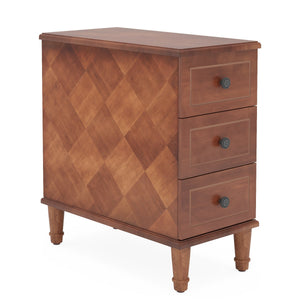
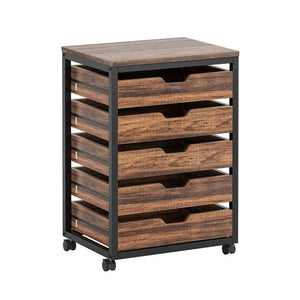
Sweaters, jeans, T-shirts, pajamas, and workout clothes often take up less space when folded. A dresser or chest of drawers can provide the hidden storage that an open closet setup lacks.
This is especially useful if your bedroom already has enough wall space but feels cluttered because everyday clothing is visible.
A balanced setup often combines:
- Hanging storage for wrinkle-prone clothes
- Drawers for folded clothing
- Shelves or baskets for shoes and accessories

Choose a Wardrobe Cabinet for a Cleaner Look
If you prefer your clothes hidden, a wardrobe cabinet or armoire can be a better fit than open storage.
Unlike open racks, enclosed wardrobes keep clothing behind doors, which can make a bedroom feel calmer and less visually busy. They are particularly useful for bedrooms that also function as offices, guest rooms, or shared spaces.
The tradeoff is size. Wardrobe cabinets typically require more floor space and are less flexible than open organizers.
Before buying one, measure carefully. A large wardrobe may provide plenty of storage but can make a small bedroom feel crowded if it limits walking space.
Make Use of Under-Bed Storage for Seasonal Items
The space under your bed is often the easiest storage opportunity to overlook.
It works best for items you do not need every day:
- Winter coats
- Seasonal clothing
- Extra bedding
- Luggage
- Special occasion outfits
Under-bed storage is not a replacement for your everyday closet. Nobody wants to pull out storage bins every morning to find a pair of jeans.
Think of it as your backup closet. It keeps less frequently used items out of the way while freeing up space in your main storage area.
Make Use of the Wall Space You Already Have
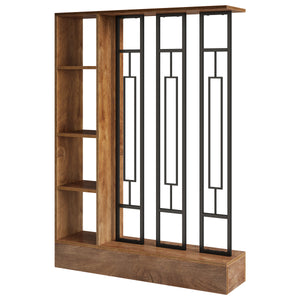
When a bedroom has no closet, the empty wall beside your bed or behind a door can become valuable storage space.
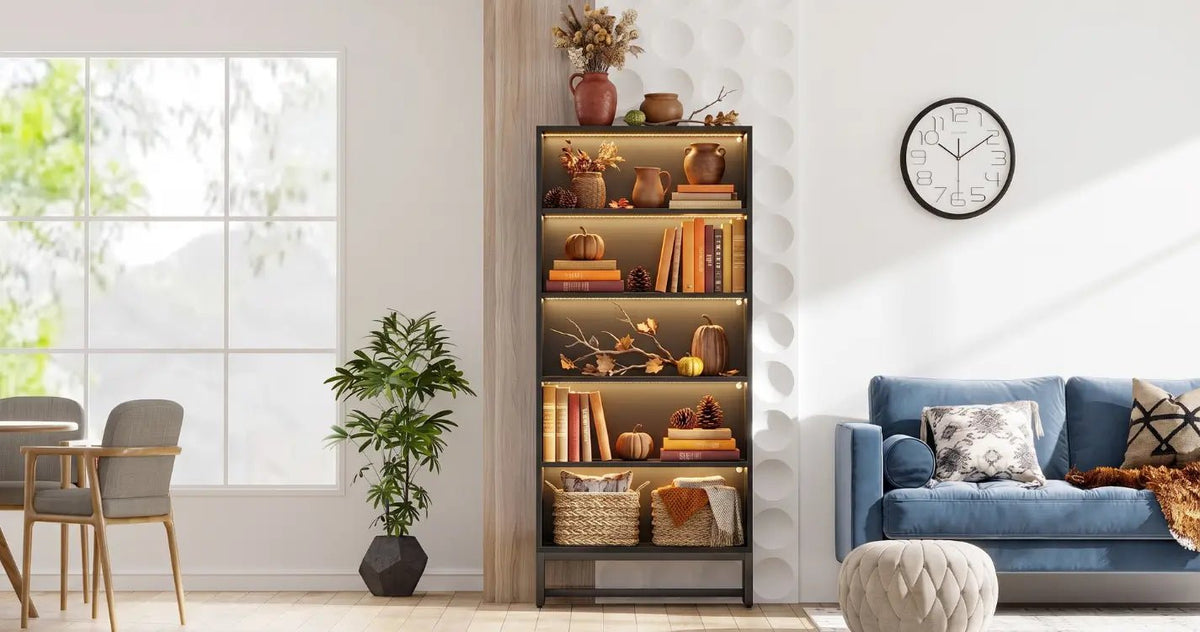
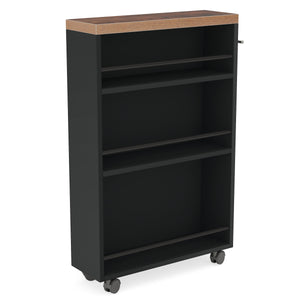
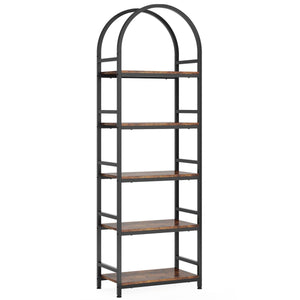
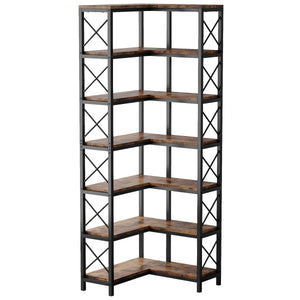
A tall, narrow piece of furniture can hold folded clothes, shoes, bags, and baskets without taking up the same floor area as a traditional wardrobe. This approach works especially well in smaller bedrooms where adding another wide piece of furniture would make the room feel crowded.
The key is choosing storage that fits your habits. Open shelving works well for neatly folded items and display pieces, while baskets can keep smaller clothing accessories out of sight.
Unlike a full wardrobe, wall-based storage does not need to become the main feature of the room. Used carefully, it simply adds extra capacity where you already have unused space.
Create an Open Closet Zone Instead of Hiding Everything
A bedroom without a closet does not always need hidden storage. Sometimes the better solution is creating a dedicated clothing area that feels intentional.
An open closet zone can combine:
- A freestanding organizer
- A mirror
- Storage baskets
- A small bench or chair
- Lighting
This approach works well in studios, lofts, and bedrooms where storage becomes part of the overall design.
The goal is not to make clothing disappear completely. It is to give everything a place so the room feels organized rather than unfinished.
Storage should match your wardrobe. Someone who owns mostly dresses and coats needs more hanging space. Someone who wears casual clothing may benefit more from drawers and shelves. The best closet alternative is the one that fits your daily routine.
Read more: Common Closet Organization Mistakes to Avoid

FAQs
What is the best closet alternative for renters?
For renters, freestanding storage solutions are usually the most flexible option because they do not require a built-in installation. A freestanding closet organizer, garment rack, or portable wardrobe can add hanging and shelf storage while moving with you when you relocate.
How do you organize a small bedroom without a closet?
Use vertical storage, choose furniture with a smaller footprint, and combine different storage types instead of relying on one large piece. Tall organizers, under-bed storage, narrow dressers, and wall hooks can help maximize space in compact bedrooms.
Can a freestanding closet replace a built-in closet?
A freestanding closet can replace many of the everyday functions of a built-in closet by providing hanging space, shelves, and organization. While it may not offer the same customization, it is a practical option for renters, apartments, and bedrooms where permanent remodeling is not possible.