










Shoe Cabinets



















Shoe Cabinets FAQs
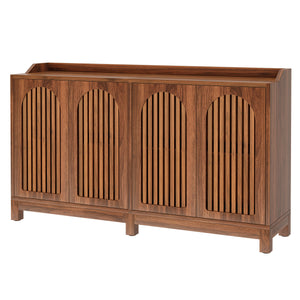
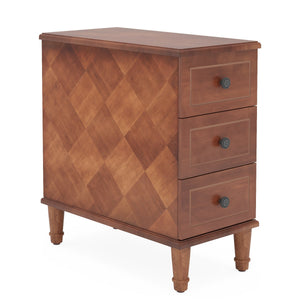
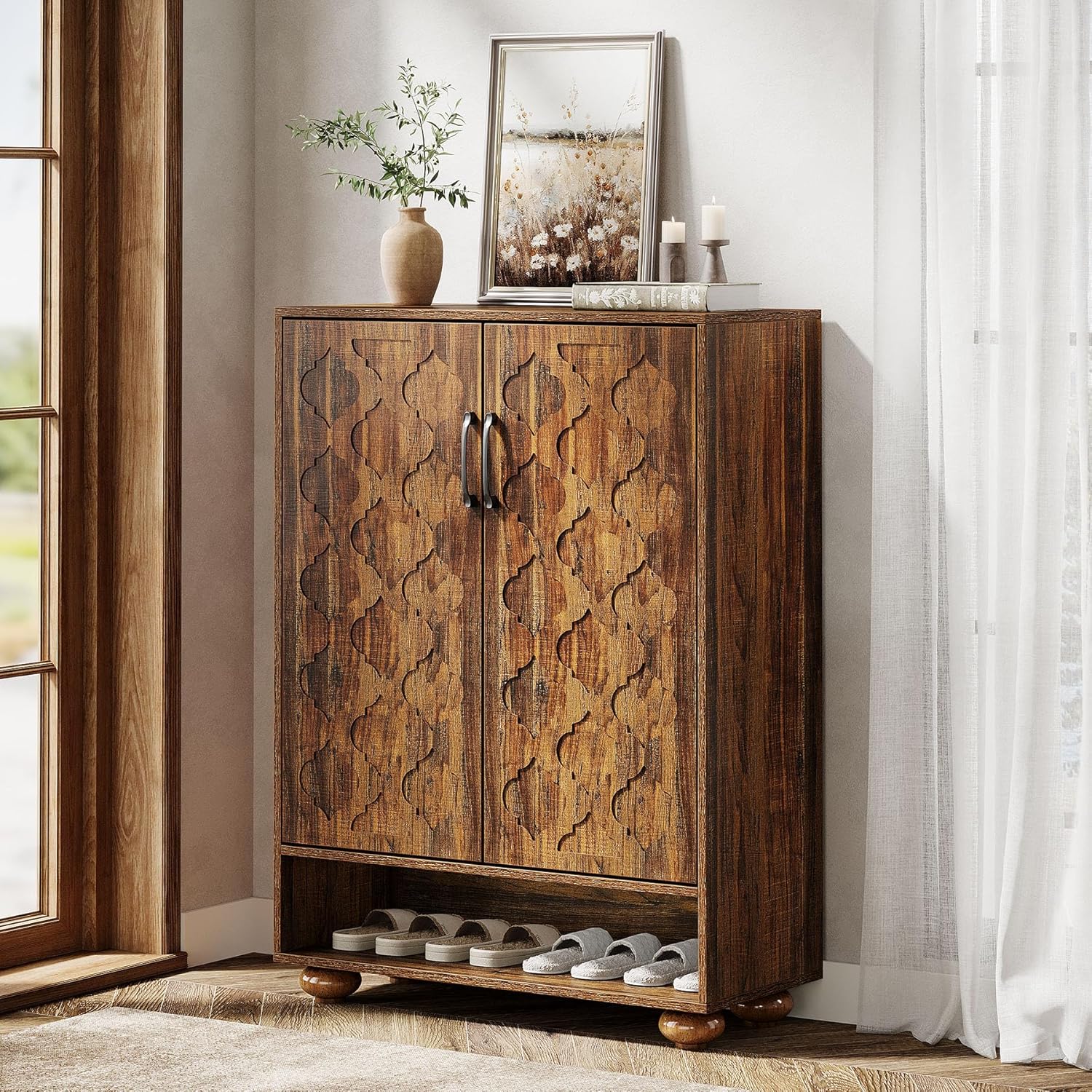
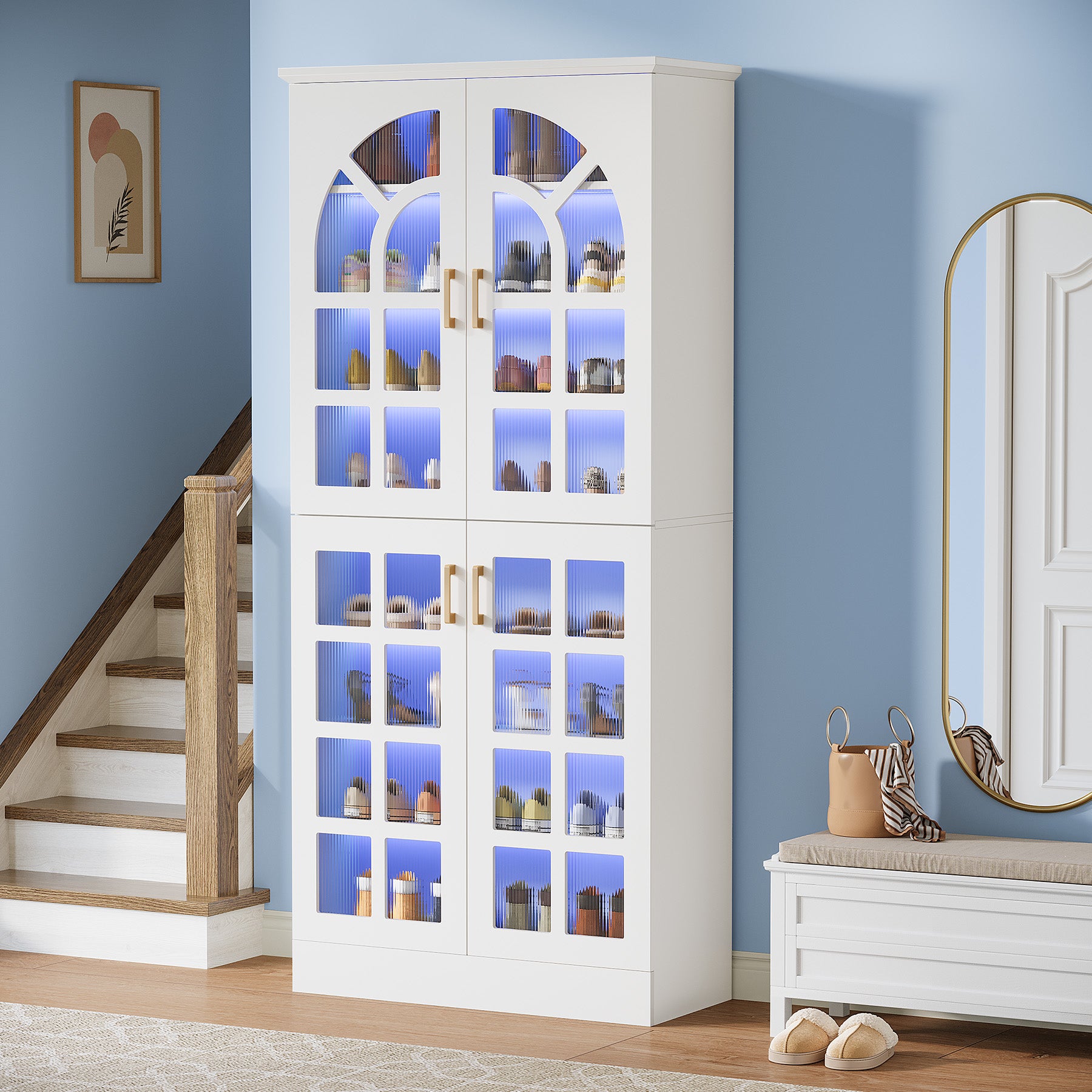
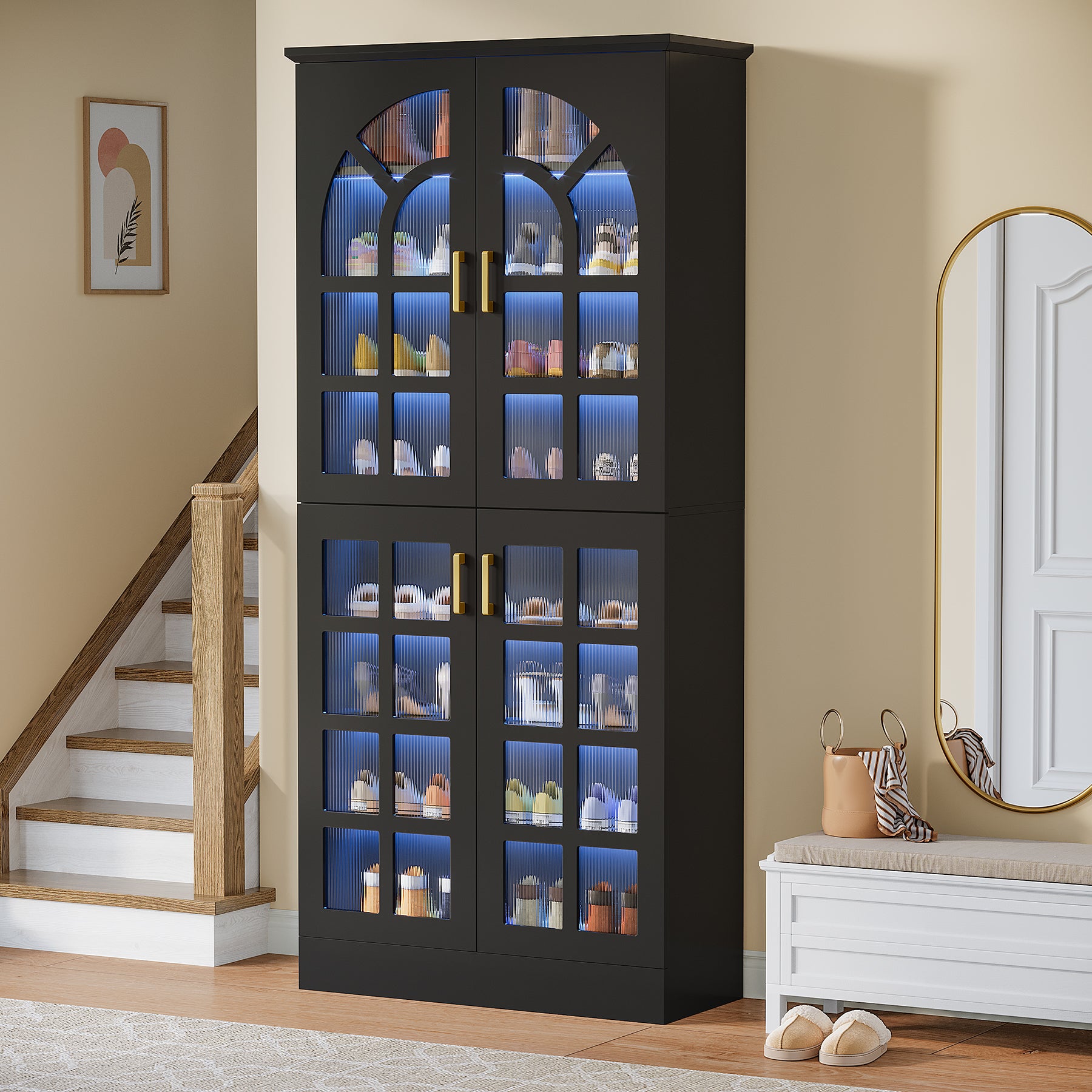
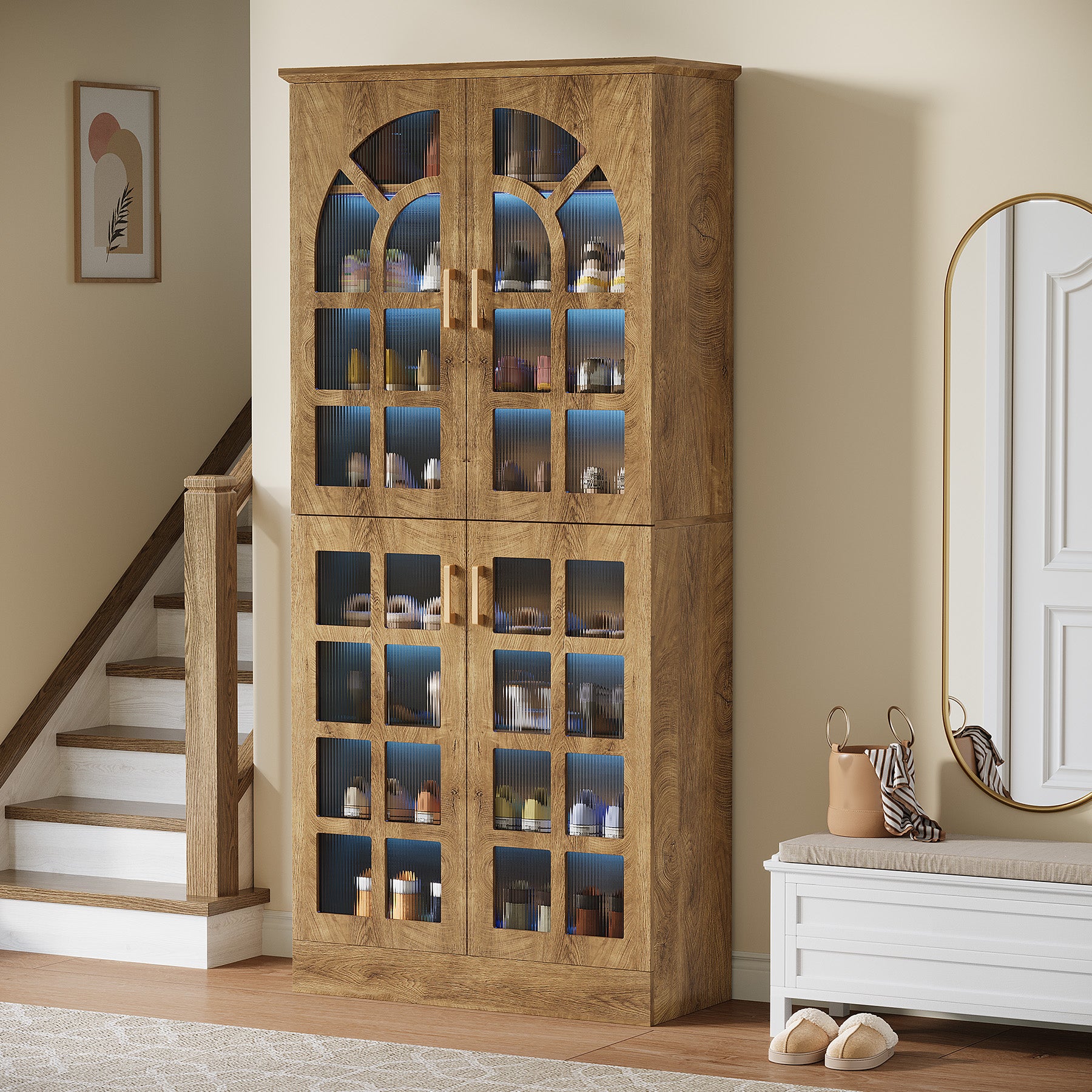
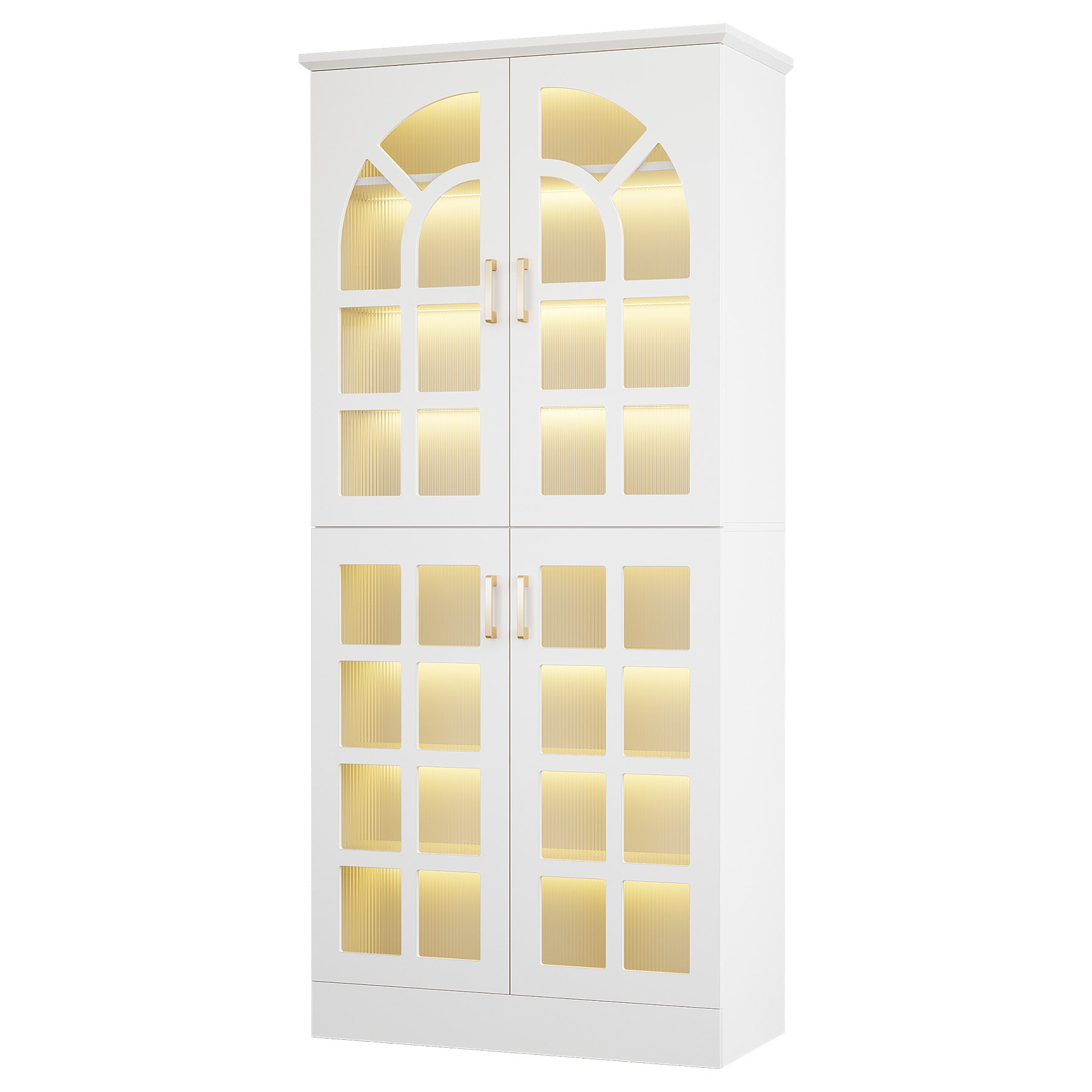
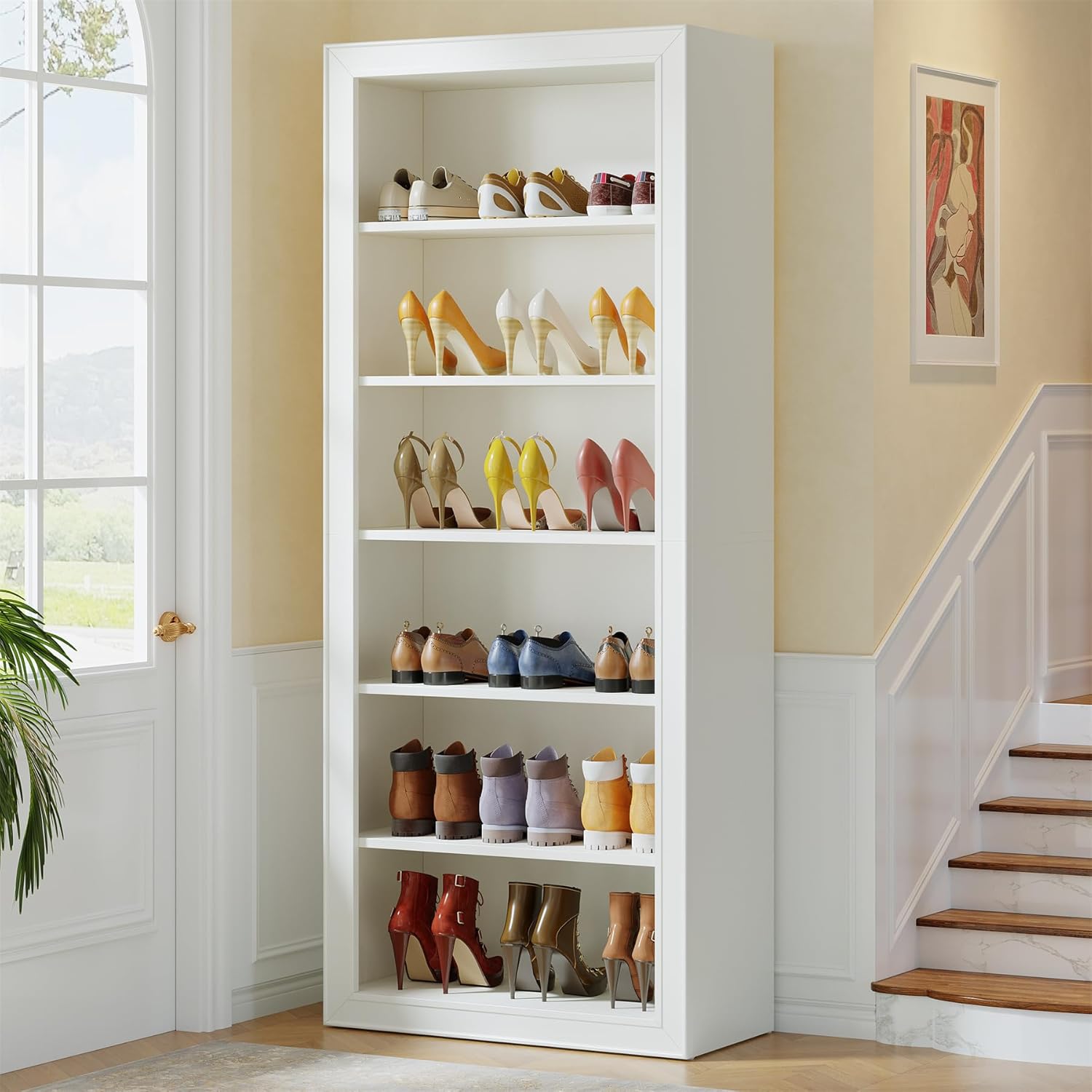
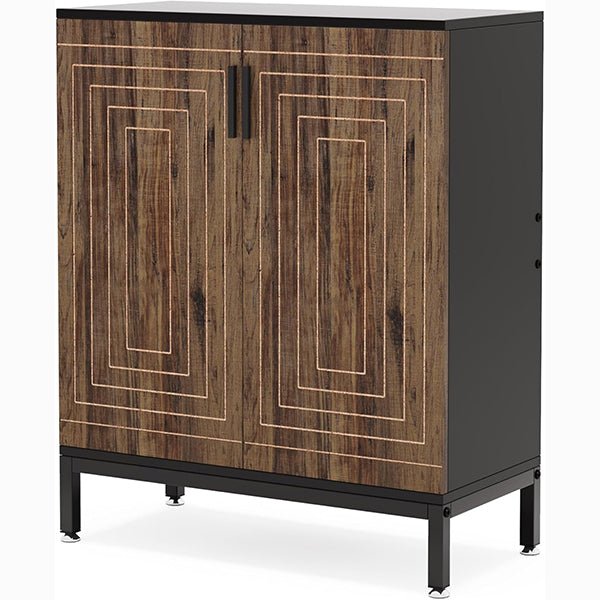
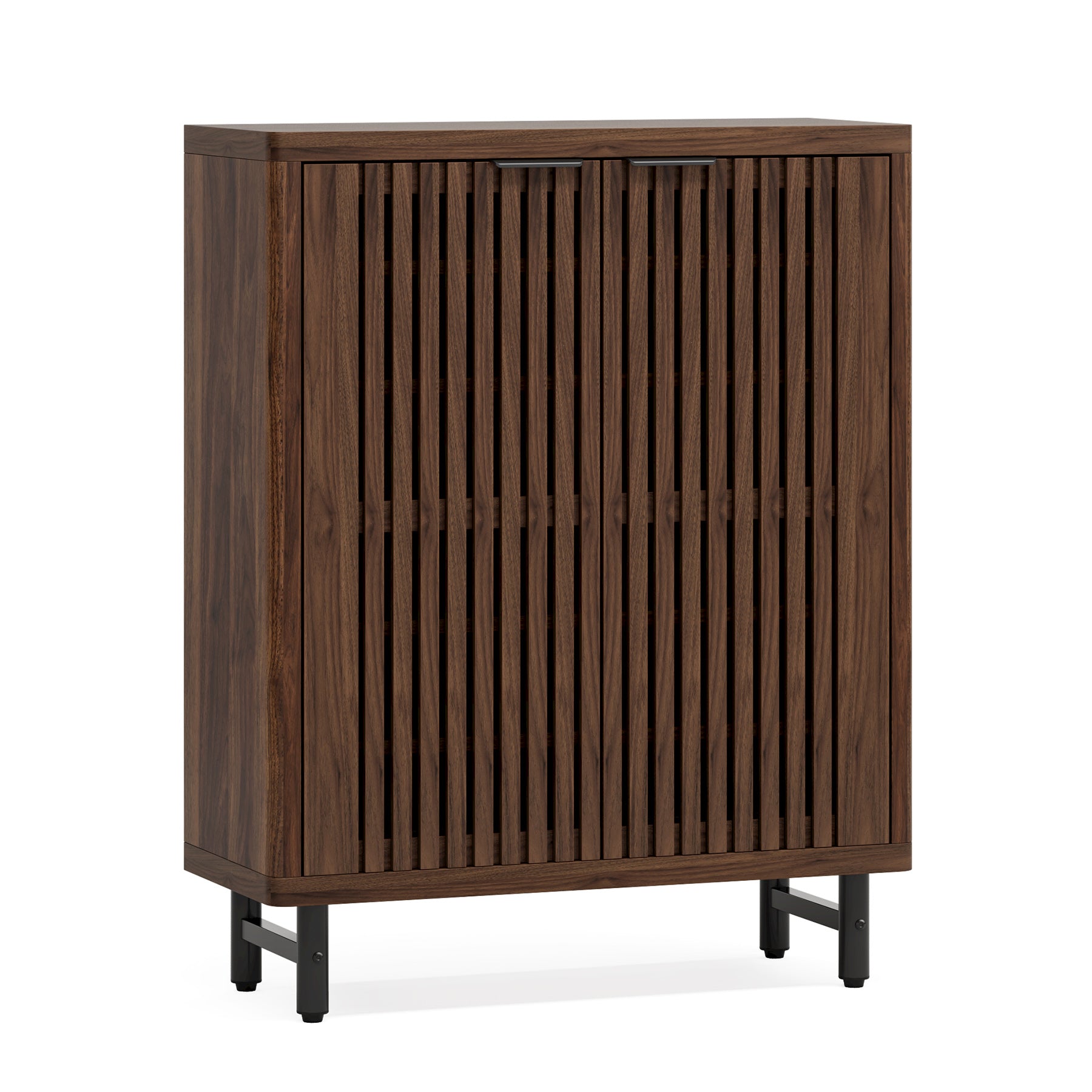
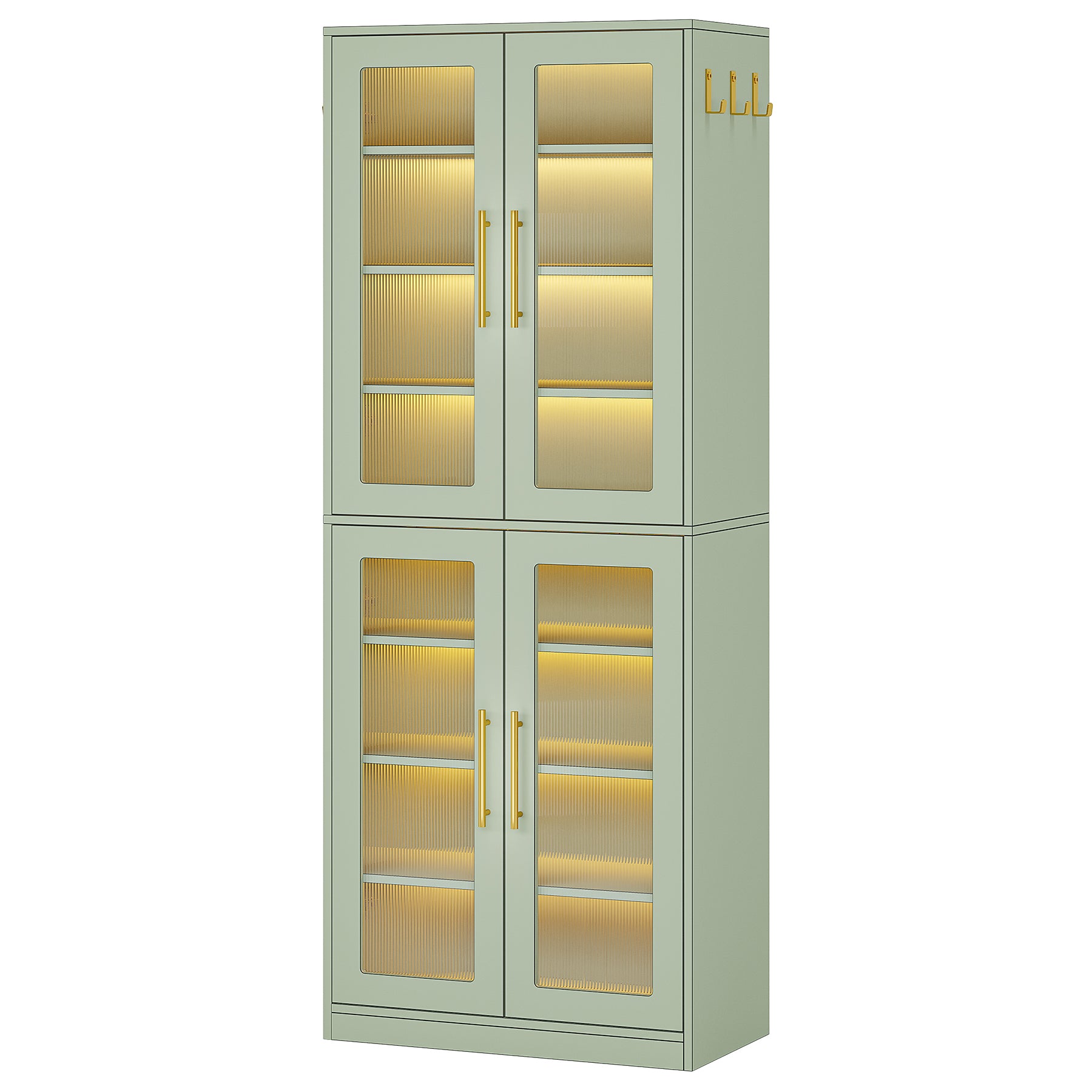
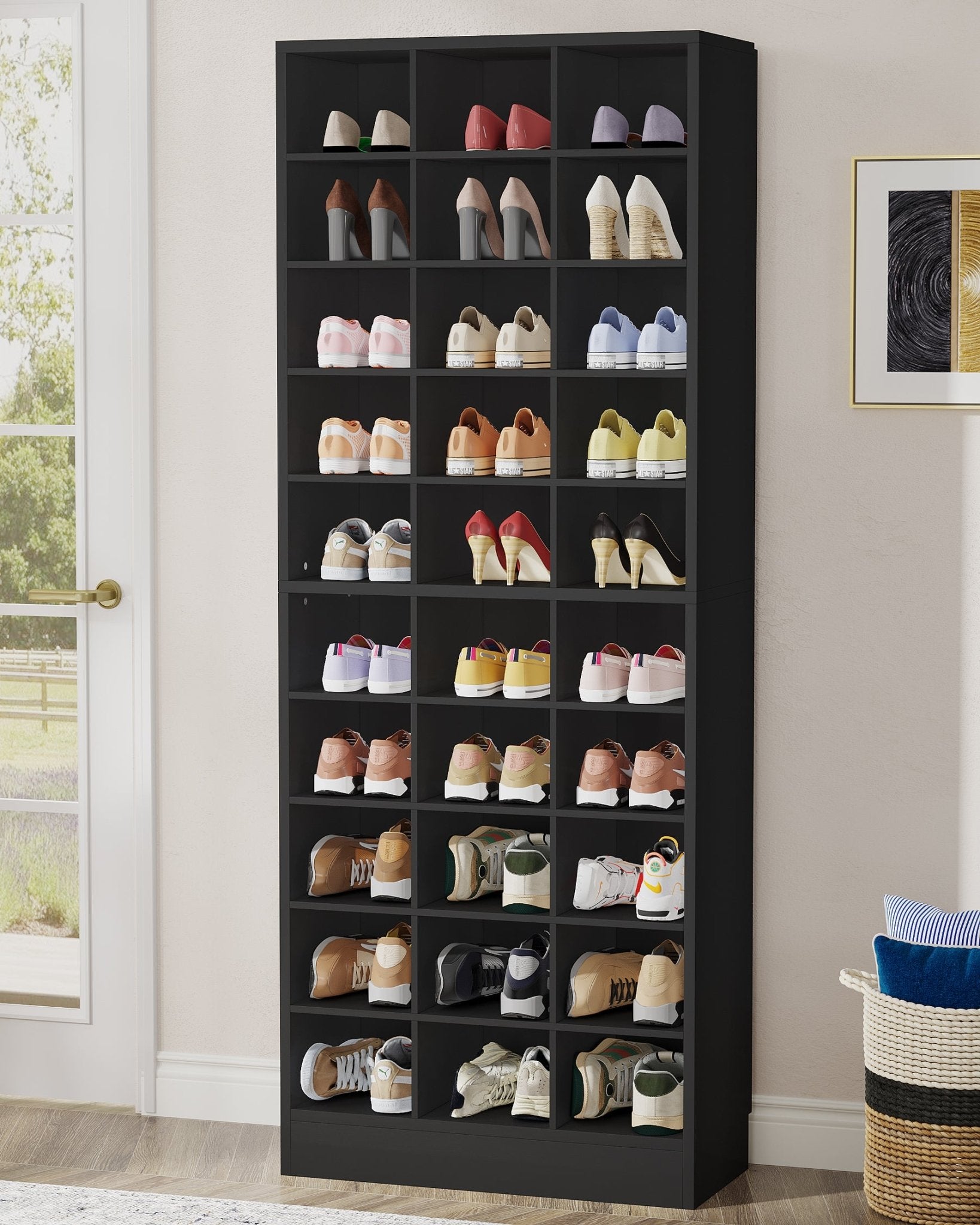
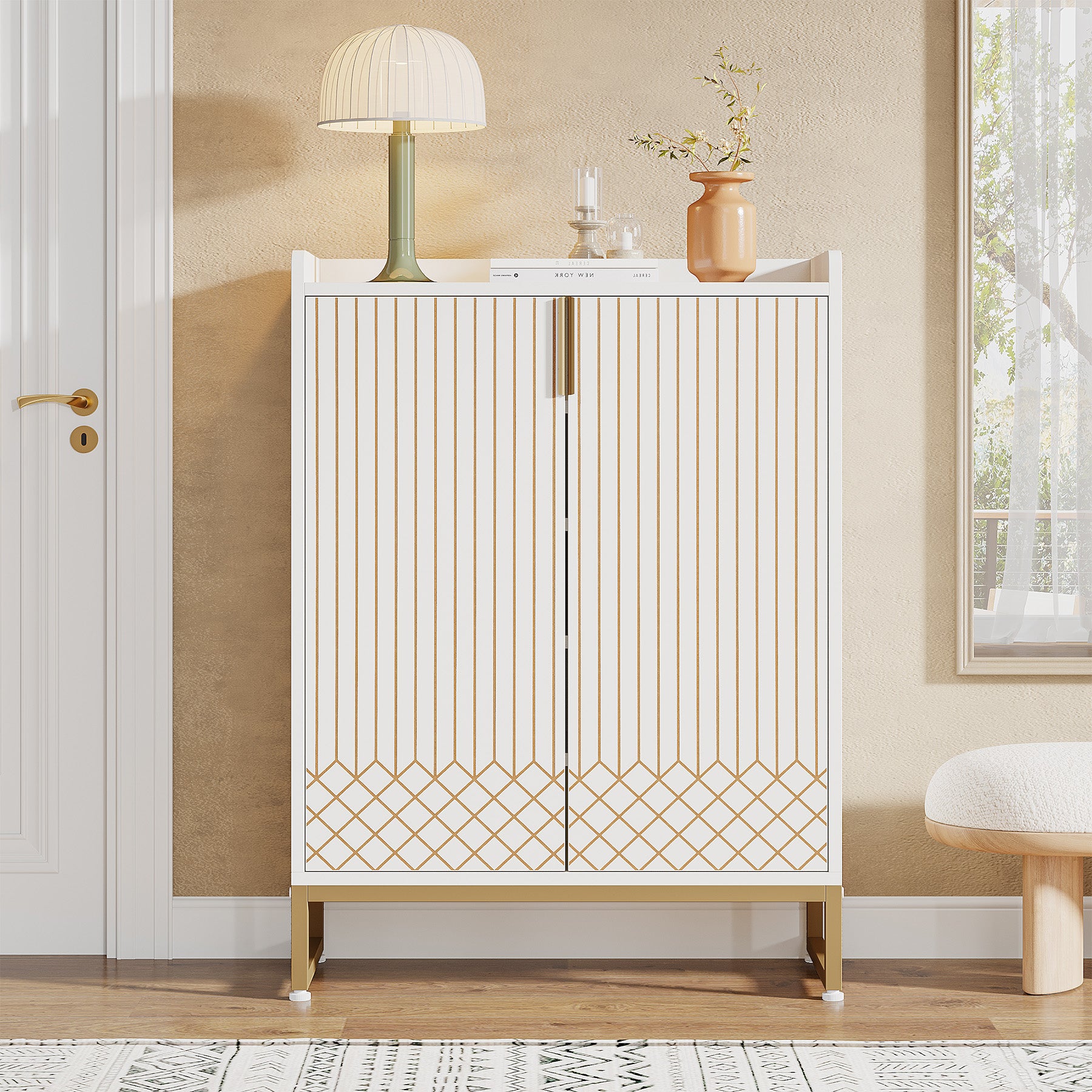
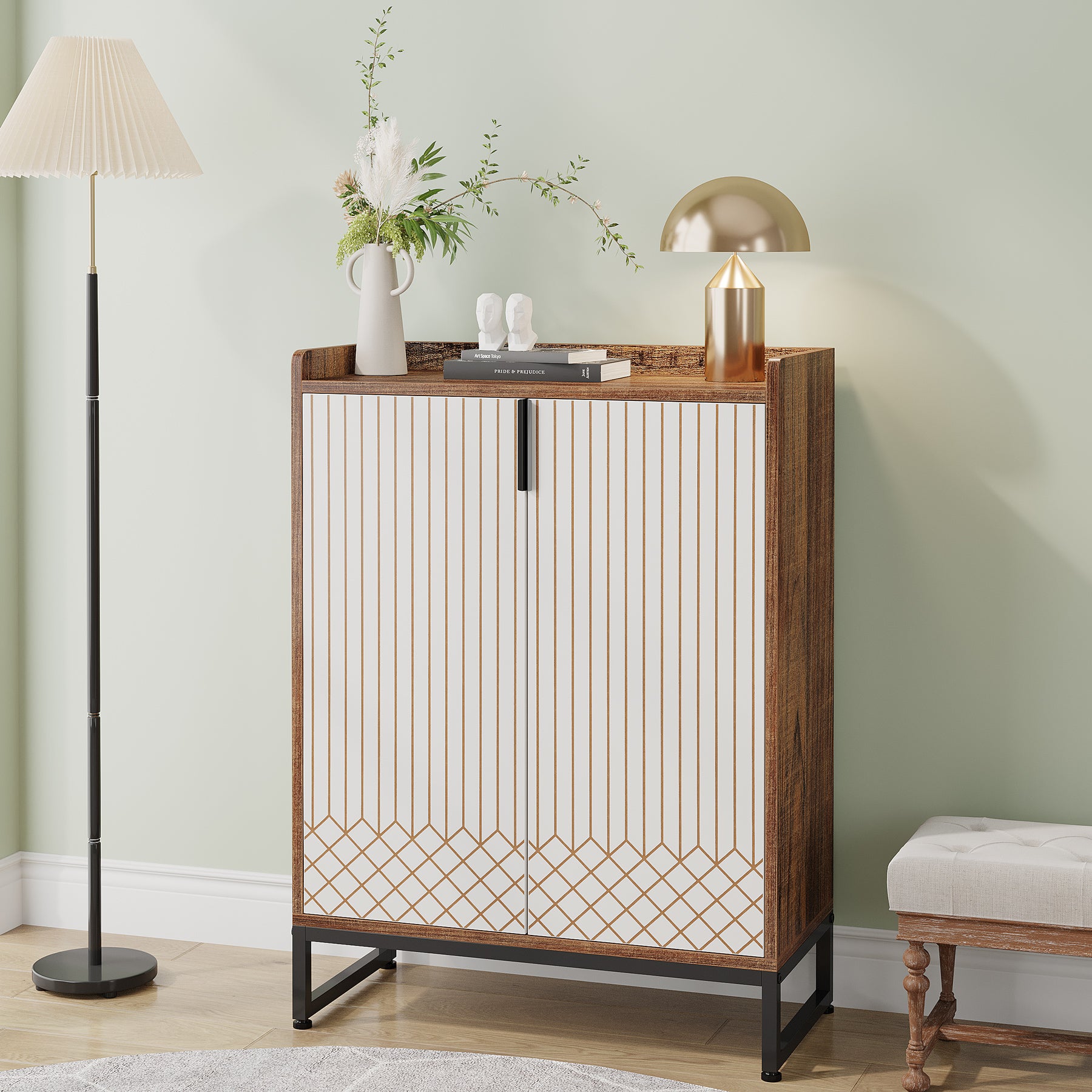
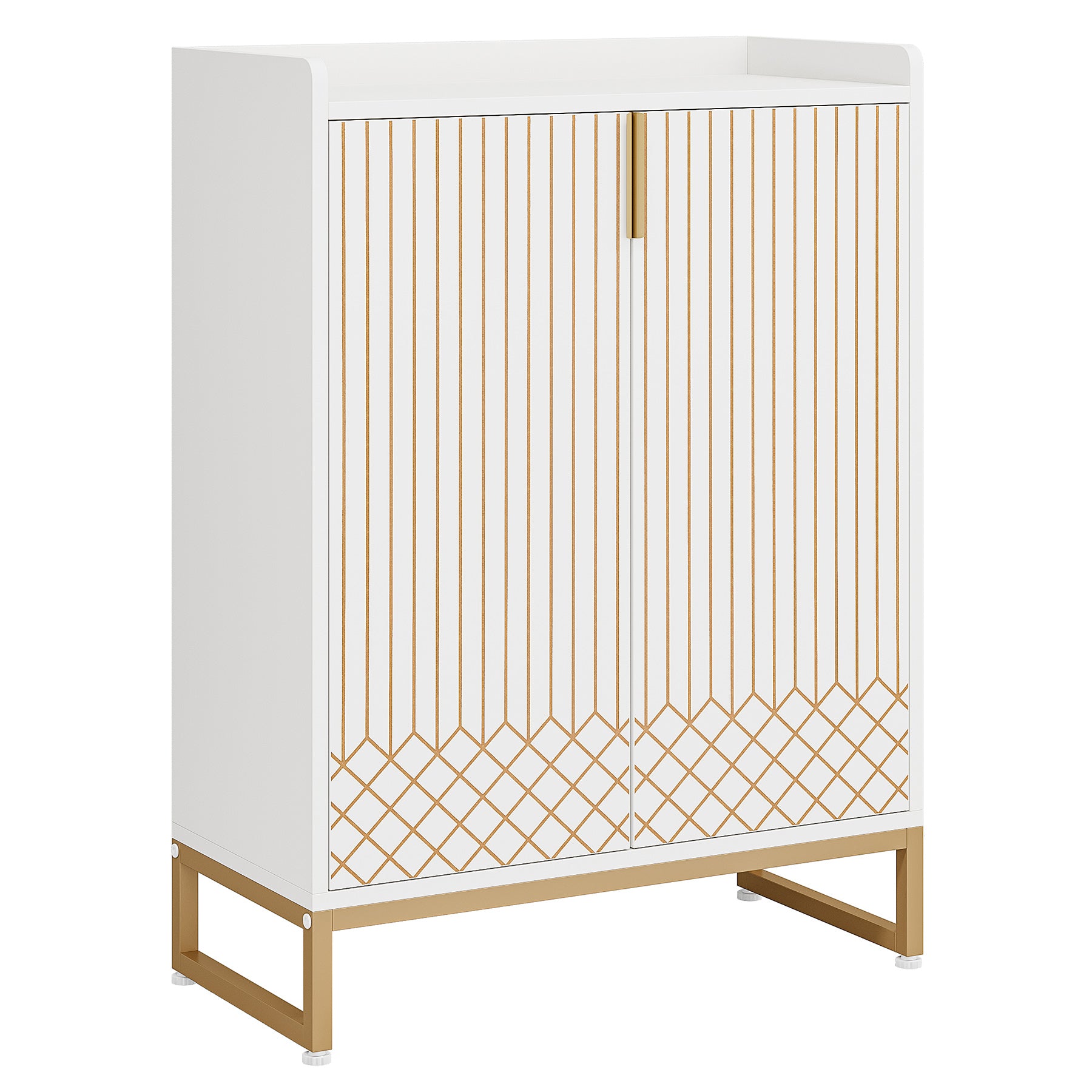
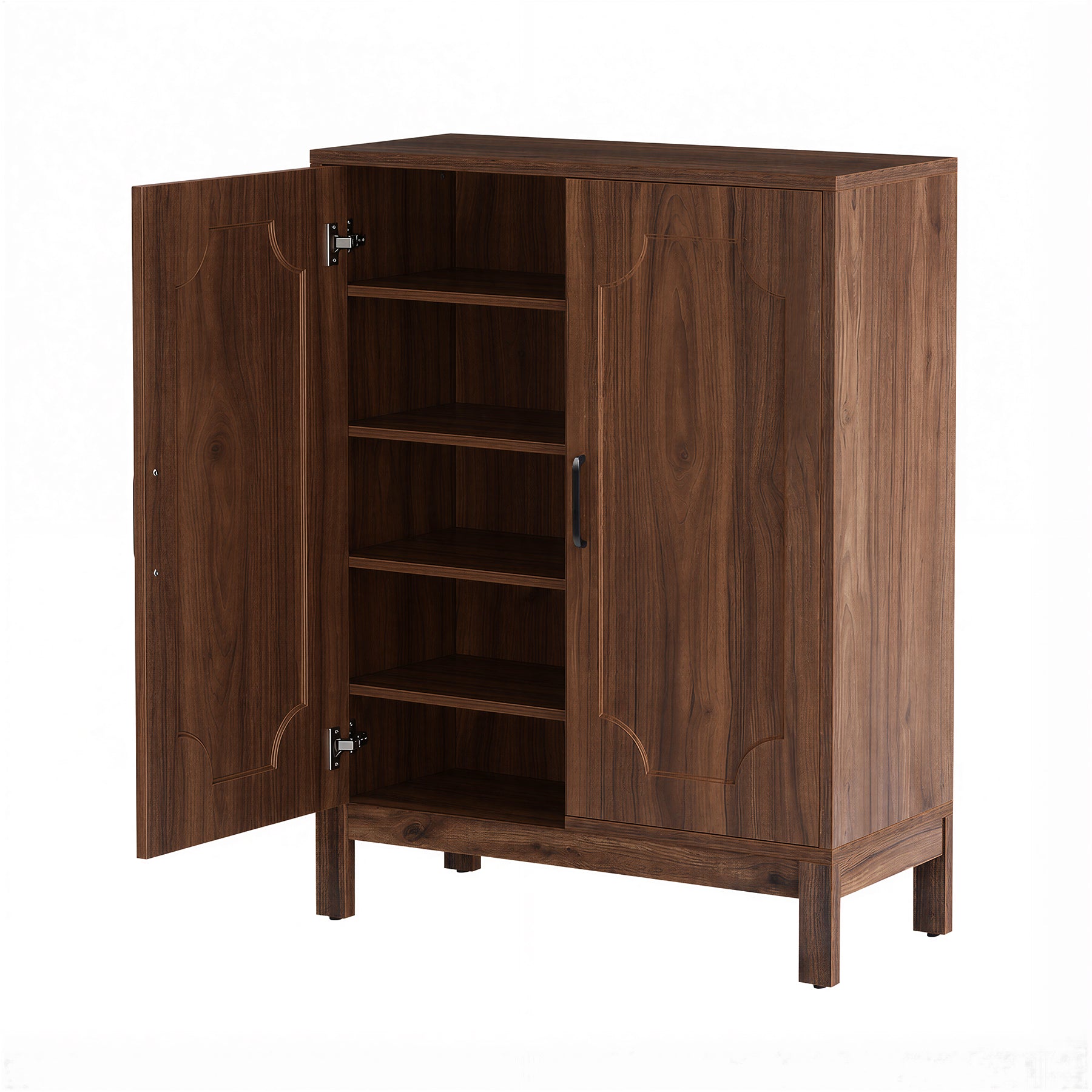
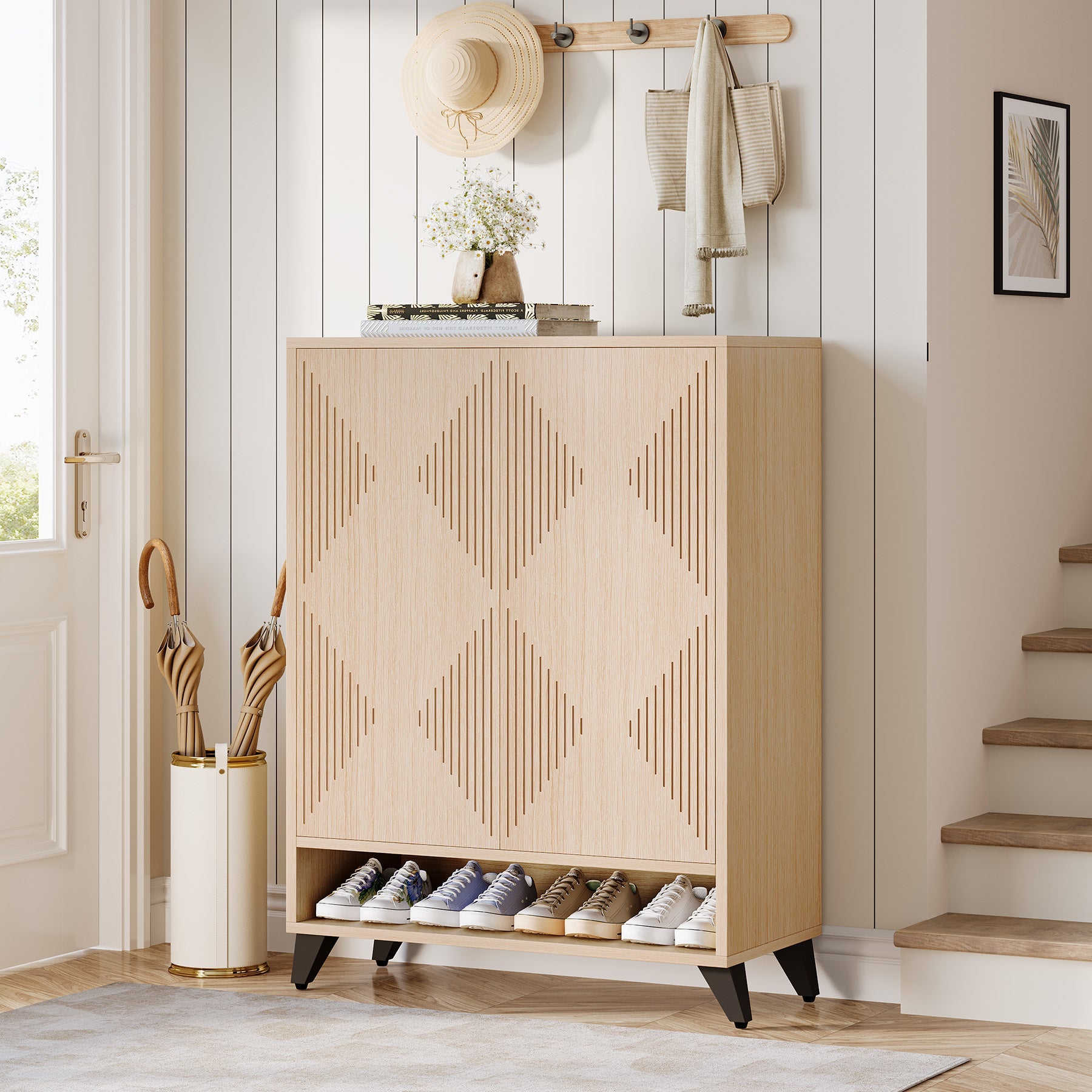
A shoe cabinet is an enclosed storage unit designed to organize footwear behind doors or panels. Compared with an open shoe rack, it helps reduce visible clutter and protects shoes from dust while creating a cleaner look in an entryway, hallway or bedroom.
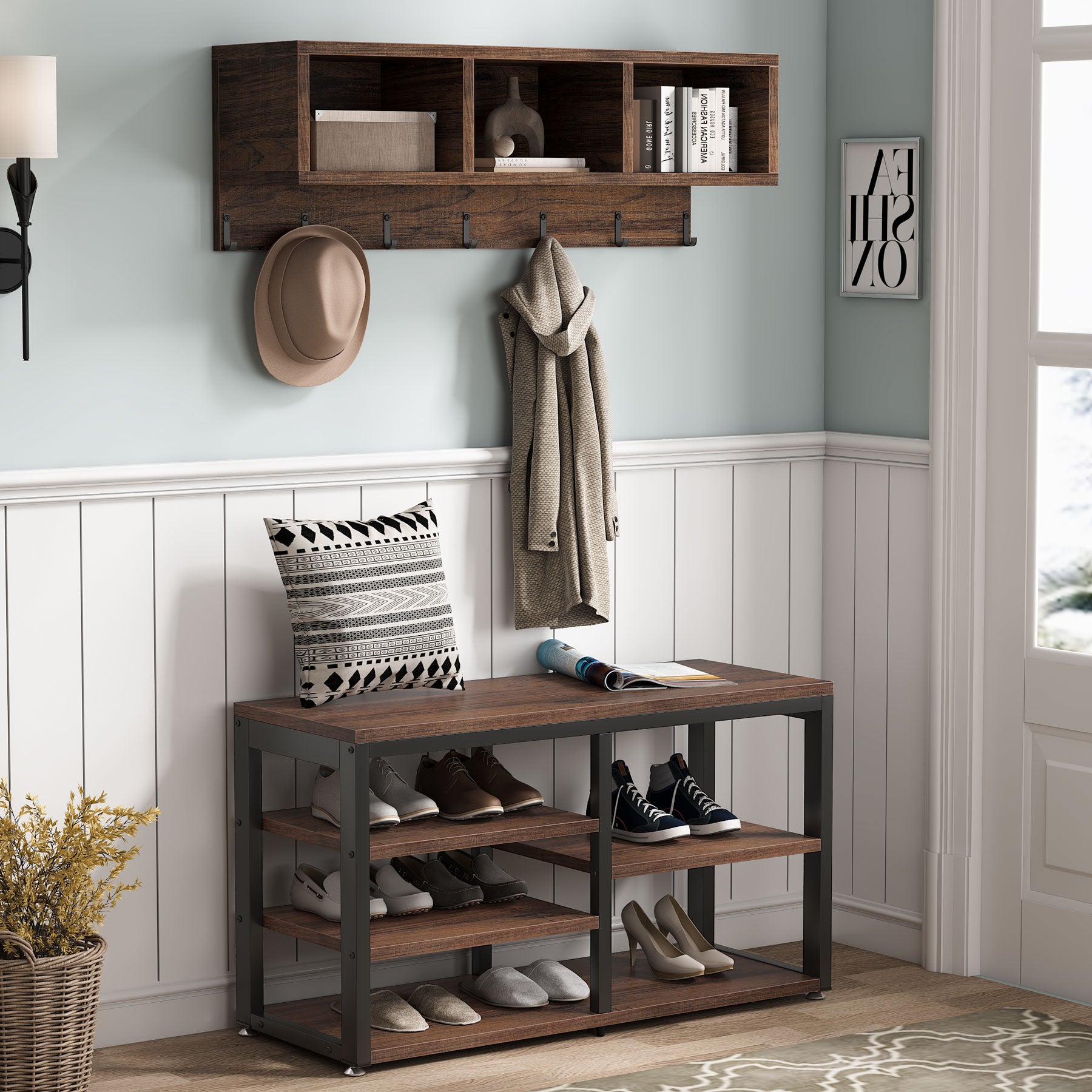
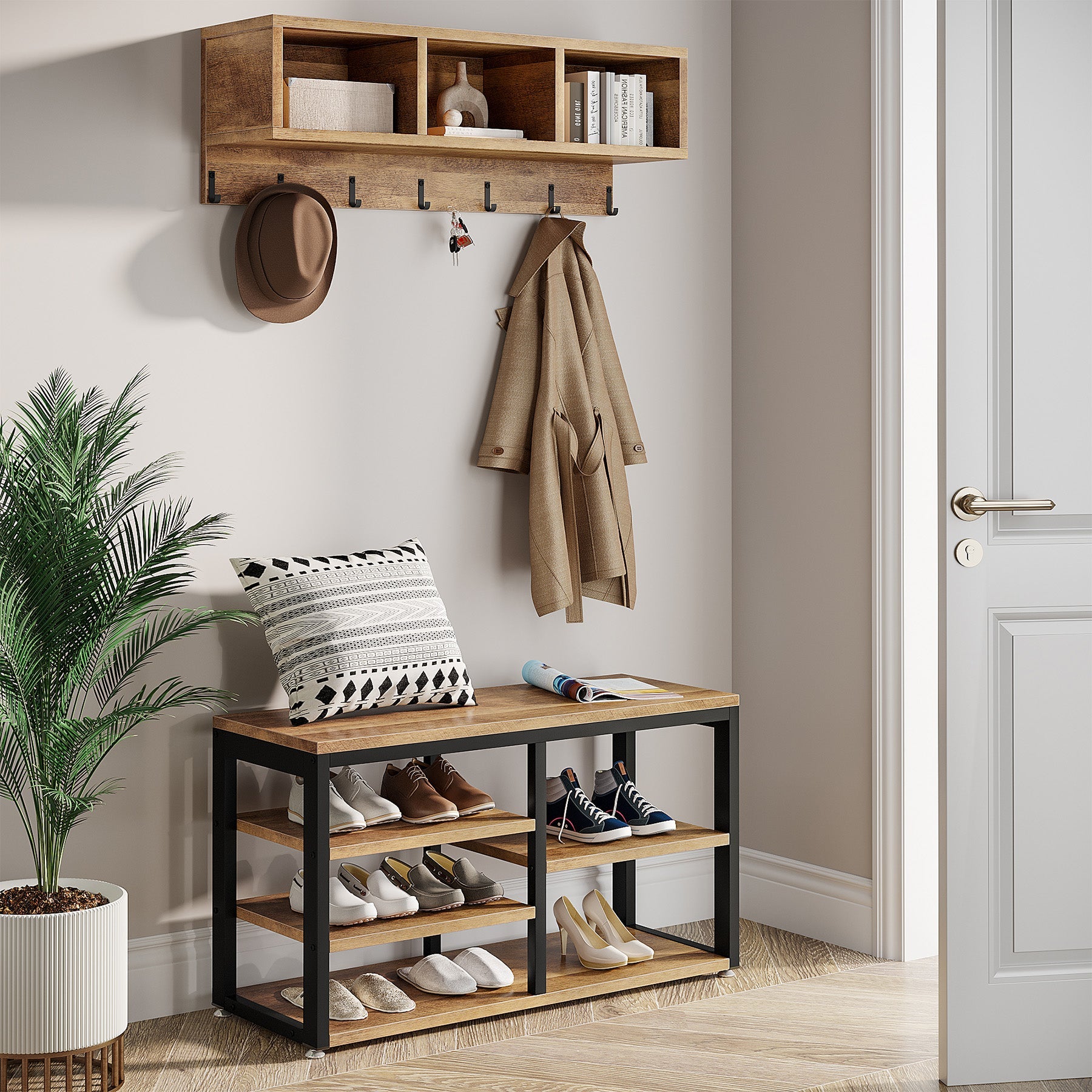
A shoe cabinet typically features doors and enclosed compartments, while a shoe rack usually uses open shelves. Shoe cabinets provide a tidier appearance and greater dust protection, whereas open racks offer faster access and better airflow.
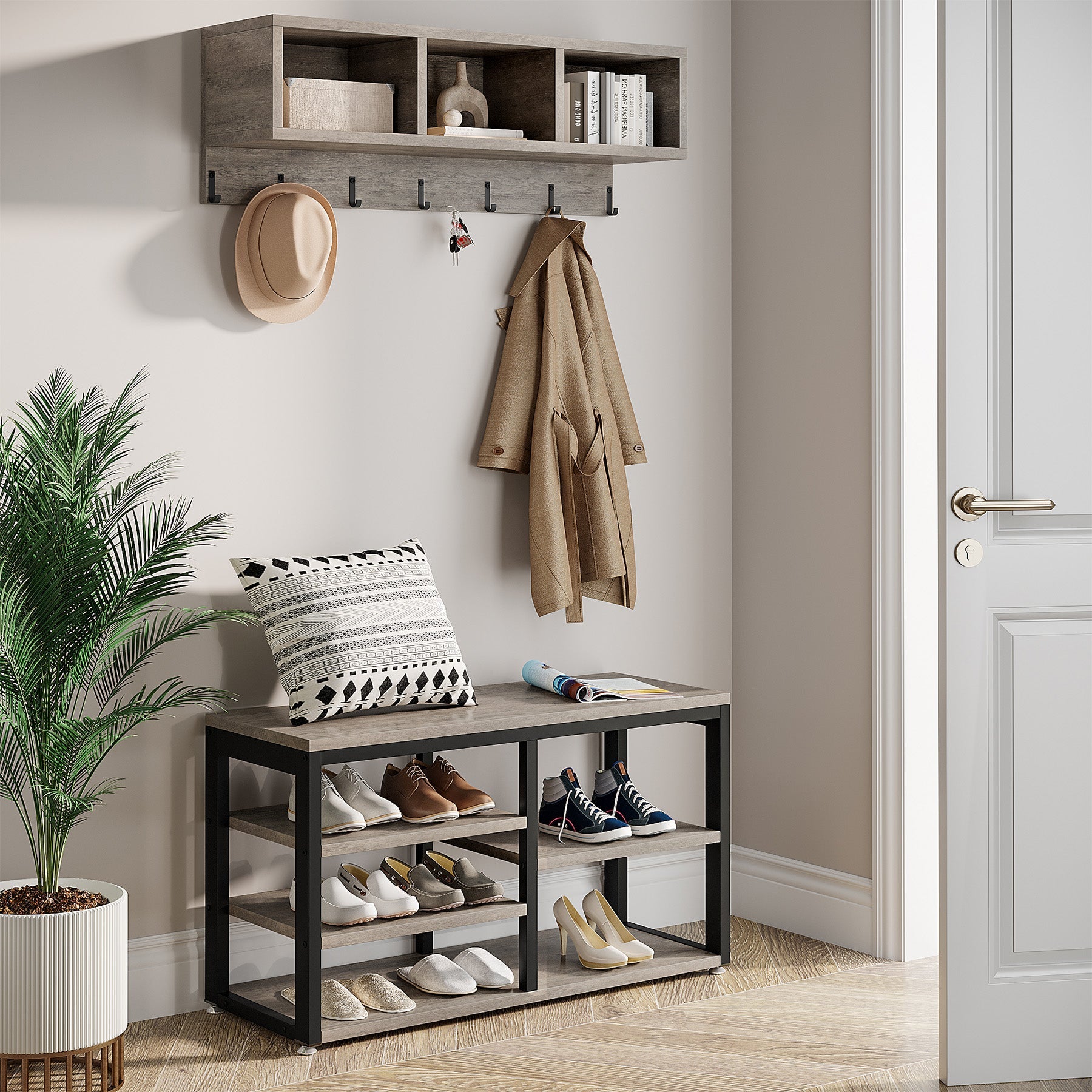
An entryway shoe cabinet is convenient for storing frequently worn footwear near the door. Shoe cabinets also work well in hallways, bedrooms, closets, and mudrooms. Before choosing one, measure the available width, depth, and height to ensure a comfortable fit.
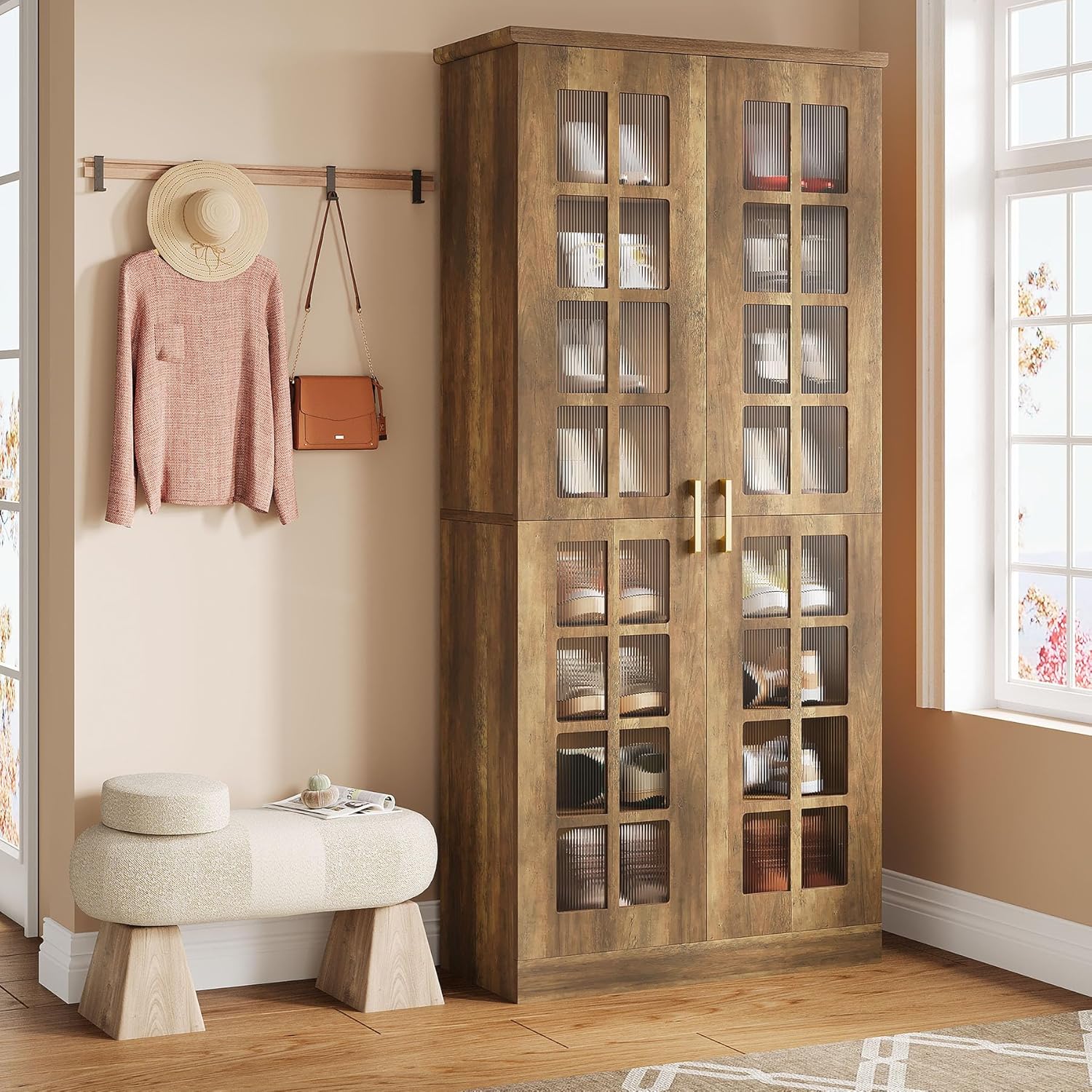
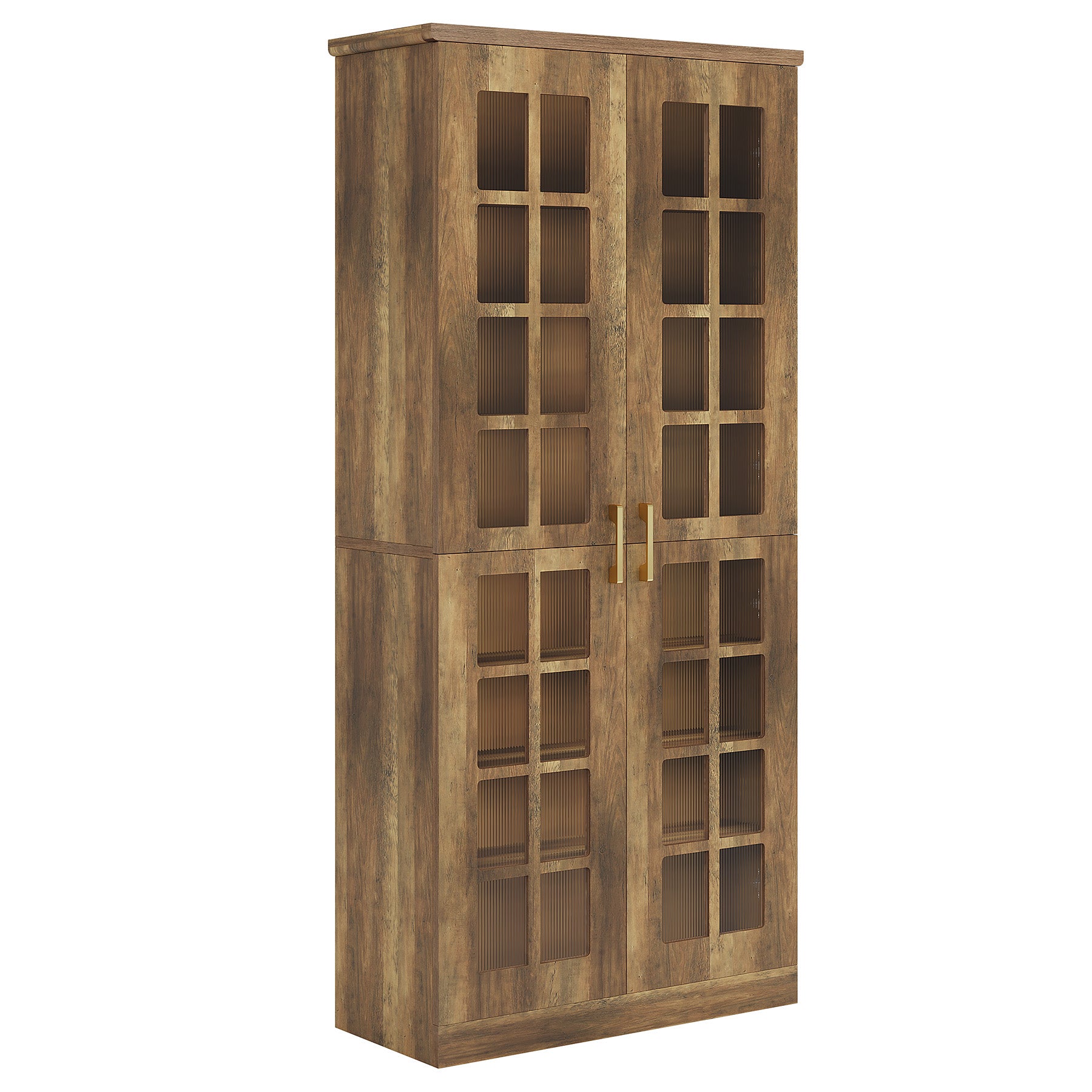
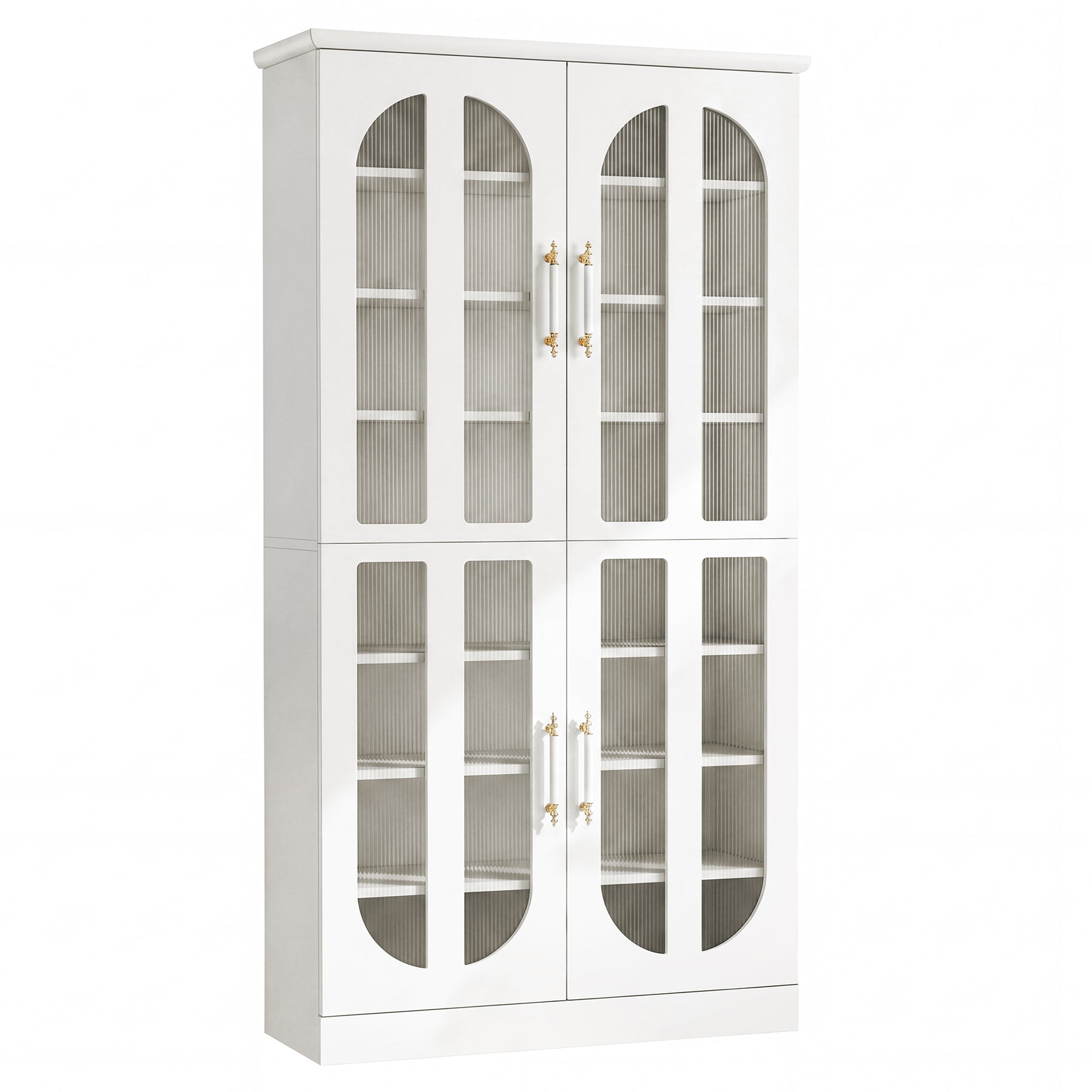
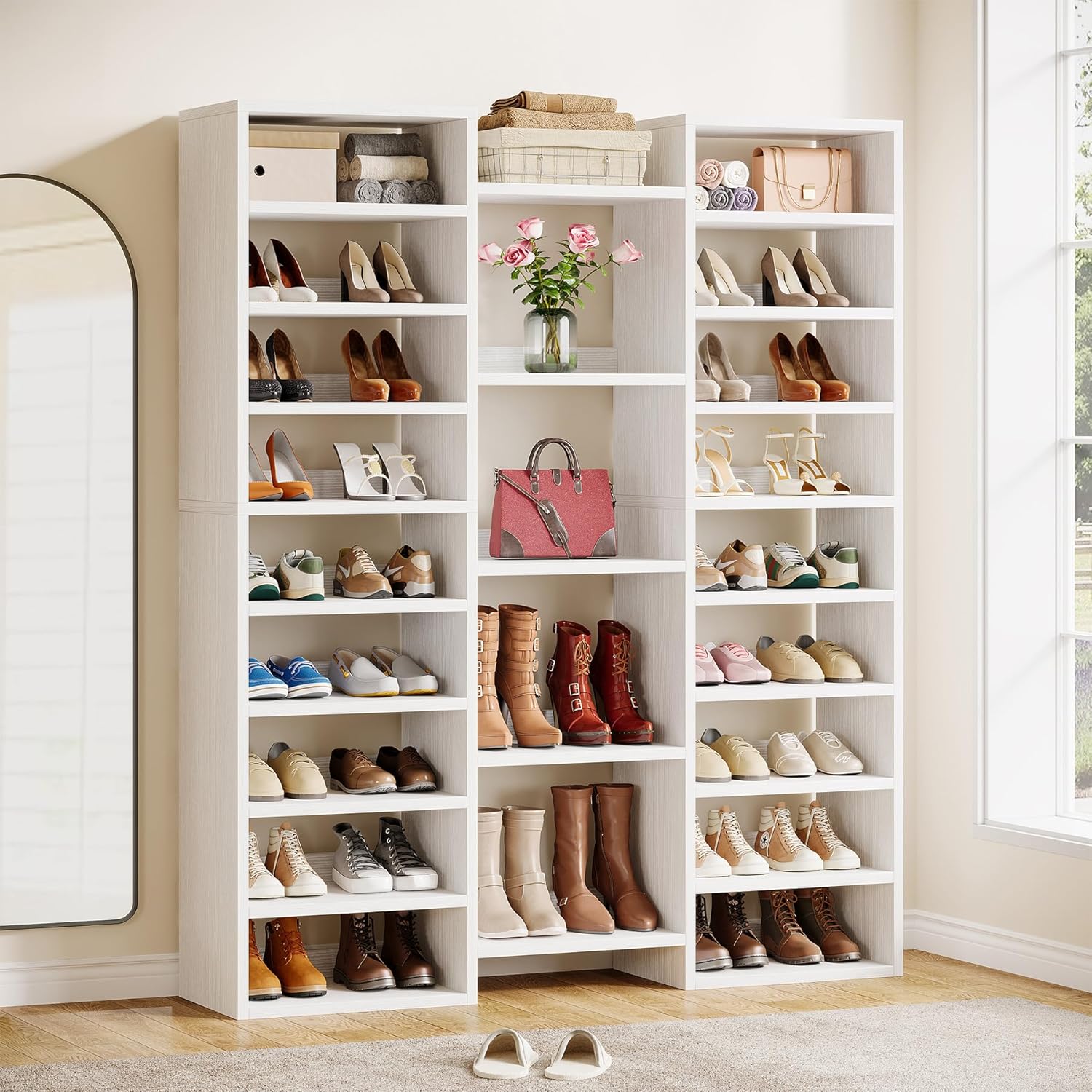
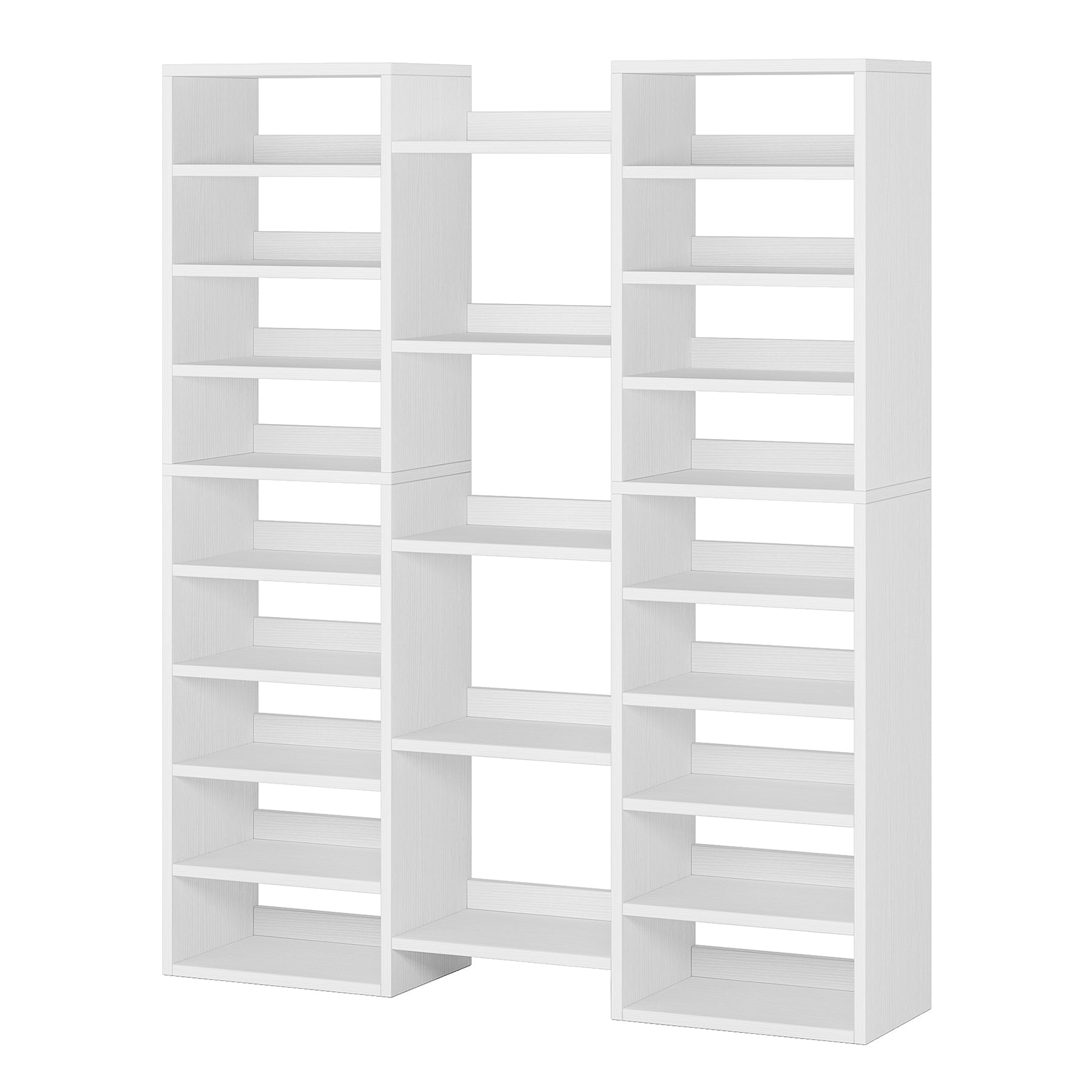
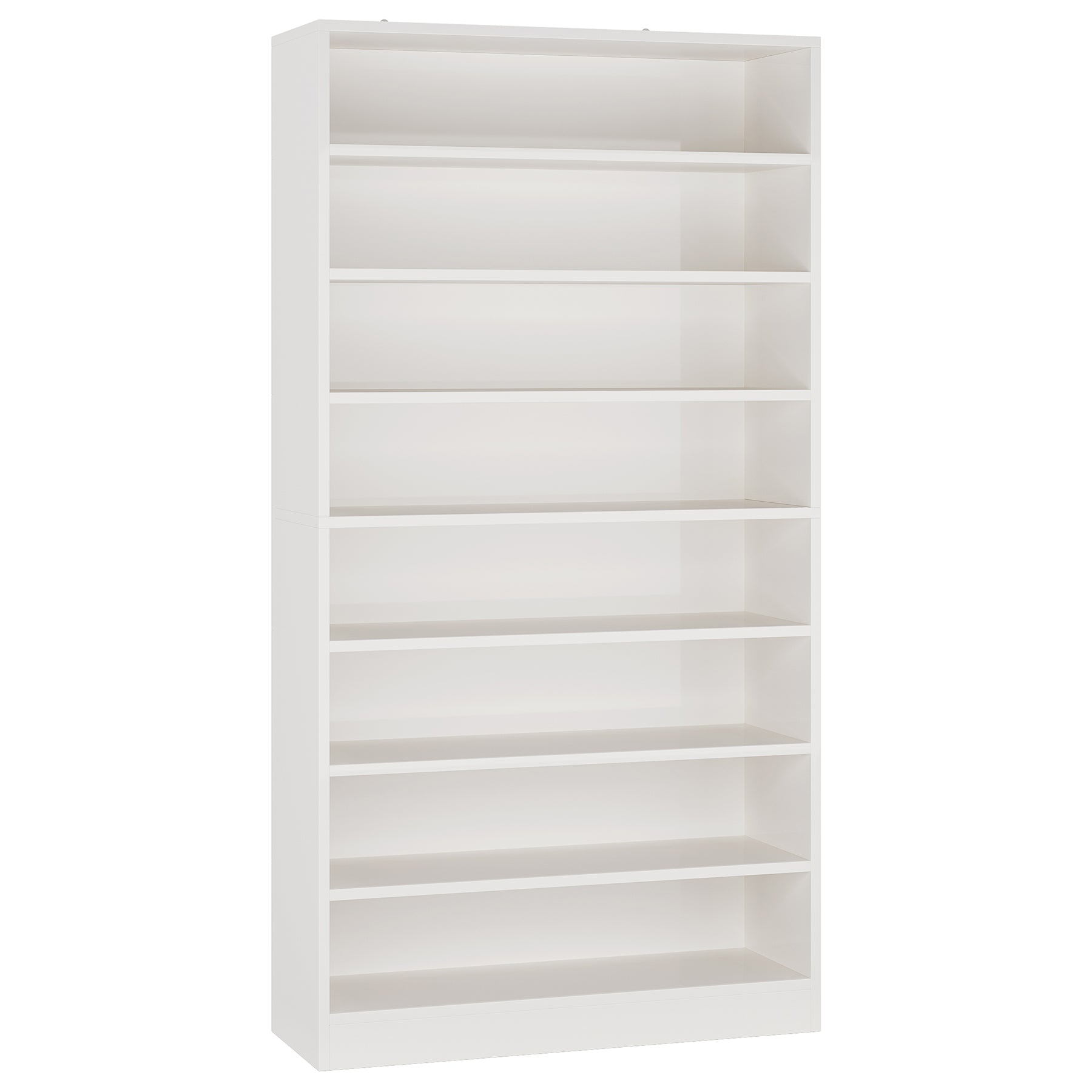
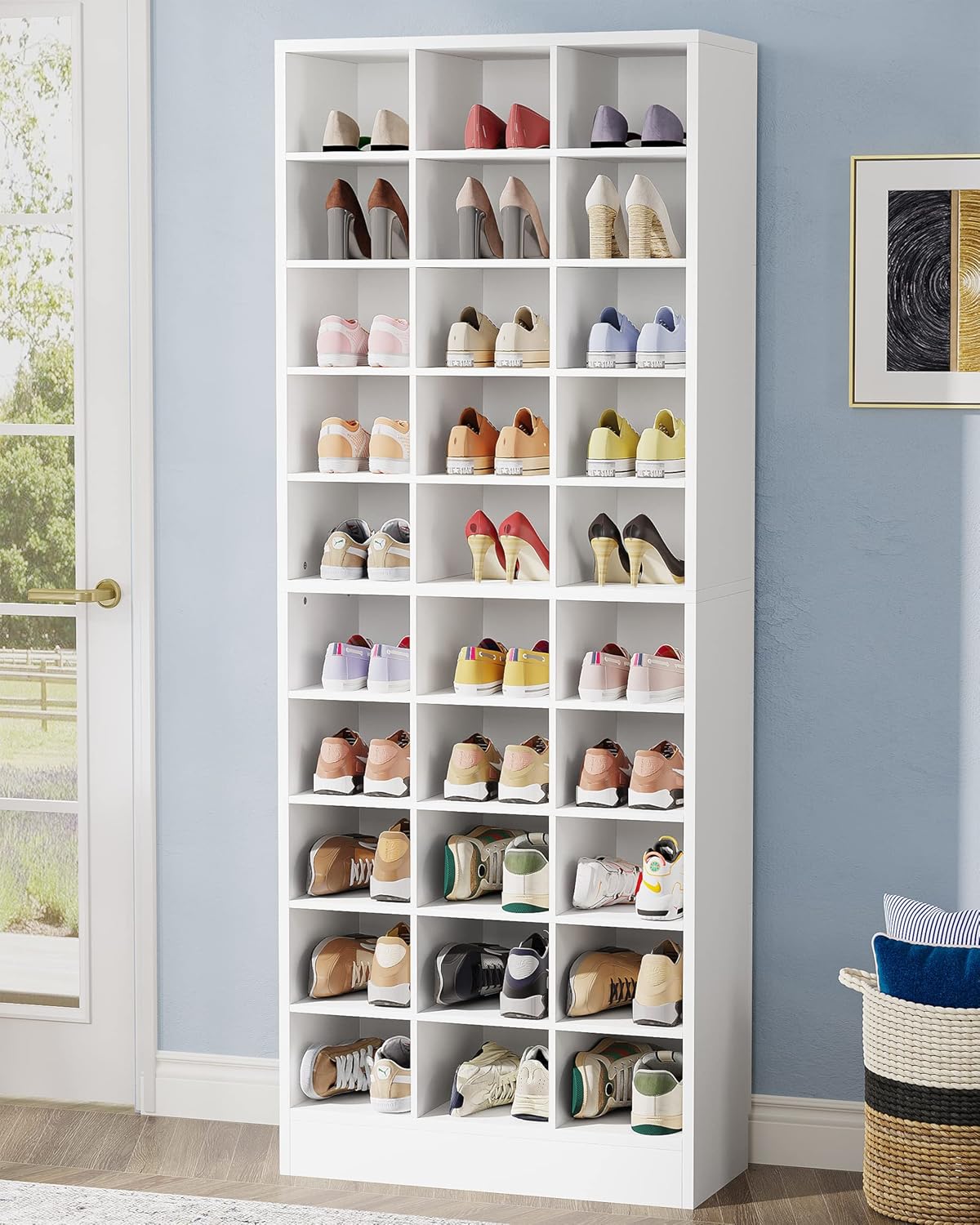
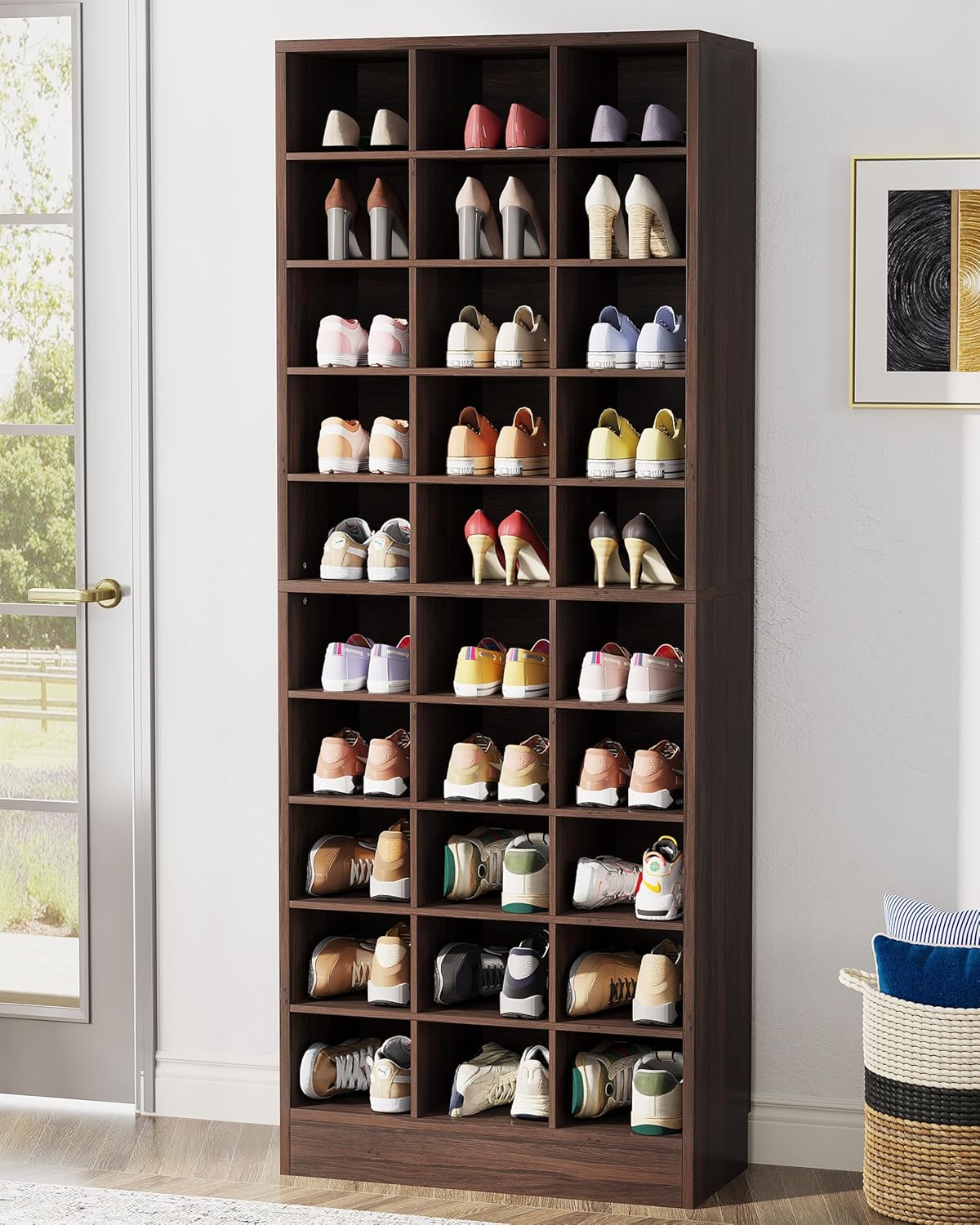
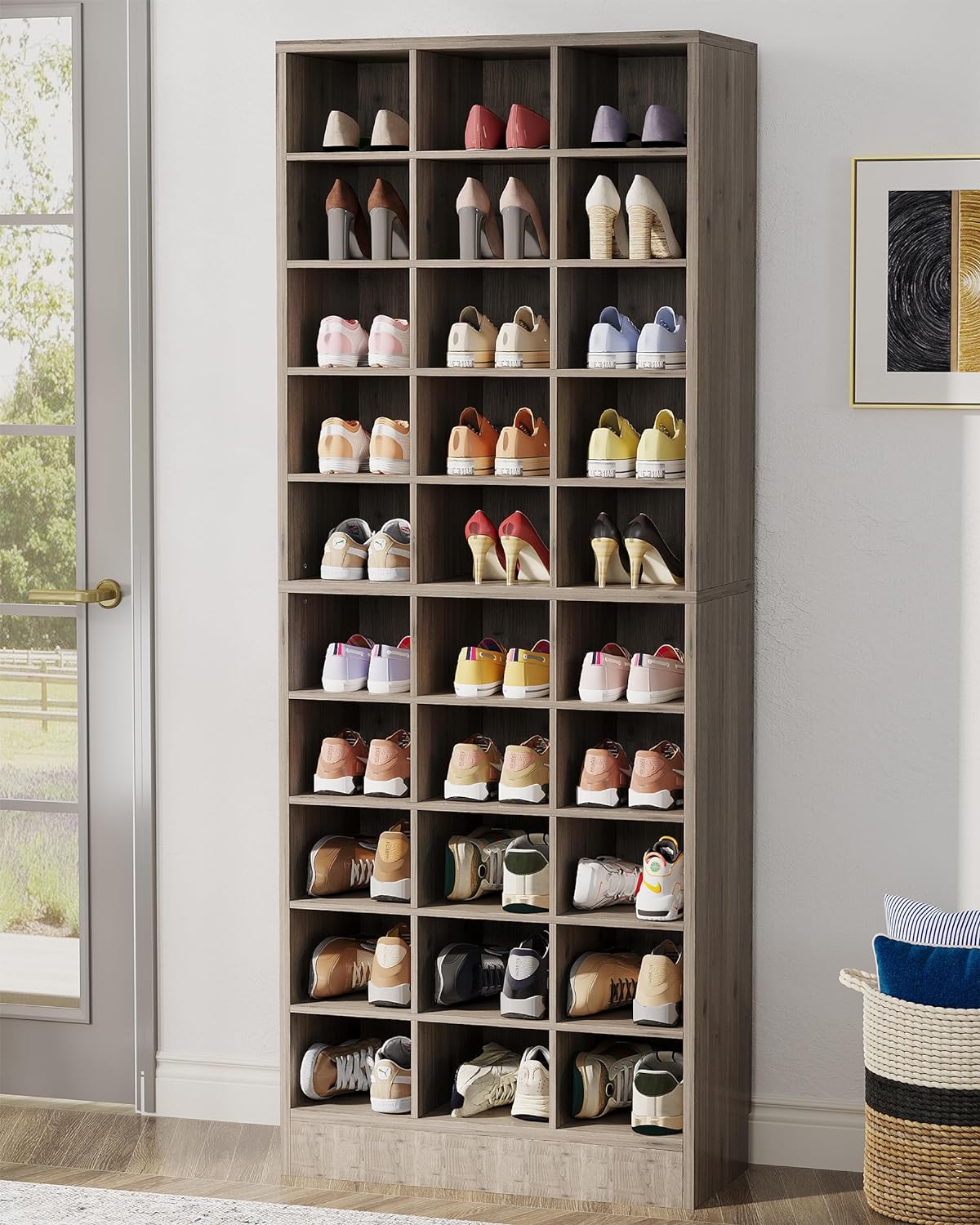
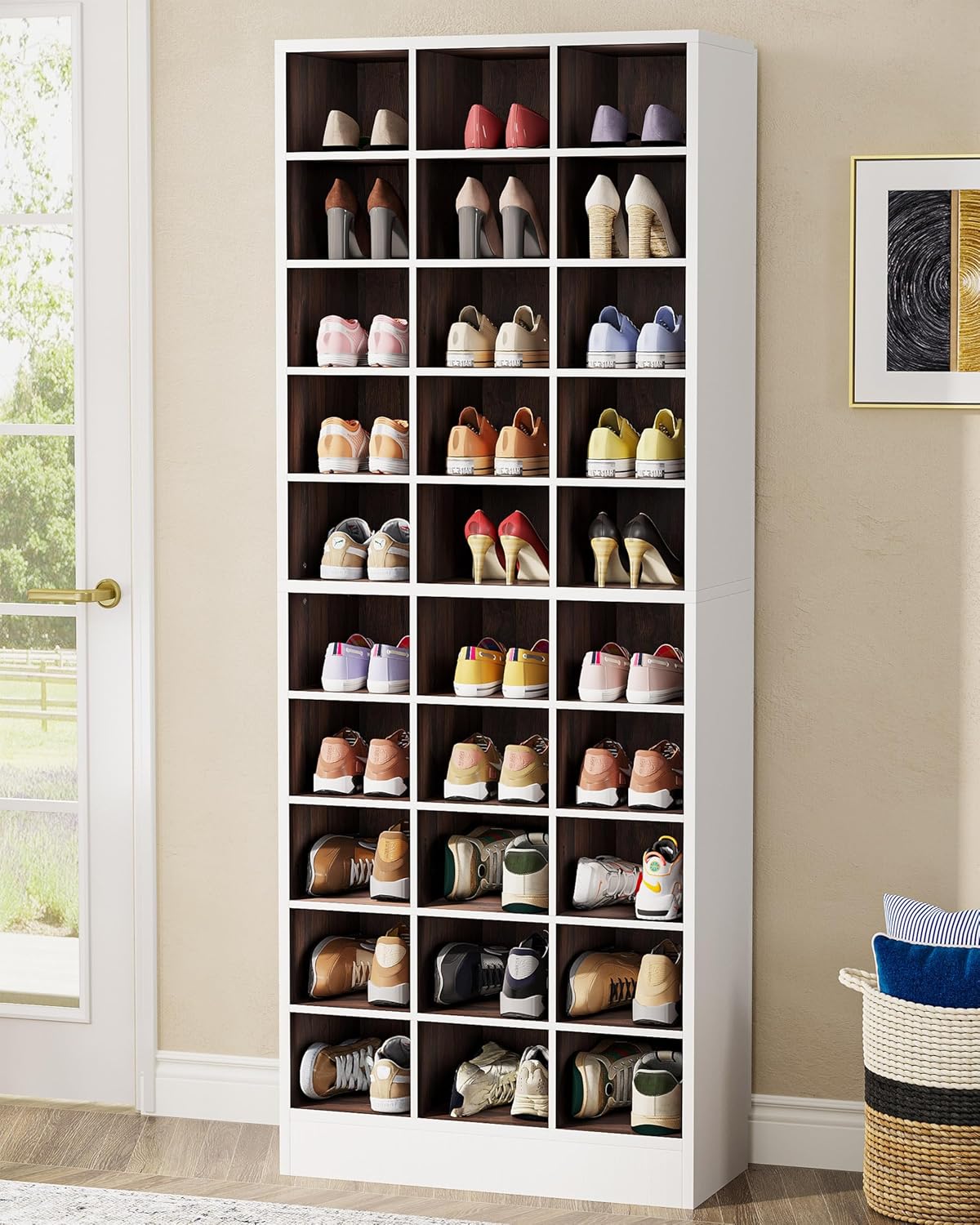
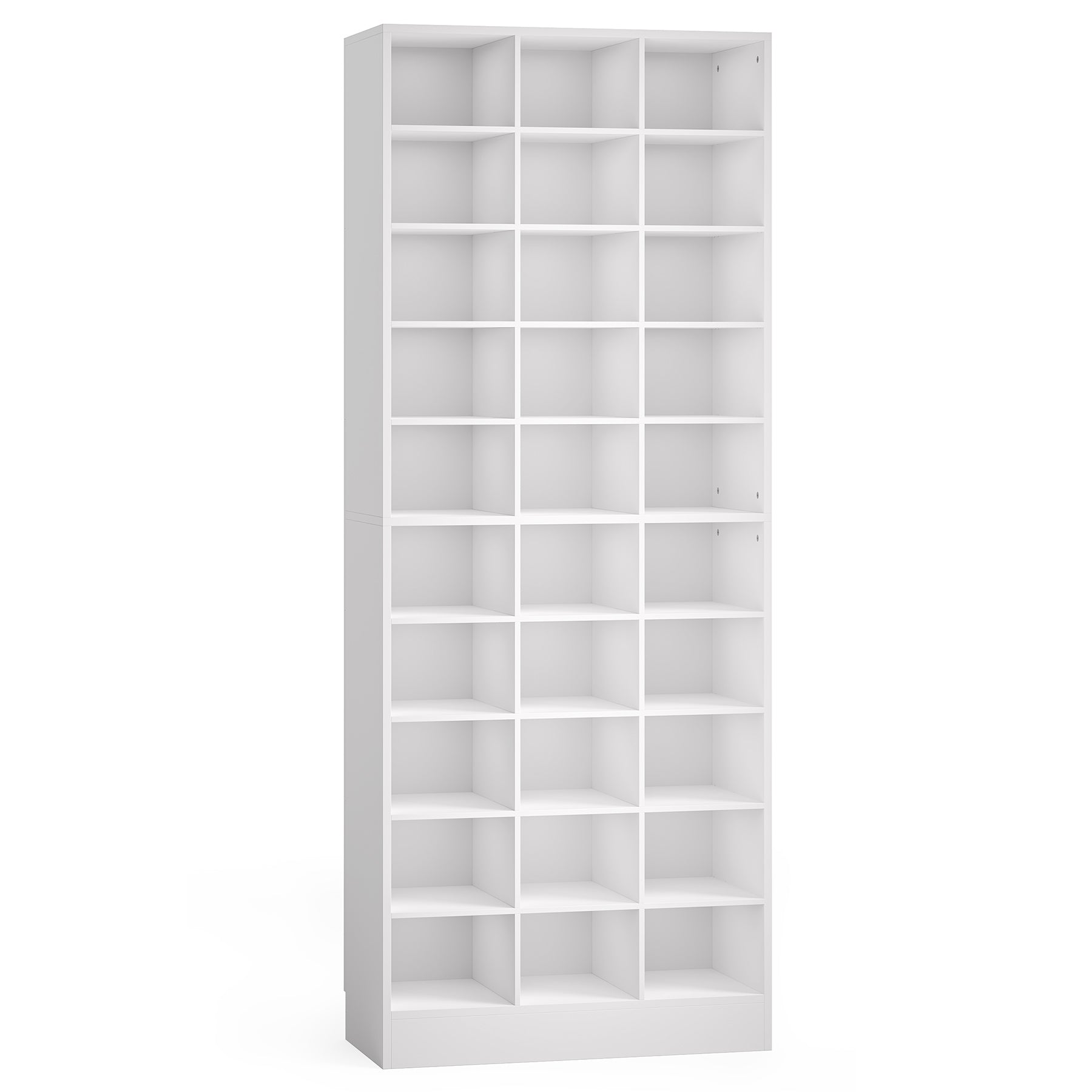
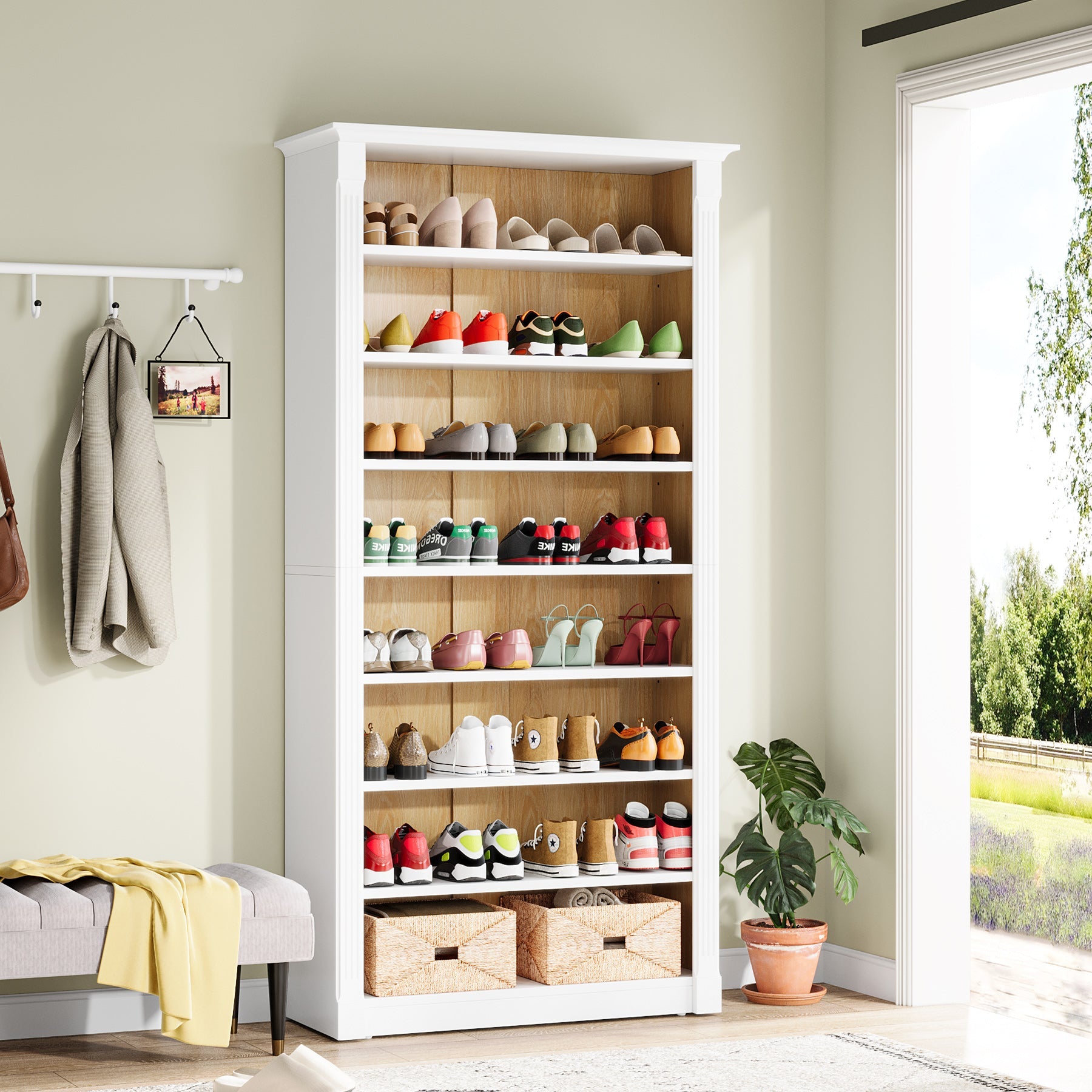
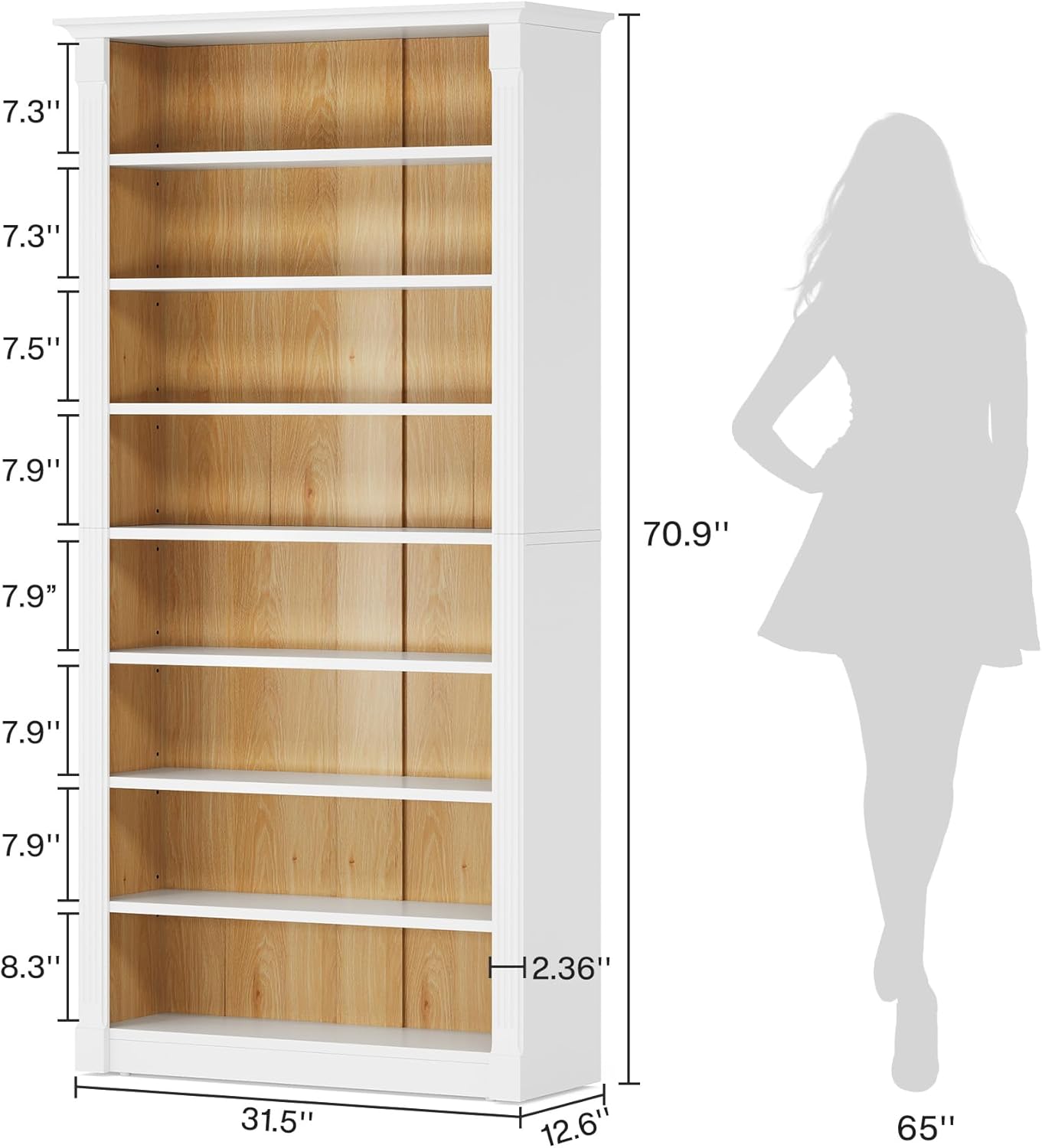
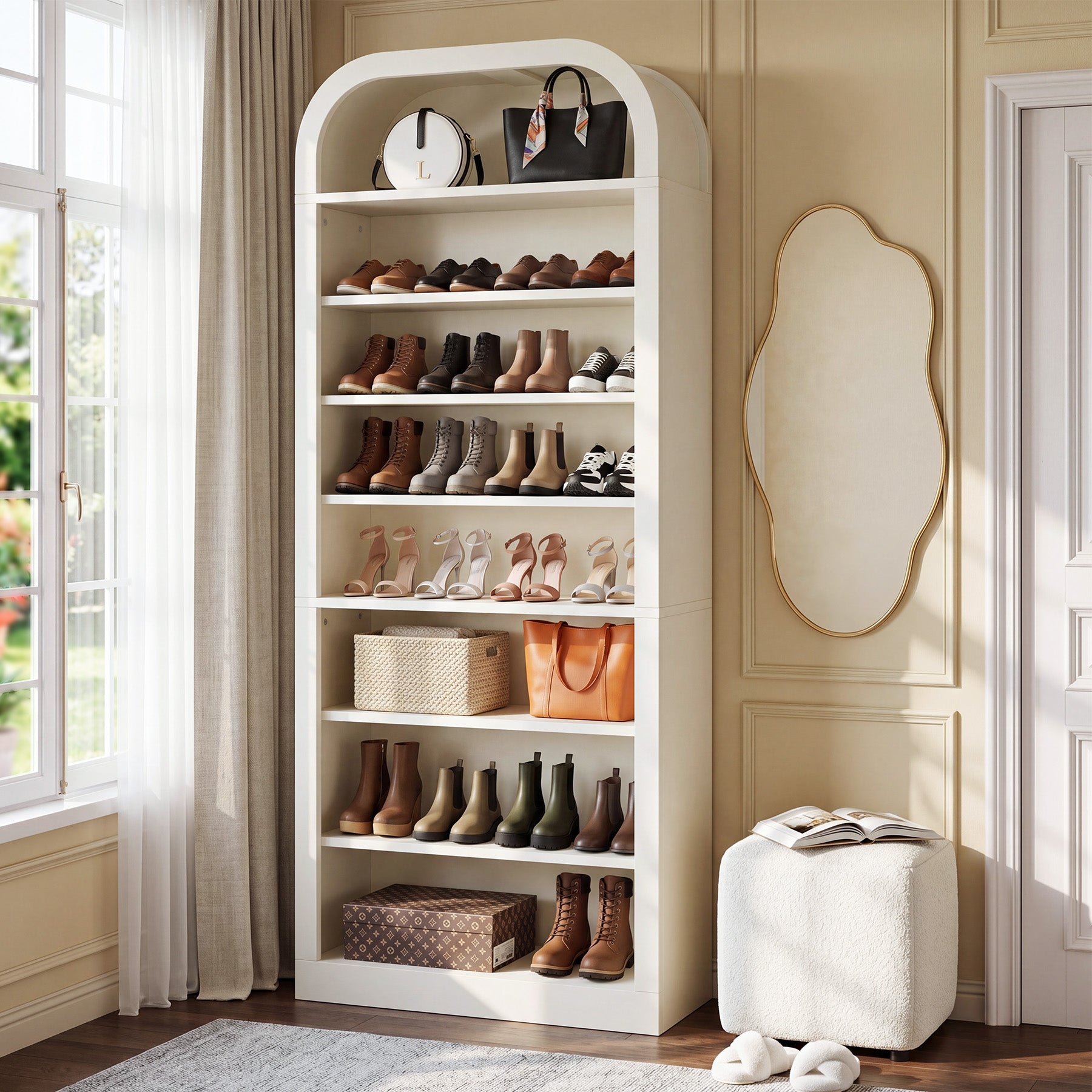
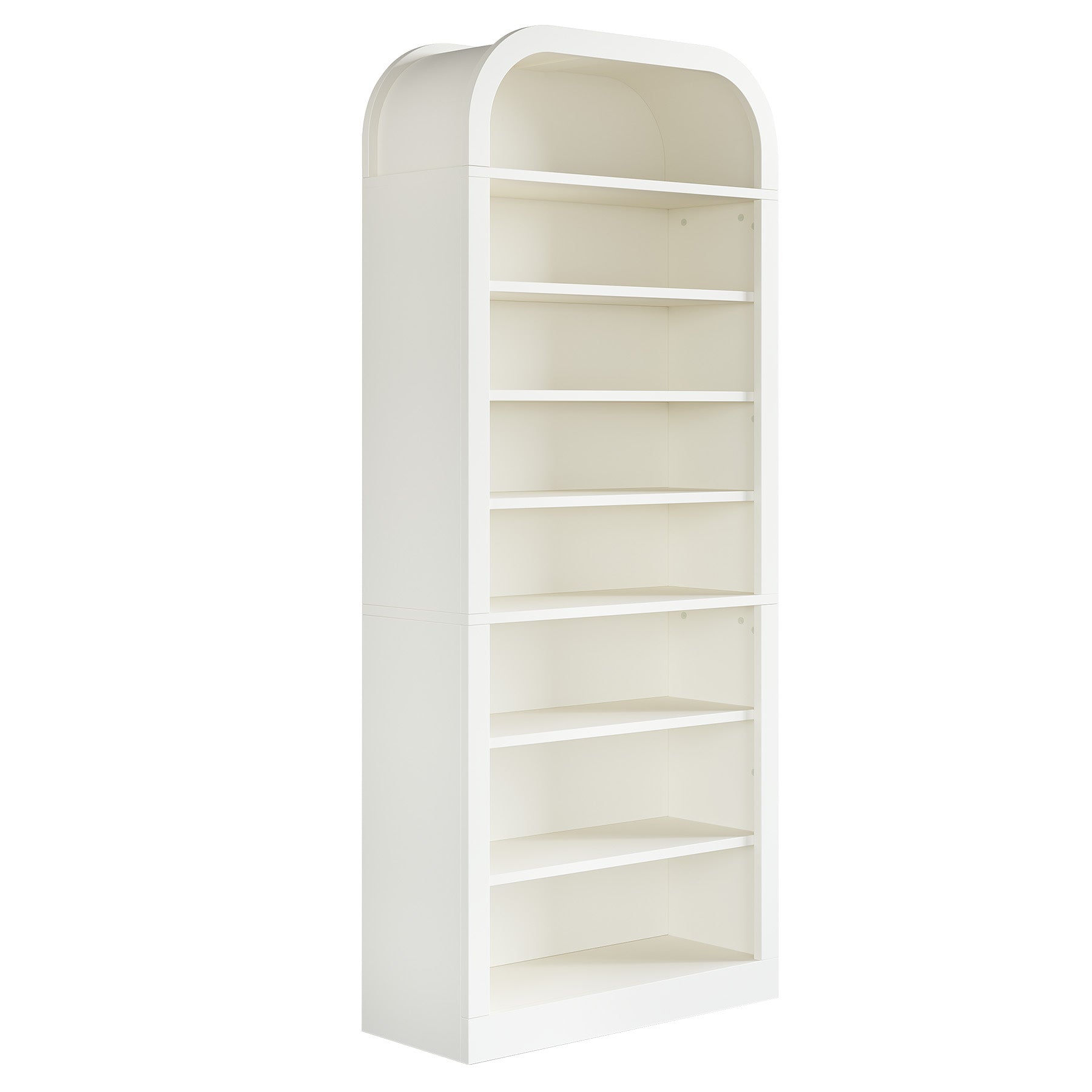
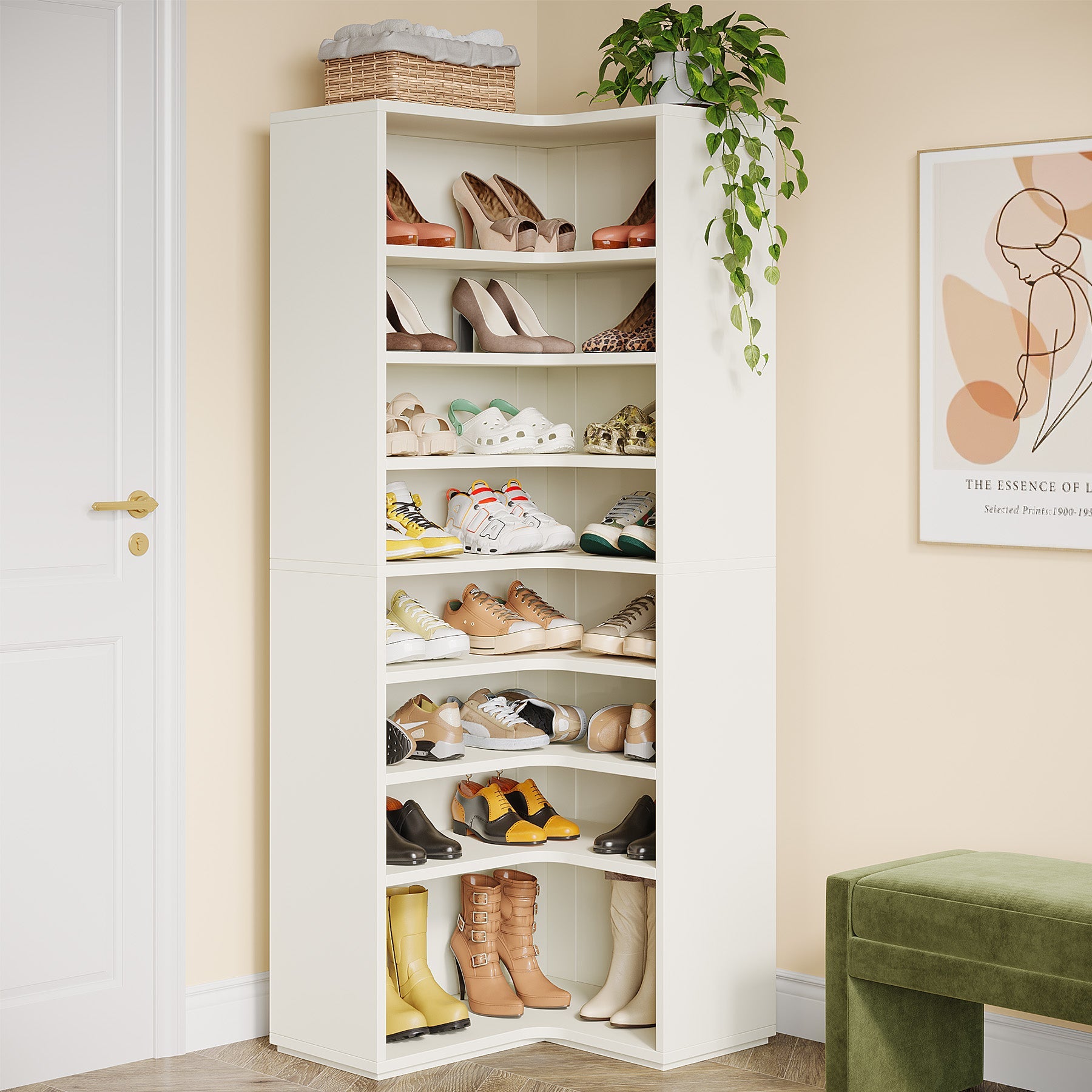
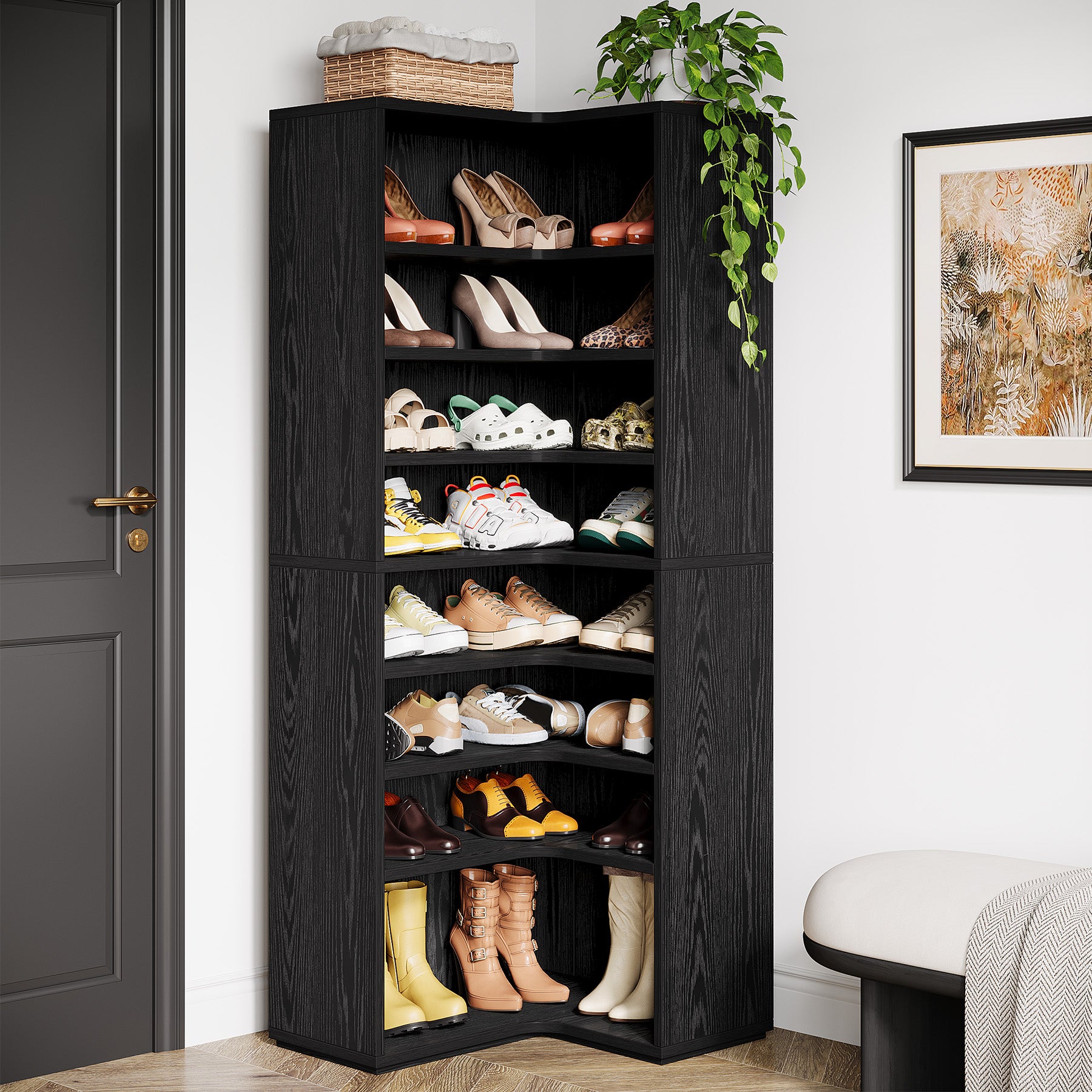
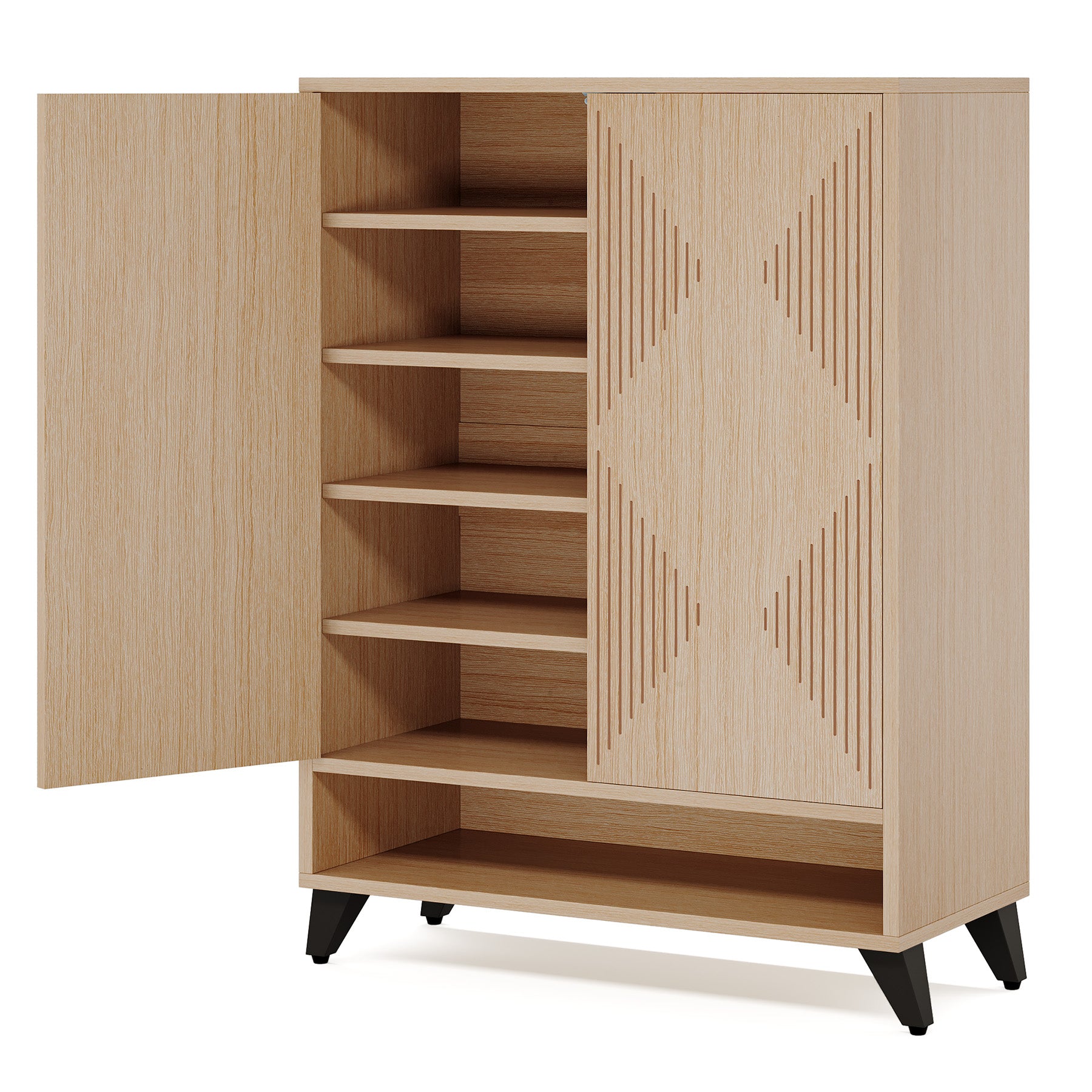
Consider the cabinet dimensions, storage capacity, door clearance, and shelf configuration. A taller shoe cabinet makes better use of vertical space, while a wider design may be easier for larger households. Adjustable shelves are useful for storing different shoe heights.
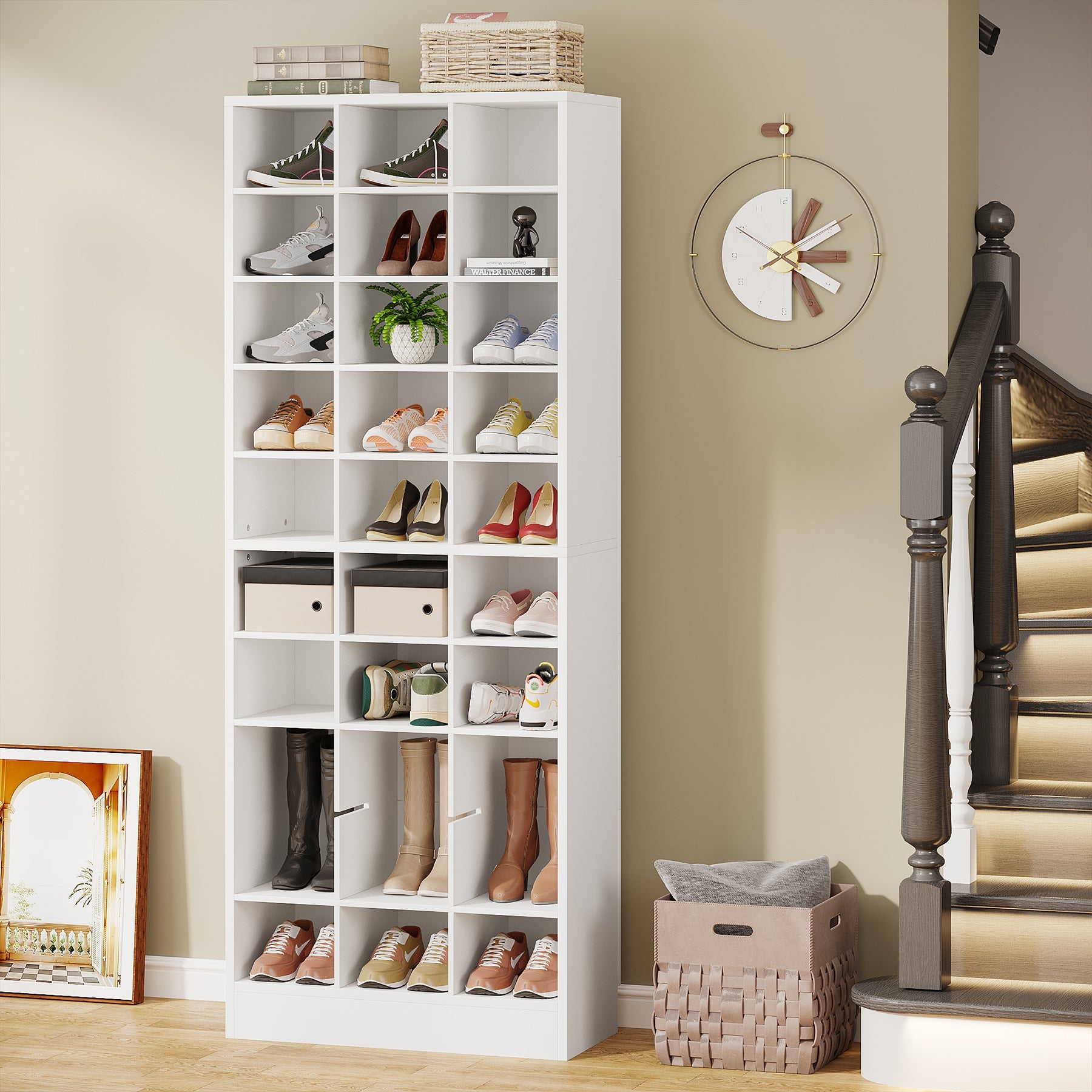
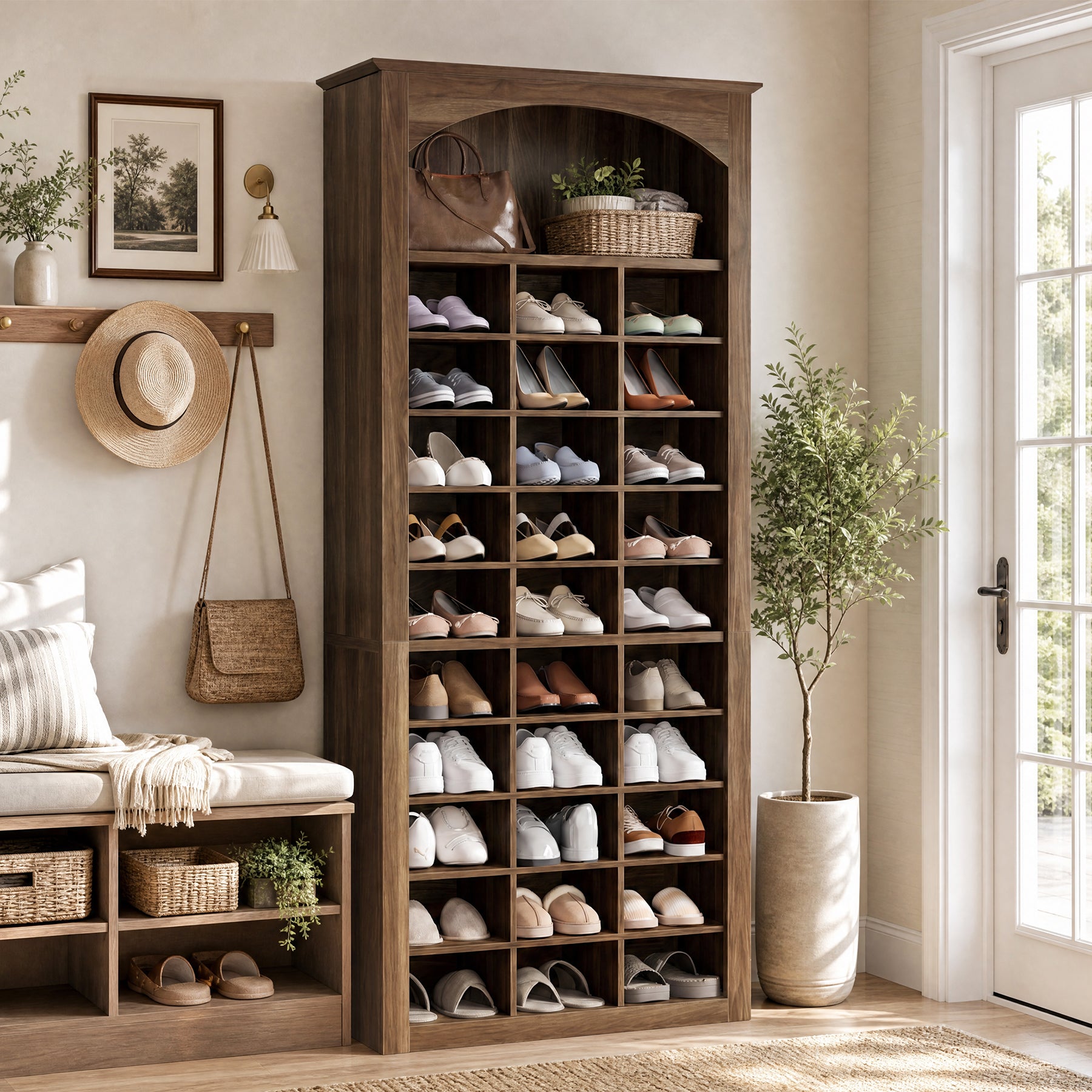
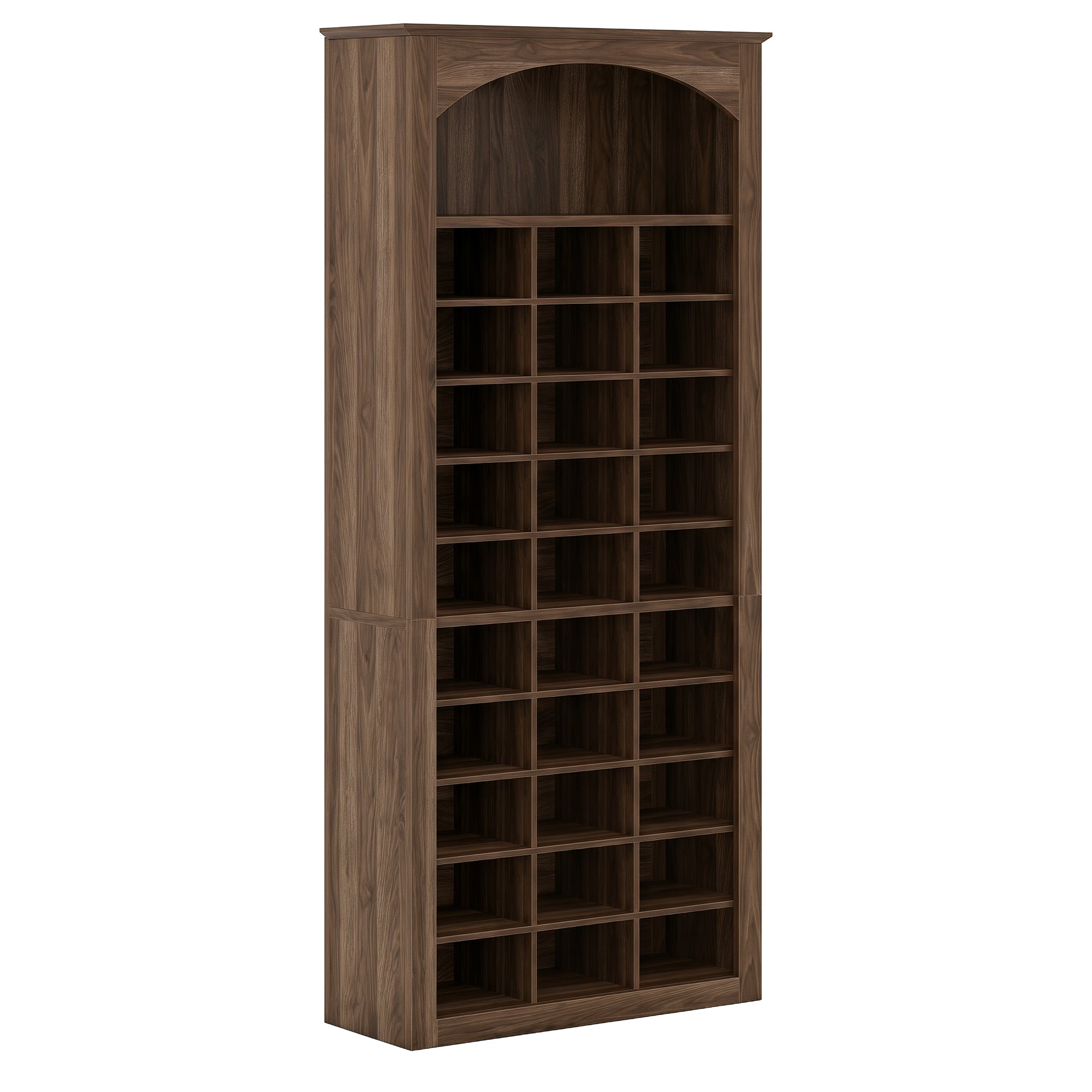
Capacity varies according to cabinet size, shelf spacing, and shoe type. Compact cabinets may hold fewer than 20 pairs, while tall multi-tier shoe cabinets may hold 30 to 40 pairs or more. Larger footwear usually takes up more shelf space than flats or low-profile shoes.
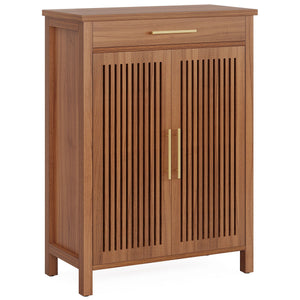
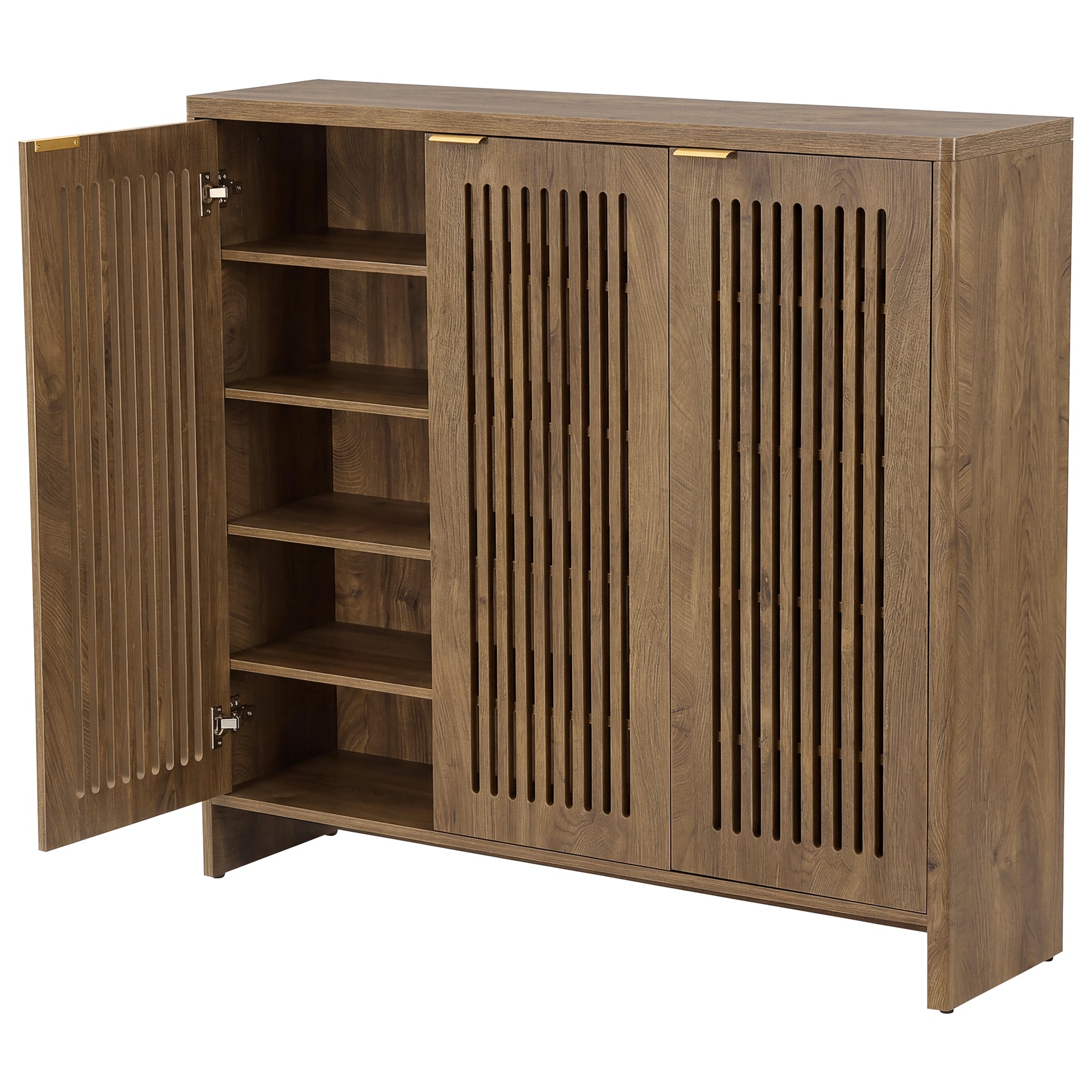
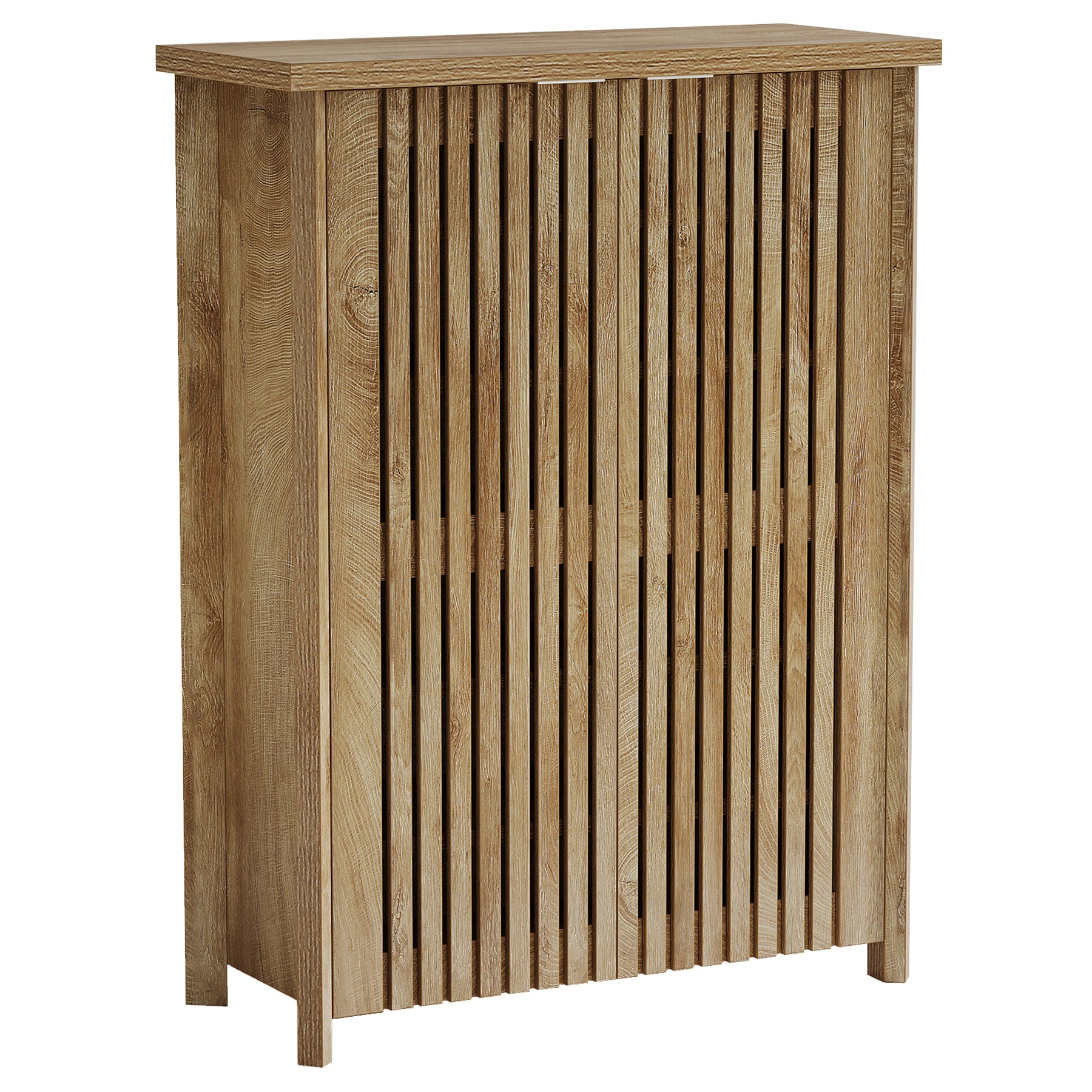
Enclosed shoe cabinets help reduce dust exposure and keep footwear out of sight. However, protection may vary depending on the door design and ventilation openings. Louvered or partially open doors provide more airflow while still concealing most of the shoes.
Adjustable shelves make it easier to accommodate sneakers, heels, ankle boots, and other footwear of different heights. They also allow the interior layout to be changed as your collection or storage needs evolve.
Tall or narrow shoe cabinets should be used with the included anti-tip hardware when provided. Securing the cabinet to the wall can improve stability, especially in homes with children or pets. Always follow the assembly and safety instructions supplied with the product.