








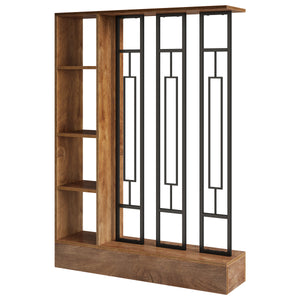


Eco-friendly furniture is an investment in your lifestyle, your health, and, increasingly, your planet. Let's understand what eco-friendly furniture is and why it's important.
Defining Eco-Friendly Furniture
At its core, eco-friendly furniture (also called sustainable or green furniture) refers to products created with minimal negative impact on the environment. That means carefully choosing raw materials, reducing harmful chemicals, and designing for durability.

But there’s more nuance. Eco-friendly furniture also considers:
- Where materials come from — responsibly managed forests, recycled metals, or renewable resources like bamboo.
- How it’s made — fair labor practices, energy-efficient production, and reduced waste.
- How long it lasts — built to serve for decades, not just seasons.
- What happens after use — can it be repaired, reused, or recycled?
This holistic view is what separates genuine sustainable furniture from mass-produced, short-lived alternatives.
What Are Sustainable Furniture Materials?
Wood remains the backbone of furniture design, but sourcing matters. Certifications like FSC (Forest Stewardship Council) or PEFC ensure the lumber comes from responsibly managed forests. Even better, reclaimed wood from barns, shipping pallets, or deconstructed buildings gives old timber a new life — reducing demand for fresh logging.
Bamboo
Technically a grass, bamboo grows quickly, regenerates without replanting, and absorbs carbon at impressive rates. It’s lightweight yet strong, making it ideal for chairs, shelving, and flooring.
Cork
Harvested from the bark of cork oak trees without harming the tree itself, cork is renewable, durable, and naturally resistant to moisture. It works beautifully for tabletops, flooring, and even upholstery padding.
Rattan and Wicker
Popular for outdoor and boho-inspired furniture, rattan is renewable when harvested responsibly. Its lightweight yet sturdy properties make it a sustainable choice with a long tradition.
Sustainability isn’t only about what we grow — it’s also about what we reuse. Recycling and upcycling extend the life of materials that might otherwise end up in landfills.
Recycled and Reclaimed Wood
Beyond new sustainable lumber, reclaimed wood keeps beautiful materials in circulation. Each piece tells a story, from weathered barn beams to old flooring.
Recycled Metal (Aluminum, Steel, Iron)
Metal production is energy-intensive, but recycled metal drastically reduces that footprint. Strong, sleek, and endlessly recyclable, it’s a modern sustainable option.
Recycled Plastics
Plastic waste is one of the planet’s biggest problems. Transforming it into furniture diverts it from oceans and landfills while creating durable, weather-resistant products — often used in outdoor chairs and decking.
Glass
From tabletops to decorative accents, recycled glass adds a contemporary look while being 100% recyclable itself.
Upcycled & Repurposed Materials
Sometimes sustainability is about creativity. Designers are increasingly turning old doors into headboards, pallets into coffee tables, and industrial scraps into statement pieces. The result? One-of-a-kind furniture that saves resources and sparks conversation.
Innovative & Emerging Materials
The furniture industry isn’t standing still. Cutting-edge research is delivering new eco-friendly materials that could change the way we furnish our homes.
Mushroom Leather (Mycelium)
Grown from the root system of fungi, this material mimics the look and feel of leather — without animals or harsh chemicals. It’s biodegradable, renewable, and already being tested in upholstery.
Algae-Based Foams
Traditional polyurethane foam is petroleum-based. Algae-based foams offer a plant-based alternative for cushions and mattresses, reducing reliance on fossil fuels.
Plant-Based Composites
Agricultural byproducts like rice husks, coconut shells, or hemp fibers can be transformed into durable composites for furniture panels and surfaces.
Recycled Textiles & New Fibers
Upholstery is evolving with fabrics made from recycled PET bottles, reclaimed cotton, and wool. Newcomers like Lyocell/Tencel, produced from sustainably harvested wood pulp, are breathable, biodegradable, and luxurious to the touch.
Healthy Finishes & Coatings
Even the greenest material can lose its eco-friendly edge if coated in toxic chemicals. That’s why sustainable furniture also emphasizes low-impact finishes:
Low-VOC or Zero-VOC Finishes: Reduce harmful indoor air pollutants.
Water-Based Stains and Adhesives: Lower emissions compared to solvent-based products.
Natural Oils and Waxes (Beeswax, Linseed Oil, Shellac): Traditional yet effective ways to protect wood without synthetic varnishes.
These not only minimize environmental harm but also make your home healthier to live in.
The Benefits of Eco-Friendly Furniture
Protects Your Health
Eco-friendly furniture’s biggest win is your health. It has no formaldehyde, heavy metals, or other toxins that trigger allergies, headaches, or breathing issues. This is critical for kids, pregnant people, and older adults—groups more sensitive to chemicals.
One of the hidden concerns in conventional furniture is VOC emissions (volatile organic compounds) from paints, glues, and finishes. These chemicals can off-gas for years, affecting indoor air quality.
- Eco-friendly furniture avoids this by using:
- Low-VOC or Zero-VOC finishes
- Water-based stains and adhesives
- Natural oils and waxes
Helps the Planet
Every eco-friendly piece reduces harm to ecosystems. Sustainable materials mean less deforestation. Green production cuts pollution. Even when the furniture is old, many eco-friendly pieces can be recycled or composted—no trash in landfills.
Saves Money Long-Term
Eco-friendly furniture often costs a little more upfront, but it pays off. It’s more durable, so you won’t need to replace it every few years. It also needs fewer repairs than cheap, low-quality furniture. Over time, you’ll spend less.
TribeSigns Furniture’s Eco-Actions
At Tribesigns Furniture, we don’t stop at making green furniture—we act to heal the planet too. For every furniture item you buy, we plant a tree. This small step helps restore forests, absorb carbon dioxide, and support wildlife. It’s our way of turning your purchase into a positive change.

Certifications: Eco-Friendly Furniture’s “ID Card”
Certifications help you tell real eco-friendly furniture from greenwashed products. Here’s what to look for:
- FSC (Forest Stewardship Council): Ensures wood comes from forests that are managed sustainably (no overcutting).
- PEFC (Programme for the Endorsement of Forest Certification): Another forest-focused label that checks for responsible sourcing.
- CARB (California Air Resources Board): Sets strict limits on toxic chemicals in furniture (one of the strictest U.S. standards).
- LEED (Leadership in Energy and Environmental Design): Rates how eco-friendly a product or space is—great for whole-room furniture sets.
These labels act like a “trust seal.” They prove the furniture meets real environmental and safety rules—not just marketing claims. Without certifications, you might accidentally buy a piece that says it’s “green” but still harms the planet.
How to Shop for Eco-Friendly Furniture?
1. Check for Certifications
Start with labels. Look for FSC, PEFC, CARB, or LEED. If a brand can’t show these, ask why—legitimate eco-brands are proud to share their certifications.
2. Smell It
Trust your nose. If a piece smells strong, sharp, or chemical-like, it probably has high VOCs or formaldehyde. Good eco-friendly furniture should have little to no odor.
3. Do a Quick Research
Read the brand’s website or product manual. Look for details on material sources (e.g., “FSC-certified wood”) and production methods (e.g., “water-based paints”). Transparent brands share this info freely.
Final Thoughts
Choosing eco-friendly furniture isn’t just about buying a couch or table—it’s about building a home that’s healthy for you and the planet. Every small choice adds up. With brands like TribeSigns Furniture making eco-options simple and stylish, there’s no better time to start your green living journey.
At Tribesigns, we believe sustainability should be more than a buzzword. That’s why we’ve built eco-conscious values into our brand.
One initiative we’re especially proud of: for every order placed, Tribesigns plants one tree.
It’s our way of giving back — balancing the natural resources used in furniture production and helping to reforest areas in need. Each purchase doesn’t just bring a new desk, bookshelf, or dining set into your home; it also contributes to a healthier planet.