





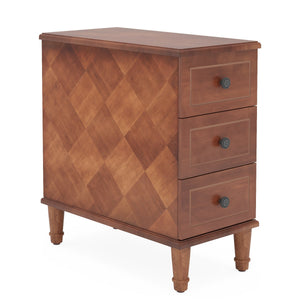
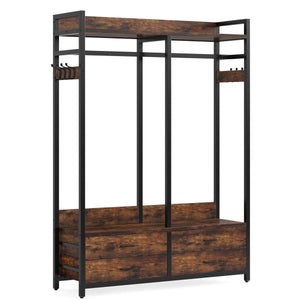




Choosing the right wardrobe size is essential for keeping your bedroom organized, maximizing storage space, and creating a comfortable living environment. Whether you need a compact wardrobe for a small bedroom or a spacious closet for a primary bedroom, the ideal dimensions depend on your available floor space, clothing collection, and storage needs.
For most bedrooms, a freestanding wardrobe around 36–72 inches wide, 20–24 inches deep, and 72–84 inches tall is a practical starting point. However, the best wardrobe size can vary depending on the number of people sharing it, the types of clothing you own, and the layout of your room.
In this guide, we'll explore standard wardrobe dimensions, recommended sizes for different bedroom layouts, compare hinged and sliding wardrobes, explain internal storage measurements, and share practical tips for choosing the right wardrobe for your bedroom.
Table of Contents
- Why Do Standard Wardrobe Measurements Matter?
- What Is the Standard Wardrobe Size?
- What Is the Best Wardrobe Size for Different Bedroom Sizes?
- What Are the Ideal Internal Wardrobe Dimensions?
- Hinged vs. Sliding Wardrobe Dimensions
- Freestanding Wardrobe vs. Built-In Closet vs. Walk-In Closet
- How to Maximize Wardrobe Storage Space
- Frequently Asked Questions
Why Do Standard Wardrobe Measurements Matter?
A wardrobe is more than a place to store clothes. Its size affects the appearance of your bedroom, the way you move around the room, and how efficiently you organize your belongings. Choosing the wrong wardrobe dimensions can create several problems. A wardrobe that is too deep may reduce walking space, while one that is too shallow may not accommodate standard clothes hangers. Similarly, a tall wardrobe may offer extra storage but could be difficult to assemble in a room with a low ceiling.
Understanding standard wardrobe measurements helps you balance three important factors:
Space: Choose a wardrobe that fits your available wall area without making the bedroom feel crowded.
Functionality: Make sure the wardrobe has enough hanging space, shelves, and drawers for your belongings.
Appearance: Select dimensions that complement your bed, nightstands, and other bedroom furniture.
Before purchasing a wardrobe, measure the available space and consider how you plan to use the interior. This simple step can help you avoid sizing mistakes and choose a more practical storage solution.
What Is the Standard Wardrobe Size?
Wardrobe dimensions vary depending on the design, number of doors, and intended use. However, several common measurement ranges can help you narrow down your options.
Standard Wardrobe Height
Wardrobe height determines how much vertical storage space you have and how easily you can reach everyday items. Common height ranges include:
48–60 inches: Suitable for children's rooms, compact storage, or low-profile furniture.
60–72 inches: A practical choice for smaller bedrooms and moderate storage needs.
72–84 inches: A versatile range for many adult bedrooms.
84–96 inches or taller: Suitable for rooms with higher ceilings and additional vertical storage needs.
If you want to maximize storage, a taller wardrobe can provide extra room for seasonal clothing, luggage, or storage boxes.
Before choosing a tall unit, check the ceiling height and the space needed for assembly. Also consider whether the wardrobe needs to be secured to the wall.
Standard Wardrobe Width
Wardrobe width affects both storage capacity and the amount of wall space the furniture occupies.
24–36 inches: Best for compact bedrooms, guest rooms, and limited clothing collections.
36–48 inches: A practical option for one person with moderate storage needs.
48–60 inches: Offers more space for hanging clothes, shelves, and drawers.
60–72 inches: Suitable for larger clothing collections or shared storage.
72–96 inches: Works well in spacious bedrooms and for households that need additional storage.
When deciding how wide a wardrobe should be, consider the number of people using it and the types of clothing you need to store. A wardrobe with separate hanging sections and drawers may be more useful than a wider unit with a poorly planned interior.
Standard Wardrobe Depth
Wardrobe depth is especially important when you plan to hang clothes rather than store everything on shelves.
For many standard adult clothes hangers, a depth of approximately 24 inches is a useful starting point. Shallower wardrobes can work for folded clothing or selected storage arrangements, but may not provide enough room for conventional hanging clothes.
Wardrobe Depth
Best For
12–16 inches
Accessories, folded clothing, and compact shelving
16–20 inches
Small bedrooms and selected space-saving storage solutions
20–24 inches
Everyday clothing and many standard hangers
24 inches or more
Bulky garments and additional storage flexibility
Always check the usable interior depth rather than relying on the external measurement alone. Doors, drawer fronts, and internal fittings may reduce the actual storage space.

What Is the Best Wardrobe Size for Different Bedroom Sizes?
The best wardrobe size depends on more than the size of the furniture itself. You also need to consider the bed, bedside tables, bedroom doors, windows, and the walking space around the wardrobe.
|
Bedroom Type |
Suggested Wardrobe Width |
Suggested Depth |
Suggested Height |
|
Best Wardrobe Size for Small bedroom or studio |
24–36 in. |
16–20 in. |
60–72 in. |
|
Best Wardrobe Size for Standard Bedroom |
36–60 in. |
20–24 in. |
72–84 in. |
|
Best Wardrobe Size for Large Bedroom |
60–96 in. |
20–24 in. |
72–96 in. |
|
Best Wardrobe Size for Shared Bedroom |
60–96 in. |
20–24 in. |
72–96 in. |
|
Best Wardrobe Size for Children's bedroom |
24–48 in. |
16–22 in. |
48–72 in. |
These ranges are illustrative rather than strict rules. A compact wardrobe may work better in a small bedroom, while a larger bedroom can accommodate a wider unit or additional storage furniture.
What Are the Ideal Internal Wardrobe Dimensions?
External dimensions tell you how much room a wardrobe occupies, but internal dimensions determine how useful it is for everyday storage. A well-designed wardrobe should include enough space for hanging clothes, folded items, accessories, and shoes. The ideal arrangement depends on your clothing collection and storage habits.
Hanging Space Dimensions
|
Clothing Type |
Suggested Vertical Space |
|
Shirts, tops, and folded trousers on hangers |
Around 36–42 inches |
|
Jackets and shorter garments |
Around 36–42 inches |
|
Dresses and long coats |
Around 60–72 inches |
|
Long garments with extra clearance |
Adjust according to garment length |
Different garments require different amounts of vertical clearance. These measurements are general planning estimates. Actual requirements depend on garment length, hanger type, and the wardrobe's internal configuration.
If you own many shirts and jackets, a double-hanging arrangement can make better use of vertical space. If you regularly wear long dresses or coats, reserve a dedicated section with greater hanging height.

Wardrobe Shelf Dimensions
Shelves are useful for folded clothing, handbags, bedding, and storage boxes. Adjustable shelves are particularly useful because they allow you to change the layout as your storage needs evolve.
For folded clothing, a shelf depth of approximately 12–16 inches may be sufficient, depending on the wardrobe design and the items being stored. Vertical spacing of around 10–15 inches can work for many folded garments, while bulky sweaters and storage bins may require more clearance.
Avoid making shelves unnecessarily deep if you tend to lose smaller items at the back. A well-planned shelf should provide enough room without making everyday items difficult to reach.
Drawer Dimensions
Drawers provide convenient storage for underwear, socks, accessories, and folded clothing. As a general planning reference, drawer heights of around 6–8 inches can work for smaller items. Deeper drawers may be more suitable for bulky clothing or larger accessories.
When planning wardrobe drawers, consider: The height of the items you intend to store. Whether the drawers can open fully without hitting nearby furniture. The available interior width. The weight capacity and stability of the drawer system. A combination of shallow and deeper drawers can help separate smaller items from bulkier clothing.
Shoe Storage Dimensions
If you plan to store shoes inside your wardrobe, make sure the shelves provide enough height and depth for your footwear. Flat shoe shelves with approximately 8–10 inches of vertical clearance may work for many everyday shoes. Boots and other taller footwear generally require more space.
You can also consider a separate shoe cabinet if your wardrobe is already full. This can help preserve hanging space for clothing while keeping footwear organized.
Hinged vs. Sliding Wardrobe Dimensions
Wardrobe door styles affect more than appearance. They determine how much clearance you need and how easily you can access your clothes. Hinged wardrobes offer full interior access, while sliding wardrobes save space by eliminating outward door swings. The table below compares their typical dimensions and practical differences.
|
Feature |
Hinged Wardrobe |
Sliding Wardrobe |
|
Typical Width |
36–60 inches |
60–96 inches |
|
Typical Depth |
20–24 inches |
20–24 inches |
|
Typical Height |
72–84 inches |
72–96 inches |
|
Door Style |
Doors swing outward |
Doors slide along tracks |
|
Floor Space Required |
Needs clearance for doors to open |
No outward door-swing clearance needed |
|
Interior Access |
Full access when doors are open |
Partial access at a time |
|
Storage Flexibility |
Easy access to shelves, drawers, and hanging rails |
Suitable for wider storage layouts |
|
Best For |
Bedrooms with sufficient open floor space |
Smaller or narrower bedrooms |
Freestanding Wardrobe vs. Built-In Closet vs. Walk-In Closet
The right wardrobe solution depends on your room layout, budget, and storage preferences.
|
Storage Type |
Typical Dimensions or Space |
Main Advantage |
Best For |
|
Freestanding wardrobe |
Commonly 36–72 in. wide and 20–24 in. deep |
Flexible placement and easy room updates |
Apartments and standard bedrooms |
|
Built-in reach-in closet |
Often around 24 in. deep, with width varying by layout |
Uses wall space efficiently |
Bedrooms with limited floor space |
|
Walk-in closet |
Around 5 × 7 ft. or larger for a more functional layout |
Allows more storage zones and easier organization |
Larger bedrooms and dedicated dressing areas |
A reach-in closet typically provides storage behind doors along one wall. A freestanding wardrobe offers similar everyday functionality without requiring a built-in installation.
A walk-in closet requires more floor area because you need room not only for storage but also for movement. A layout around 5 × 7 feet may be a useful planning starting point, while larger spaces can accommodate storage on multiple walls.
Actual walk-in closet requirements vary with the number of storage walls, hanging depth, and aisle width. For more detailed planning, see this walk-in closet dimensions guide.

How to Maximize Wardrobe Storage Space
Use Vertical Space Efficiently
A taller wardrobe can provide extra room for seasonal clothing, bags, and storage boxes. Keep frequently used items within easy reach and reserve higher shelves for items you use less often.
Separate Hanging and Folded Clothing
Use hanging sections for garments that wrinkle easily or need to maintain their shape. Store sweaters, T-shirts, jeans, and other folded clothing on shelves or in drawers. This arrangement can reduce clutter and help you make better use of the available space.
Choose Adjustable Shelves
Adjustable shelves allow you to change the spacing for different clothing types, accessories, and storage containers. They can be particularly useful if your wardrobe needs change over time.
Plan for Shoes and Accessories
Shoes, handbags, belts, and other accessories can quickly occupy valuable wardrobe space. Dedicated shelves, small drawers, or a separate shoe cabinet can make these items easier to organize.
Measure Before You Buy
Always check the external width, height, and depth, as well as the internal storage dimensions. Also verify delivery access, assembly requirements, and any wall-clearance or anchoring instructions. Careful measuring can help prevent fitting problems and make the installation process easier.
Frequently Asked Questions
What Is a Good Wardrobe Size for a Bedroom?
There is no single standard size for every wardrobe. For many bedrooms, a freestanding wardrobe around 36–72 inches wide, 20–24 inches deep, and 72–84 inches tall is a useful starting point. The ideal dimensions depend on the room layout and storage needs.
How Deep Should a Wardrobe Be for Hanging Clothes?
A depth of approximately 24 inches is a common planning reference for wardrobes designed to accommodate standard clothes hangers. Shallower designs may work for folded clothing or specific storage configurations, but you should check the usable interior depth before purchasing.
Is a 36-Inch Wardrobe Big Enough for One Person?
A 36-inch wardrobe may be sufficient for one person with a moderate clothing collection, especially if it includes a combination of hanging space, shelves, and drawers. People with more clothing may prefer a wider wardrobe or additional storage furniture.
Is a Sliding Wardrobe Better Than a Hinged Wardrobe?
Sliding wardrobes can be useful in smaller bedrooms because their doors do not swing outward. Hinged wardrobes provide wider access to the interior when fully opened. The better choice depends on your available space, preferred design, and storage layout.
How Tall Should a Bedroom Wardrobe Be?
A height of around 72–84 inches is a practical starting point for many adult bedrooms. Taller wardrobes can offer additional storage, but you should check ceiling clearance, accessibility, and assembly requirements.
What Is the Difference Between a Wardrobe and a Closet?
A wardrobe is generally a freestanding or movable cabinet for storing clothing. A closet is usually a built-in storage space within a room. Both can provide effective clothing storage when their dimensions and internal layouts suit the available space.
How Much Space Should Be Left in Front of a Wardrobe?
Around 24–36 inches of clear space is a useful starting point for many bedroom layouts. The ideal clearance depends on the door style, drawer depth, and how comfortably you want to move around the room.
What Is the Best Wardrobe Size for Two People?
A wardrobe around 60–96 inches wide can be a useful starting point for two people, depending on how much clothing each person owns. Separate hanging sections, adjustable shelves, and individual drawers can help make shared storage more organized.
Should a Wardrobe Reach the Ceiling?
A ceiling-height wardrobe can maximize vertical storage and create a streamlined appearance. However, a standard-height wardrobe may be easier to assemble, move, and access. Your ceiling height, storage needs, and installation requirements should guide the decision.
What Is the Difference Between a Wardrobe and a Closet?
A wardrobe is typically a freestanding or movable storage cabinet for clothing. A closet is usually a built-in storage space within a room, often with doors, shelves, and hanging rods. Both can provide effective clothing storage when their dimensions and layouts suit the room.
Conclusion
A good wardrobe size provides enough storage without overwhelming your bedroom. For many households, a wardrobe around 36–72 inches wide, 20–24 inches deep, and 72–84 inches tall is a useful starting point.
Before making a decision, measure your available space, consider the type and quantity of clothing you own, and think about how you prefer to organize your belongings. With the right combination of width, depth, height, and interior storage, you can create a bedroom that feels more organized, comfortable, and functional.