









Where Should You Put a Study Area in a Small Room?
An empty corner may not always a practical place for a desk. Measure the available width and depth, then consider how the room functions throughout the day.
Make sure the desk will not prevent a door, wardrobe, or drawer from opening. Leave room to pull out the chair without blocking the walkway. Check nearby outlets and natural light. A window can provide useful daylight, but direct light may create screen glare.
A suitable study area should meet five conditions:
-
The desk fits the available footprint.
-
The chair can move freely.
-
Doors and storage furniture remain accessible.
-
Outlets are easy to reach.
-
Lighting supports reading and screen use.
Choose a Desk for a Small Study Space
The smallest one is not always the best. It should provide enough surface area for the equipment and materials used each day.
A compact desk may work for laptop-based study and light writing. A monitor, keyboard, textbooks, and notebooks usually require more depth and width.
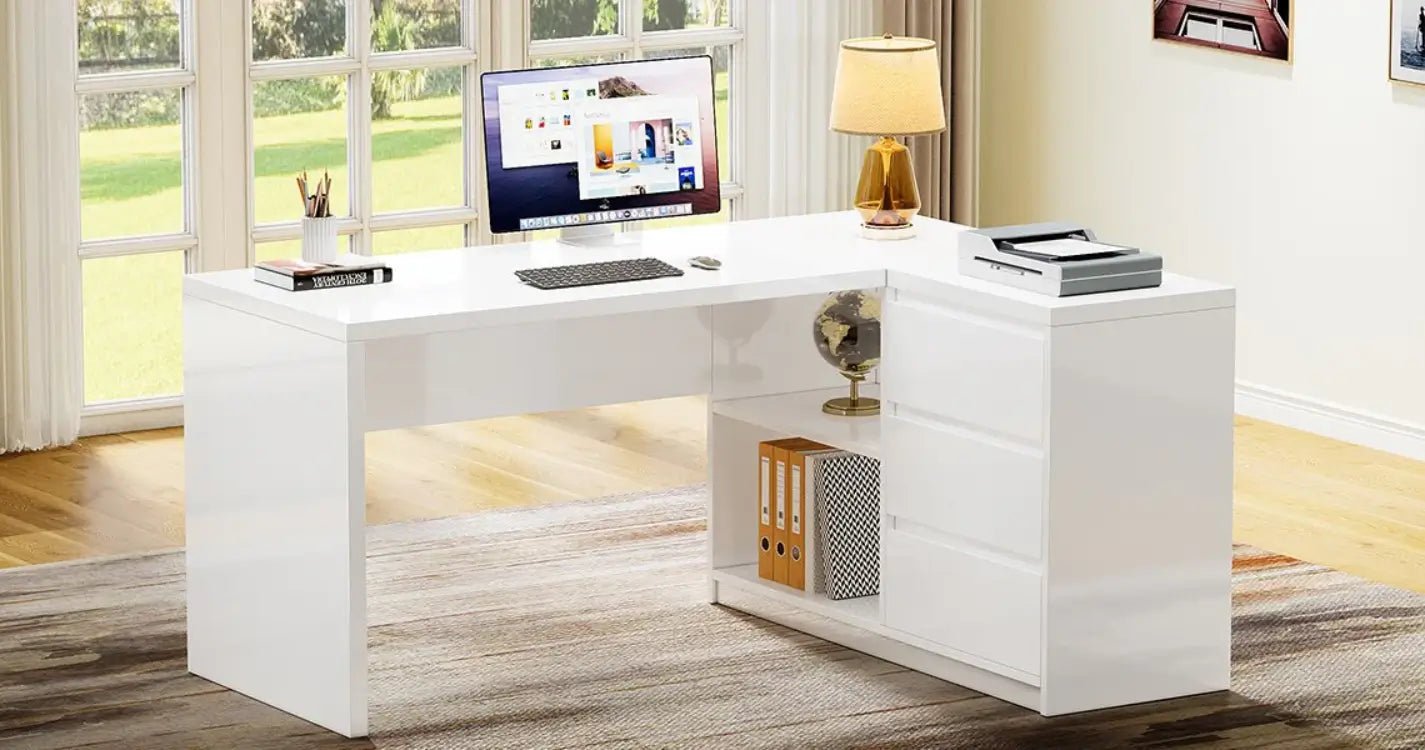
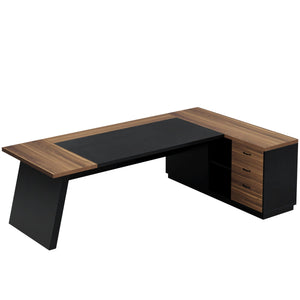
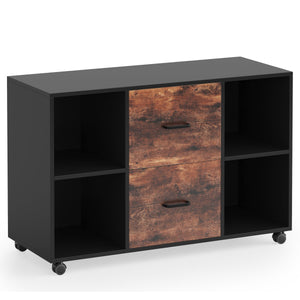
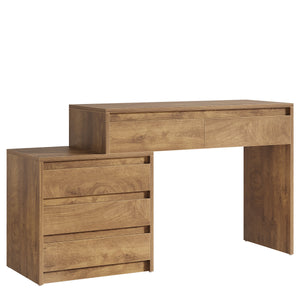
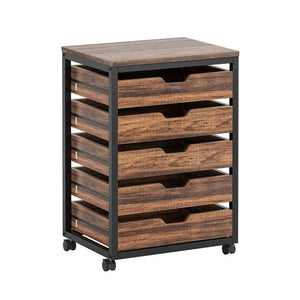
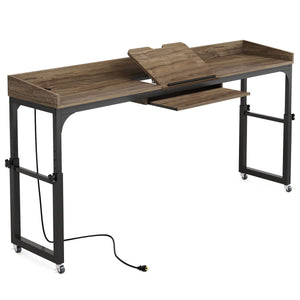
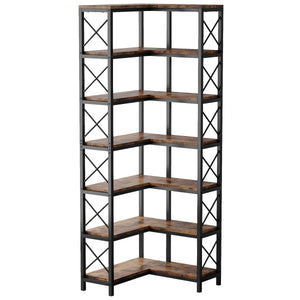
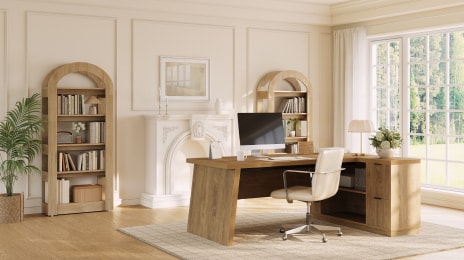
A corner desk can separate screen work from writing, but both sides must fit without limiting access to nearby furniture. When there is not enough room for a separate cabinet, a desk with drawers or open shelves can help storage without adding another large piece of furniture.
| Daily study setup | Desk requirement |
| Laptop and notebook | Compact surface with a clear writing area |
| Monitor and keyboard | More depth and comfortable screen distance |
| Textbooks and printed materials | Wider surface or nearby storage |
| Art or creative work | Separate space for tools and tasks |
| Limited room for extra furniture | Built-in drawers or open shelves |
Start with the real study routine, not a general idea of what a study desk should look like.
Try the Small-Space Fit Test
Before buying a desk, use removable painter’s tape to mark its width and depth on the floor.
Include the space needed to pull out the chair. Then walk through the room, open nearby doors and drawers, and check whether the setup affects access to the bed, closet, or other furniture.
This simple test shows whether the complete study setup works—not just whether the desk fits against the wall. It can also reveal problems with outlet access, lighting, or traffic flow before furniture is brought into the room.
Create Separation Between Study and Rest
When the desk and bed share the same room, a clear routine can be just as useful as a physical divider.
Facing the desk toward a wall or window may create a stronger sense of focus than facing the bed. A task lamp, small rug, wall decoration, or nearby shelf can also help define the study zone without making the room feel closed off.
After studying, return books to their shelves, clear the writing area, store loose cables, close the laptop, and switch off the task light.These small actions create a natural end to study time and help the room return to a calmer setting for rest.
Study Area Ideas by Room Type
| Space | Main challenge | Planning priority |
| Small bedroom | Study and sleep share one room | Keep the bed, wardrobe, and main walkway clear |
| Dorm room | Furniture may be fixed and the space shared | Choose compact pieces that are easy to rearrange |
| Apartment | The desk may be visible from living areas | Select furniture that fits the room and can serve another purpose later |
Final Study Area Checklist
-
Fit: The desk and chair stay within the available space.
-
Function: The desktop supports the real study routine.
-
Storage: Frequently used materials have clear places.
-
Separation: Study items remain within one defined area.
A small study area works best when the layout supports daily habits and every piece serves a clear purpose. With the right location, desk, and storage plan, a small bedroom, dorm, or apartment corner can become a practical place to read, write, and focus.