





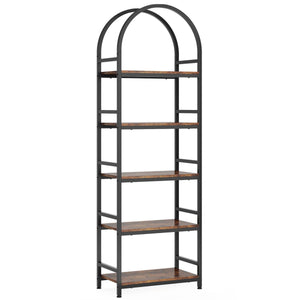
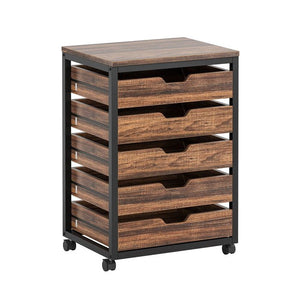
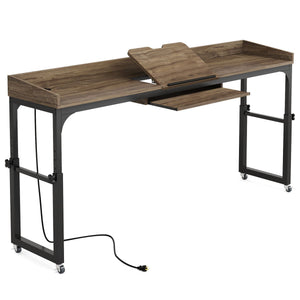
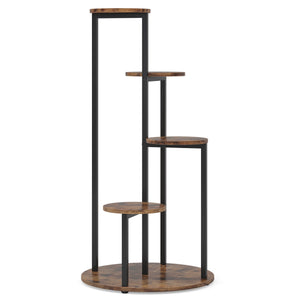
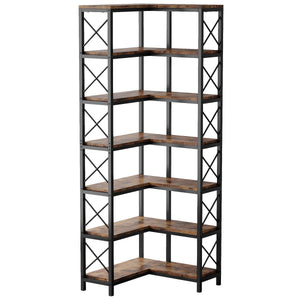












BOOKSHELVES do more than hold books. They can display favorite reads and personal collections, keep household items organized, or help make use of an otherwise empty wall. But not every home needs the same kind of storage.
When choosing a bookcase, one of the first decisions is whether to keep everything on open shelves or behind doors. The answer depends on what needs to be stored and how space is used day to day. Looking at the differences between the two designs can help narrow down the options.
Quick Answer
Open bookshelves are ideal for displaying books, personal collections, and frequently used items, while closed bookcases help keep clutter out of sight and reduce dust exposure. Neither is necessarily better for every home. The right choice depends on what needs to be stored, how often items are used, and whether the space calls for open display or a more streamlined look.
Table of Contents
1. Open or Closed: What Really Changes?
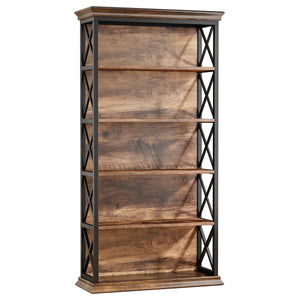
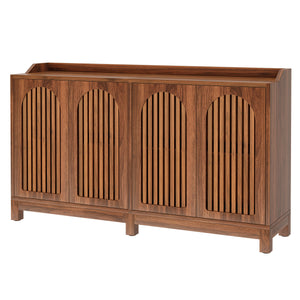
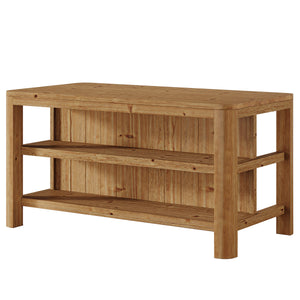
The main difference between open and closed bookshelves goes beyond whether they have doors. It also affects how belongings are displayed, accessed, and maintained. Open Bookshelves keep books and decorative objects visible and within easy reach. Their exposed shelving can give a room a lighter, more open appearance, although the overall effect depends on how the shelves are arranged. Closed bookcases, whether fitted with solid or glass doors, offer an added layer of separation between stored items and the surrounding room. Solid doors conceal clutter, while glass doors allow collections to remain visible with less direct exposure to dust.
| Feature | Open Bookshelf | Closed Bookcase |
| Display | Everything stays visible. | Solid doors conceal; glass doors display |
| Accessibility | Direct access to items | Doors need to be opened. |
| Dust & Cleaning | Exposed items need regular dusting. | Less direct dust exposure, but cleaning is still needed. |
| Visual Effect | Open and airy when thoughtfully arranged | More enclosed and visually contained |
| Organization | Visible contents benefit from regular arranging | Everyday clutter can be kept out of sight. |
Neither design guarantees a tidy room. An overcrowded open bookshelf can feel busy, while a closed cabinet may simply hide disorganized contents. The difference lies in how each design supports everyday storage habits.
2. What Belongs on an Open Bookshelf?
Books and Everyday Reading
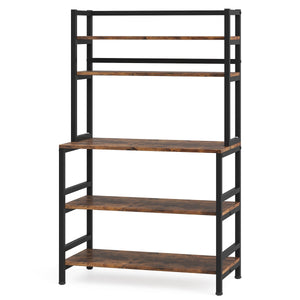
Books are a natural fit for OPEN SHELVING, especially titles that are read often or enjoyed as part of a collection. Novels, art books, and reference materials can be arranged vertically or stacked horizontally, making them easy to reach while adding visual variety. Grouping books by size or subject can make them easier to find without making every shelf look identical.
Collections and Personal Objects
Travel souvenirs, framed photos, small sculptures, and collected ceramics can give a bookshelf a more personal feel. Rather than filling every shelf, leave some space around individual objects so they stand out. A few meaningful pieces mixed with books often feel more natural than a display made up entirely of decorations.
Everyday Items That Are Better Stored Away
Loose paperwork, charging cables, small accessories, and other miscellaneous items can make open shelves look cluttered. These belongings are often better kept in boxes, baskets, or closed storage. Items that are particularly sensitive to dust may also benefit from additional protection.
The aim is not to display everything but to be selective about what stays visible. A considered mix of books and personal objects can make an open bookshelf useful and expressive without turning it into a catch-all for household belongings.

3. Which Bookshelf Works Best in Each Room?
The right bookshelf depends on the role it plays in a room. Display, easy access, concealed storage, and available floor space may matter differently from one area to another. Rather than choosing a style based on appearance alone, consider what the bookshelf needs to do in that particular space.
Living Room: Display Meets Everyday Storage
A living room bookshelf often serves both a practical and decorative purpose. Open shelving can work well when books and personal collections are part of the room's overall look. If the unit also needs to hold less presentable household items, a design with concealed storage or a few well-chosen storage boxes can help keep the display balanced.
Home Office: Easy Access or Less Clutter?
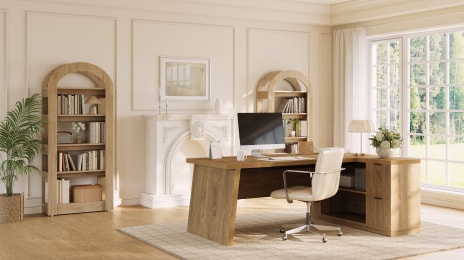
In a home office, the choice often comes down to how work materials are used. Open shelves keep frequently referenced books and supplies within reach, while closed storage can keep paperwork and miscellaneous office items out of sight. A combination of both can work well when accessibility and a tidy workspace are equally important.

Small Apartments: Make Better Use of Vertical Space
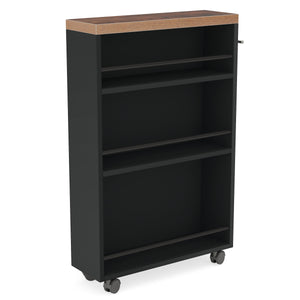
In a smaller home, the bookshelf's footprint matters as much as its storage capacity. A tall, narrow unit can use vertical space without taking up as much floor area as a wider design. Open shelving may also feel less visually enclosing, provided the shelves are not overloaded. Before choosing a unit, check its width and depth against the available space, including room to walk past it comfortably.

Bedroom: Keep the Space Calm and Practical
For a bedroom, consider whether the bookshelf is mainly for reading materials or for general storage. Open shelving can keep a small selection of books within easy reach, while a closed bookcase may suit belongings that are better kept out of sight. The aim is to choose a design that supports the room's everyday use without adding unnecessary visual clutter.
4. The Everyday Trade-Offs Worth Considering
A bookshelf can look right in a room but still require more upkeep than expected. Before choosing between open and closed storage, it helps to consider how much cleaning, organizing, and everyday access the design will involve.
Cleaning and Maintenance
Open bookshelves generally require more frequent dusting because both the shelves and their contents are exposed. Closed bookcases with solid doors can reduce direct dust exposure, although the shelves and stored items still need occasional cleaning. Glass doors also require regular wiping to keep fingerprints and dust from becoming noticeable.
Safety and Stability
A bookshelf needs to remain stable under the weight of its contents. Before buying, check the manufacturer's stated weight limits and assembly instructions, particularly for tall units or shelves intended to hold heavy books. Wall anchoring may be necessary to reduce tipping risks, especially in homes with children or pets.
Everyday Access and Long-Term Use
Consider how often the stored items need to be reached. Open shelves allow direct access without opening doors, while closed bookcases require an extra step but can keep stored items less exposed. It is also worth checking shelf spacing, overall dimensions, and the space needed for cabinet doors to open comfortably. A bookshelf should suit not only the items it holds today but also the way the space is likely to be used over time.
5. Sometimes the Best Answer Is Both
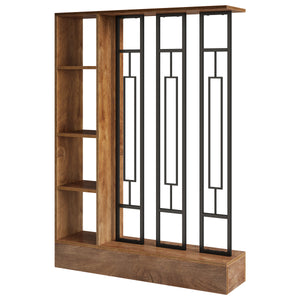
Open shelving and closed storage do not have to be competing choices. Combining the two can make it easier to keep frequently used items accessible while giving less-used belongings a place out of sight.
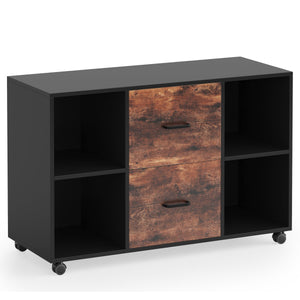
One simple approach is to keep everyday books and a few personal objects on open shelves, then use baskets or storage boxes for smaller items that do not need to be displayed. For households with more varied storage needs, a bookcase with both open shelves and cabinet doors can provide separate areas for display and concealed storage.
The arrangement does not need to be complicated. Start with the items that need to stay accessible, then work out which belongings are better stored elsewhere. This makes it easier to choose a bookshelf that suits everyday routines without requiring every item to be visible.

Final Thought
The choice between open bookshelves and closed bookcases comes down to what needs to be stored and how the space is used. Some homes benefit from open display, others need more concealed storage, and many work best with a combination of both. The right bookshelf is the one that makes everyday storage easier while fitting naturally into the room.
FAQ
-
Do open bookshelves make a room look bigger?
-
Are closed bookcases better for protecting books?
-
What should I measure before buying a bookshelf?
-
Should a tall bookshelf be anchored to the wall?