


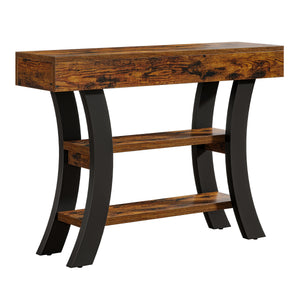
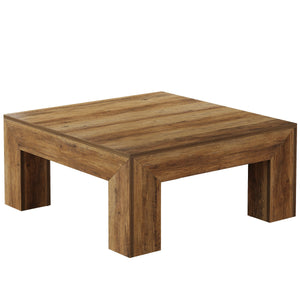
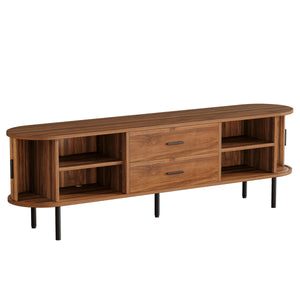
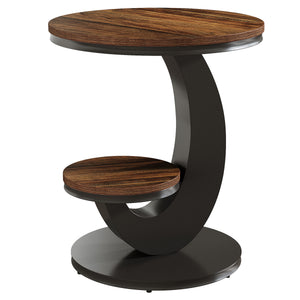


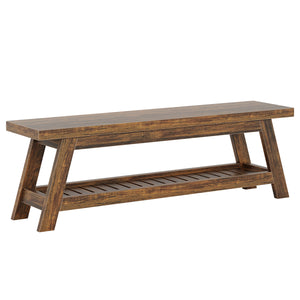
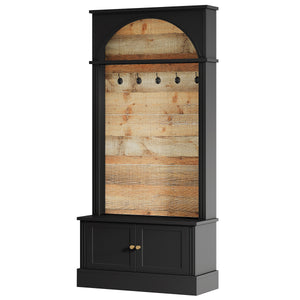
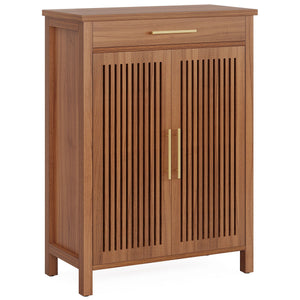

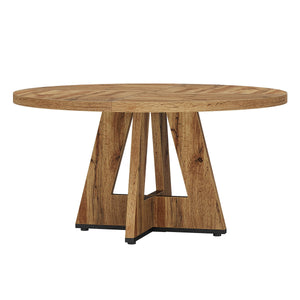
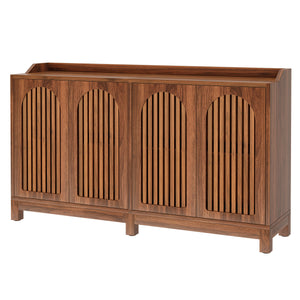








Step 1: Empty the Shoe Cabinet
The first thing you need to do is remove all the shoes from the rack. This gives you the opportunity to clean every inch of the shoe rack and inspect the shoes you're storing. As you take each pair of shoes off, you may realize that some are no longer in use. This is a perfect time to set those aside for donation or disposal, creating more space for the shoes you actually wear.

Step 2: Clean the Wooden Shoe Rack
Remove loose dust with a soft microfiber cloth. Use a soft-bristled brush for corners, joints, and narrow gaps.
For deeper cleaning, wipe the surface with a cloth lightly dampened with mild soapy water. Avoid soaking the wood. Remove any soap residue with a separate damp cloth, then dry the shoe rack immediately with a clean towel.
Repeat if needed, but do not oversaturate the surface. Use furniture wax only occasionally and only when it is suitable for the wood finish.
Recommended Cleaning Solution
A mild homemade cleaning solution works best. Mix one tablespoon of mild dish soap with one gallon of warm water. Dampen a soft cloth with this solution (make sure it's wrung out, not dripping wet), and then gently wipe the stained areas. Next, rinse the shoe rack with a clean cloth dampened with water to remove any soap residue. Finally, dry the wooden surface with a clean towel to prevent water stains. This method is gentle and effective, making it the safest option for untreated or unprocessed wood.
Eco-Friendly Homemade Cleaning Solution
If you're looking for an eco-friendly cleaning method, vinegar is a good option—but it can only be used on treated wood. To make a natural cleaning solution, simply mix one tablespoon of white vinegar with 4 ounces of water and pour it into a spray bottle. For stubborn stains, you can increase the vinegar-to-water ratio to 1:1. Spray the mixture onto the stain and then wipe it clean with a damp cloth. Finally, dry the surface with a clean towel. This homemade cleaning solution is affordable, effective, and environmentally friendly.

Step 3: Clean the Shoes
Don’t forget to clean the shoes themselves. You can wipe each shoe down with a damp cloth soaked in soapy water. Be sure to clean the soles and the upper parts of the shoes. Once you've wiped them down, rinse them with a clean, damp cloth and let them dry completely before placing them back on the rack.
Step 4: Organize Your Shoes
Now that both the shoe rack and shoes are clean, it's time to organize shoes. Take a moment to sort your shoes by type, season, or how often you wear them. Keep your everyday shoes within easy reach and place less frequently used pairs higher up or in harder-to-reach spots. This will not only help you stay organized but also make it easier to find the shoes you need without making a mess.
Step 5: Declutter and Remove Unused Shoes
As you organize your shoes, take the opportunity to declutter. You might find that you have shoes that no longer fit, are out of style, or simply aren't worn anymore. Set those aside for donation or recycling. This is a great way to ensure that your shoe rack only holds the shoes that you actually wear, keeping it functional and clutter-free.
Step 6: Enjoy Your Newly Organized Shoe Rack
Once you've cleaned and organized your shoe rack, you'll not only enjoy a cleaner home but also a more functional space. A neat shoe rack makes it easier to find and access your shoes, while also enhancing the overall aesthetic of your room.
If your shoe rack still doesn't seem big enough for all your shoes, consider getting an additional rack or a larger one to accommodate your growing collection.
Tribesigns offers a range of high-quality shoe rack/cabinet to help you keep your shoes organized. Visit the Tribesigns website today to explore our wide variety of shoe racks & cabinets and find the perfect one for you!

How Often Should You Clean Wooden Shelves?
How often you clean wooden shelves depends on where they are located, how quickly they collect dust, and how frequently they are used.
1. Dust Every One to Two Weeks
In most homes, dusting wooden shelves every two weeks is enough to keep them looking clean. Use a soft microfiber cloth or feather duster to remove surface dust without scratching the wood.
Shelves near busy roads, open windows, kitchens, or other high-dust areas may need weekly attention. Regular dusting also prevents dirt from mixing with moisture or grease and becoming harder to remove.
2. Deep Cleaning: Every 3 to 6 Months
Give wooden shelves a deeper clean every three to six months, or sooner if you notice stains, sticky residue, or heavy buildup.
Remove the items from the shelves, then wipe the surface with a cloth lightly dampened with mild soapy water. Dry the wood immediately afterward. Only use a vinegar-based solution if it is suitable for the shelf’s finish.
Deep cleaning is also a good opportunity to reorganize your shelves, remove unused items, and check the wood for scratches or damage.
A simple schedule of light dusting and occasional deep cleaning will help keep wooden shelves clean, attractive, and in good condition.
How Can I Keep My Shoe Storage Bench Clean and Looking New?
Dust the shoe bench every one to two weeks with a soft microfiber cloth. Wipe up spills quickly, especially on wooden, upholstered, or faux leather surfaces, to prevent stains and moisture damage.
For deeper cleaning, follow the care instructions for each material.
- Use a lightly dampened cloth and mild soap on wood,
- a fabric-safe cleaner on upholstery,
- and a gentle leather cleaner on leather or faux leather.
- Avoid soaking the surface, and dry it thoroughly after cleaning.
Keep wet or muddy shoes off the bench until they are dry, and use trays or liners inside the storage area to catch dirt. Occasionally empty the compartments, vacuum loose debris, and check the hinges, legs, and hardware for looseness.
To reduce fading and warping, place the bench away from direct sunlight, heating vents, and high-humidity areas.
What’s the Best Way to Clean and Maintain a Metal Shoe Rack?
Remove dust and loose dirt with a dry microfiber cloth or soft brush. For routine cleaning, wipe the metal frame with a cloth dampened with warm water and mild dish soap.
Use a separate damp cloth to remove soap residue, then dry the rack completely to help prevent rust and water spots. Pay extra attention to joints, screws, and corners, where moisture and dirt can collect.
For stubborn grime, use a soft brush rather than an abrasive pad, which may scratch the finish. If you notice chipped paint or early signs of rust, clean and dry the area before applying a suitable touch-up paint or rust-resistant coating.
Keep the rack in a dry, well-ventilated space, avoid placing wet shoes directly on it, and check the screws and connections occasionally to keep it stable.
How to Avoid Fungus in Your Shoe Rack?
Follow these 5 steps to keep mold at bay in your shoes:
- Properly Dry Shoes: After wearing or washing shoes, always place them in a well-ventilated area to dry completely before storing them.
- Use Silica Gel Packs: Place silica gel packs inside your shoes or on the rack to absorb moisture and prevent mold growth.
- Use Acid-Free Tissue: Wrap your shoes in acid-free tissue or use it as a shoe stopper to maintain shape and absorb excess moisture.
- Choose the Appropriate Shoe Storage: Opt for breathable, well-ventilated storage options like open shelves or shoe racks with adequate airflow.
- Regularly Clean Your Shoes: Keep your shoes clean and dry by regularly wiping them down and ensuring no moisture is trapped.

How to Remove Odor from Your Shoe Rack?
- Vinegar and Water Solution: Use a mixture of white vinegar and water to clean and neutralize odors.
- Add Lemon Juice or Essential Oils: Add lemon juice or essential oils to the vinegar solution for a fresh, pleasant scent.
- Baking Soda: For persistent odors, sprinkle baking soda on the rack and vacuum after it sits for a while.
- Regular Cleaning: Clean your shoe rack regularly to avoid the buildup of dust, dirt, and odors.
Conclusion
Whether your shoe rack is made of wood, MDF, or any other material, keeping it clean and odor-free is essential for maintaining a pleasant home environment.
The weather is transitioning from winter to spring. This means you may be swapping out heavier, warmer shoes for lighter footwear, and as a result, your shoe rack will likely have more foot traffic. Regular cleaning and deodorizing now will help you stay ahead of any musty smells that can arise when shoes are stored for extended periods during the winter months.
Related read: Open Shoe Rack vs Closed Shoe Rack - Which One Is Right for You