









Table of Contents
-
Why Dining Room Furniture Setup Matters
-
Start With the Function of Your Dining Room
-
Choose the Dining Table First
-
Dining Table Size Guide
-
Dining Table Size Comparison
-
Does Dining Room Furniture Have to Match?
-
Dining Room Chairs: Comfort, Scale, and Movement
-
Should You Use a Dining Bench?
-
Storage Furniture for a Complete Dining Room
-
How to Arrange Dining Room Furniture
-
How to Arrange Furniture in a Small Dining Room
-
How to Choose Affordable Dining Room Furniture Without Looking Cheap
-
Comparing Dining Room Furniture Setup Options
-
Kitchen & Dining Room Furniture: Coordinate Both Areas
-
City Furniture Dining Room Sets vs Independent Online Furniture Options
-
How to Assemble Dining Room Furniture
-
Common Dining Room Furniture Installation Mistakes
-
Build a Dining Room Setup Around Tribesigns Products
- FAQ: Complete Dining Room Furniture Setup
How to create a balanced, functional, and comfortable dining space? The best setup depends on your room size, family needs, layout, and whether your dining area is separate, open-plan, or combined with a living room. For most homes, the ideal dining room setup starts with the table first, then seating, storage, lighting, and decor. The table should fit the number of people you serve most often, while chairs or benches should leave enough space for movement. In smaller rooms, compact tables, benches, and multi-functional pieces can make the space feel more open and practical.
Why Dining Room Furniture Setup Matters
A dining room is more than a place to eat. In many homes, it is where family meals happen, where guests gather, where children do homework, and where everyday conversations take place. Because of this, the way you arrange your dining room furniture directly affects comfort, movement, storage, and the overall feeling of the home.
A beautiful dining room can still feel uncomfortable if the furniture is too large or the chairs are difficult to pull out. On the other hand, even a small dining area can feel inviting when the furniture scale, layout, and materials work together.
This complete dining room furniture setup guide explains how to choose, arrange, and install dining room furniture in a way that supports real daily use. Whether you are looking for affordable dining room furniture, small dining room furniture, or a full dining table and seating combination, this guide will help you build a practical dining area from the ground up.
If you are comparing different online options, Tribesigns offers dining tables, kitchen and dining furniture, storage pieces, and modern furniture styles that can be used to create complete dining room layouts for apartments, family homes, and open-plan spaces. You can explore more options at https://tribesigns.com/.
Start With the Function of Your Dining Room
Before choosing a table or chair style, define how the space will actually be used. A dining room for a couple in an apartment is very different from a dining room used by a family of six. A formal dining room used only on weekends also needs a different setup from a kitchen dining space used every day.
Ask yourself these questions:
How many people use the dining table daily?
How often do you host guests?
Is the dining room separate or connected to the kitchen or living room?
Do you need extra storage for dishes, tableware, or linens?
Will the table also be used for work, homework, crafts, or projects?
Do you prefer a matching set or a mixed furniture look?
This is important because many people search for dining room furniture ideas without first defining their daily needs. The result is often a room that looks nice in photos but does not function well in real life.
For example, if your dining area is part of a living room dining room combo, you need to think about traffic flow and visual separation. If the space is compact, you may need small dining room furniture that allows chairs to move easily. If you entertain often, you may need a larger table, extra seating, or a sideboard for serving.

Choose the Dining Table First
The dining table is the anchor of the entire room. Every other piece of furniture should support the table’s size, shape, and function.
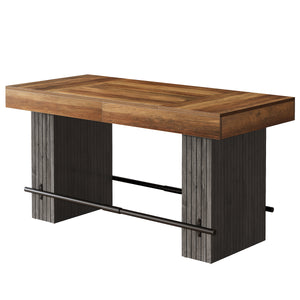
Rectangular dining tables are the most common choice for medium and large dining rooms. They work well for families, long rooms, and open layouts. They also offer clear seating capacity and are easy to pair with benches or chairs.
A rectangular dining table is especially useful if: Your room is long or narrow, you need to seat 6 to 8 people, you often host dinners, you want a formal or structured dining look, you plan to use a bench on one side.
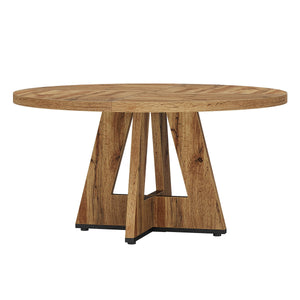
Round dining tables are good for smaller dining areas and conversation-focused spaces. They remove sharp corners and make movement easier around the room.
A round table works well if: Your room is small or square, you want a softer visual look, you usually seat 2 to 4 people, you want everyone to face each other, you need better flow around the table.
Square dining tables are useful in compact square rooms or breakfast areas. They feel balanced and symmetrical, but they may become less practical if you regularly need to seat more than four people.
Extendable tables are useful when your daily household size is smaller than your hosting needs. They allow the dining room to stay open most days while giving you extra capacity when needed.
Dining Table Size Guide
A dining table that is too large will make the room feel crowded. A table that is too small may not support daily family use. The goal is to balance seating capacity with movement space. As a general rule, leave at least 36 inches of clearance between the table edge and the wall or nearby furniture. If possible, 42 to 48 inches is more comfortable, especially in high-traffic areas.
Dining Table Size Comparison
|
Dining Setup |
Best For |
Suggested Room Type |
Seating Capacity |
Space Efficiency |
Notes |
|
Small round table |
Couples, apartments, breakfast corners |
Small dining room or kitchen nook |
2–4 |
High |
Good for compact spaces and better movement |
|
Rectangular table |
Families and hosting |
Medium to large dining room |
4–8 |
Medium to high |
Works well with chairs or benches |
|
Square table |
Balanced room layout |
Square dining room |
4 |
Medium |
Best when room proportions are also square |
|
Extendable table |
Flexible households |
Medium dining room |
4–8+ |
High |
Good for guests without daily crowding |
|
Table with bench seating |
Families, casual dining |
Narrow or open dining area |
4–6 |
High |
Bench can reduce visual clutter |
|
Full dining room set |
Coordinated look |
Formal dining room |
4–8 |
Medium |
Easier to style, but less flexible |
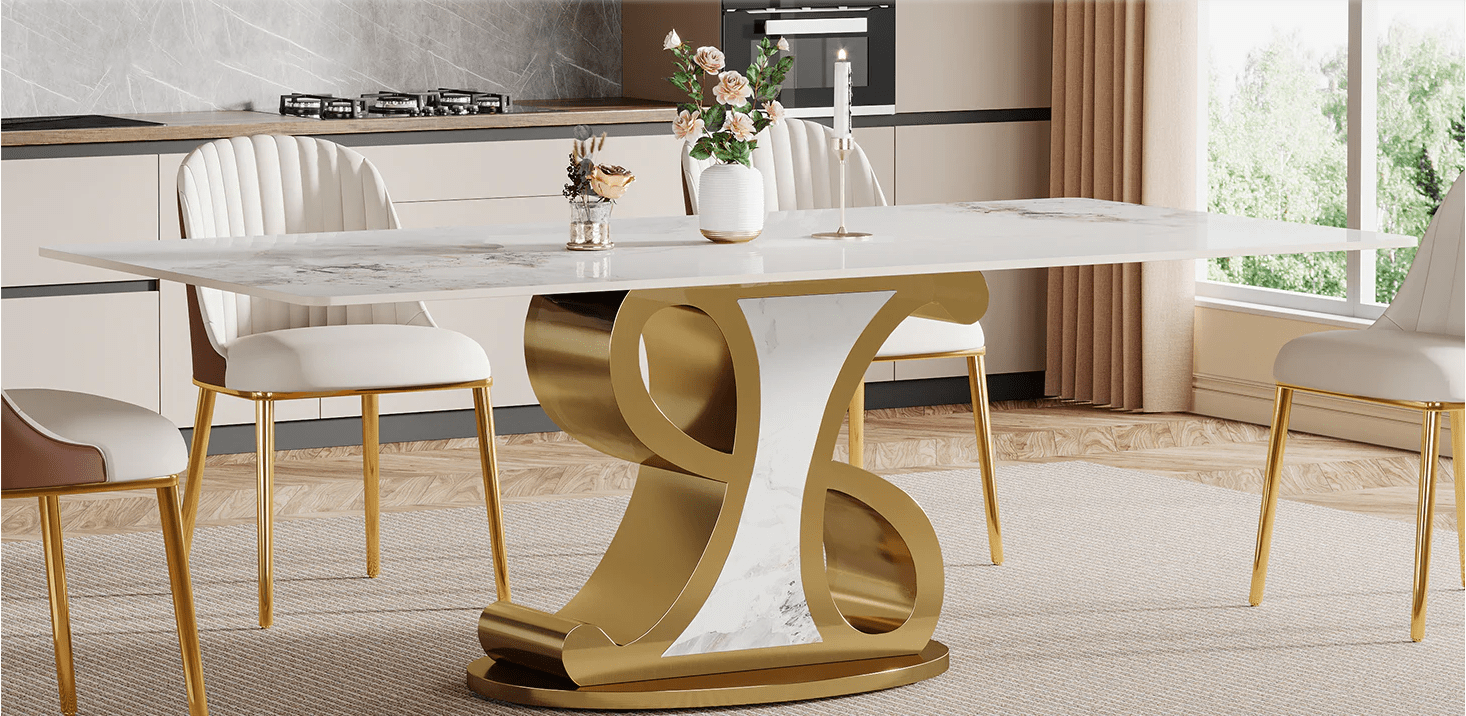
78.74" Modern Rectangular Sintered Stone Dining Table for 8-10 with Stainless Steel Base
Does Dining Room Furniture Have to Match?
Many homeowners ask: does dining room furniture have to match?
The simple answer is no. Dining room furniture does not have to match exactly, but it should coordinate. A table, chairs, bench, sideboard, and lighting can come from different collections as long as they share a common design language.
Furniture can coordinate through: Similar wood tones, repeated metal finishes, matching color temperature, similar leg shapes, shared style direction, balanced proportions.
For example, a warm wood dining table can pair well with upholstered chairs, black metal chairs, or a storage cabinet in a similar wood tone. A modern dining table can work with simple chairs and a clean-lined sideboard. The key is not perfect matching, but visual consistency.
If every piece is identical, the room may look flat. If every piece is different, the room may feel chaotic. The best dining room setup usually sits between the two.
Dining Room Chairs: Comfort, Scale, and Movement
Dining chairs affect both comfort and spacing. A chair may look good in a product photo but feel too bulky in a small room.
When choosing dining chairs, consider: Seat height, seat width, back height, arm or armless design, cushion comfort, ease of movement, cleaning requirements.
Armless chairs are usually more flexible because they slide under the table easily. Chairs with arms feel more comfortable but need more space. High-back chairs add formality but can visually shrink a room.
A good dining chair should allow enough space between seats. If chairs are placed too closely, the dining experience feels cramped even if the table is large.
Should You Use a Dining Bench?
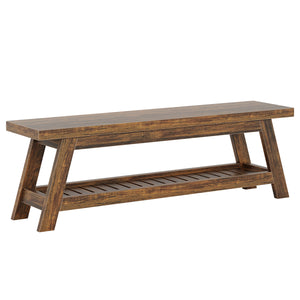
A dining bench can be a practical alternative to individual chairs. It works especially well in casual dining rooms, kitchen dining spaces, and narrow layouts.
A bench can: Seat more people in less space, slide under the table when not in use, create a relaxed family dining feel, reduce the number of chair legs in a small room, work well along a wall or window side.
However, benches are not always the best choice for everyone. Some people prefer chairs because they are easier to move and provide individual support. If you use a bench, make sure it matches the table height and allows comfortable legroom.
Mixed setup often works best: Chairs on one side and a bench on the other. This gives flexibility while keeping the room visually open.
Storage Furniture for a Complete Dining Room
A dining room setup is not complete without considering storage. Even if the table and chairs are well chosen, the room can still feel unfinished if tableware, serving items, or seasonal decor have nowhere to go.
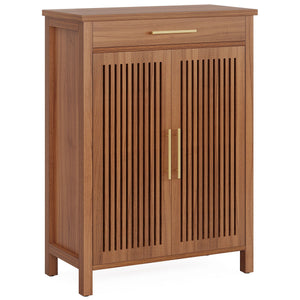
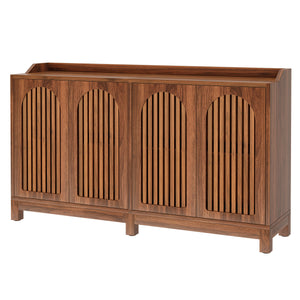
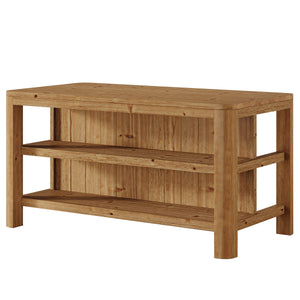
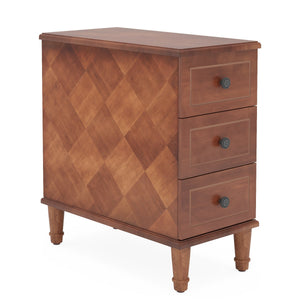
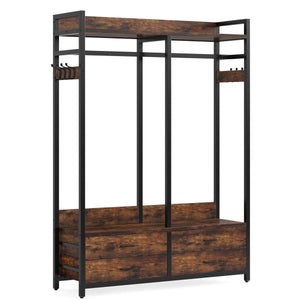
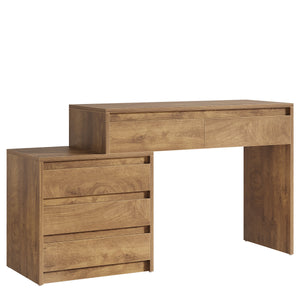
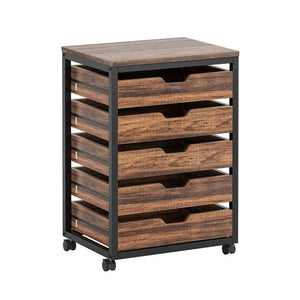
Common dining room storage pieces include: Sideboards, Buffets, Cabinets, Console tables, Open shelves, Bar cabinets, Kitchen islands, Pantry cabinets.
For open kitchen and dining room furniture layouts, storage should support both zones. A cabinet near the dining table can store dinnerware, while a kitchen island may support food preparation and casual meals.
How to Arrange Dining Room Furniture
If you are wondering how to arrange dining room furniture, begin with the table. The table should be centered in the main dining zone unless the room shape requires an offset layout.
Follow this basic sequence: Place the dining table first. Add chairs or benches. Check chair pull-out space. Add storage furniture. Position lighting above the table. Add decor and wall art. Test walking paths.
The dining table should not block doorways, kitchen access, patio doors, or major walking routes. If the dining area is near the kitchen, keep the path between the kitchen and table clear. A good dining room layout feels natural. People should be able to sit down, stand up, serve food, and walk around without moving furniture every time.
How to Arrange Furniture in a Small Dining Room
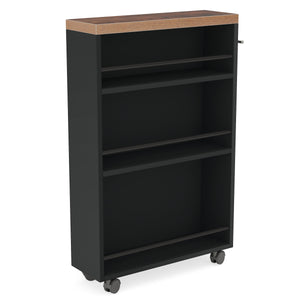
For small dining rooms: Use a round or compact rectangular table, choose armless chairs, consider a bench along one wall, avoid oversized high-back chairs, use light or medium wood tones, keep wall decor simple, choose slim storage instead of deep cabinets.
Use mirrors carefully to reflect light, avoid blocking windows or doorways.
Small rooms benefit from furniture that feels open. Tables with pedestal bases, chairs with slim legs, and benches that tuck away can make the space feel less crowded.
Small dining room furniture should be functional first. If a piece looks attractive but blocks movement, it is not the right choice.
Solid Wood Oval Dining Table, 63" Kitchen Table with Sturdy Tapered Legs for 4-6
How to Choose Affordable Dining Room Furniture Without Looking Cheap
Affordable dining room furniture does not have to feel temporary or low-quality. The key is to focus on structure, proportions, and finish rather than only price.
When comparing affordable options, look for: A stable table base,
smooth tabletop finish, clear assembly structure, practical dimensions, easy-to-clean surfaces, reviews or product details, furniture that matches your room size, materials that fit your lifestyle.
Avoid choosing a dining set only because it has many pieces at a low price. A smaller, better-scaled table with durable chairs may be more useful than a large set that overwhelms the room.
Tribesigns can be considered by shoppers who want practical dining tables and home furniture options through an independent online furniture store experience. Instead of treating the dining room as one isolated purchase, you can combine tables, storage, benches, and related furniture pieces into a coordinated room setup.
Comparing Dining Room Furniture Setup Options
The following table compares different setup options based on room size, budget, style, and function.
| Setup Type | Best For | Furniture Needed | Advantages | Limitations |
| Basic dining setup | Small households | Table + 2–4 chairs | Simple, affordable, easy to arrange | Limited storage and hosting capacity |
| Family dining setup | Daily family meals | Table + 4–6 chairs | Practical for regular use | Needs enough clearance |
| Bench dining setup | Narrow rooms, casual homes | Table + bench + chairs | Saves space, flexible seating | Less individual comfort |
| Formal dining setup | Hosting and special meals | Large table + chairs + sideboard | Complete and polished look | Requires more space and budget |
| Open-plan setup | Living/dining combo | Table + chairs + rug + storage | Defines zones without walls | Needs careful visual coordination |
| Small-space setup | Apartments, compact homes | Round table + slim chairs | Improves movement | Limited seating capacity |
| Flexible setup | Multi-use rooms | Extendable table + foldable chairs | Adapts to guests | Requires storage for extra pieces |
78.74" Rectangular Sintered Stone Dining Table for 8 with Stainless Steel Pedestal 
Kitchen & Dining Room Furniture: Coordinate Both Areas
Kitchen & dining room furniture should feel connected, especially in open homes. The kitchen and dining area do not need identical furniture, but they should share visual elements.
Ways to coordinate kitchen and dining furniture: Repeat wood tones,
match metal finishes, use similar cabinet and table colors, keep seating styles consistent, use lighting to connect both areas,
choose a table shape that follows the kitchen layout.
For example, if your kitchen has warm wood cabinets, a wood dining table can create a cohesive look. If your kitchen has black hardware, dining chairs or table legs with black accents may help connect the spaces.
A kitchen island can also act as a bridge between the kitchen and dining area. In smaller homes, it may support both food preparation and casual dining.
City Furniture Dining Room Sets vs Independent Online Furniture Options
Some shoppers search terms like city furniture dining room sets when looking for complete dining solutions. This type of search often shows that the user wants a coordinated furniture set rather than one isolated table.
When comparing traditional furniture stores with independent online stores, consider the following:
| Buying Option | Best For | Strengths | Things to Check |
| Local furniture store | In-person viewing | Can see furniture before buying | Delivery cost, limited styles, stock availability |
| Large marketplace | Broad selection | Many sellers and price ranges | Quality consistency and seller reliability |
| Independent brand site | Direct brand experience | Clear brand style, direct product pages, related collections | Shipping, returns, assembly details |
| Full dining set retailer | Matching furniture | Easy coordination | Less flexibility in mixing styles |
For shoppers who prefer a more curated brand experience, an independent site like Tribesigns.com can help them browse dining tables and related home furniture with a consistent design direction.
How to Assemble Dining Room Furniture
Furniture installation is an important part of the dining room setup process. Even a well-designed table can feel unstable if it is assembled incorrectly.
Below is a general furniture installation guide for dining tables, chairs, benches, or storage pieces. Always follow the product-specific manual that comes with your furniture.
Before Installation, prepare the area by opening the box. Checklist: Clear enough floor space; place a rug, blanket, or cardboard under parts; check all hardware; read the manual fully before starting; confirm part numbers; keep screws sorted; use two people for large pieces; avoid tightening all screws too early; follow a step-by-step assembly process.
Step 1: Unbox and Inspect All Parts
Lay out every part and compare it with the instruction manual. Check the tabletop, legs, support bars, screws, washers, and tools. If any part is missing or damaged, do not force assembly. Contact customer support or the retailer before continuing.
Step 2: Identify the Tabletop Orientation
Place the tabletop upside down on a soft surface. Make sure the finished side is protected. Check pre-drilled holes and confirm the direction of each support piece.
Step 3: Attach the Main Support Structure
Attach the frame, support plates, or base components according to the manual. Do not fully tighten all screws yet. Keeping screws slightly loose helps with alignment.
Step 4: Install the Legs or Pedestal Base
Attach legs or pedestal base parts evenly. If the table has a central support base, make sure it is aligned with the center of the tabletop.
Step 5: Tighten Screws Gradually
After all parts are aligned, tighten screws gradually in a cross-pattern. This helps distribute pressure evenly and reduces wobbling.
Step 6: Flip the Table Carefully
Large tables should be flipped by two or more people. Never lift only from one corner. Support both the tabletop and base.
Step 7: Check Stability
Once upright, gently test the table. If it wobbles, check whether screws are evenly tightened and whether the floor is level. Use foot pads if included.
Step 8: Assemble Chairs or Benches
For chairs and benches, attach legs and supports before tightening fully. Sit gently to test stability only after assembly is complete.
Step 9: Final Placement
Move the furniture into position and check clearance around the room. Make sure chairs can be pulled out comfortably.
Common Dining Room Furniture Installation Mistakes
Avoid these common mistakes:
| Mistake | Why It Matters | Fix |
| Tightening screws too early | Parts may not align correctly | Keep screws loose until all parts are attached |
| Assembling on hard floor | Can scratch tabletop or finish | Use cardboard or a blanket underneath |
| Ignoring part numbers | Parts may be installed in the wrong direction | Match every part to the manual |
| One-person assembly for heavy furniture | Safety risk and alignment issues | Use 2–4 people for large items |
| Skipping stability check | Furniture may wobble later | Test before daily use |
| Dragging furniture after assembly | Can damage legs or floor | Lift with help instead of dragging |
Installation is not just a technical step. It affects long-term comfort, safety, and product performance.
Build a Dining Room Setup Around Tribesigns Products
When building a dining room around Tribesigns.com, think in terms of room function rather than one product at a time.
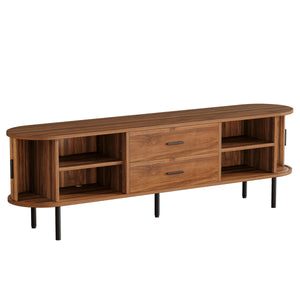
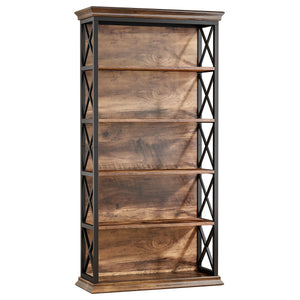
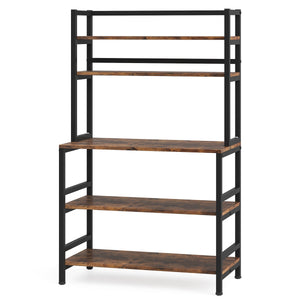
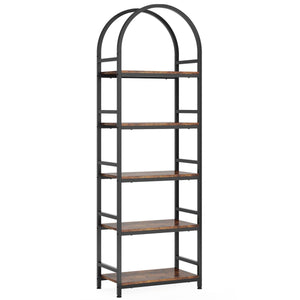
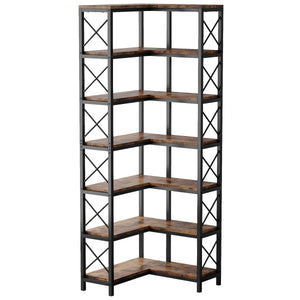
A practical setup could include: A dining table as the main anchor; Chairs or benches based on seating needs; a console table, sideboard, or cabinet for storage. Open shelving or a bookcase if the dining room shares space with a living area; decor pieces that connect the dining room with surrounding rooms.
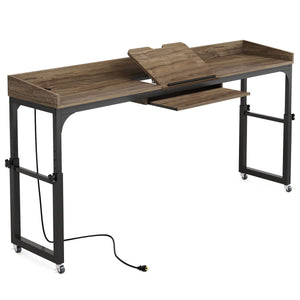
For example, a family dining area may start with a rectangular dining table for everyday meals, then add chairs and a storage cabinet. A smaller apartment may use a compact table with a narrow console table nearby for extra surface space. An open kitchen-dining room may use a kitchen island and dining table combination to create a flexible gathering zone.
This approach helps shoppers see the dining room as a complete system rather than a single furniture purchase.
FAQ: Complete Dining Room Furniture Setup
1. What furniture should be in a dining room?
A complete dining room usually includes a dining table, dining chairs, optional bench seating, storage furniture such as a sideboard or cabinet, lighting, and simple decor. Smaller rooms may only need a table and chairs, while larger rooms can include additional storage and display pieces.
2. Does dining room furniture have to match?
No, dining room furniture does not have to match exactly. It should coordinate through color, material, style, or proportion. A mixed furniture setup can look more natural and personal than a fully matched set.
3. How do I arrange dining room furniture?
Start with the dining table, then add chairs or benches, check walking clearance, place storage furniture along a wall, and center lighting above the table. Make sure people can move around the room comfortably.
4. How do I arrange furniture in a small dining room?
Use a compact table, armless chairs, benches that tuck away, and slim storage pieces. Keep at least 36 inches of clearance around the table when possible. Avoid oversized chairs and deep cabinets.
5. How do I arrange furniture in a living room dining room combo?
Create separate zones using rugs, lighting, and furniture orientation. Keep the dining table near the kitchen if possible, and use a sofa, console table, or rug to define the living area.
6. What is the best dining table shape for a small room?
Round tables often work best in small rooms because they remove sharp corners and improve flow. Small rectangular tables can also work if the room is narrow.
7. Are benches good for dining rooms?
Yes, benches can be useful in dining rooms, especially for families or narrow layouts. They can save space and create a casual look. However, chairs may be more comfortable for long meals.
8. Where can I find affordable dining room furniture?
Affordable dining room furniture can be found through online furniture stores, marketplaces, and independent brand websites. When comparing options, check dimensions, materials, assembly requirements, and return policies rather than price alone.
9. Where can I find eco-friendly dining room furniture?
Look for durable dining furniture with long-term usability, responsible materials, easy maintenance, and timeless design. The most eco-conscious choice is often furniture that fits your space well and lasts for years.
10. What should I consider before buying dining room furniture online?
Check product dimensions, material details, room size, seating capacity, assembly steps, delivery information, customer reviews, and whether the furniture fits your daily lifestyle.
A complete dining room furniture setup is not about filling the room with as many pieces as possible. It is about choosing the right furniture for the way your home works every day.
Start with the dining table, then select seating that fits your space and comfort needs. Add storage only where it improves function. Use lighting, rugs, and decor to make the room feel complete without making it crowded.
Whether you are designing a small dining area, a formal dining room, or a living room dining room combo, the best setup balances comfort, movement, storage, and style. For shoppers exploring kitchen & dining room furniture, affordable dining room furniture, or modern dining room furniture ideas, Tribesigns.com can be used as a practical starting point for building a functional and coordinated dining space.