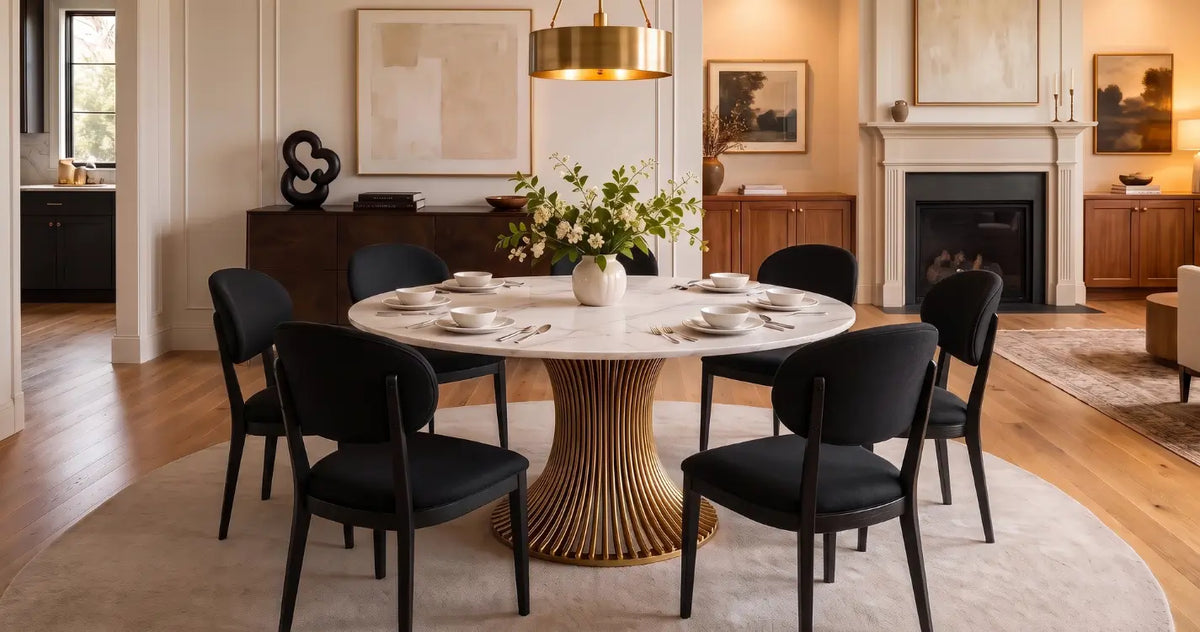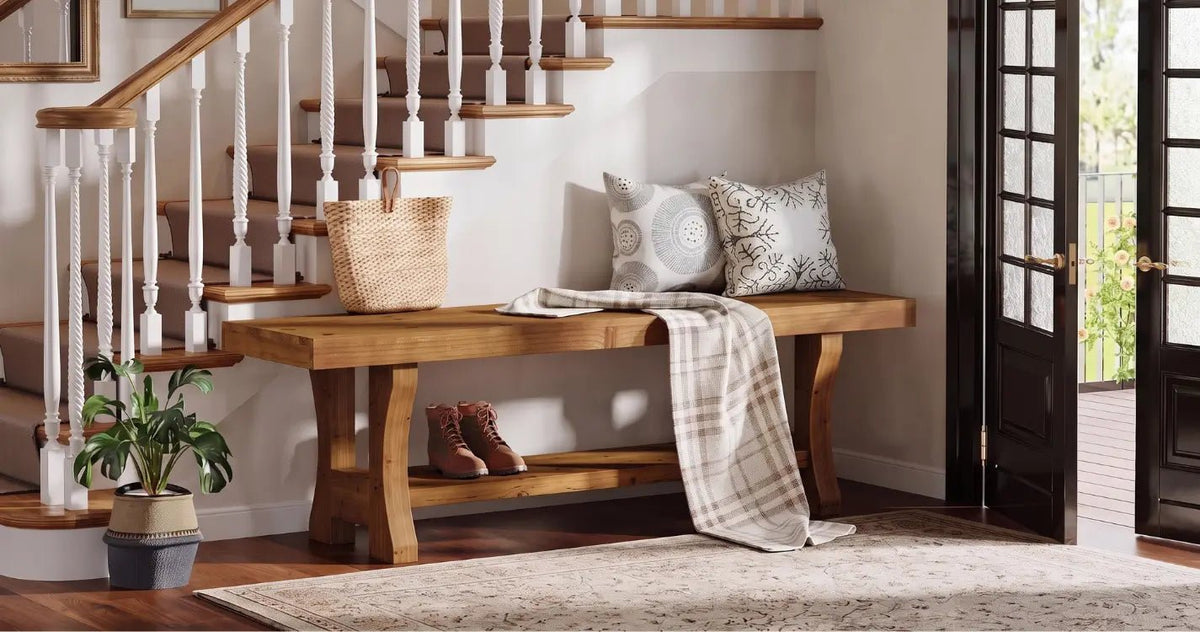










For most modern homes, a sintered stone dining table is the more practical choice because it combines the elegant appearance of natural stone with better durability, easier maintenance, and stronger resistance to everyday wear. Natural stone dining tables, such as marble, granite, and quartzite, remain popular for their unique patterns and luxurious appeal, but they often require more care to maintain their beauty.
When choosing a stone dining table, homeowners usually consider four key factors: appearance, durability, maintenance, and daily usability. While natural stone offers unmatched authenticity, sintered stone balances design and functionality better for families who use their dining table every day.
In this guide, we’ll compare natural stone vs. sintered stone dining tables to help you understand the differences and choose the right material for your modern home.
Table of Contents
- How Are Stone Countertops Made?
- How Are Sintered Stone Countertops Made?
- Stone Dining Table Materials Comparison
- Stone vs. Sintered Stone Dining Tables: Key Advantages Comparison
- Stone vs. Sintered Stone Dining Tables: Key Disadvantages Comparison
- Stone vs. Sintered Stone Dining Tables: Price Comparison
- Is Sintered Stone Better Than Quartz?
- Does Sintered Stone Crack or Break Easily?
What Is Stone?
Stone is a natural mineral material formed through geological processes over millions of years. It is commonly found in rock formations and mineral deposits within the Earth's crust. Depending on their formation processes and mineral composition, natural stones fall into several types, including marble, granite, quartzite, travertine, and limestone.
Marble is commonly sourced from countries such as Italy, Greece, and Turkey, while granite is mainly quarried in countries including Brazil, India, and China. Quartzite, travertine, and limestone are found in different quarrying regions around the world.
Because geological conditions and mineral compositions vary from one region to another, natural stone comes in a wide range of colors, patterns, and textures. Each stone slab has its own unique natural characteristics, making every piece distinctive.
How Are Stone Countertops Made?
Stone countertops are made through a series of precise processing steps. First, workers cut the stone slab to the required size and shape, then shape the edges and create any necessary openings. The surface is then ground and polished to achieve a smooth, refined finish. Finally, the countertop is inspected for quality, cleaned, packaged, and prepared for installation.
What Is Sintered Stone?
Sintered stone is a slab material primarily made from natural minerals and manufactured through a high-temperature sintering process. Unlike engineered stone or quartz, which typically uses resin to bind mineral particles together, sintered stone is generally produced without resin-based binders. Instead, high pressure and extremely high temperatures are used to create a dense and tightly bonded structure.
It can mimic the look of natural stone and is widely used for kitchen countertops, dining tables, flooring, walls, and other interior and exterior applications.
How Are Sintered Stone Countertops Made?
Sintered stone is primarily manufactured in countries such as Italy, Spain, and China. The production process begins with preparing mineral raw materials.
Common raw materials include quartz, porcelain-based materials, and glass, along with natural minerals such as zircon, hematite, and albite. These materials are finely ground into powder and mixed in carefully controlled proportions; the mixed powder is then compressed under high pressure to form a slab. It is then sintered at temperatures exceeding 1,000°C, causing the mineral particles to bond and form a strong, dense, highly compact structure. Once the slab has been manufactured, it is cut according to the required dimensions of the dining table or countertop.
Stone Dining Table Materials Comparison
|
Material |
Beauty |
Durability |
Heat Resistance |
Maintenance |
|
Marble Dining Table |
⭐⭐⭐⭐⭐ Unique natural veins and luxury appearance |
⭐⭐⭐ Softer surface requires more careful use |
⭐⭐⭐⭐ Naturally Heat Resistant |
High: Requires sealing and regular care |
|
Quartzite Dining Table |
⭐⭐⭐⭐⭐ Premium natural patterns with marble-like beauty |
⭐⭐⭐⭐ High hardness and strong durability |
⭐⭐⭐⭐⭐ Highly Heat Resistant |
Medium: Requires periodic sealing |
|
Granite Dining Table |
⭐⭐⭐⭐ Natural mineral patterns with a solid look |
⭐⭐⭐⭐⭐ Extremely durable and suitable for heavy use |
⭐⭐⭐⭐⭐ Highly Heat Resistant |
Low: Easy to maintain with basic care |
|
Travertine Dining Table |
⭐⭐⭐⭐⭐ Warm tones and organic natural texture |
⭐⭐⭐ Softer surface requires careful use |
⭐⭐⭐ Heat-resistant, Temperature-Sensitive |
Medium: Needs sealing due to porous structure |
|
Sintered Stone Dining Table |
⭐⭐⭐⭐⭐ Marble-inspired designs with modern finishes |
⭐⭐⭐⭐⭐ Excellent resistance to scratches, heat, and daily wear |
⭐⭐⭐⭐⭐ Superior Heat & Thermal Shock Resistance |
Low: Easy to clean with minimal maintenance |
Stone vs. Sintered Stone Dining Tables: Key Advantages
|
Material |
Key Advantages |
|
Sintered Stone Dining Table |
• Marble-like appearance with modern designs• Excellent resistance to scratches, heat, and stains • Low maintenance and easy to clean• Suitable for everyday family use |
|
Marble Dining Table |
• Unique natural veins and patterns• Creates a luxurious and elegant dining space• Each tabletop has a one-of-a-kind appearance• Ideal for statement furniture designs |
|
Granite Dining Table |
• Extremely durable and strong• Excellent resistance to heat and daily wear• Suitable for high-use dining areas• Long-lasting natural stone material |
|
Quartzite Dining Table |
• Premium natural stone with marble-like beauty• High hardness and excellent durability• Offers a luxury appearance with strong performance• Suitable for upscale interiors |
|
Travertine Dining Table |
• Warm natural colors and organic texture• Creates a relaxed and inviting atmosphere• Popular for modern organic and Mediterranean styles• Each piece has unique natural character |
Stone vs. Sintered Stone Dining Tables: Key Disadvantages
|
Material |
Key Disadvantages |
|
Sintered Stone Dining Table |
• Edges may chip if hit by a strong impact• Usually heavier than wood or engineered wood tables • Higher price compared with common dining table materials |
|
Marble Dining Table |
• Requires regular sealing and careful maintenance• More likely to stain from acidic liquids such as coffee or wine• Softer surface can be scratched more easily |
|
Granite Dining Table |
• Very heavy and difficult to move• Design options can feel more traditional compared with marble • May require periodic sealing |
|
Quartzite Dining Table |
• Premium material with higher cost• Heavy and requires professional installation• Still needs sealing to maintain protection |
|
Travertine Dining Table |
• Porous surface requires more maintenance• More sensitive to scratches and stains• Natural holes and texture may not suit every interior style |
Stone vs. Sintered Stone Dining Tables: Price Comparison
|
Material |
Average Price (Per Sq. Ft.) |
Approximate Countertop cost comparison (80" L × 40" M) |
Key Pricing Factors |
|
Sintered Stone Dining Table |
$20–$50 / sq. ft. (material only) |
$444–$1,111 |
Price depends on thickness, pattern, finish, and brand. Large-format slabs and premium marble-look designs usually cost more. |
|
Travertine Dining Table |
$25–$80 / sq. ft. |
$556–$1,778 |
Price depends on surface finish, filling process, color, and stone quality. |
|
Marble Dining Table |
$40–$100+ / sq. ft. |
$889–$2,222+ |
Price varies significantly by type. Premium varieties such as Calacatta and rare marble can be much more expensive. |
|
Granite Dining Table |
$40–$100 / sq. ft. |
$889–$2,222 |
Common granite is relatively accessible, while rare colors and imported slabs increase costs. |
|
Quartzite Dining Table |
$80–$210 / sq. ft. |
$1,778–$4,667 |
Premium natural stone with limited availability; rare patterns and high-quality slabs command higher prices. |
While natural stone offers unique beauty and character, it often requires more care due to its porous nature and can come at a higher price, especially for premium varieties. Sintered stone provides a more practical and cost-effective alternative for modern homes, combining a luxury stone appearance with a low-maintenance surface, strong everyday performance, and excellent value for money.
 63" Sintered Stone Dining Table with Gold Brushed Stainless Metal Base
Frequently Asked Questions
What’s the biggest downside to sintered stone?
The biggest downside of sintered stone is that while the surface is highly durable, the edges can be more vulnerable to strong impacts. Dropping heavy objects directly on the edges or corners may cause chipping. Due to its dense composition, sintered stone is also heavier and usually requires careful handling during transportation and installation.
Is sintered stone better than quartz?
Sintered stone vs quartz: Both offer durable, low-maintenance surfaces, but they have different advantages. Sintered stone generally provides better heat resistance and can withstand direct exposure to high temperatures, while quartz offers a wider range of colors and a slightly softer surface. For dining tables where heat resistance and natural stone appearance are priorities, sintered stone is often preferred.
Does sintered stone crack or break easily?
Sintered stone does not crack easily during normal daily use. It is manufactured under extremely high pressure and temperatures above 1,200°C, creating a dense and strong surface. However, like other hard stone materials, it can crack or chip if subjected to strong impact, especially along exposed edges and corners.
Is sintered stone good for a dining table?
Yes. Sintered stone is a popular choice for dining tables because it combines a luxury stone appearance with practical everyday performance. It offers strong resistance to scratches, stains, and heat, making it suitable for family meals, entertaining, and daily use.
Can you put hot pans on a sintered stone dining table?
Sintered stone has excellent heat resistance because it is produced through a high-temperature firing process. Hot dishes and serving plates can generally be placed on the surface, although using trivets or mats is still recommended to protect the table and maintain long-term appearance.
Does sintered stone stain easily?
No. Sintered stone has a non-porous surface with very low water absorption, which helps prevent liquids such as coffee, wine, and oil from penetrating the material. Most everyday spills can be cleaned easily with a damp cloth.
How do you clean a sintered stone dining table?
Sintered stone requires minimal maintenance. For daily cleaning, simply wipe the surface with a soft cloth and mild detergent. Avoid using harsh abrasive cleaners or tools that could affect the finish.
Is sintered stone more expensive than marble?
The price depends on the design, thickness, and brand. In general, sintered stone is often more affordable than premium natural stones such as Calacatta marble or rare quartzite, while still offering a similar luxury appearance.
How long does a sintered stone dining table last?
With proper use and care, a sintered stone dining table can last for many years. Its dense structure, resistance to stains, scratches, and heat make it suitable for long-term everyday use.
Is sintered stone environmentally friendly?
Sintered stone is made primarily from natural minerals and does not require quarrying large natural stone slabs. Its long lifespan and low maintenance requirements can make it a more sustainable option compared with materials that require frequent replacement.
Sintered stone can be considered a more sustainable material option because it is made primarily from natural minerals, such as quartz, feldspar, and silica, without the need for resins or harmful chemicals. Its long lifespan, low maintenance requirements, and high durability help reduce the need for frequent replacement, which can lower overall resource consumption over time.
Related Article: What Is a Sintered Stone Dining Table?