









A dining table is one of the most used pieces of furniture in a home. It handles daily meals, drinks, homework, laptops, family gatherings, and the occasional dinner party. That is why many homeowners are now comparing traditional wood or glass tables with a newer option: the sintered stone dining table.
A sintered stone dining table is a dining table with a tabletop made from sintered stone, an engineered stone surface created through high heat and pressure. It is designed to offer a stone-like appearance while being practical for everyday dining. For buyers who like the look of marble but want something easier to maintain, sintered stone has become a popular choice.
This guide explains what sintered stone is, why it is used for dining tables, how to choose the right size and shape, and what to consider before buying.
Table of Contents
-
What Is Sintered Stone? - Why Choose a Sintered Stone Dining Table?
- Sintered Stone Dining Table vs Wood, Glass, and Marble
- How to Choose the Right Size
- Round or Rectangular: Which Shape Works Better?
- Glossy or Matte Finish: Which One Should You Choose?
- What Rooms Work Best for Sintered Stone Dining Tables?
- Cleaning and Maintenance
- What to Check Before Buying
- FAQ
What Is Sintered Stone?
Sintered stone is an engineered surface made by compressing natural minerals under high heat and pressure. The result is a dense, non-porous material that can be made to resemble marble, travertine, concrete, or other stone finishes.
In furniture, sintered stone is often used for dining table tops because it offers a refined stone-look surface without the same maintenance concerns some buyers associate with natural marble. It can be smooth, glossy, matte, white, gray, beige, black, or patterned with stone-like veining.
Why Choose a Sintered Stone Dining Table?
A sintered stone dining table is often chosen for modern dining rooms, open kitchen-dining spaces, and homes where the dining table is meant to be both functional and visually noticeable. It is not the same as solid wood, glass, or natural marble. It has its own strengths and limitations. The main advantage is daily practicality.
Easier daily cleaning: Sintered stone is generally easier to wipe clean after meals than many wood surfaces and does not show fingerprints as obviously as glass. For families with children, frequent meals, or guests, that can make a difference.
A modern stone-look dining surface: A white, beige, or marble-look tabletop can make the room feel brighter and more finished without requiring a full renovation.
Better resistance to heat, scratches, and stains than some traditional tabletop materials
However, be realistic. A sintered stone dining table can be heavy, especially in larger sizes. Some models require several people for assembly and should be placed carefully in the room before final setup.
Sintered Stone Dining Table vs Wood, Glass, and Marble
A sintered stone table is not automatically better than every other dining table material. Key factors to consider when choosing a dining table.
|
Comparison Factor |
Sintered Stone Dining Table |
Solid Wood Dining Table |
Glass Dining Table |
Marble Dining Table |
|
Scratch Resistance |
High; resists most everyday scratches |
Moderate; can be scratched by hard objects |
Moderate; may develop fine surface scratches |
Moderate; can show scratches over time |
|
Heat Resistance |
High; handles hot tableware well |
Moderate; trivets are recommended |
Moderate to high; sudden temperature changes should be avoided |
Moderate to high; prolonged direct heat is best avoided |
|
Water & Stain Resistance |
High; low absorption and easy to wipe clean |
Moderate; spills should be cleaned promptly |
High; liquids do not easily penetrate the surface |
Moderate; natural stone can absorb some stains |
|
Cleaning & Maintenance |
Easy; usually requires only routine wiping |
Higher maintenance; some wood surfaces need regular care |
Easy; but fingerprints and water marks are more visible |
Moderate; some marble surfaces may require periodic maintenance |
|
Durability |
High; suitable for frequent daily use |
High; when properly maintained |
Moderate to high; edges should be protected from impact |
High; but edges can chip if struck |
|
Appearance & Feel |
Modern and clean, with a wide range of stone-look finishes |
Warm and natural, with unique wood grain |
Light, open, and contemporary |
Luxurious, with distinctive natural veining |
|
Weight & Moving |
Heavy and relatively difficult to move |
Medium to heavy |
Medium to heavy; requires careful handling |
Very heavy and the hardest to move |
|
Best For |
Busy households, frequent dining, and homes with children or pets |
Homes that favor natural materials and a warm atmosphere |
Small spaces and modern minimalist interiors |
Homes that prioritize a premium, elegant look |
|
Typical Price Range (USD) |
About 400–1,500+ |
About 500–2,500+ |
About 150–800+ |
About 800–3,000+ |
If you want a table that feels warm and natural, solid wood may be better. If you want a lighter visual effect in a small space, glass may make sense. If you want a modern stone-look surface with easier daily cleaning, sintered stone is worth considering.

How to Choose the Right Size
The right dining table size depends on how many people you usually seat and how much clearance you have around the table.
|
Table Shape & Size |
Typical Seating |
Recommended Use |
Recommended Clearance |
|
36–42" Round |
2–4 people |
Breakfast nook, small dining area |
Leave at least 36" (91 cm) around the table |
|
44–48" Round |
4 people comfortably |
Square dining room, everyday family dining |
Leave 36–42" (91–107 cm) around the table |
|
54–60" Round |
4–6 people |
Medium dining room, family gatherings |
Leave 36–42" (91–107 cm) around the table |
|
60" × 36" Rectangle |
4–6 people |
Small to medium dining room |
Leave at least 36" (91 cm) around the table |
|
72" × 36–40" Rectangle |
6 people comfortably |
Everyday family dining |
Leave 36–42" (91–107 cm) around the table |
|
84–96" Rectangle |
8–10 people |
Large families and entertaining |
Leave 42–48" (107–122 cm) where people need to walk behind chairs |
Always check both the table dimensions and the surrounding clearance before buying.
Round or Rectangular: Which Shape Works Better?
Shape matters as much as size. A sintered stone round dining table works especially well in square rooms and compact dining areas. Its curved shape encourages conversation, avoids sharp corners, and creates a softer visual flow.
Rectangular tables are better suited to longer rooms, larger households, and homes that often serve shared dishes. Their linear shape provides more usable serving space and works well with chairs or benches along both sides.
Choose round for easier conversation and a softer layout. Choose rectangular for more seating flexibility, serving space, and a stronger presence in a larger room.
Glossy or Matte Finish: Which One Should You Choose?
A glossy sintered stone dining table has a polished, reflective surface that can make a dining room feel brighter and more refined. It works especially well in modern, contemporary, and light luxury interiors.
The trade-off is that glossy surfaces may show reflections, water spots, or fingerprints more easily than matte finishes, depending on color and lighting. Regular wiping helps keep the surface clean.
A matte sintered stone table usually feels softer and more understated. It may be easier to blend into warm minimalist or organic modern interiors.
Choose glossy if you want a cleaner, brighter, more polished look. Choose matte if you prefer a quieter and more natural visual effect

What Rooms Work Best for Sintered Stone Dining Tables?
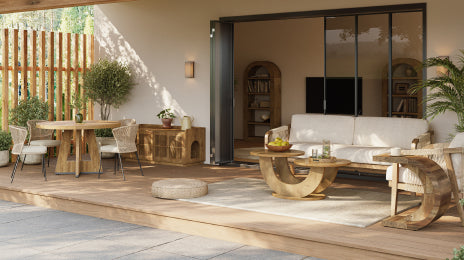
Sintered stone dining tables work best in modern dining rooms, open kitchen-dining areas, formal dining spaces, family dining rooms, and homes that often host guests. Their solid construction and stone-like finish also make them a good fit for new home furnishing projects where the dining table is meant to be a long-term focal point.
They may be less suitable for very small apartments, tight breakfast corners, spaces where furniture needs to be moved often, or rustic interiors that rely heavily on natural wood texture. Because these tables can also be relatively heavy, it is important to measure both the room and the access path before choosing a larger size.
Cleaning and Maintenance
One reason buyers consider sintered stone is simple maintenance. After meals, most everyday marks can be cleaned with a soft, damp cloth. For food spills, a mild cleaner can be used if needed.
Avoid abrasive pads or harsh chemicals, especially on glossy finishes. Even though sintered stone is durable, good daily care helps preserve the surface appearance over time.
For hot dishes, scratches, and stains, always follow the care instructions from the specific product page. Different tables may use different tabletop thicknesses, finishes, edge treatments, and support structures.
What to Check Before Buying
Before buying a sintered stone dining table, check the table size, seating capacity, tabletop thickness, surface finish, shape, base stability, product weight, packaging, assembly requirements, and recommended setup team size. Also make sure there is enough clearance around the table for chairs and walking space, and review the shipping and return policy before ordering.
For larger tables, pay particular attention to product weight, doorway and hallway access, and delivery path. Heavy models are easier and safer to unpack and assemble with two or more people.
FAQ
Is sintered stone good for a dining table?
Yes. Sintered stone is a good dining table material for buyers who want a stone-look surface that is easy to clean and suitable for daily meals. It is especially useful for modern dining rooms and family spaces where spills, heat, and frequent use are common concerns.
Is a sintered stone dining table better than a solid wood dining table?
It depends on your priorities. Sintered stone is easier to wipe clean and gives a more modern stone-look appearance. Solid wood feels warmer and more natural, but it may require more care against water marks, scratches, and heat marks.
Is a sintered stone dining table better than a glass dining table?
For family use, sintered stone is often more practical because it does not show fingerprints and smudges as easily as glass. Glass can make a small room feel lighter, but it usually requires more frequent cleaning.
What size sintered stone dining table do I need for 4 people?
A sintered stone dining table for 4 is suitable for small dining rooms, apartments, and breakfast areas. It is a good choice for compact spaces where a larger table would block walking room.
What size sintered stone dining table do I need for 6 people?
A sintered stone dining table for 6 works well in medium dining rooms. It offers more surface space than a 4-person table while still being easier to fit than a large 8-person table.
What size sintered stone dining table do I need for 8 people?
A sintered stone dining table for 8 is best for medium to large dining rooms or open kitchen-dining areas. It provides enough seating for family meals and hosting, but buyers should leave enough clearance around the table for chairs and walking space.
Is a round sintered stone dining table good for small spaces?
Yes, a round sintered stone dining table can work well in smaller dining areas or square rooms. The round shape feels softer and supports conversation, but it may offer less serving space than a rectangular table.
Is a rectangular sintered stone dining table better for hosting?
Usually, yes. A rectangular sintered stone dining table is often better for hosting because it provides more linear seating and more room for shared dishes, especially in larger dining rooms.
Is a glossy sintered stone dining table hard to maintain?
A glossy sintered stone dining table is not difficult to maintain, but it may show reflections, water spots, or fingerprints depending on lighting and color. Wiping it with a soft damp cloth after meals usually keeps the surface clean.
Final Thoughts
A sintered stone dining table is a practical option for buyers who want a modern stone-look dining surface with easier daily care. It is especially suitable for family meals, open dining rooms, and homes that host guests.
The best choice depends on size, shape, finish, and room layout. A sintered stone dining table for 4 is better for compact spaces, a sintered stone dining table for 6 works well for everyday family use, and a sintered stone dining table for 8 is more suitable for larger dining rooms and hosting. A sintered stone round dining table is softer and more social, while a rectangular sintered stone dining table offers more seating and serving space.
For most buyers, the key is not just choosing sintered stone, but choosing the right size and shape for the way the room is actually used.