





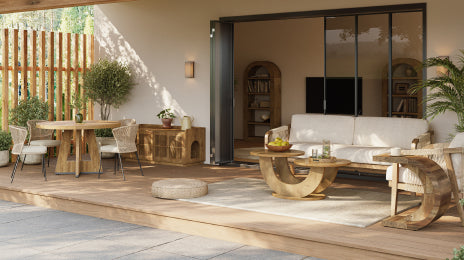
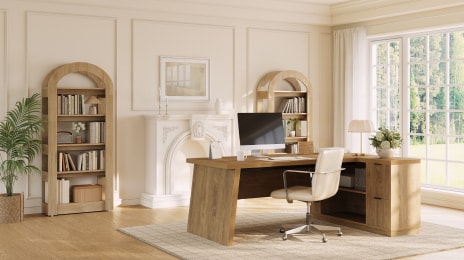




Living in a small living room sometimes feels like a puzzle. No matter how often you tidy up, things seem to pile up faster than you expect. A stack of books on the floor, mail gathering on the entryway table, or everyday essentials taking over valuable surface space can quickly make a room feel crowded.
Creating a more organized home doesn't always require a bigger house or a complete makeover. Often, it's the little changes that make the biggest difference. Making use of an empty corner, choosing a bookshelf that works harder, or adding a table with extra storage can help free up space and reduce everyday clutter.
The key is to be intentional with the furniture you bring into your home. When every piece serves a purpose, even a small apartment or cozy home can feel open, comfortable, and inviting. There are five simple ways to maximize storage in small spaces while keeping it warm, functional, and full of style.
Table of Contents
Turn Empty Corners into Functional Storage
Corners are often some of the most overlooked areas in a home. A living room corner sits empty beside the sofa. A bedroom corner becomes a temporary place for laundry baskets. In a home office, the corner frequently turns into a catch-all spot for boxes and rarely used items.
Yet these small areas can offer valuable storage without taking up additional floor space.
Instead of adding another cabinet or bulky organizer, consider using vertical storage that fits neatly into the corner. A well-designed bookshelf can hold books, framed photos, plants, candles, or baskets for everyday essentials. The result feels organized rather than crowded.
For rooms with limited square footage, height often matters more than width. A tall bookshelf makes use of vertical space while keeping the center of the room open. This approach works especially well in apartments, reading nooks, bedrooms, and compact living rooms.
The best corner storage doesn't just hide clutter. It adds personality to a room. Favorite books, travel souvenirs, family photos, and small decorative pieces can all become part of the design instead of being tucked away in closets.
Small changes can make a noticeable difference. A previously unused corner can become a home library, a display area, or a practical storage zone, all without making the room feel smaller. When storage is limited, looking beyond walls and closets is often the easiest place to start. Sometimes the most useful square footage is already there, waiting in the corner.
Think Vertical Instead of Horizontal
When storage starts running out, the first instinct is often to look for more floor space. In reality, some of the most useful storage opportunities are already sitting above eye level.
Walls, corners, and empty vertical space can do far more than many people expect. A tall bookshelf offers room for far more than books. Everyday items such as photo albums, baskets, candles, small plants, and decorative accents can all be stored in one place while remaining easy to access. An open design also helps a room feel lighter than large enclosed cabinets, which can sometimes make smaller spaces feel heavy.
In living rooms, vertical shelving creates a natural home for books, framed photos, and seasonal décor. In bedrooms, shelves can hold extra linens, storage baskets, or favorite reads. Home offices benefit just as much, keeping supplies and reference materials organized without taking up valuable desk space.

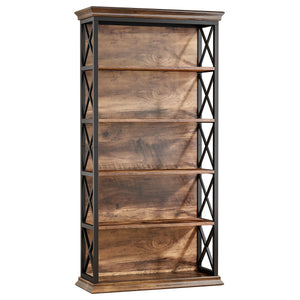
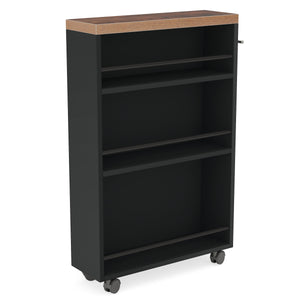
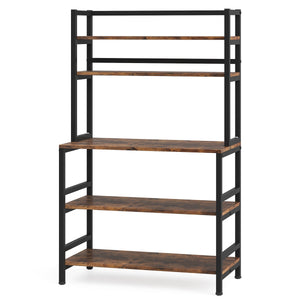
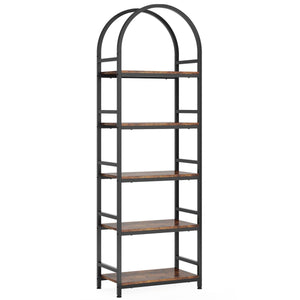
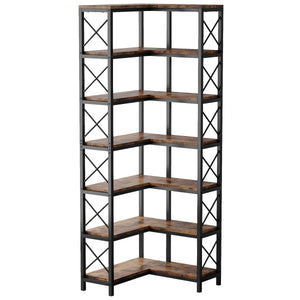
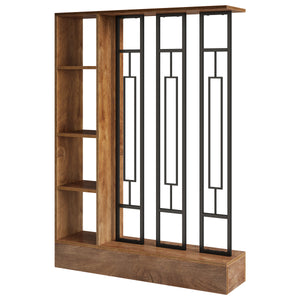
A piece such as a 5-tier corner shelf can instantly add storage while drawing the eye upward, creating the impression of a larger room. For homes that lean toward a modern or industrial aesthetic, a tall skinny display bookcase provides a balance of storage and display space, making it easy to keep essentials close at hand without sacrificing style.

The key is thoughtful organization. Frequently used items can stay within easy reach, while decorative pieces help break up the shelves and keep them from feeling cluttered. Small spaces often demand creative solutions. Looking up instead of out is one of the simplest ways to gain storage without adding unnecessary furniture or making a room feel crowded.
Make the Entryway Work Harder
The entryway may be one of the smallest areas in a home, but it often handles the most traffic. Shoes are kicked off by the door. Keys land on the nearest surface. Bags, mail, and packages quickly begin to accumulate.
Without a dedicated place for these everyday items, clutter tends to spread into surrounding rooms.
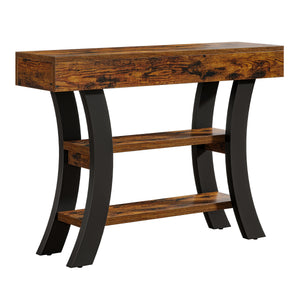
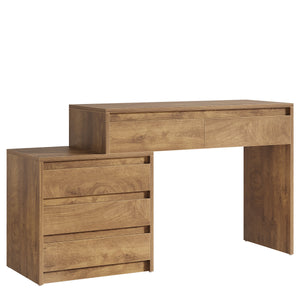
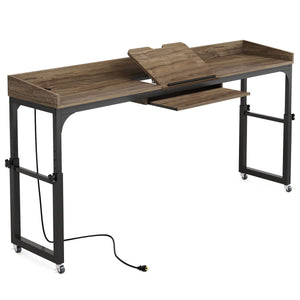
A CONSOLE TABLE can help create structure from the moment someone walks through the door. Instead of leaving essentials scattered across countertops or dining tables, everything has a designated spot. A bowl for keys, a basket for mail, and a tray for sunglasses can instantly make daily routines feel more organized.
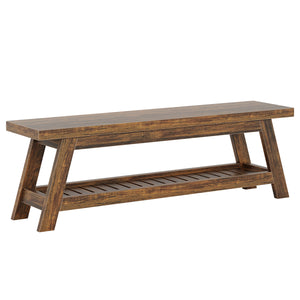
Narrow entryways benefit especially from this approach. A slim 55" Console Table provides storage and display space without making the area feel crowded. Decorative accents such as lamps, framed artwork, or greenery can add warmth while still leaving room for practical essentials.

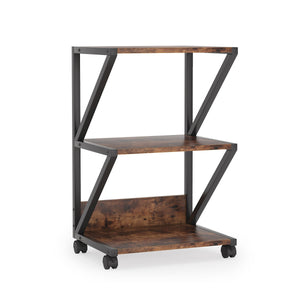
For homes that need a little more storage, a 3-Tier Console Table paired with woven baskets underneath creates space for shoes, pet supplies, seasonal accessories, or reusable shopping bags. The added storage remains accessible while helping maintain a cleaner appearance.

A well-organized entryway sets the tone for the rest of the home. It makes coming and going easier, reduces daily clutter, and creates a welcoming first impression. Sometimes a single piece of furniture is enough to make the entire space feel more put together.
Use End Tables as Everyday Storage Helpers
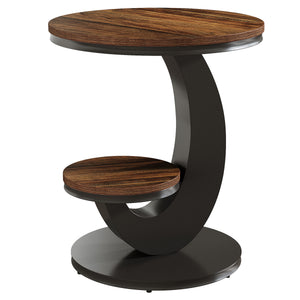
END TABLE is often chosen for convenience. A place for a cup of coffee, a reading lamp, or a favorite candle. In smaller homes, however, they can do much more than fill an empty spot beside the sofa.
A thoughtfully chosen end table helps keep everyday essentials within reach while reducing visual clutter throughout the room.
Remote controls, charging cables, notebooks, magazines, and current reads all need a place to land. Without one, those items tend to spread across coffee tables, countertops, and cushions. An end table creates a natural home for these daily necessities, helping shared spaces feel calmer and more organized.
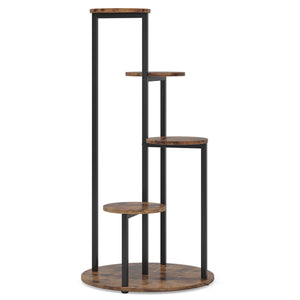
In compact living rooms, flexibility matters. A slim 4-Tier End Table can fit beside a sofa or accent chair without taking up valuable floor space. Open shelving provides room for books and baskets, while the tabletop remains available for everyday use.

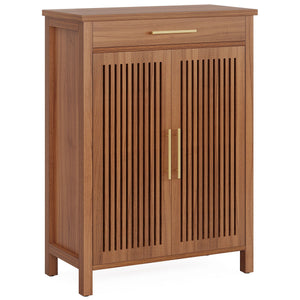
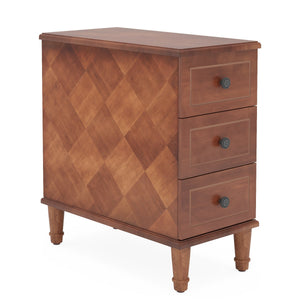
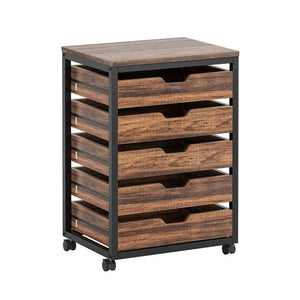
For even tighter spaces, a 2-Drawer Wood End Table can slide neatly beside a couch or under a sectional. It works equally well as a side table, laptop station, or convenient surface for morning coffee. The footprint stays small, but the functionality expands.
Storage doesn't always require large furniture pieces. Sometimes the most practical solutions are also the simplest. A well-placed end table can keep essentials organized, reduce clutter, and make a room feel more comfortable for daily living.

Choose Furniture That Does More Than One Job
In a small home, every piece of furniture should earn its place. Furniture that serves a single purpose can quickly fill a room without adding much value. Pieces that combine storage, display, and everyday functionality may help make the most of limited space while keeping rooms feeling open and comfortable.
A bookshelf, for example, does far more than store books. Open shelves can display family photos, hold storage baskets, organize office supplies, or showcase favorite décor pieces. A versatile 5-Tier Corner Shelf can easily adapt as needs change, making it useful in living rooms, bedrooms, and home offices alike.
The same principle applies to a tall skinny display bookcase. Items used every day remain easy to reach, while decorative objects help create a warm and lived-in look. The result feels organized rather than overly structured.
Console tables are another example of hardworking furniture. Positioned in an entryway, behind a sofa, or along an empty wall, they provide storage, display space, and visual balance at the same time. A 55" Console Table can hold lamps, books, baskets, or seasonal décor, while a 3-Tier Console Table makes use of areas that might otherwise go unused.
Even smaller pieces can contribute to better organization. End tables provide a convenient home for chargers, books, candles, and other daily essentials. Instead of creating more clutter, they help contain it.
When furnishing a small space, the goal isn't to add more pieces. It's to choose pieces that offer more possibilities. Multifunctional furniture helps rooms stay organized, adaptable, and ready for everyday life.
Final Thought
A more organized home doesn't always require more space. Often, it starts with using existing space more thoughtfully.
An unused corner, an empty wall, or a small spot beside the sofa can offer more storage than expected when paired with the right furniture. Over time, these small improvements can help reduce clutter, simplify daily routines, and create a home that feels more comfortable to live in.
No matter the size of the space, practical storage solutions can make every room feel a little more open, a little more organized, and a lot more enjoyable.
FAQ
-
What is the best way to add storage to a small room?
-
Are bookshelves a good option for small spaces?
-
How can an entryway stay organized with limited space?
-
What type of funriture works best in a small living room?
-
How can a small space feel bigger without remodeling?