





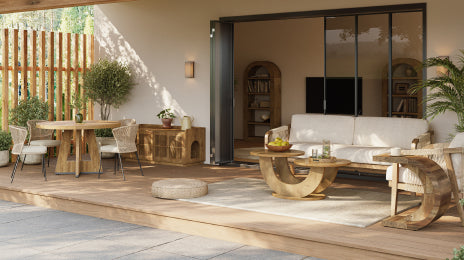




Most people are not choosing between stone and wood because one is simply better. They are choosing based on how the table will actually live in their home.
A stone dining table makes sense if you want easy cleanup, heat resistance, and a clean modern look. A wood dining table feels warmer and more relaxed, especially if you like natural texture, repairability, and a table that does not need to look showroom-perfect every day.
Stone vs. Wood Dining Table: Quick Comparison
|
Factor |
Stone Dining Table |
Wood Dining Table |
|
Best for |
Modern homes, easy cleaning, statement dining rooms |
Warm interiors, family spaces, timeless style |
|
Look and feel |
Sleek, polished, upscale |
Natural, cozy, inviting |
|
Touch Temperature |
Feel cooler |
Warmer |
|
Daily cleaning |
Easier with sintered stone, ceramic, or quartz |
Easy, but needs more protection |
|
Heat resistance |
Generally stronger |
Trivets and placemats are needed |
|
Scratch resistance |
Strong, depending on material |
Can scratch, but solid wood is often repairable |
|
Stain resistance |
Excellent for engineered stone; weaker for marble |
Depends on the finish |
|
Weight |
Heavy and harder to move |
Usually easier to relocate |
|
Long-term repair |
Chips and cracks can be difficult to fix |
Solid wood can often be refinished |
|
Overall mood |
Clean, bold, contemporary |
Warm, flexible, lived-in |
What Is a Stone Dining Table?
Not every stone dining table is the same, even if they look similar at first glance. A marble table, a granite table, and a sintered stone table can all bring that sleek, substantial look to a dining room, but they behave very differently once real life starts happening around them.

78.7" Travertine Slab Dining Table, $1,699.99
Marble is beautiful. There is no denying that. It gives a dining room a classic, upscale feeling that few materials can match. The tradeoff is that marble needs attention. A glass of red wine, a splash of lemon juice, a coffee ring, or a little pasta sauce left behind after dinner can become a problem if it is not cleaned up quickly.
Granite and quartzite are stronger natural-stone choices for many homes. They still feel rich and substantial, but they are generally less delicate than marble.
Related read: Is quartz better than sintered stone tabletops?
Then there are the more practical stone-look surfaces: quartz, ceramic, porcelain, and sintered stone. These are the materials many modern households end up loving because they look refined but do not demand constant caution. They are typically better at handling everyday spills, hot dishes, scratches, and moisture.
For a home where the dining table is used for breakfast, homework, takeout nights, family dinners, and weekend hosting, a sintered stone dining table or ceramic table is usually the more livable choice. It gives you the style you want without making daily use feel stressful.
What Is a Wood Dining Table?
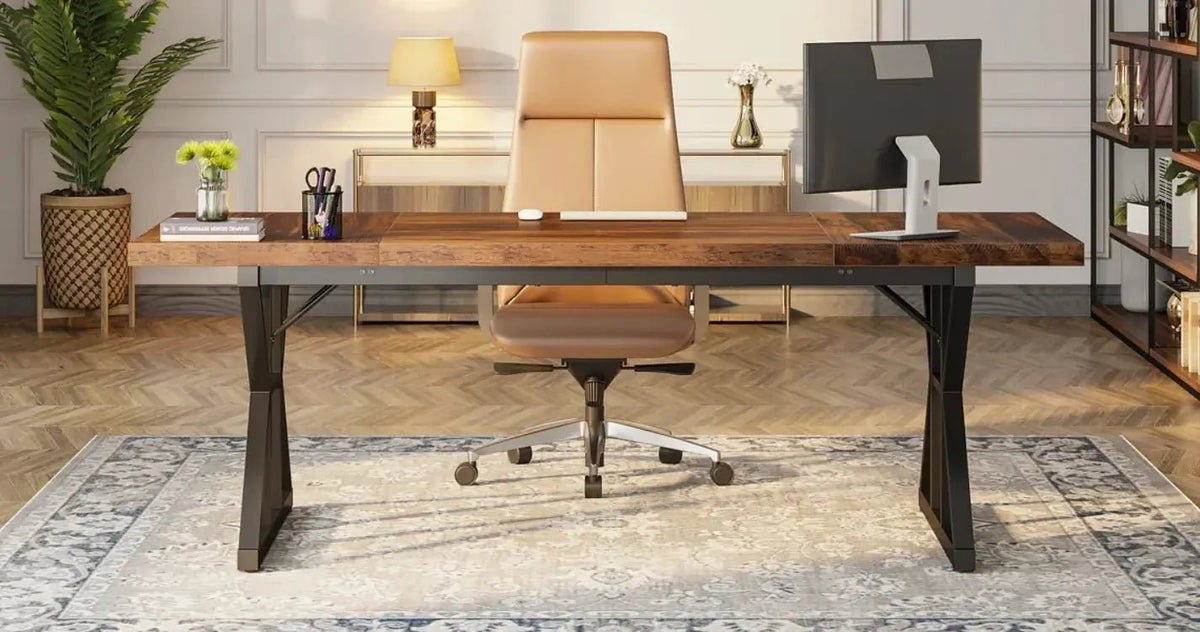
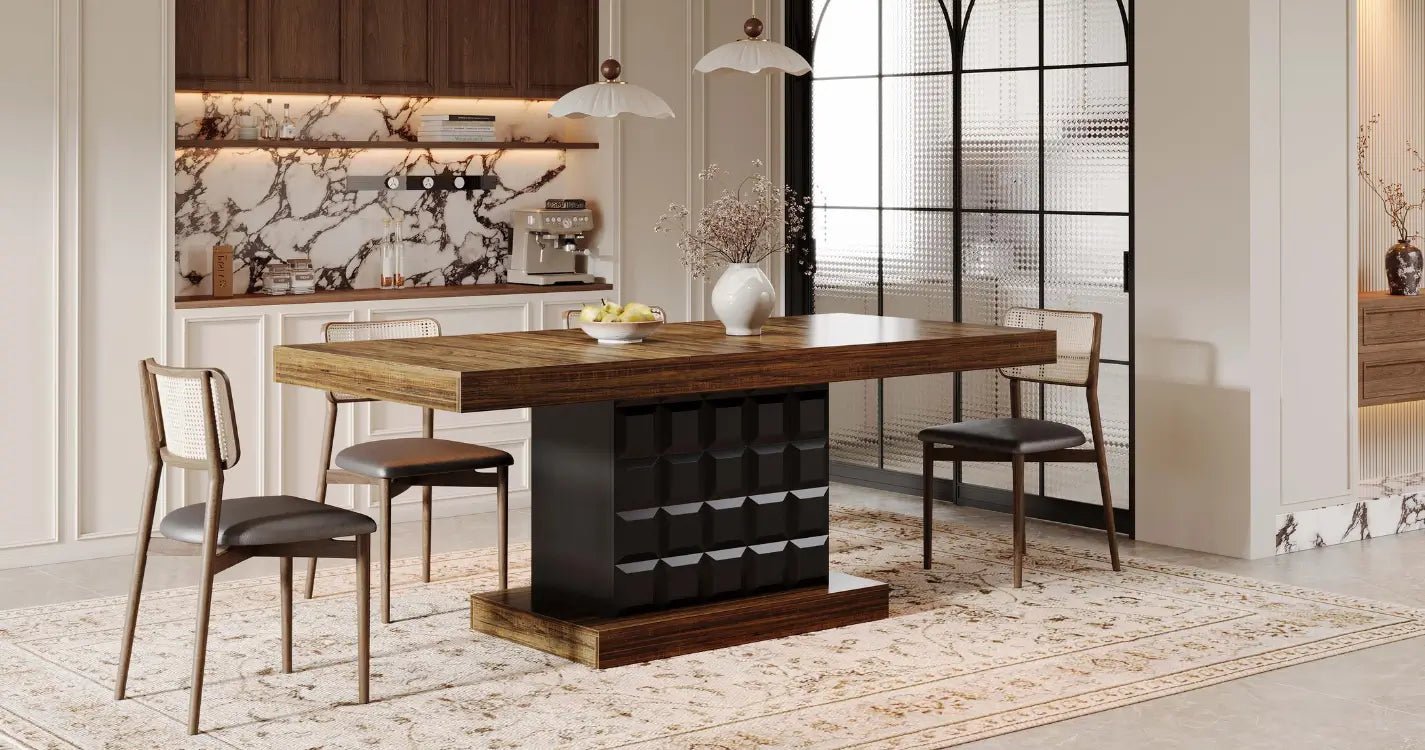
A wood dining table is one of those pieces that can instantly make a dining room feel warmer and more lived-in. It may be made from solid wood, veneer, engineered wood, or a mix of wood and metal, but the appeal usually comes down to the same thing: natural texture, warmth, and everyday comfort.
Common wood options include:
- Oak
- Walnut
- Acacia
- Pine
- Rubberwood
- MDF or engineered wood with veneer
Solid wood is often the most desirable choice because of its natural grain, rich color, and ability to age beautifully over time. A good wood table does more than fill a dining space. It makes the room feel relaxed, welcoming, and personal.
The main tradeoff is care. Wood can scratch, dent, stain, or develop water rings if spills, heat, or daily messes are not handled properly. For everyday use, placemats, coasters, and quick cleanup can make a big difference.

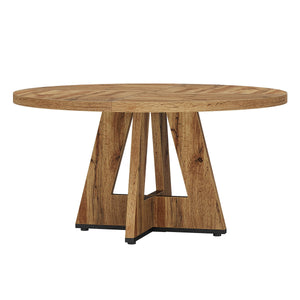
47-Inch Round Farmhouse Dining Table, $164.00, Best For Small Space
Market Trend Support
Market data also shows why this comparison is worth paying attention to. The global dining table market is projected to grow from $9.19 billion in 2026 to $16.01 billion by 2034, which suggests that dining tables remain an active furniture category as people continue to upgrade their homes.
Within that larger market, sintered stone dining tables are still a smaller niche, but they are growing. The global Sintered Stone Dining Table market is projected to rise from $318 million in 2025 to $413 million by 2032. That tells us wood is still the more familiar mainstream choice, while stone-look tables are becoming a stronger option for shoppers who want a cleaner, more modern, and lower-maintenance dining space.

Is Stone More Expensive Than Wood?
Usually, yes. Stone dining tables usually cost more, especially when they use marble, quartzite, or large natural slabs. Heavy delivery or special handling can also add to the real cost.
Wood has a wider price range. Engineered wood and veneer are usually more budget-friendly, while oak, acacia, walnut, and custom solid wood move higher.
|
Price Level |
Common Materials |
|
Budget-friendly |
Engineered wood, veneer, rubberwood |
|
Mid-range |
Oak, acacia, ceramic, sintered stone with metal base |
|
Premium |
Walnut, marble, quartzite, custom solid wood, large stone slabs |
Final Verdict
If you want a dining table that feels warm, timeless, and easy to style, wood is still one of the most inviting choices. It may need more surface protection than stone-look materials, but it brings a natural character that many homes are built around.

FAQs
Is A Stone Dining Table Better Than Wood?
A stone dining table is better for heat resistance, easy cleaning, and a modern look. A wood dining table is better for warmth, comfort, and repairability. The better choice depends on your lifestyle and room style.
Are Stone Dining Tables Hard To Maintain?
Some are, but not all. Sintered stone, ceramic, and quartz dining tables are usually low-maintenance. Marble and travertine need more care because they can stain or etch.
Do Wood Dining Tables Scratch Easily?
Wood can scratch, especially softer woods or tables with delicate finishes. The advantage is that solid wood can often be sanded, refinished, or touched up.
Is Marble Good For A Dining Table?
Marble is beautiful and luxurious, but it is not the easiest dining table material for everyday use. It can stain or etch from wine, citrus, vinegar, coffee, and tomato sauce. It is better for formal dining rooms or careful users.
Which Lasts Longer, Stone Or Wood?
Both can last for many years. Stone resists surface wear well, while solid wood has the benefit of being easier to repair and refinish. For long-term use, material quality matters more than the category itself.