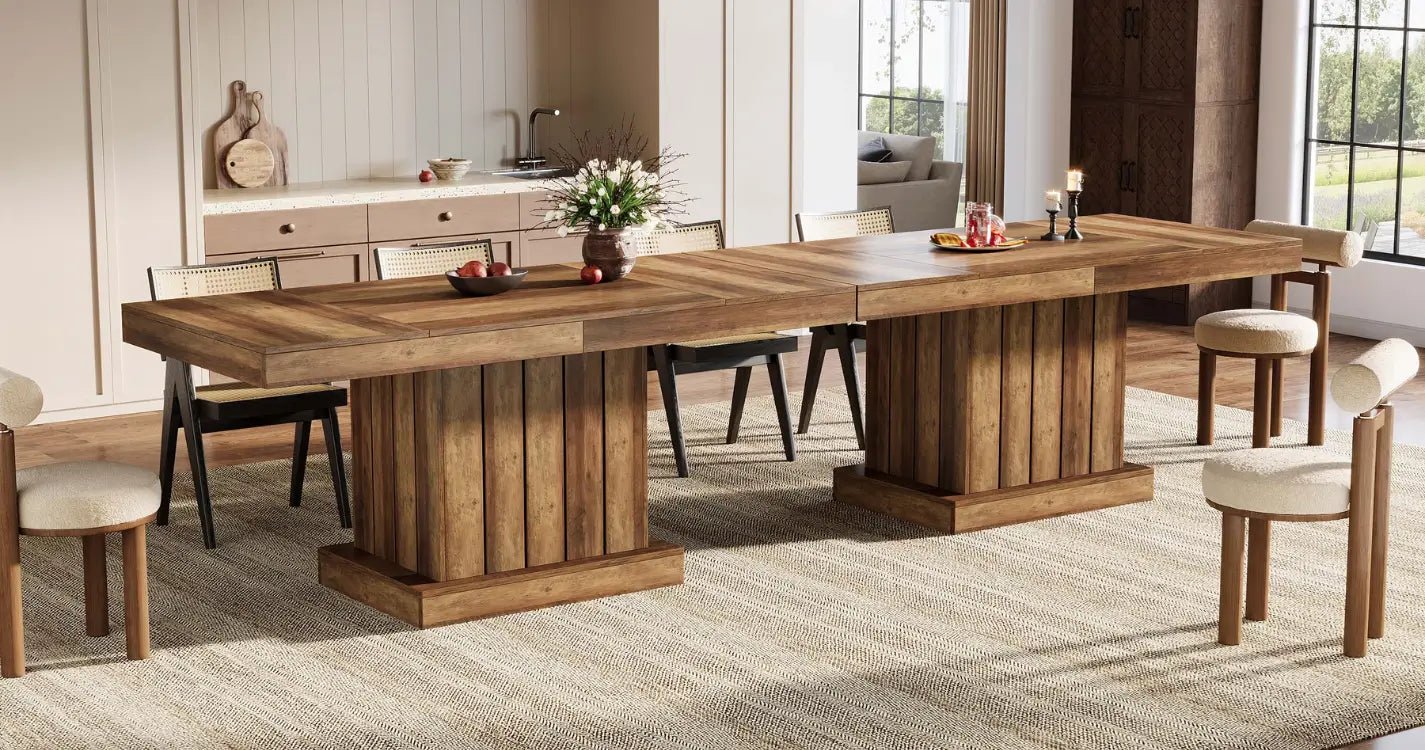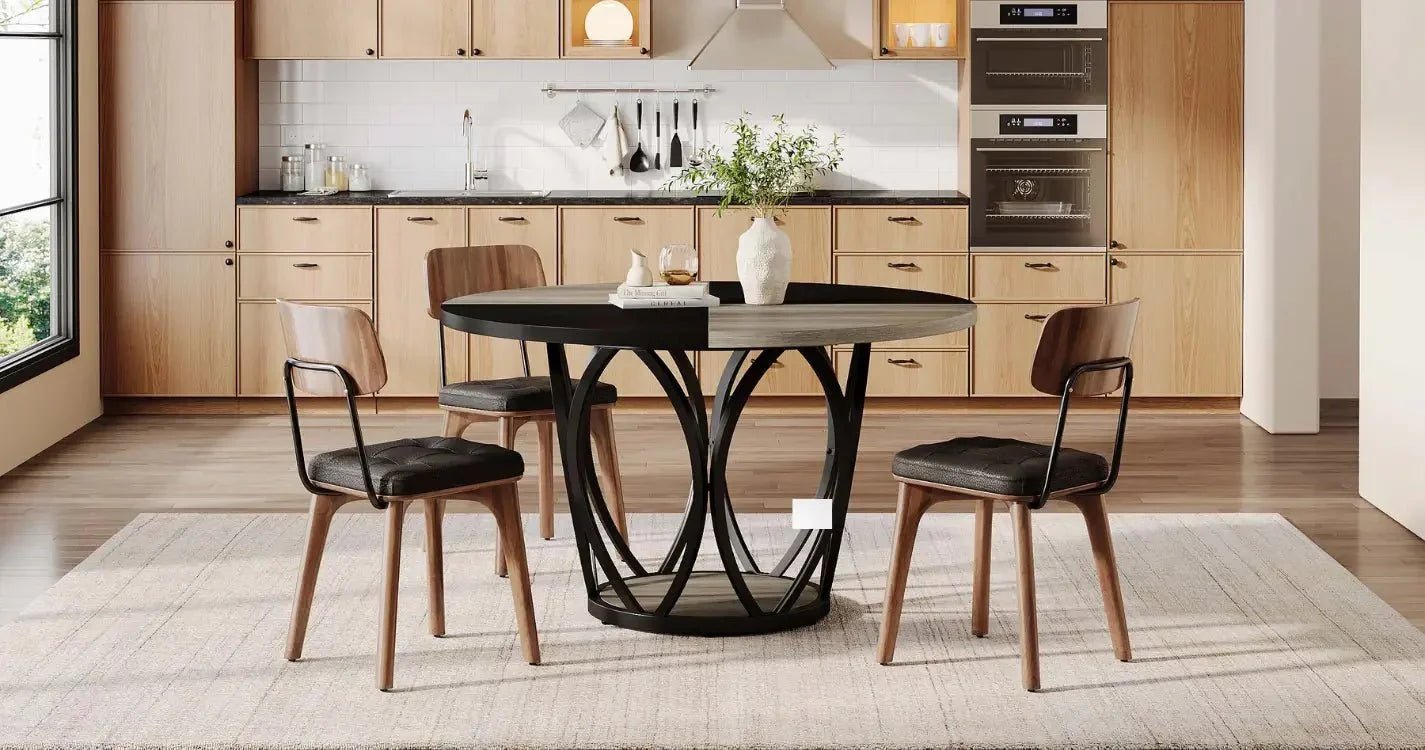


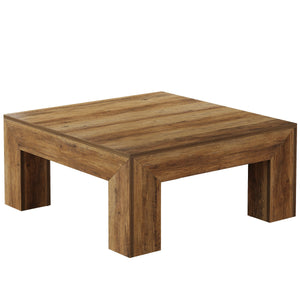


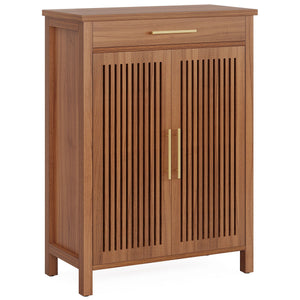

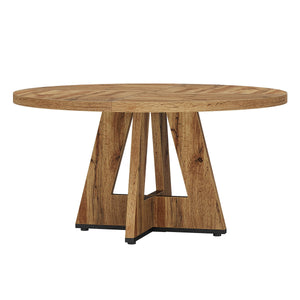
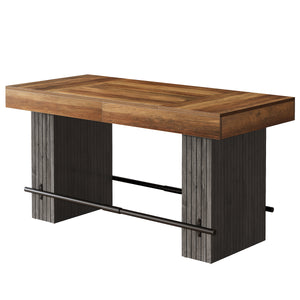
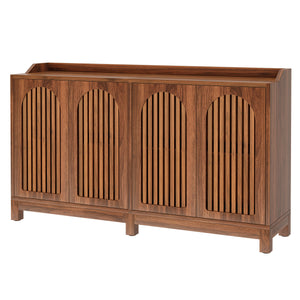

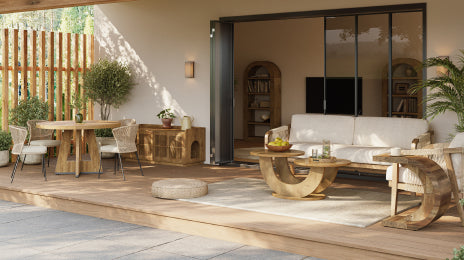
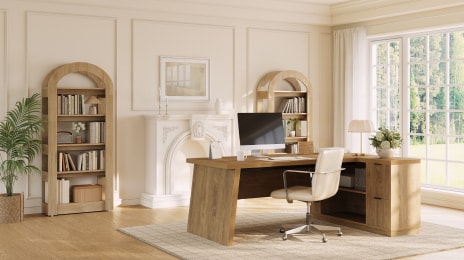




The centerpiece, candles, wall art, and plants all help, but they should not lead the room. A dining room works best when the main pieces are right first: the table fits the space, the chairs feel good to sit in, the lighting makes the room usable, and there is enough storage to keep clutter off the table.
Here are eight practical dining room ideas to help your space feel more finished without making it feel overdone.
Table of Contents
- Quick Dining Room Decorating Formula
- 1. Choose a Dining Table That Fits Your Real Life
- 2. Pick Dining Chairs People Want to Stay In
- 3. Use Lighting to Give the Room a Center
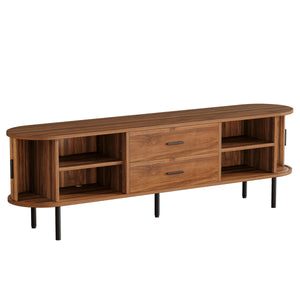
- 4. Add a Sideboard, Cabinet, or Rack for Storage
- 5. Use Right Rug Size
- 6. Keep the Color Palette Simple
- 7. Decorate the Walls With One Strong Idea
- 8. Finish With Simple Table Decor and Greenery
- Small Dining Room Tips
- Final Thoughts
- FAQ
Quick Dining Room Decorating Formula
Use this order when you are not sure where to begin:
|
Step |
What to Choose |
|
1 |
Dining table |
|
2 |
Comfortable chairs |
|
3 |
Lighting above the table |
|
4 |
Storage piece |
|
5 |
Rug, if the size works |
|
6 |
Wall decor |
|
7 |
Simple table styling |
|
8 |
Plants or small finishing touches |
This order keeps the room practical first. Style comes after the main pieces are working.

1. Choose a Dining Table That Fits Your Real Life
A small dining area usually needs a table that keeps movement easy. Soft edges, a lighter base, or a pedestal design can help the room feel less crowded. A larger dining room can handle something more substantial, especially when the dining table needs to anchor the space.
For homes that host occasionally, an extendable table is often the smarter choice. It gives you room for guests without making everyday meals feel oversized.
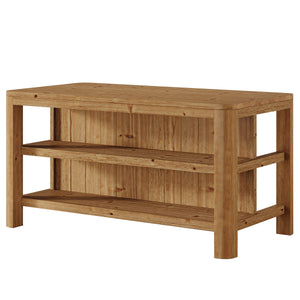
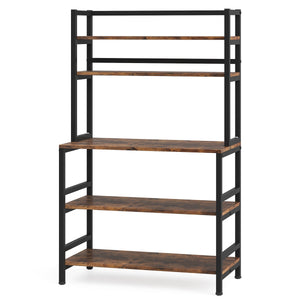
Before choosing the finish, check the fit. The table should leave room for any storage piece you plan to add, such as a sideboard, bar cabinet, or baker’s rack.
2. Pick Dining Chairs People Want to Stay In
Dining chairs should look good, but comfort matters more.
Wood chairs are easy to clean and work well for everyday meals. Upholstered chairs feel softer and more inviting, especially for longer dinners. Performance fabric is a smart choice when the dining room handles kids, pets, or frequent spills.
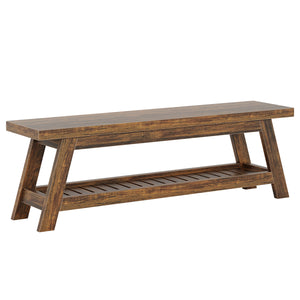
A full matching set is not required. A wood table can pair well with black chairs, upholstered end chairs, or a bench on one side. The room usually feels more natural when not every piece looks identical.
The key is to repeat one detail. Use the same leg color, similar seat height, or a shared wood tone. That keeps the mix intentional.
3. Use Lighting to Give the Room a Center
A dining room needs a clear focal point. Lighting is the easiest way to create one.
Place a pendant light or chandelier above the table. A round table looks good with a round fixture, globe pendant, or compact chandelier. A rectangular table usually works better with a linear chandelier or two smaller pendants.
Warm light is better than harsh white light in a dining room. It makes wood tones, fabric, and food look better. A dimmer helps too, especially when the space is used for both homework and dinner.
Larger rooms can use a second layer of lighting. A lamp on a sideboard or a pair of wall sconces can make the room feel softer in the evening.

4. Add a Sideboard, Cabinet, or Rack for Storage
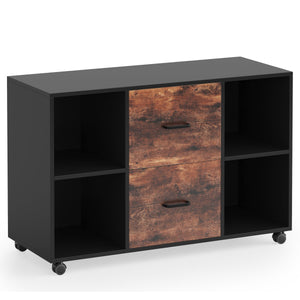
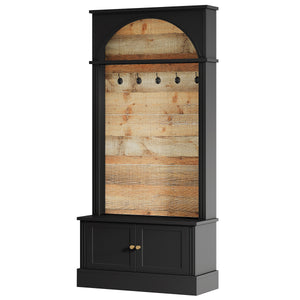
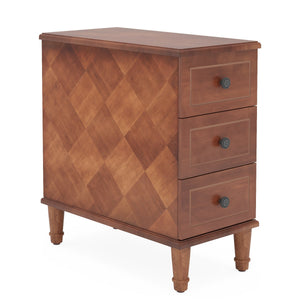
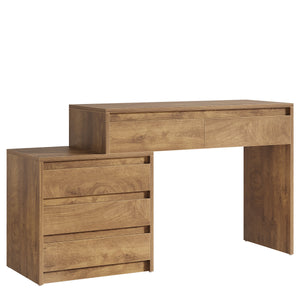
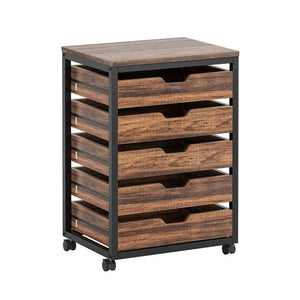
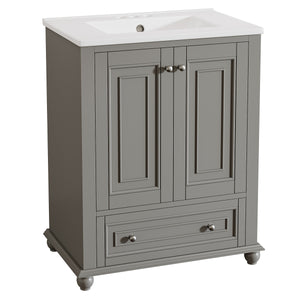
A dining room without storage often turns messy. Extra dishes, napkins, candles, placemats, serving bowls, and seasonal pieces need somewhere to go. A sideboard or buffet cabinet keeps those items close without leaving them on the table.
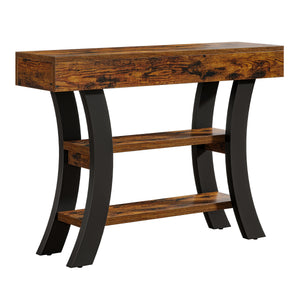
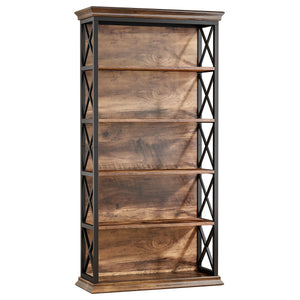
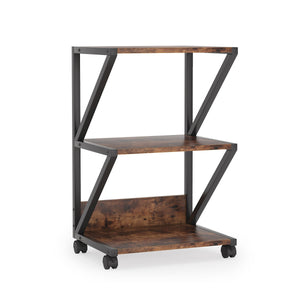
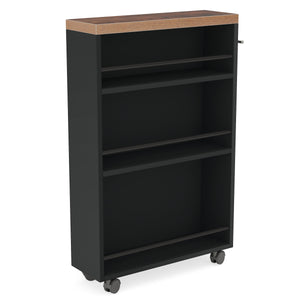
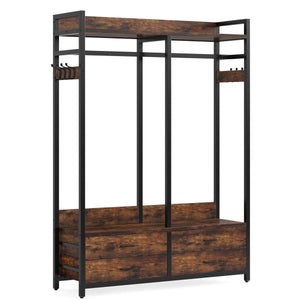
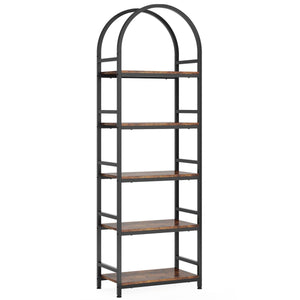
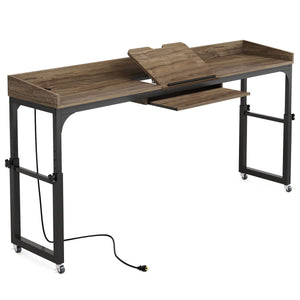
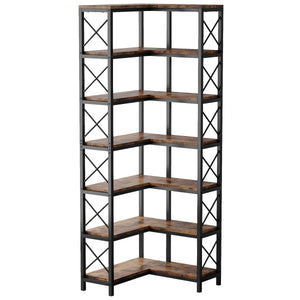
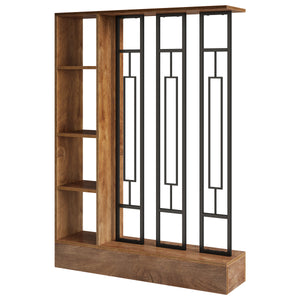
Small dining room? Choose a slim cabinet, baker’s rack, bar cart, or narrow console. Vertical storage works better than bulky furniture when floor space is limited.
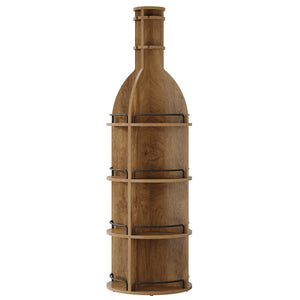
For people who host often, a wine rack or bar cabinet can turn an empty wall into a useful serving area. Near the kitchen, a kitchen cart can add extra surface space without a remodel.
5. Use Right Rug Size
A rug can make a dining room feel more complete, but the wrong area rug size does the opposite.
The rug should be large enough for the table and chairs. Chairs should still sit on the rug when pulled out. A rug that only fits under the table legs will look too small.
Low-pile rugs work best because chairs move more easily. Patterned rugs are more forgiving with crumbs and everyday marks. Washable rugs are useful for busy homes.
In an open-plan layout, a rug helps mark the dining area. In a very small dining room, skipping the rug may be better. Clear floor space can make the room feel easier to move through and easier to clean.
6. Keep the Color Palette Simple
A dining room usually feels better when the colors have a clear direction. You do not need a complicated palette. Two or three steady tones are enough for most spaces.
- Start with a warm base. Cream, beige, warm white, taupe, and soft gray are easy to live with. They work well with wood tables, woven textures, black metal, and simple table decor.
- Bring in contrast where the room needs it. A black light fixture, dark wood sideboard, or charcoal accent can keep the space from feeling flat. The contrast looks more intentional when it appears in two or three places.
- Use deeper colors for a cozier dining room. Deep green, navy, chocolate brown, or muted burgundy can make the room feel more intimate, especially at night. These shades work best with warm lighting and furniture that still leaves the room some breathing space.
- Keep small dining areas lighter visually. Light walls can help, but paint is only part of it. Slim chairs, an open table base, and a narrow cabinet often do more for a small room than another pale color.
- Repeat one finish to tie things together. A wood sideboard can pick up the tone of the dining table. Brass hardware can echo a warm light fixture. Black metal on chairs, shelves, or lighting can make the room feel connected.
Simple color does not mean the room has to look plain. It just gives everything a calmer place to land.
7. Decorate the Walls With One Strong Idea
Dining room walls should not feel empty, but they also do not need too much. The best wall decor supports the dining area. It should not compete with the table.
One large piece of art above a sideboard can be enough. A mirror is another good choice, especially in a small or darker room. It reflects light and makes the space feel more open.
A gallery wall works when the frames feel connected. Family photos, vintage prints, travel photos, or botanical art can make the room feel personal without looking random.
Wallpaper or wall molding can add detail when the furniture is simple. Even one accent wall can make the room feel more designed.
8. Finish With Simple Table Decor and Greenery
Good table decor should be easy to live with. It should make the room feel finished, not give you one more thing to clear away.
For everyday use, keep the table simple. A low vase, a small bowl, a tray, candle holders, or a runner is usually enough. Anything too tall or too wide will probably get moved before dinner starts.
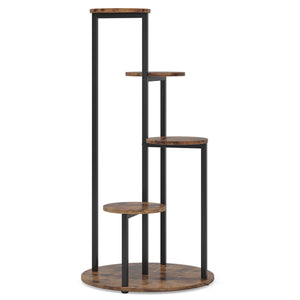
Greenery is an easy way to soften the room. A floor plant can fill an empty corner, while a small arrangement on the table or sideboard adds a little life without taking over the space.
Leave some open space on the tabletop. The dining table still needs to handle meals, coffee, laptops, homework, and whatever else the day brings.

Small Dining Room Tips
Choose a round or oval dining table. Use chairs that tuck under the table. Try a bench if one side sits near a wall. Add storage vertically with a baker’s rack, narrow cabinet, or wall shelf.
A mirror can help the room feel lighter. A slim sideboard can add storage without crowding the space. Avoid oversized chairs, deep cabinets, and rugs that make the floor feel chopped up. Every piece should earn its place.
Final Thoughts
Decorating a dining room is not about filling every wall or buying a full matching set.
Start with the pieces that affect daily life: the table, chairs, lighting, and storage. Then add a rug, wall decor, greenery, and simple table styling.
The best dining room looks good, but it also works on a normal weekday. That is the real test.
FAQ
How Do I Start Decorating a Dining Room?
Start with the table. Choose a size and shape that fits the room, then add comfortable chairs, lighting, storage, and simple decor.
What Furniture Does a Dining Room Need?
A dining room usually needs a table and chairs first. A sideboard, buffet cabinet, wine rack, baker’s rack, or kitchen cart can add useful storage.
What is the Best Table Shape For a Small Dining Room?
Round or oval tables usually work best. They are easier to move around and make small spaces feel less crowded.
Should I Put a Rug Under My Dining Table?
Use a rug when it is large enough for the table and chairs. In very tight spaces, skipping the rug can make the room easier to use.
How Do I Make My Dining Room Look Better on a Budget?
Change the light fixture, add a mirror, bring in a sideboard, update the table decor, or swap only the chairs. Small changes work best when the main furniture already fits the room.