









What Is a Sintered Stone Dining Table?
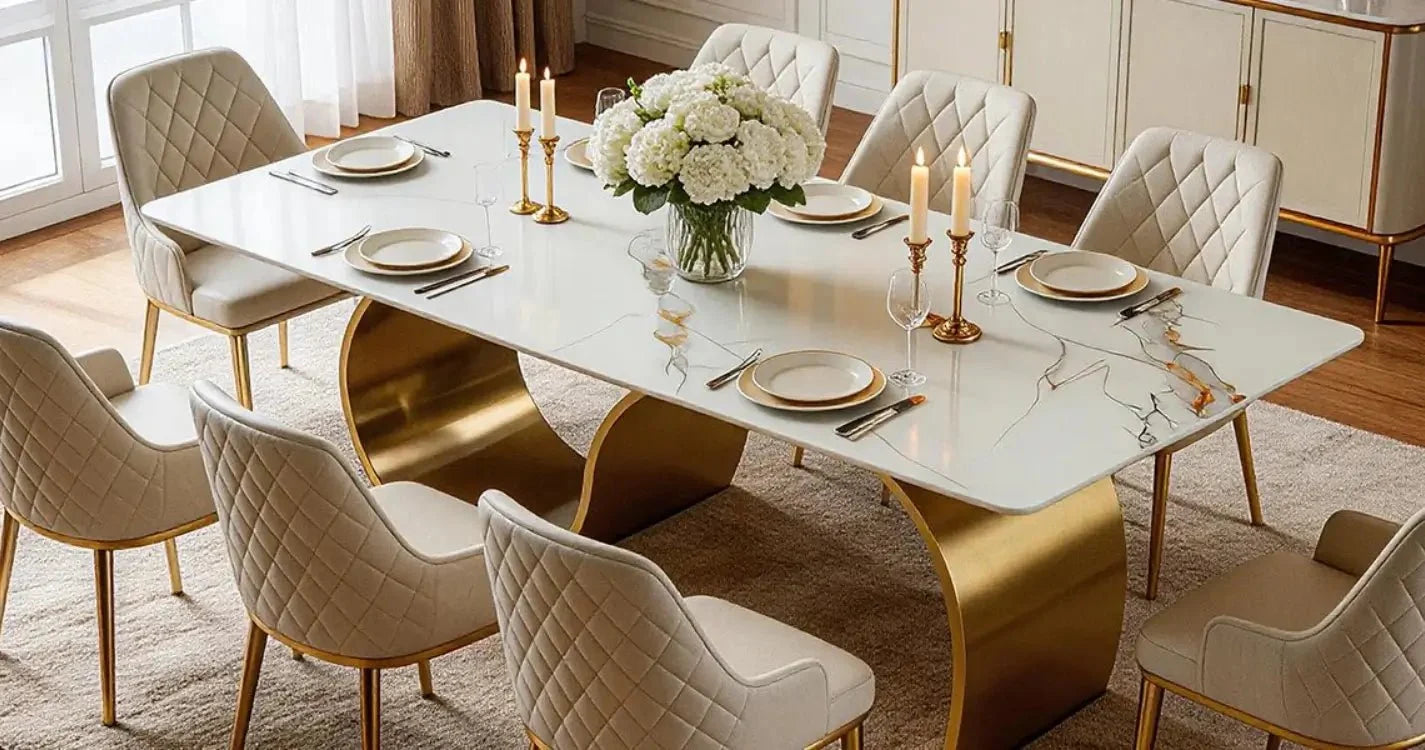
A sintered stone dining table uses a tabletop made from natural minerals that are pressed and heated into a dense slab. The result is a hard, non-porous surface with the look of stone and the performance of a modern engineered material.
That non-porous surface is the key reason people like it for dining rooms. Food spills do not soak in easily. Water rings are less of a problem. Daily wiping feels simple instead of stressful.
Most sintered stone dining tables pair the stone top with a metal, wood, or pedestal base. The style often leans modern, but the patterns can vary a lot, from marble-look veining to soft gray, white, black, or concrete-inspired finishes.

Is Sintered Stone Good for Dining Tables?
Yes. Sintered stone works well for dining tables because it handles the mess real homes create: hot dishes, coffee cups, sauce, crumbs, water, and daily cleaning.
A dining table is no longer just a place for dinner. In many homes, it also becomes a homework desk, work zone, craft surface, game table, and weekend hosting spot. That kind of use asks more from the tabletop than a purely decorative piece of furniture.
Sintered stone fits that lifestyle because it is practical without looking plain. It gives you a polished stone-like appearance, but it does not ask for the same level of care as many natural stone surfaces.
Benefits of a Sintered Stone Dining Table
Spills Are Easier to Deal With
Coffee, wine, juice, sauces, and greasy takeout are common stains on dining tables. The dense, non-porous surface of sintered stone prevents liquids from easily penetrating, so most stains can be wiped clean with a cloth. Compared to marble or other porous stones, it offers less hassle for everyday dining.
Heat is Less Stressful
Hot plates, bowls, and cups are essential for daily meals. Sintered stone is more heat-resistant than wood, laminate, or many painted surfaces. Very hot cookware still needs to be placed on a heat-resistant mat.
Daily Use is Unlikely to Leave Obvious Scratches
Plates, cups, bowls, and utensils usually will not scratch sintered stone easily. That makes it practical for homes where the dining table is used every day, not just for holidays.
Cleanup Stays Simple
Most messes only need a soft cloth, water, and mild soap. There is no sealing, waxing, or polishing routine to keep up with.
You Get the Stone Look Without the Fussy Care
Sintered stone can mimic marble, slate, or concrete, but it is easier to maintain than many natural materials.
A white marble-look top can brighten a dining room. A darker surface can make the space feel more dramatic. A soft neutral finish works well in modern, transitional, or minimalist homes.
Cons of Sintered Stone Dining Table
Edges Need Some Care
The flat surface is tough, but the edges can still chip if they take a hard hit.
A dropped pan, a chair arm, or a heavy object hitting the side at the wrong angle may cause damage. That does not make the table fragile. It just means impact is different from normal daily use.
For family homes, rounded or beveled edges usually make more sense than thin, sharp corners.
Repairs Are Not as Forgiving as Wood
Wood can often be sanded, touched up, or refinished. Sintered stone is harder to repair cleanly.
Small chips may be fixable, but the repair may still show, especially on a veined or patterned surface.
That is the trade-off: better resistance to stains, heat, and daily wear, but less flexibility when damage does happen.
The Feel is Sleek, Not Warm
Sintered stone has a cool, solid feel. Some people like that clean, modern touch. Others may miss the warmth of wood.
Dishes can also sound sharper when placed on the surface. Placemats help soften both the sound and the feel.
Weight Matters More than People Expect
Sintered stone dining tables are usually heavier than wood, laminate, or glass-top tables.
That affects delivery, assembly, and moving. It also makes the base more important. A heavy tabletop needs strong, stable support underneath.

Sintered Stone vs. Other Dining Table Materials
|
Material |
Best For |
Main Strength |
Main Trade-Off |
|
Sintered stone |
Busy homes, modern dining rooms |
Resists stains, heat, water, and daily scratches |
Edges can chip under hard impact |
|
Wood |
Warm, classic interiors |
Natural feel and repairable surface |
Can scratch, stain, or show water rings |
|
Marble |
Luxury dining spaces |
Natural beauty and unique veining |
Porous, heavy, and higher maintenance |
|
Ceramic |
Modern homes |
Heat resistance and clean style |
Quality varies; edges may chip |
|
Glass |
Small spaces and airy rooms |
Makes a room feel visually lighter |
Shows fingerprints and smudges easily |
|
Laminate |
Budget-friendly setups |
Affordable and lightweight |
Less resistant to heat and long-term wear |
Compared with wood, sintered stone is easier to clean and better at handling water, stains, and heat. Compared with marble, it is usually less demanding. Compared with glass, it hides smudges better and feels more substantial.
The main trade-off is repairability. Once a sintered stone edge chips, it is harder to fix cleanly than a wood surface.
Who Might Not Like It?
Sintered stone is not the best match for everyone.
Someone who loves the warmth, grain, and natural aging of wood may find sintered stone too cool or sleek. Buyers who move often may not love the weight. Very tight-budget shoppers may prefer laminate or simpler wood options.
It may also be the wrong choice for a home where the table edges are likely to get hit often by heavy objects. The surface is tough, but the edge still deserves care.
How to Clean a Sintered Stone Dining Table?
Daily cleaning is simple.
Use a soft cloth with water for light messes. Add mild soap for food spills or greasy spots. Wipe the surface dry when needed.
Avoid abrasive pads, harsh scraping, and dragging rough objects across the table. Use a cutting board for food prep and placemats if you want to reduce noise from dishes.
Very hot cookware should still go on a trivet. That one habit protects the table and keeps the surface looking its best.
Read more: How to Choose the Right Sintered Stone Dining Table

Is a Sintered Stone Dining Table Worth It?
For many modern homes, yes. A sintered stone dining table is worth considering if you want a stylish table that handles spills, heat, and daily meals with less maintenance than many traditional materials.
Its biggest strengths are easy cleaning, strong stain resistance, heat resistance, and a clean stone-like look. Its biggest weakness is impact damage, especially around the edges.
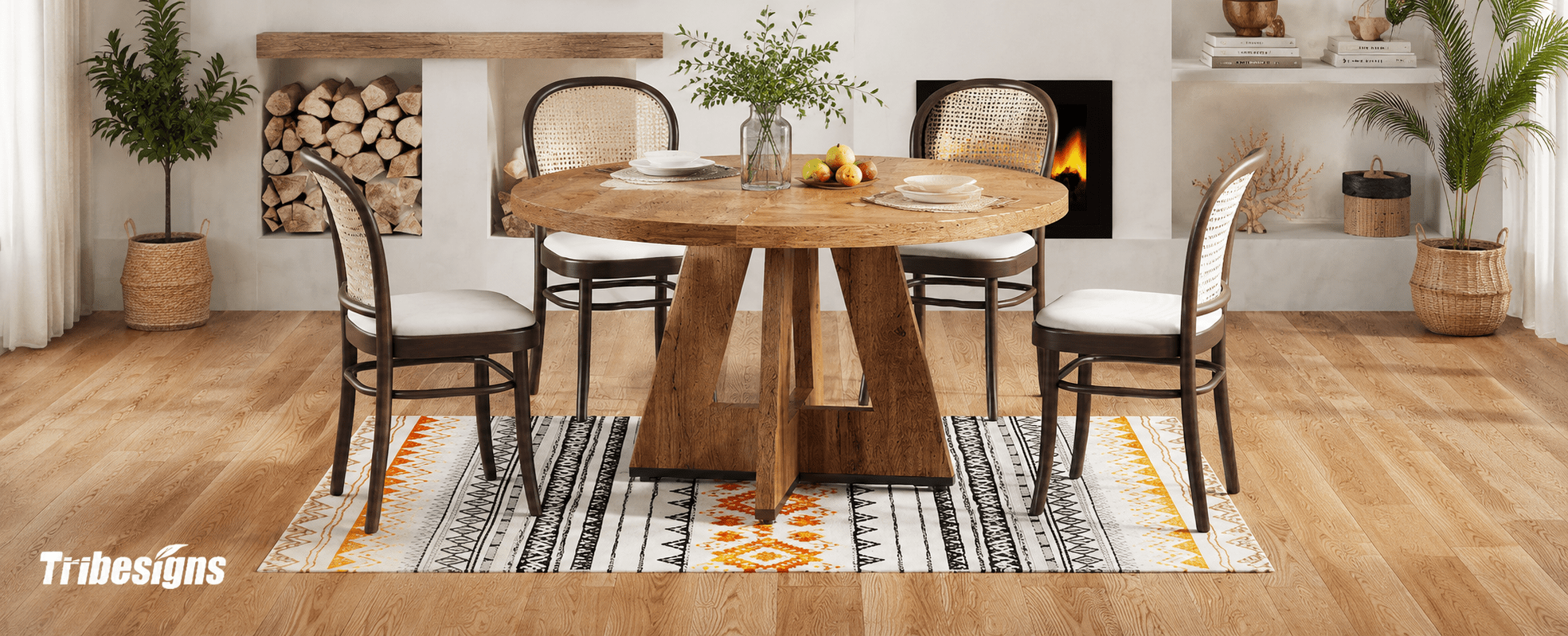
Choose sintered stone if you want a low-maintenance dining table for real life. Choose wood if warmth, softness, and easy repair matter more to you.
FAQ
Does Sintered Stone Scratch Easily?
No, not in normal dining use. Plates, cups, and everyday tableware usually do not scratch it easily. Sharp tools, knives, or dragged metal objects can still damage the surface.
Can a Sintered Stone Dining Table Chip?
Yes. The flat surface is tough, but the edges can chip if hit hard by a heavy or sharp object. Rounded or beveled edges are usually more practical for busy homes.
Is Sintered Stone Better Than Marble?
For easy care, sintered stone is usually better. Marble has natural beauty, but it can stain or etch more easily and often needs more maintenance.
Is Sintered Stone Better Than Wood?
For stain, water, and heat resistance, yes. Wood is better if you want a warmer feel, natural grain, and a surface that can often be repaired or refinished.