




















FAQ
No. Marble is a natural stone, while sintered stone is an engineered stone surface made from mineral-based materials. Sintered stone can imitate the look of marble, but it is not the same material.
Yes. For daily cleaning, use a soft cloth with water or mild soap. Wipe spills promptly and avoid using harsh abrasive cleaners that may affect the surface finish.
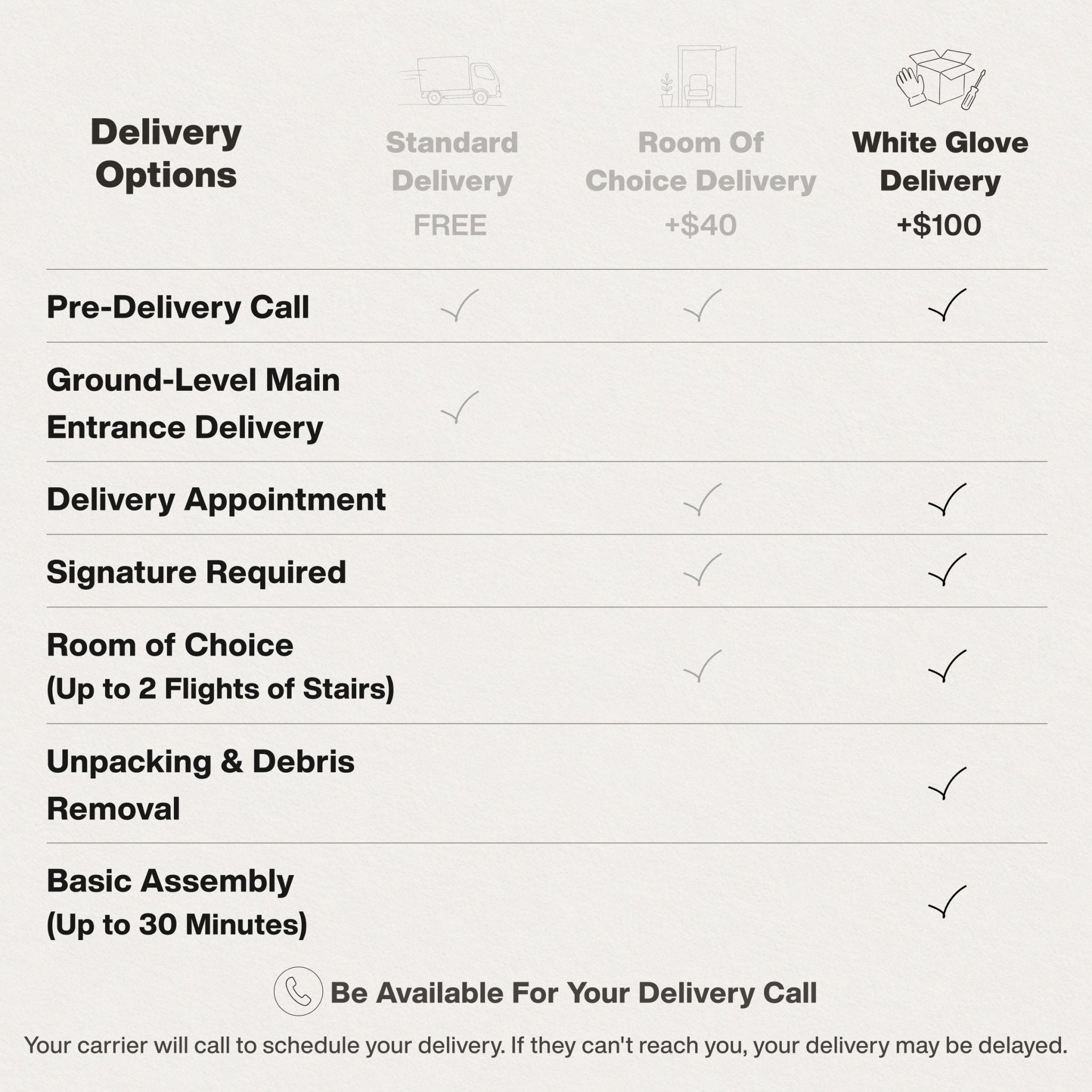
Yes. Many of our sintered stone dining tables weigh over 200 lbs because of the stone-top surface and sturdy base. The weight helps create a stable dining setup, but we recommend checking the dimensions, package weight, and delivery access before ordering. Two or more adults are recommended for assembly and placement.
Modern stone-look surface
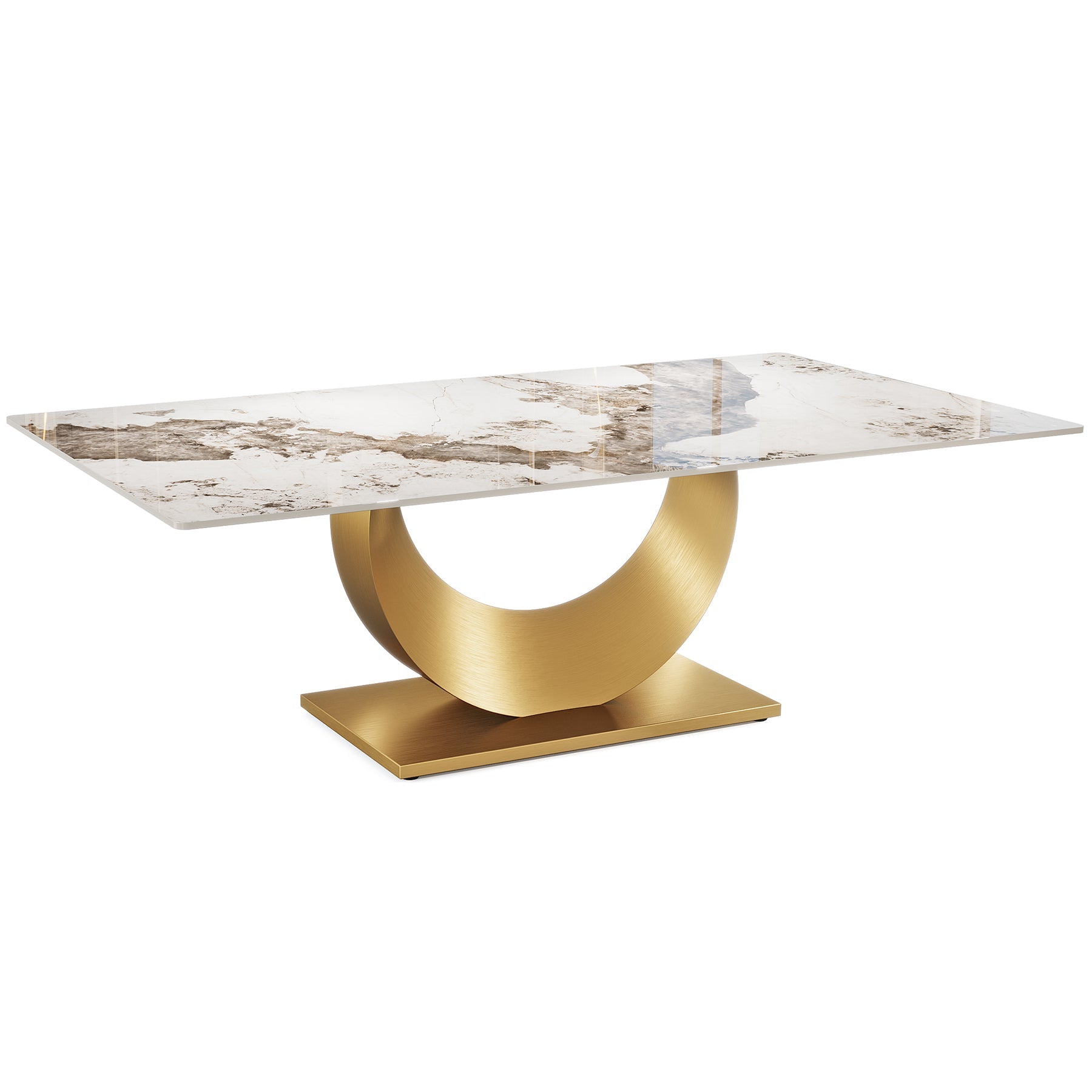
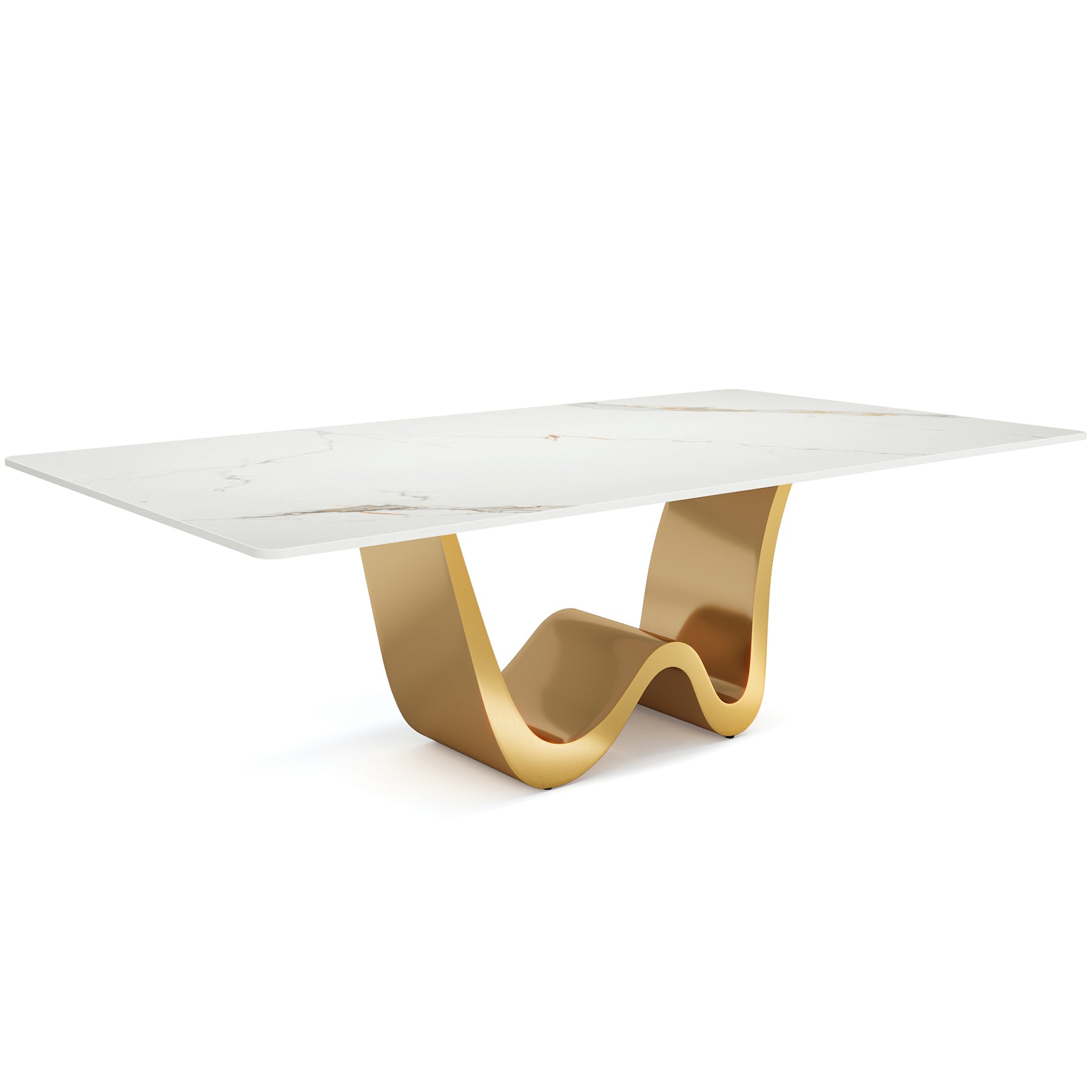
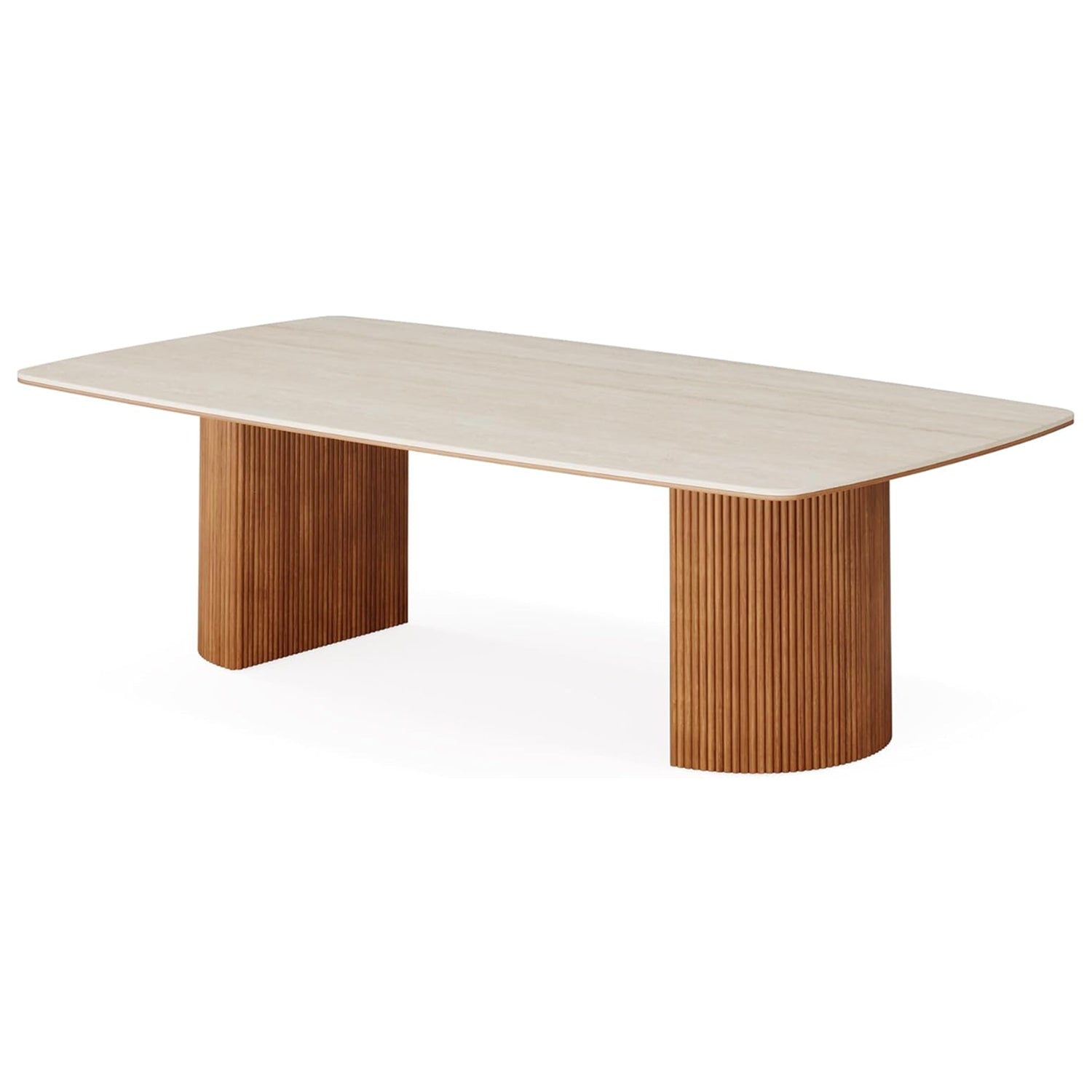
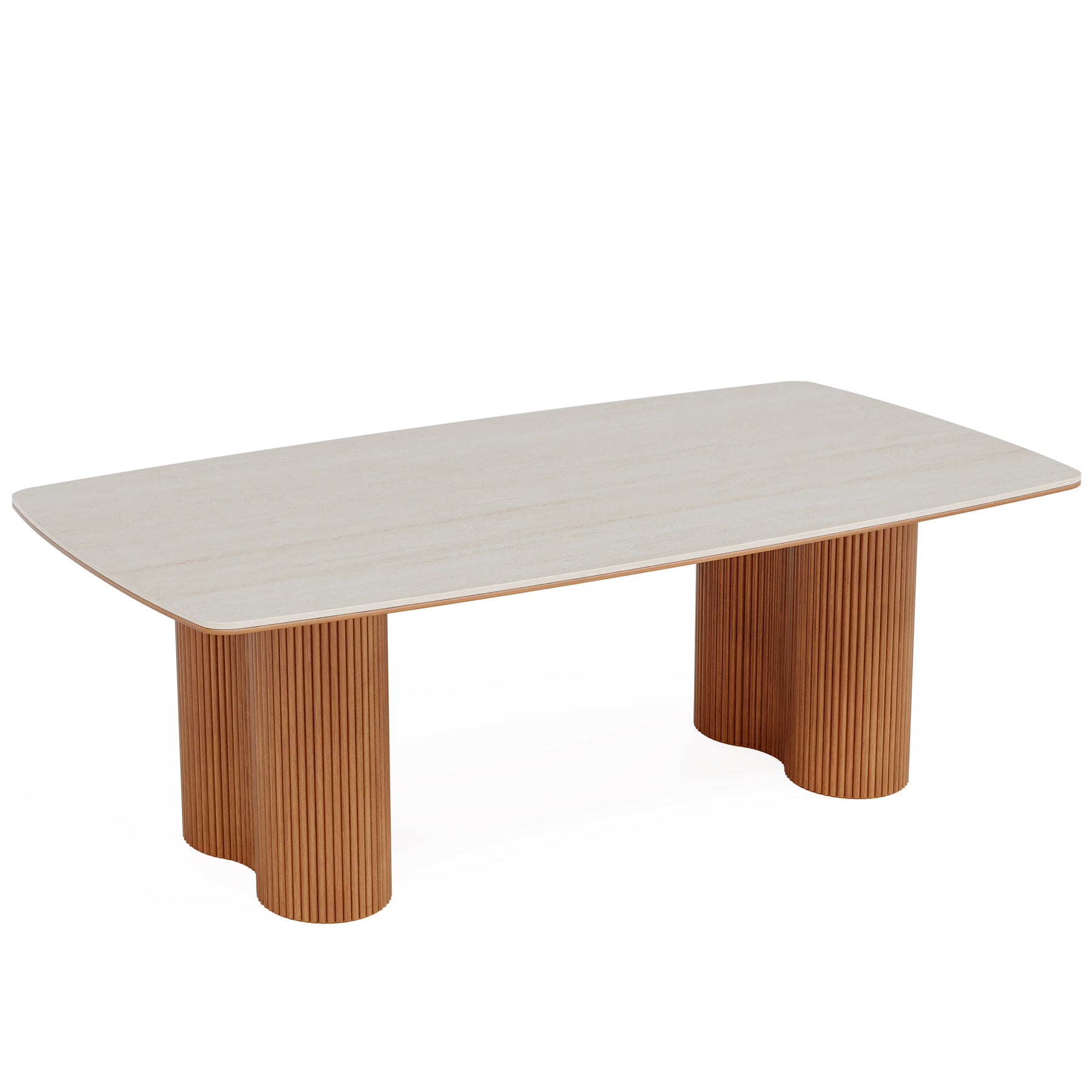
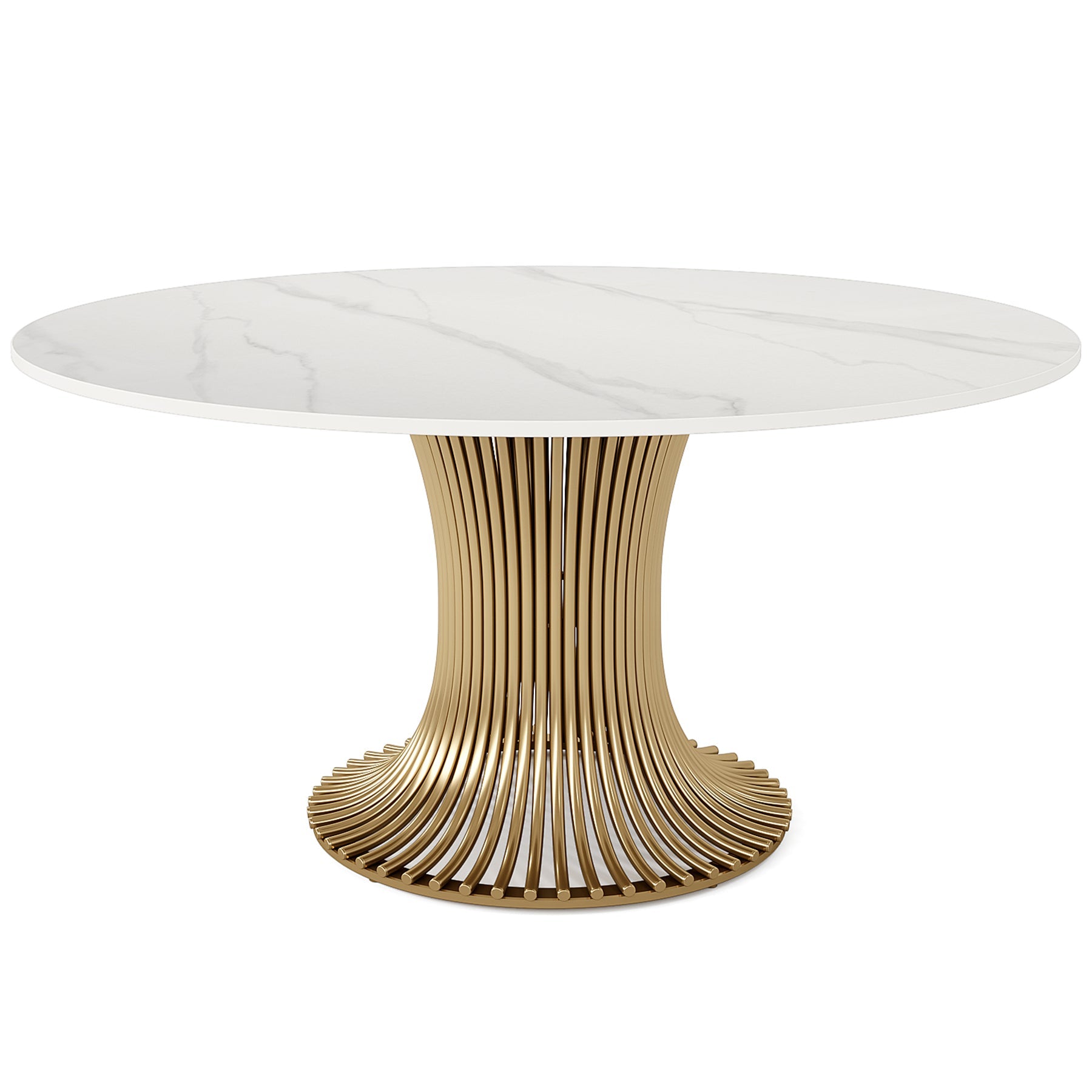
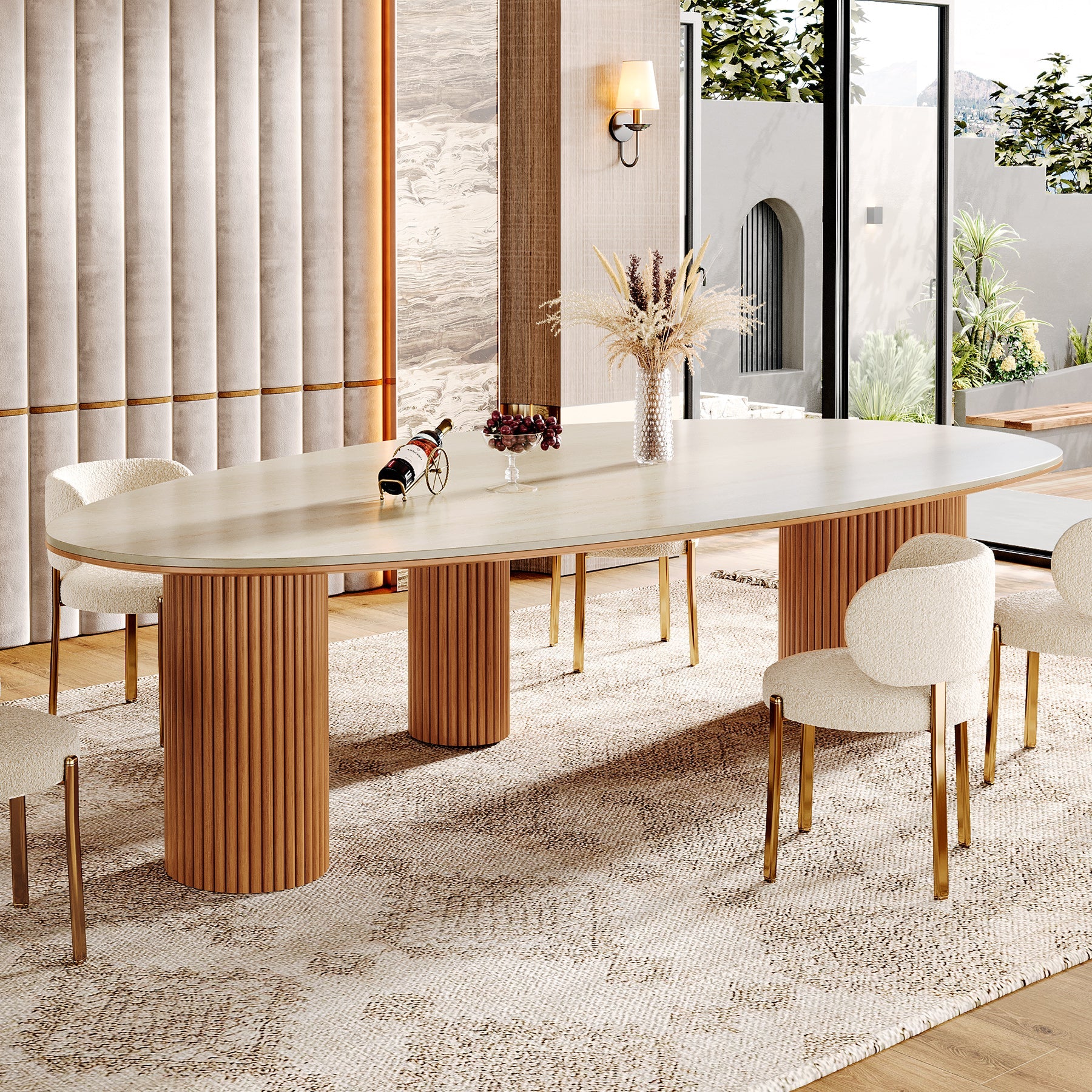
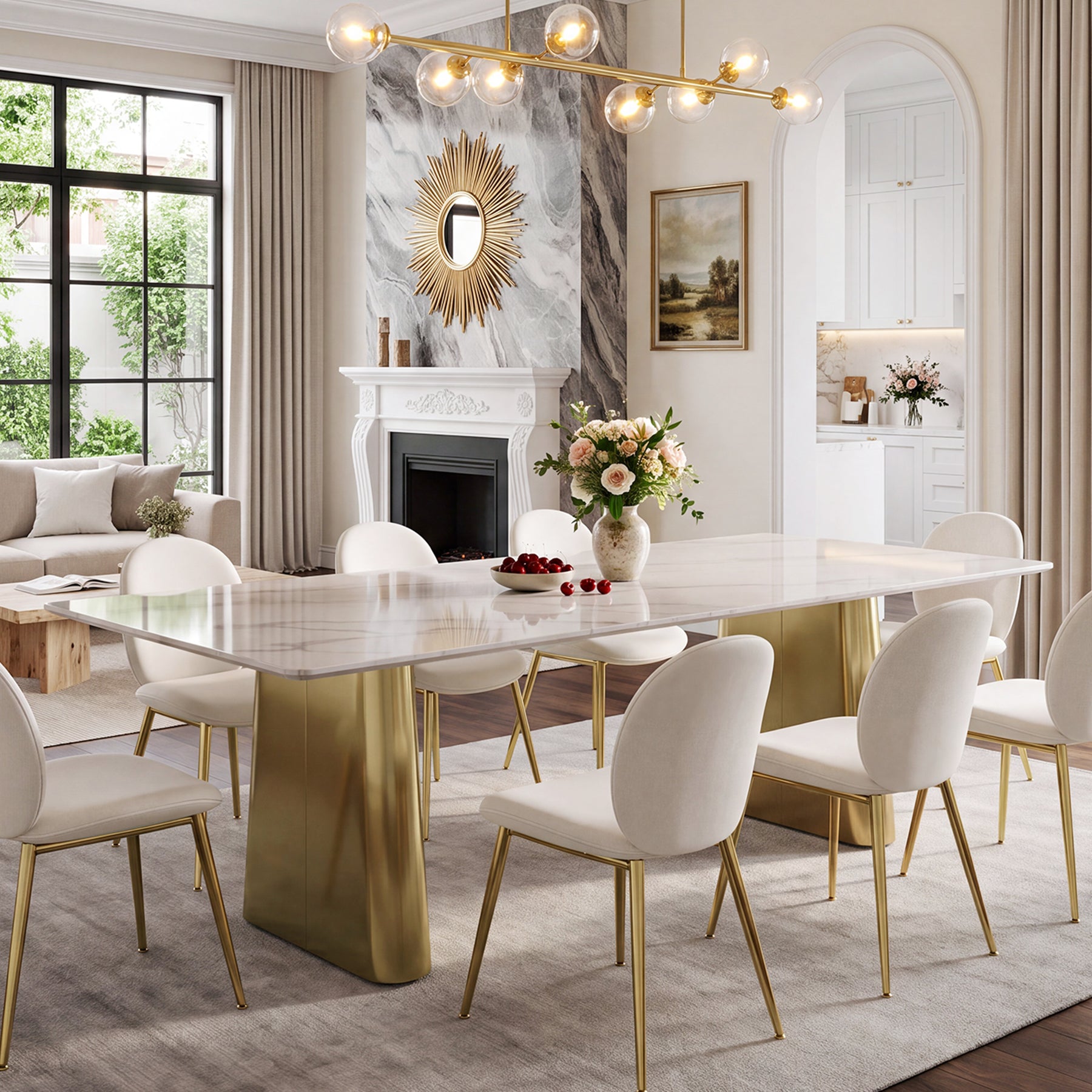
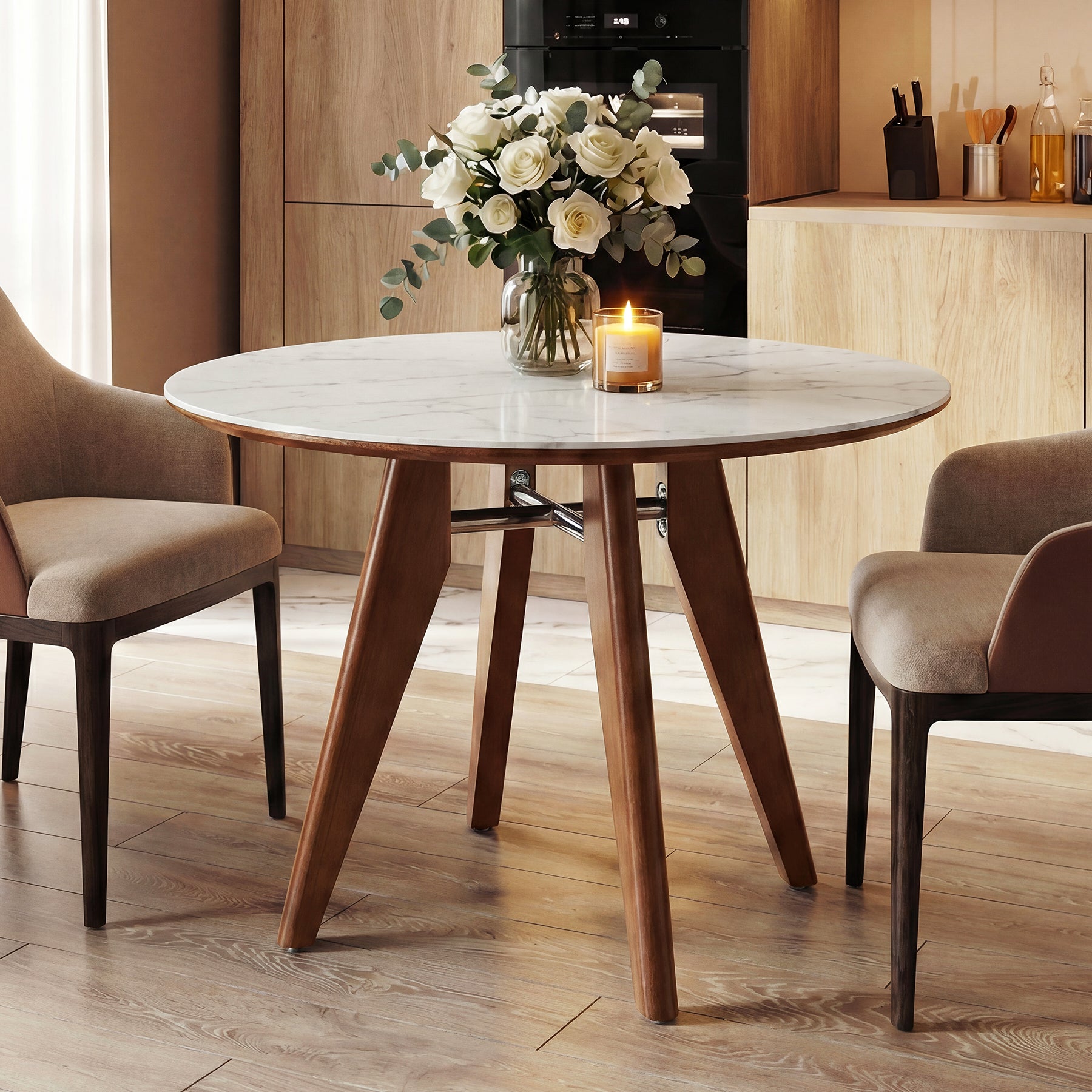
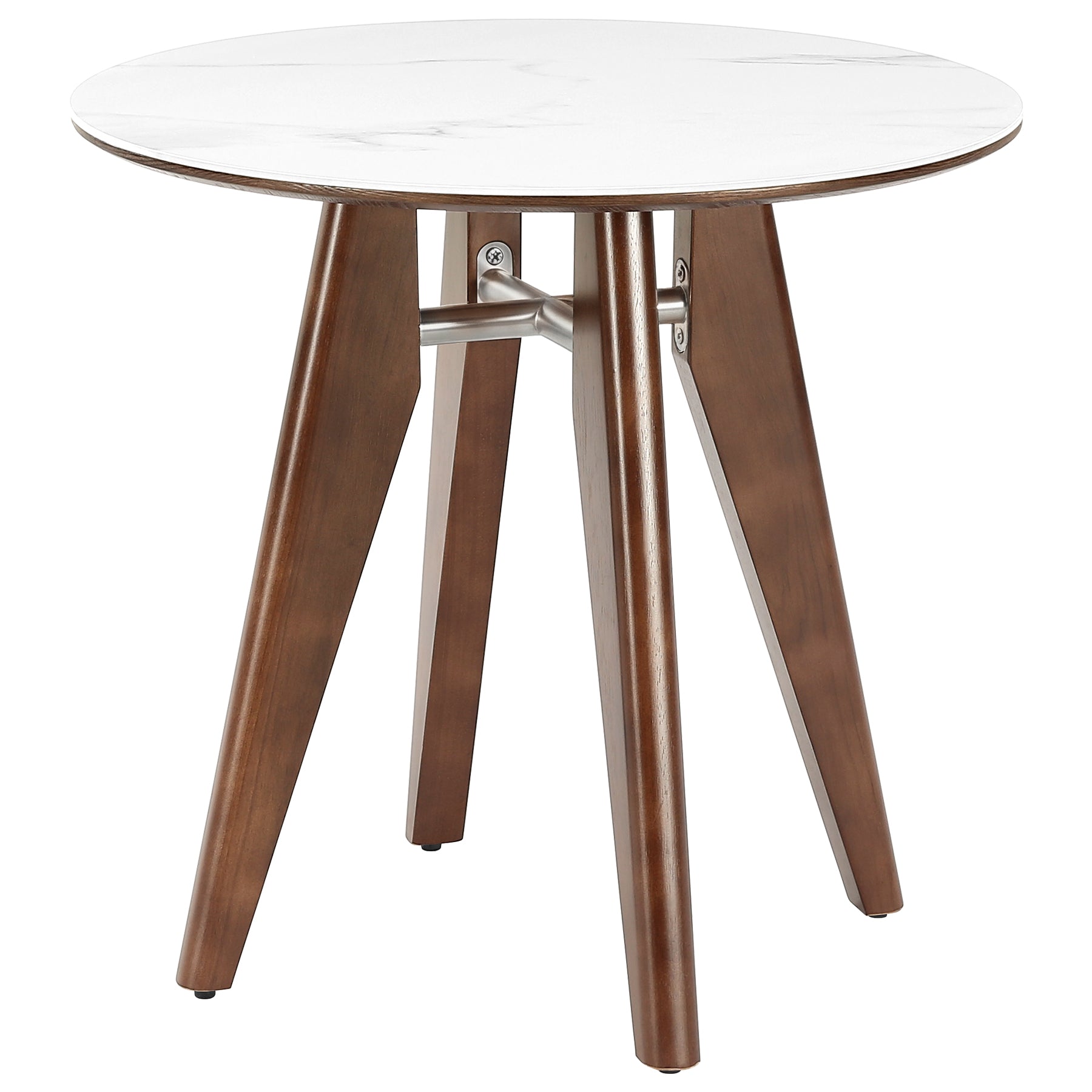
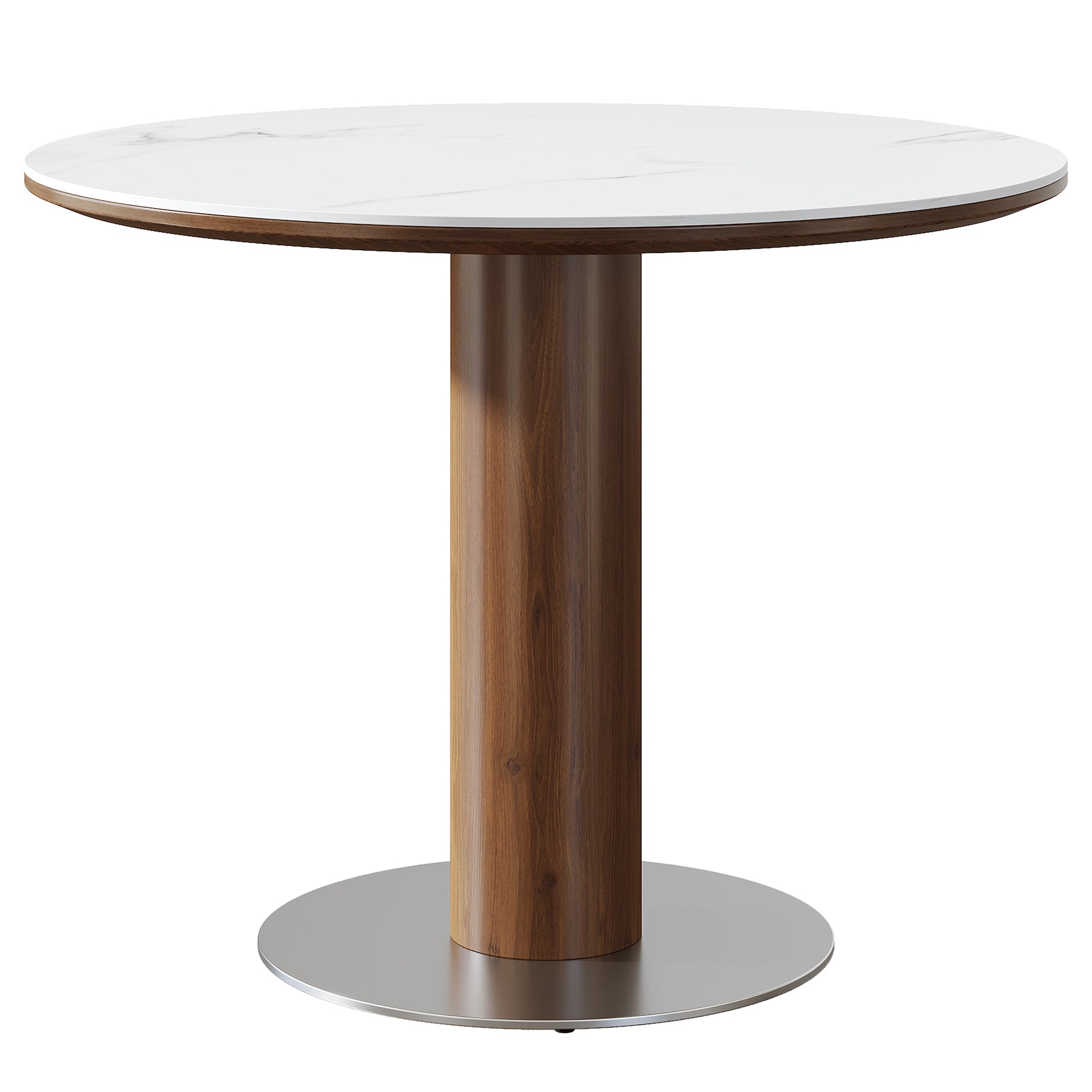
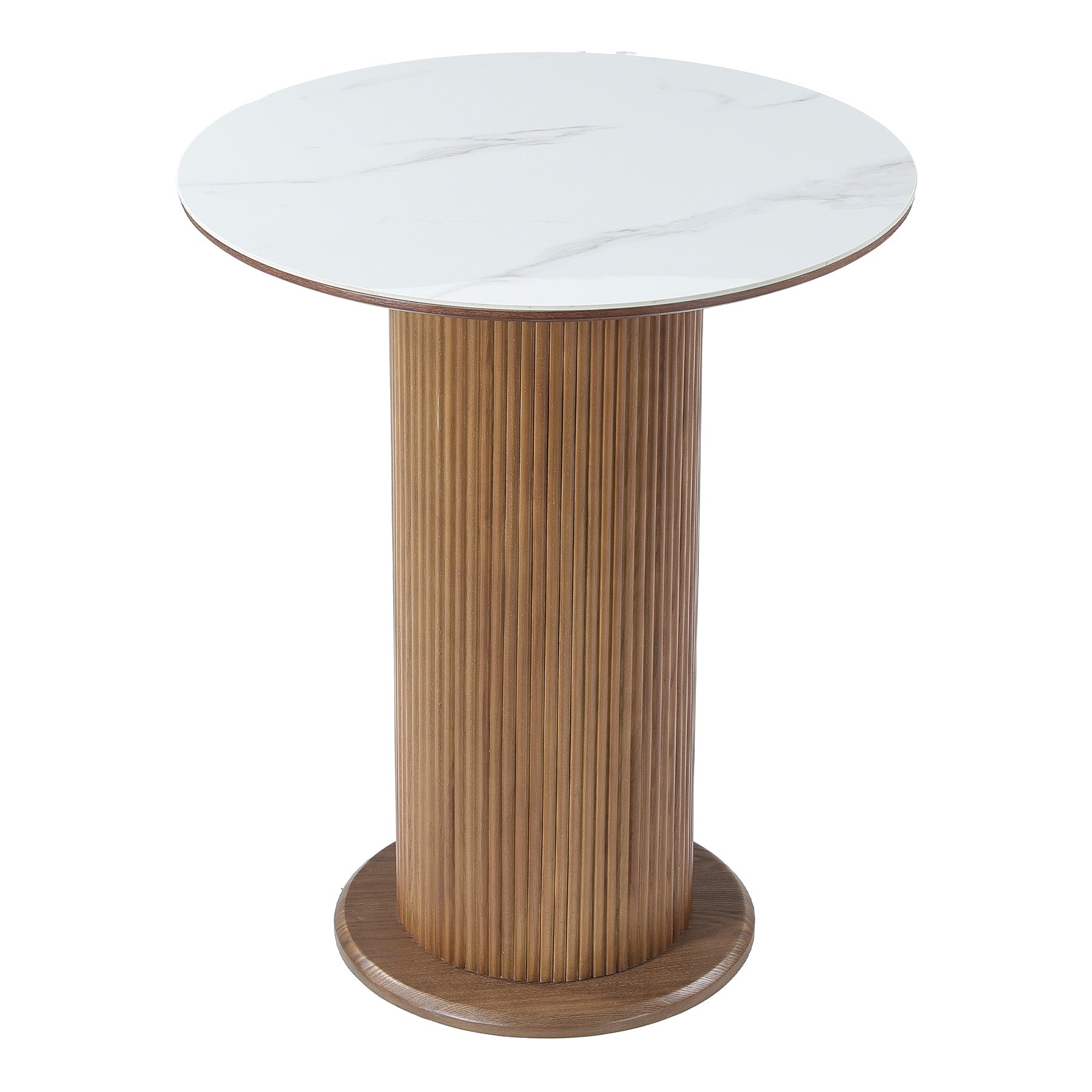
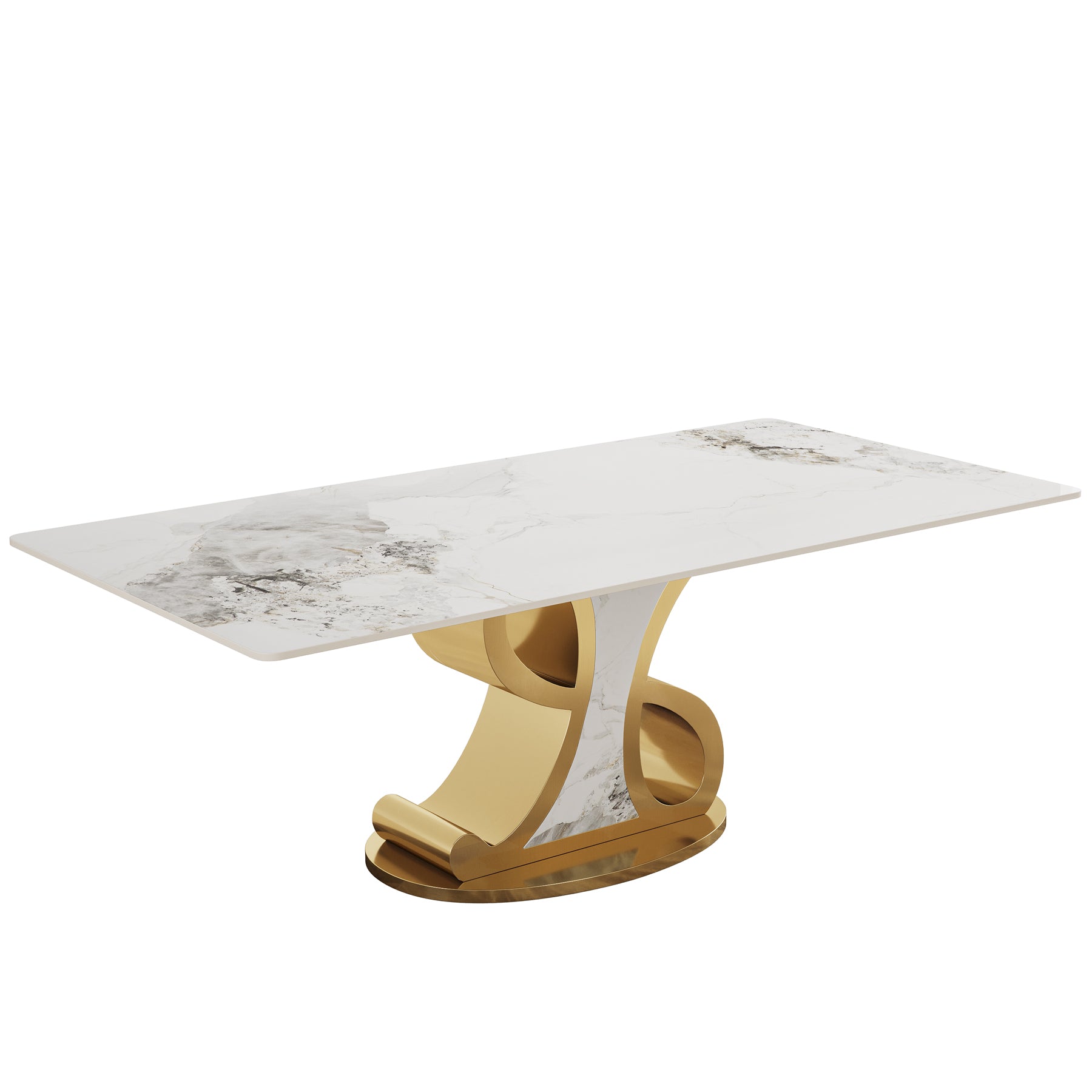
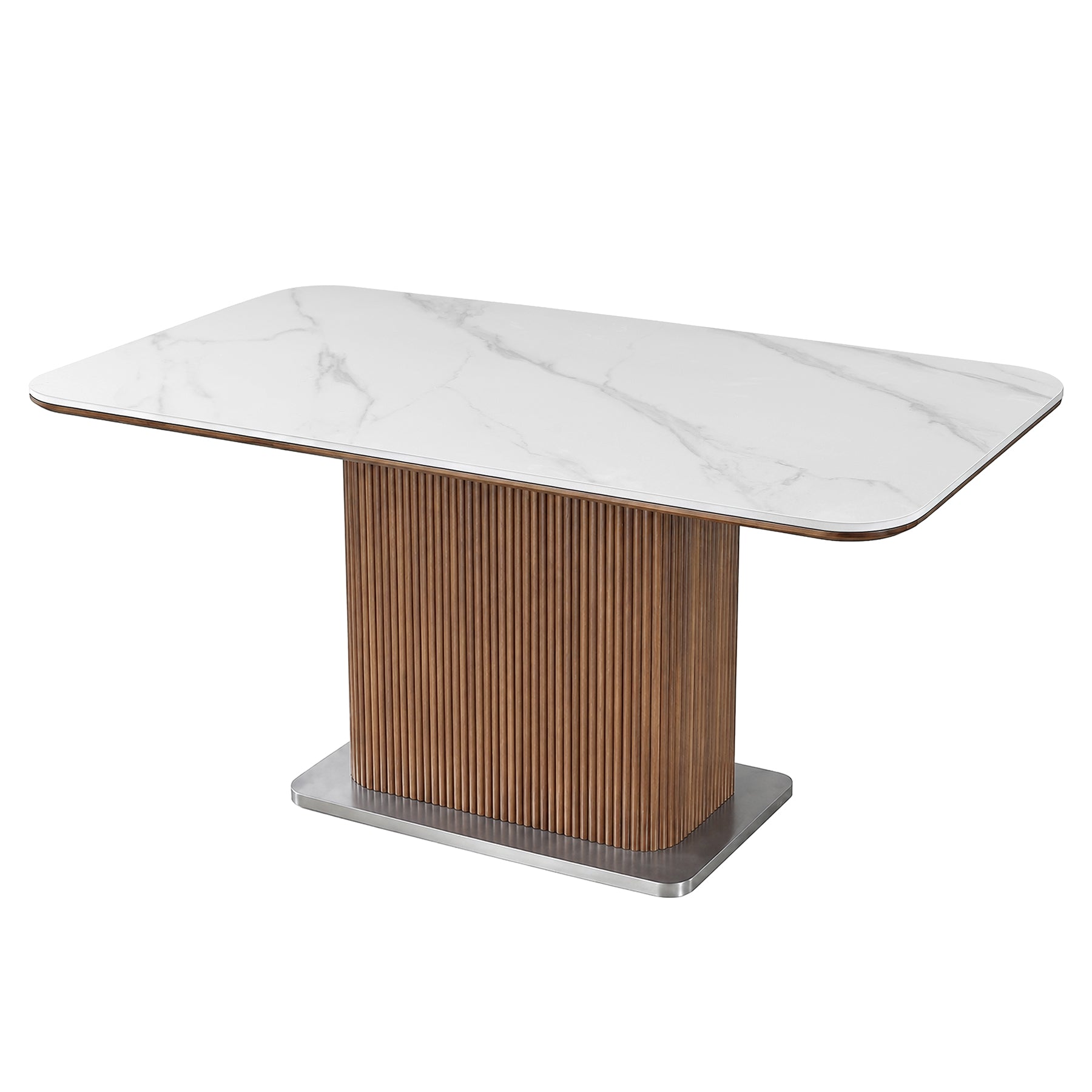
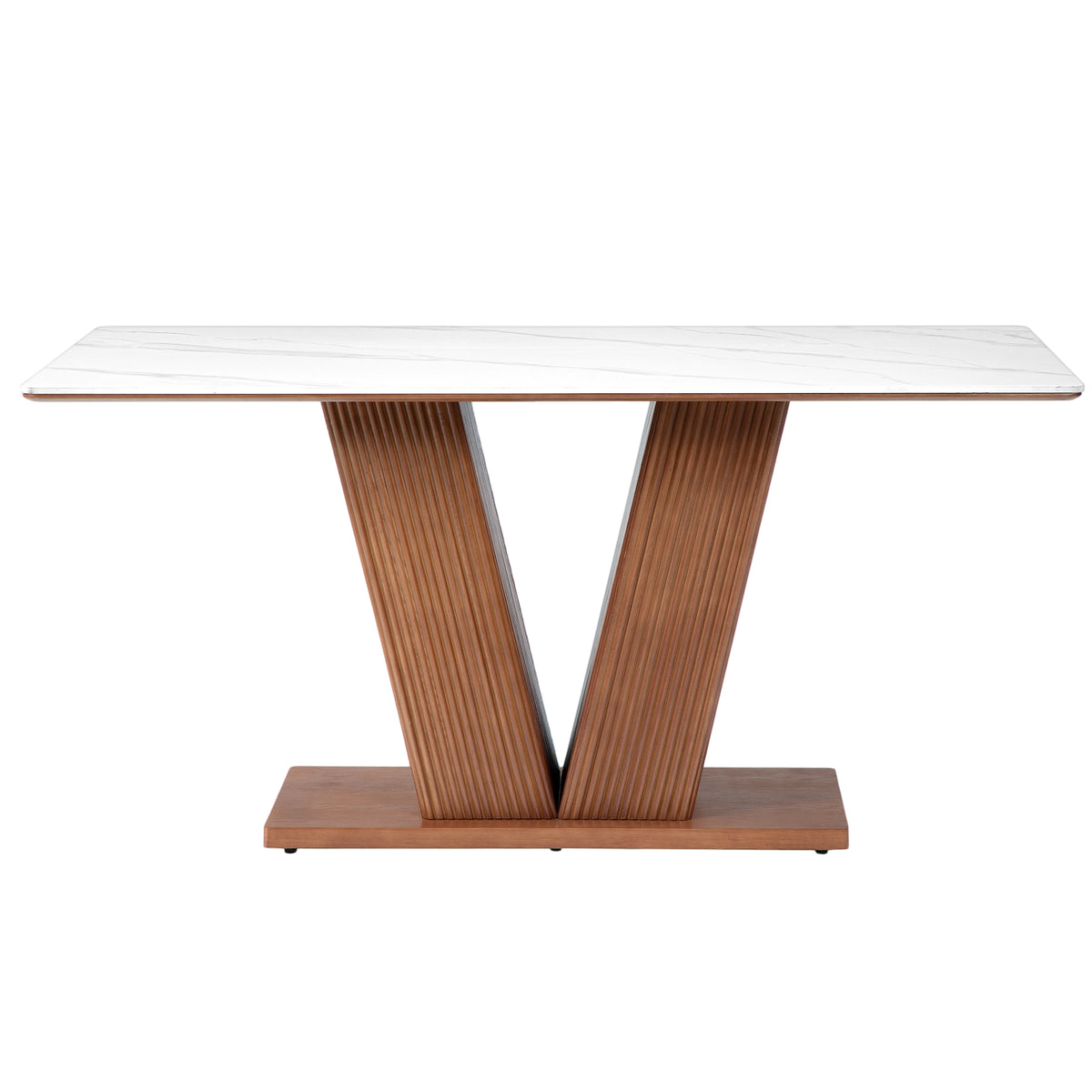
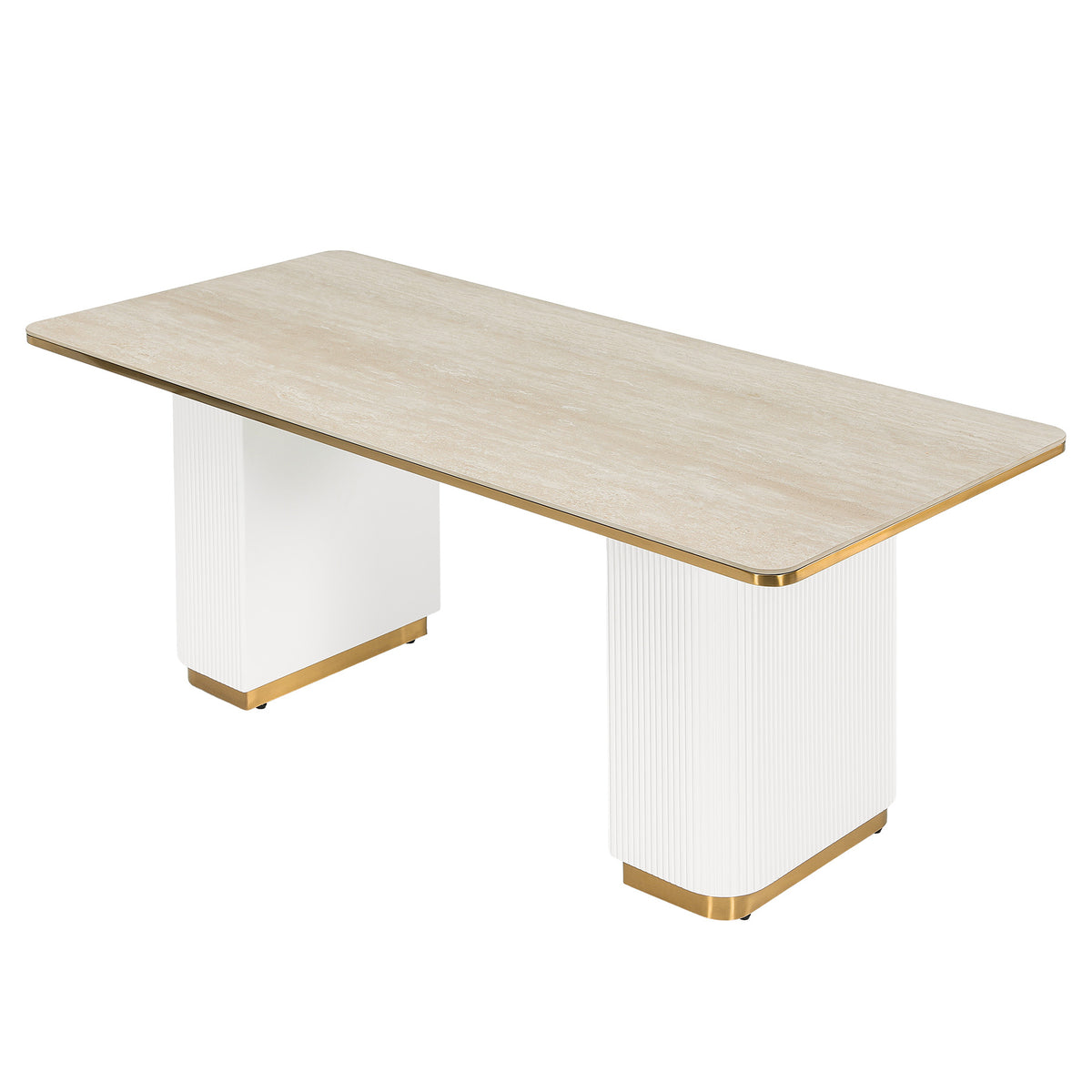
Sintered stone dining tables often feature marble-inspired veining, soft neutral colors, or travertine-style patterns, giving the dining room a refined stone look without the higher maintenance often associated with natural marble.
Heat and scratch resistance
Sintered stone is a practical surface for everyday dining because it resists heat and common scratches better than many traditional tabletop materials. It works well for warm plates, hot mugs, tableware, and frequent family use, though trivets and basic care are still recommended.
Easy to clean and maintain
The dense, low-porosity surface helps resist spills from coffee, wine, oil, sauces, and juice. For daily cleaning, a soft cloth, water, and mild soap are usually enough.
Easy to style with dining chairs
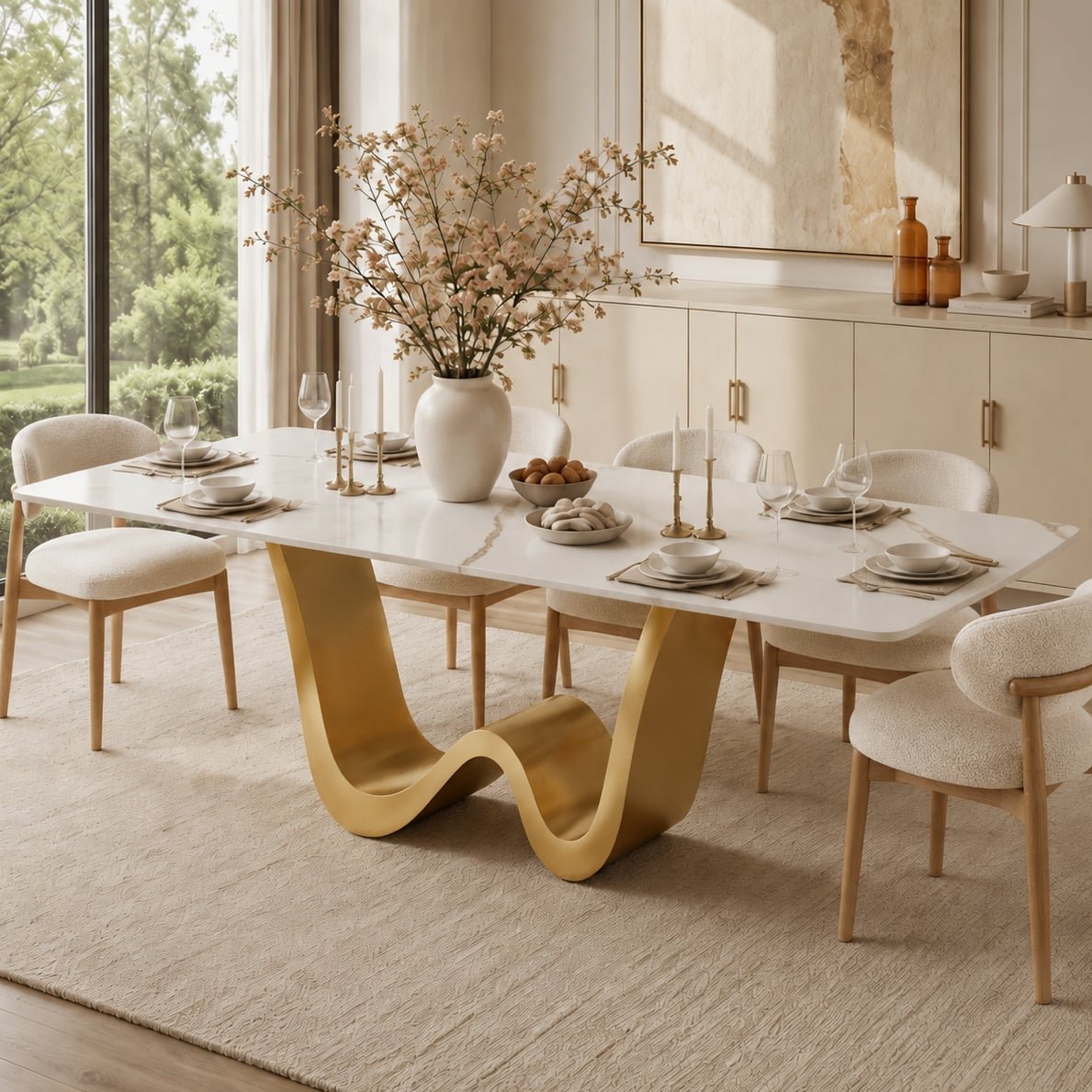
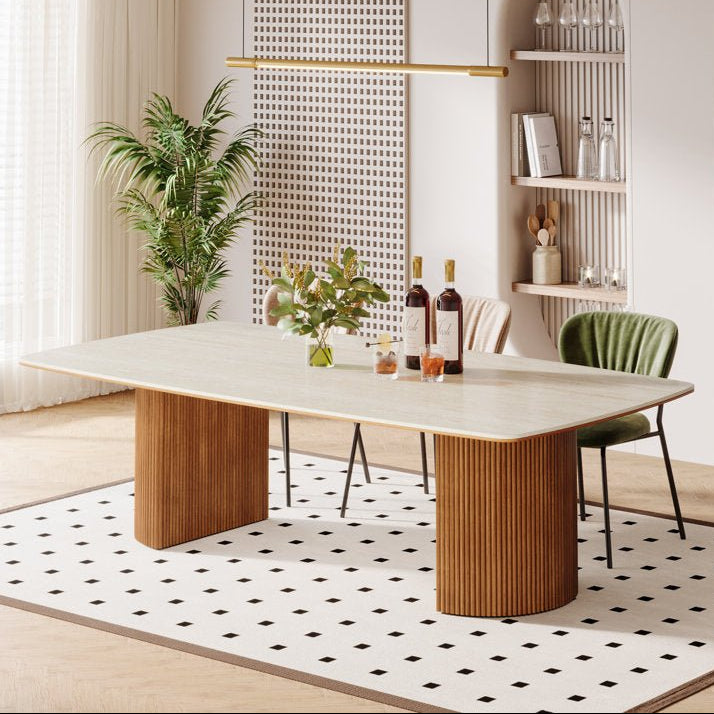
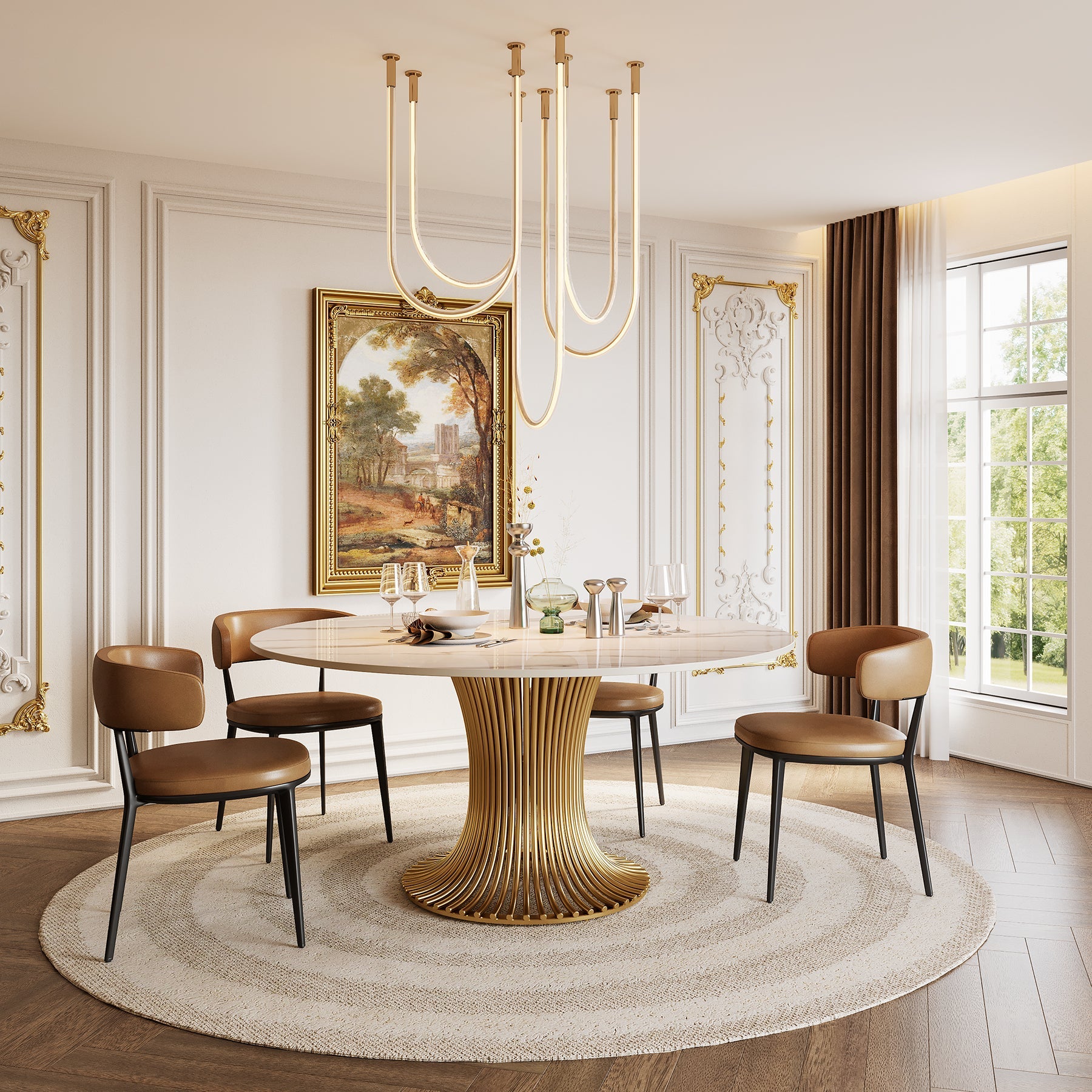
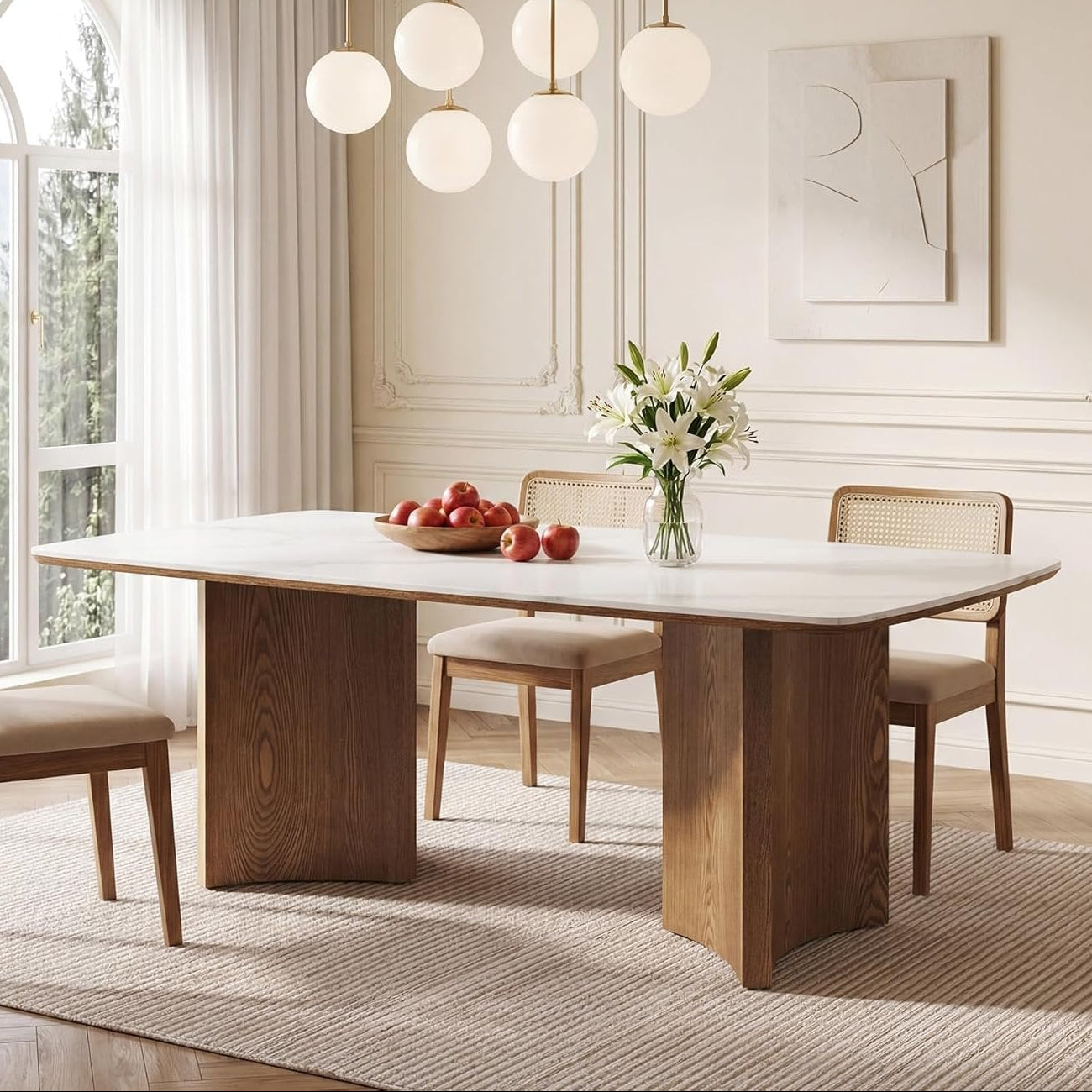
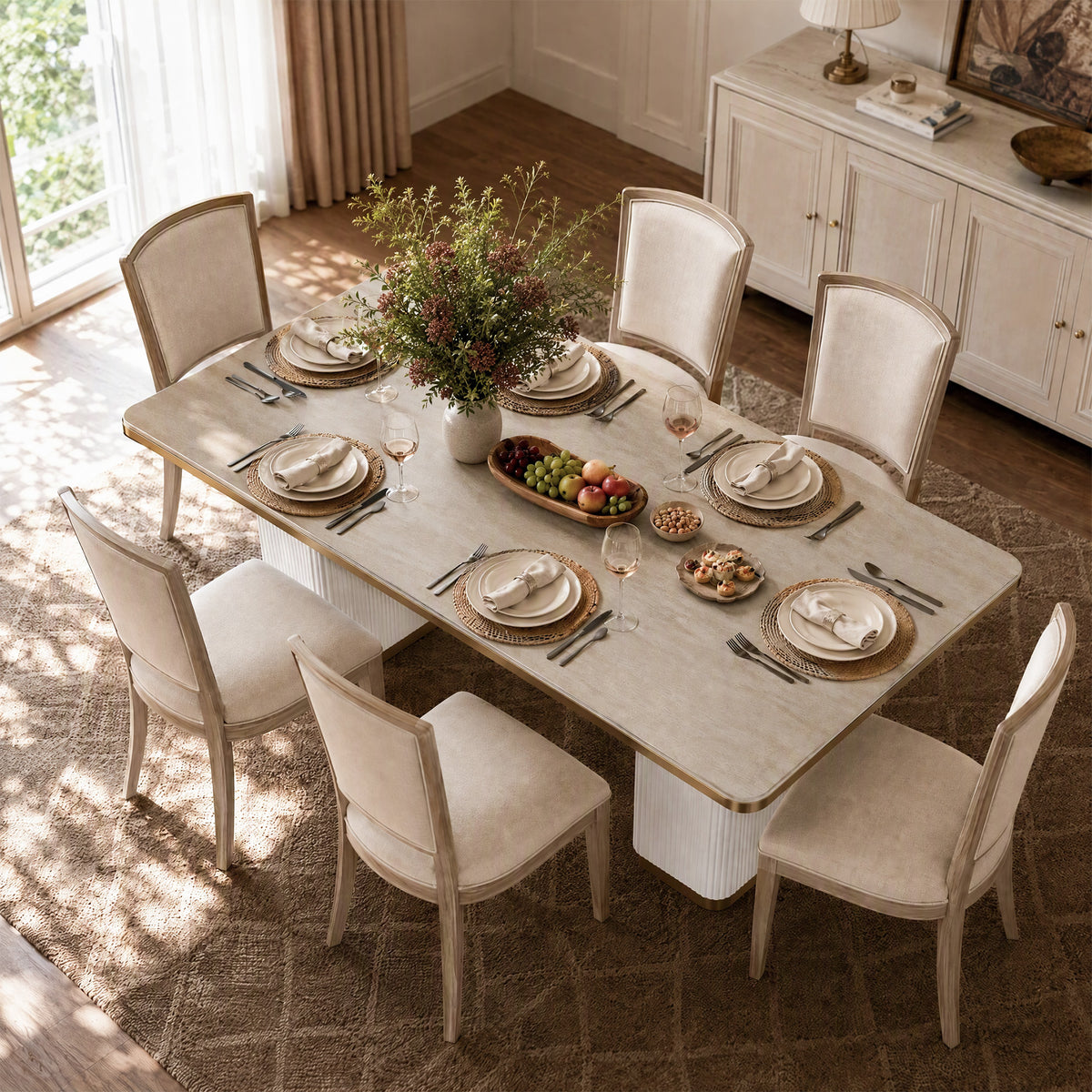
Stone-top dining tables pair well with upholstered, wood, leather, and metal-frame dining chairs. Padded or curved-back chairs can soften the look, while simple neutral chairs create a cleaner modern dining setup.
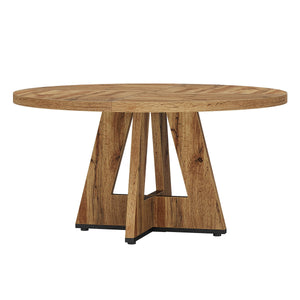
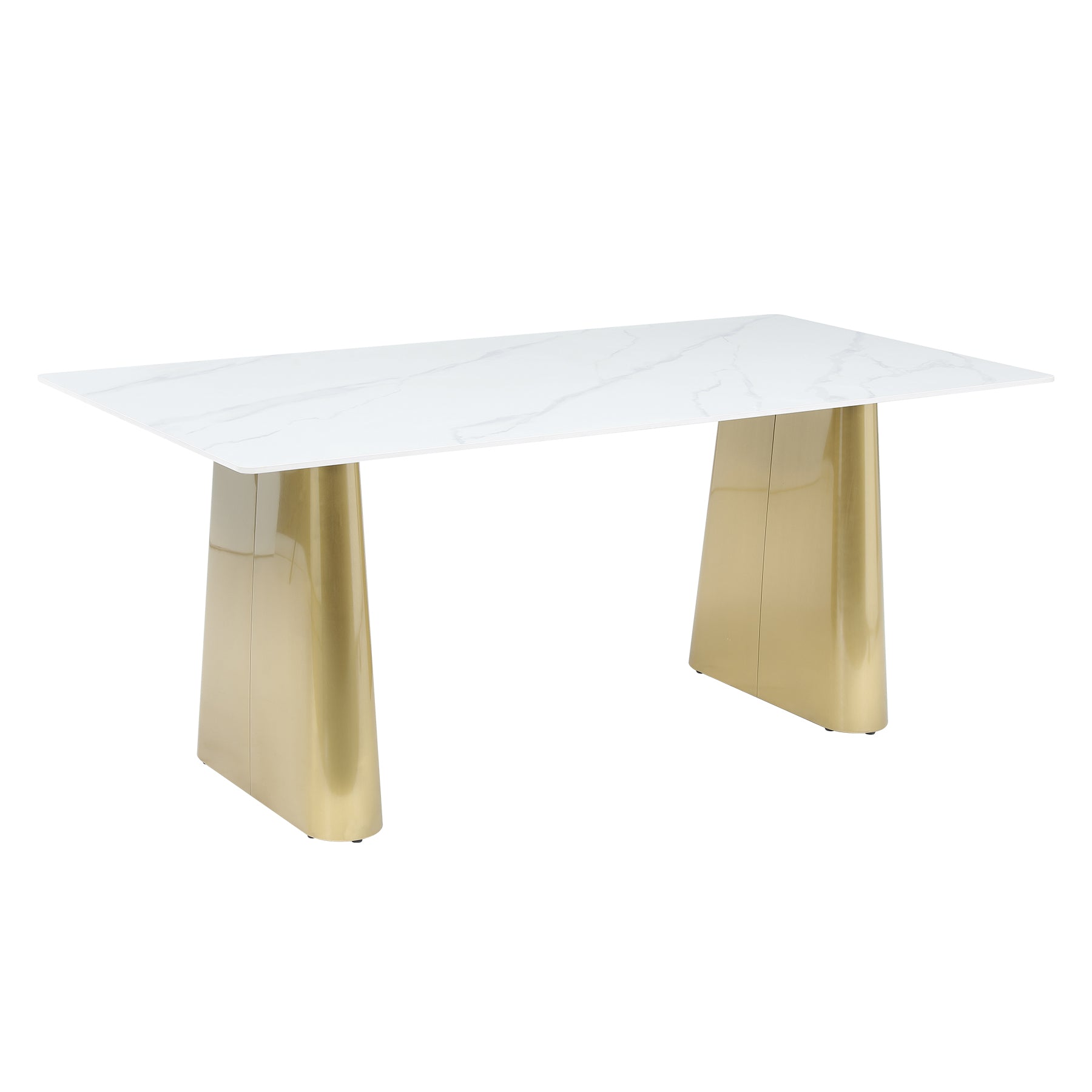
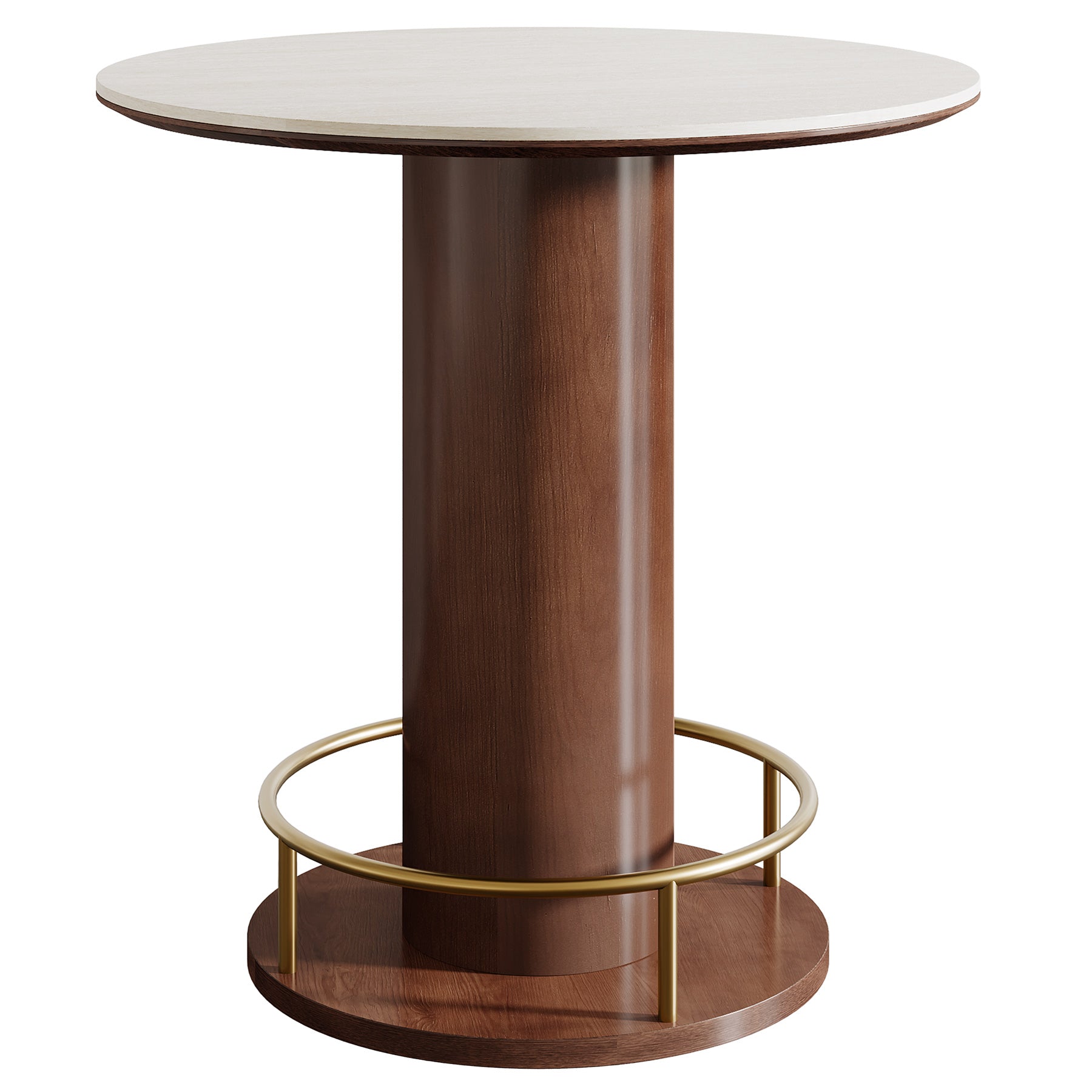
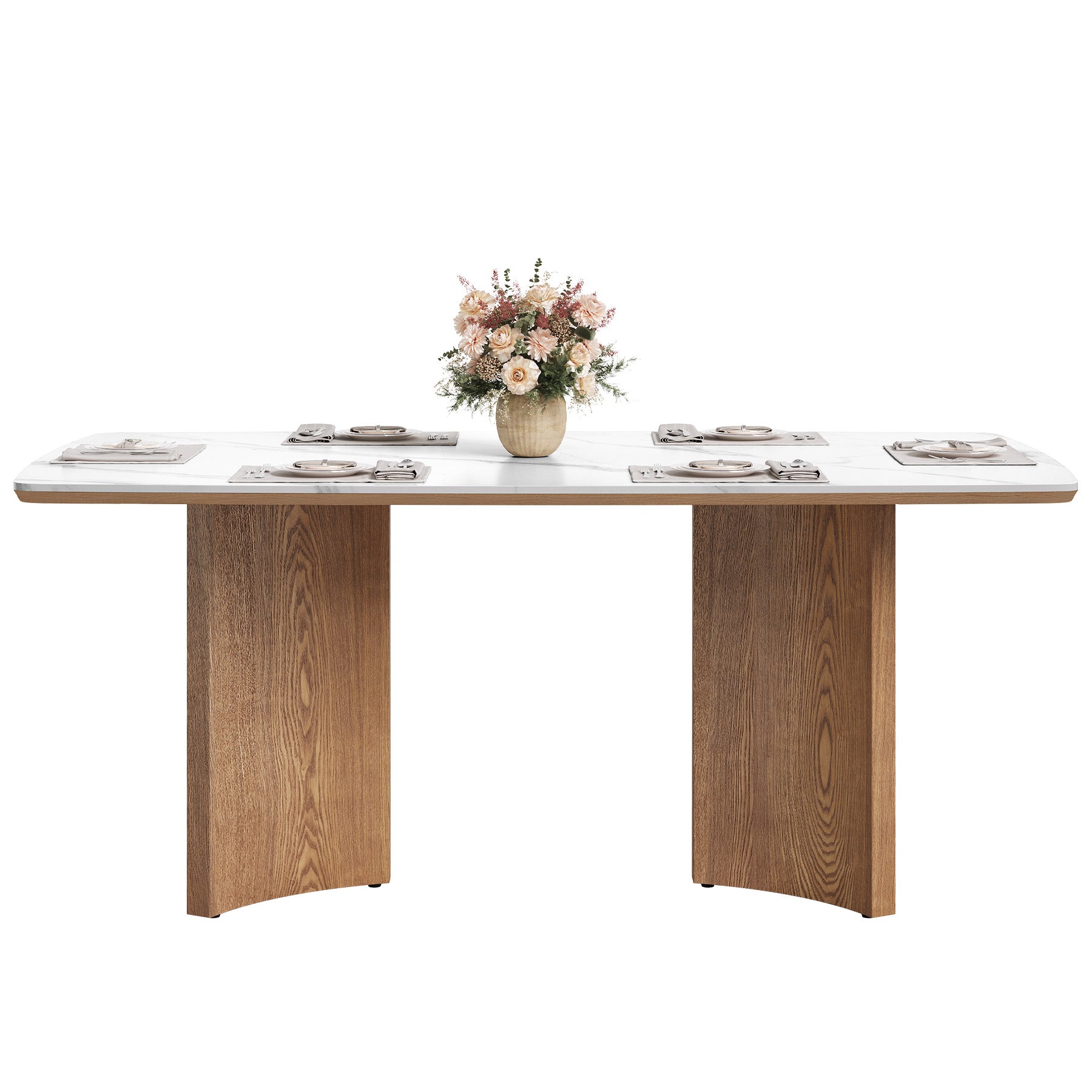
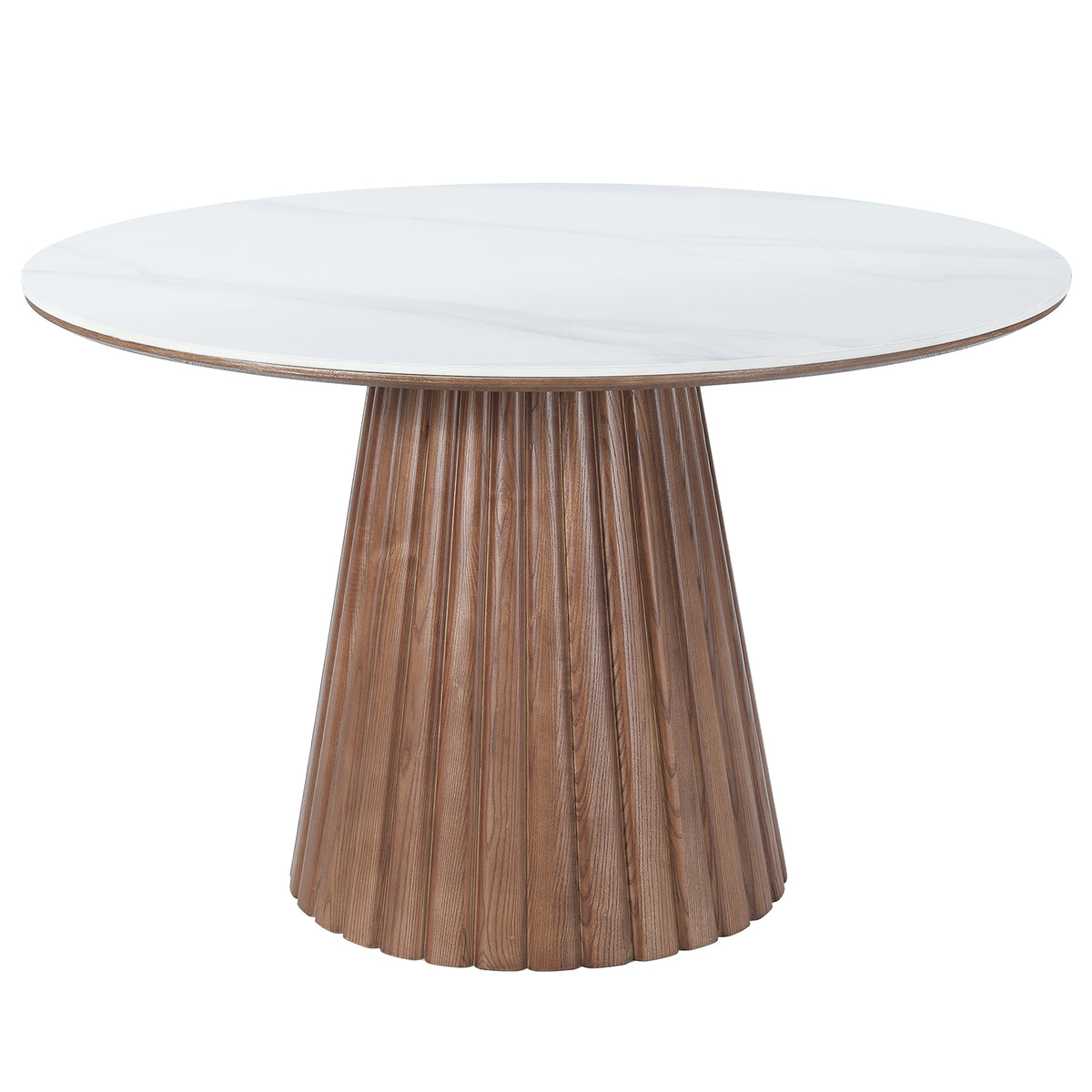
A rectangular dining table is the most versatile choice and works well in larger or rectangular dining rooms. A round stone dining table is better for small spaces, square rooms, and conversation-friendly seating. An oval stone dining table combines the seating space of a rectangular table with the softer look of rounded edges, making it a good option for narrow dining areas.
For small dining rooms or breakfast nooks, choose a round or oval stone table. For family meals and larger gatherings, a rectangular table usually offers more usable seating space.
Stone dining tables pair well with upholstered, leather, wood, and metal-frame dining chairs. Neutral tones, curved seats, and padded chairs can soften the stone look and make the dining space feel more comfortable.