



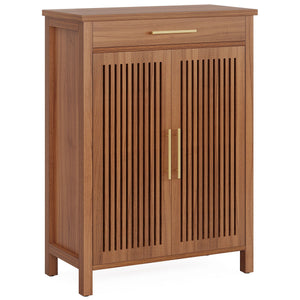

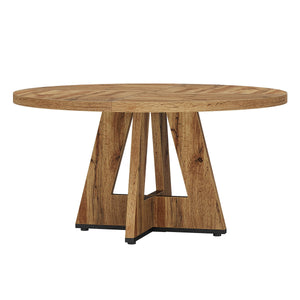
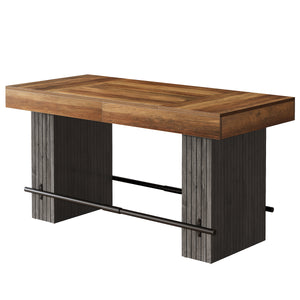
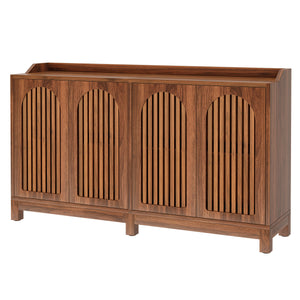

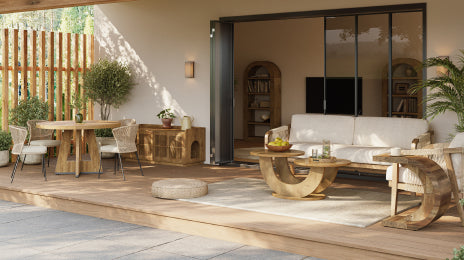
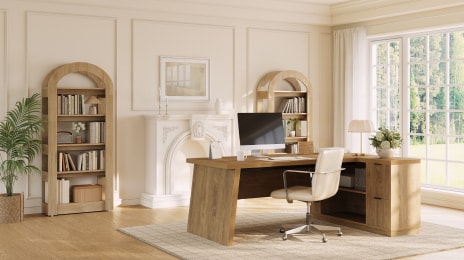




Industrial style and modern minimalism work best together when one leads and the other adds character. The easiest formula is simple: keep about 80% of the room clean, calm, and minimal, then use the remaining 20% for industrial texture, contrast, and structure.
That balance keeps the space from feeling too cold, too heavy, or too staged. Minimalism gives the room breathing space. Industrial design gives it depth.
For a home office, this mix is especially useful. You get a workspace that feels focused and uncluttered, but still grounded enough to look intentional.
Start with Clean Furniture Lines
The desk should set the tone without overwhelming the room. Instead of choosing a bulky factory-style piece, look for a desk with a slim desktop, a simple shape, and strong metal legs.
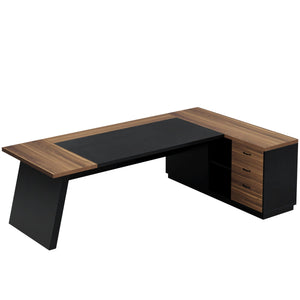
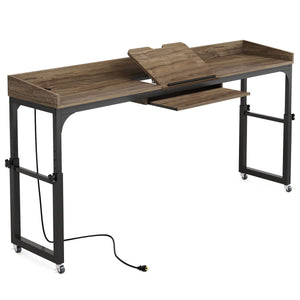
A white, black, oak, or walnut-finish desktop can keep the room feeling modern. Matte black steel legs add just enough industrial weight. This is where Tribesigns desks fit naturally: many of their designs pair clean surfaces with reinforced metal frames, which gives you the industrial structure without making the office feel visually crowded.
The goal is not to make the room look like a converted warehouse. A better result feels quieter: sharp lines, sturdy materials, and enough open space around the furniture.

Use Raw Materials in Small, Controlled Doses
Industrial design depends on texture. Metal, wood, concrete, exposed hardware, and black finishes all help create that look. Used too heavily, though, they can make a room feel dark or unfinished.
Minimalism softens that effect by limiting how many textures compete at once.
|
Element |
Industrial Detail |
Minimalist Balance |
|
Desk |
Steel frame, wood grain, black hardware |
Simple desktop, clean edges |
|
Shelving |
Open metal frame |
Limited display items |
|
Flooring |
Concrete, dark wood, or exposed texture |
Neutral rug with low pile |
|
Lighting |
Metal shade or swing arm |
Slim profile, simple finish |
|
Storage |
Mesh, steel, or wood |
Closed bins, matching colors |
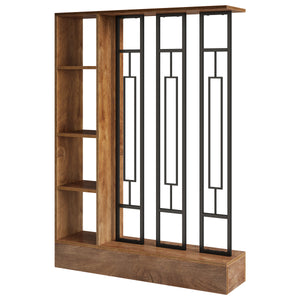
One strong industrial detail usually does more than several small decorative pieces. A metal-framed desk, black shelving unit, or architectural task lamp can carry the style without cluttering the room.

Keep the Color Palette Tight
A strong palette makes this hybrid style feel polished. Too many colors quickly break the minimalist rhythm, while too much black can make the room feel heavy.
A reliable mix looks like this:
|
Percentage |
Color Role |
Best Choices |
|
60% |
Base |
Off-white, warm gray, soft beige, greige |
|
30% |
Structure |
Matte black, charcoal, dark metal |
|
10% |
Warmth |
Walnut, oak, cognac leather, brass accents |
The warmer tones matter. A walnut desk surface, a leather chair pad, or a wood shelf can stop the office from feeling like a showroom. Industrial-minimalist rooms need contrast, but they also need something human.
Read more: What Color Desk Should I Get for My Room?
Choose Storage That Looks Built-In, Not Busy
Minimalism does not mean owning nothing. It means the room does not show every cable, notebook, charger, and document at once.
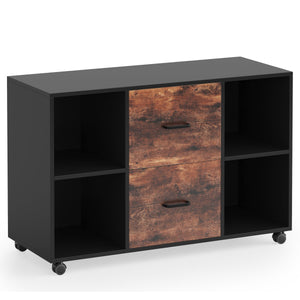
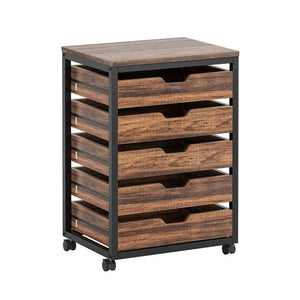
For an industrial-minimalist office, storage should feel structured. Matte black mesh organizers, slim filing cabinets, closed boxes, and wall-mounted shelves all work well. Open shelving can look great, but it needs restraint. Books, a small plant, one sculptural object, and a few work tools are enough.
Avoid filling every shelf. Negative space is part of the design. It lets the metal, wood, and clean furniture lines stand out.
Build Up Instead of Spreading Out
Industrial design loves function. Minimalism loves open floor space. Vertical storage satisfies both.
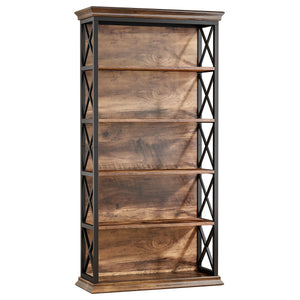
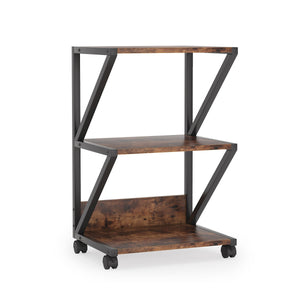
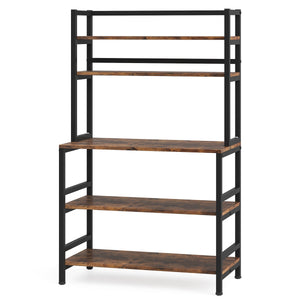
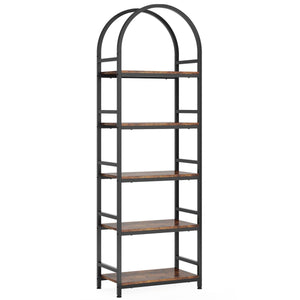
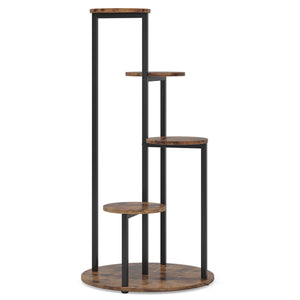
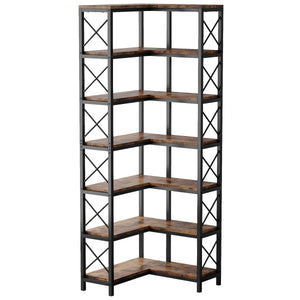
A tall metal bookshelf, ladder desk, or narrow étagère can add storage without making the room feel cramped. This approach works especially well in apartments, small offices, and multipurpose rooms where every square foot matters.
Wall-mounted shelves also help. They keep the floor clear while adding the kind of exposed structure that industrial design does well.
Balance Heavy Pieces with Lighter Ones
Industrial furniture often has visual weight. Thick desktops, dark metal frames, and large shelving units can anchor a space, but they need lighter pieces around them.
A solid industrial desk pairs well with a slim task chair, a mesh office chair, or a chair with open legs. Light can pass through those shapes, which keeps the lower part of the room from feeling blocked.
The same rule applies to accessories. A heavy desk lamp looks better beside a thin monitor arm than beside a bulky organizer. Strong pieces need room to breathe.

Use Lighting as Structure
Lighting should support the architecture of the room, not interrupt it. Oversized rusted pendants often feel too themed for a modern minimalist office.
Slim swing-arm lamps, black metal task lights, brushed nickel fixtures, and simple LED bars work better. They give you the machine-age influence of industrial design while keeping the visual profile clean.
Place lighting where it has a job: over the desk, beside a reading chair, or along a shelf. Decorative lighting with no function tends to feel unnecessary in this style.
Add Softness for Sound and Comfort
Hard surfaces are part of the industrial look, but they can make a home office echo. Concrete, metal, glass, and wood all reflect sound. That becomes noticeable during video calls or long work sessions.
Soft materials fix the problem without changing the style. A low-pile rug, felt desk pad, upholstered chair, linen curtain, or fabric pinboard can absorb sound while staying visually quiet.
The best choices are simple and tonal. A gray wool rug or black felt desk mat fits the room better than a busy patterned textile.
Prioritize Real Materials
This style depends on material honesty. Plastic made to look like metal or paper-thin wood finishes can cheapen the whole room.
Real wood grain, reinforced steel frames, durable desktops, and solid hardware make the design feel credible. That matters even more in a workspace. A desk should look good, but it also needs to handle monitors, books, writing tools, and daily use.
Tribesigns desks often work well in this kind of setup because their clean silhouettes are paired with practical construction. The furniture does not need excessive ornamentation when the materials and proportions already do the work.
Final Takeaway
The best way to mix industrial style with modern minimalism is to let minimalism control the layout and let industrial design control the texture. Keep the room open, use a tight color palette, choose furniture with clean lines, and add metal or wood details where they create real impact.
Done well, the result feels professional, warm, and easy to work in. It has the strength of industrial design without the heaviness, and the calm of minimalism without the sterile feeling.