









5 Things to Do Before Arranging Furniture
|
Checkpoint |
Key Requirement |
Consequence if Missed |
|
Identify focal point |
TV, fireplace, or window anchors your layout |
Disorganized layout with no clear center |
|
Measure space |
Draw a floor plan to ensure new furniture fits |
Wrong size, crowded space |
|
Plan walkways |
Main path 30-36 inches, secondary 18-24 inches |
Poor movement, blocked paths |
|
Choose leggy furniture |
Low, light, slim pieces; avoid bulky ones |
Oppressive, cramped feeling |
|
Consider multifunctional |
Nesting tables, storage ottomans, sofa beds |
Single-function pieces waste space |
Step 1: Identify Your Room's Focal Point
Start by selecting a focal point for the room. It becomes your layout anchor, determining where all furniture goes.
|
Focal Type |
Perfect For |
Layout Approach |
|
TV |
Entertainment-focused spaces |
Sofa faces TV, angle chairs toward screen |
|
Fireplace |
Warm, cozy atmosphere |
Sofa and chairs surround fireplace in circular layout |
|
Window |
Natural light priority |
Sofa faces window, clear sightline brightens room |
Arrange other furniture around the focal point to create a cohesive and balanced layout.
How to Choose
- If your room has a screen, choose an entertainment unit as the center
- Without a TV, a fireplace or beautiful view can anchor the space
- Mount the TV on the wall or inside a media unit to save floor space

Step 2: Start with the Sofa, Then Build Around It
In a small living room, start with the sofa. It is usually the largest piece, so where you place it will decide how the rest of the room works.
A sofa against the longest wall is often the safest choice because it keeps the center open and leaves more room to walk. In an open-plan space, floating the sofa slightly can help define the living area without making the room feel crowded.
Once the sofa is in the right spot, smaller pieces like the coffee table, side tables, and TV stand become much easier to arrange.
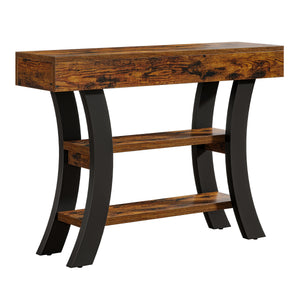
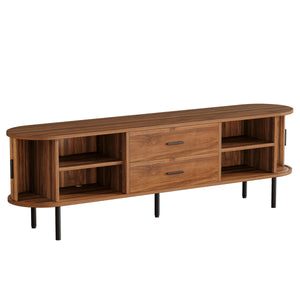
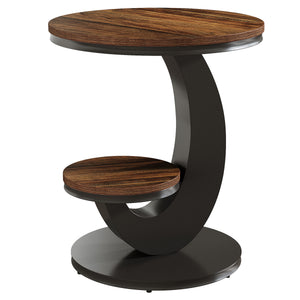
Pair your sofa with a narrow console table, slim side table, or compact TV stand to keep the layout functional without overcrowding the room.
Step 3: Choose the Right Layout Style
After placing the sofa, choose a layout that fits how you actually use the room. If you like an open, social setup, pair a compact sofa with one or two accent chairs. If you need more seating, a small L-shaped sectional can make better use of a corner without crowding the walkway.
For open-plan rooms, floating the sofa can help separate the living area from the rest of the space. In very small rooms, focus on multi-functional pieces, such as a storage TV stand, nesting table, or ottoman that can double as extra seating.
|
Layout |
Seats |
Flexibility |
Space Feel |
|
Sofa + Chairs |
3-5 |
⭐⭐⭐⭐ |
Open |
|
Floating Sofa |
3-4 |
⭐⭐⭐⭐⭐ |
Open + practical |
|
L-shaped |
5-6 |
⭐⭐⭐ |
Max seats |
|
Window-Focused |
3-4 |
⭐⭐⭐ |
Most bright |
|
Multi-Functional |
4-5 |
⭐⭐⭐⭐⭐ |
Most functional |
Step 4: Select Furniture That Fits the Room
In a small living room, the best furniture is not always the smallest piece. What matters more is how light it feels in the space. Look for sofas, chairs, and tables with slim arms, exposed legs, or open bases so more of the floor stays visible.
- Exposed legs to keep more floor visible
- Slim arms or open frames to reduce visual weight
- Built-in storage to cut down on extra cabinets
- Nesting or foldable designs for flexible use
- Light, low-profile shapes that do not block sightlines
Step 5: Leave Enough Room to Move
As a general guide, leave about 30 to 36 inches for the main walkway if your space allows. For smaller paths around chairs, side tables, or storage pieces, 18 to 24 inches can still work. Between the sofa and coffee table, aim for 16 to 18 inches so the table is easy to reach without blocking your legs.
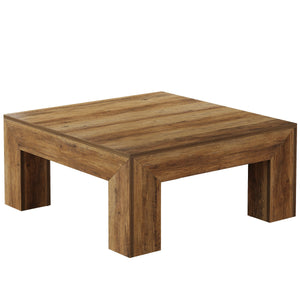
Scale matters just as much as spacing. A coffee table that is about half to two-thirds the length of the sofa usually feels balanced. If you use an area rug, try to place at least the front legs of the sofa and chairs on it so the seating area feels connected instead of broken up.

Small Layout Tweaks That Make a Big Difference
1. Pull key pieces slightly away from the wall when space allows, so the room feels more intentional instead of pushed to the edges.
2. Let natural light guide the layout by keeping windows clear and using lighter curtains instead of heavy drapes.
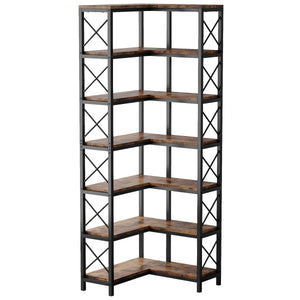
3. In an open-plan room, use open shelving or a slim console table to define the living area without closing it off.
4. Keep the seating area balanced with a rug, a compact sofa, and one or two smaller chairs instead of too many scattered pieces.
5. If furniture sits near direct sunlight, choose fade-resistant fabrics or protect leather pieces from long sun exposure.
Finish the Layout Without Adding Clutter
Once the main furniture is in place, use a few simple details to make the room work harder. Wall-mounted shelves, a storage ottoman, or a window bench with hidden storage can keep everyday items off the floor without adding more bulky furniture.
A large area rug can help pull the sofa, chairs, and coffee table into one clear seating zone, especially in an open-plan room. If the space feels dark, place a mirror near a window to reflect natural light and make the room feel brighter.
Lighting should follow how you use the room. Add a floor lamp beside a reading chair, a small lamp near the sofa, or a pendant light to center the seating area. In a small living room, every finishing piece should either add storage, comfort, or a clearer sense of space.

DIY Projects: Space-Saving Hacks
1. Rolling Coffee Table
Attach casters to a small table or ottoman so it rolls out of the way when you need floor space.
2. Floating Nightstand
DIY a floating shelf to use as a nightstand that saves floor space.
3. Storage Ottoman Upgrade
Use an inexpensive ottoman with a hinged top for hidden storage of throws, books, and games.
4. Pegboard Wall Organizer
Mount a pegboard behind sofa or desk to hang plants, books, and baskets for wall art plus organization.
FAQ
What’s the Best Layout for a Small Living Room With a TV?
Place the sofa against the longest wall if it gives you the clearest view of the TV. Then angle one or two chairs toward the screen and use a slim media console to save floor space.
Can I Use a Sectional in a Small Living Room?
Yes. A small L-shaped or modular sectional can work well if it tucks neatly into a corner. It often gives you more seating than several separate chairs without making the room feel crowded.
How Do I Make a Small Living Room Feel Bigger With Furniture?
Choose low-profile furniture, exposed legs, and slimmer silhouettes so more floor space stays visible. Keep windows clear, use mirrors to reflect light, and avoid bulky pieces that block the room’s sightlines.
What’s the Most Flexible Layout for a Small Living Room?
A compact sofa, nesting tables, and lightweight accent chairs usually offer the most flexibility. You can rearrange them easily for relaxing, working from home, or entertaining guests.
Should I Push All My Furniture Against the Walls?
Not always. Pushing every piece against the wall can leave the middle of the room feeling empty and disconnected. Try pulling key pieces slightly inward to create a more comfortable seating area while still keeping walkways open.
How Much Space Should Be Between the Sofa and Coffee Table?
Aim for about 16 to 18 inches. That gives you enough room to walk through while keeping the coffee table close enough to reach.