




















Nightstands Frequently Asked Questions
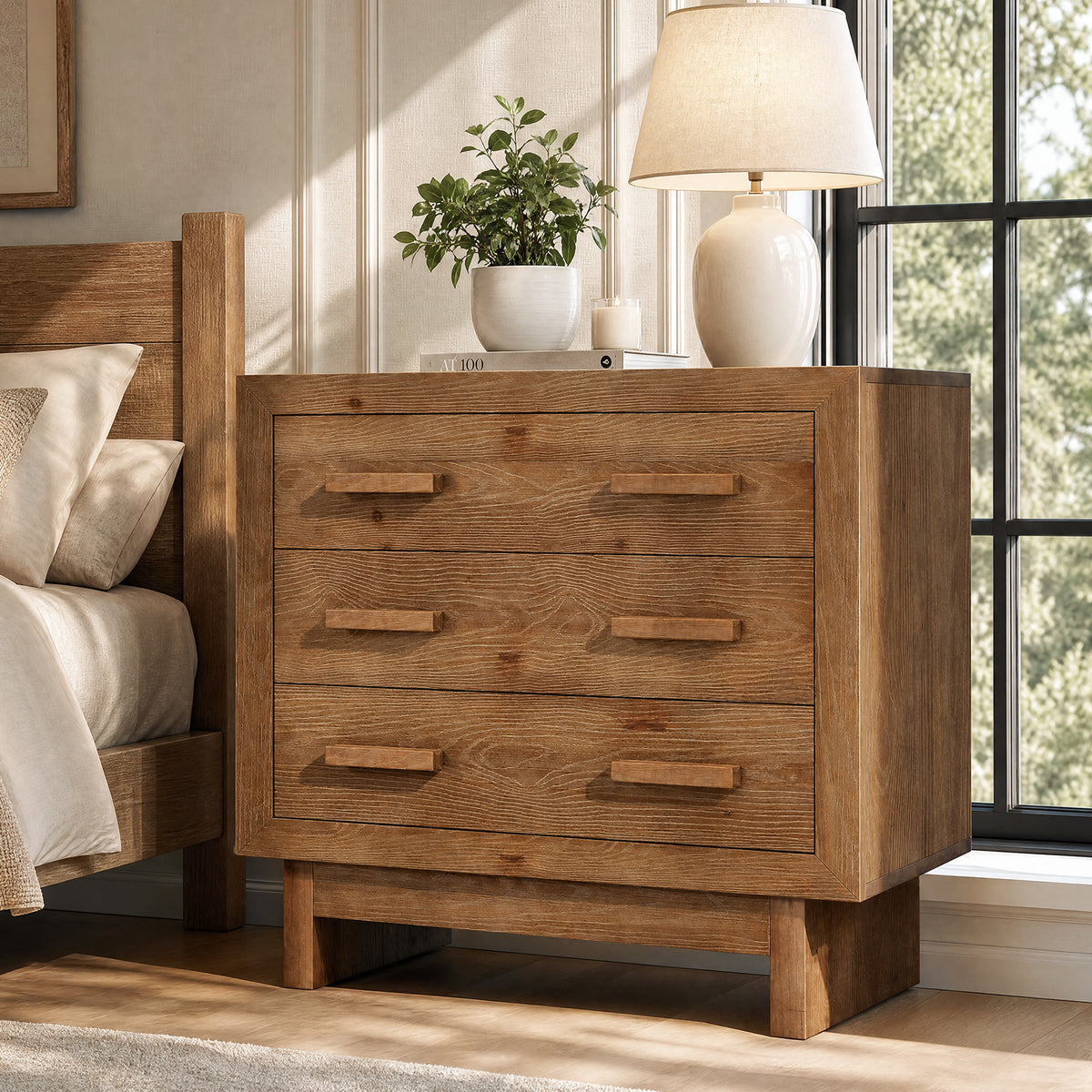
For optimal functionality and visual balance, nightstands should be level with or slightly lower than the top of the mattress. Ideally, the height difference should be no more than 1-2 inches. A nightstand that is too high can be awkward to reach, while one that is too low can disrupt the room’s aesthetic.
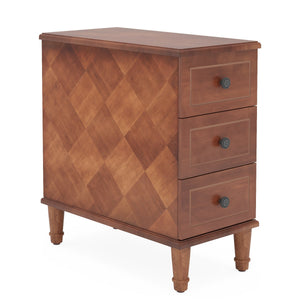
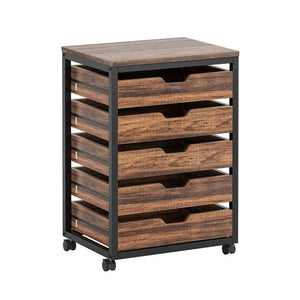
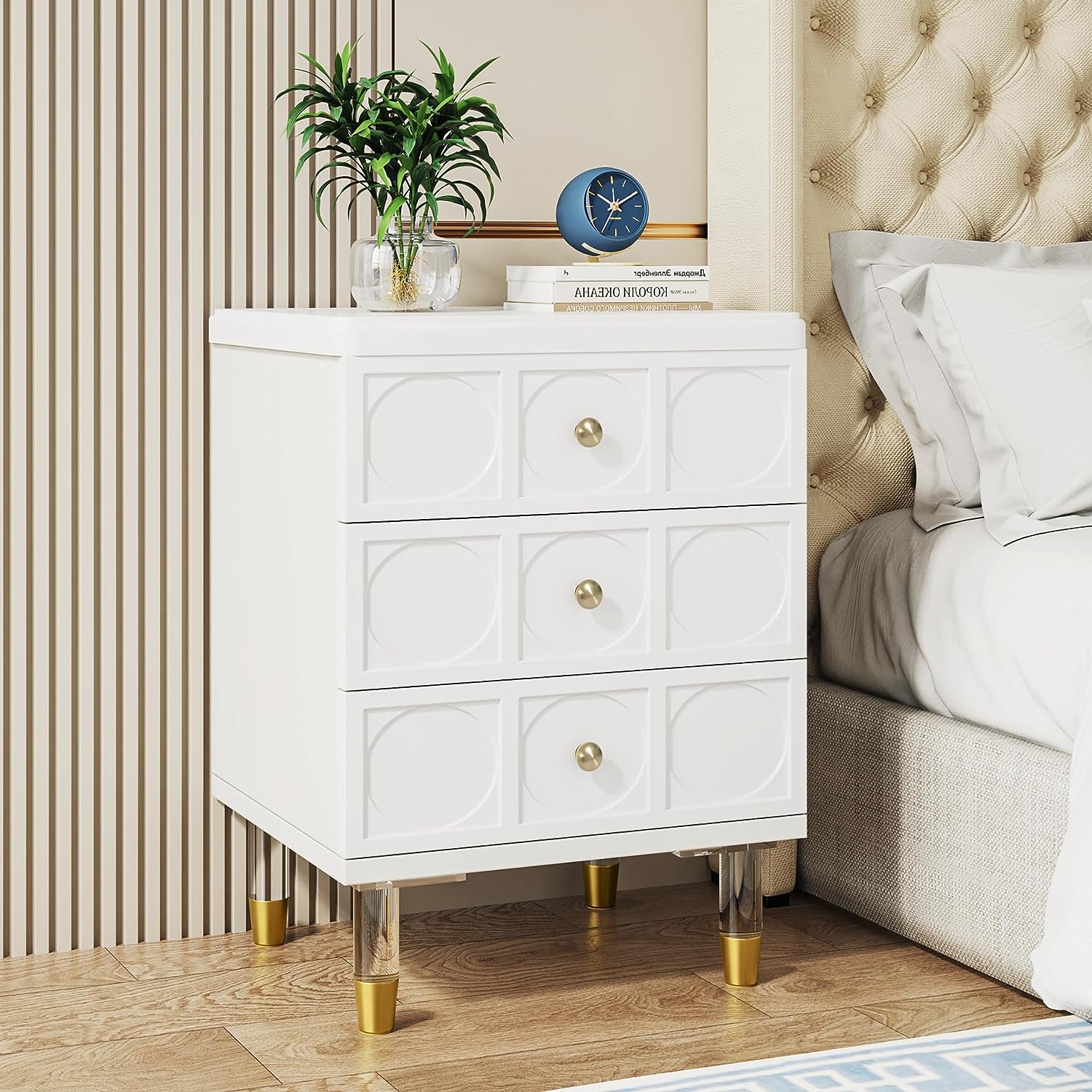
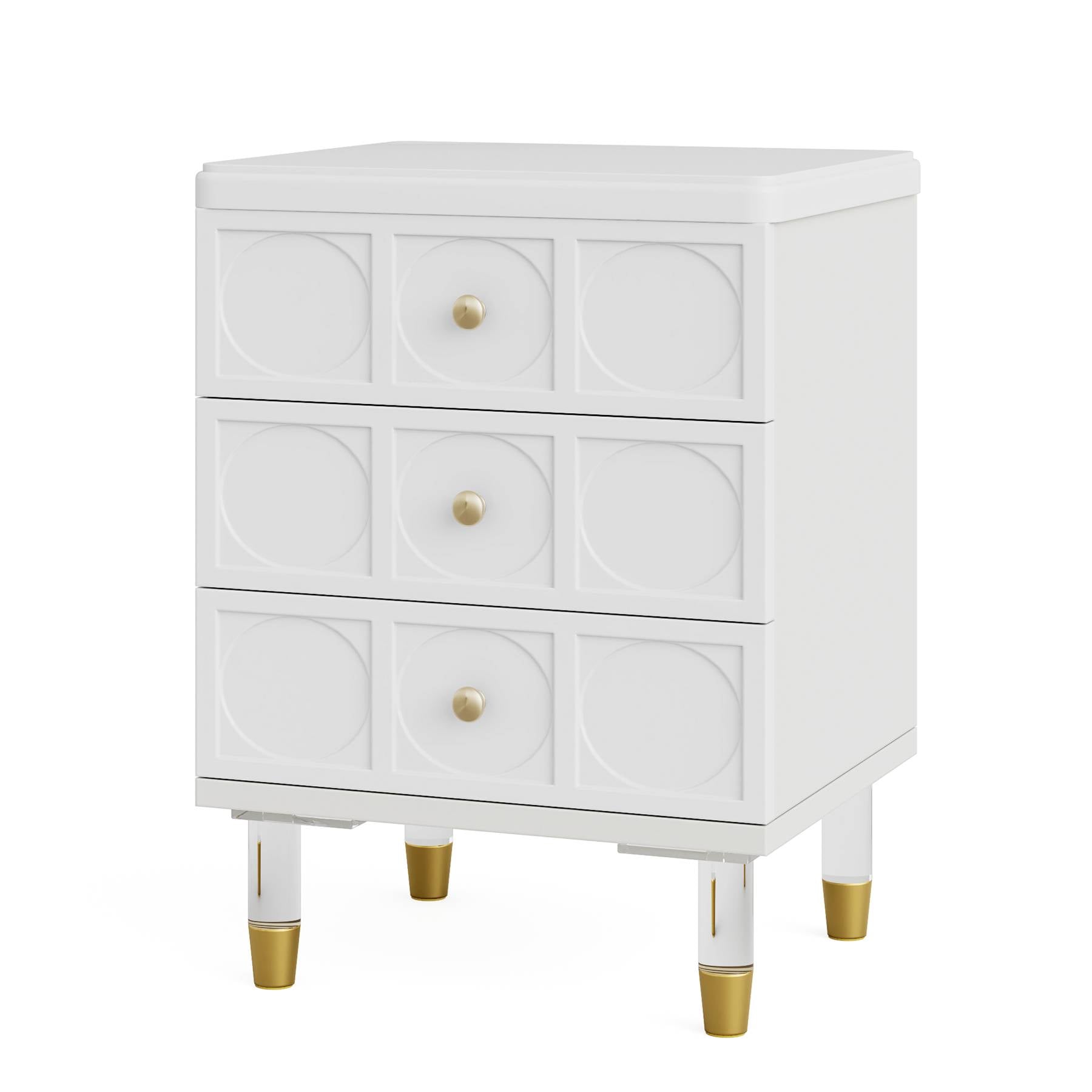
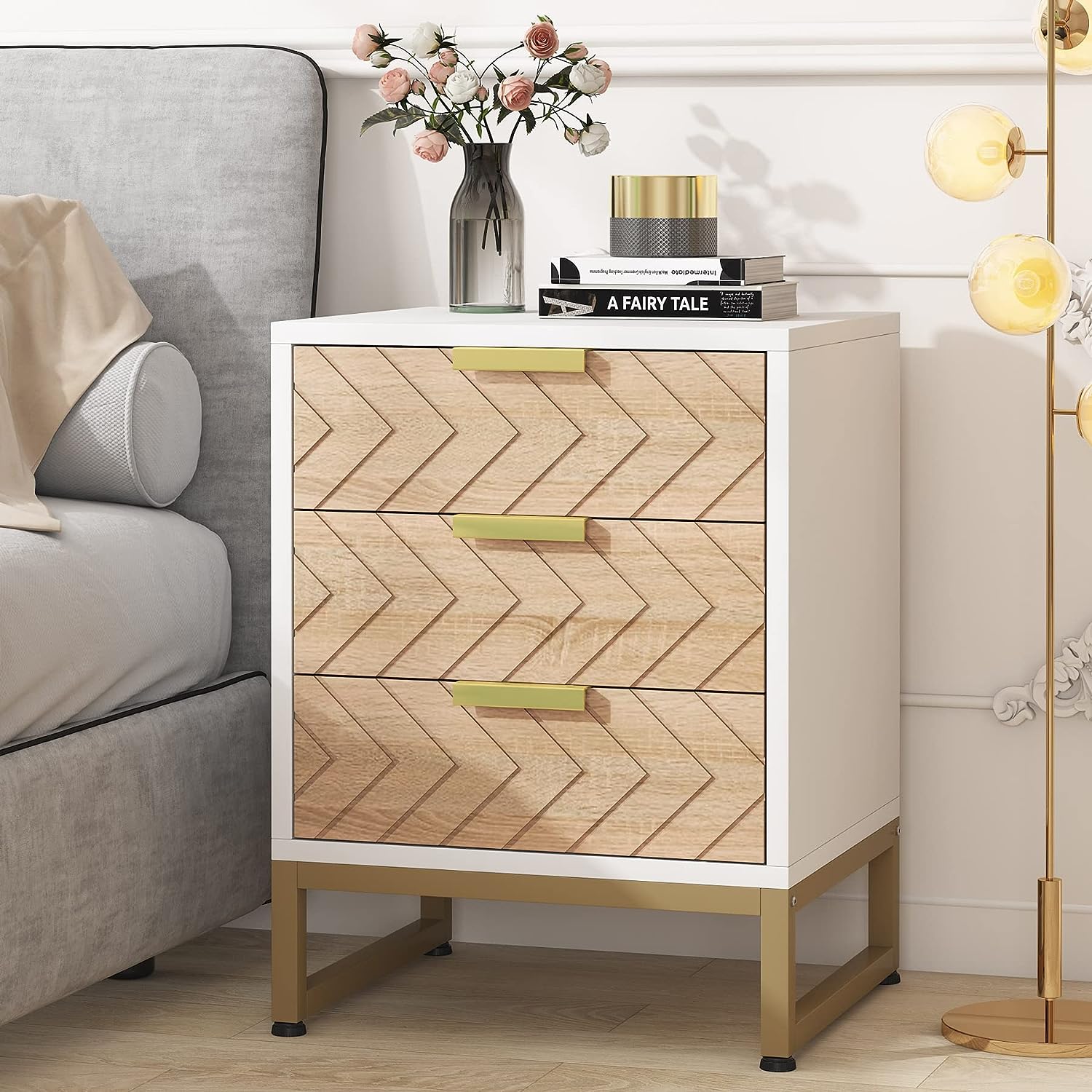
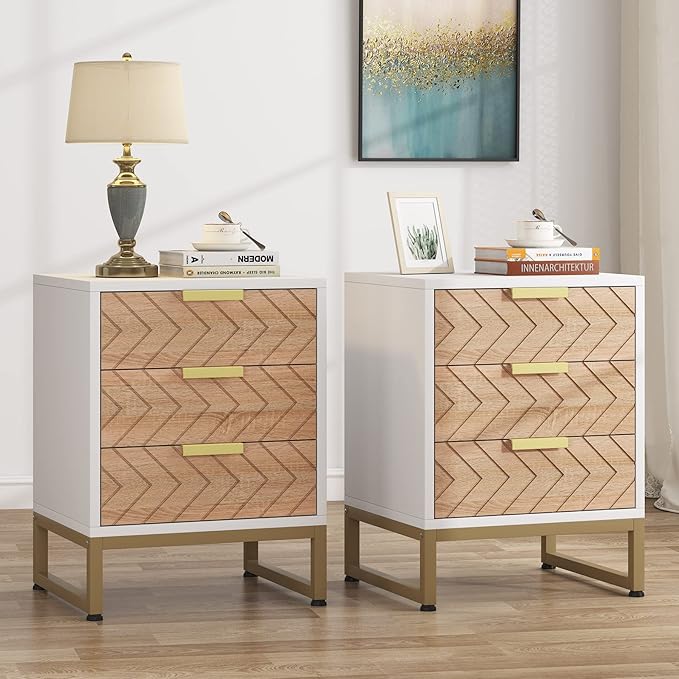
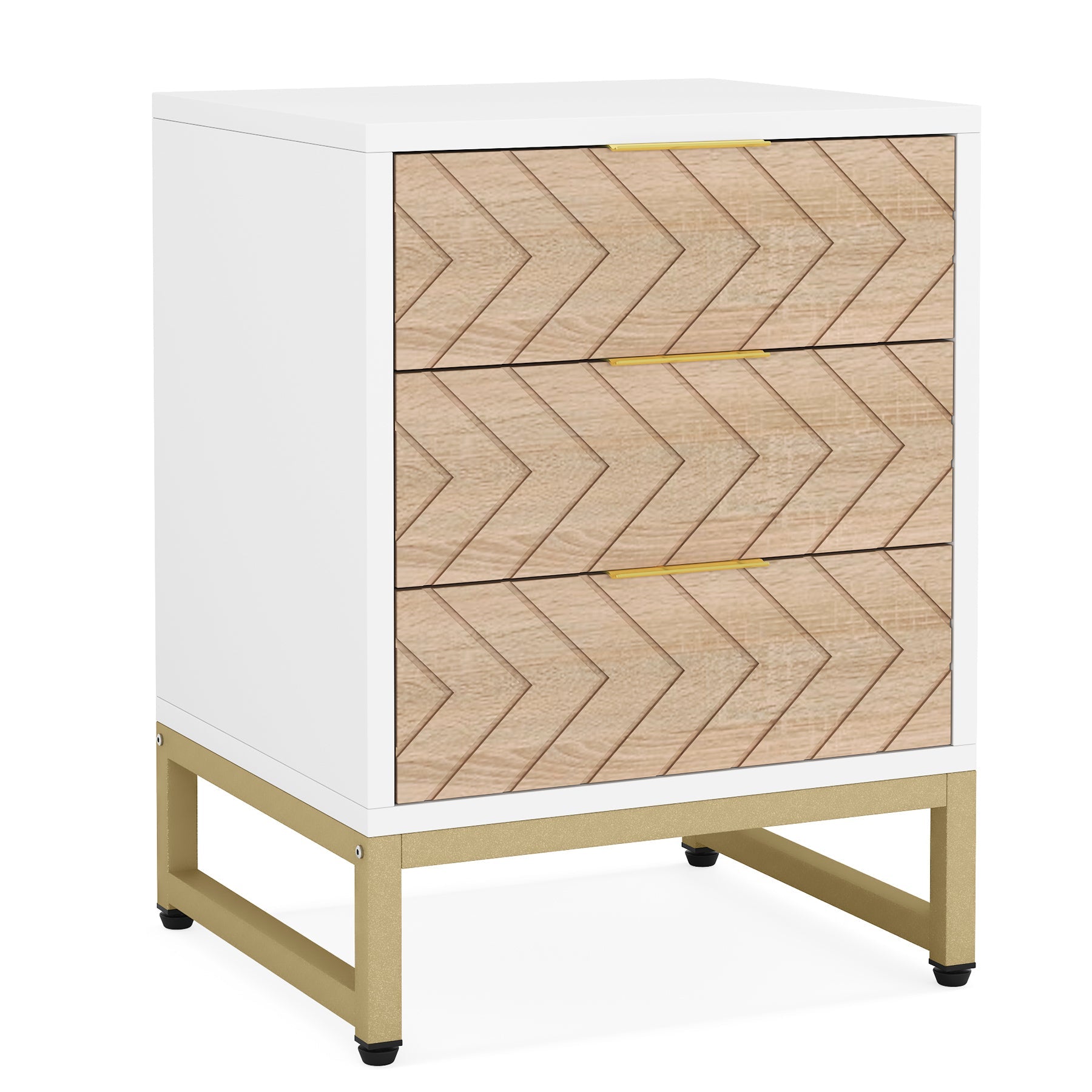
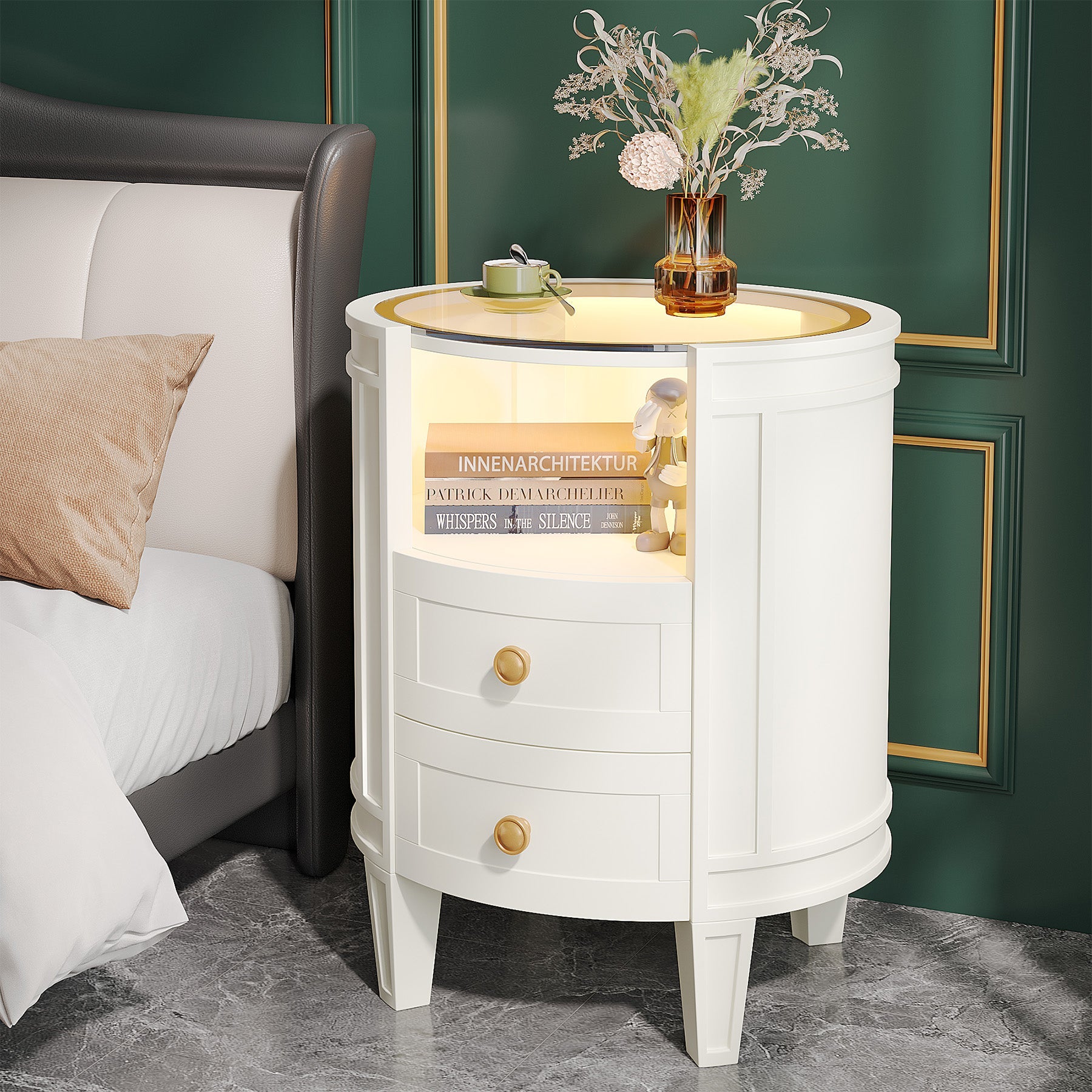
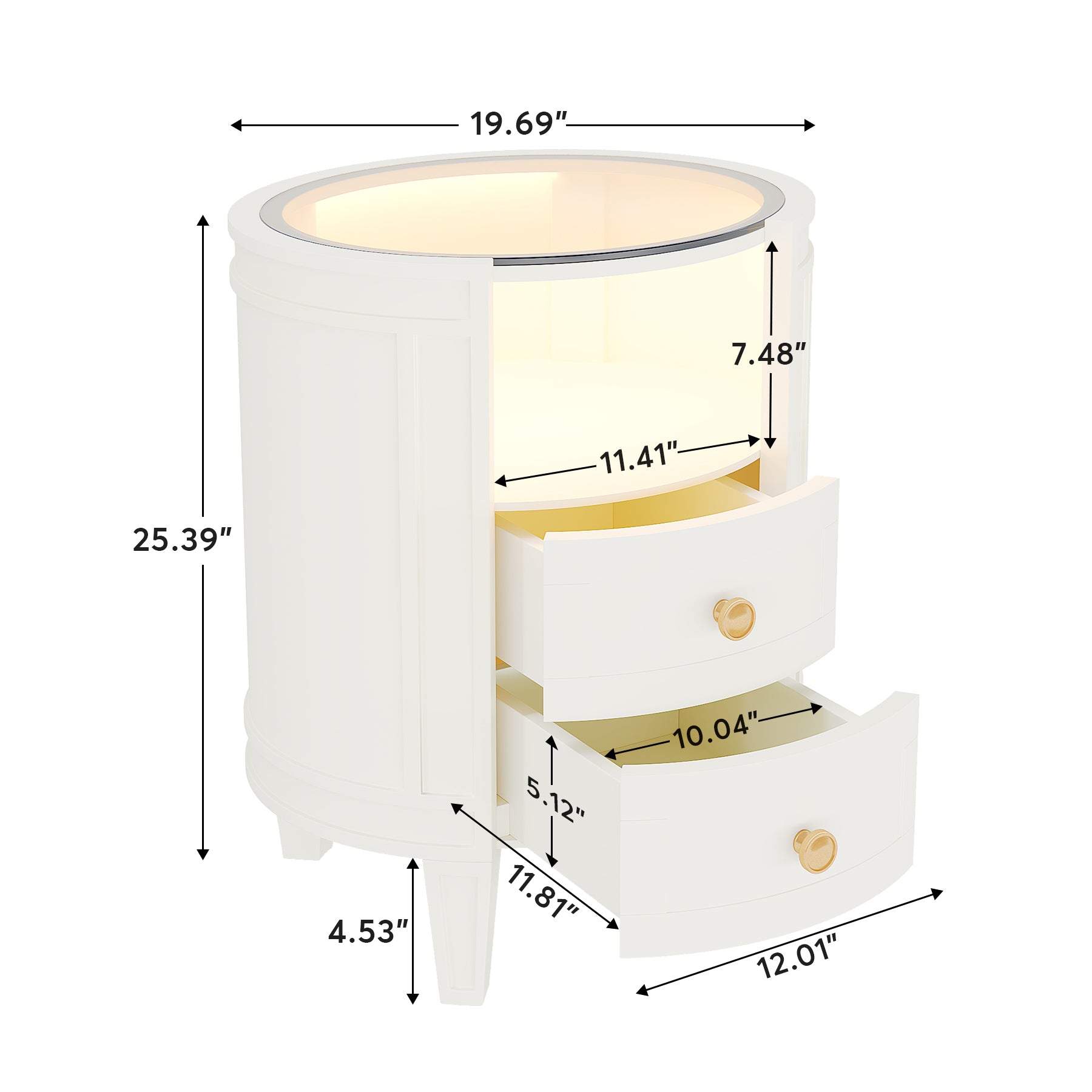
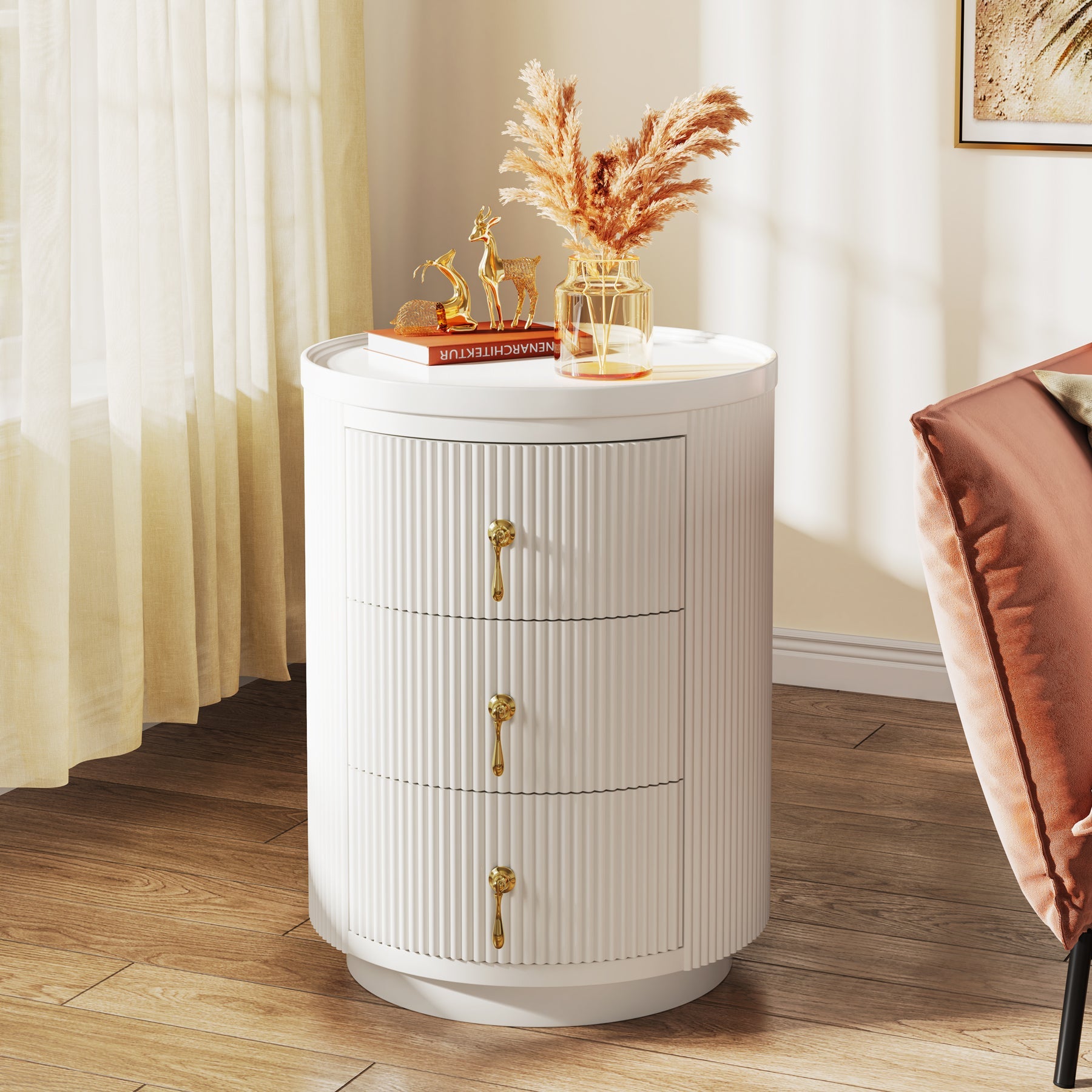
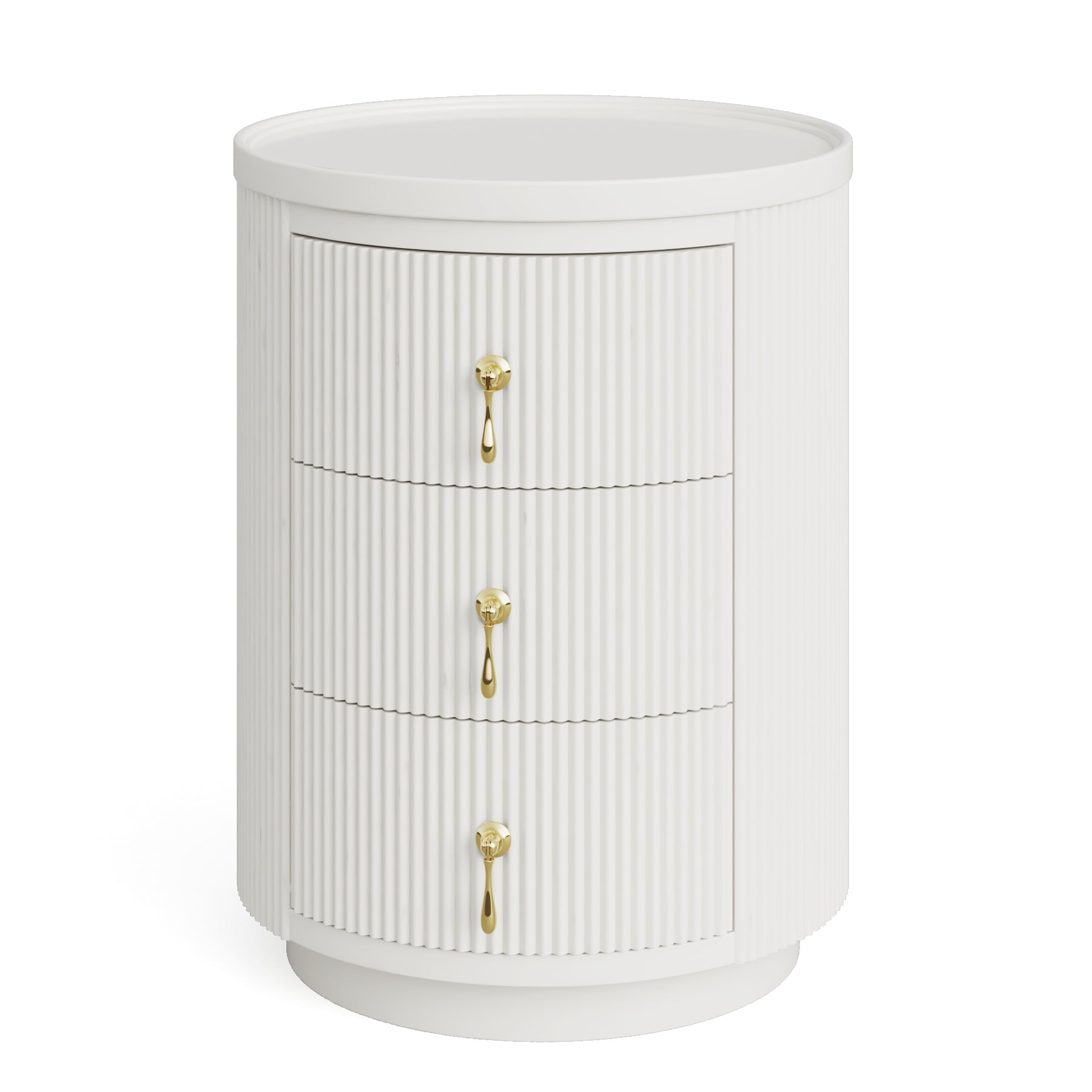
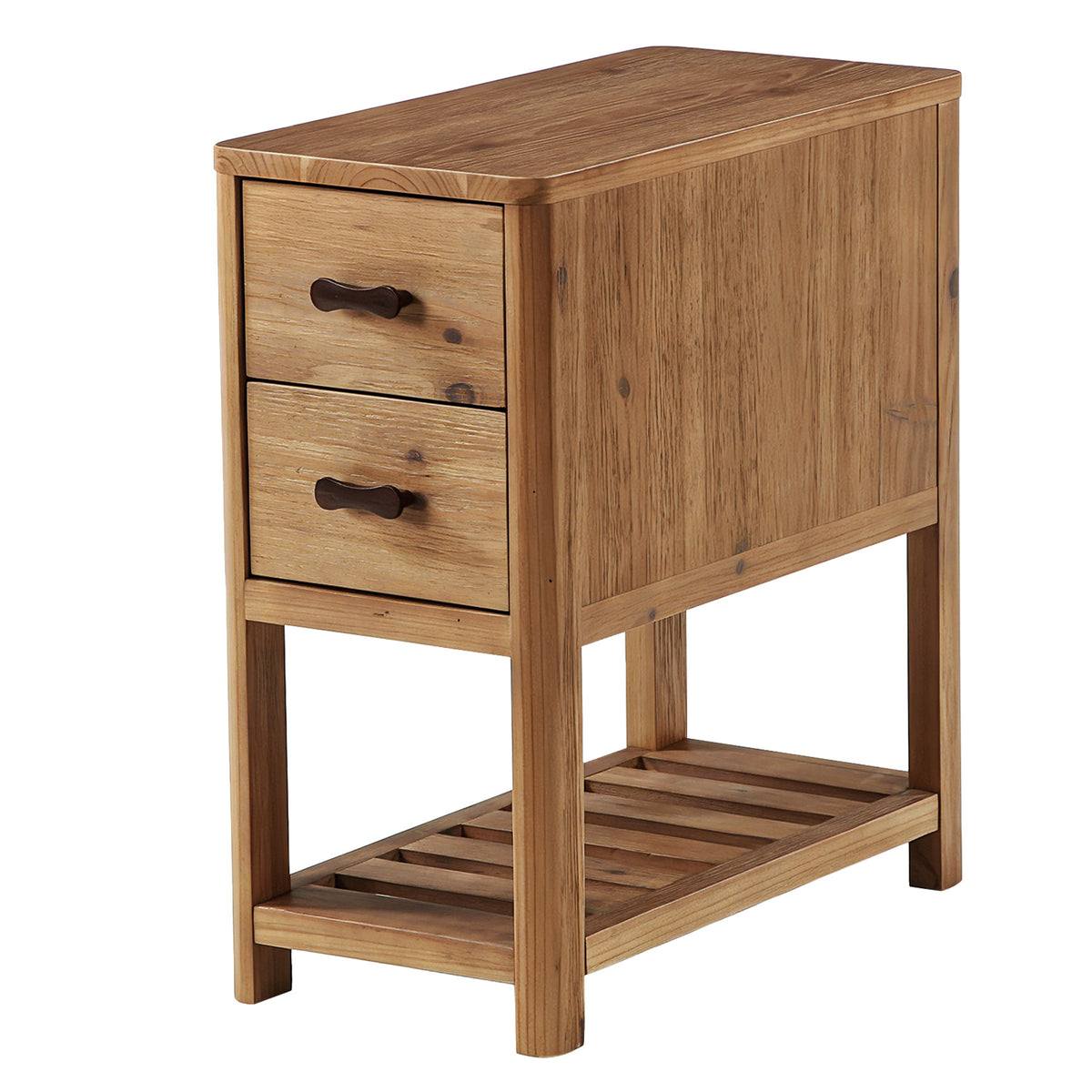
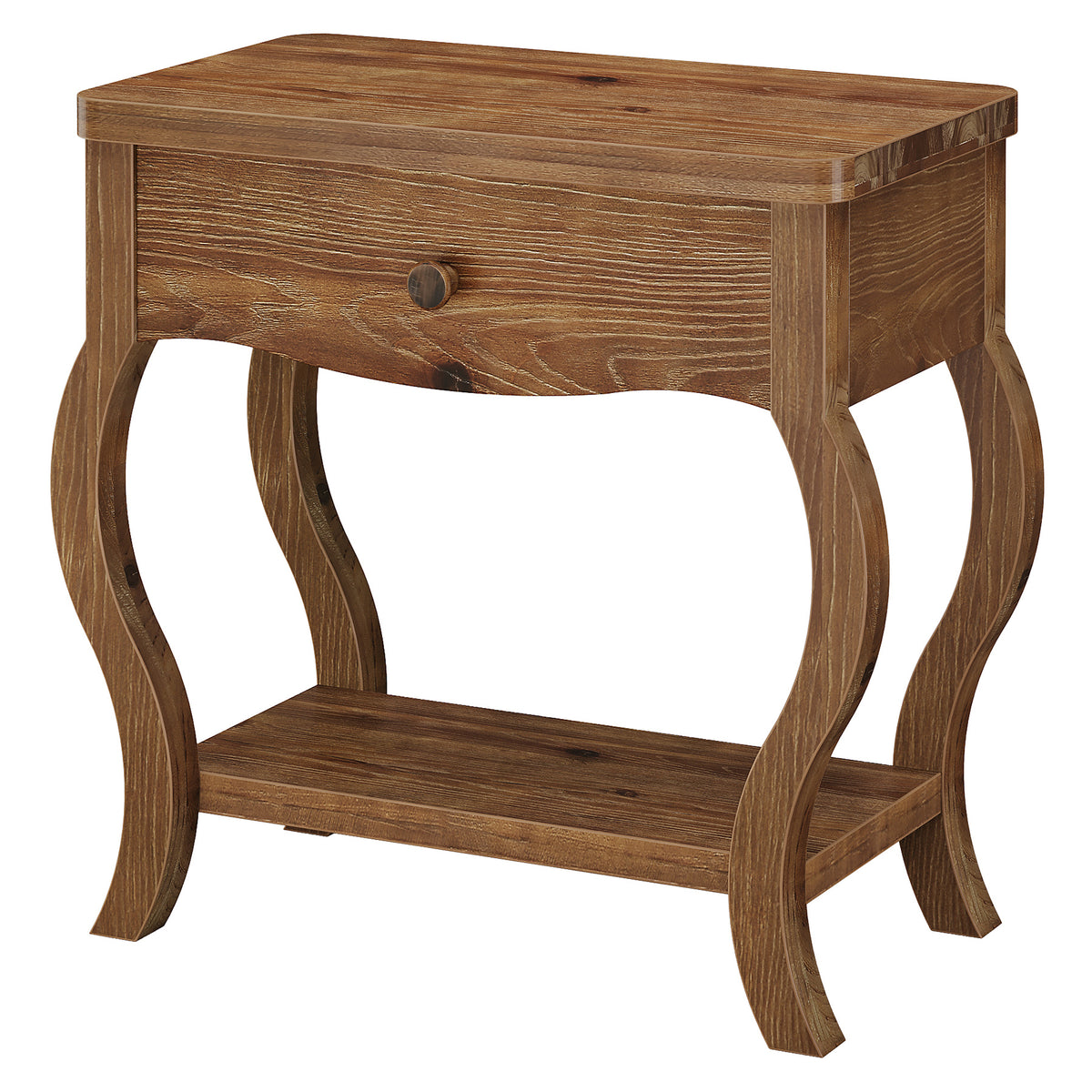
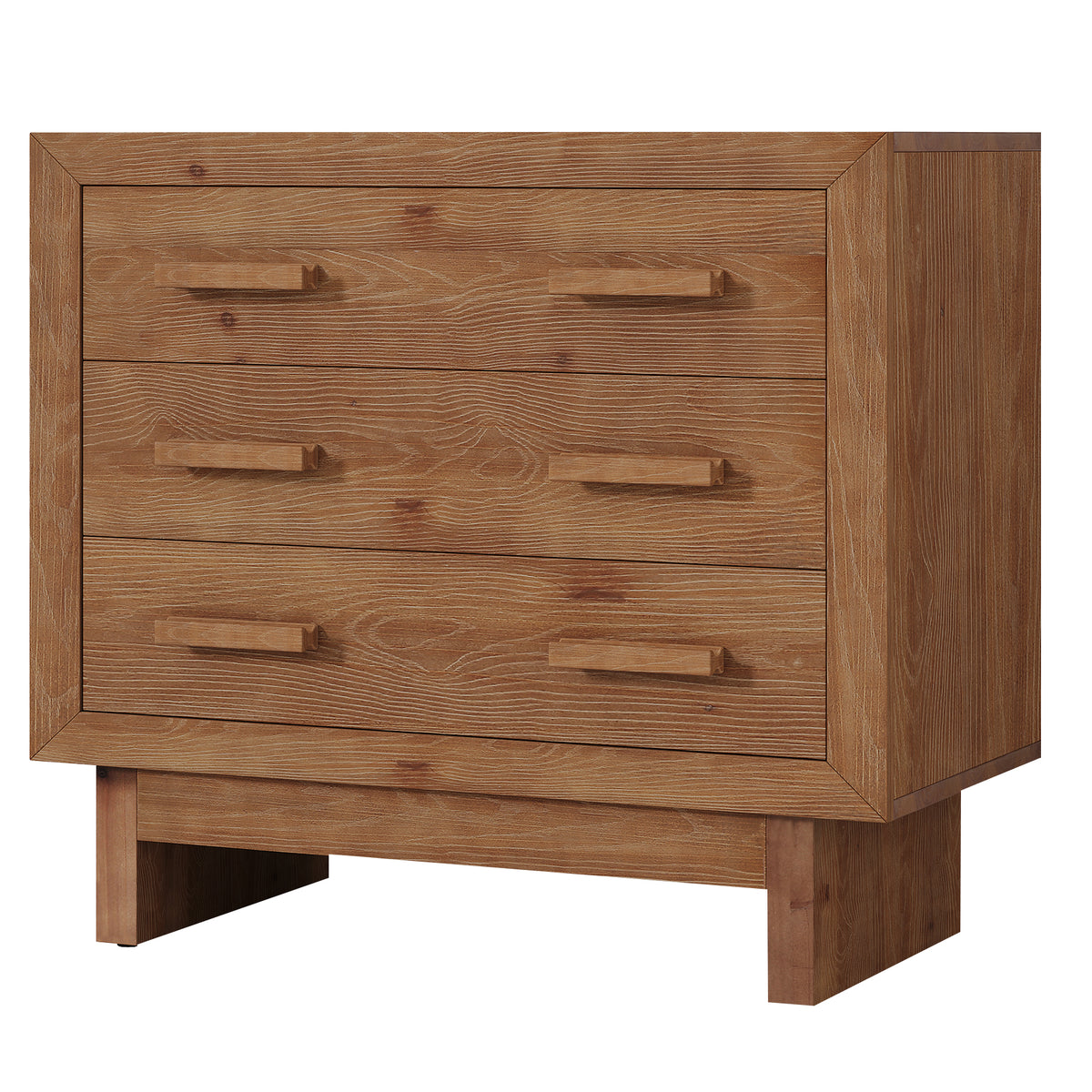
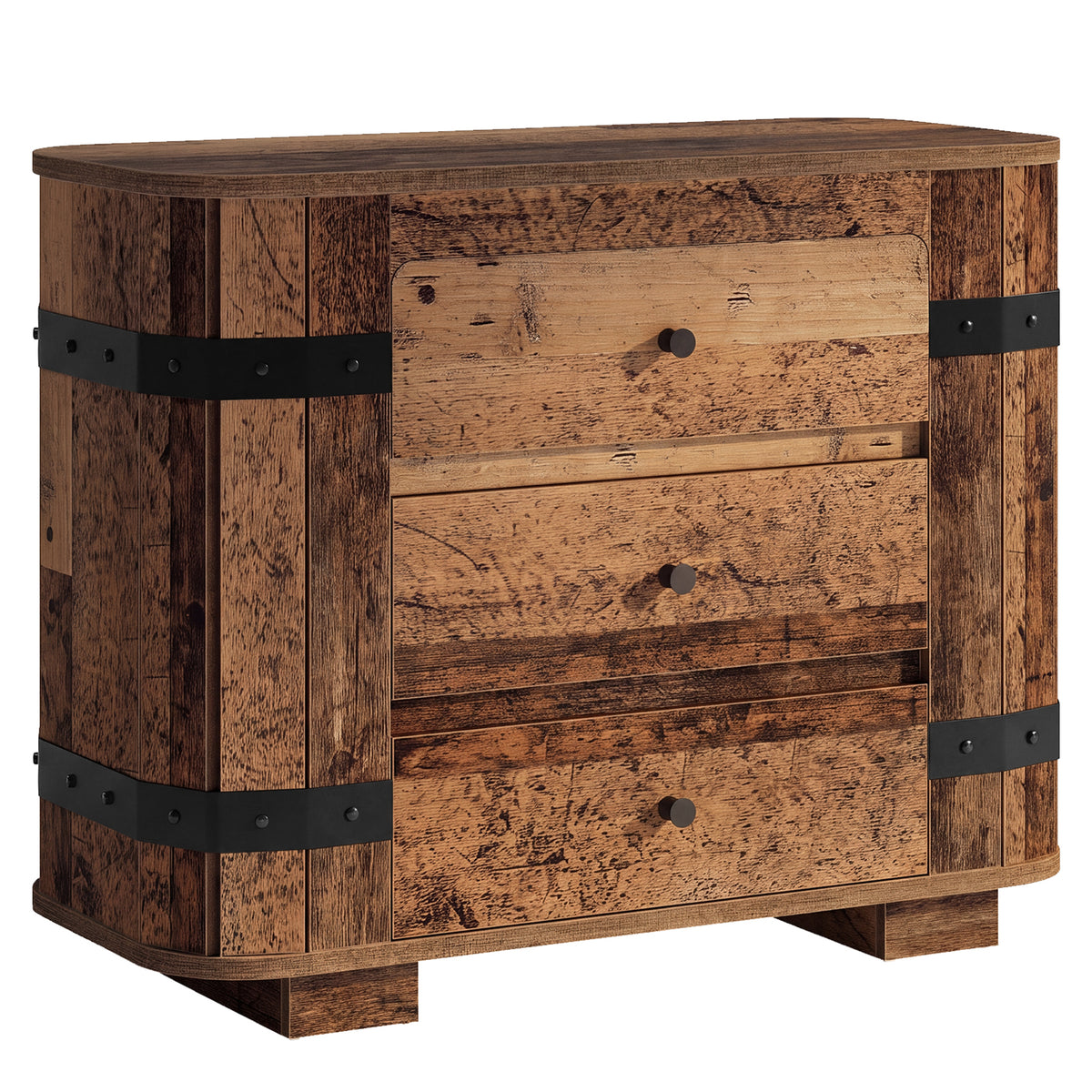
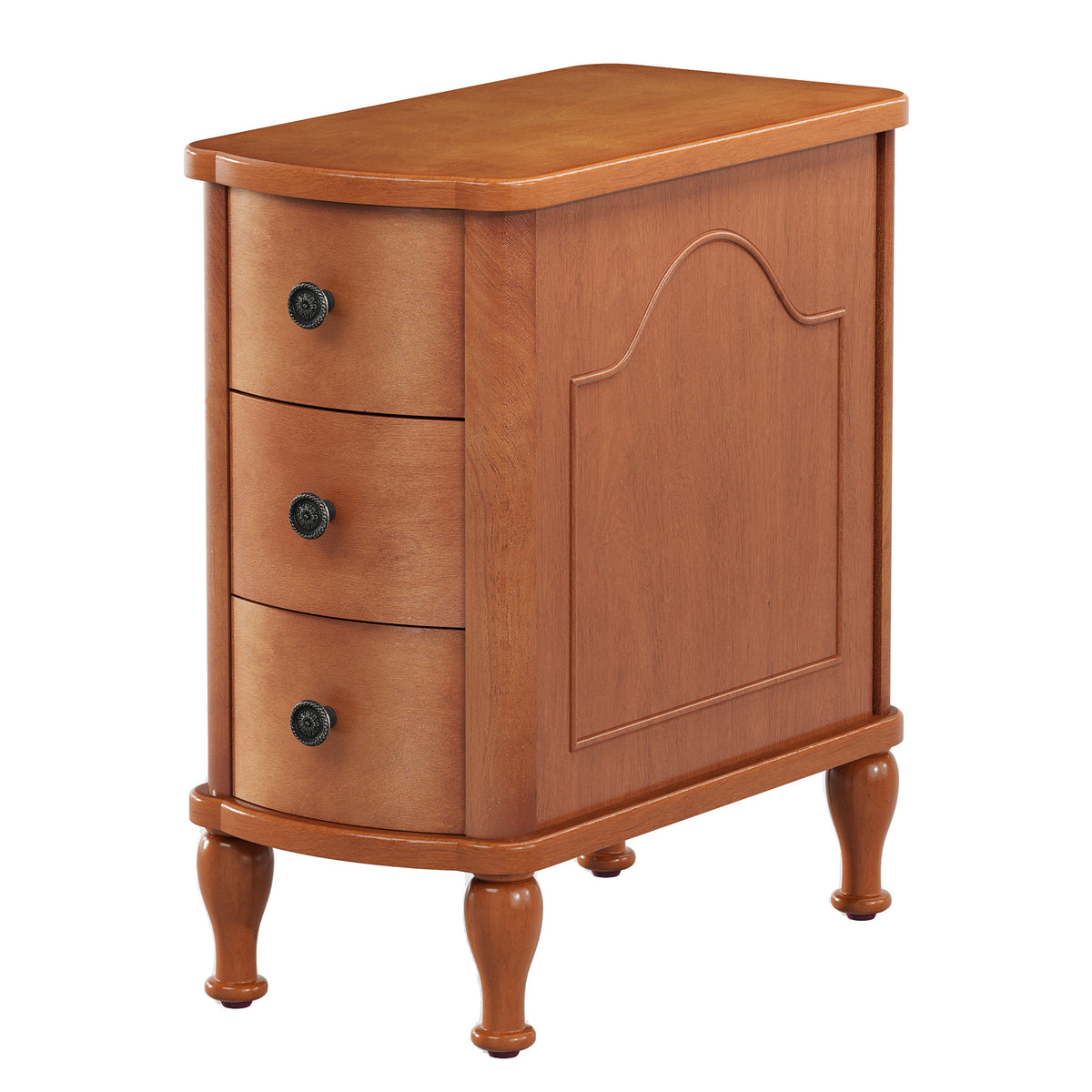
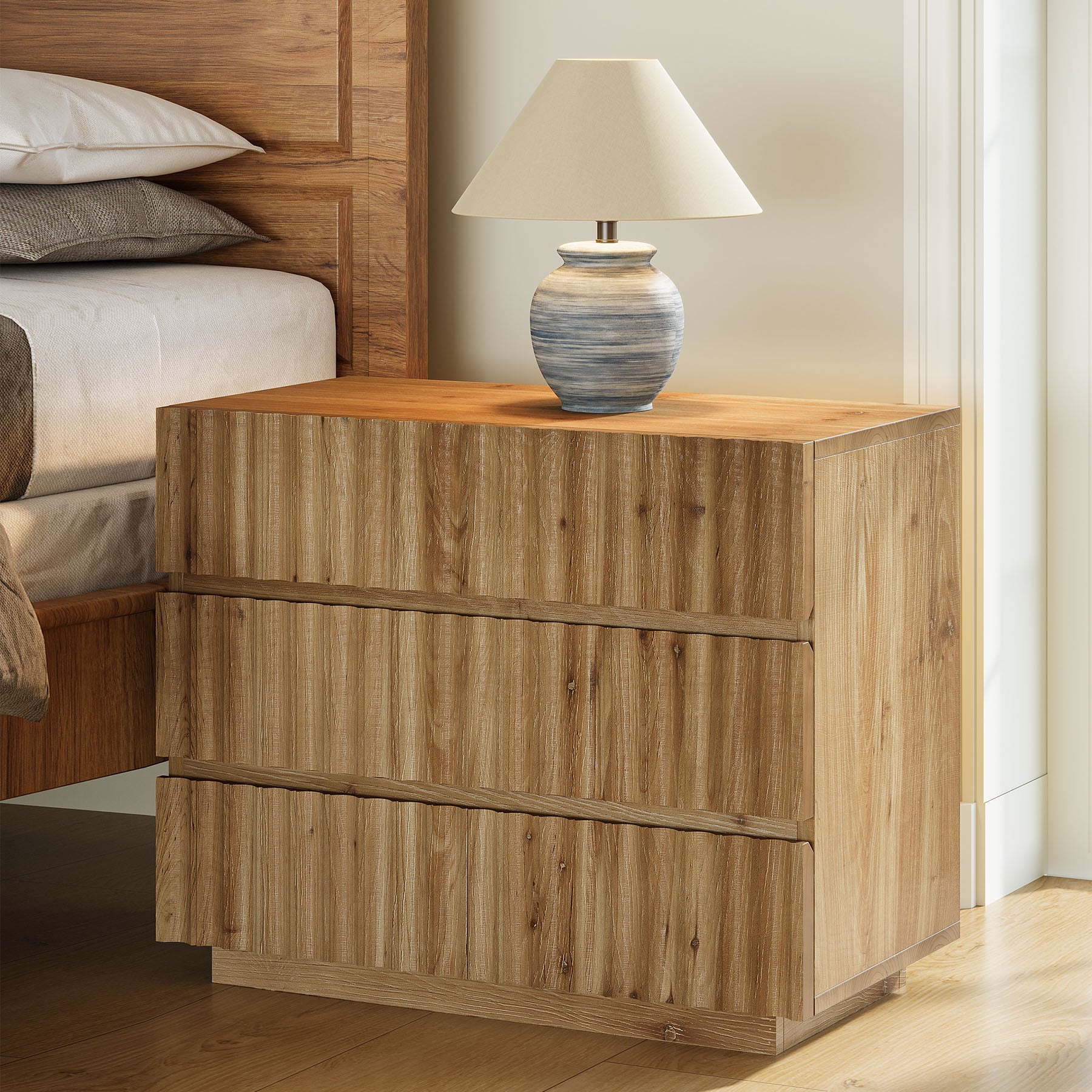
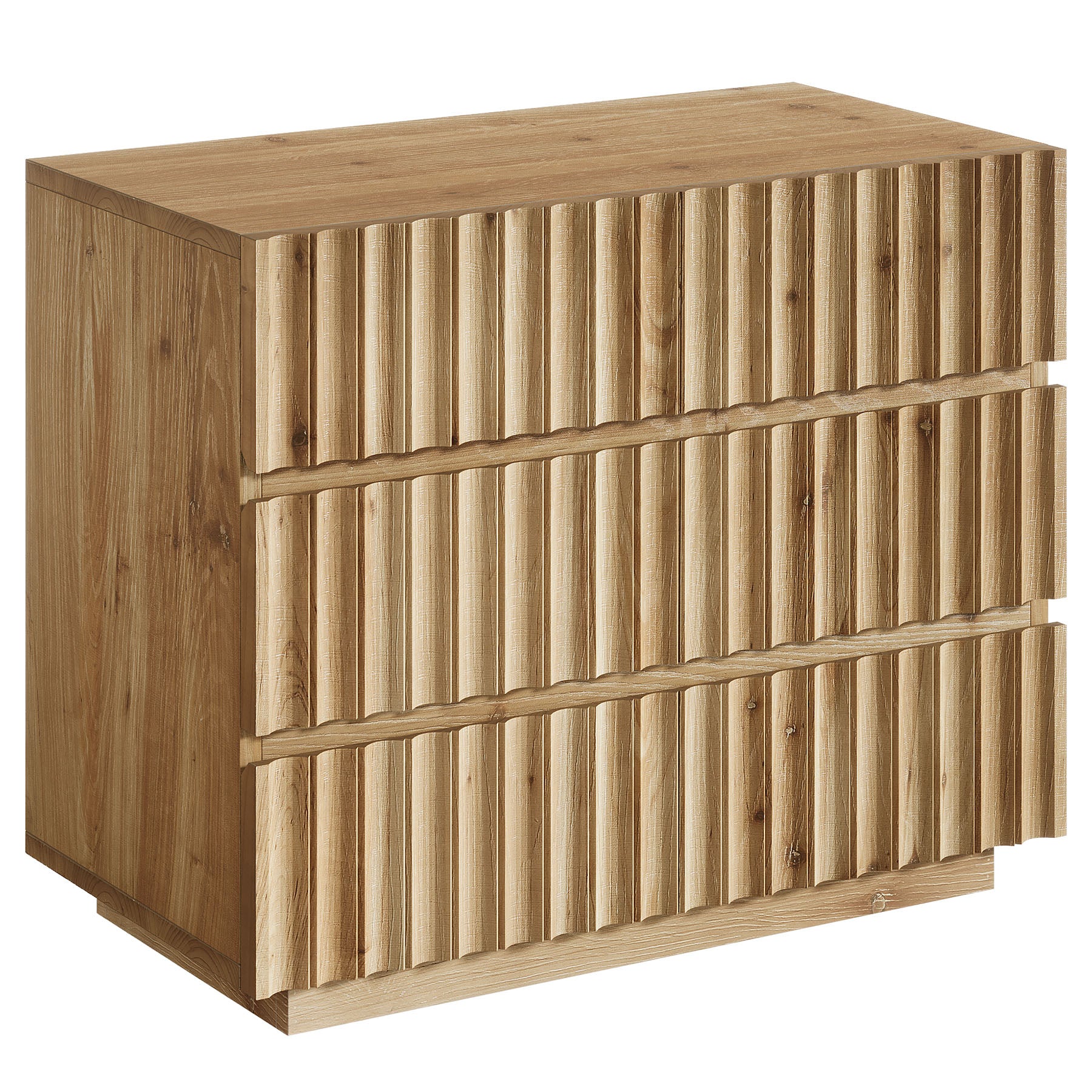
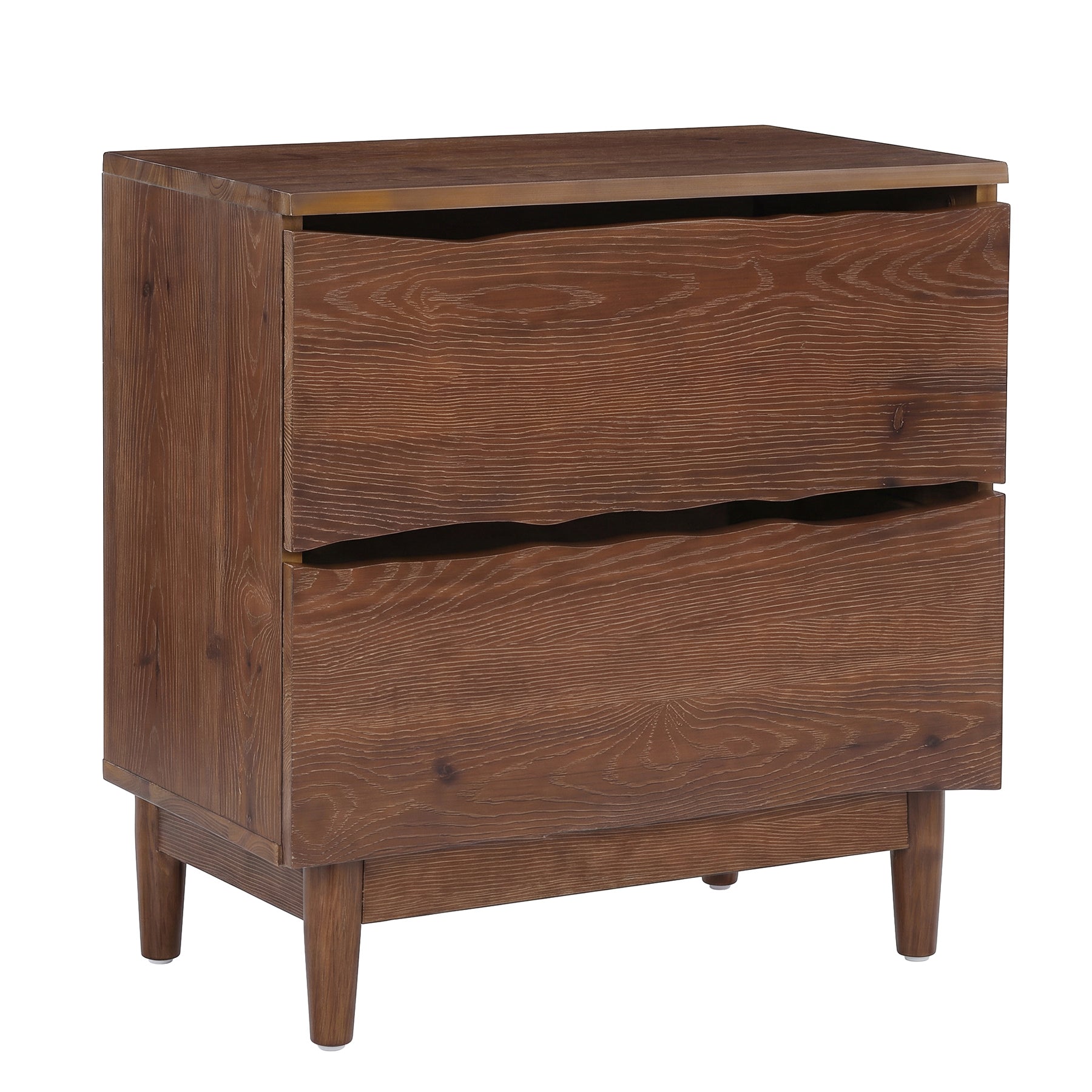
Tribesigns offers nightstands with drawers (2 drawers & 3 drawers )in various heights, allowing you to find the perfect fit for your bed. Explore our collection to choose a nightstand that complements both your bed height and overall bedroom decor.
The ideal nightstand height is typically 24 to 28 inches, aligning with the top of most standard mattresses. However, if you have a platform bed or an extra-tall mattress, you may need a customized height.
- Standard Beds: 24-26 inches.
- Platform Beds: 20-22 inches.
- Pillow-Top or Extra-High Beds: 28-30 inches.
Tribesigns bedside table with drawer is available in multiple heights, ensuring you can find the right size for any bed style. Check our product specifications for detailed dimensions.
Choosing the right nightstands involves balancing style, size, storage, and functionality to complement both your bed and your lifestyle. Here are the key things to consider:
Height:
Your bedside table should be roughly level with the top of your mattress, usually within 1–2 inches. This ensures easy access to lamps, phones, or glasses.
Width & Proportion:
Choose a nightstand that’s proportionate to your bed size. For queen and king beds, a wider or double-drawer nightstand provides balance and ample surface space.
Storage Needs:
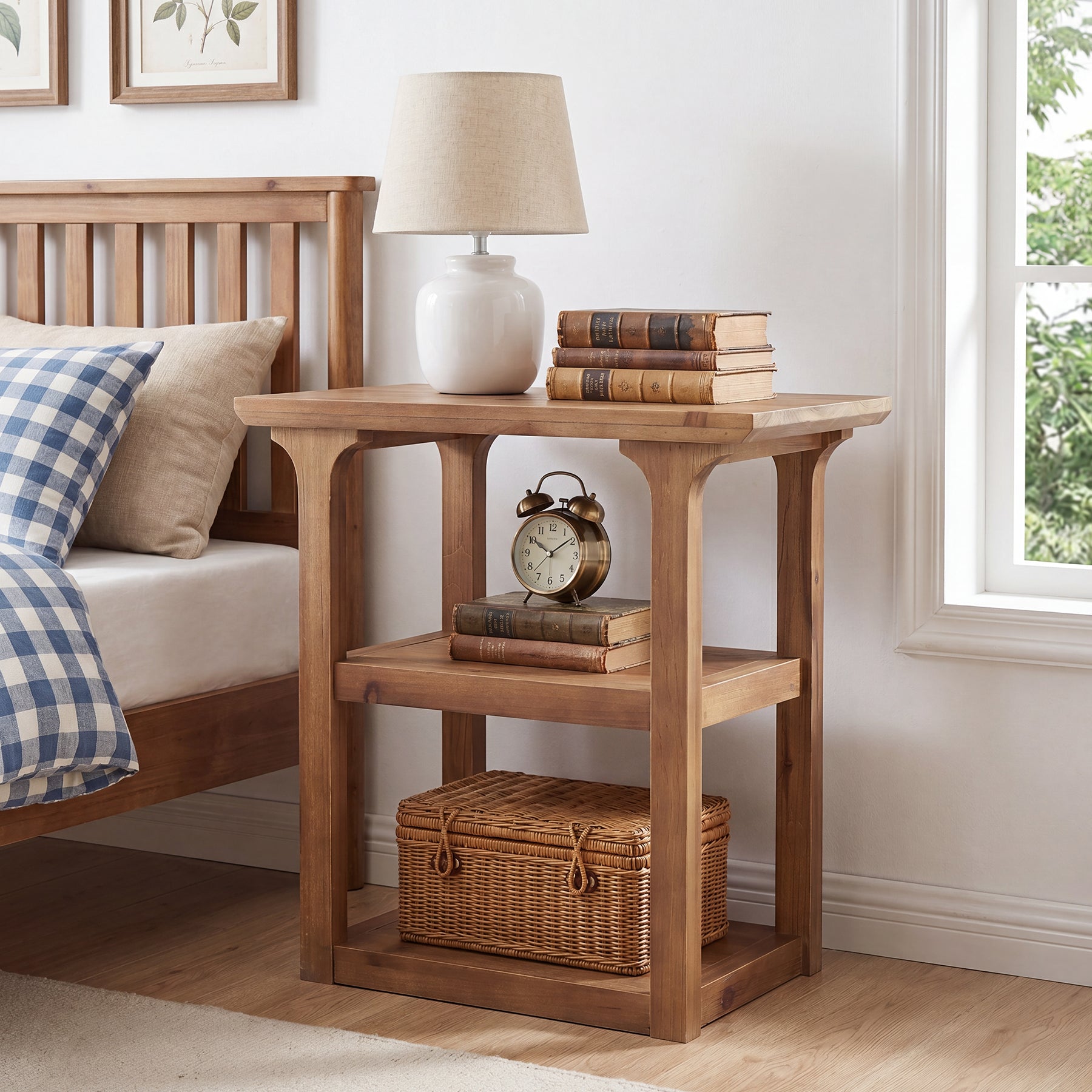
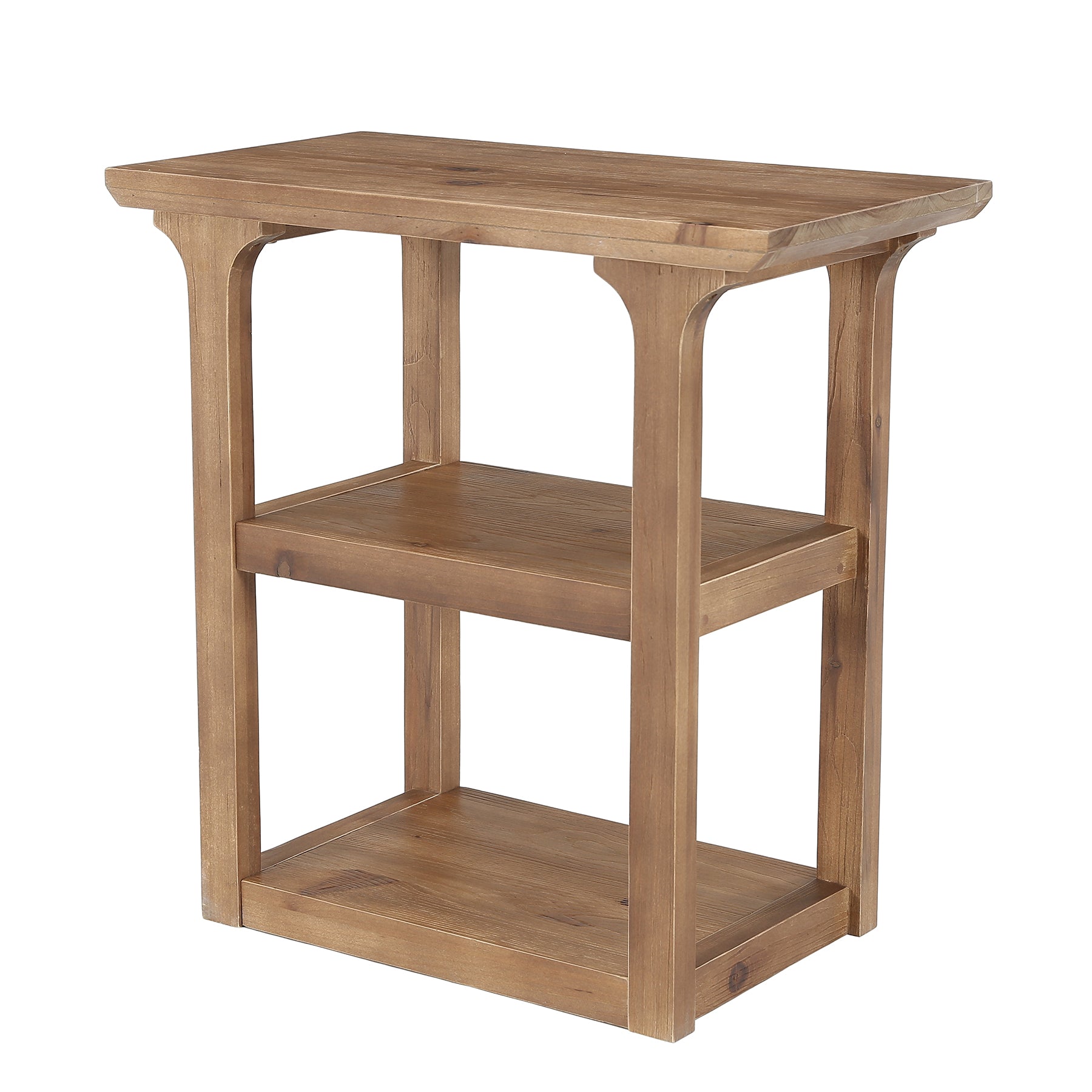
Decide whether you prefer a minimal open-shelf style or a multi-drawer unit for hiding away clutter like books, chargers, or personal items.
Material & Style:
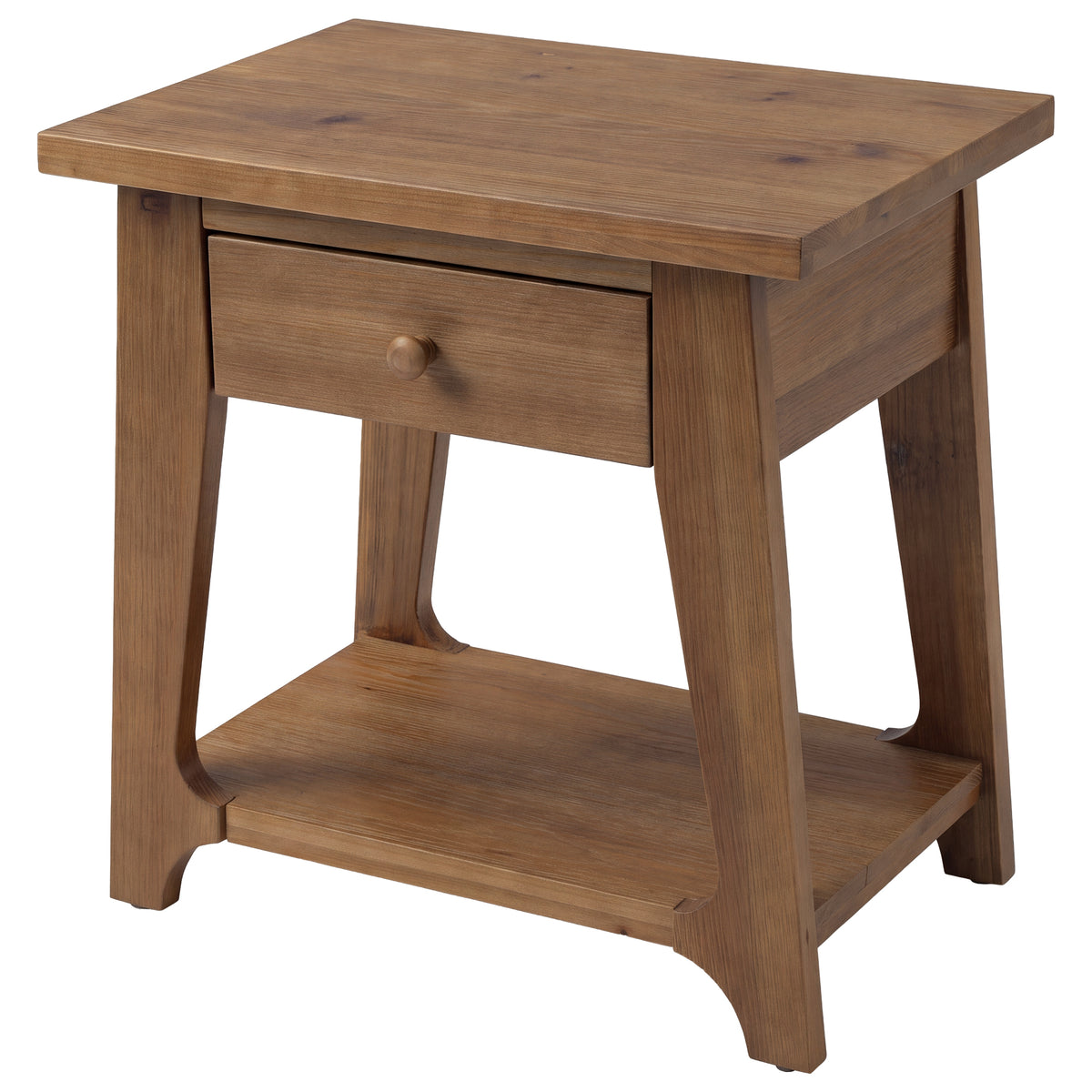
Match your nightstand material and design with your existing décor. Popular choices include wood nightstands, engineered wood with metal frames, or high-gloss finishes for a modern look. Popular nightstands come in a variety of styles, from classic to contemporary, to fit nearly any bedroom aesthetic. Here are some customer favorites: modern nightstands, mid-century modern, farmhouse & rustic, and industrial.
Functionality:
Consider extra features like USB ports, built-in lighting, or soft-close drawers if convenience is important to your nighttime routine.
Quantity:
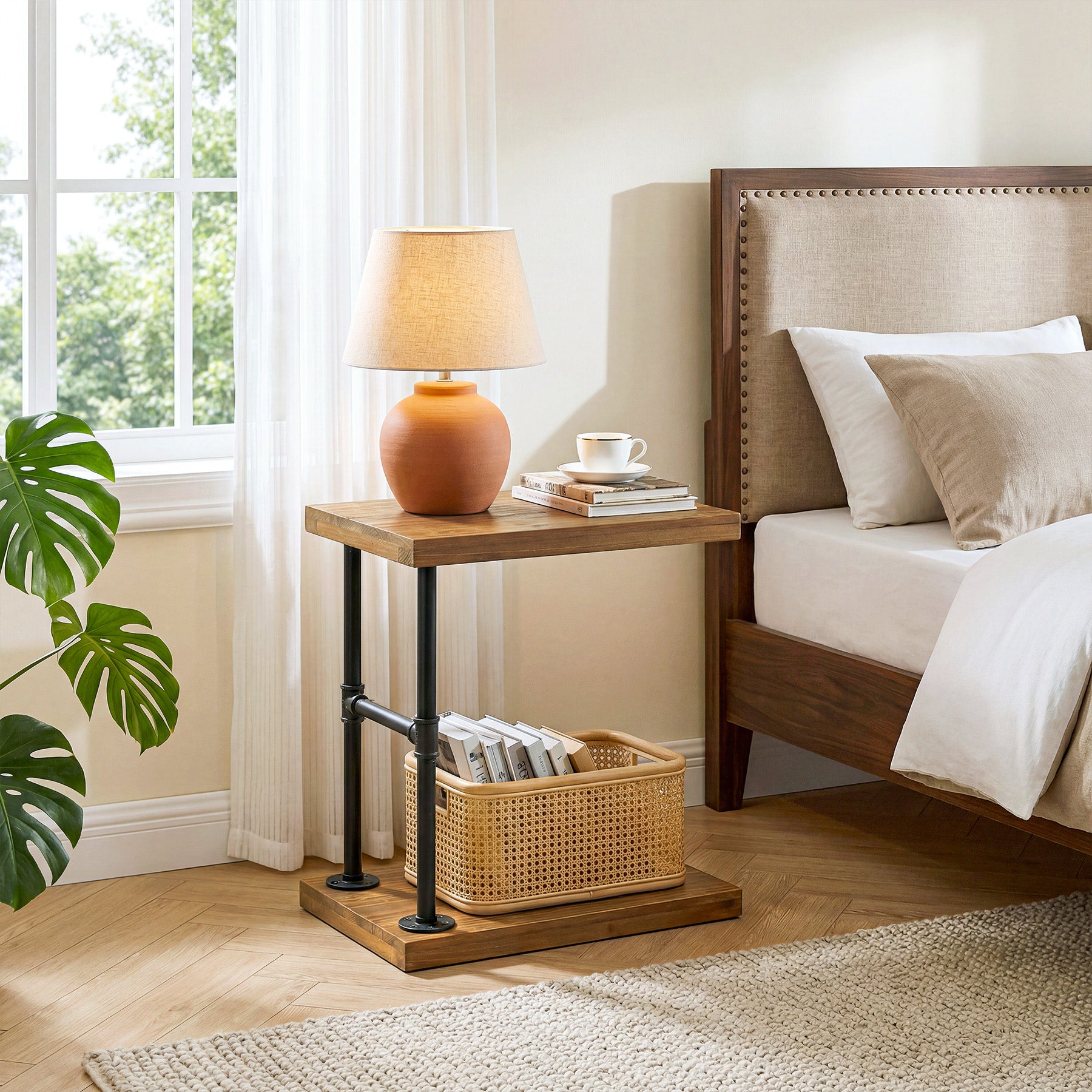
Decide how many bedside tables you need. If you share your bed with someone else, a nightstand on each side of the mattress is ideal. Or you can opt for end tables for the bedroom instead.
Nightstands (also called bedside tables) are designed specifically for the bedroom. They almost always include built-in storage like drawers or shelves to hold nighttime essentials — books, chargers, glasses, or personal items. They're usually paired with a bed and placed at a height that matches the mattress.
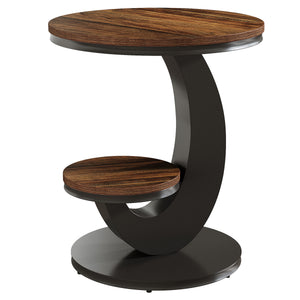
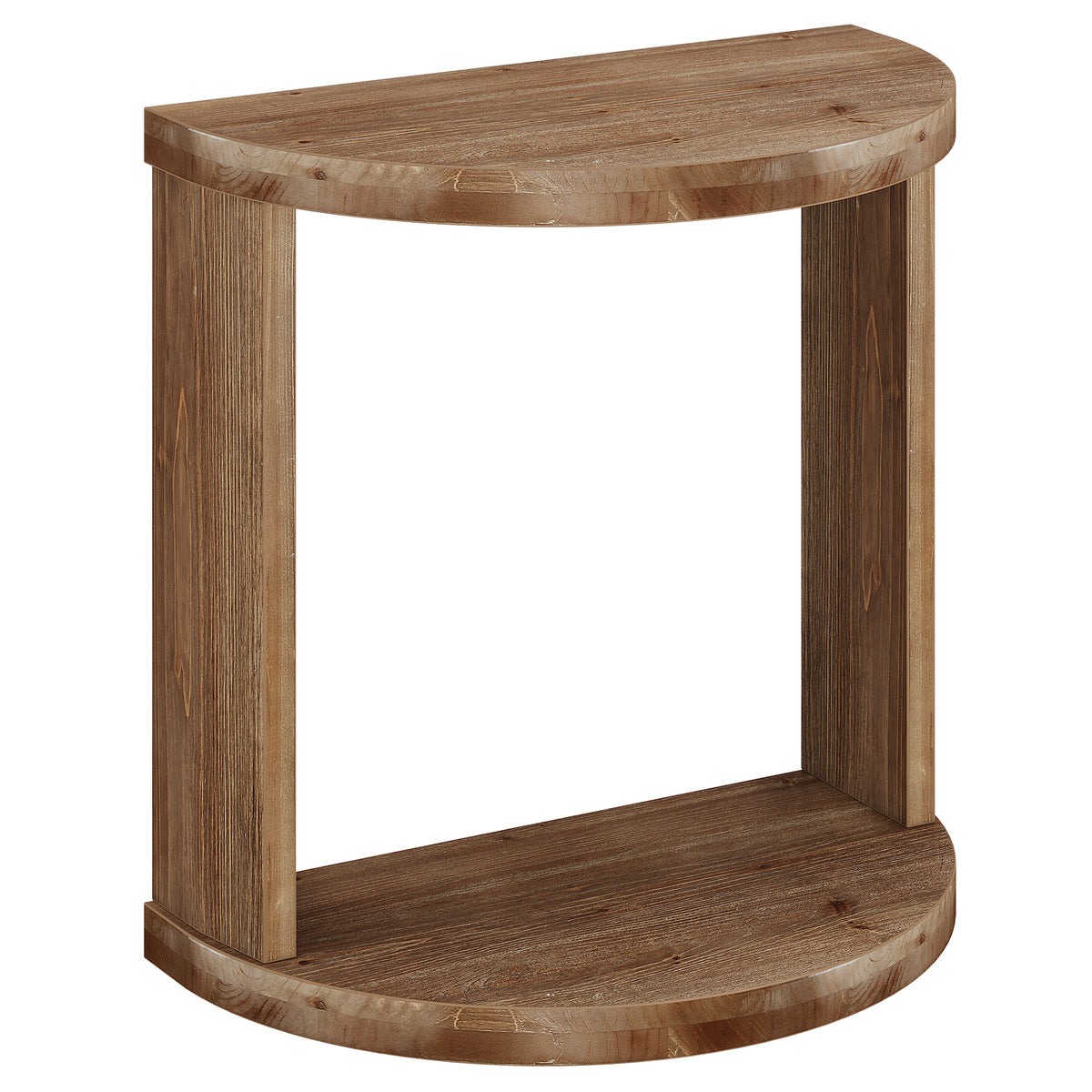
End tables are typically used in living rooms next to sofas or chairs. They may or may not have storage and are primarily meant to hold lamps, drinks, remotes, or décor.
If the height, style, and storage meet your needs, an end table can work as a nightstand, and vice versa. In smaller spaces or minimalist setups, many people choose end tables as a sleek, budget-friendly alternative to traditional nightstands.