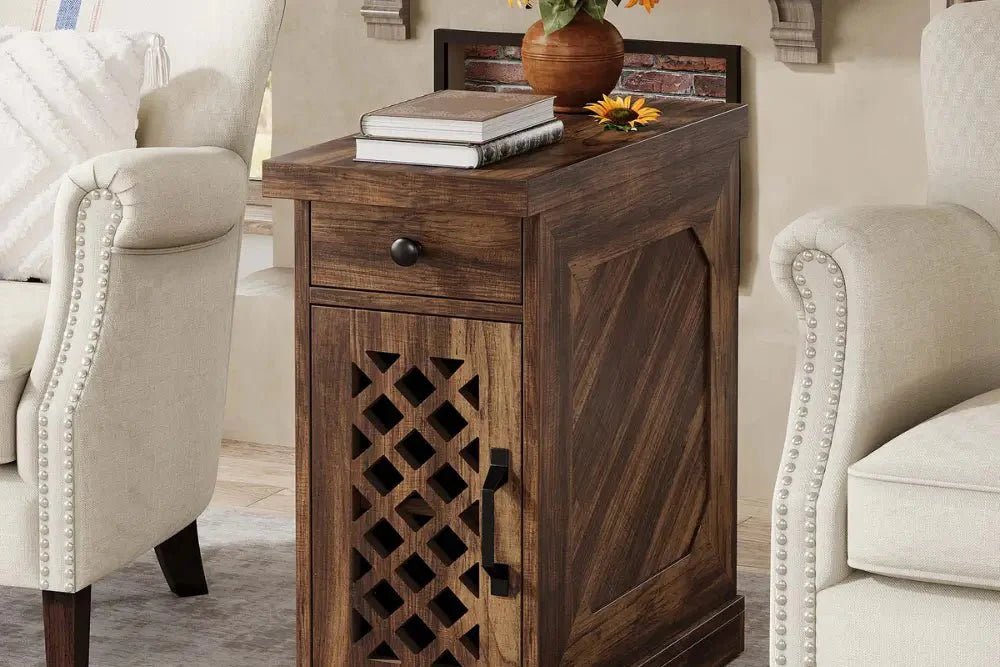


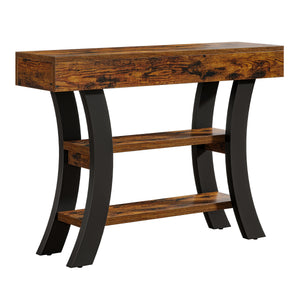
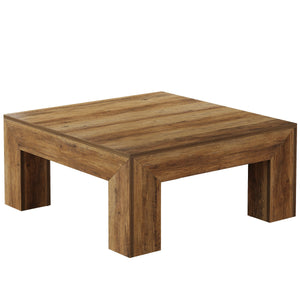
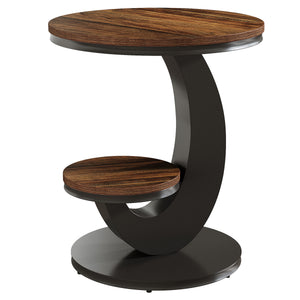

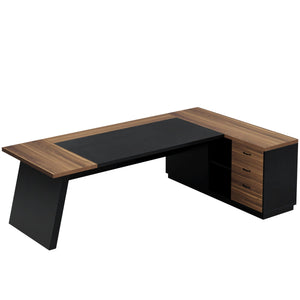
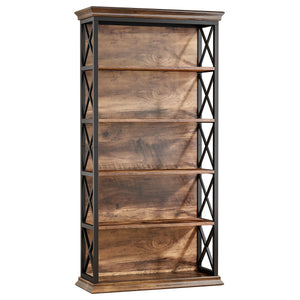
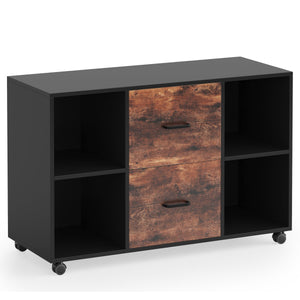
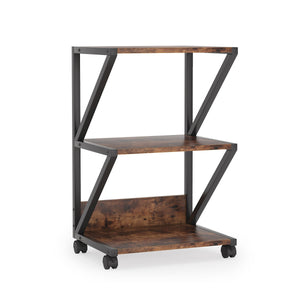

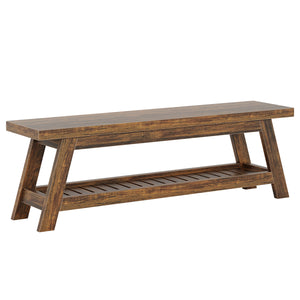
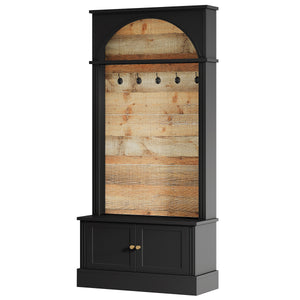
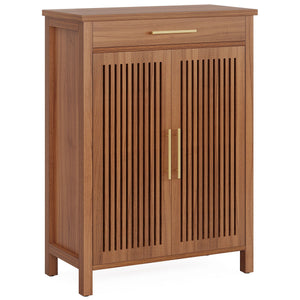

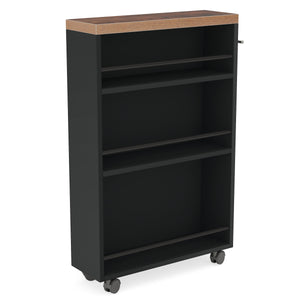
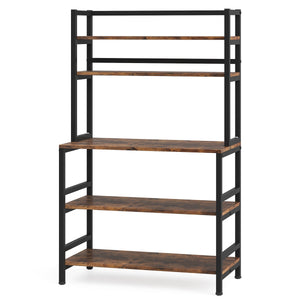
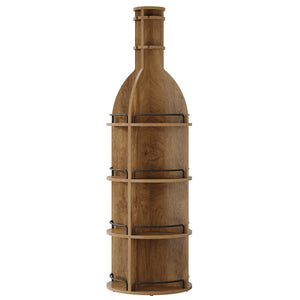

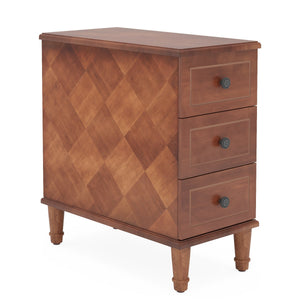




Yes, an end table can work as a nightstand if the tabletop sits within ±2 inches of your mattress height. Best for small bedrooms (e.g., 8'×10') and light storage needs where you mainly park a lamp, phone, and water.
Table of Contents
- What Is an End Table?
- Pros of Using End Tables as Nightstands
- Cons of Using End Tables as Nightstands
- End Table vs Nightstand
- Conclusion
- FAQ
What Is an End Table?
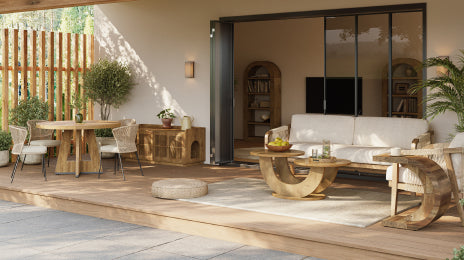
An end table is a small, versatile surface that lives beside a sofa or accent chair and keeps daily essentials—lamp, book, remote, coffee—within easy reach. Most stand 18–24 inches high with a 16–22 inch round or square top; some add a shelf or drawer, others are purely decorative.
People often use “end table” and “side table” interchangeably. In practice, an end table typically sits at the end of a seating run and tends to be a touch larger and sturdier, while a side table is often slightly smaller, more ornamental, and can float between seats. Both do the same job; the placement and proportions differ.
Because end tables prioritize access over storage, capacity is limited. A drawer or lower shelf helps, but it won’t replace a full nightstand or console. That said, many end tables can moonlight in the bedroom if the height and surface area work.

Pros of Using End Tables as Nightstands
- Height can match better. Many beds land at 25–27". An end table at 24–26" keeps reach natural. Target a height difference of ≤2" (e.g., 26" mattress → 24–28" table).
- Smaller footprint. Typical tops are 18–20", slimmer than many 22–26"-wide nightstands—great for tight layouts. Preserve a ≥24" bedside walkway; keep the table 1" off the wall for cords.
- More styles, friendly prices. Broad selection in the $80–$180 range across metal, wood, and glass.
- Easy to move. Most weigh 12–18 lb, so weekend re-layouts are simple.
Cons of Using End Tables as Nightstands
- Limited storage. Many lack drawers for meds, glasses, and chargers.
- Action: Add an 8–10" tall bedside basket or a small drawer tray for 5+ small items.
- Tight surface. With 16–18" tops, a lamp, phone, mug, and book compete for space.
- Possible height mismatch. ≥3" lower than the mattress forces a bend; ≥3" higher risks elbow bumps.
- Cable clutter. No back grommets means visible cords.
Do this: Planning living room placement? Keep the table 3–6 inches from the sofa arm and maintain 18 inches of knee clearance. Considering bedside use? Match table height to mattress within ±2 inches and target a lamp + table total height of 58–64 inches for comfortable reading.

End Table vs Nightstand
End tables and nightstands are both essential furniture pieces, but they differ in their primary use and design. Below is a detailed comparison:
|
Feature |
End Table |
Nightstand |
|
Typical Height |
18–24 inches |
24–28 inches |
|
Design Focus |
Utility & decoration, often used in living rooms |
Practicality & storage, designed for bedrooms |
|
Storage |
Limited to open shelves or small drawers |
Often includes drawers for storage or hidden compartments |
|
Placement |
Next to seating areas (couches, chairs) |
Next to the bed, usually beside one or both sides |
|
Surface Area |
Smaller surface, ideal for lamps and decorative items |
Larger surface for bedside essentials like lamps, clocks, etc. |
|
Function |
Holds drinks, remotes, and decorative items |
Stores bedside essentials, such as lamps, books, alarm clocks, and personal items |
|
Aesthetic Style |
Versatile; can blend with modern, rustic, or minimalist styles |
Typically more cohesive with bedroom furniture design, with a focus on comfort and accessibility |

Conclusion
End tables and nightstands both serve essential functions, but your choice ultimately comes down to the specific needs of your space. Whether you’re seeking versatile furniture for your living room or a functional piece for your bedroom, it's crucial to consider the purpose of the table, your storage requirements, and the overall design of your room. At Tribesigns, we offer a wide selection of end tables and nightstands to suit every style and need. Let us help you find the perfect piece to complete your home, combining both functionality and design.
FAQ
Are Nightstands and End Tables the Same Size?
Not exactly. Nightstands prioritize bed-height alignment—typically 24–28" high and 16–20" deep. End tables often run 18–24" high and can be as shallow as 16–18".
What Else Can You Use End Tables For?
End tables are highly versatile and can serve several functions beyond their typical use beside a sofa. Here are a few ideas:
Plant Stands: End tables can hold plants, adding greenery to any room. Make sure the table is sturdy enough to support the weight of your plant pot, especially if it's a large one.
Entryway Catch-All: Use an end table in an entryway for keys, mail, wallets, and other items that need a home when you walk in the door.
Opt for a model with a drawer or shelf to keep smaller items organized, and add a tray to collect everyday clutter.
Mini Printer Station: For those who need a space for a compact printer, an end table can provide just enough room, with easy access for regular use.
Side Table for Reading Nooks: Create a cozy reading corner by adding an end table beside a comfy chair, where you can keep books, reading glasses, or a cup of tea.
Where Should End Tables Be Placed in the Living Room?
The placement of a living room side table is crucial to both functionality and the flow of the space. Here are the most common and effective placements:
Next to a sofa or chair: Side tables are typically placed next to a seating area, typically a sofa or accent chair. This allows for easy access to items like drinks, remote controls, or lamps while seated.
Near the end of a seating area: Place the table at the end of a sofa or seating area, where it doesn't block flow or obstruct sightlines. This helps maintain the flow of the room and makes the table easily accessible.
Away from high-traffic areas: Avoid placing the table near aisles or high-traffic areas, such as a path between two rooms. This keeps the space functional without creating an obstruction.
In front of a window (optional): If the style is appropriate, place a coffee table in front of a window to display decorative items or place a lamp for additional light. However, be careful to avoid direct sunlight onto delicate items.
By keeping these guidelines in mind, you can create a convenient and stylish coffee table placement that adds a touch of style to your living room while ensuring smooth movement and accessibility.