










Summer Still Causes Damage
A lot of people assume patio furniture only needs protection in cold weather, but summer can be just as hard on it. Strong UV exposure can fade cushions, dry out wood, and make some finishes look tired long before their time. Heat also speeds up wear on fabrics and can weaken certain materials when furniture is left exposed day after day.
Rain is another reason summer protection matters. A sudden storm can soak cushions, leave water sitting in joints, and create the kind of damp conditions that lead to mildew. Even when it does not rain, morning dew and humid nights can slowly add moisture to furniture that was dry just a few hours earlier.

Winter is Harder on Furniture
Winter brings a different kind of stress. Snow, freezing rain, frost, and repeated wet-dry cycles can be rough on almost every outdoor material. Wood may crack, metal may rust, and cushions left outside can absorb moisture that never fully dries out.
Cold weather also makes small problems worse. A bit of trapped water can freeze, expand, and damage seams, joints, or surface finishes. That is why furniture that seems fine in the fall can look worn out by spring if it is left uncovered through winter.
Summer vs. Winter Care
The seasonal difference is simple, but it matters.
|
Season |
Main risks |
Best approach |
|
Summer |
UV, heat, rain, dew, dust |
Cover when not in use for long periods |
|
Winter |
Snow, frost, freezing moisture, long storage |
Cover consistently and keep cushions dry |
Summer damage often builds slowly through sunlight and humidity. Winter damage tends to happen when water stays where it should not, then freezes or sits for too long. Both seasons call for protection, but for slightly different reasons.
When You Can Skip the Cover?
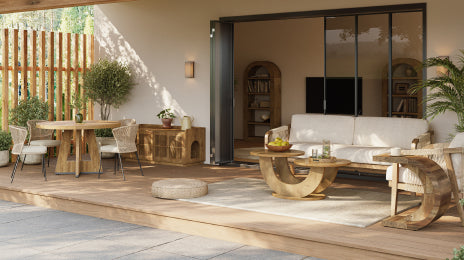
There are a few cases where covering every time is not necessary. Furniture placed under a covered patio, pergola, or roof overhang already has some protection from direct sun and rain. In those situations, you may not need to cover it daily, especially if you use it often.
Still, “partially protected” is not the same as fully protected. Dust, humidity, pollen, and wind-blown rain can still reach the furniture, so a cover is useful when the set will sit unused for several days or longer. That is especially true for cushions and upholstered pieces.

How to Cover Patio Furniture the Right Way?
A good cover should do more than block rain. It needs to fit well, allow airflow, and stay secure when the wind picks up. A loose cover can trap water, rub against surfaces, and actually create more problems than it solves.
Here is what matters most:
|
What to look for |
Why it matters |
|
Waterproof or water-resistant fabric |
Keeps rain and snow off the furniture |
|
Breathable material |
Helps prevent mold and trapped moisture |
|
Correct size |
Reduces flapping, pooling, and exposed edges |
|
Secure straps or buckles |
Keeps the cover in place during wind |
|
UV protection |
Helps reduce fading and sun damage |
Cushions are worth treating separately. Even if the frame is covered, cushions often last longer when they are stored indoors or in a dry outdoor box. If you leave them outside, make sure the cover is tall enough and ventilated enough to keep moisture from getting trapped.
The best way to protect patio furniture is not complicated. A short routine is usually enough, and it works in both summer and winter.
- Clean the furniture first.
- Let every surface dry completely.
- Remove cushions or store them in a dry container when possible.
- Put on a cover that fits the shape of the furniture.
- Secure the cover so wind cannot pull it loose or let water pool on top.
That routine matters because a cover placed over dirty or damp furniture can trap problems instead of preventing them. A little preparation makes the cover work the way it should.
Which Materials Need the Most Care?
Different materials react differently to weather. Wood needs protection from moisture and direct sun, since both can change its shape and finish over time. Metal furniture is more likely to suffer from rust if water sits on the surface or in hidden joints.
Wicker and rattan-style pieces need attention too, especially if they are natural rather than synthetic. These materials can dry out, fade, or become brittle after too much sun exposure. Fabric cushions and slings are usually the most vulnerable, since they can fade, mildew, or hold moisture for too long.

What to Look For in a Good Cover?
Not every cover is useful. Some look protective but fail in real weather because they are too thin, too loose, or too airtight.
Here is what a better cover should do:
- Block water without trapping moisture.
- Fit closely enough to stay in place.
- Allow airflow so mildew does not build up.
- Stay secure in wind.
- Protect against UV damage when furniture sits in strong sun.
A cover that does not breathe can create its own problems. Moisture gets trapped underneath, and that is exactly what you do not want on furniture you are trying to preserve.
A Simple Rule That Works
If your patio furniture stays outside through the season, cover it when it is not being used for more than a day or two. That rule works especially well in summer, when sun and moisture both show up in the same week, and in winter, when cold weather can turn small amounts of water into real damage.
You do not need to overcomplicate it. Furniture that is expensive, cushioned, wood-based, or exposed to open weather should be covered more often. Furniture under a roof or used constantly can be covered less often, but it still benefits from protection when it is sitting idle.