










5 Benefits of a Standing Desk

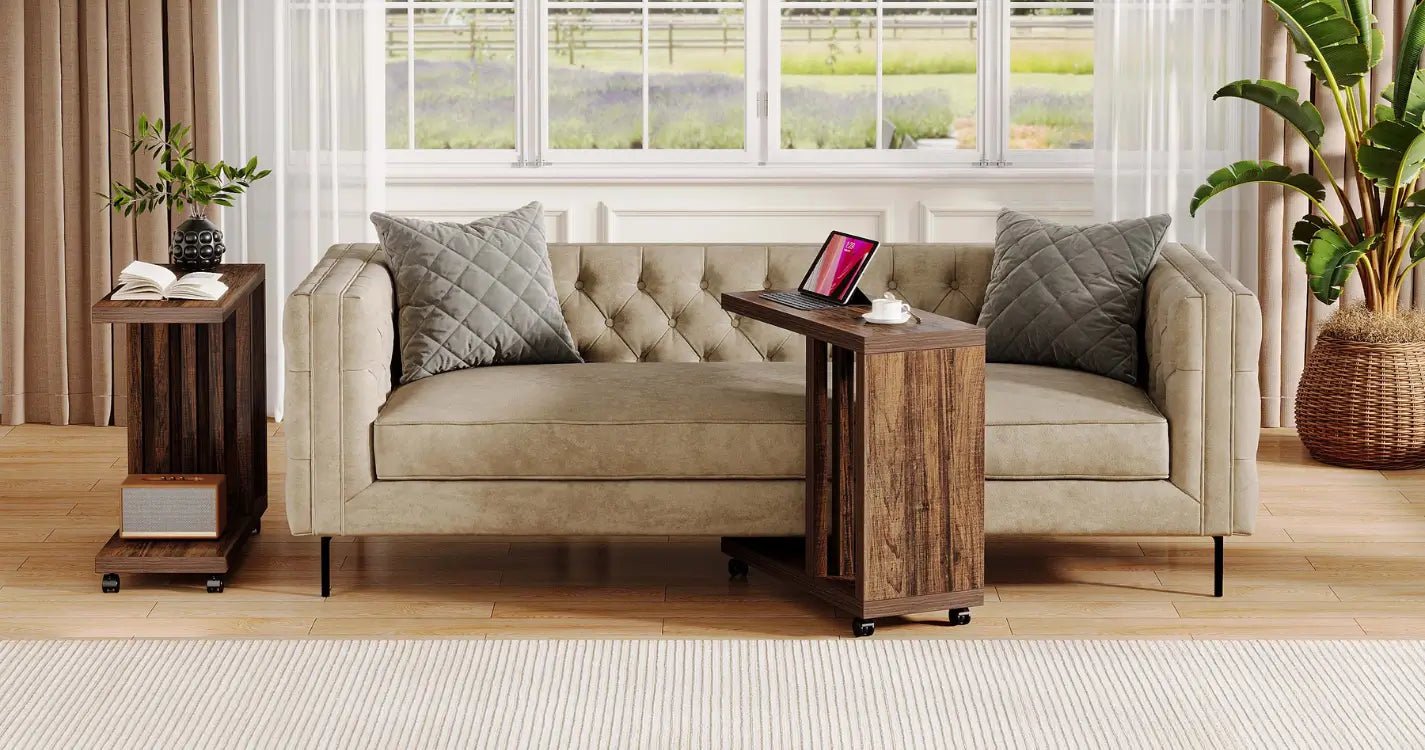
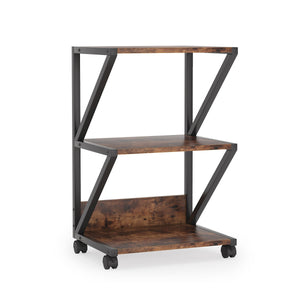
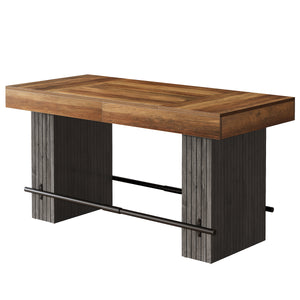
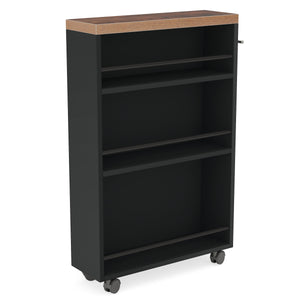
Tribesigns Rolling Standing Portable Laptop Table
Helps You Sit Less Throughout the Day
One of the biggest advantages of a standing desk is that it helps you avoid sitting for hours without a break. Instead of staying in the same position all day, you can switch between sitting and standing more easily. That simple change can make your work routine feel less sedentary and more balanced.
Can Ease Everyday Back and Shoulder Tension
If you spend long hours at a desk, a standing desk may help relieve some of the stiffness and tension that build up in your back, shoulders, and neck. For many people, the benefit comes from changing positions more often rather than staying seated for too long. It is not a cure-all, but it can make your workspace feel more comfortable over time.
Encourages More Movement
A standing desk can also make it easier to move more during the day. When you are already on your feet, you may be more likely to stretch, shift your posture, or take short walking breaks between tasks. Those small habits can add up and help you feel less sluggish during the workday.
May Support Better Blood Sugar Response
Another potential benefit is that standing more during the day may help support healthier blood sugar levels after meals. While a standing desk is not a replacement for exercise or other healthy habits, it can be one practical way to make your daily routine a little more active.
Burns Slightly More Calories Than Sitting
Standing does burn a bit more calories than sitting, but the difference is modest. That means a standing desk is not really a weight-loss solution. Its bigger value is that it helps break up long stretches of sitting and supports a more active work setup overall.
Are There Any Risks or Drawbacks?

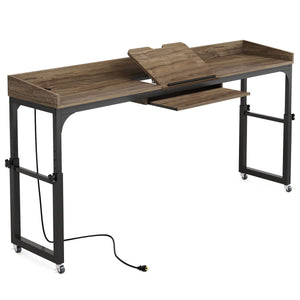
Tribesigns Height Adjustable Desk with Wireless Charging Station
Standing Too Long Can Be Uncomfortable
Yes, there are some downsides to keep in mind. The most common one is standing for too long without enough breaks. When that happens, you may start to notice sore feet, tired legs, or lower-back discomfort. So while standing desks can be helpful, standing all day is usually not the goal.
More Standing Is Not Always Better
It is easy to assume that if too much sitting is bad, then more standing must be better. But that is not always true. Prolonged standing can come with its own issues, and recent discussions around standing desks have made it clear that balance matters more than extremes.
A Poor Setup Can Create New Strain
A standing desk only works well if it is adjusted correctly. If your screen is too low or your keyboard sits at an awkward height, you could end up with neck, shoulder, wrist, or back strain. In other words, good ergonomics matter just as much as the desk itself.
Expectations Can Be Unrealistic
Another drawback is that people sometimes expect too much from a standing desk. It will not instantly fix posture, eliminate discomfort, or transform your health on its own. Think of it as a helpful tool, not a complete solution.
It Does Not Replace Regular Movement
Even with a standing desk, your body still needs movement. Standing in one place for long periods is not much better than sitting in one place for long periods. The best approach is to alternate between sitting and standing, and make sure you are still walking, stretching, and moving throughout the day.
How to Use a Standing Desk Effectively?

Set the Right Desk Height
Your desk should be high enough that your elbows stay at a comfortable angle while typing, without forcing your shoulders up or your wrists down. If it feels like you are reaching or hunching, the height probably needs adjusting.
Keep Your Monitor at Eye Level
Your screen should sit straight in front of you, with the top of the monitor around eye level. This helps reduce neck strain and makes it easier to stay comfortable during longer work sessions.
Position Your Keyboard and Mouse Naturally
Keep your keyboard and mouse close enough that your arms can stay relaxed at your sides. A good setup should feel natural, not like you are stretching forward every time you type or use the mouse.
Alternate Between Sitting and Standing
A standing desk works best when you use it to switch positions throughout the day. The goal is not to stand for hours at a time, but to avoid staying in any one position for too long.
Add Comfort Where You Need It
If you stand for longer stretches, supportive shoes, an anti-fatigue mat, or a footrest can make the setup feel much more comfortable. Small changes like these can go a long way in everyday use.
Keep Moving
Even with a standing desk, regular movement still matters. A quick stretch, a short walk, or even shifting your position from time to time can help you feel better throughout the day.
FAQs
What is The Right Standing Desk Height
The right standing desk height is usually at elbow level, so your arms stay bent at about 90 to 120 degrees while typing. Your monitor should sit straight in front of you, with the top of the screen at or slightly below eye level. When the height is set correctly, your shoulders stay relaxed, your wrists stay neutral, and your spine feels more supported.
How Long Should You Stand Each Day?
A simple way to start is by standing for 15 to 30 minutes at a time, then sitting again before you get tired or uncomfortable. The goal is to keep changing positions throughout the day, not to stay on your feet for hours. If you have foot, knee, or back issues, pay close attention to comfort and take it slow.
And remember, standing is only part of the picture—walking, stretching, and moving around regularly matter just as much. For many people, a general 2:1 sitting-to-standing ratio can be a useful guide, but it should feel flexible, not fixed.
Are Standing Desks Better Than Sitting Desks?
Not necessarily on their own. For daily work, the best approach is usually a mix of both. A standing desk simply makes that balance easier.
How Long Should You Stand at a Standing Desk?
There is no single rule that works for everyone, but most people do better when they ease into it and alternate regularly throughout the day. Comfort is usually a better guide than trying to stand for hours at a time.
Do Standing Desks Help with Back Pain?
They can help some people, especially if the discomfort comes from sitting too long in one position. Still, the desk alone is not the full solution—good posture, the right setup, and regular movement all matter too.